Category: cooking guide

  • 15 lunch box ideas

    15 lunch box ideas

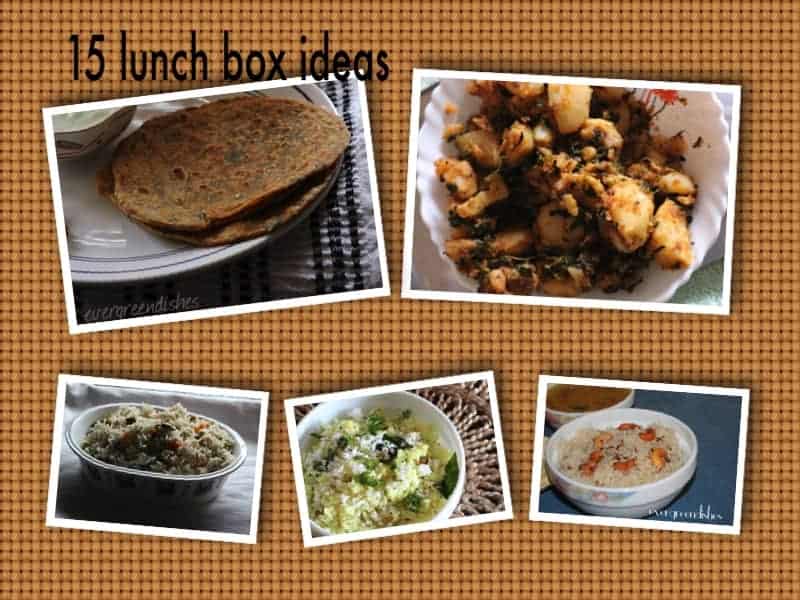
    Preparing the lunch for the office or school is one of the prominent work that we have on daily basis. Oh! It is a dilemma to decide the dish  daily. This “X” dish does not taste good in the box, “Y”  dish is liked by one child, while the other detests, are some of the cribbings we often hear. Somehow, we have learnt to balance things.  Here are 15 lunch box ideas that you can use on a daily basis.  I usually packed chapati and sabzi. Rice had to be some kind of prepared dish, not the usual dal or rasam. Do take a peep below.

    Providing a good food to the family is our duty. They trust and eat whatever we provide. Make the right choices of what you give commonly to your children. Inculcate the habit to eat fruits on a daily basis, children need to be told many times.

    15 lunch box ideas
    15 lunch box ideas

    Here are a few recipes that you can pack for the lunch box.

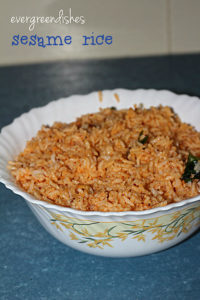
    Sesame rice : Grind the paste and keep it in the refrigerator. Saute it and then mix along with prepared rice. It can be done in thirty minutes.
    sesame rice
    sesame rice

    Kadai Pulav

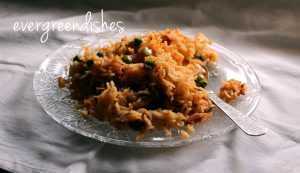
    This is one of the tastiest dishes you can make. Chop the veggies and store in the refrigerator, next day, just prepare it.
    kadai pulav
    kadai pulav

    Lemon rice

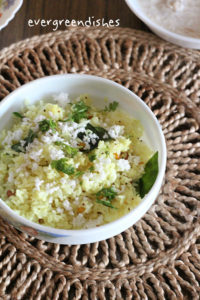
    This popular south indian dish can be packed for lunch box.Make it with or without onion.
    lemon rice
    lemon rice

    Jeera rice

    Jeera rice is versatile in its use. Pair it with some salad for a good lunch option.
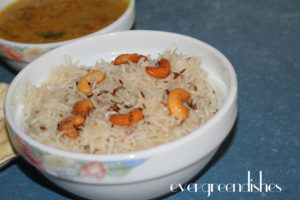
    jeera rice
    jeera rice

    Chennai Idli 

    These idli are soft and supple, ideal to pack in the box.
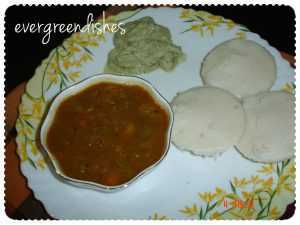
    chennai idlis
    ideal breakfast

    Palak paneer 

    I find chapatis to be the best option, filling and healthy. This palak sabzi is liked by all.
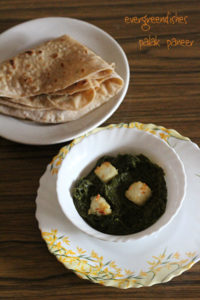
    palak paneer
    palak paneer

    Vegetable Pulav

    Pulav can be prepared quickly, chop the veggies and store them in the refrigerator. It eases cooking in the morning.
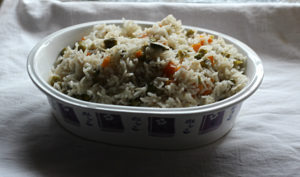
    vegetable pulav
    vegetable pulav

    Spinach rice 

    If your kids love, then you can make this one.
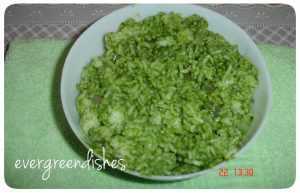
    Spinach Rice
    Spinach Rice

    Methi Parathas

    Methi parathas do not need any accompaniments, only a pickle will do. They are tasty also.
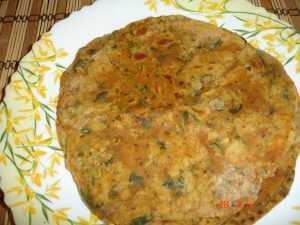
    methi paratha
    methi paratha

    Spanish Rice

    Here is one kind of rice dish with chipotle adobado.
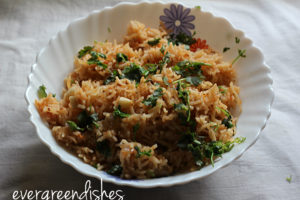
    spanish rice
    spanish rice

    Tomato rice

    The Indian version of Mexican rice, tomato rice too can be prepared.
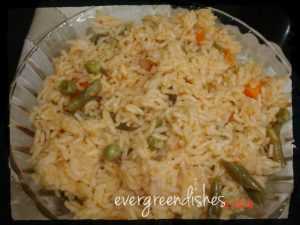
    Tomato rice
    Tomato rice

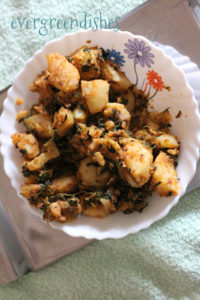
    Alu Methi

    Potatoes are cherished at home in any form.
    alu methi
    alu methi

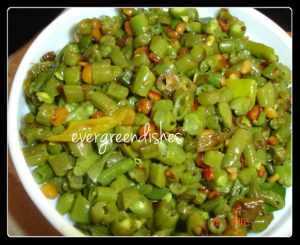
    Beans stirfry

    The simple south indian stir fry, pair it with chapati.
    green beans stirfry
    green beans stirfry

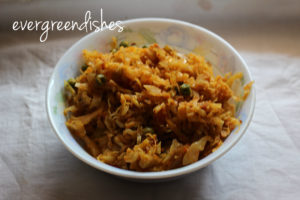
    Bandhakopir Torkari (Cabbage bengali style)

    This is bengali style cabbage stir fry, tastes good with chapati.
    Bandhakopir tarkari
    Bandhakopir tarkari

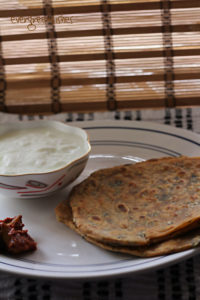
    Mint Paratha

    Mint paratha is another option that can be packed for the lunch box. It is mess free.
    mint paratha
    mint paratha

    I hope you like this collection of mine. Do follow evergreendishes on Pinterest, Twitter, G+, Instagram

    If you have liked this post, do share it further.

    Let’s be connected

    Subscribe to get all updates and an e-book for free !


  • The real basics of cooking

    We need a lot of pre-made ingredients while cooking. Today’s post is related to the making of them, I hope you find it useful.

    1 Tomato puree

    Tomato puree is widely used in North Indian dishes. Take firm red tomatoes. Wash them and make an incision at the tip. Put these in boiling water for a few minutes. After sometime, peel the skin and  make a purée of it.

    2  Cumin powder

    Dry roast the cumin until light brown in colour. When cool, grind it to a fine powder. It can be stored in an air tight container.

    3 Coriander powder

    Dry roast the coriander seeds until you get a pleasant aroma. Keep it on a low flame. When cool, grind it in a mixer and store in an air tight jar.


    4 Curd

    Curd or yoghurt is essential in Indian homes. Hence, it is set on a daily basis with a starter agent.  Warm the milk and add a little curd to it. Close it with a lid and keep it in a warm place for five to six hours. It converts to a thick wobbly dish. When you do not have curd, one can put two or three green chilli into the milk and keep it covered. 


    5 Buttermilk

    The curd is churned and water is added to it.  Salt or sugar may be added. Sweet buttermilk with thick cream is called as lassi.

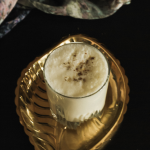
    Punjabi Lassi

    If you find this post useful, do follow evergreendishes on Facebook , Twitter, Facebook and @foodiejayashree on Instagram. Subscribe to get a book of handy hints for free.


  • How to make sprouts

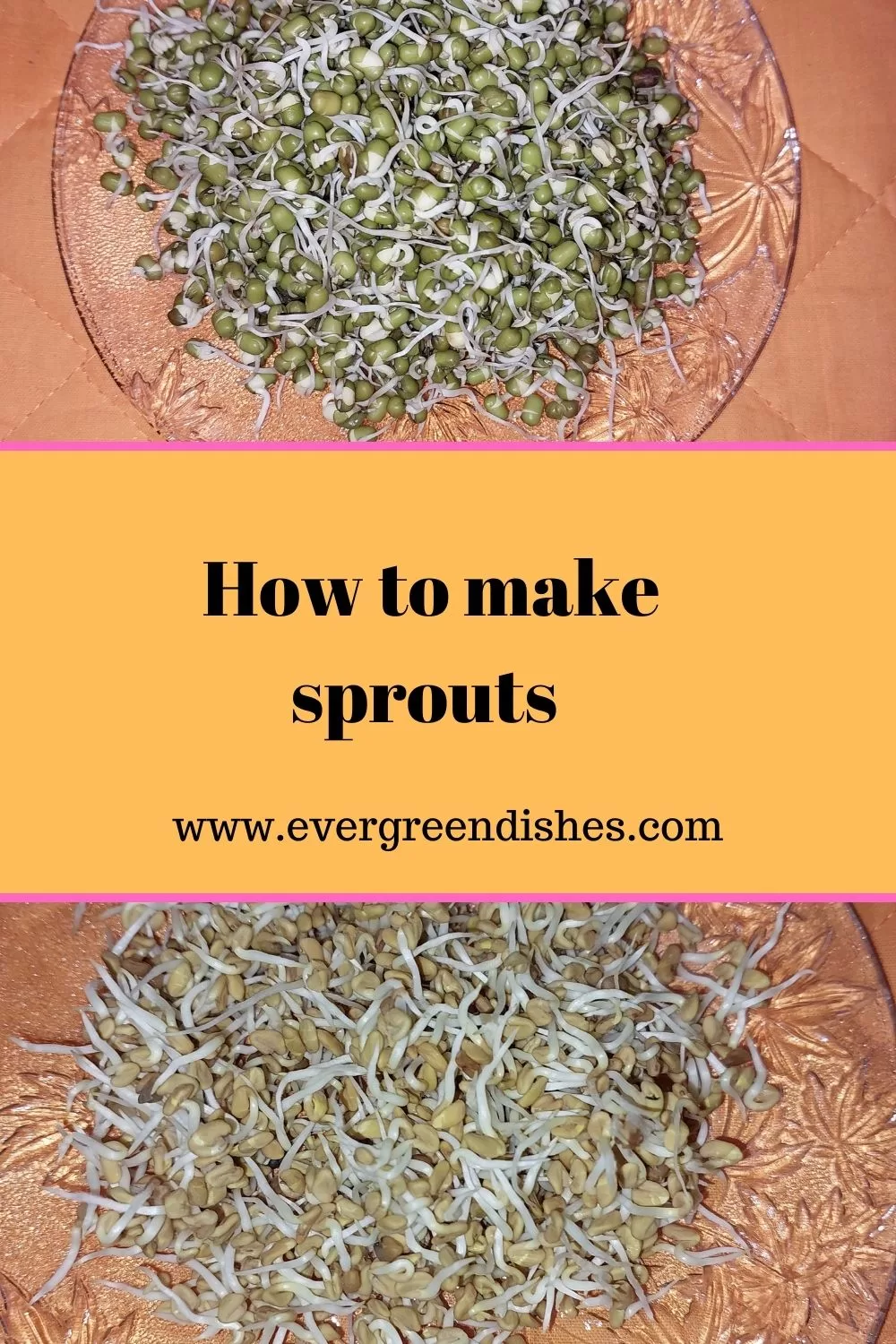
    How to make sprouts

    Learn the process of making sprouts at home. It is easy and can be done in a few steps.

    Sprouts are healthy and  often used by many people.  They are rich in nutrients. The sprouts are easier to digest also.

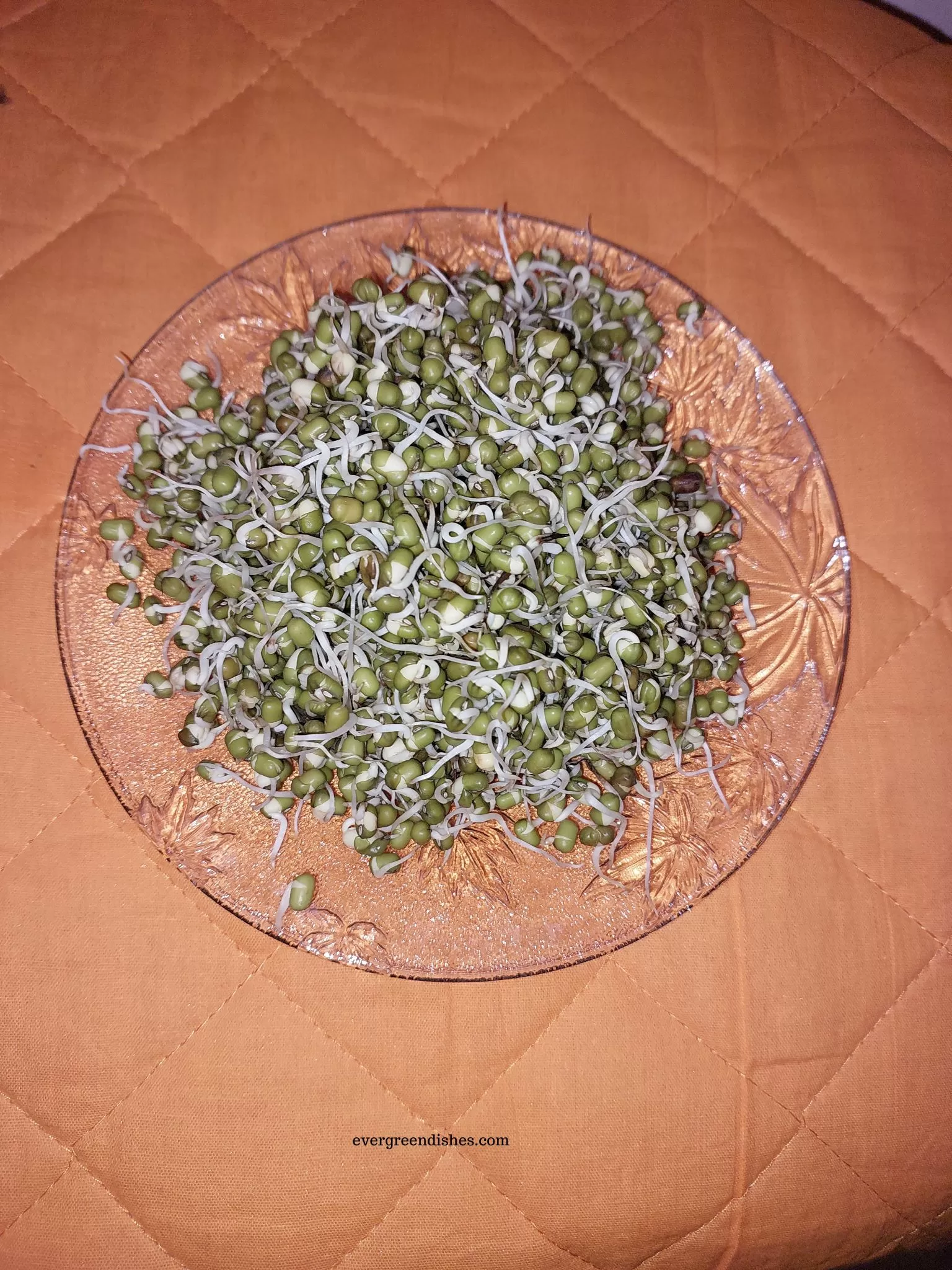
    All kind of grains and legumes can be sprouted. Jowar, ragi, amaranth, flax seed, green moong, wheat, green moong are some which can be sprouted at home. The sprouting time varies for each one of them.

    Sprouts are versatile to use. You can powder them to make a malt or use them in cooking different kind of recipes. Green gram sprouts is often used in a salad. The other sprouts can be used in making chaats, stir fry or delectable sweets.

    What is sprouting ?

    Germination is the process by which seeds grow into a seedling. Exposing the seeds (grains or legumes) to the proper conditions helps them to sprout. Thus sprouts are the germinated seeds with little roots. They are healthy and can be consumed in both raw and cooked form.

    How to make sprouts :

    Sprouts are easy to make. Clean, wash and soak them in water for atleast  eight hours. Strain in a colander and keep aside for sometime. Later, tie it in a  thin muslin cloth and keep it in a warm place for eight hours. The next day, check if it has sprouted. Otherwise, keep it tied for a few more hours. 

    The time required varies for each grain. Gren gram sprouts in eight hours while fenugreek needs fifteen hours.

    Ingredients :

    • 1 cup of any grain or lentil. (I have used methi and fenugreek )

    Other materials :

    • vessel
    • water for soaking
    • colander
    • thin muslin cloth

    Method to make sprouts:

    1. Soak the grains for eight to ten hours.
    2. Drain the water and put them in a colander for sometime.
    3. In a clean muslin cloth, tie them and keep it covered in a warm place for eight to ten hours.
    4. Check if the grains are sprouted. Otherwise, put them back for some more time.
    5. Keep the sprouts in a clean container in the refrigerator. Use them within three days.

    Take a tip:

    • The soaked grain should be soft and edible.
    • Check the grain if it has sprouted. If kept for a longer period, it can turn to be slimy and not fit for use.
    • The soaking time and sprouting duration varies for each grain. You need to check it.

    About the event:

    An old post got updated, sending it to Foodies_Redoing Old Post _121. It is a fortnightly event, a group of bloggers work on an old post, either by editing the text, putting better pictures or sometimes it needs both. Here, I have changed the picture and the text too.  This was one of the first post I wrote. Nw on 24.2.2024,  I have redone  it.


    How to make Sprouts

    Sprouts are packed with nutrients. They are versatile to use. Make them easily at home and store for a week in the refrigerator.

    Ingredients
      

    • 1 cup of any grain or lentil. I have used methi and fenugreek
    • water for soaking

    Equipment

    • vessel
    • colander
    • thin muslin cloth

    Method
     

    1. Soak the grains for eight to ten hours.
    2. Drain the water and put them in a colander for sometime.
    3. In a clean muslin cloth, tie them and keep it covered in a warm place for eight to ten hours.
    4. Check if the grains are sprouted. Otherwise, put them back for some more time.
    5. Keep the sprouts in a clean container in the refrigerator. Use them within three days.

    Notes

    The soaked grain should be soft and edible.
    Check the grain if it has sprouted. If kept for a longer period, it can turn to be slimy and not fit for use.
    The soaking time and sprouting duration varies for each grain. You need to check it.

    Pin it for later :

    how to make sprouts

  • Know your vegetables

    The English  names are not familiar to many. My attempt to help the readers to know them.

    Ashgourd                                        white pumpkin, wintermelon ,petha

    amaranth                                      pigweed, ramdana, chauli chavleri

    colocasia                                         arbi, arvi

    corncobs                                        bhutta

    corn kernels                                  makai

    avocado                                         butter fruit, makai makhan phal

    olives                                               zetoon

    radish                                              mooli

    salad leaves                                 kasmi saag

    mushroom                                   goochi

    asparagus                                   shatwaar, shootmooli

    bitter gourd                               karela

    bottle gourd                              lauki

    ridge gourd                                torai

    cauliflower                                phoolgobi

    cabbage                                     bandgobi


    [social_share style=”bar” align=”horizontal” heading_align=”inline” facebook=”1″ twitter=”1″ google_plus=”1″ linkedin=”1″ pinterest=”1″ /]

  • Conversion Chart

    Most often, we find entangled when we are following receipes with the measurements given. Here is a handy  conversion chart for reference.

    1 tsp                            1/3tbsp                                1/6 fluid ounce                 5ml

    3tsp                                 1 tbsp                                 1/2 fluid ounce                 15 ml

    1/4 cup                            4 tbsp                                2 fluid ounce                      59 ml

    1/2 cup                            8 tbsp                                4 fluid ounce                      79 ml

    1 cup                                 1/2 pint                            8 fluid ounce                     237 ml

    1 pint                                  2 cups                              16 fluid ounce                 473 ml

    1 quart                               2 pints                              32 fluid ounce                946 ml

    1 litre                           1 quart +1/4 cup              34 fluid ounce              1000ml

    1 gallon                             4 quarts                           128 fluid ounce           3785ml


    [social_share style=”bar” align=”horizontal” heading_align=”inline” facebook=”1″ twitter=”1″ google_plus=”1″ linkedin=”1″ pinterest=”1″ /]

  • Know your spices

    Know your spices

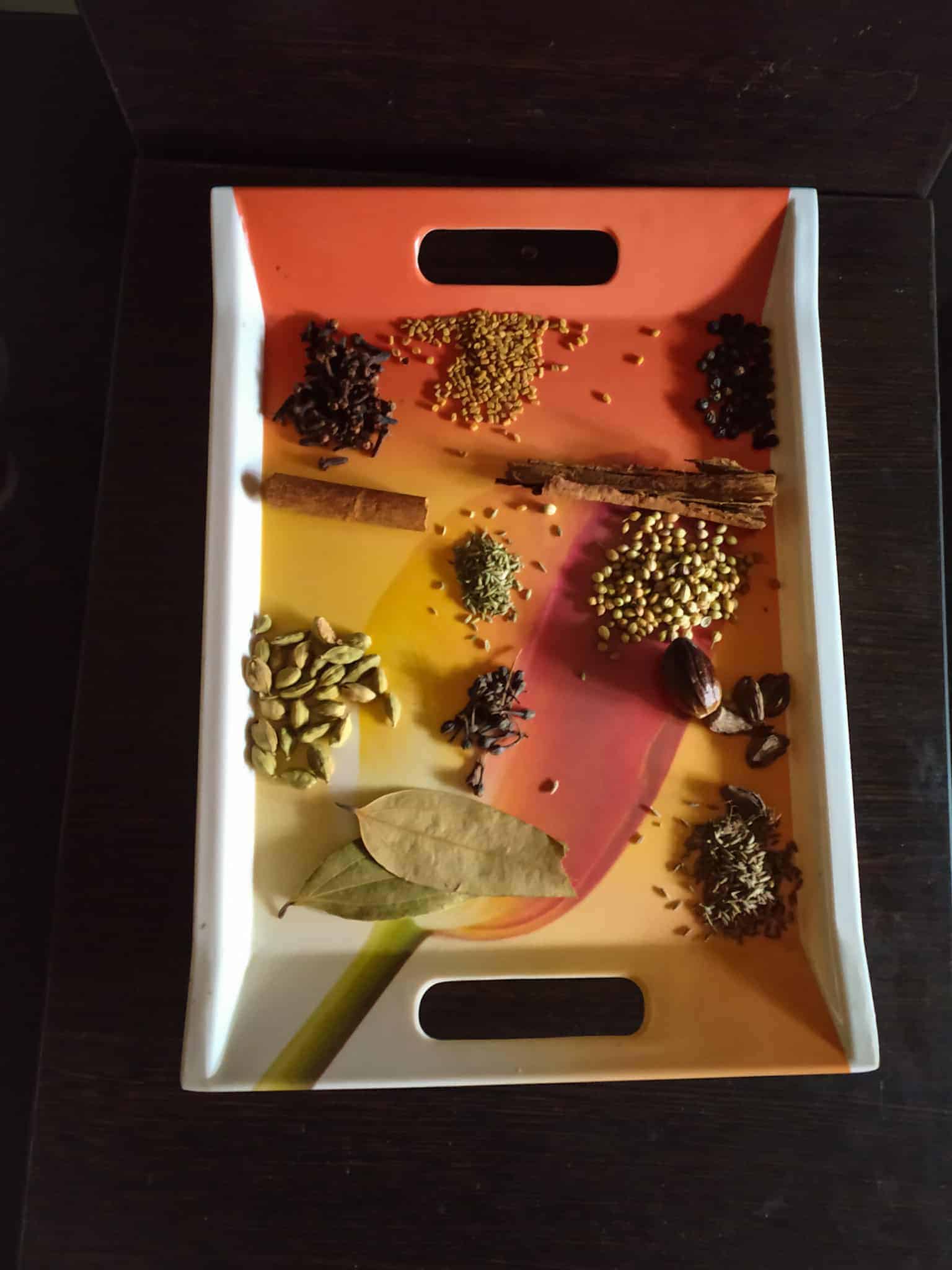
    Spices are essential in our day to day cooking. They give a good aroma and elevate the taste of the dish. Indian cuisine uses a wide range of spices. It is intimidating for beginners as one cannot remember the names. They are even confused as some of them look similar. Here is a guide to the spices that are regularly used in daily cooking.

    Spices used in cooking
    Spices used in cooking
    1. Green Cardamom: It has a strong aroma and a sweet and warm flavour. It is used in sweet and savoury dishes.
    2. Black Cardamom: It is larger and has a rustic look. It is mainly used in savoury dishes like biryani.
    3. Cinnamon: It is a fragrant bark with a sweet and fruity flavour. There are many varieties of cinnamon, but Cassia Cinnamon is the most commonly used one.
    4. Clove: It gives a sweet and spicy flavour to the dishes.
    5. Cumin: It is the most commonly used spice. It gives a warm and nutty flavour to the dishes. It is used both as a whole and a powder form.
    6. Coriander: It is widely used in curries, gravies and to make condiments. It tastes like a combination of caraway, sage, and lemon.
    7. Cayenne:: It is a powder made from tropical chiles. It is used in a wide variety of dishes and common to many cuisines.
    8. Ginger: It is one of the essentials in any cooking. It is mainly used as a paste along with garlic.
    9. Dry ginger: It has medicinal value; the sweet-spicy taste is good to cure a cold and cough.
    10. Bay leaf: It is commonly called as pulao leaf, it is used to give a good aroma. It is removed just before serving.
    11. Fenugreek: They give a nutty flavour and should be used with caution.
    12. Pepper: It gives a spicy taste to the food. The black pepper is more commonly used than the white pepper.
    13. Saffron: It is the most expensive spice in the world. It gives a splendid aroma to the sweet dishes.
    14. Turmeric: It is known for its anti-bacterial properties. It is commonly used in powder form in curry and spice mix.
    15. Mustard: They are tiny seeds that give earthy flavour when cooked or crushed in oil. It is used in pickles, curry powder, and curry.
    16. Nutmeg and mace: It is used in many dishes, gives a distinctive flavour to the dish.
    17. Asafoetida: It is mostly used in South Indian cooking. Commonly known as hing, it gives a good aroma to the dish.
    18. Fennel: It is one of the spices used in North Indian cuisine. It is also used as a mouth freshener.
    19. Carom: It is a small seed common by the name as ajwain. It has a strong flavour, hence used in small quantities. It aids indigestion.

    About the event:

    This is an old article which I have updated now. Sending this to Foodies_Redoing Old Post 35, a fortnightly event where we work on an old post. Here, both the article and the picture is updated. Earlier, I had only put the name of the spices.


    How to use the spices:

    1. Spices may be used as whole or in powder form. To powder, dry roast for two minutes, then powder it.
    2. While cooking, after tipping in the spices, sautés for a few seconds, the flavours release. Later, add the other ingredients.


    How to store the spices:

    Store the spices in clean, air-tight containers away from direct heat and light. Keep the containers closed when not in use.


    Spices are called by a different name in our country. Know their traditional and English names.


    The name of spices and their commonly known traditional names

    Cardamom                                Elaichi

    Nutmeg                                     Jaiphal

    Cinnamon                                 Dalchini

    Clove                                      Lavang

    Aniseed                                   Saunf

    Mace                                         javitri

    Cumin                                       Jeera

    Coriander seeds                     Dhaniya

    Carom                                   Ajwain

    Bay leaf                                  Tejpatta

    Basil                                         Tulsi

    Mustard                                      Rai or Sarson

    Pepper                                        Kali Mirch

    Which is the one spice that you always need ? Do let me know in the comments section below.

    For me, I love using cumin. The next spice that I frequently use is ginger. I deep freeze and store, I will never run out of it.

    Pin it for later:

    Know Your Spices
    Know Your Spices

    If you have liked this post, do share it with your family and friends. Follow evergreendishes on other social media. Let’s be connected, the follow buttons are on the right side.

    Subscribe to get all updates and an e-book for free !
     

  • Indian Names of Cooking Ingredients

    Cooking involves the usage of multiple ingredients to create a good dish. Here are a list of the ingredients used commonly in the Indian kitchen. Do you mess with these ?


    1. Atta usually refers to wheat flour. It is called as gehu ka atta.
    2. Plain flour is maida.
    3. Gram flour is besan.
    4. Pigeon peas is Toor dal.
    5. Gram dal is bengal gram or chana dal in Hindi.
    6. Split Green Gram  is Moong Dal.
    7. Red Lentil is Masoor Dal
    8. Tapioca is sago pearls or sabudana.
    9. Corn flour is makki ka atta.
    10. Cardamom is Elaichi.
    11. Saffron is Kesar.
    12. Black Cardamom is bada elaichi.
    13. Clove is laung.
    14. Cinnamon is Dalchini.
    15. Pepper is kali mirch.
    16. Bay Leaf is Tej Patta.
    17. Black Cumin is Kalonji.
    18. Mustard is Rai.
    19. Sesame seed is Til.
    20. Turmeric powder is Haldi.
    21. Asafoetida is Hing.
    22. Cumin is Jeera.
    23. Carom seeds is ajwain.
    24. Mace is Javitri
    25. Star Anise is Chakri Phool.
    26. Cinnamon is Cardamom.
    27. Dried Fenugreek Leaves is Kasturi Methi.
    28. Pomegranate seeds powder  is Anar Dana.
    29. Dry Mango Powder is Amchur
    30. Fennel seeds is Saunf.
    31. Jaggery is Gud
    32. Sugar is Chini
    33. Red Chilli is Laal Mirch
    34. Ginger is Adrak.
    35. Garlic is Lehsun.
    36. Salt is Namak.
    37. Clarified butter is ghee or desi ghee as it is commonly called.
    38. Butter is makhan.
    39. Curd (or yoghurt) is Dahi.
    40. Buttermilk is Chaach

    Vegetables :

    1. Cauliflower is Gobhi
    2. Potato is Aloo.
    3. Tomato is tamatar.
    4. Green chilli is Hari Mirch.
    5. Carrot is Gajar
    6. Lady finger is Bhindi.
    7. Ash Gourd is Rakh Laukee
    8. Turnip is Shalgam
    9. Yam is Sooran
    10. Sweet Potato is Shakarkhand.
    11. Ridge Gourd is Torai.
    12. Pointed Gourd is Parwal.
    13. Drum Stick is Shingh Phali