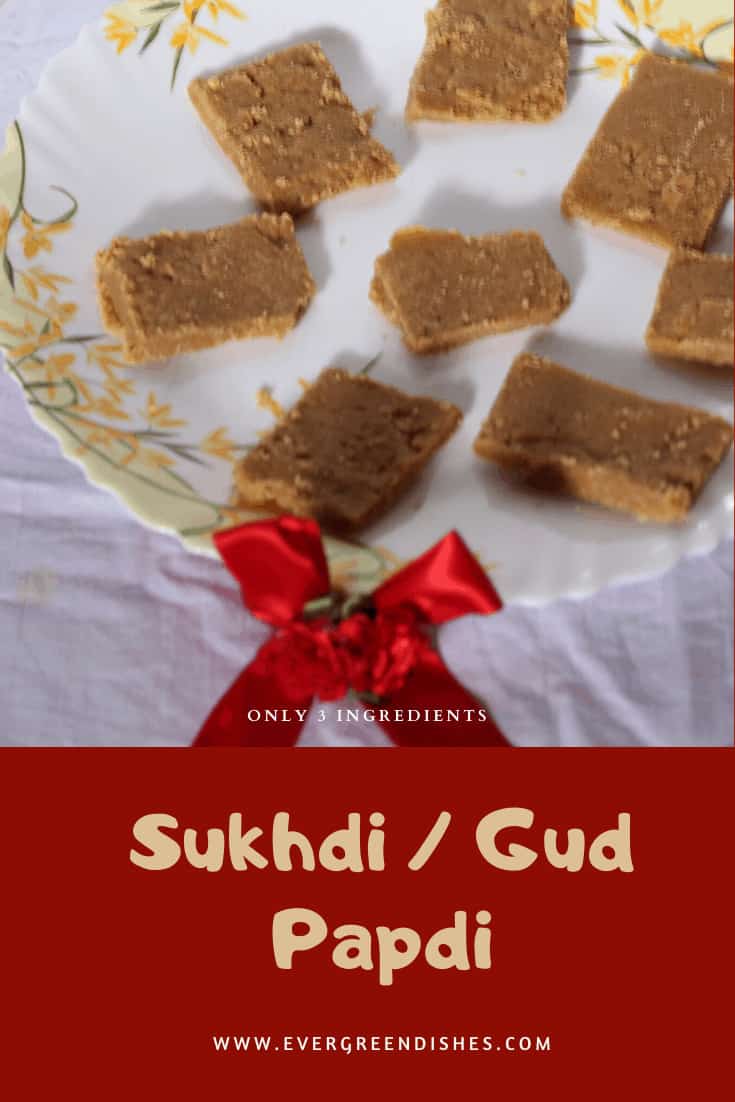
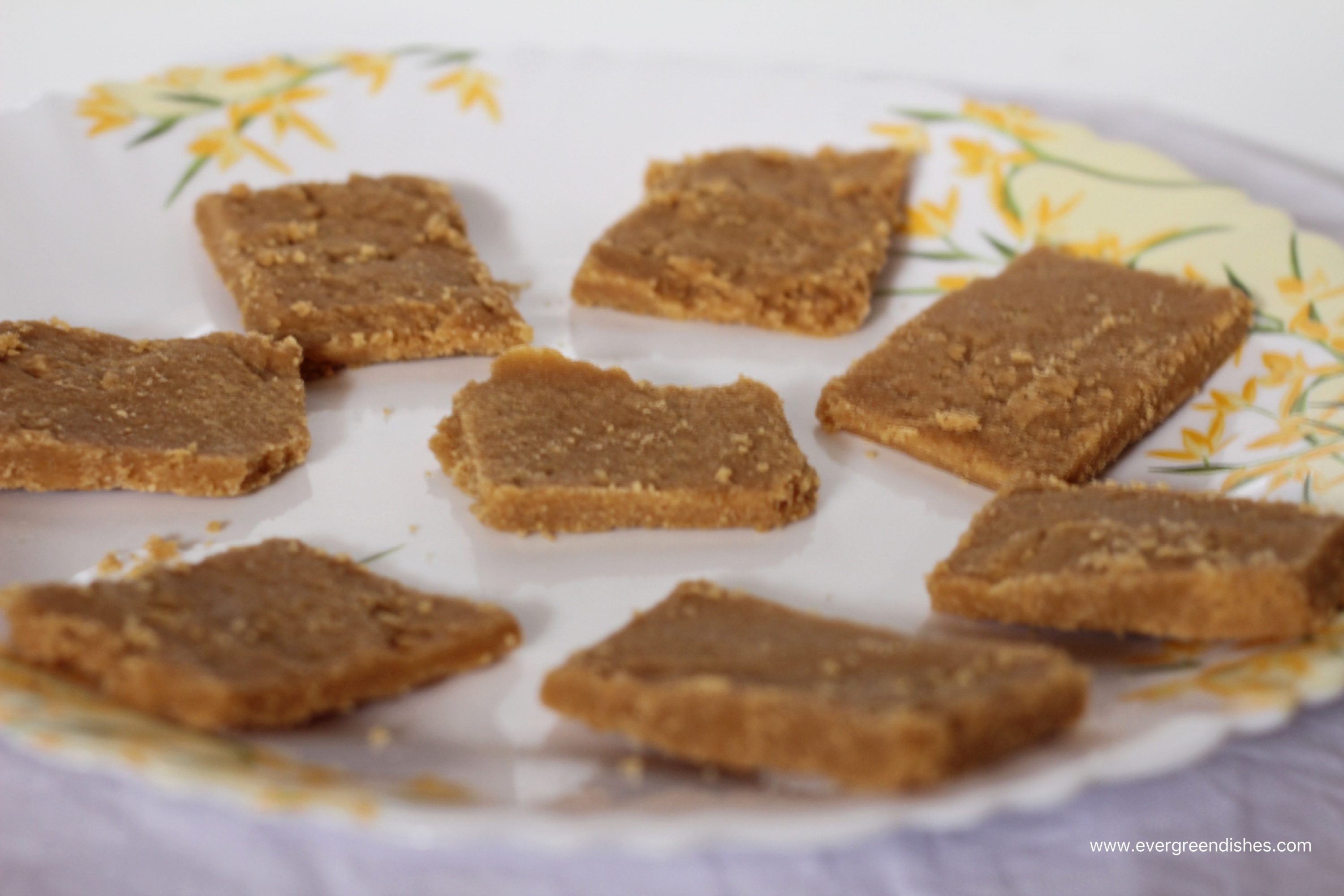
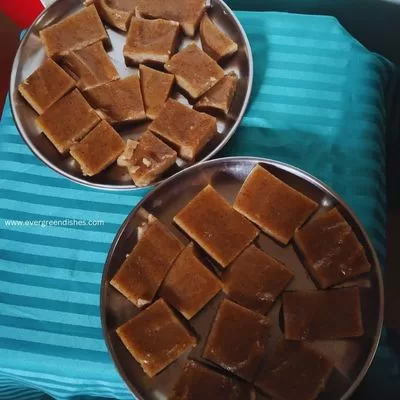
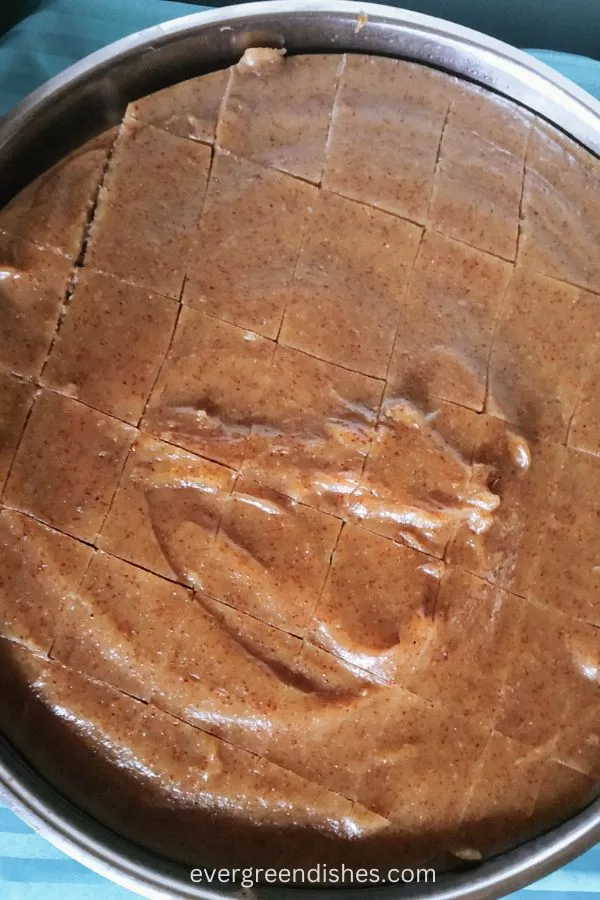
Sukhdi / Gud Papdi is a popular Gujarati sweet. It is made using whole wheat flour, jaggery and ghee. It is soft, crumbly and has melt in the mouth texture.
Sukhdi is quite an easy to make sweet that can be made in fifteen minutes. It is ideal to make during festivities or as a snack to eat anytime. I have tried to keep the recipe authentic, so not added any embellishments to it. One may add cashew pieces, cardamom powder or even grated coconut to it. Anyway, it tastes good as it is if made perfectly.
It is called as Sukhdi in Gujarat while in Maharashtra it is popular as Gud Papdi or Gol Papdi.
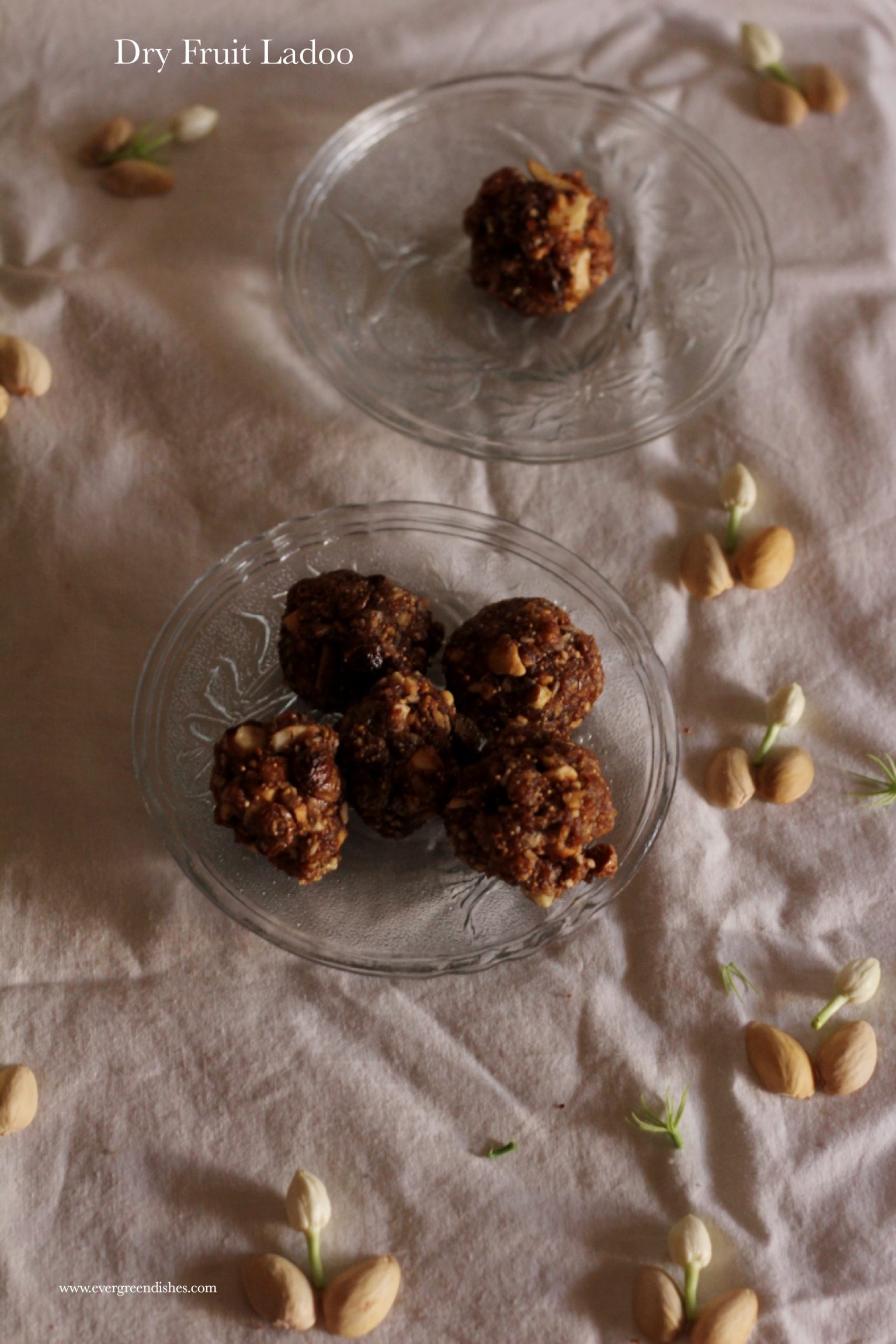
Sweets form an integral part of any celebration, from burfis to puddings, we cherish them for any occasion. Dry fruit sweets are delicious and loved by all, more so if it is sugar free like this dates ladoo, it is guilt free indulgence, right ? They are not only tasty, but easy to make and ideal for any occassion.
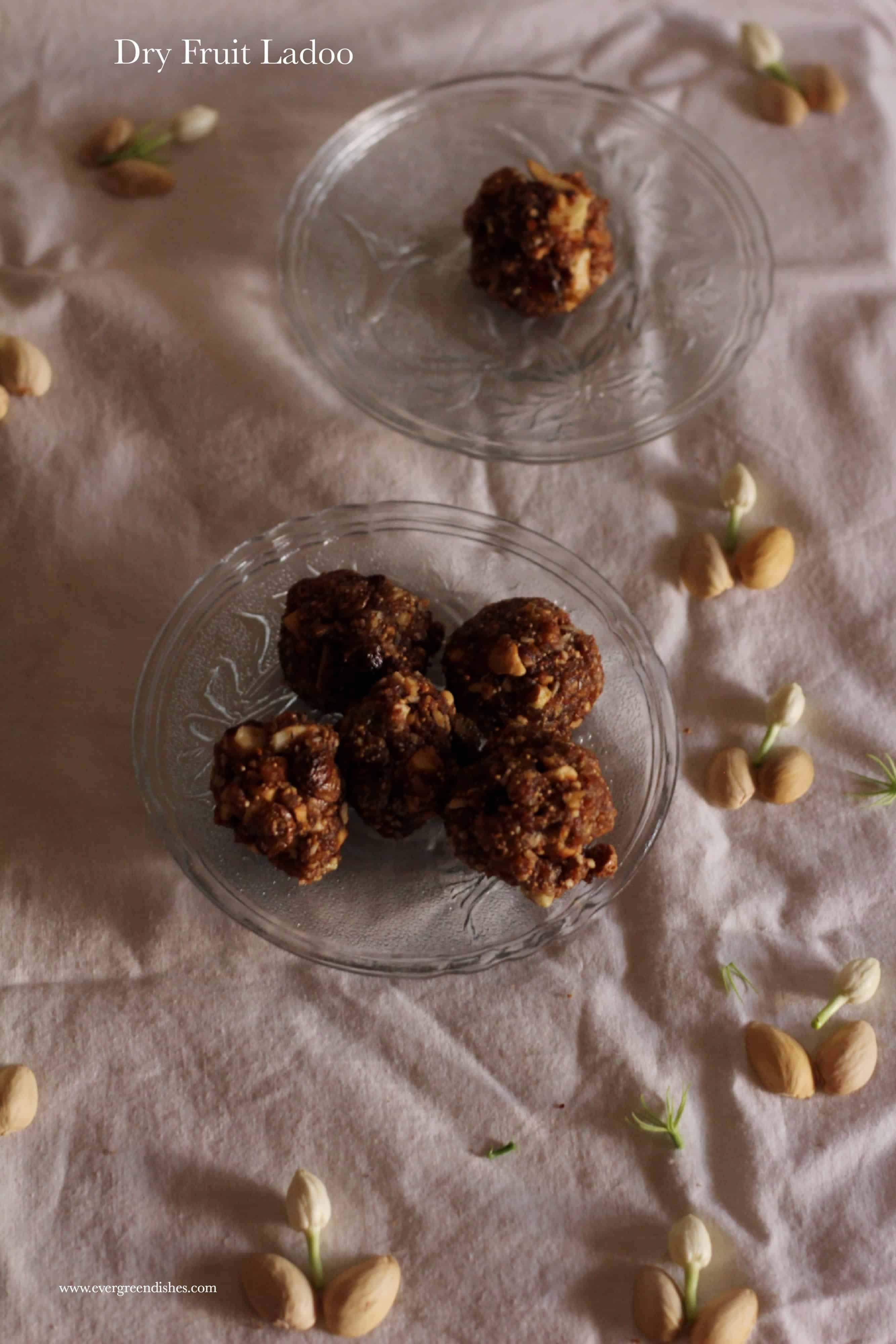
With the festive season ahead, we are heading for the major festival Ugadi and a new beginning. It is celebrated as Hindu New Year. It is also celebrated as Chota Nav Ratri and many people fast during this period. Thus, we at Desi Bloggers Connect decided to make a collection of “Farali Recipes” and my contribution is Dry Fruit Ladoo.
I have Sabudana Khichdi and Sabudana Wada in Appe Pan which are ideal for fasting. The black chana sundal is also ideal on these days. I have recently put many sweets which are apt on these days, Kiwi Kesari, Carrot Halwa or the Ash gourd halwa may be taken in small quantity along with some savoury dish.
Let’s get to the recipe of Dry Fruit Burfi Ingredients: 1 cup dates 1/3 cup cashewnut 1/3 cup almond 1/3 cup raisin 1/3 cup desiccated coconut 1 tablespoon poppy seeds 4 cardamom
Method: 1 Dry roast the cashew for a minute. 2 Similarly, roast the almonds. 3 Dry roast the poppy seed until they are golden in colour and give a good aroma. 4 Dry roast the grated coconut for a minute, keep stirring, it will get burnt easily. 5 Remove the seeds of the dates. ( no need if using seedless) 6 Grind the nuts coarsely along with cardamom. 7 Grind the dates. 8 Add ghee in a pan, add the nuts and saute for two minutes. Put the dates mixture and mix it well. Saute it for sometime, add the poppy seed and the roasted coconut. 9 Allow it to cool, make balls of it. 10 Dry fruit ladoo is ready to serve.
Evergreendishesdev
Dry Fruit Ladoo
Dry fruit ladoo is tasty and healthy, ideal for the festive days ahead.
Dry roast the poppy seed until they are golden in colour and give a good aroma. Dry roast the grated coconut for a minute, keep stirring, it will get burnt easily.
Remove the seeds of the dates. ( no need if using seedless) Grind the nuts coarsely along with cardamom. Grind the dates.8
Add ghee in a pan, add the nuts and saute for two minutes. Put the dates mixture and mix it well. Saute it for sometime, add the poppy seed and the roasted coconut. Allow it to cool, make balls of it. Dry fruit ladoo is ready to serve.
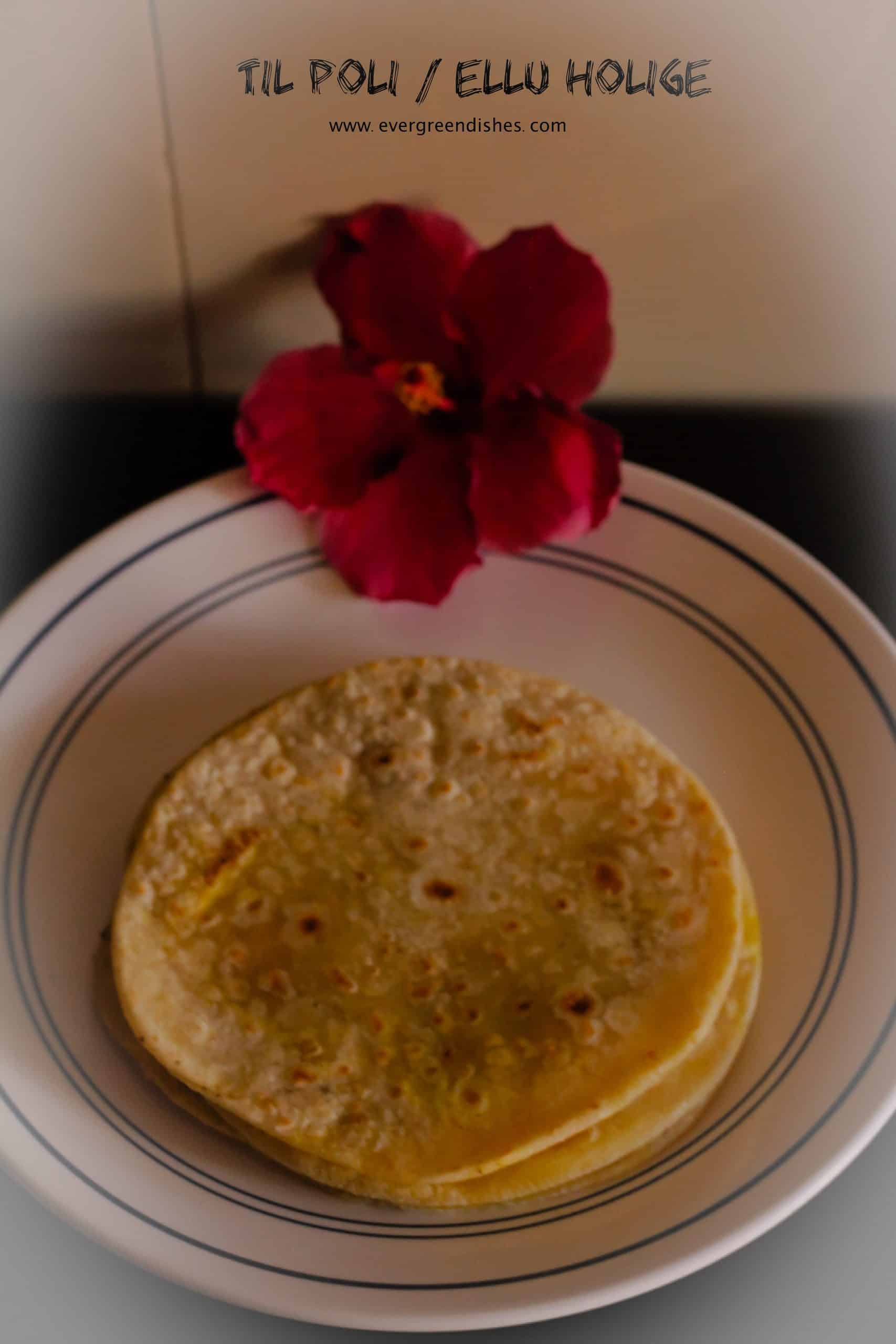
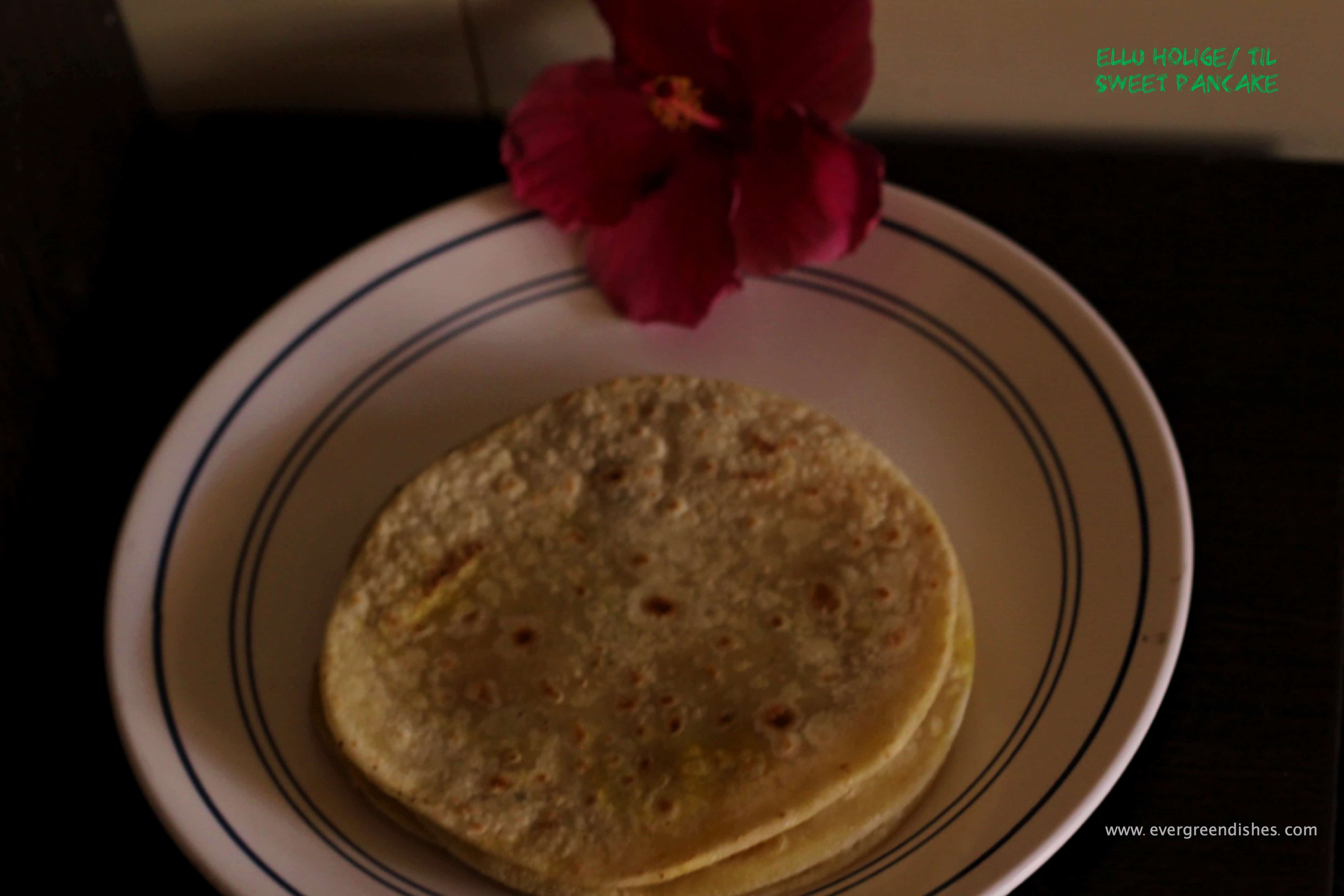
Til Poli / Ellu Holige / Sesame Jaggery Flatbread is a traditional and popular sweet from North Karnataka. It is tasty, can be eaten by itself and stays good for a couple of days.
The festival season calls for different sweet preparation. Various kind of stuffed sweet flatbread are made in South India and these make the festivities more enjoyable.
White sesame seed and dry coconut are roasted and then pounded along with jaggery, it is stuffed to make a sweet, makes a tasty sweet that can be eaten by itself. Sesame is called as Ellu in Kannada and Til in Hindi and Marathi. Poli is the word used for stuffed flatbread in Marathi.
Til Poli is ideal to prepare during any celebrations. It can be stored for a couple of days and it can be eaten by itself.
Til Poli / Ellu Holige / Sesame and Jaggery Flatbread
Ingredients:
For the dough:
1 cup chiroti rawa
1/4 cup maida
1 tablespoon oil + 2 teaspoon
salt a pinch
turmeric powder a pinch
water
For the stuffing:
1 cup white sesame
1/2 cup jaggery
1/4 cup desiccated coconut
2 cardamom
Method:
Take the semolina and maida in a bowl. Add salt and turmeric powder, give a mix. Put oil and rub it well with the dough. Use little water and knead to a dough, smear some oil, cover it with a thin cloth and keep it aside for 15 minutes.
Dry roast the sesame seed until it is golden brown and gives a nice aroma. Lightly roast the desiccated coconut, once they cool down, grind with jaggery and cardamom, this is the filling.
Take the dough, knead it again.
Take a ball of the dough, roll it lightly. Take a ball of the filling and put it in centre and seal it well.
Dust a light flour and gently roll it.
Heat a skillet, put it on the skillet. After a few seconds, turn it with the ladle and smear some oil on it.
Roast on both the sides on a medium flame, golden spots should be visible.
Put it aside and repeat for the rest of the dough.
Til Poli / Ellu Holige is ready to serve
Evergreendishesdev
Til Poli / Ellu Holige / Sesame Jaggery Flatbread
5 from 3 votes
Til Poli / Ellu Holige is a sweet flatbread from Karnataka. It is tasty and ideal to prepare for any festivities.
Take the semolina and maida in a bowl. Add salt and turmeric powder, give a mix. Put oil and rub it well with the dough. Use little water and knead to a dough, smear some oil, cover it with a thin cloth and keep it aside for 15 minutes.
To make the filling:
Dry roast the sesame seed until it is golden brown and gives a nice aroma. Lightly roast the desiccated coconut, once they cool down, grind with jaggery and cardamom.
To make the stuffed flat bread
Take the dough, knead it again. Take a ball of the dough, roll it lightly. Take a ball of the filling and put it in centre and seal it well.Dust a light flour and gently roll it.Heat a skillet, put it on the skillet. After a few seconds, turn it with the ladle and smear some oil on it. Roast on both the sides on a medium flame, golden spots should be visible.Put it aside and repeat for the rest of the dough.
Notes
Increase the quantity to make more polis.
Pin it for later:
Sending this post to #BM98 with the theme “Festivals and Special Events”
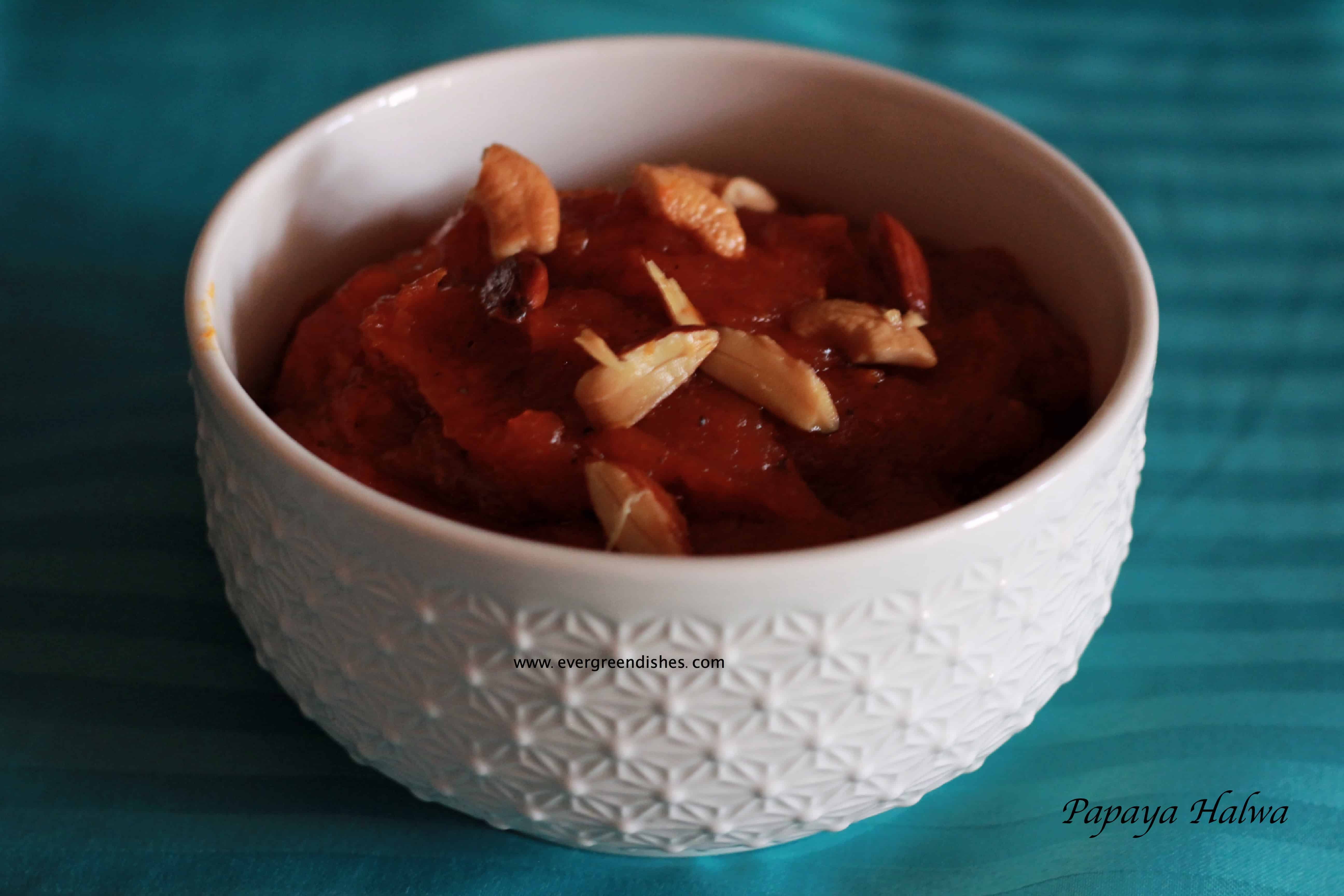
Papaya halwa makes a delectable sweet to serve for any occasion, it is tasty and healthy with the goodness of the wonder fruit in it.
The festival of Holi is round the corner and time for fun, isn’t it? Exams are early scheduled in India and kids will be free to play the festival of colours with enthusiasm. I have a couple of recipes of savoury which can be made during the festival. The methi mathri is tasty and stayed good for a long time. The Namakpare make an ideal snack to binge. (more…)
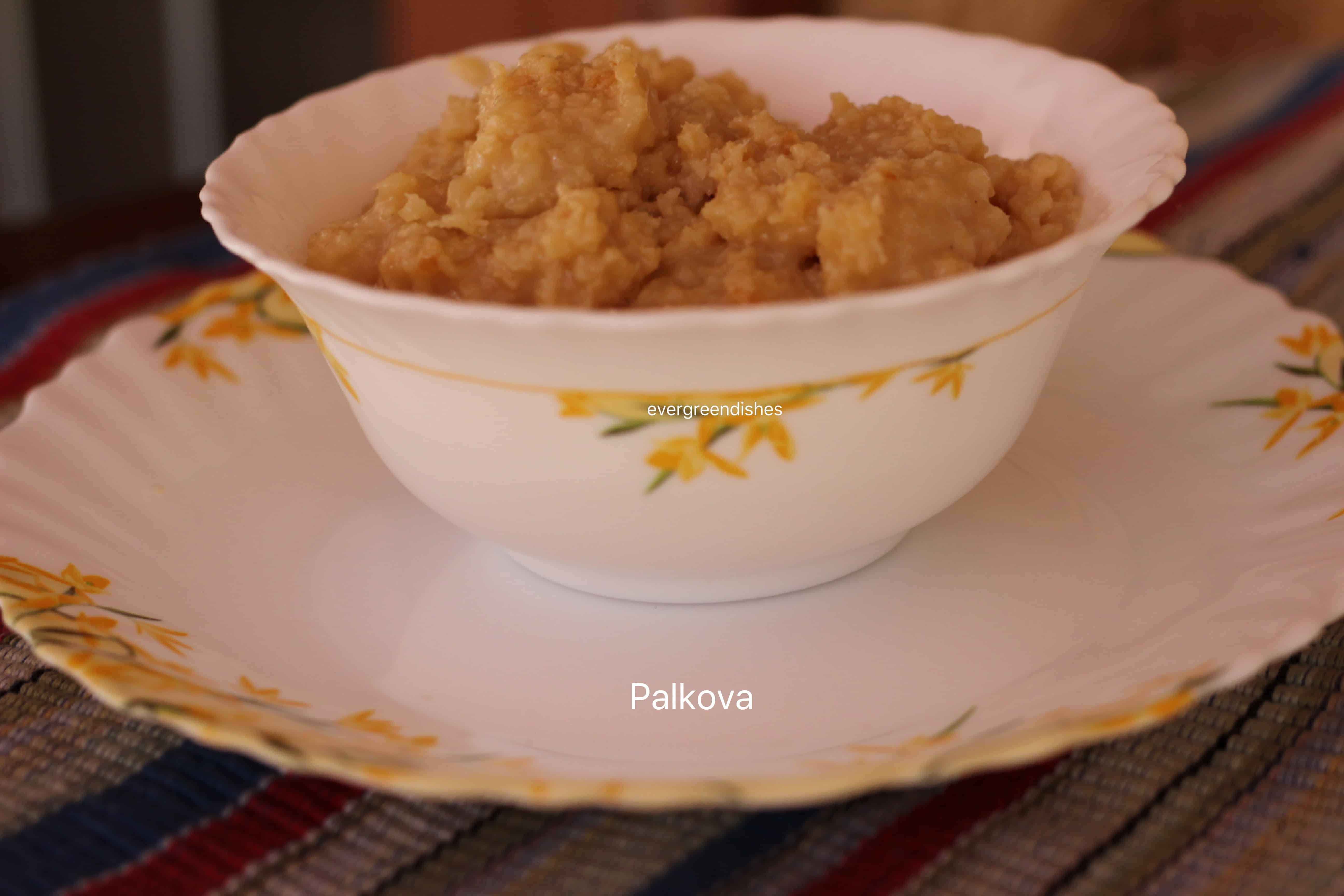
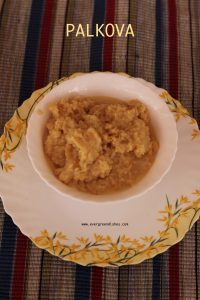
Palkova is a traditional Indian sweet made using whole fat milk. It is a creamy and melt in the mouth sweet from the state of Tamilnadu. It hails from the town of Srivilliputhur that has many milk factories. It is ideal to prepare during any festive occasions.
This is a two ingredient sweet that will be relished by one and all. As the milking is continuously evaporated to form a thick mass, the milk needed is more. The quantity that this recipe yields seems to be sufficient for only four members, but that again depends on the consumption. Whole fat milk is simmered, constantly stirred, the fat collected is scraped and put into it, allowed to thicken and sweetened with sugar.
Usually, no taste enhancers as cardamom powder or saffron is used here but you may add.
In a thick bottom pan, add milk and keep it to boil on a low flame.In a few minutes, the milk will thicken
Let the milk simmer on a low flame, keep stirring in between.After 20 minutes, it becomes a creamy texture.
Scrape the cream that gets to the edges of the pan and put it to boil.
Let simmer on a low flame, the milk thickens, add sugar and give a stir. It melts and soon thickens.Remove in a bowl and serve.
Notes
Use a thick bottom pan, the milk may get burnt and give a bad smell.
The quantity of sugar may be adjusted as per taste.
Use whole fat milk.
Cardamom powder and saffron may be added. I prefer not to add anything to it, tastes good by itself.
If refrigerated, it stays good for 4-5 days.
I am sending this Palkova post to #BM98 hosted by Srivalli with the theme “Cook for any festival or Special Day”. This is the first of the three day posts.
If you have liked this post, do share it further. If you ever make it, take a picture and share it by tagging @foodiejayashree on Instagram and @evergreendishes on Facebook.
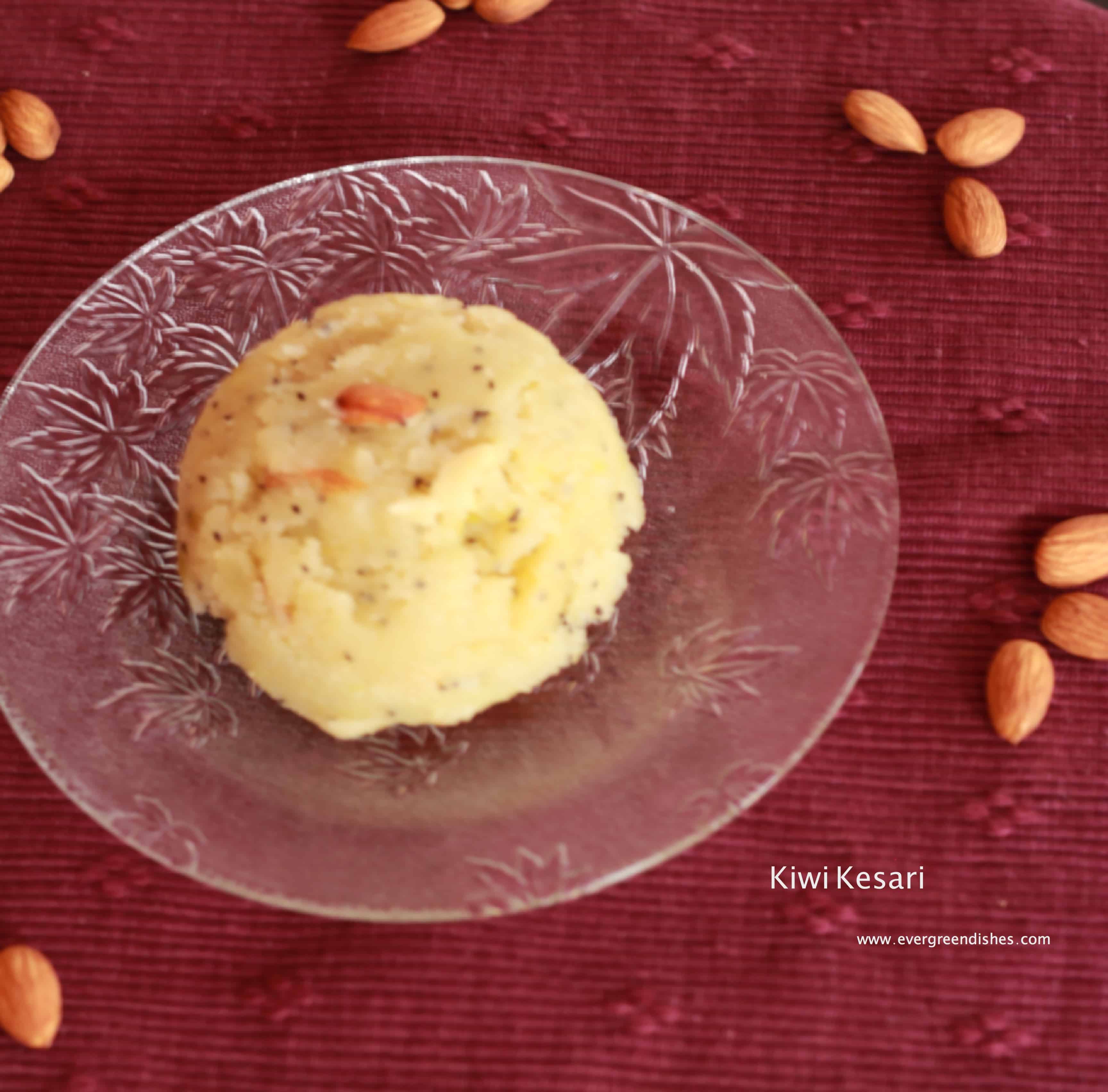
Rawa kesari or Sheera as we often call in South India makes a good winter treat. Today, I have a fusion sweet, sheera with kiwi in it. A bowl of piping hot kiwi kesari was one of the favourites of my daughter a few years back.
This is the 3rd post of BM#96 with the theme “Winter Warmers” The other two posts were Badam Milk and Hot Chocolate Milk
Now, here’s the recipe for Kiwi Kesari
Ingredients: Measurement used:1 cup =250 ml
1 cup semolina
1/2 cup ghee
2 kiwi
1 cup sugar
6 almonds
6 cashew
1/2 teaspoon cardamom powder
2 cup water
Method:
1 Peel the skin of kiwi, cut into big chunks and make pulp of it. Keep it aside.
2 Take a pan, add a spoon of ghee and roast the semolina along with the dry fruits. It should be golden in colour.
3 Remove the semolina in a bowl.
4 Add water in the pan. Put sugar and ghee to it. Once the water boils, slowly add the roasted semolina to it. Keep stirring otherwise lumps will be formed.
5 Once it slightly thickens, add puree to it. Let cook for sometime. Finally, add cardamom powder and remove from flame.
Kiwi Kesari
Evergreendishesdev
Kiwi Kesari
Kiwi Kesari is a twist to the usual kesari that we make. It is ideal to serve for breakfast, lunch or dinner.
Peel the skin of kiwi, cut into big chunks and make a puree of it. Keep it aside.
Take a pan, add a spoon of ghee and roast the semolina along with the dry fruits. Let it be golden in colour. Put it in a bowl.
Add water in the pan. Put sugar and ghee to it. Once the water boils, slowly add the roasted semolina to it, keep stirring, otherwise lumps will be formed.
Once it slightly thickens, add the puree to it. Let cook for sometime. Finally, add cardamom powder and remove from flame.
Notes
Dry fruits may be roasted in ghee and added later to the dish.
Ghee quantity may be reduced to 1/3 cup if desired.
If you have liked this post, do share it further. If you ever recreate this dish, take a picture and share on instagram by tagging @foodiejayashree with the #evergreendishes. I will be glad to see and share it.
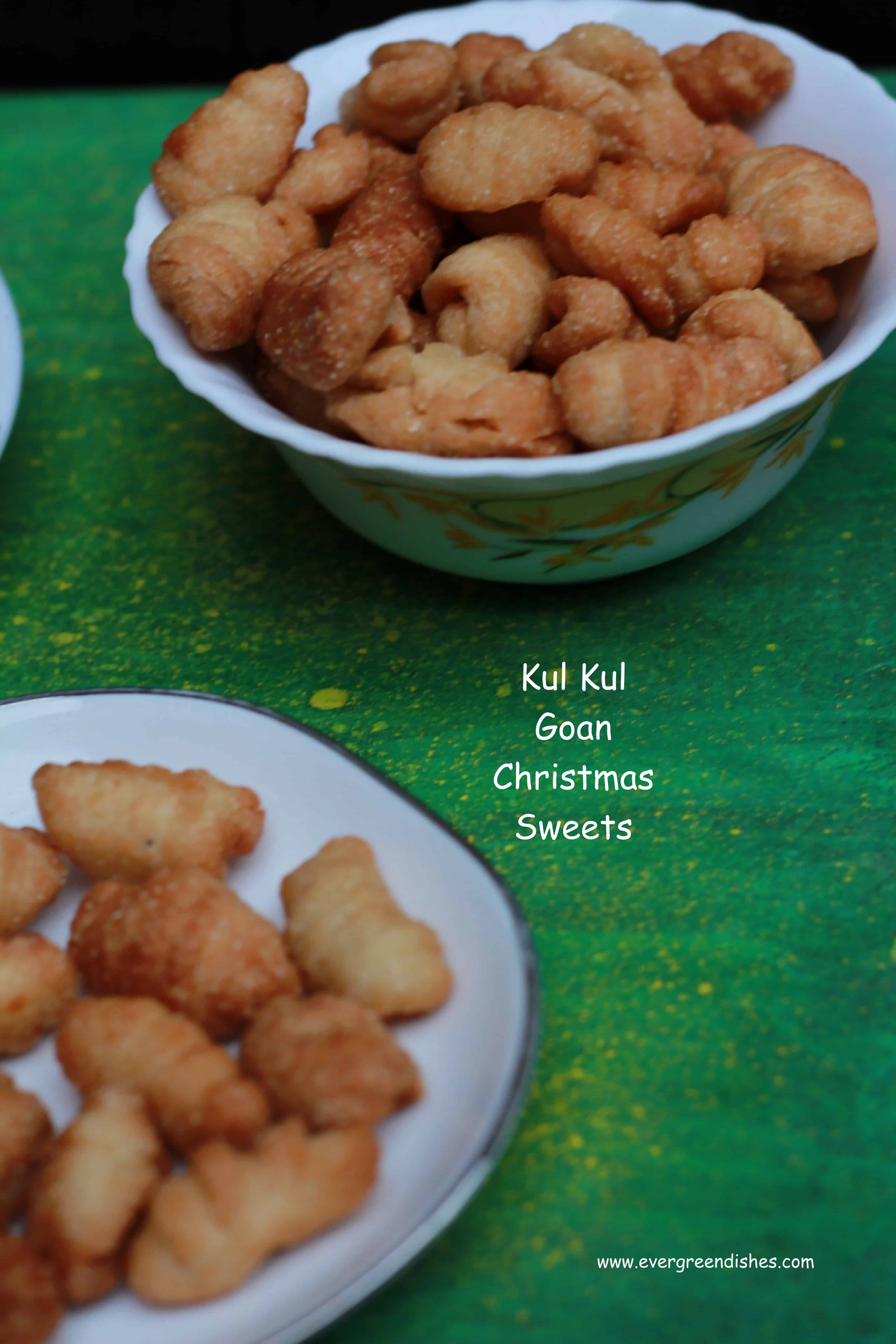
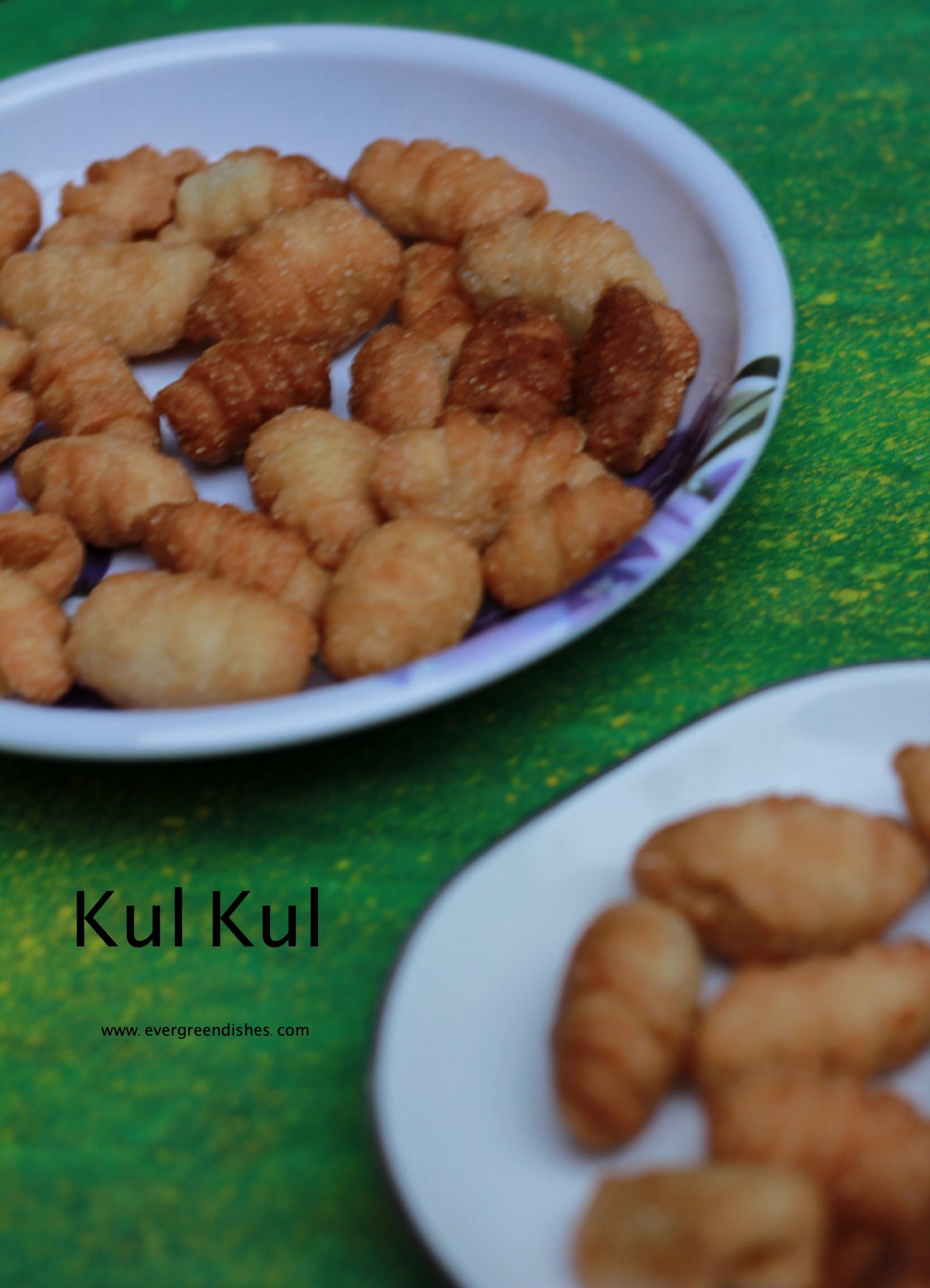
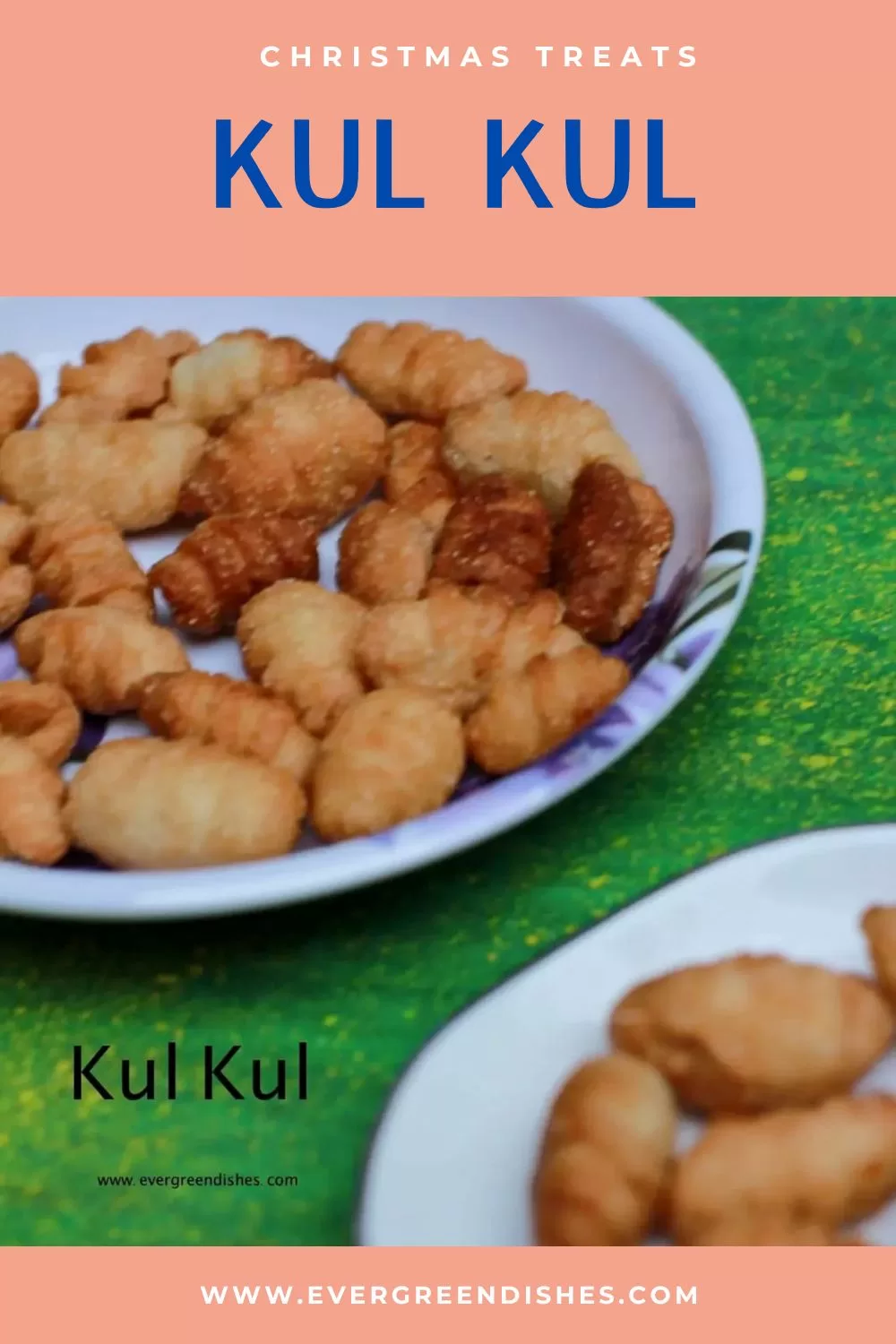
Kul Kul is a traditional Indian sweet prepared during Christmas. It is crunchy and makes a good snack to store at home.
Christmas is here and time to rejoice. There’s a song and joy everywhere, elaborate preparations are being made and the internet is flooded with cake recipes. Oh! so many I am seeing each day, there is really no dearth for tasty dishes isn’t it? It’s been sometime I posted anything related to Christmas after the cookie recipe, so here I am with a tasty Goan sweet
I have seen many of friends make elaborate dishes, such beautiful flower shaped sweets, cakes and cookies. Today, I have Kul Kul or Kal Kal as it is called.
Kul kul is a sweet from Goan cuisine. It is an Indian sweet made during Christmas. Coconut milk or milk is often used to mix the dough. But, I have used water here. A few tips, before I proceed to the recipe.
Mix the ghee well with the flour. Rub it well numerous times before you add other ingredients.
Add water little at a time, you need a stiff dough.
A little oil may be applied on the dough and then kept covered aside.
Making of kul kul needs time and patience.
Lets start making Kul Kul
Ingredients: Measurement used: 1 cup =250 ml
1.25 cup All Purpose Flour
4 tablespoon ghee
1/4 cup semolina
1/4 cup castor sugar
1/2 teaspoon baking powder
1/2 teaspoon salt
water
oil for frying
Method:
kulkul
Take all purpose flour in a bowl, add ghee to it and mix it well with fingers, for three to four minutes.
Add sugar, salt and semolina to it. Again mix it.
Add a little water and knead to a stiff dough.
Cover and keep it aside for ten minutes.
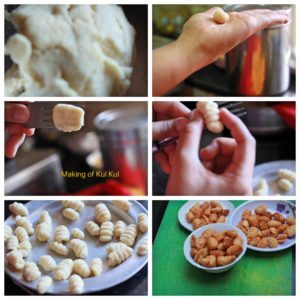
You need a fork to give shape to kul kul. Take a marble size ball, press it on the fork and roll it into the shape of a cone. Seal the back end. Keep it on a plate and cover with a thin cloth, repeat for the rest of the dough.
Heat oil in a pan, add a batch of kul kul to deep fry, once they are golden in colour remove on an absorbent paper.
Repeat for the rest of the dough.
Store in an air tight container.
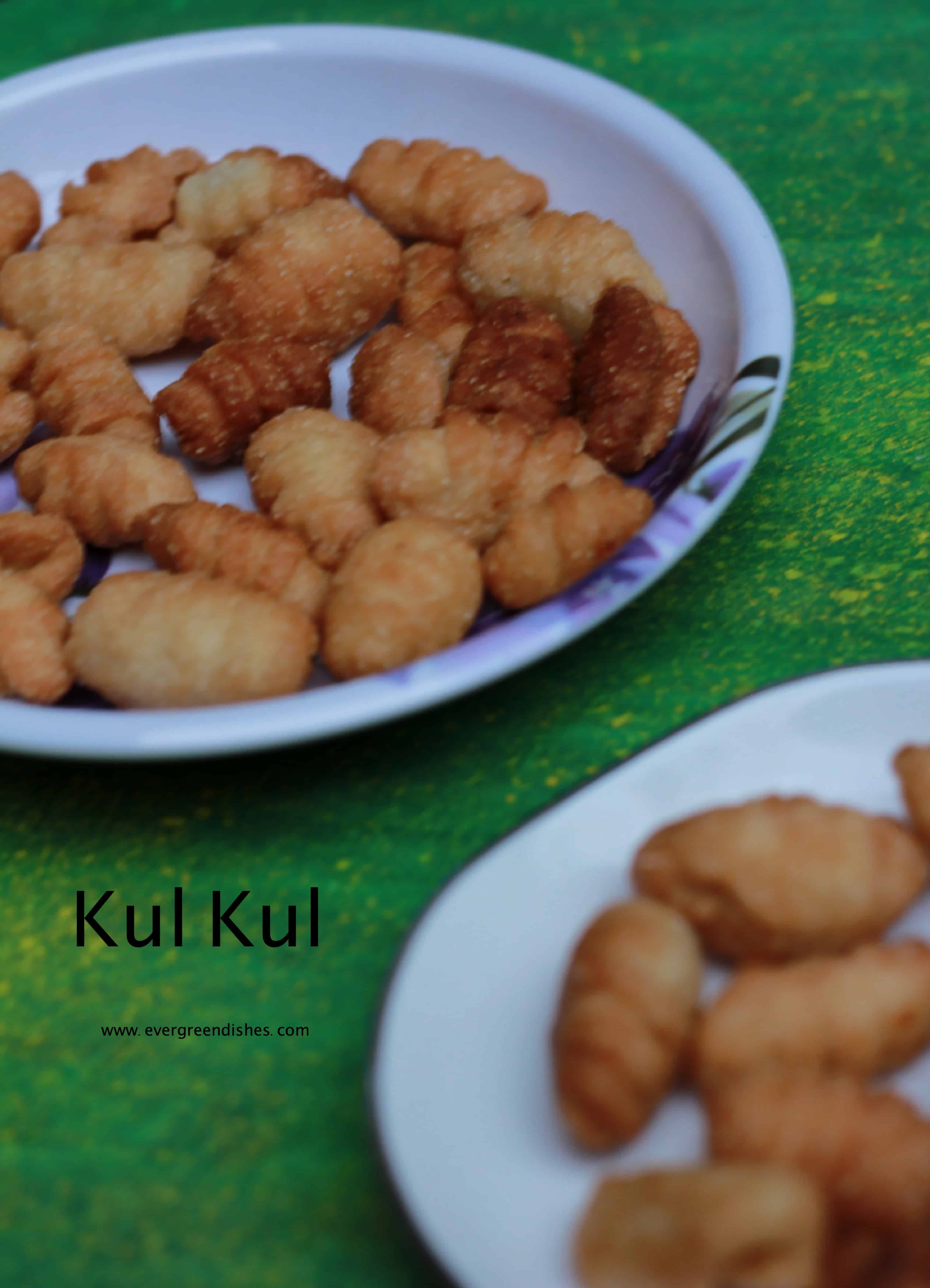
kul / kal kal is a traditional Indian sweet prepared during Christmas.kul kul
Take the flour in a bowl, add ghee and mix it well.
Add sugar, semolina, baking powder and salt. Mix again.
Add little water at a time and knead to a stiff dough.
Cover with a thin cloth and keep it aside for 10 minutes.
Take a small ball of the dough, press it on the back of the fork and then roll it into a curl. Seal the edges. Keep it aside on a plate. Make a few more kul kul.
Heat oil in a pan, add the shaped kul kul and deep fry until golden in colour.
Repeat the same steps for the rest of the dough.
Store kul kul in an air tight container.
kul kul / kal kal
May the festive season bring immense joy and happiness. Wishing one and all a MERRY CHRISTMAS AND A VERY HAPPY NEW YEAR !
May 2019 be a year of fun, enjoyment and most of all a hard working year for you all ! Be tuned for more recipes in the new year.
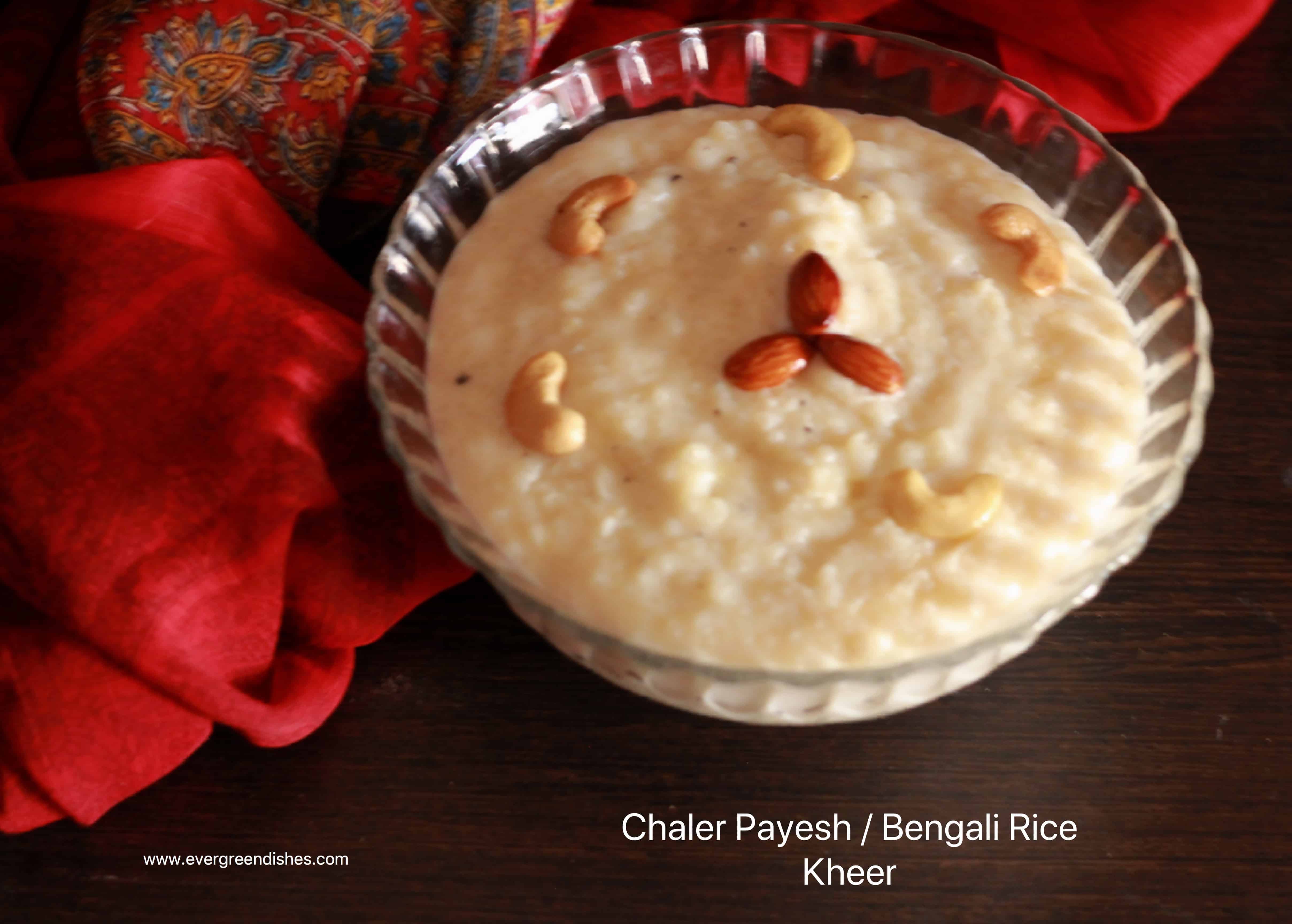
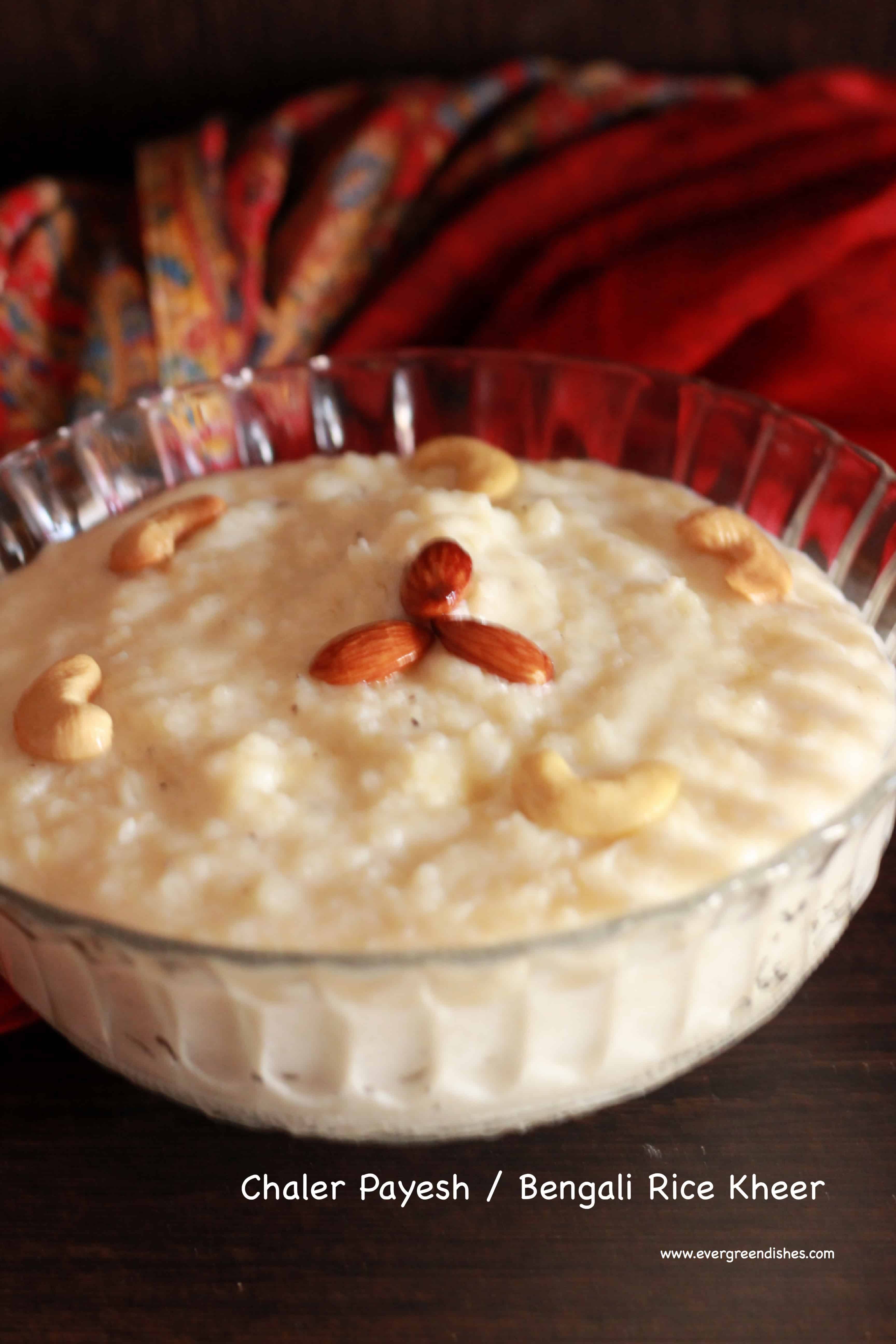
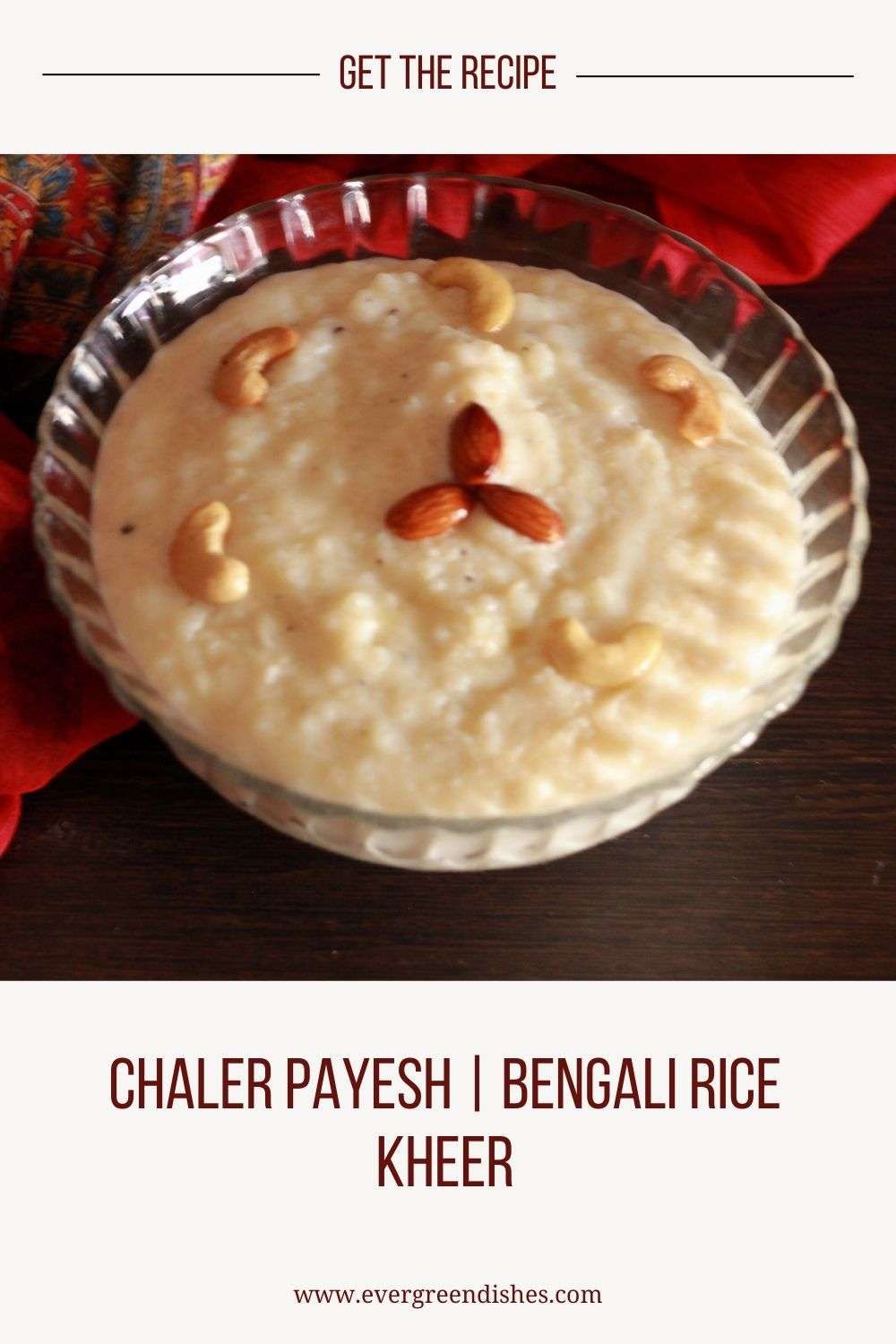
Chaler Payesh is a traditional rice kheer recipe of Bengali cuisine. It is one of the favourites of the Bong community and is usually prepared during ceremonies and festivals. The kheer is creamy, rich, aromatic and melt in the mouth.
Kheer usually refers to the sweet prepared by boiling milk and rice. Each region has its own variety of kheer and today I have the Bengali version here.
Usually Gobindobhog variety of rice is used in preparing Chaler Payesh. If you do not have it, use basmati rice. Bay leaf is added to the milk while it is cooked, it gives a good aroma. Rich milk is boiled and simmered in soaked rice grains on a low flame, it is then sweetened with sugar and garnished with dry fruits.
About Bengali cuisine :
Bengali cuisine is the food served in the state of Bengal. It mainly consists of west Bengal, Tripura and Assam. It is known for the different flavours and the varied desserts. It is one of the popular cuisines relished for the variety of sabzi too. The Bengali cuisine can be divided into four types of food as charbe, chosya, lehya, and peya. Charbe is the food chewd as rice and fish. Choosya is the food that is thin and usually sucked. Condiments as pickles are usually licked and belong to the category of Lehya. Peya are the ones as milk and tea. (Source: Wikipedia)
Wash the rice and soak in water for fifteen minutes.
Put the milk in a thick bottom pan and keep it to boil. Put bay leaf in it.
Once it boils, discard the water from the rice, smear it with ghee and put in the milk.
Let cook on a low flame. Keep stirring in between.
Once the rice is fully cooked and soft, add sugar. Cook for three minutes.
Add cardamom powder and remove from flame.
Roast the nuts in ghee and garnish it.
chaler payesh
Evergreendishesdev
Chaler Payesh / Bengali Rice Kheer
Chaler Payesh is a popular, delicious and creamy dessert from Bong community. Gobindobhog rice is cooked in milk and sweetened with sugar and garnished with dry fruits.
If you ever make Chaler Payesh, do take a picture and share with me by tagging @foodiejayashree on Instagram or @evergreendishes on Facebook. Subscribe to get all updates and an e-book for free.
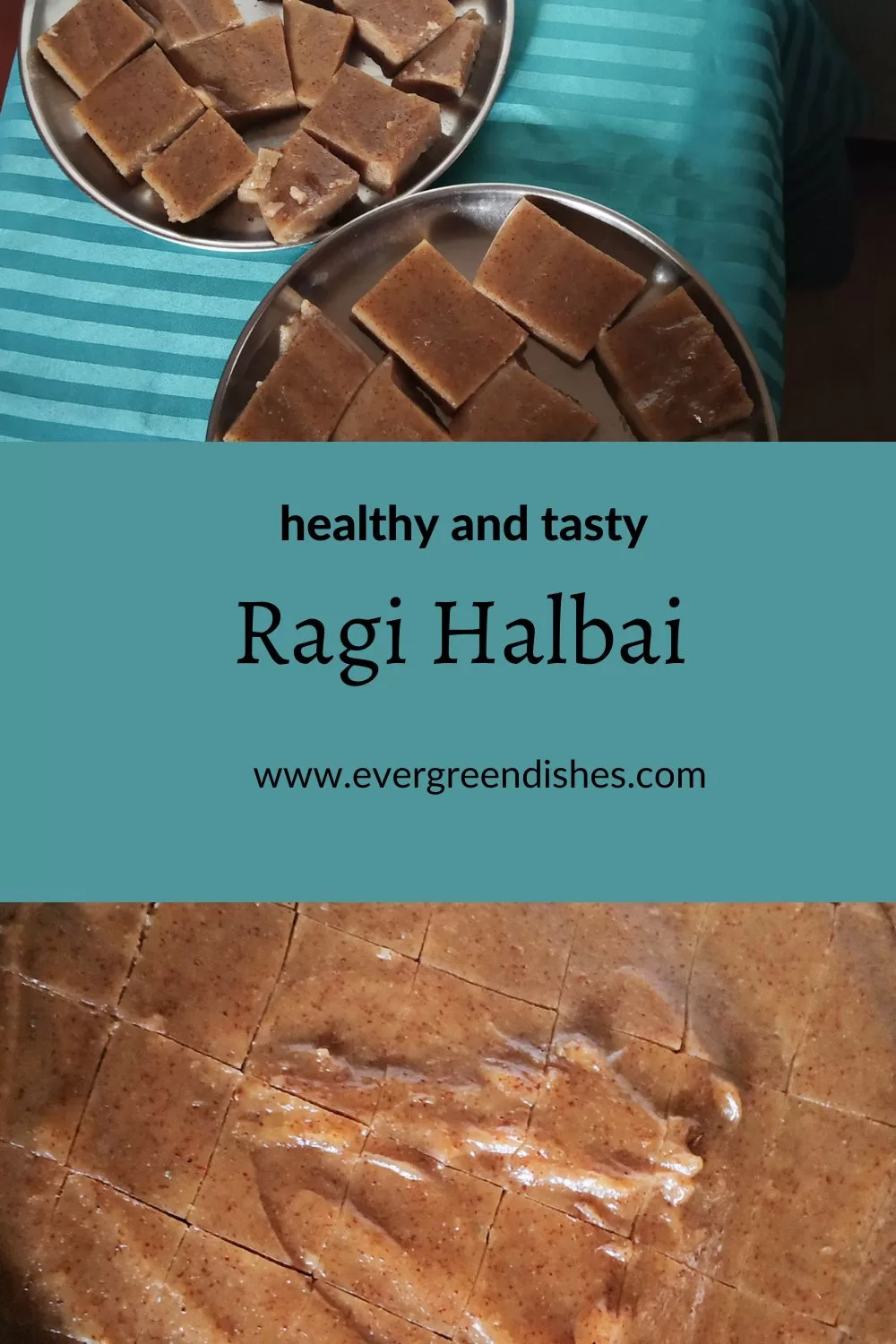
Ragi Halbai or Finger millet fudge is a tasty, soft, chewy fudge made of finger millet, coconut and jaggery. It is a healthy sweet. It is a dish from South Canara region of Karnataka. Here, the whole grain of finger millet is used by soaking and then grinding and cooking it.
The use of millets is more so now than ever as the benefits one reap is abundant. It is nutritious and high in fibre. I prefer using ragi at home since it is liked by all. Do check these breakfast recipes Ragi Idli, Ragi Thalipeeth, Ragi Khichu
South Canara cuisine is delicious and coconut is one of the main ingredients in their cooking. The coconut used is fresh one and it is usually ground to a paste and used in most dishes.
With many festive days ahead, you can try this recipe soon.
What is Ragi ?
Ragi is popularly known as Finger millet or Nachni. Finger millet or Elusine Coracana is an annual herbaceous plant widely grown as a cereal crop in the arid and semi -arid areas in Africa and Asia. It came to India around 2000 BC and since then its been consumed in different ways.
Nutrients in Ragi
Ragi is a whole grain that is gluten free and staple in South India. It is rich in fiber that helps with weight loss and diabete. It is packed with calcium, good carbs amino acids and Vitamin D. The nutrition per 100 grams is as below: ( Source: Wikipedia)
Protein 7.6 g
Fat 1.5 g
Carbs 88g
Calcium 370 mg
Vitamin A 0.48 mg
Thiamine 0.33 mg
Riboflavin 0.11 mg
Niacin 1.2 mg
Fiber 3g
Benefits of Ragi :
Rich in calcium – It is one of the best non- dairy sources of calcium when compared to other grains. Dr. Anju Sood, a nutrionist from Bangalore says, ” It is extremely beneficial for growing kids and can be given in the form of porridge”
Help in controlling diabetes: The grains seed coat is abundant in polyphenol and dietary fibre. The low glycemic index lessens food cravings and helps maintain blood sugar.
Relax the body: The regular usage of finger millet has found to help stress related disorders as insomnia, depression and anxiety.
Helps in weight loss: The high of dietary fibre helps one to keep full for a long time, thus the cravings are less.
Battles anemia: It is rich source of natural iron and thus a boon for anaemic patients. Once it is sprouted, the Vitamin C level increases and leads to easy absorption of iron into the bloodstreams.
Reverts skin ageing: methionine and lysine present in it make tge skin tissue less prone to wrinkles and sagging.
ragi halbai
Now, getting on to the recipe without further ado:
Ragi Halbai / Finger Millet Fudge
Ingredients:
1 cup ragi
1 cup jaggery
1 cup fresh coconut
2 tablespoon ghee
2.5 cup water
1/2 teaspoon cardamom powder
a few cashew
Method:
Soak ragi for five hours.
Grate the coconut.
Discard the water, grind the ragi to a fine paste along with coconut by adding little water.
Strain the liquid through a sieve, press the residue with a spoon Grind it again with some water. I used one and half cup of water to grind.
Grease a plate with a little ghee.
Take the jaggery and melt it with a cup of water. Filter it to remove impurities.
Put the melted jaggery and the strained puree in a thick bottom pan. Let it cook. Add some ghee, keep stirring, otherwise it will stick to the bottom of the pan.
Put the remaining ghee, once it thickens to a mass and leaves the side, put cardamom powder, mix and pour it over the greased plate.
Cut it into squares. Decorate with roasted cashews. Ragi Halbai is ready to serve.
Pre- requirements:
Ragi are small red grains, one needs to clean it properly as tiny specks of impurities are seen. It is usually soaked in water and then the water is slowly discarded. The grains are then put to dry and used.
Evergreendishesdev
Ragi Halbai / Finger Millet Fudge
5 from 7 votes
Ragi halbai is a twist to the usual one that is prepared using rice. It is tasty and healthy. Finger millet, coconut and jaggery are cooked together to form a delicious fudge.
Discard the water, grind ragi and coconut to a fine paste by adding little water.
Strain the liquid through a sieve, press the residue with the back of a spoon to extract the liquid. Grind it again with some water, and again strain it. I used one and half cup of water for grinding.
Smear some ghee on a plate.
Take the jaggery and melt it with a cup of water. Strain to remove impurities.
Now, put the jaggery and the strained mixture in a pan and lett it cook. Add some ghee to it. Keep stirring, otherwise, it will stick to the pan.
Add the remaining ghee, once it foerms a mass and leaves the side, put cardamom powder, mix and spread it over the greased plate.
Cut it into squares, decorate with roasted cashews.
Notes
Ragi needs to be cleaned well before using. Small impurities are present that can damage organs of the body, thus it is highly recommended to clean it properly before using.
It is usually rinsed in water and gently the water is displaced, the impurities are seen lying at the bottom.
While grinding, check the amount of water that you are utilising, it is important you use the recommended amount.
While cooking, keep stirring the liquid.
If you have liked this post, do share it further.
ragi halbai
This post is part of the #HWCuisine with Ragi as the theme. Here are the other Ragi recipes by my co-bloggers
Sending this post to Foodies_Redoing Old Post_113. It is a fortnightly event where we work on an old post either by changing the picture, text, formatting or anything else related to the post. Here, I have changed the pictures.This is an old post which I had written in 2018, now I have changed it with better pictures.
If you ever make this ragi halbai or any of my other dishes, do take a picture and tag @foodiejayashree on Instagram or @evergreendishes on Facebook or Twitter. I will be glad to see your creation and share it further. Let’s be connected, do follow on social media platforms. Until next time, let’s stay connected. Subscribe to get all updates and an e-book for free. Check out my e-books on Amazon. Happy Cooking !
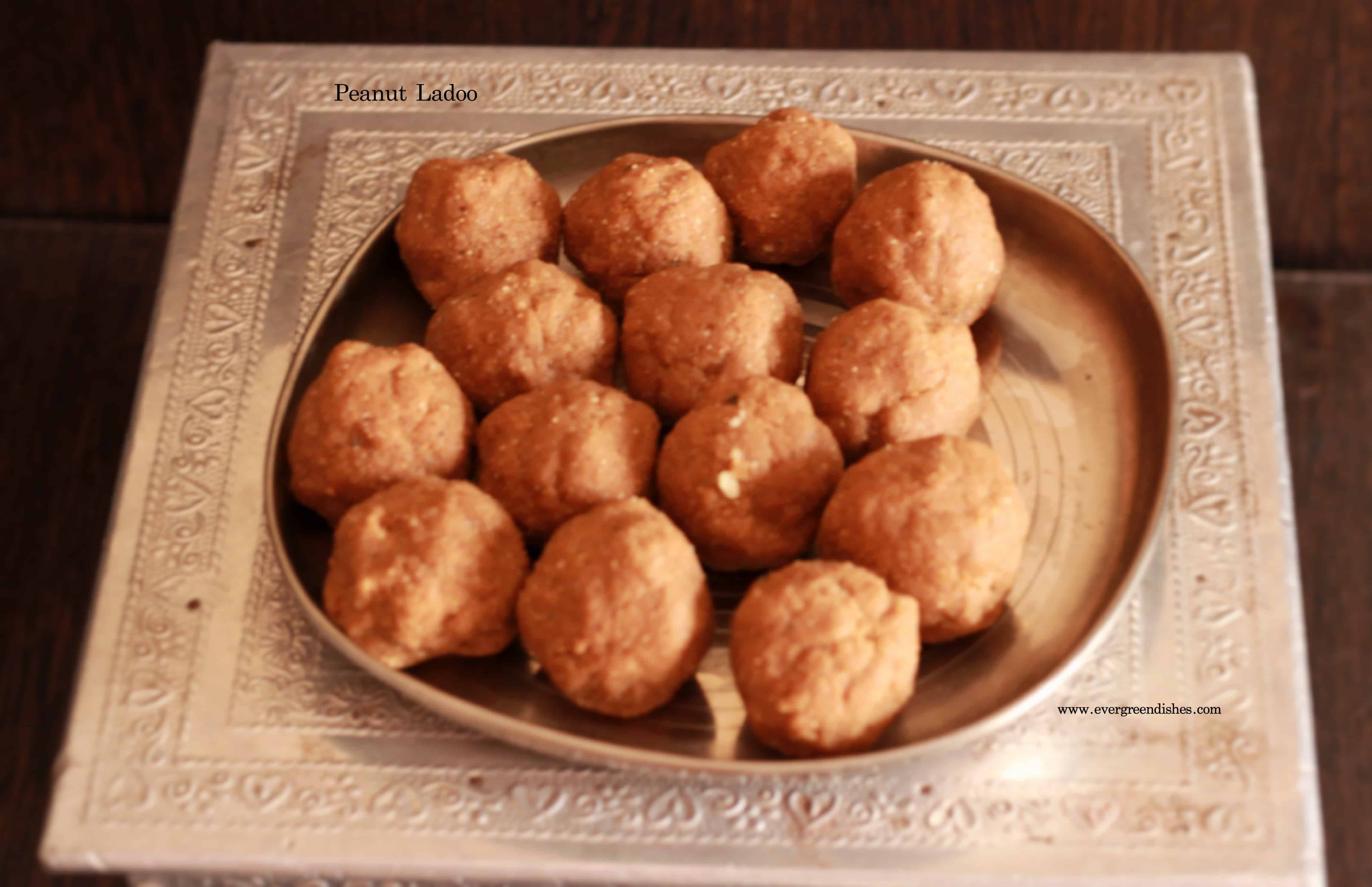
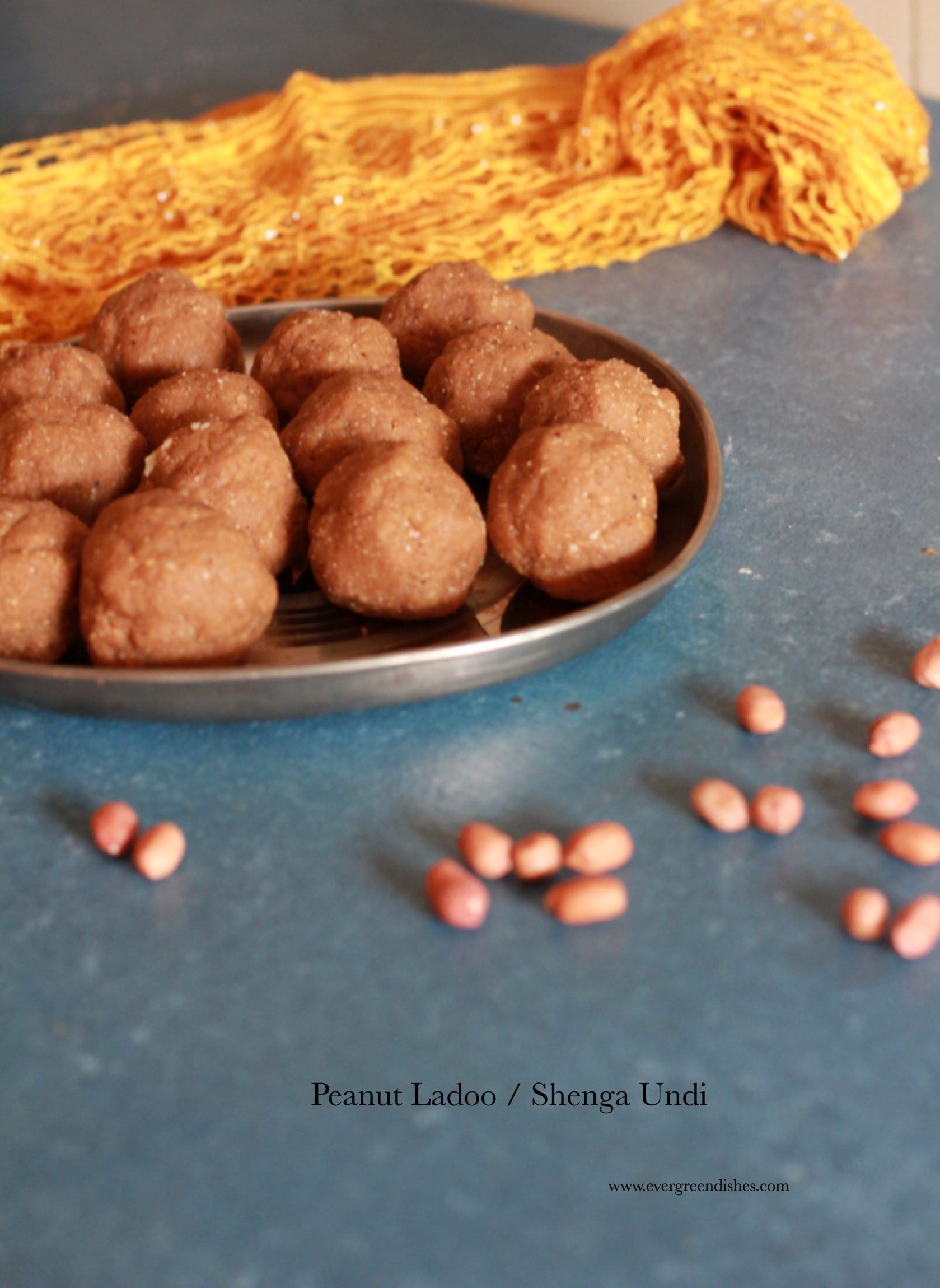
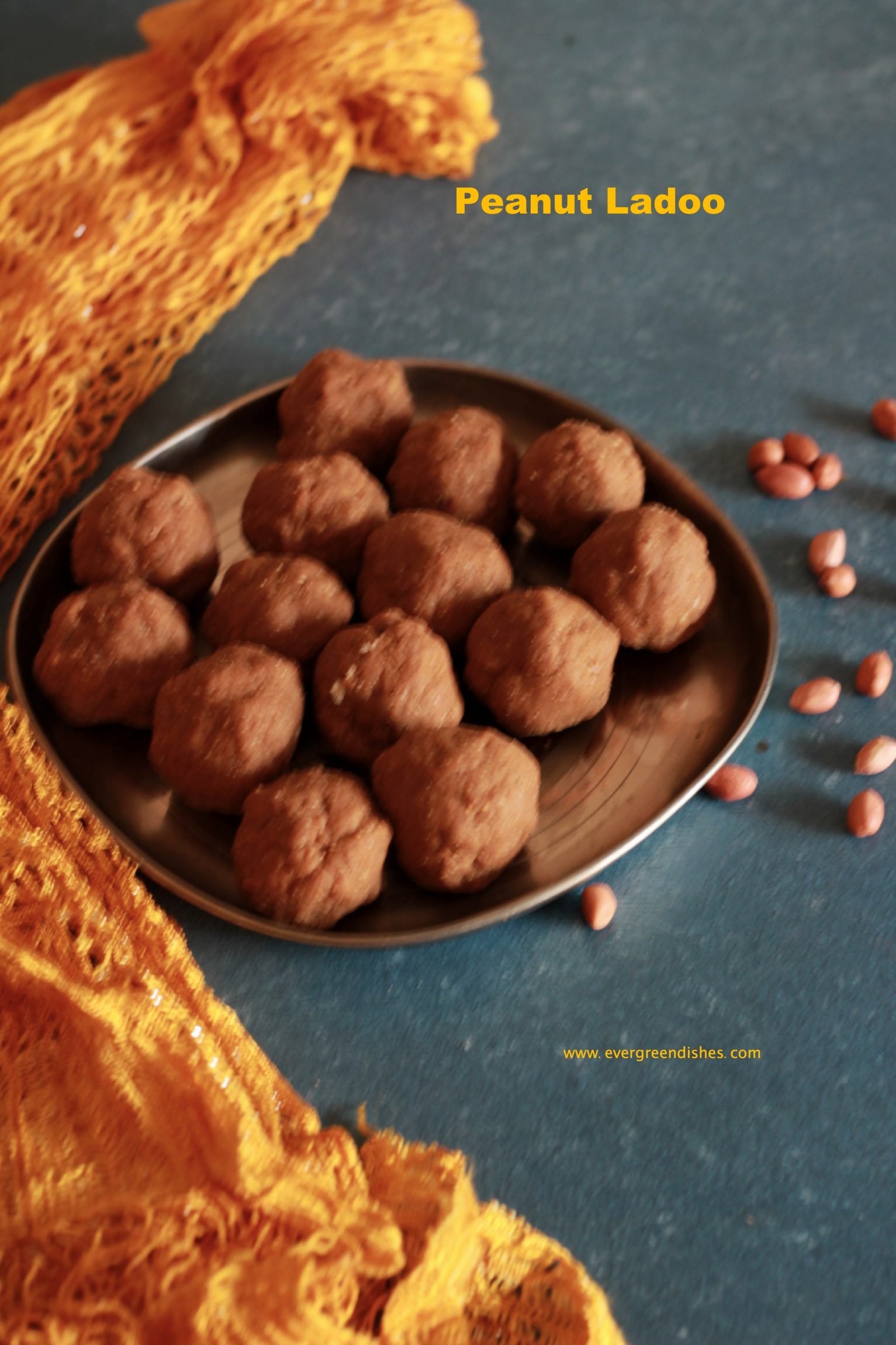
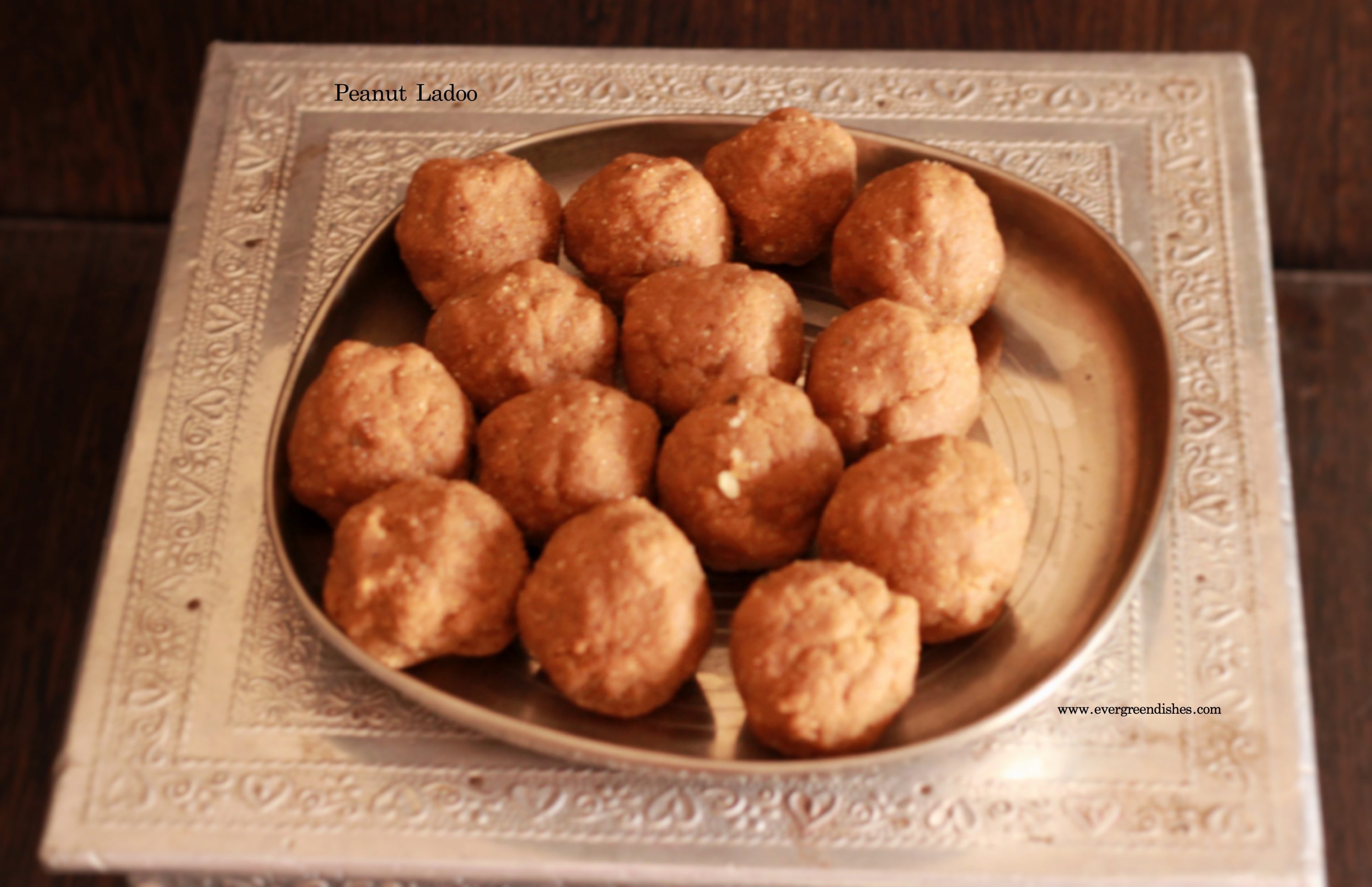
Peanut ladoo are ideal snacks to store in the jar, serve it in the box or as a healthy snack in the morning. It is usually prepared during Krishna Janmasthami.
The month of August brings a series of festivals, Krishna Janmasthami is next week, a day we celebrate by preparing various snacks and savoury. The day marks the birth of Lord Krishna and is celebrated with great enthusiasm.
Coming to the nutritional and health factors related to peanut, they are rich in energy and contain health benefit nutrients, minerals, antioxidants and vitamins that are essential for good health. They compose of mono unsaturated fatty acids, which help lower bad cholestrol and increase the good cholesterol. They are a good source of protein, contain good amount of amino acid that is needed for growth and development. Jaggery is a good source of iron.
Peanut ladoo is an easy snack to make, it hardly requires fifteen minutes to make these.
peanut ladoo / shenga undi
Peanut Ladoo
Ingredients:
1 cup peanut
1 cup jaggery grated
1/4 teaspoon cardamom powder
Method:
Dry roast the peanuts on a medium flame. Keep roasting until the skin crackles and they are golden in colour.
Let cool. On cooling the peanuts turn crunchy.
Remove the skin by rubbing with palm.
Put it in a mixer jar and give a swirl.
Add jaggery and cardamom powder to it and grind it again. It should be well moulded.
Remove it in a bowl.
Make balls of it. Peanut ladoos are ready.
After sometime, store them in an air tight container. They stay well for 8-10 days.
Take a tip:
Use good quality jaggery, as you are not melting it here.
A spoon of ghee may be added while making the balls, I have not added.
Removing of skins is optional, many prepare with the skin.
If you want less sweet, reduce the amount of jaggery.
peanut ladoo / shenga undi
Evergreendishesdev
Peanut ladoo/Shenga undi
Peanut ladoo is a tasty, healthy and easy to make snack. It is usually prepared during Krishna Janmasthami.
Roast the peanuts on a medium flame. Keep stirring them, it should be well done, they should be crisp in the mouth.
Let cool.
Peel the skin of the peanut. Put them in a wide plate and rub with the palm.
Grind the peanuts in the mixer by giving a swirl one or two times only.
Add the jaggery and cardamom powder to it. Again grind it, it should form a mass.
Remove in a bowl, shape them into ladoos and store them in an airtight container.
Notes
Use good quality jaggery as you are using it directly without heating.
Roast the peanuts properly on a low or medium flame.
One teaspoon of ghee may be added for flavour, I have not added.
Removing of skin is optional.
If you have liked this post, do leave a comment.
If you ever make this, do tag me in any of the social media, I will be glad to see your creation, on Instagram tag @foodiejayashree, on twitter and facebook tag evergreendishes.
You can save all these recipes on pinterest, by just saving the images there. The recipe will be available in the read recipe.
Subscribe to get all updates and an e-book for free.
book of handyhints
Signing of for now, wishing one and all a happy festive season ahead. May you be blessed with immense joy and happiness.
More recipes coming this week, stay tuned! Until then…Good Bye !