Tag: authentic karnataka recipes

  • Aamras | Mavina Hannu Seekarne

    Aamras | Mavina Hannu Seekarne

    Jump to Recipe Print Recipe

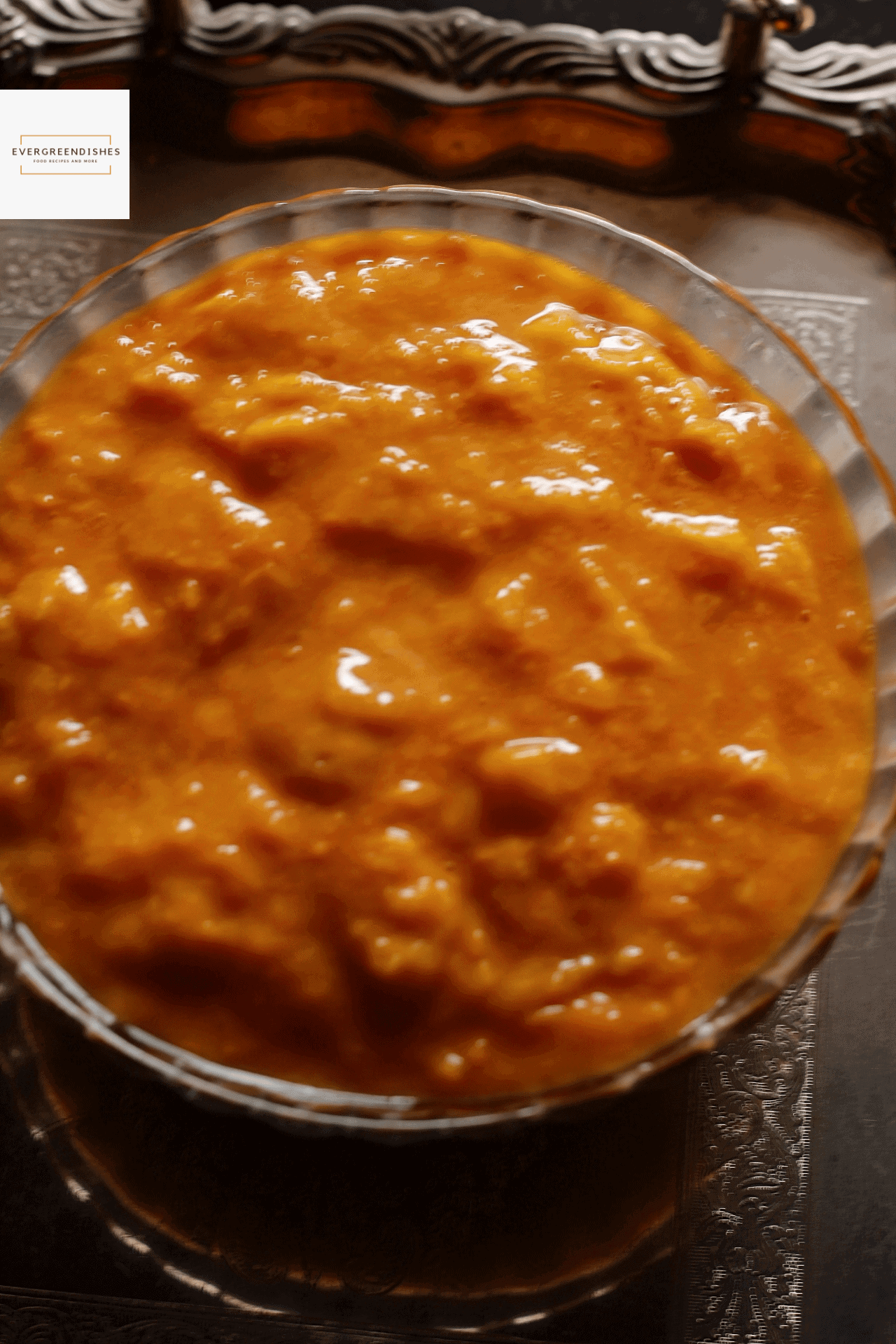
    Aamras / Mavina Hannu Seekarne is a popular sweet dish made with mangoes. It is usually served with puris.

    Mango is the king of fruits and loved by one and all. We make numerous dishes with mango but nothing is as good as eating the fruit itself. In the order, Aam Ras or Mavina Hannina Seekarne unanimously comes next. I realised, I have not put this one on my blog and  with this it’s a adieu to mango, until the next season arrives.

    Monsoon has started in most parts of India and it means the end of mangoes for the year.                    Amba bhaat, mango panna cotta and sunshine drink were the recipes of mango I posted earlier this year. Mango is the only fruit which everyone loves but available only once a year. The summers get better as everyone waits for the mangoes.


    Since time immemorial, mavina hannina seekarne / aam ras is cherished by Indians. It is an emotion, a joy, a nostalgia and many stories to brew. Summer is incomplete without it for many of us. It pairs well with chapati or puri. It is also served with obbattu (holige) as a festive sweet.

    I have vivid memories about the mango season. We used to get good fruits from the farm and enjoyed them. Now, I have a couple of trees at home.

    Aam Ras is made in different ways in different parts of the country. In Karnataka, a little milk  is added to it. In coastal karnataka, coconut is ground with cardamom and sugar to give a good taste. In Gujarat, it is known  as keri no ras and  no milk is added in it.
    Aam Ras / Mavina Hannu Seekarne

    How to extract the pulp?

    There are two methods : Traditional and Modern

    Traditional Method

    The traditional method is to squeeze the pulp using hands. It is the best way to make it and tastes magical. The process is cumbersome, one has to wash the fruits, soften them, extract the pulp, if needed put the seed in some milk, one can extract again from it. The skin is discarded, the seeds too are discarded, but few people  serve them along. They love eating from it.

    The Modern Method

    The fruit is cut into cubes and then blended. This is simplified version is all that I can say. But, if one needs the real taste, follow the traditional method and do not blend it later.

    This is the last mango recipe for the year, send it to MangoTango at Healthy Wellthy Cuisine. It is a fortnightly event, where we create recipes on a particular theme suggested by a member. This fortnight, Narmadha from Nams Corner suggested the theme. She has many good recipes on her blog, I liked her recently published ragi cookies.


    What goes in Aamras ?

    • Mango: It is the star ingredient. It would not be wrong to say as the only ingredient too.
    • Milk : a little milk to extract the extra juice from the mangoes.
    • Jaggery : It is optional. If the mangoes are sweet, do not add it.
    • Salt: apinch of it

    How to store Aamras?

    Aamras can be stored in the refrigerator for a couple of days. Keep it closed with a lid.

    Making of Aamras :

    Choose ripe mangoes. Wash them well and keep them in a bowl of water for half an hour. Get yourself prepared for the work as it is not an easy task. It is messy. Wipe dry. Squeeze them lightly as a prep work before extracting the pulp. We used to sit around during summer holidays at mom’s place and two of us would soften the mangoes while the other two would extract the pulp. I know, we are a single person handling everything at home.

    It is then squeezed from both the skin and the seed. The process is repeated for all the mangoes. Jaggery is dissolved in milk and put.

    Depending on the household, the pulp is blended or served as it is. I prefer to serve as it is. Blending make it even and thick.


    If you have liked this post, pin it for later.
    Aam Ras / Mavina Hannu Seekarne is a popular sweet dish made with mangoes. It is usually served with puris, chapati and even obbattu.
    Aam ras/ Mavina hannu seekarne

    Looking for another recipe with mango ? You can try this yummy pudding

    Aam Ras / Mavina Hannu Seekarne

    Aam Ras / Mavina Hannu Seekarne is a delicious sweet dish from mangoes. It tastes good with puri, chapati or even obbattu.
    Course: sweets, traditional recipes
    Cuisine: Indian, karnataka

    Ingredients
      

    • 12 mangoes
    • 1 cup milk
    • 1 tablespoon jaggery
    • a pinch of salt

    Method
     

    1. Method 1 :
    2. Choose ripe mangoes. Put them in water, scrub  and keep them immersed  for sometime.
    3. Remove the mangoes, pat dry with a clean cloth.
    4. Soften the fruits by pressing them lightly with the hand.
    5. Keep two wide bowls. Remove the stalk and squeeze the pulp in a wide bowl. Put the seed into it, and slowly extract the pulp from the skin. Put the skin aside and now, extract pulp from the seed.
    6. You can immerse the seed in milk and use it again after sometime.
    7. Step 4 and 5 is repeated for all the fruits.
    8. Add milk and jaggery. Salt is optional.
    9. Mix and serve.
    10. Method 2 :
    11. Wash the fruits. Peel the skin with a scraper.
    12. Cut the fruit into pieces.
    13. Put jaggery in milk and keep it aside.
    14. Blend into a puree, add the jaggery dissolved milk and blend once again.
    15. Mango Pulp is ready to serve.

    Notes

    Use  good quality mangoes. The mangoes should be ripe.
    Addition of milk and  jaggery is optional. In most households, it is added. 
    The quantity of jaggery used depends on the sweetness of the mangoes. 
    Addition of salt is also optional. It gives a good taste. 

    If you have liked this post, do share it with your family and friends. If you ever make this, take a picture and share it by tagging @foodiejayashree on Instagram or @evergreendishes on Facebook or Twitter.

    Let’s be connected, the follow buttons are on the side bar. Subscribe to get all updates and an e-book for free!
     

  • Ragi Halbai / Finger Millet Fudge

    Ragi Halbai / Finger Millet Fudge

    Jump to Recipe Print Recipe

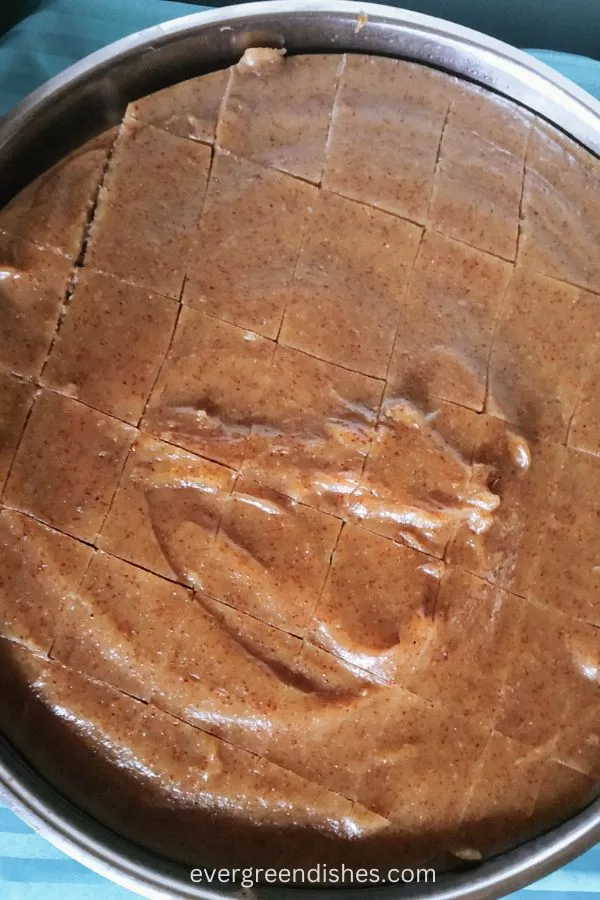
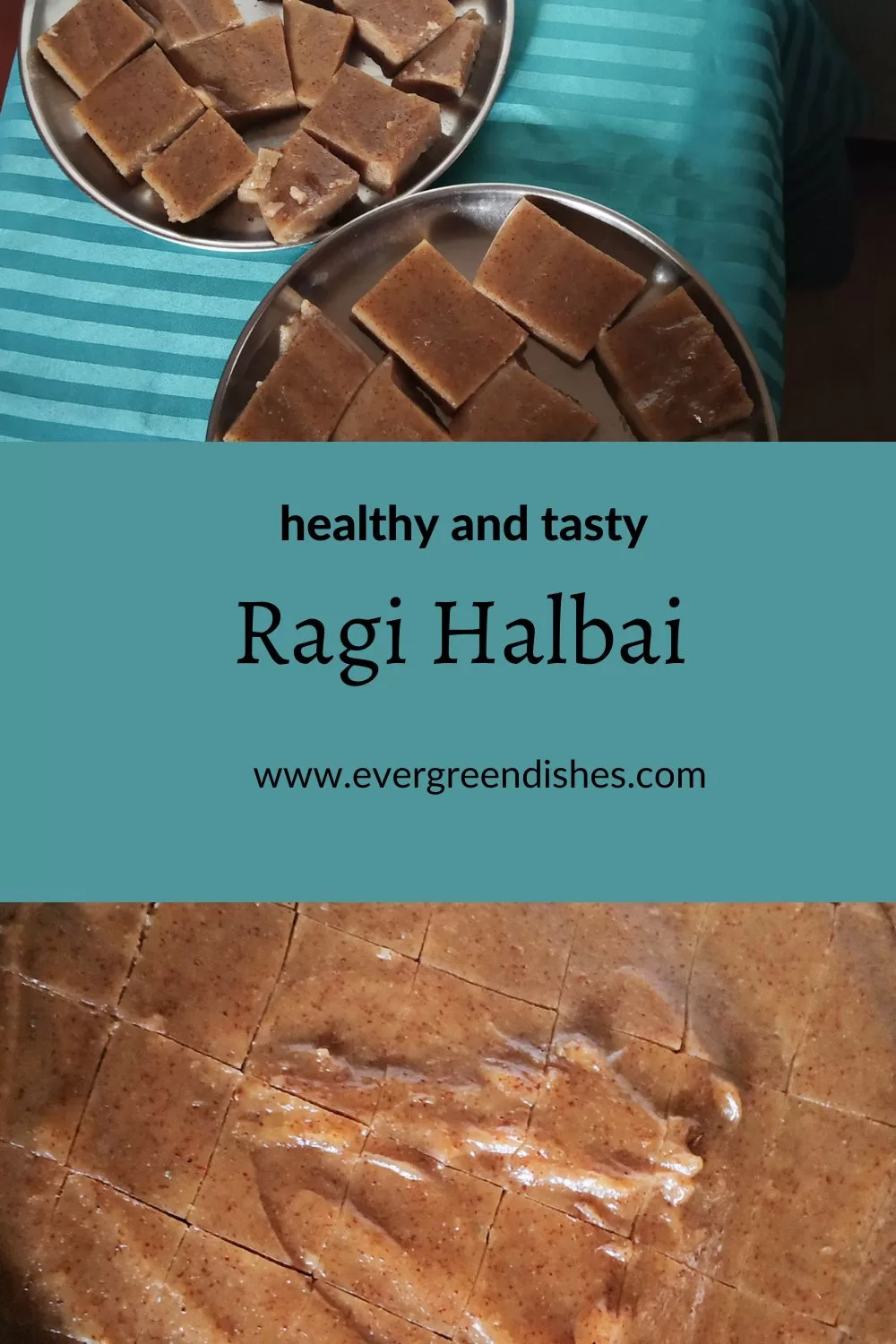
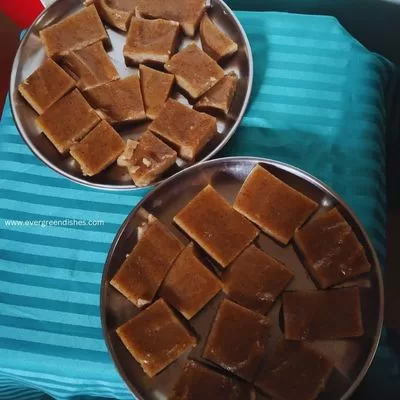
    Ragi Halbai or Finger millet fudge is a tasty, soft, chewy fudge made of finger millet, coconut and jaggery. It is a healthy sweet.  It is a dish from South Canara region of Karnataka. Here, the whole grain of finger millet is used by soaking and then grinding and cooking it.

    The use of millets is more so now than ever as the benefits one reap is abundant. It is nutritious and high in fibre. I prefer using ragi at home since it is liked by all.  Do check these breakfast recipes Ragi Idli, Ragi Thalipeeth, Ragi Khichu

    South Canara cuisine is delicious and coconut is one of the main ingredients in their cooking. The coconut used is fresh one and it is usually ground to a paste and used in most dishes.

    With many festive days ahead, you can try this recipe soon.

    What is Ragi ?

    Ragi is popularly known as Finger millet or Nachni. Finger millet or Elusine Coracana is an annual herbaceous plant widely grown as a cereal crop in the arid and semi -arid areas in Africa and Asia.  It came to India around 2000 BC and since then its been consumed in different ways.

    Nutrients in Ragi

    Ragi is a whole grain that is gluten free and staple in South India. It is rich in fiber that helps with weight loss and diabete. It is packed with calcium, good carbs amino acids and Vitamin D. The nutrition per 100 grams is as below: ( Source: Wikipedia)

    • Protein 7.6 g
    • Fat 1.5 g
    • Carbs 88g
    • Calcium 370 mg
    • Vitamin A 0.48 mg
    • Thiamine 0.33 mg
    • Riboflavin 0.11 mg
    • Niacin 1.2 mg
    • Fiber 3g

    Benefits of Ragi :

    1. Rich in calcium – It is one of the best non- dairy sources of calcium when compared to other grains. Dr. Anju Sood, a nutrionist from Bangalore says, ” It is extremely beneficial for growing kids and can be given in the form of porridge”
    2. Help in controlling diabetes: The grains seed coat is abundant in polyphenol and dietary fibre. The low glycemic index lessens food cravings and helps maintain blood sugar.
    3. Relax the body: The regular usage of finger millet has found to help stress  related disorders as insomnia, depression and anxiety.
    4. Helps in weight loss: The high of dietary fibre helps one to keep full for a long time, thus the cravings are less.
    5. Battles anemia: It is rich source of natural iron and thus a boon for anaemic patients. Once it is sprouted, the Vitamin C level increases and leads to easy absorption of iron into the bloodstreams.
    6. Reverts skin ageing: methionine and lysine present in it  make tge skin tissue less prone to wrinkles and sagging.
    ragi halbai

    Now, getting on to the recipe without further ado:

    Ragi Halbai / Finger Millet Fudge

    Ingredients:

    • 1 cup ragi
    • 1 cup jaggery
    • 1 cup fresh coconut
    • 2 tablespoon ghee
    • 2.5 cup water
    • 1/2 teaspoon cardamom powder
    • a few cashew

    Method:

    1. Soak  ragi for five hours.
    2. Grate the coconut.
    3. Discard the water, grind the ragi to a fine paste along with coconut by adding little water.
    4. Strain the liquid through a sieve, press the residue  with a spoon Grind it again with some water. I used one and half cup of water to grind.
    5. Grease a plate with a little ghee.
    6. Take the jaggery and melt it with a cup of water. Filter it to remove impurities.
    7. Put the melted jaggery and the strained puree in a thick bottom pan. Let it cook. Add some ghee, keep stirring, otherwise it will stick to the bottom of the pan.
    8. Put the remaining  ghee, once it thickens to a mass and leaves the side, put cardamom powder, mix and pour it over the greased plate.
    9. Cut it into squares.  Decorate with roasted cashews. Ragi Halbai is ready to serve.

    Pre- requirements:

    Ragi are small red grains, one needs to clean it properly as tiny specks of impurities are seen. It is usually soaked in water and then the water is slowly discarded. The grains are then put to dry and used.


    Evergreendishesdev

    Ragi Halbai / Finger Millet Fudge

    5 from 7 votes
    Ragi halbai is a twist to the usual one that is prepared using rice. It is tasty and healthy. Finger millet, coconut and jaggery are cooked together to form a delicious fudge. 
    Prep Time 5 hours
    Cook Time 20 minutes
    Total Time 5 hours 20 minutes
    Servings: 15 pieces
    Course: festive treats, healthy snacks, traditional sweets
    Cuisine: dakshina kannada, karnataka

    Ingredients
      

    • 1 cup ragi
    • 1 cup jaggery
    • 1 cup fresh coconut
    • 2 tablespoon ghee
    • 2.5 cup water
    • 1/2 teaspoon cardamom powder
    • a few cashew for topping

    Method
     

    1. Soak ragi for five hours.
    2. Grate the coconut.
    3. Discard the water, grind ragi and coconut to a fine paste by adding little water.
    4. Strain the liquid through a sieve, press the residue with the back of a spoon to extract the liquid. Grind it again with some water, and again strain it. I used one and half cup of water for grinding. 
    5. Smear some ghee on a plate. 
    6. Take the jaggery and melt it with a cup of water. Strain to remove impurities. 
    7. Now, put the jaggery and the strained mixture in a pan and lett it cook. Add some ghee to it. Keep stirring, otherwise, it will stick to the pan. 
    8. Add the remaining ghee, once it foerms a mass and leaves the side, put cardamom powder, mix and spread it over the greased plate. 
    9. Cut it into squares, decorate with roasted cashews. 

    Notes

    • Ragi needs to be cleaned well before using. Small impurities are present that can damage organs of the body, thus it is highly recommended to clean it properly before using. 
    • It is usually rinsed in water and gently the water is displaced, the impurities are seen lying at the bottom. 
    • While grinding, check the amount of water that you are utilising, it is important you use the recommended amount.
    • While  cooking, keep stirring the liquid. 

    If you have liked this post, do share it further.

    ragi halbai

    This post is part of the #HWCuisine with Ragi as the theme. Here are the other Ragi recipes by my co-bloggers

    About the event :

    Sending this post to Foodies_Redoing Old Post_113. It is a fortnightly event where we work on an old post either by changing the picture, text, formatting or anything else related to the post. Here, I have changed the pictures.This is an old post which I had written in 2018, now I have changed it with better pictures.


    If you ever make this ragi halbai  or any of my other dishes,  do take a picture and tag @foodiejayashree on Instagram or @evergreendishes on Facebook or Twitter. I will be glad to see your creation and share it further. Let’s be connected, do follow on social media platforms. Until next time, let’s stay connected.  Subscribe to get all updates and an e-book for free. Check out my e-books on Amazon.  Happy Cooking !

  • Shenga holige/peanut sweet pancake

    Shenga holige/peanut sweet pancake

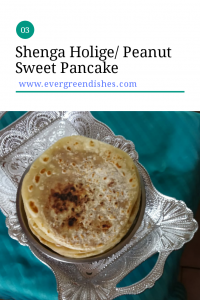
    Shenga Holige is a traditional sweet from North Karnataka. It is often made during festivals. It is like a stuffed sweet pancake with peanut jaggery filling.

    With the commencement of the holy month of Shravan, many auspicious days and festivals lay ahead. If the tuesdays and fridays are sacred, in between are the Nagara chauti, panchmi , raksha bandhan,  varmalakshmi  and krishna janmasthmi, so many tuned up, one needs to think of the different sweets that can be prepared. Today, I am presenting to you shenga holige/peanut sweet pancake. Shenga is peanut or groundnut and holige is a stuffed sweet bread or pancake.

    Shenga holige is a popular sweet of North Karnataka. It  can be stored for a few days. It is tasty and muchloved by kids, as it can be eaten just like that, no need of milk or  even ghee. This post is part of  Culinary Hoppers with the theme “Sweets “. Let’s get cooking in steps.

    Shenga Holige / Peanut Sweet Pancake

    Ingredients :

    For the dough :
    • fine semolina 3 cups
    • refined flour 2 cups
    • ghee 1tbsp
    • oil 2tsp
    • water

    Note : Fine semolina is known by the name of “chiroti rawa”

    For the stuffing :
    • peanuts 1/4kg
    • jaggery 1/4kg
    • cardamom powder 1/2tsp
    Other ingredients :
    • refined flour for dusting
    • oil for greasing
    Equipments :

    Skillet , kitchen turner, rolling pin, pan or container, thin muslin cloth


    Shenga Holige / Peanut Sweet Pancake


    Method :

    To make the dough :

    Take the flour and semolina in a wide bowl. Mix well. Add ghee, mix , add little water and make it into a dough of medium consistency. Smear oil, cover with a thin muslin cloth and keep aside for fifteen minutes.

    To make the filling :

    • Roast the groundnuts and let cool. Discard the skin by crushing with hand or rolling pin.
    • Break the jaggery into small bits.
    • Grind the groundnut coarsely. Add jaggery and cardamom to it and pound it well. Put it in a bowl and keep aside.

    To make the pancakes:

    • Take a small ball of the dough, roll it into a small circle.
    • Mix the filling. Take a small portion of it, squeeze it between palms and  make it into a small ball.
    • Put it into the centre and slowly seal the edges together.
    • Dust it with flour and roll it.
    • Heat a skillet.
    • Smear little oil on the rolled pancake and put it on the skillet.
    • Put some oil and roast it till brown bubbles are seen.
    • Remove and keep aside.
    • Repeat for the remaining dough.
    • Shenga holige/peanut sweet pancakes are ready to savour. Tastes good with ghee.

    Take a tip:

    • Once you take the ball and fill it, press the ball lightly between palms.
    • Dust with a little flour and roll it very lightly.
    • Once cool, store them in a tight container. They can be kept for a couple of days.
    • Holige is usually served with ghee.

    About the event:

    This is an old post which I have redone with better pictures. Sending this to our fortnightly event, Foodies_Redoing Old Post 34. I have changed the main picture of holige and put better ones. Some text also needed formatting.

    shenga holige


    Shenga Holige / Peanut Sweet Pancake

    Shenga Holige

    Shenga Holige is a festive sweet from North Karnataka.

    Ingredients
      

    • For the dough :
    • fine semolina 3 cups
    • refined flour 2 cups
    • ghee 1tbsp
    • oil 2tsp
    • water
    • Note : Fine semolina is known by the name of “chiroti rawa”
    • For the stuffing :
    • peanuts 1/4kg
    • jaggery 1/4kg
    • cardamom powder 1/2tsp
    • Other ingredients :
    • refined flour for dusting
    • oil for greasing

    Equipment

    • Skillet , kitchen turner, rolling pin, pan or container, thin muslin cloth

    Method
     

    To make the dough
    1. Take the flour and semolina in a wide bowl. Mix well. Add ghee, mix , add little water and make it into a dough of medium consistency. Smear oil , cover with a thin muslin cloth and keep aside for fifteen minutes.
       
    To make the filling
    1. Roast the groundnuts and let cool. Discard the skin by crushing with hand or rolling pin.
      Break the jaggery into small bits.
      Grind the groundnut coarsely. Add jaggery and cardamom to it and pound it well. Put it in a bowl and keep aside.
    To make the pancake
    1. Take a small ball of the dough, roll it into a small circle.Mix the filling. Take a small portion of it, squeeze it between palms and  make it into a small ball.Put it into the centre and slowly seal the edges together.Dust it with flour and roll it.Heat a skillet.Smear little oil on the rolled pancake and put it on the skillet.Put some oil and roast it till brown bubbles are seen. Remove and keep it in a plate. Repeat for the rest of the dough and filling.


    Shenga Holige / Peanut Sweet Pancake

    My other sweet recipes, do have a look here :

    Do check out these by my  blog hop friends. So many ideas for the festival season ahead !

    Pin it for later :

    shenga holige/ peanut sweet pancake


    If you have liked this post, do share it with your family and friends. If you ever make this recipe, take a picture and share it on Instagram by tagging @foodiejayashree or on Facebook by tagging @evergreendishes. Do check out our recent videos that I am making

    Check out my e-books on Amazon !

    Subscribe to get an e-book for free and all updates in your inbox.


  • Dal with Methi Stir fry / Bele Palya

    Dal with Methi Stir fry / Bele Palya

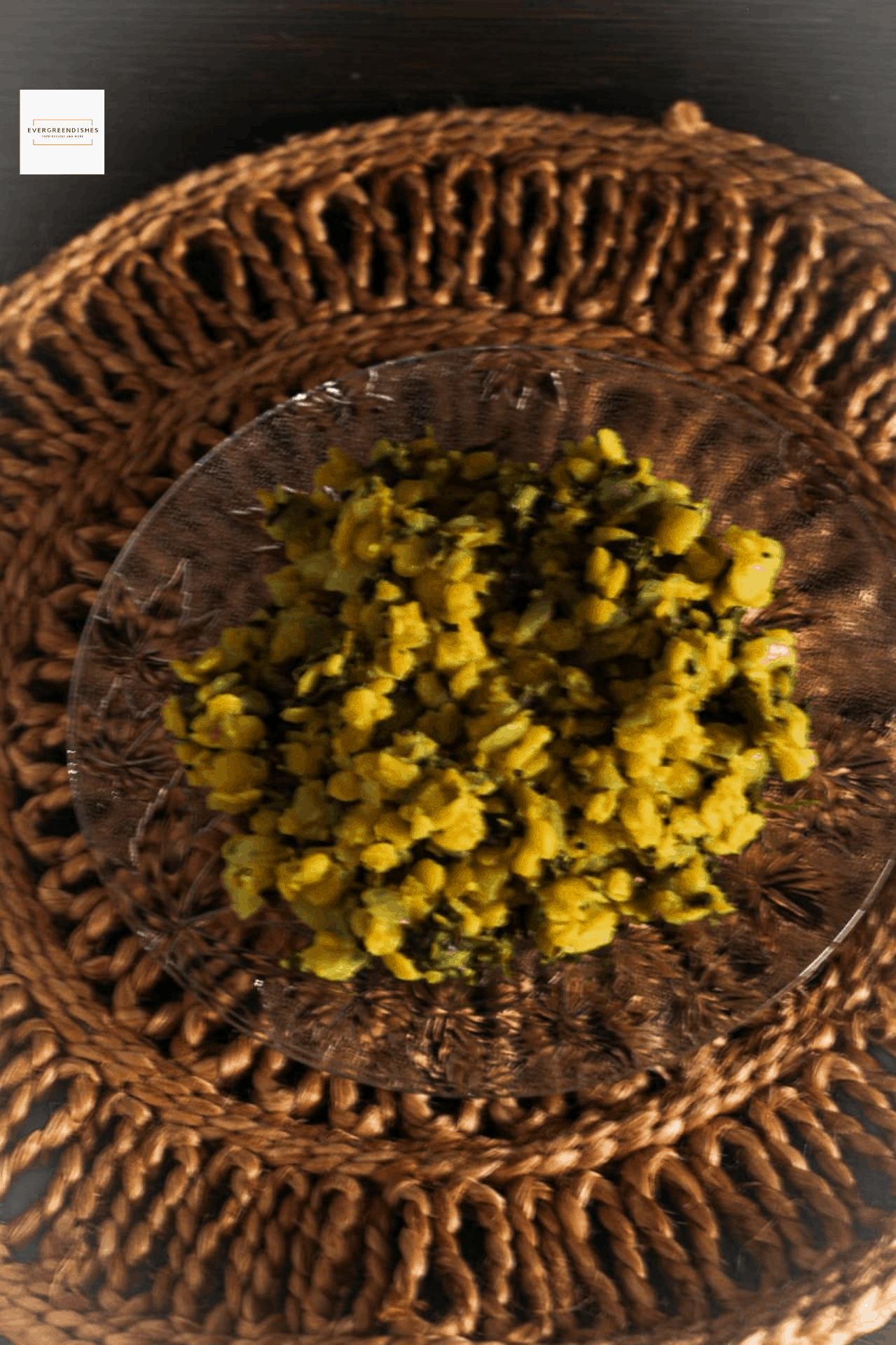
    The semi cooked tur dal with methi leaves and onion makes a good accompaniment with chapati or jowar roti. . It is one of the dishes which has been cooked since ages and is still prevalent, because of its good taste. More over,it is easy to cook and needs no much organising.

    dal with methi stir fry
    dal with methi stir fry

    DAL WITH METHI STIR FRY

    INGREDIENTS:                  

    • 1 cup turdal            1 cup = 150 ml 
    • 2 clusters of methi or fenugreek leaves
    • 2 onions finely cut
    • 4 green chillies
    • 1 tsp of cumin seeds
    • 1 tbsp of oil
    • asafoetida
    • mustard seeds
    • 1/4 tsp of turmeric powder
    • salt


    METHOD:

    1. Cook the tur dal in an open vessel. We need a semi-cooked dal of around 70%
    2. Cut and wash the methi leaves.
    3. Make the seasoning with cumin and  green chillies.  Add onion to it. Saute for a while, put the onions. 
    4. Drain the cooked dal and keep it aside.
    5. Put  the cooked dal to it. Add salt and mix well. Simmer for some time.

    Take a tip:

    • The drained water of tur dal is rich in nutrients. It can be used for making rasam.
    • A few cloves of garlic may be added to it.
    • If you want it spicy, add two more green chillies.

    About the event:

    This is an old post, in fact one of the first few posts that I wrote when I started my blog. Sending this to Foodies_Redoing Old Post 35, a fortnightly event, we work on an old post by changing the pictures or text. Here, I have put new photos and edited the post also.

    dal with methi stir fry
    Evergreendishesdev

    Dal with methi stir fry / Bele Palya

    Semi cooked dal with methi leaves and onion makes a good accompaniment with chapati and jowar roti. It is a traditional dish from North Karnataka.
    Prep Time 15 minutes
    Cook Time 15 minutes
    Total Time 30 minutes
    Servings: 4 people
    Course: dinner ideas, lunch
    Cuisine: South Indian

    Ingredients
      

    • 1 cup turdal
    • 2 clusters of methi or fenugreek leaves
    • 2 onions finely cut
    • 4 green chillies
    • 1 tsp of cumin seeds
    • 1 tbsp of oil
    • asafoetida
    • 1/2 tsp mustard seeds
    • 1/4 tsp of turmeric powder
    • salt

    Method
     

    1. Cook the tur dal in an open vessel. We need a semi-cooked dal of around 70%
    2. Cut and wash the methi leaves.
    3. Make the seasoning with cumin and  green chillies.  Add onion to it. Saute for a while, put the onions.
    4. Drain the cooked dal and keep it aside.
    5. Put  the cooked dal to it. Add salt and mix well. Simmer for some time.

    Notes

    The drained water of tur dal is rich in nutrients. It can be used for making rasam.
    A few cloves of garlic may be added to it.
    If you want it spicy, add two more green chillies. 

    Pin it for later:

    Dal with Methi Stir Fry
    Dal with Methi Stir Fry


    If you have liked this post, do share it further with your family members and friends. If you ever recreate this recipe, take a picture and tag @foodiejayashree on Instagram. Do check out my e-books on Amazon.

    Subscribe to get all updates in your inbox and an e-book for free !