Tag: south indian breakfast

  • How to make the perfect Idli and Dosa Batter

    How to make the perfect Idli and Dosa Batter

    ( Disclosure : As an Amazon Associate, I will get a small commission for qualifying purchases without no addition cost to you.)

    How to make the perfect Idli and Dosa Batter | Idli and Dosa batter recipe | healthy homemade batter 
     Make the perfect idli and dosa batter and store in the refrigerator for a hassle free morning ahead.

    An  idli and dosa batter in the refrigerator saves the day. It eases the morning dilemma and makes a filling breakfast for all. It is welcome on the busy days, when errands are many and time consuming. Idli and Dosa is a popular breakfast in South India. It is preferred in many households as it is soft and easy to digest. The fermenting  process breaks the nutrients and helps in proper absorption. Making the batter at home requires a little time and effort but it is worthwhile. 

    Today, most people buy a packet of batter and use it.  However, there is nothing like the homemade one. The batter made at home is according to the best known method with the purest ingredients that you get in the market without any preservatives. There is no scope for the deterioration in the quality of the batter. The yield you get is comparatively more than that you get in the market. Moreover, you are making a fresh batch of batter whenever you need it. You are in control of the ingredients you use and the quantity of batter you prepare. Thus the nutrition and taste are much better of the homemade batter.


    TIPS FOR A GOOD BATTER


    Keep in mind to use good quality ingredients. Use newly produced urad dal/

    Consistency of the idli batter is very important. It should neither be too thick nor thin. If the batter is too thin, the idlis will not be fluffy. If the batter is too thick, the idlis will turn out hard. The consistency should be thick but of pouring consistency.

    The question often arises when should the salt be added? Should it be added before fermentation or after the fermentation process ? Every person has his own views on this matter. Most of us use iodized salt and it hinders the fermentation process .I always add salt to the fermented batter and it works fine for me.

    Another point of consideration, urad dal is available in two forms as whole and broken. Many people prefer to use whole urad dal as the yield of batter is higher. But, in a few cases, I have seen them to be infested with black pests. I prefer to use the half broken urad dal.

    Rice is another important ingredient in the preparation of idli and dosa batter. If a recipe says only rice, use the regular sona masuri rice. You can also par boiled rice or ration rice. Do not use basmati rice or any other variety.

    Appliance :

    The  new mixer grinder is ideal choice of many as it comes as a multi-purpose appliance for batter, chutney, smoothie and juice. It is sturdy and can be used hands free, the unique locking system holds the ingredients properly. Tabletop Wet  Grinder is the other appliance which you can use to make idli and batter. It makes a good investment if you are making the batter regularly at home. The tabletop grinder is ideal for indian cooking.It gives a smooth batter and the quantity is much more. It saves time too. Today, the tabletop grinders have varied other features as atta kneader, spice mix drum and coconut scrapper. It can be useful appliance in the kitchen. I always make batter in the tabletop grinder though I feel a bit cumbersome at times. I love the texture of dosa and gundapongal made by this battter.

    Fermentation time:

    The time required for fermenting depends on the season. The ideal temperature for fermentation is between 25 degree Celsius to 32 degree Celsius.  During winter, the process is slow and needs twelve hours. During summer, the batter rises quickly in six to eight hours. It then turns sour if kept outside for a longer period.
    Today, I am sharing the recipe of Idli and Dosa Batter

    Idli Batter


    1) Idli batter using rice and urad dal.

    The idlis  made of rice and urad dal are soft and spongy. Parboiled rice is the essential ingredient here. Do not skip on it. You can use only parboiled rice but I found addition of a little sona masuri rice worked better.

    Ingredients:

    1 cup urad dal
    2 cup par boiled rice
    1 cup sona masoori rice
    ½ teaspoon fenugreek seed
    water for soaking and grinding
    salt as required

    Method:

    • Wash urad dal and soak it in water for four hours.
    • Wash the par boiled rice and soak it in hot water for six hours.
    • Wash the sona masoori rice and soak it in water for six hours. Put fenugreek seeds in it.
    • Grind both the varieties of rice together to a slightly coarse texture. Remove the batter in a bowl.
    • Grind urad dal to a fine paste.
    • Mix both of them together in a wide bowl. Keep the batter in a warm place to ferment for at least eight hours.
    • Next day, add salt to the batter and mix it in a clock-wise direction.

    Take the required quantity and keep the remaining in the refrigerator.

    2) Idli Batter using Idli Rawa

    Idli batter made using idli rawa is mostly made as it is easier. The idli rawa is easily available in the market.

    Ingredients :

    • 1 cup urad dal
    • 2 cup idli rawa
    • Water for grinding and soaking
    • Salt

    Method:

    • Wash urad dal and soak it for four hours.
    • Idli rawa can be soaked for half an hour.
    • Grind the urad dal to a fine paste with some water.
    • Once it is smooth, remove it in a wide bowl. The bowl should be a large one as the batter will rise on fermenting.
    • Mix the soaked semolina to it.
    • Keep it in a warm place. Ensure that it is kept properly as the batter rises on fermentation.
    • The next day, add salt to the batter and mix it well.

    Take the required quantity and keep the rest in the refrigerator.
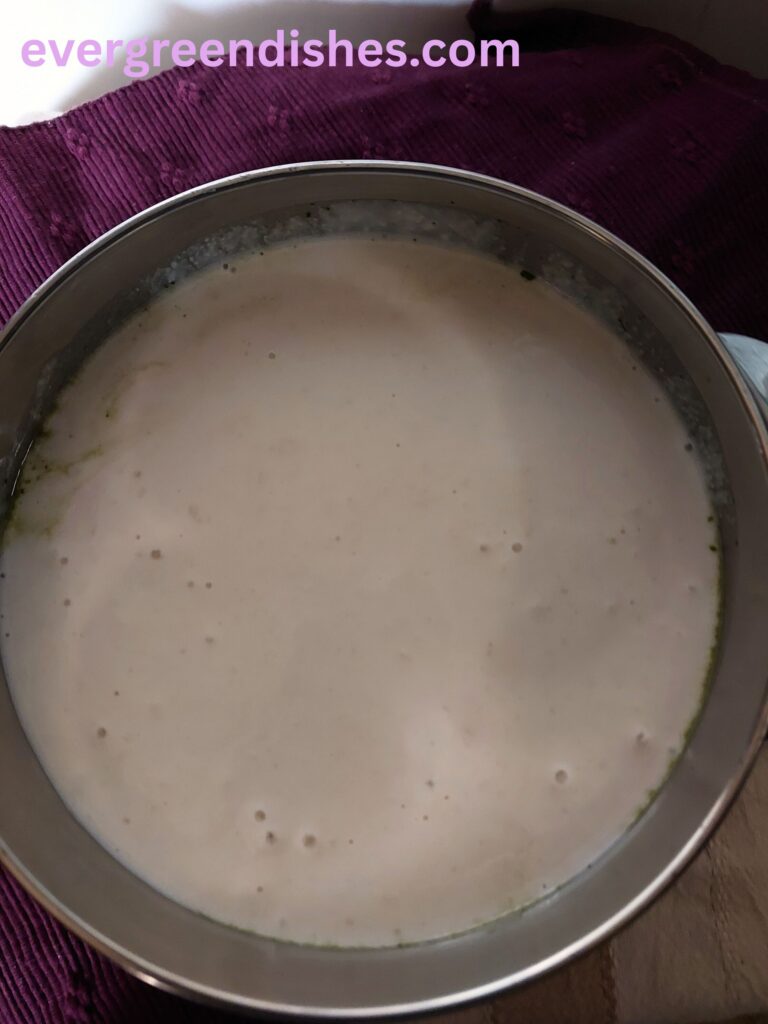
    Dosa Batter
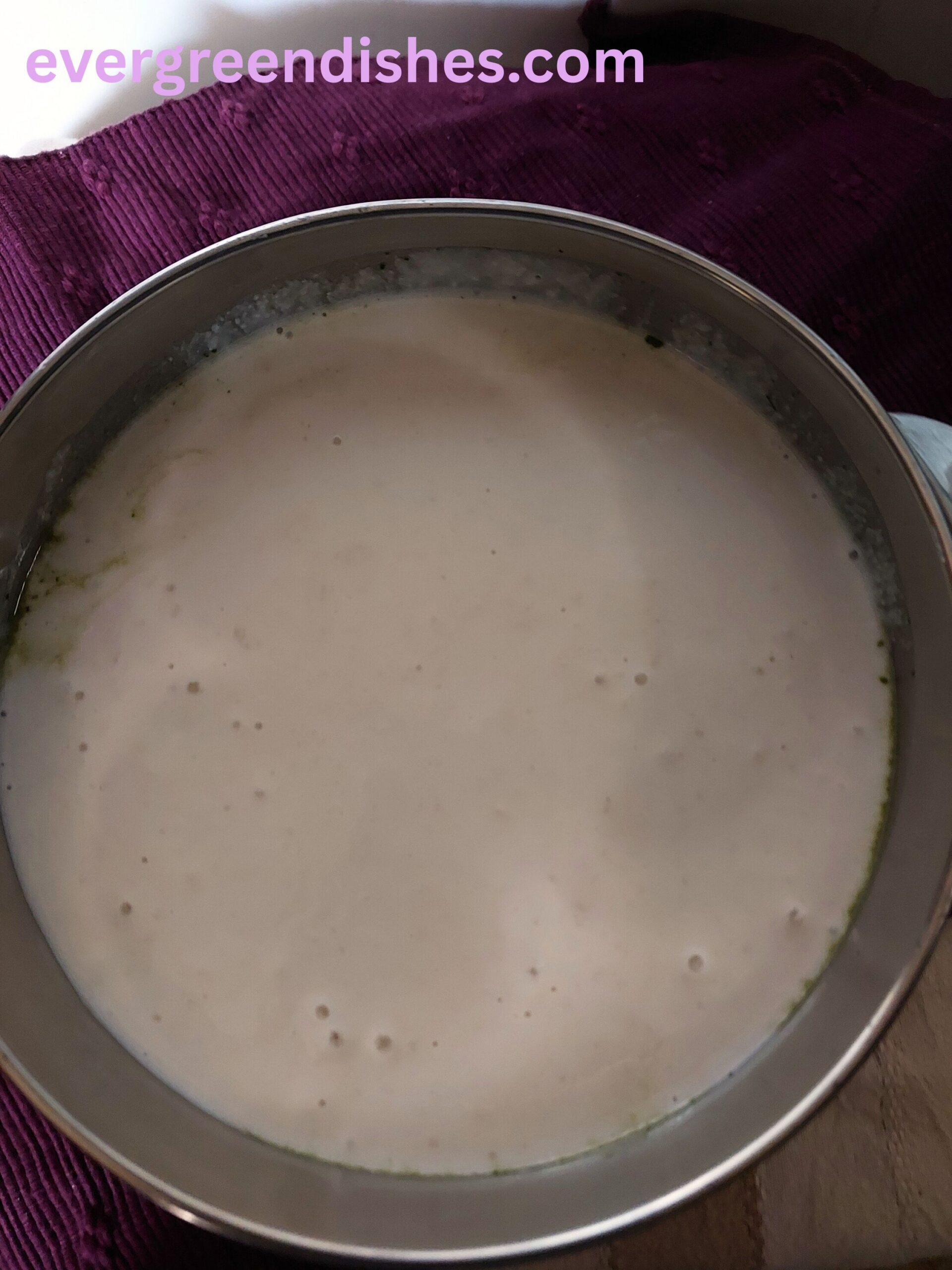
    A bowl of fermented dosa batter

    Dosa Batter

    Dosa batter can be used to make various recipes. You can make regular dosa, set dosa, gundapongal and uttapam. 

    Ingredients:

    • 4 cup raw rice
    • 1 cup urad dal
    • 1 teaspoon fenugreek

    ½ cup flattened rice (poha)

    Method :

    • Rinse the rice and soak it for six hours in sufficient quantity of water. Add fenugreek seeds to it.
    • In another bowl, wash urad dal and soak it for six hours.
    • Soak flattened rice for half an hour.
    • Grind the rice with some water. Remove it in a wide bowl.
    • Grind urad dal to a fine paste.Add poha to it and give a swirl Mix it with the rice batter.Cover and keep it in a warm place. Ensure that the vessel in which you have poured the batter is large enough as the batter rises on fermentation.
    • Next day, add salt and mix it well.

    Take the required quantity of batter and keep the rest in the refrigerator. This helps in preventing the batter from turning sour.

    Take a tip:


    • The batter needs to be of thick consistency to make set dosa. The dosa turns soft and spongy. But, make sure to cook it well on both sides with a lid closed over it.
    • To make thin crepes, the batter should not be of thick consistency. Add a little water and adjust it.
    • To make gundapongal, the batter needs to be of moderate consistency.

      I hope the post helps you to make a good idli and dosa batter at home.  Do you buy the batter or make it at home ? Do let me know in the comments below.  If you have any doubts, do  feel free to write below. Do not forget to follow @foodiejayashree on Instagram and @evergreendishes on Facebook. 


      ( Disclosure : As an Amazon Associate, I will get a small commission for qualifying purchases without no addition cost to you.)
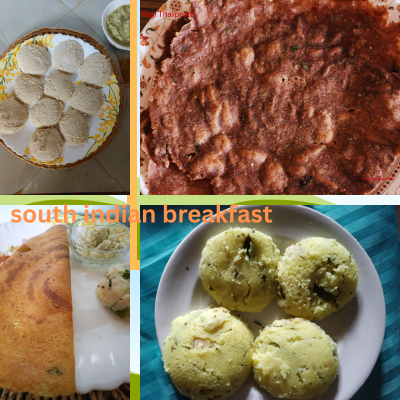
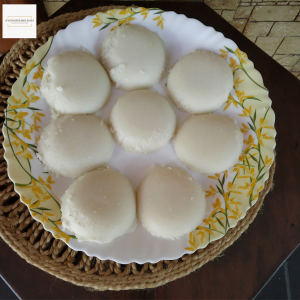


  • Traditional South Indian Breakfast

    Traditional South Indian Breakfast

    (Disclosure : As an Amazon Associate, I may earn a small commission when you click through the products linked here, without any additional costs to you.)


    The traditional South Indian breakfast is popular throughout the world. It is the preferred breakfast option of most Indians as it is healthy and filling. It helps in maintaining consistent energy for a long time. Some recipes have stood the test of time and still preferred today they are the precious traditional South Indian breakfast which we all love.

    Key Health Benefits:

    • Aids gut health : The overnight fermentation process acts as a probiotic and makes it easier to digest by easily breaking down the food particles.
    • Aids in weight management : South Indian breakfast is low in calories, low-fat and rich in fibre, keeping you full for a longer time. The method of cooking is usually stemming and sauting do not need much oil.
    • Rich in protein : Lentils and rice combination in dosa, uttapam and idli are a good source of both proteins and carbohydrates.
    • Good source of fiber: Vegetables are used in making sambar and other dishes as upma. They help in the fiber intake
    • Anti-oxidants and vitamins: The use of spices in cooking helps in nourishing the body. Turmeric has anti-oxidant and anti-inflammatory properties. The use of cumin and asafoetida aids in proper digestion. Curry leaves are a good source of vitamins and anti-oxidants.


    Tips for making South Indian Breakfast:

    Here are some useful tips to make a good South Indian breakfast:
    Planning : It is good to plan ahead for the next morning. You can chop the vegetables nd keep them in air-tight containers in the refrigerator.
    Quality Ingredients: Use good quality rice and lentils to make idli and dosa.Use fresh coconut, it gives a good taste.
    Make a batter: When you have time, make a batter of idli or dosa and keep in the refrigerator. It is not only handy but saves the day.
    Invest in tawa: Buy a good quality skillet. It eases the work and durable for many years.
    Handy Ingredients: Keep a jar of roasted semolina in the refrigerator. It will help when you are juggling many tasks.
    Spices: The most used spices are mustard, asafoetida, turmeric and cumin.

    The Various Breakfast Options


    In South India, delicious breakfast is usually steaming hot, healthy and made with a fermented batter. Each region has its own kind of delicacies. For a foodie, it is heaven when you get a good tasty breakfast. Coconut. Rice and lentils are a few essentials in any South Indian home along with spices and vegetables.


    IDLI

    • Idli is a popular breakfast from South India. They are soft steamed cakes made with a batter of lentil and rice.
    • Idli is preferred for three reasons:
    • It is a fermented food. It contains probiotics which is good for the gut, enhances nutrient absorption and is easily digested.
    • The process of cooking makes it a healthier option.
    • It is ideal for people of all ages. It is ideal to serve for the toddlers and sick patients.
    • It is vegan and gluten-free.


    Accompaniments :

    • Chutney – It is the most preferred accompaniment. Various kinds of chutney can be served with idli. The most preferred is coconut chutney.
    • Sambar – It is made with lentils and vegetables and cooked with a spice mix.
    • Podi – When there is no accompaniment, a podi can be used.
    • Ghee- Idlis taste good when served with ghee and podi.
    • Butter – Hot idlis with a dollop of butter along with chutney and sambar is heaven.

    idli

    Variations in Idli 

    Idli is made in different ways in different parts of South India.


    1. Thatte IdliIn :In Coastal Karnataka the batter is steamed in set  of plates, Tatte is the kannada word for a plate..

    2. Halsina ele Idli is prepared in small cups made with jackfruit leaves. They lend a good aroma to it. Making the cups is an art and needs time and patience.

    3. Mallige Idli – In Tamil Nadu, idlis soft as jasmine are popular. It is called Mallige Idli.

    4. Kanchipuram Idli is made tastier with the addition of spices in it.


    Equipments needed to make Idli:


    Idli Cooker along with the idli plates are needed to make it. You can steam them in a pressure cooker but you need the idli stand. Plates for Thatte Idli too are available in the market.


    URAD DAL WADA


    Wada is a doughnut shaped, deep fried savour snack. It is usually served with idli. The other dish that resonates with idli is wada. Deep fried, doughnut shaped, crispy on the outside, they are utterly delicious as a snack.

    Accompaniments:

    • Coconut chutney is usually served with wada.
    • Sambar can also be used with it.

      Equipments :


    A thick bottom pan and slotted ladle for frying the wada.

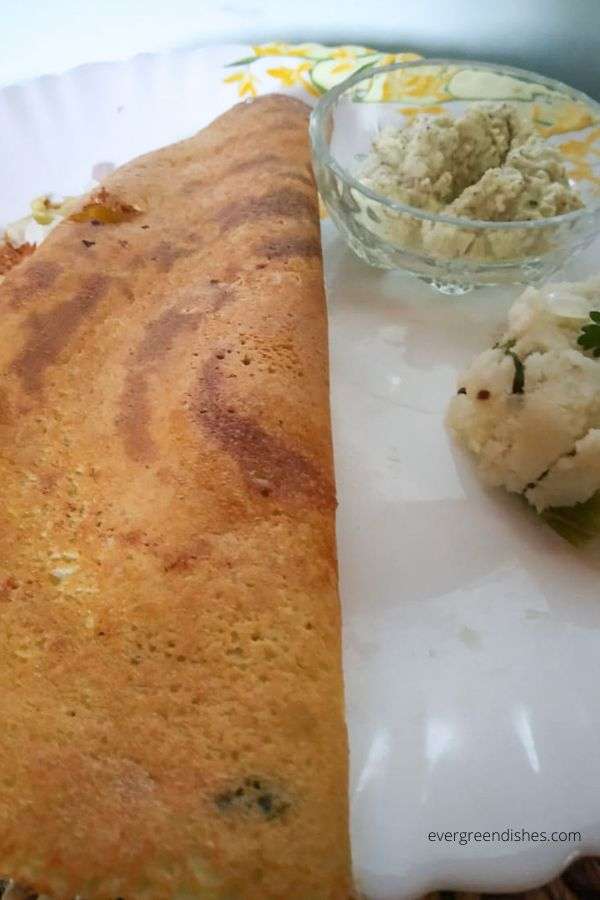
    DOSA

    Masala Dosa
    Masala Dosa


    Having a dosa batter in the refrigerator is handy. It helps in the easy preparation of various kind of breakfast dishes. Dosa, Gundapongal and Utaapam are all made with the same batter.

    Masala Dosa a thin, lacey crepe made on a heated griddle. It is usually served for breakfast.


    Accompaniments:

    • Potato Stir Fry- It is a delicious side dish served with dosa. Potatoes cooked along with onion are put inside the dosa and served.
    • Coconut chutney – It is served with dosa.
    • Red chutney – It is smeared in the dosa and served. It is onion based chutney.
    • Peanut chutney – Chutney made with roasted peanuts tastes good with dosa. It is popular in Andhra Pradesh.


    Equipments :

    • A dosa tawa with a spatula to remove the dosa.
    • You also need a dosa making spoon to pour the batter and rub inside out.
    • A kadai for making stir fry.


    Gundapongal or Paddu


    Gundapongal  is another traditional breakfast made in South India.  It is called by varied names as paddu, kuzhi paniyaram etc, The batter is poured in the cavity of the appe pan and cooked. It is served with coconut chutney. The addition of onion, green chilli, ginger, and coriander enhances the taste of the dish.

    Accompaniment:

    • Coconut chutney
    • Tomato chutney
    • Onion chutney


    Equipments:

    You need a good Appe pan and a skewer to remove them once they are done. Also you need a bowl and a medium sized round spoon to pour the batter.


    Utaappam

    Uttapam is a thick pancake made with dosa batter with the goodness of onion, tomato and spices. It is well roasted and tastes delicious. It isfilling and makes a good breakfast option. 

    Accompaniment:

    It tastes good by itself. But one may use coconut chutney.


    Equipment :

    You need a Uttapam pan and a ladle for making it. Otherwise, you can use a curved skillet. It is ideal to cook thick dosas like uttapam or set dosa.

    Dosa variety :

    Apart from the regular dosa, many different kinds of dosa are prepared. Some need no fermentation, they can be prepared instantly once the batter is ready.


    Neer dosa

    It is popular in South Canara. It is made using only rice and coconut. It is a lacey crepe with pores.

    Accompaniments:

    • Onion chutney
    • Stew – It is made with coconut milk and vegetables.
    • Coconut chutney with garlic 

      Equipment :

    Making neer dosa needs practice. You can easily make on a non-stick tawa..

    Pesarattu

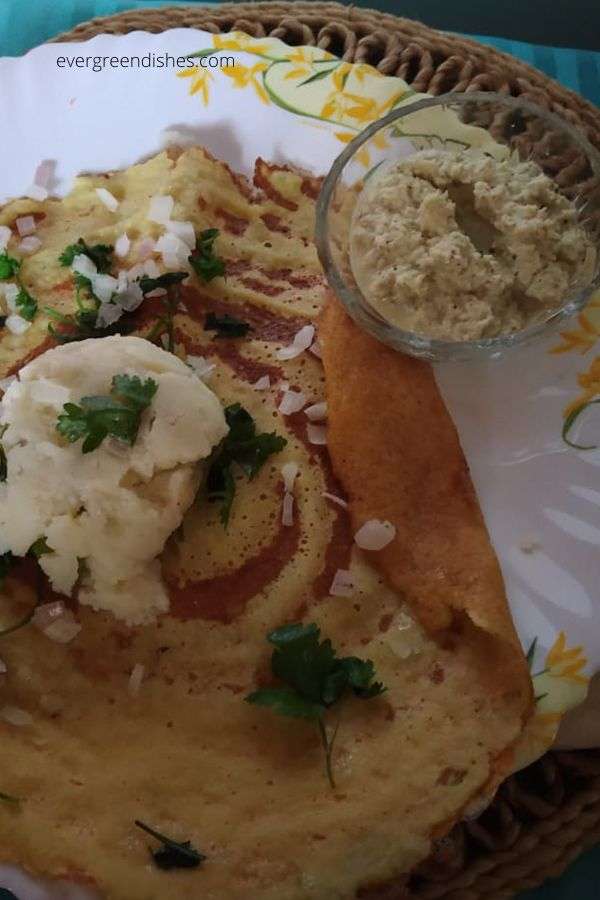
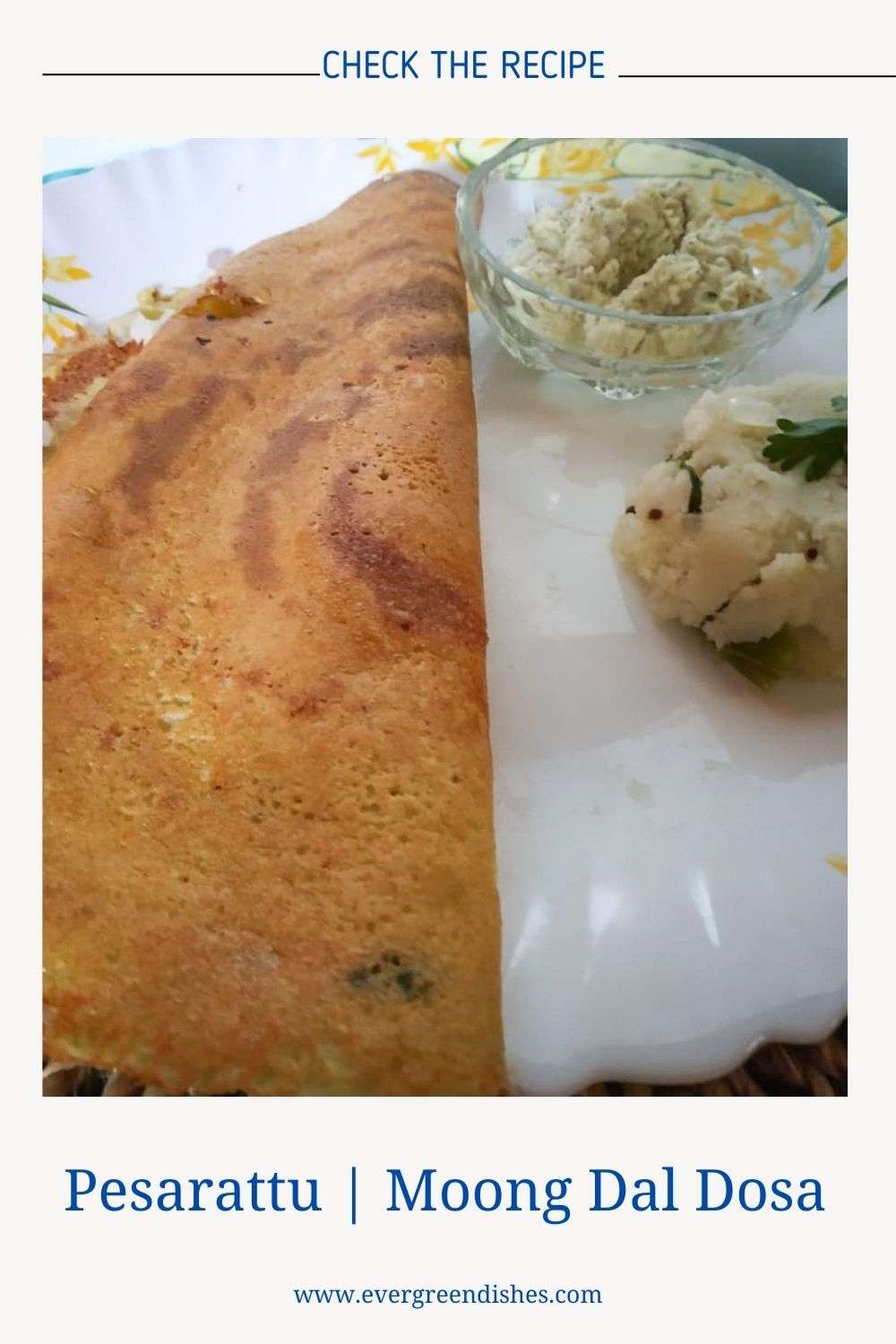
    Pesarattu is popular in Andhra Pradesh. It is made of moong dal. It is a protein rich breakfast and filling. It is usually served with upma and chutney.

    Accompaniments:

    • Coconut chutney
    • Upma
    • Onions for topping
      pesarattu served with upma and chutney
      pesarattu

    Adai/ Lentil Instant Dosa

    It is a dosa made with rice and all other lentils. It needs no fermentation. It is popular in Tamil Nadu.


    Accompaniments:

    • Coconut chutney
    • Lentil chutney
    • Garlic Chutney


    Pongal 

    It is a savoury dish of lentil and rice cooked together with spices.

    pongal

    Upittu / Upma

    Ask anyone and it is a love and hate relationship with Upma. Uppittu or Upma is a traditional breakfast made with semolina. It is one of the easiest breakfast that can be made, it is ready in fifteen minutes. Vegetables may be added to upma..


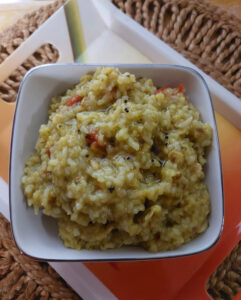
    Khara Bhat :

    Khara Bhat is an upma made with vegetables and spice mix. It is popular in the city of Bangalore.

    khara bhat

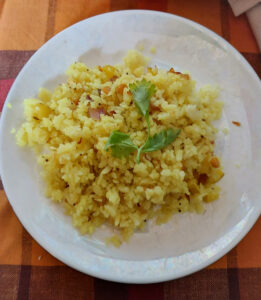
    POHA


    Next on the list which is commonly prepared is poha. It is healthy, easy to prepare for breakfast. Usually onions are added to it and it is called Kanda Poha in Maharashtra. The addition of potato pieces, peas, and groundnuts makes it tasty and filling.

    Accompaniments:

    • Mixture – It is usually topped with a mixture.
    • Podi- Gram podi or groundnut podi makes a good accompaniment.


    GOJJAVALAKKI

    Gojjavalakki may be called as the sibling of Avalakki oggarranne. It is tangy in taste. It is made with the addition of tamarind puree, jaggery and rasam powder.

    VERMICELLI UPMA

    Vermicelli Upma is served with a chutney. It is flavorsome. Different brands of vermicelli are available in the market, one can use them as per their needs.

    Accompaniment:

    • Coconut chutney


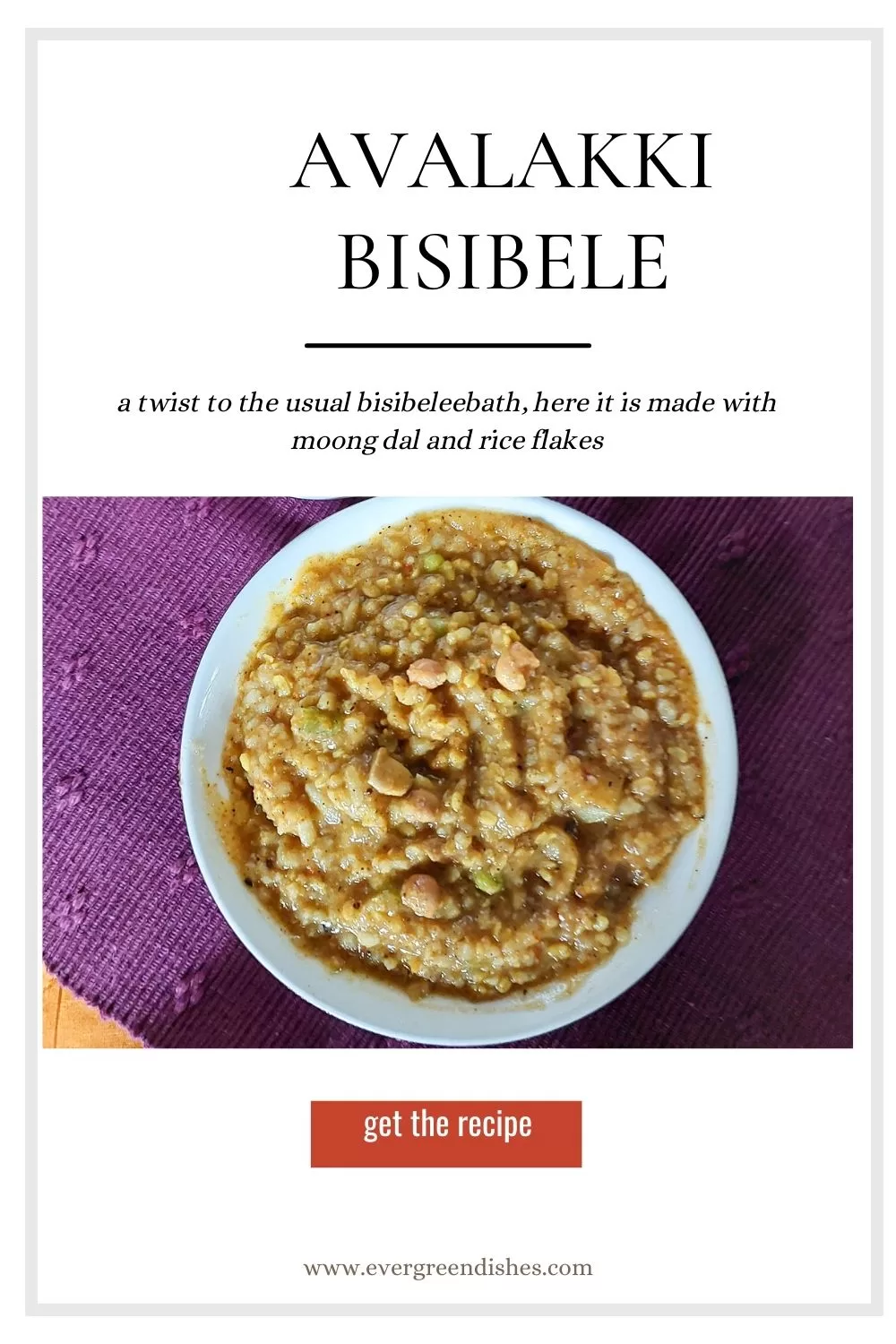
    Avalakki Bisibele

    Avalakki Bisibele is one of the dishes you can make for breakfast. Unlike the usual Bisibelebath, it needs less time. Rice flakes and moong dal are the two main ingredients which are cooked with vegetables of our choice, tempered with spice mix and tamarind puree.It is filling and packed with nutrients. Lentils and flatrice are a good source of proteins, iron, and magnesium.


    PONGAL

    Savoury  Pongal is a spicy dish from Tamil Nadu. Different versions are prepared using semolina, millets and dalia.
    pongal

    MANDALA OGGARANE

    Mandala Oggarrane is made using puffed rice. The soaked puffed rice is cooked along with spices, onion and tomato to make a tasty dish. It tastes good with Mirchi Bajji, a deep fried snack.

    PURI


    Puri is a traditional, deep fried flatbread usually served with a saagu. The dough is made into small discs and deep fried. The best puri are those which are puffed well.It is usually served with a saagu or chole.


    Accompaniments:

    • Saagu – It is a gravy-like dish made with boiled potatoes, onion and tomato.
    • Chole – Puri and chole is a popular combination.\
    • Potato Stir Fry- This is a popular accompaniment served with puri since time immemorial.

    Variations:

    1. Masala Puri has the addition of spices in it. It is usually served with a coconut chutney.
    2. Aloo Puri is the favourite of many. Boiled potatoes are mixed in the dough along with spices and deep fried. It makes a good breakfast for the weekend.

      AKKI ROTI

    Akki rotti is a flatbread made with rice flour. It is enriched with spices, coconut and onion. It is tasty and usually served with curds.


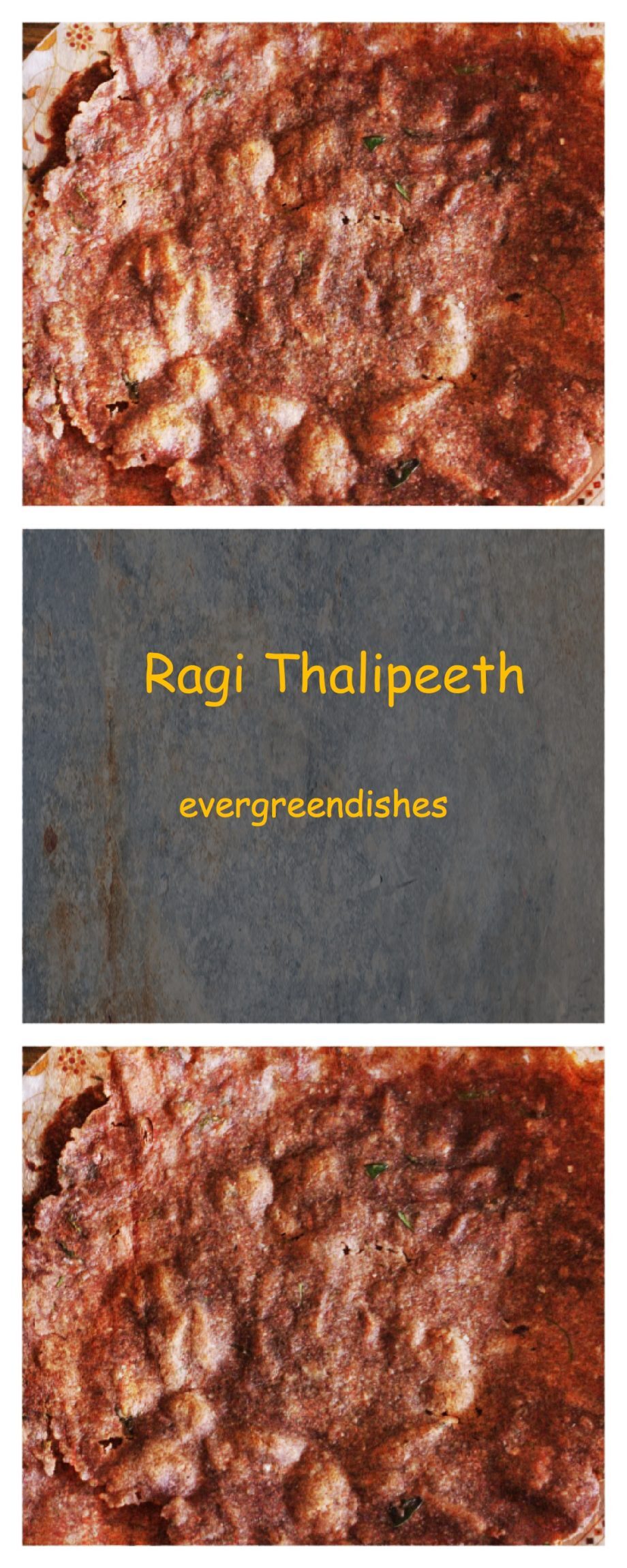
    THALIPEETH

    Thalipeeth is flatbread made with multiple flours. It is commonly made in Karnataka. It tastes good when served hot.

    Appam is a savory pancake from Kerala. It is served with stew.


    INSTANT IDLI

    rawa idli
    rawa idli


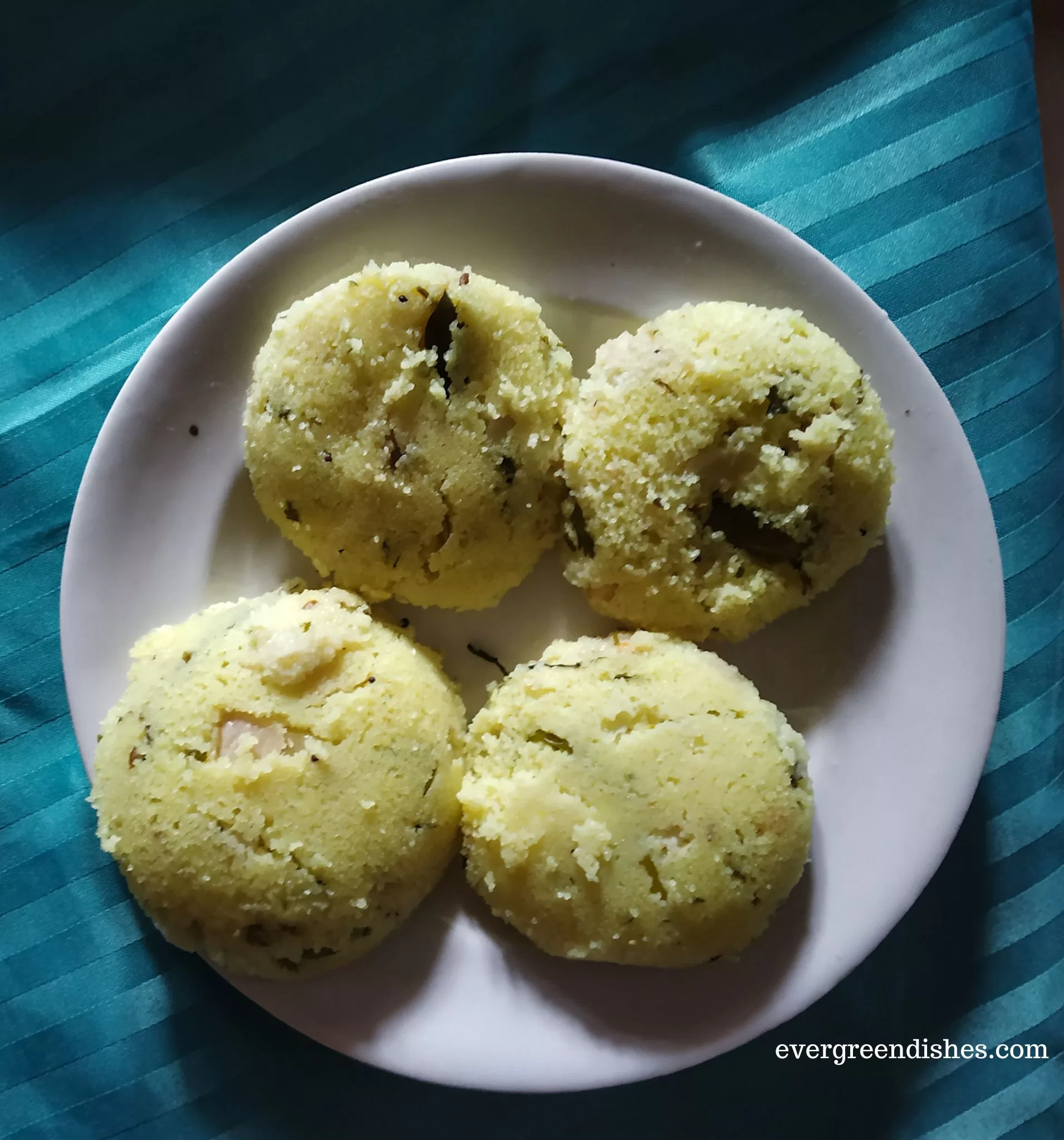
    Rawa Idli : Idli made with semolina and curd tempered with a seasoning is often made in South India. It was made popular by MTR Foods as Rawa Idli


    Accompaniment:

    • Coconut chutney
    • Saagu – It is a gravy-like dish made with onion and potato.


    INSTANT RAGI IDLI

    A healthy twist to the usual rawa idli is ragi idli.

    instant ragi idli
    instant ragi idli


    CHOWCHOW BHAT:


    Chow Chow Bhat is a unique combination served in Karnataka. Rawa Kesari and Khara Bhat are served as a combination. Rawa Kesari is a sweet dish made with semolina. Pineapple may be added to it. Rawa Kesari is spicy dish similar to upma but with the addition of a spice mix in it.


    Accompaniments commonly used in South India


    • Potato Stir Fry is often served with dosa. Boiled potatoes are peeled and mashed, put in a seasoning of mustard, green chilli, onion and cooked. It makes the meal more delicious and filling.
    • Coconut chutney is used as an accompaniment with idli and dosa. It isa lso served with vermicelli upma.
    • Saagu is a gravy-like dish made with onion, potato and tomato. It is served with puri.
    • Peanut Chutney is another kind of chutney served with Idli and Dosa.
    • Sambar is a lentil based savour accompaniment usuall made with the addition of vegetables in it. It is served with idli, dosa and wada.
    • Stew is made with coconut milk and is often served with Neer Dosa.
    • Variety of mixture as topping for poha and upma.
    • Podis with idli, dosa, upma
    • Pickles 


    FILTER COFFEE:


    Breakfast usually ends with a cup of filter coffee. The warmth and happiness of sipping on a cup of frothy coffee is unexplainable. Freshly brewed decoction mixed with hot milk is usually served in steel glass and dabarah.

    Equipment:


    Coffee Filter or percolator can be used to get the decoction.

    Regionalwise Popular Dishes:

    • Karnataka: Rawa Idli, Benne Dosa and Chow Chow Bhat are the regional dishes of Karnataka. Benne Dosa is a thick and soft dosa made with a dollop of butter in it from Davangere. Rawa Idli became famous when the Maravalli Tiffin Rooms started making it. Chow Chow Bhat is a unique combination of Rawa Kesari (Sheera as it is commonly called) and Masala Upma.
    • Kerala : Kerala is known for its Puttu and Idiyappam. Puttu is a steamed crepe made from rice flour with a coconut filling. It is served with kadala curry. Idiyappam is served with coconut milk or stew.
    • Tamilnadu / Andhra Pradesh : Dosa and Idli of different kind are served here.


    Frequently Asked Questions:


    1.Why should you opt for South Indian Breakfast ?
    There are many variations which you can make. Some of them like upma and poha can be made in thirty minutes.
    South Indian breakfast dishes are mostly fermented food. They are light on the tummy. Most of them are vegan and can be made gluten-free.
    It is rich in protein and carbohydrates.
    A batter once made can be used for three or four days. It saves the time of preparation.


    2.Which is the most popular breakfast ?
    Idli and Dosa are the most popular dishes.

    3. Which is the most healthy breakfast ?
    Idli is healthy as it is steamed. Serve it with sambar to make it more nutritious.

    4. Which is the easiest breakfast to make ?
    Upma can be made in fifteen minutes.

    5. Can chutney be stored for a couple of days?
    It is best to make it in small quantities and consume it. The taste deteriorates when kept for more than a day in the refrigerator.

    6. Can sambar be stored in the refrigerator ?
    Yes, put it in an air-tight container and keep it on the top shelf in the refrigerator.
    7. How long does idli and dosa batter stay good ?
    If refrigerated, it stays good for three to four days.
    8. Which brand of vermicelli do you recommend ?
    I like to use MTR brand vermicelli.
    9. Can I add turmeric powder in the seasoning made for Upma ?
    Yes, you may add a little, the colour of the dish changes.

    10. Can I heat these dishes in the microwave ?
    Idli, upma and poha can be heated in the microwave. It is not advisable to heat dosa or puri.


    Final thoughts:

    If you like South Indian breakfast, do explore more of it. If you are new to this cuisine, do give it a try. It is healthy, tasty and mostly vegetarian. The recipes are quite simple to follow. Dishes like upma and poha can be made easily in thirty minutes. For more such posts, do subscribe to get regular updates in your inbox. Follow @evergreendishes on Facebook and @foodiejayashree on Instagram.


  • How to make Avalakki Bisibele

    How to make Avalakki Bisibele

    Jump to Recipe

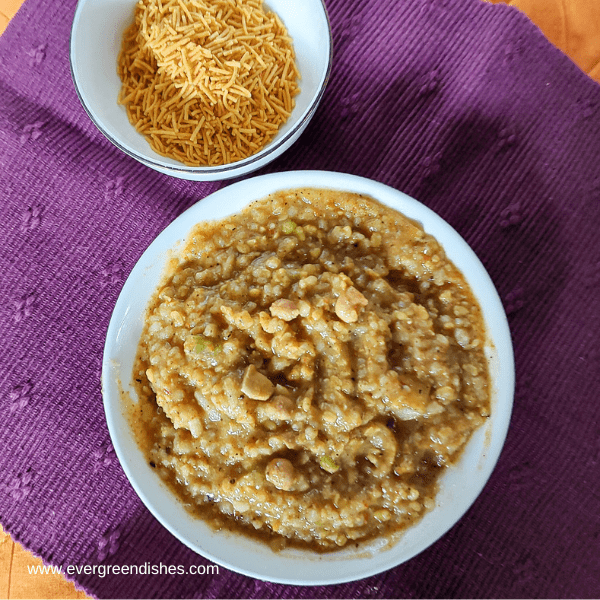
    Avalakki Bisibele is a twist to the popular bisibelebath of Karnataka. It is made with moong and flattened rice along with vegetables and  spice mix. It is tasty, nutrient rich and ideal for breakfast.

    Looking for a different kind of breakfast ? Avalakki Bisibele is  an easy to make, filling and  made with flattened rice. It needs no accompaniment, and ready in an hour. I often make avalakki bisibele for breakfast but it has not made to the blog. In my quest for varied options, it has matched my family likes. The combination of moong and rice flakes cooks faster and makes  a good choice. The other breakfast ideas shared earlier are sago idli, kanchipuram idli, all time favourite masala dosa and masala upma.

    We do not  need a well cooked dal, so I prefer to cook it in a thick bottom pan. The vegetable I normally use are beans, carrots green peas and potato. At times, I do add capsicum in the seasoning. You may use varied vegetables but the taste will differ a little. I do not use onion as I prefer to keep a few dishes sans onion. You may add onion in the seasoning.

    Avalakki is the regional name for rice flakes. It is available in three variety; thick, medium and thin.  The thin variety gets mushy and is not ideal to use. We should use the medium variety of rice flakes. Bisibele bath is made using tur dal and rice which requires longer time to prepare.

    Why should you make Avalakki Bisibele ?

    • It is easy to prepare.
    • It is filling.
    • It is different from the usual poha and a good twist to the bisibelebath which needs ample time.
    • It is rich in proteins.
    • You can use different kind of vegetables.

    Is it ideal for breakfast ?

    Yes, you can serve it for breakfast. Alternatively, you can have it for brunch or dinner.

    What do I pair it with ?

    You can pair it any fried snack as sev or chiwda.  For a healthy option, you can use air fried snacks as papad or fryums,

    Can I cook it in the pressure cooker ?

    We do need a mushy cooked lentil here. So I prefer to cook it in a direct mode.

    avalakki bisibele

    What goes into Avalakki Bisibele:

    • Moong Dal : The lentil used here is moong dal. It needs less time to cook and gut friendly. It is also a good source of protein.
    • Flattened Rice : It is quite common to use flattened rice in our daily cooking. I have used the medium poha you get in the market. It gets in perfectly with the recipe. Alternatively, you can use the thick poha too. But do not use the thin poha as it gets absorbed quickly.
    • Vegetables : You can use varied vegetables here. I often use beans, carrots, potato and peas. You can use other veggies as per your liking. The vegetables are cut into moderate, equal sized pieces. Capsicum le
    • Tamarind pulp : Soak tamarind for sometime and extract the pulp. Alternatively, you may use the ready extract.
    • Spice mix: Use any good bisibelebath powder.
    • Seasoning: Oil is used for the seasong. Put a few mustard seeds, as they crackle, put the other ingredients. Put a few cashew pieces for the good taste. You may add a dry chilli and a few curry leaves in the seasoning.
    • Water : We need water to cook and wash the vegetables.
    • Salt : The mother of all spices.
    • Ghee : It lends a good aroma.


    Print Recipe

    avalakki bisibele
    Evergreendishesdev

    Avalakki Bisibele

    5 from 2 votes
    Avalakki Bisibele is a filling breakfast made with moong dal and rice flakes along with varied vegetables.
    Prep Time 10 minutes
    Cook Time 30 minutes
    Total Time 40 minutes
    Servings: 4 people
    Course: Breakfast
    Cuisine: karnataka

    Ingredients
      

    • 4 litre water
    • 1 cup moong dal
    • 1/4 teaspoon turmeric powder
    • 1 gooseberry size tamarind
    • 1/4 cup beans cut into small pieces
    • 1 carrot chopped
    • 1 potato sliced
    • 1/4 cup green peas
    • 4 cup rice flakes poha
    • 3 teaspoon sambar powder
    • 1 teaspoon ghee
    • 3 tablespoon oil
    • 1/4 teaspoon mustard
    • 1/4 teaspoon asafoetida
    • 1/4 teaspoon turmeric powder
    • 1/2 teaspoon cumin
    • 6 cashewnut

    Equipment

    • thick bottom pan
    • ladle
    • lid
    • small pan
    • serving spoon
    • bowl

    Method
     

    1. Take a thick boottom pan, add water and put it to boil. Once the water boils, put washed moong dal to it along with a pinch of turmeric powder. Let it cook for sometime.
    2. In the meantime, soak tamarind in water. Cut the vegetables and keep them ready.
    3. After sometime, add the veggies. At first, put the beans, followed by carrot and potato pieces. You can also put the green peas if you are using fresh ones. The frozen peas do not need much time, add them at a little later stage.
    4. Clean the flattened rice, wash it well and keep it aside.
    5. Once the moong dal is partially cooked, add the rice flakes. Let it cook for sometime.
    6. Put salt.
    7. Extract the pulp from the tamarind.
    8. Put some pulp and sambar powder to it. Mix well.
    9. In a small pan, make the seasoning.  Add oil, put mustard seeds, as it splutters, add cumin, asafoetida and turmeric powder to it.  Put the groundnut, after a few seconds, add the cashew pieces and pour it over the avallakki bisibele that is cooking.
    10. It is now ready to serve.
    11. You can top it with some sev or mixture.

    Notes

    • The moong dal should not be mushy.
    • Ready tamarind pulp may be used.
    • Various brands of sambar powder are available in the market.
    • You may add capsicum pieces in the seasoning, it lends a good taste.
    • You may add a little ghee while cooking.
    • Adjust the consistency by adding water if needed.
     

    If you  make  Avalakki Bisibele, take a picture and share it by tagging @foodiejayashree on Instagram and @evergreendishes on Facebook.  Subscribe to get all updates and an e-book for free.

    Pin it for later :

    avalakki bisibele

  • Pesarattu Recipe | Moong Dal Dosa

    Pesarattu Recipe | Moong Dal Dosa

    Pesarattu is a popular breakfast from Andhra Pradesh. It is a lacy crepe made with moong dal. It is usually served with upma and chutney. 

    Pesarattu is a  moong crepe from Andhra Pradesh. The green moong or the yellow lentil can be used in the preparation. It needs no fermentation. 

    The beauty of India is the varied culture and traditions we see in each part of the country. Every state has its own set of recipes. Andhra cuisine is known for its spicy food. Pickles and chutneys are quite common in the menu.  Earlier, I have shared gongura chutney recipe. I have also shared Andhra pappu and Andhra rasam. My son is fond of these dishes. 

    Today, I am sharing a breakfast  recipe  from Andhra Pradesh. When we are bored of the usual dosa, moong dal dosa or pesarattu comes to the rescue. 

    pesarattu served with upma and chutney
    pesarattu

    Pesarttu Recipe | Moong Dal Dosa 

    Ingredients:


    For Pesarattu:


    1 cup moong dal
    2 green chillli
    1 inch ginger
    150 ml water
    salt
    1 onion
    coriander leaves

    For upma:


    1 cup semolina
    2 teaspoon ghee
    1 tablespoon oil
    1/2 teaspoon mustard
    1/2 teaspoon cumin
    1 teaspoon bengal gram
    1 teaspoon urad dal
    4 green chilli
    2.5 cup water
    salt
    coriander for garnishing

    For chutney :


    1 cup coconut
    1 teaspoon oil
    2 green chili
    1/4 cup gram dal
    small piece of tamarind
    water
    salt


    Method:

    To make pesarattu batter :

    1. Soak moong dal for two hours.
    2. Later, put the dal in a mixie. Add ginger, grreen chilli, water and grind it to a smooth paste with little water.  Remove it in a bowl. Mix a teaspoon of rice flour and salt to it. The batter of pesarattu is ready.

    To make upma :

    1. In a thick pan, add a teaspoon of ghee and roast the semolina to a golden colour.
    2. Put the roasted semolina in a bowl. Add oil. Make the seasoning, add mustard seeds, as it crackles, put cumin, asafoetida, bengal gram,urad dal and gren chilli. Now, put the onion and saute it for sometime.
    3. Put water and salt to it. I have used Bombay Rawa and the  semolina and water proportion is 1: 2.5. 
    4. Once the water boils, slowly add the semolina to it and mix thoroughly. Let cook for  sometime. Put lemon juice and garnish with coriander leaves.

    To make chutney:

    1. In a small pan, take a little oil and roast the green chillies.
    2. Grind coconut, roasted chillies, salt and  water. Put a little tamarind extract to it and give a swirl.
    3. Coconut chutney is ready to serve.

    To make pesarattu:

    1. Heat a skillet.
    2. Check the consistency of the batter. Put a small quantity of water if needed.
    3. Now, take a spoonnful of batter, pour it on the skillet and make it into a thin crepe. Take the batter and roll it inside out in concentric circles.Smear a little oil.
    4. Sprinkle onion pieces and coriander over it.
    5. Once it is cooked, put a little upma and fold it. Serve with coconut chutney.

    Take a tip:

    • Moong dal can be soaked for one to three hours.
    • The consistency of the batter should be thick.
    • It can be spread into thin crepes.
    • The dosa is best made with fresh batter. Soak the required quantity and use the batter.
    • The batter kept in the refrigerator does not taste good. Moreover, the crepes fall apart while preparing. 
    • Green moong is usually used to make this crepe. Soak it overnight, next day,  grind it with a little water and other spices the next day. Make crepes in the usual way. 
    pesarattu
    pesarattu served with upma and chutney

    Pesarattu | Moong Dal Dosa

    5 from 5 votes
    Pesarattu is a thin crepe made from green gram or yellow lentil. It is a popular breakfast from Andhra Pradesh. It is usually served with upma and chutney.
    Prep Time 15 minutes
    Cook Time 15 minutes
    2 hours
    Total Time 2 hours 30 minutes
    Course: Breakfast
    Cuisine: Andhra pradesh

    Ingredients
      

    For Pesarattu:
    • 1 cup moong dal
    • 2 green chillli
    • 1 inch ginger
    • 150 ml water
    • salt
    • 1 onion
    • coriander leaves
    For upma:
    • 1 cup semolina
    • 2 teaspoon ghee
    • 1 tablespoon oil
    • 1/2 teaspoon mustard
    • 1/2 teaspoon cumin
    • 1 teaspoon bengal gram
    • 1 teaspoon urad dal
    • 4 green chilli
    • 2.5 cup water
    • salt
    • coriander for garnishing
    For chutney :
    • 1 cup coconut
    • 1 teaspoon oil
    • 2 green chili
    • 1/4 cup gram dal
    • small piece of tamarind
    • water
    • salt

    Method
     

    To make pesarattu batter :
    1. Soak moong dal for two hours.
    2. Later, put the dal in a mixie. Add ginger, grreen chilli, water and grind it to a smooth paste with little water.  Remove it in a bowl. Mix a teaspoon of rice flour and salt to it. The batter of pesarattu is ready.
    To make upma :
    1. In a thick pan, add a teaspoon of ghee and roast the semolina to a golden colour.
    2. Put the roasted semolina in a bowl. Add oil. Make the seasoning, add mustard seeds, as it crackles, put cumin, asafoetida, bengal gram,urad dal and gren chilli. Now, put the onion and saute it for sometime.
    3. Put water and salt to it. I have used Bombay Rawa and the  semolina and water proportion is 1: 2.5.
    4. Once the water boils, slowly add the semolina to it and mix thoroughly. Let cook for  sometime. Put lemon juice and garnish with coriander leaves.
    To make chutney:
    1. In a small pan, take a little oil and roast the green chillies.
    2. Grind coconut, roasted chillies, salt and  water. Put a little tamarind extract to it and give a swirl.
    3. Coconut chutney is ready to serve.
    To make pesarattu:
    1. Heat a skillet.
    2. Check the consistency of the batter. Put a small quantity of water if needed.
    3. Now, take a spoonnful of batter, pour it on the skillet and make it into a thin crepe. Take the batter and roll it inside out in concentric circles.Smear a little oil.
    4. Sprinkle onion pieces and coriander over it.
    5. Once it is cooked, put a little upma and fold it. Serve with coconut chutney.

    Notes

    Moong dal can be soaked for one to three hours.
    The consistency of the batter should be thick.
    It can be spread into thin crepes.
    The dosa is best made with fresh batter. Soak the required quantity and use the batter.
    The batter kept in the refrigerator does not taste good. Moreover, the crepes fall apart while preparing. 
    Green moong is usually used to make this crepe. Soak it overnight and grind it with a little water and other spices the next day. Make crepes in the usual way. 

    Pin it for later: 

    pesarattu served with upma and chutney
    pesarattu | moong dal dosa

    If you ever make Pesarattu  recipe, take a picture and tag @foodiejayashree on Instagram or @evergreendishes on Facebook. Subscribe to get all updates in your inbox and an e-book for free!

  • Ragi Thalipeeth / how to make ragi thalipeeth

    Ragi Thalipeeth | Finger Millet Flatbread |  South Indian Recipes | Healthy Breakfast Recipes | Lunch ideas

    Ragi thalipeeth is a tasty and healthy alternative to the usual one. It is vegan and gluten free. It is ideal for weight watchers and people suffering with diabetes.

    Today, everyone is aware of the importance good health and all seem to be conscious of the food that they consume. Millets play an important role as they are low in calories and power packed, helping one to sustain energy for a long time.

    Fingermillet or Ragi is a rich source of proteins and minerals. It contains important amino acids, high amount of calcium and potassium.  It is low in fat and gluten free. It has cooling properties and ideal for summer.

    Ragi mudde is the daily meal of many people in Karnataka. There are many ways in which we can include this super food in our diet. Here is the Ragi Idli that I posted earlier. Today, I am bringing to you,  thalipeeth using ragi flour.

    Thalipeeth is an Indian flat bread made using flour and pressed usually on sheet using hand. It is tasty like a pancake and can be served for breakfast, lunch or dinner.

    Ragi Thalipeeth/ Finger Millet Flatbread

    Ingredients:

    • 1 cup ragi flour
    • 1 cup rice flour
    • 1/2 cup fresh coconut
    • 3 green chilly
    • 1 teaspoon cumin
    • 1 teaspoon sesame
    • 1 tablespoon coriander
    • a few curry leaves
    • salt to taste
    • water
    • oil for roasting

    Equipments : wide bowl, skillet, sheets, spatula, plate

    Method: 

    1. Grind coconut, green chilly and cumin together to a paste.
    2. Finely cut the coriander leaves, wash and keep it aside.
    3. Take a bowl, add the flour and salt. Mix it. Put the paste, coriander leaves, curry leaves, sesame and mix it with a little water to form a stiff dough.
    4. Take a rolling sheet and smear some oil over it. Take a ball of the dough and pat into a thin circle. Smear some oil as you do it.
    5. Heat a skillet. Put the rolled thalipeeth onto it. As it gets cooked, you will be able to remove the sheet.
    6. Flip it to the other side.
    7. Once, it is done, remove and serve with coconut chutney.

    Take a tip:

    • Chopped onions may be added.
    • Grated carrot or fenugreek leaves too can be added.
    • Sheets are available in the market, you can use the brown paper too.

    Pin it for later:

    Ragi thalipeeth
    Ragi thalipeeth

    Evergreendishesdev

    Ragi thalipeeth

    Ragi thalipeeth is tasty and healthy alternative to the usual one. It is vegan and gluten free. It is ideal for weight watchers and people with diabetics.
    Prep Time 10 minutes
    Total Time 10 minutes
    Servings: 6 pieces
    Course: Breakfast, lunch ideas
    Cuisine: South Indian

    Ingredients
      

    • 1 cup ragi flour/ finger miller flour 1 cup =250ml
    • 1 cup rice flour
    • 1/2 cup fresh coconut
    • 3 green chilly
    • 1 teaspoon cumin
    • 1 teaspoon sesame
    • 1 tablespoon coriander finely chopped
    • curry leaves
    • salt to taste
    • water for kneading and grinding

    Method
     

    1. Grind coconut, green chilly and cumin to a fine paste.
    2. Take both the flour in a wide bowl, add salt and mix it. 
    3. Add the paste, sesame, coriander leaves, curry leaves and mix to a stiff dough.
    4. Take a sheet, smear some oil, take a ball of the dough and pat it into a thin circle.
    5. Heat a skillet, put the sheet over it, let cook, remove the sheet, flip it to the other side and let cook for sometime.
    6. Serve hot with coconut chutney.

    Notes

    • Finely cut onions may be added.
    • Carrot and fenugreek leaves may be added.
    • Sheets are available in the market. One can also use the brown paper( with plastic finish)

    Be tuned for more such recipes. Subscribe to get all updates in your inbox.

    If you ever recreate this dish, do link back to this post.  Let the writing be your own, and do tag me @foodiejayashree on Instagram

    Follow evergreendishes on all other social media.

    Facebook, Pinterest, Twitter

    Sending this to Lou Lou Girls, Tickle My Taste Buds Tuesday and also to

    Menu Plan Monday


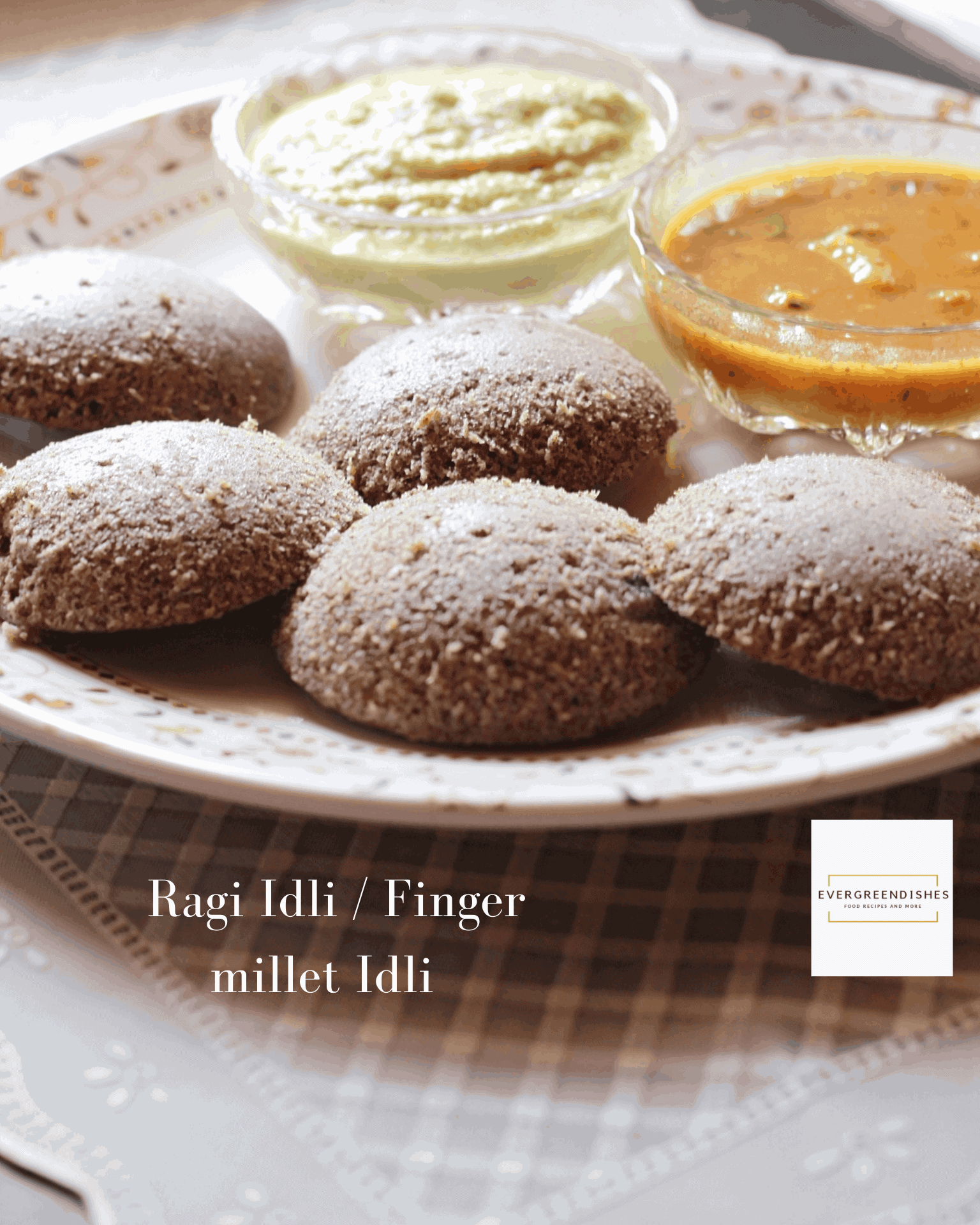
  • Ragi idli /Finger millet idli

    Ragi idli /Finger millet idli

    Ragi Idli / Finger Millet Idli is a healthy twist to the usual variety that is made. It is ideal for breakfast. This is a fermented idli.

    Everyday, it is a dilemma to choose a menu that is liked by all at home. More so, in the days when we are thinking of healthy eating. As we ring into the new year, I plan to bring in more healthy  recipes for you. .Today on the eve of new year, I bring to you all,Ragi idli or finger millet idli , a twist to the usual stuff.

    Ragi is a  multi grain which is highly nutritive in value.It consists of amino acids such as iso leucene, leucene, methionine and phenylanine. It is rich in calcium and potassium.

    My other kind of idli recipes can be read here :


    Benefits of Ragi

    It is a super food which is found to help to reduce diabetes  mellitus. With many people suffering from this disease, this diet is highly recommended. It helps in maintaining the insulin level..

    It  helps in reducing cholestrol. It helps  in weight loss and controlling obesity. The food takes longer time to digest, hence the calories consumed are much lesser.

    It has a cooling effect on the body. Thus, it is an ideal food during summer. Ragi malt is usually taken in the mornings during these months. Ragi halbai is a sweet that is not to to be missed. Ragi Thalipeeth is ideal for weekend lunch or breakfast.

    Now, with so many benefits, let us take a look at the recipe of making Ragi Idli or Finger millet Idli. It is vegan and gluten free. It is ideal for breakfast. It can be served for dinner too.

    What goes in the Ragi Idli / Finger Millet Idli ?

    • Urad dal : We need two ingredients to make it and one of them is urad dal. It is the primary ingredient to make idli, isn’t it ? I prefer to use the split urad dal. It is soaked for three hours
    • Ragi flour: Use good quality ragi flour. I prefer to bring in small quantity and buy fresh ones again. Sieve the flour before using it.
    • Water: It is needed for soaking and grinding the batter. Add water in small quantities.
    • Salt to taste

    Ragi Idli / Finger Millet Idli
    Ragi Idli / Finger Millet Idli


    Idli Cooker:

    Idli Cooker is essential to make idli. It comes with a steamer and a set of plates in which idlis are cooked. Wash the plates. Water is put in the steamer. The batter is poured in the pockets and it is allowed to cook for ten to fifteen minutes. Alternatively, you can use the pressure cooker without the whistle to steam.

    Making idli is common in most household and along with it are the variations one can try. Why not invest in a good idli maker ?


    About the event:

    Sending this to Foodies_Redoing Old Post 27. This is an old post which I have updated with better pictures. Every fortnight, we edit an old post with better pictures and text.

    Ragi Idli

    Ragi idli is tasty and a healthy twist to the usual one.
    Prep Time 2 hours
    Cook Time 30 minutes
    Resting time 7 hours

    Ingredients
      

    • Urad dal 1 cup
    • Ragi flour 3 cups
    • water for grinding and soaking
    • salt to taste

    Method
     

    1. Wash and soak urad dal in water for three hours. Grind it to a smooth batter by adding little  amount of water.
    2. Renove the batter in a bowl. Mix the ragi flour and salt to it.  Keep it in a warm place for eight hours to ferment. Ideally, it is good to keep overnight.
    3. Next day, take the idli stand and wash the plates. Add a spoonful of batter in each mould. Heat the pressure cooker or the idli cooker and keep them to steam on a medium flame for fifteen to twenty minutes. Once done, remove from heat and serve  with coconut chutney.

    Notes

    Add water in small quantities. 
    Sieve the ragi flour before using it.


    Thank you for being  a reader of this blog . Wishing You A Very Happy  New Year ! May the days ahead be filled with immense joy and prosperity!

    Pin it for later:

    Ragi Idli / Finger millet idli

    If you have liked this recipe, do share it with your family members and friends. All comments motivate me to write more. If you ever make this dish, take a picture and tag @foodiejayashree on Instagram or @evergreendishes on Facebook. It is always good to see your creations.

    Let’s be connected. Subscribe to get all updates and an e-book for free !


  • Semolina Dosa

    I am glad to share this recipe with you all today. As the title suggests, it is ” Semolina Dosa ” but of a different kind.This is part of our blog hop with the theme “dosas” . Hence, you can have a galore of dosas today.

    (more…)

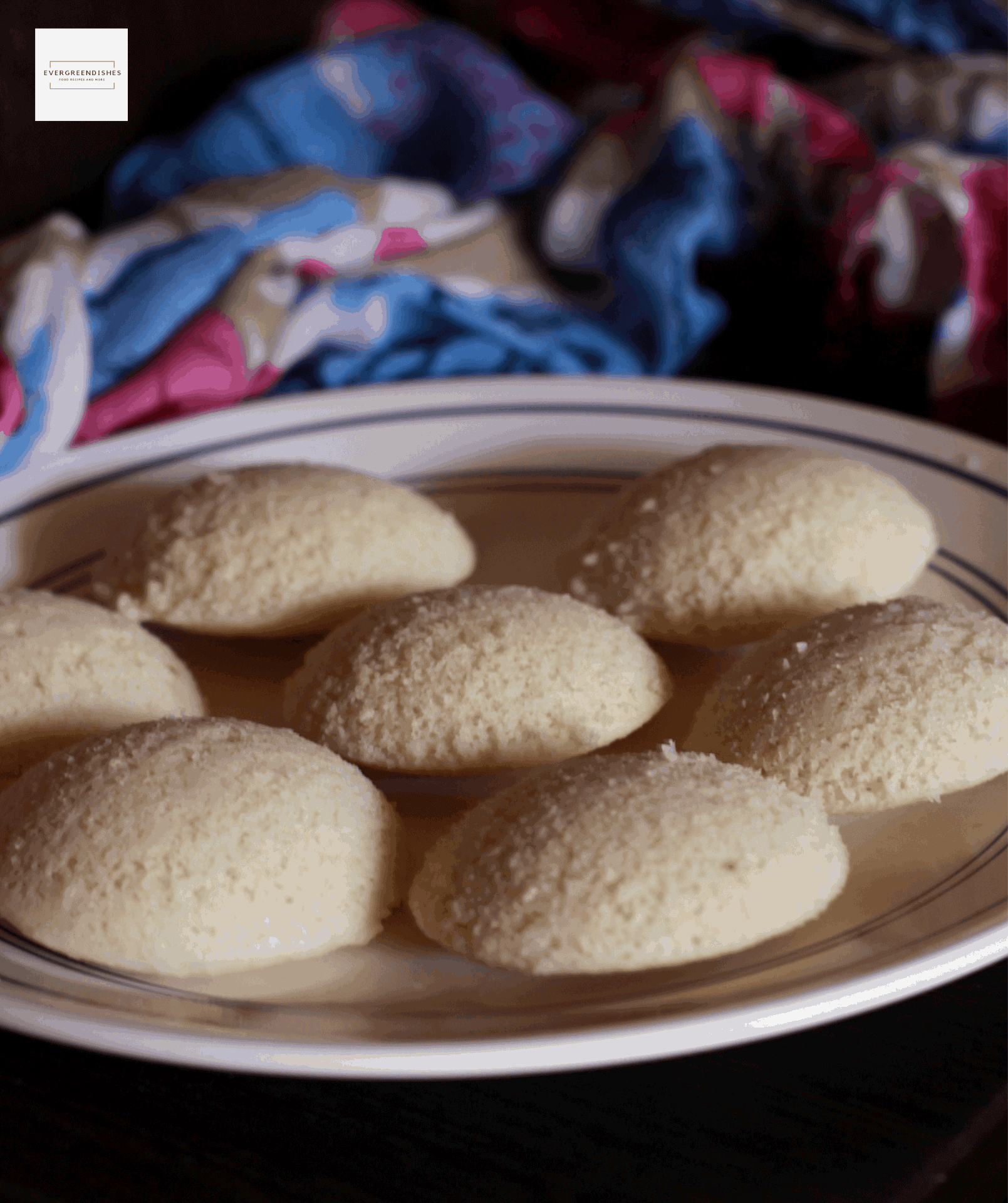
  • Idli Recipe | idli with homemade idli batter

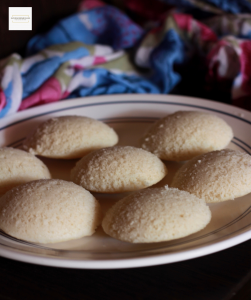
    Idli Recipe | idli with homemade idli batter

    Idli is a popular breakfast from South India. It is the healthiest breakfast that we can serve to our family.

    Idli is a steamed cake made from the batter of lentil and rice or rava. It is ideal for people of all age groups from babies to old grand parents.

    Idli is prepared in two ways by using rice along with lentil or rava with lentil. Today, I am sharing the second kind of recipe here.

    The making of idli involves three steps:

    1. Soaking of lentil
    2. Grinding of lentil
    3. Mixing of cream of wheat
    4. Fermentation
    5. Preparation

    Soaking of lentil : Wash the urad dal and soak it in water for two to four hours.

    Grinding of lentil: You can either grind it in a mixer or wet grinder.

    Mixing of cream of wheat : It is soaked for half an hour and later mixed in the lentil batter.

    Fermentation: It should be kept in a wide vessel in a warm place to ferment  for five to six hours, preferably overnight.

    Preparation: The next day, mix salt in the batter and prepare the idlis.

    About the Idli Cooker and Idli Maker :

    Different brands of Idli Cooker and Idli Maker are available in the market. Idlis can be made in pressure cooker too but do not use the whistle. Idli can be made in different shapes too. Plate Idli (Thatte Idli), Glass Idli ( lota idli), button idli. Do you know that they are also made in moulds made of jackfruit leaves and banana leaves ?  It gives a good aroma to idli.

    idli
    idli

    I have many idli recipes on the blog. Some of them are Chennai Idli, Ragi Idli, Instant Ragi Idli and Sago Idli.

    About the event:

    This is an old post which I had written in the beginning, when I started blogging. Now I have redone with better pictures and text, sending this to Foodies_Redoing OldPost 24. This is a fortnightly event where we work on one old post regularly.

    How to make Idli

    Ingredients:

    • 1 bowl of urad dal
    • 2 bowl of idli rava for batter made in wet grinder ( 1 bowl of idli rawa for mixer)
    • water
    • salt to taste

    Method:

    1. Wash the urad dal and soak in water for one and a half hour.
    2. Grind into a fine paste by using adequate amount of water.
    3. Soak the semolina in water for fifteen minutes. Addition of semolina depends on the mode of making the batter. If you use the wet grinder, mix two bowl of idli rawa as the quantity of batter is adequate here. In case of mixer jar, you can use only one cup of idli rawa.
    4. Squeeze the water out from the semolina and mix it in the batter.
    5. Keep it for fermentation in a warm place for five to six hours, preferably overnight.
    6. The next day, add salt to the batter and mix it . If the consistency is thick, add some water.
    7. Pour the batter into idli moulds and cook it in a idli  pan or pressure cooker. If using pressure cooker, do not use the whistle.
    8. For the first ten minutes, steam it on high flame, later reduce it. De mould them slowly after a few minutes. You need 15 -20 minutes to make a batch of idlis.
    9. Serve hot with chutney and sambar.

    Take a tip:

    • Fermentation time varies from region to region. It is quicker during summer and takes longer during winter.
    • Mix the batter using hand, the heat of the human body gives a good texture.
    • Idli Rava is made from rice. It is slightly coarse in texture. This is different from Bombay Rava that is used for upma.


    idli
    Evergreendishesdev

    Idli

    Idli is an ideal breakfast to serve any day. It is steamed, easy to prepare and filling. 
    Prep Time 20 minutes
    Cook Time 30 minutes
    6 6 hours
    Total Time 6 hours 50 minutes
    Servings: 6 people
    Course: Breakfast
    Cuisine: Indian

    Ingredients
      

    • 1 cup urad dal
    • 2 cup semolina
    • water
    • salt

    Method
     

    1. Wash the urad dal and soak it for two hours.
    2. Grind it to a smooth batter. 
    3. Soak the semolina in water for ten minutes. Mix into the batter, close and keep it in a warm place to ferment. 
    4. Next day, add salt to it. Heat a idli maker, grease the moulds (not necessary) and put batter in the cavity. 
    5. Steam it for fifteen to twenty minutes. 
    6. Serve with chutney and sambar.

    Pin it for later: 

    IdliIdli

    If you have liked this post, do share it with your family and friends. If you ever make this, take a picture and share it by tagging @foodiejayashree on Instagram or @evergreendishes on Facebook or Twitter.

    Subscribe to get all updates and an e-book for free.


  • Uttapam / how to make uttapam

    Uttapam / how to make uttapam

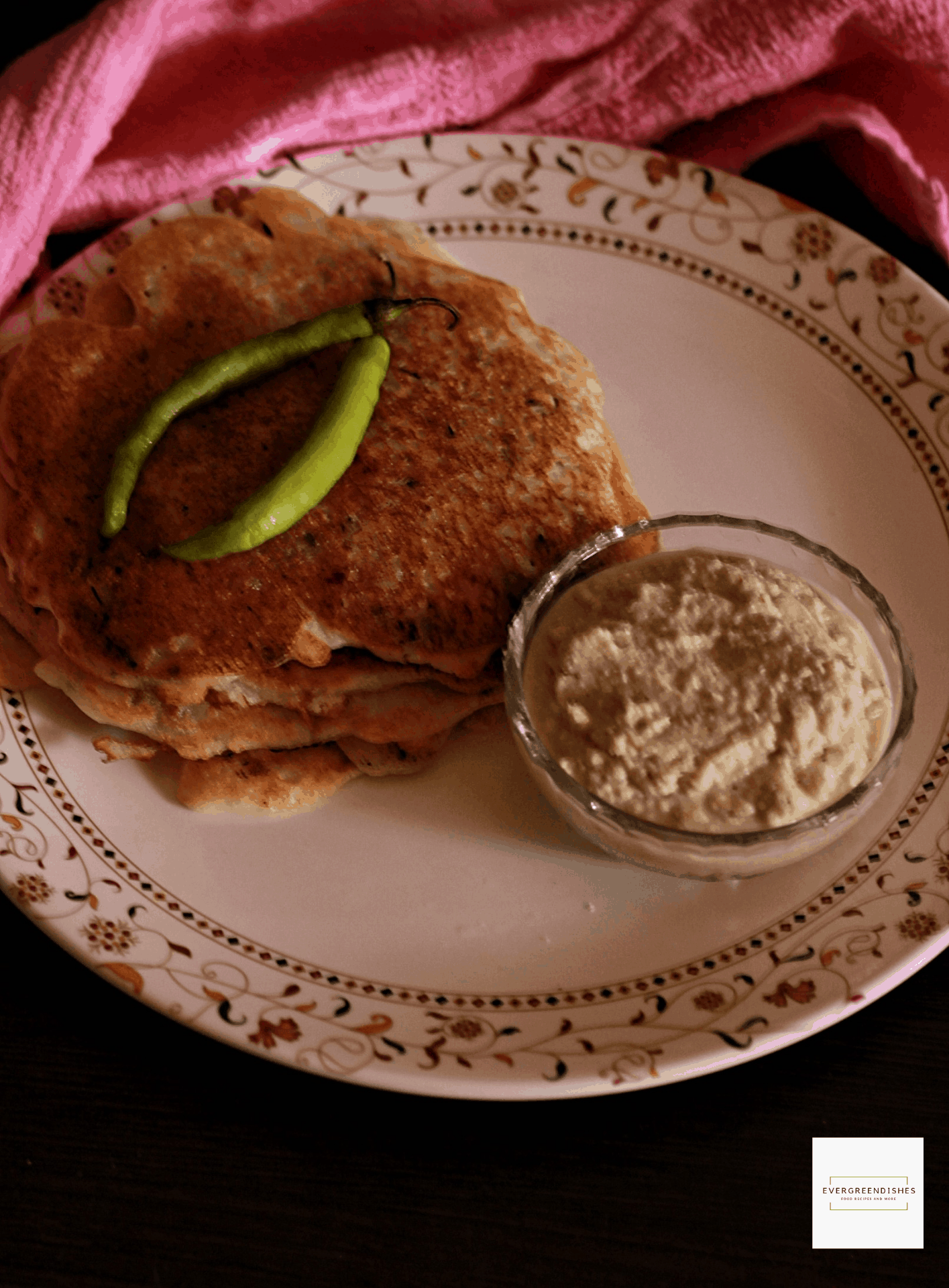
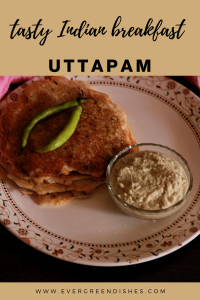
    Uttapam is a thick savoury pancake like dish made from dosa batter that has a topping of onion and vegetables. It is filling and tasty.

    A dosa batter in the refrigerator is handy and can be used in many ways. It makes an easy breakfast option, evening snack if the kids are hungry or make a few uttapams for dinner along with steamed rice.

    To make the dosa batter, check out this post.

    The consistency of the dosa batter should be moderately thick  for uttapam.

    Our sunday breakfast is usually Rava Dosa. Jowar dosa is an healthy option to use millets. Neer dosa batter needs no fermentation.

    uttapam

    Uttapam


    Ingredients:
    • 1 bowl of dosa batter
    • 2 onions finely cut
    • 1 tomato cut into small pieces
    • 1/2 inch ginger
    • 2 green chillies
    • coriander leaves
    • curry leaves
    • oil


    Method:
    1. Grind the green chilly and ginger together to a fine paste.
    2. Mix the onion, tomato and the  paste to the dosa batter. Put the soaked chana dal into it.
    3. Chop the curry leaves and coriander leaves and mix them.
    4. Take a pan and heat it. Smear some oil and add a ladle of batter to it. Cover with a lid, allow to cook, flip it over to the other side. Once it is cooked properly, remove and repeat with the rest of the batter.
    5. Serve with coconut chutney.


    Uttapam

    Uttapam

    Uttapam is a savoury, lentil based, thick flatbread from Indian cuisine
    Course: Breakfast
    Cuisine: Indian

    Ingredients
      

    • 1 bowl of dosa batter
    • 2 onions finely cut
    • 1 to mato cut into small pieces
    • 1/2 inch ginger
    • 2 green chillies
    • coriander leaves
    • curry leaves
    • oil

    Method
     

    1. Grind the green chilly and ginger together to a fine paste.
    2. Mix the onion ,tomato and the grind paste to the dosa batter.
    3. Chop the curry leaves and coriander leaves and mix them.
    4. Take a pan and heat it. Smear some oil and add a ladle of batter to it. Allow to cook until brown on both sides.
    5. Serve with coconut chutney.

    Pin it for later:

    uttapam

    If you have liked this post, do share it further. If you ever make it, do take a picture and tag @foodiejayashree on Instagram or @evergreendishes on Facebook. Let’s be connected, do follow us on social media.

    Subscribe to get all updates in your inbox and a  book of handy hints for free!

  • Masala Dosa | Masala Dosa with homemade batter

    Masala Dosa | Masala Dosa with homemade batter

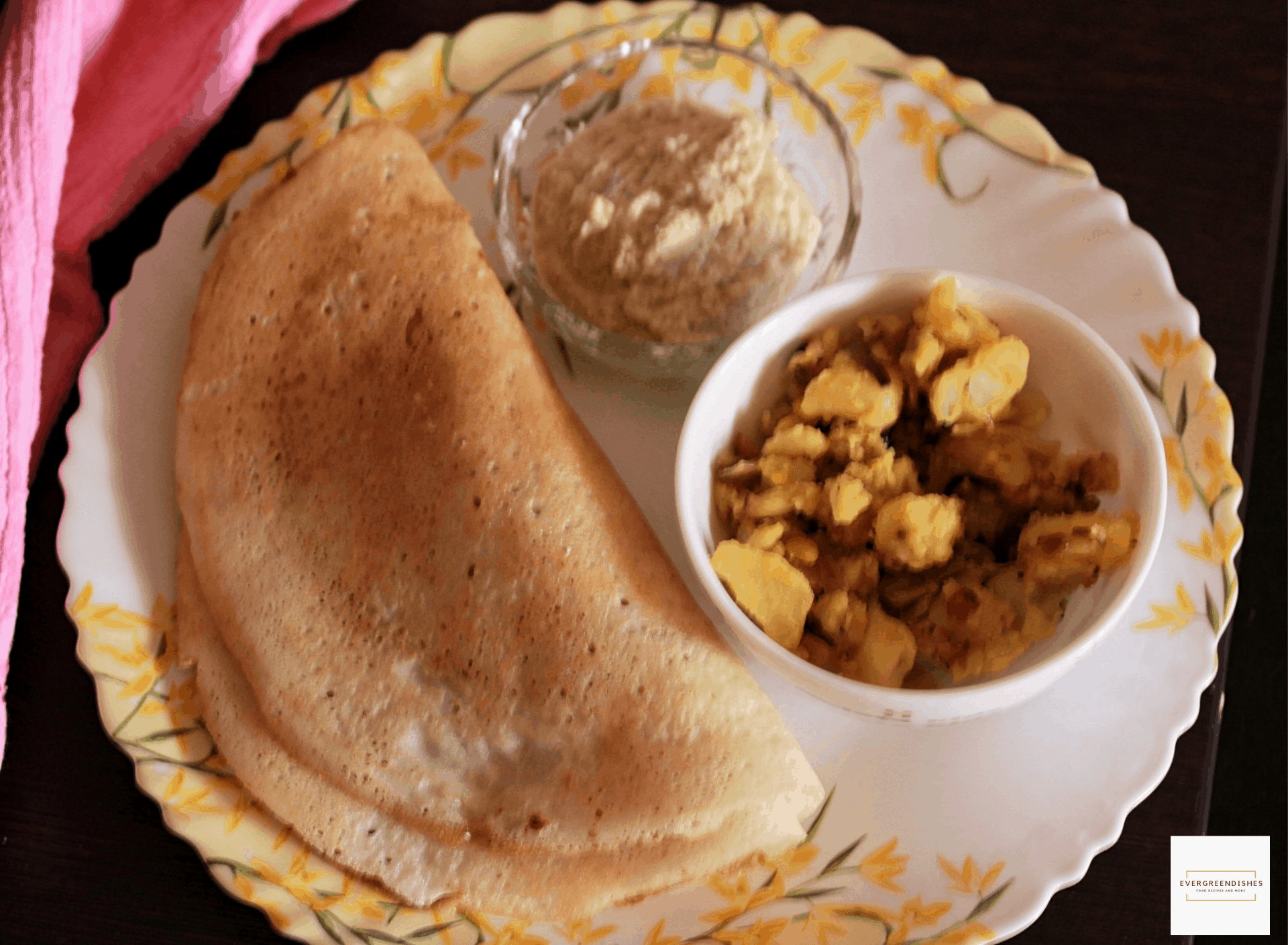
    Dosa is a thin crepe made of batter of rice and lentil. It is fermented overnight and prepared the next day. Masala Dosa is usually served with a chutney and potato vegetable.

    Masala Dosa, the very name  brings a kind of joy to every South Indian. This is one of the popular breakfast dishes in south india. In Karnataka, districts of Bangalore, Mysore and Udupi, it is a common affair to have dosa batter in the refrigerator. It serves dual purpose, the breakfast dilemma is solved and  one can use it for various purpose.

    Other dosa varieites that I make at home are: Jowar Dosa, Neer Dosa, Rawa Dosa

    Masala Dosa 

    The ingredients that you need are:

    For soaking:

    • 4 cups of rice
    • 1 cup of urad dal
    • 1 teaspoon bengal gram
    • a bowl of flattened rice (poha)
    • 1 teaspoon fenugreek seed
    • water

    For batter:

    • salt as needed

    For the potato veggie:

    • 4 potato
    • 2 onion
    • 2 tablespoon oil
    • 1/2 teaspoon mustard
    • 1/2 teaspoon cumin
    • 1 teaspoon bengal gram
    • 1 teaspoon urad dal
    • 1/4 teaspoon turmeric powder
    • 4 green chilli
    • salt
    • fresh coriander

    To make coconut chutney :

    Ingredients:

    • 1 cup fresh grated coconut
    • 1/2 cup roasted gram
    • 4 green chilly
    • 1/2 teaspoon oil
    • 1 teaspoon tamarind pulp
    • salt to taste
    • water

    For seasoning:

    • 2 teaspoon oil
    • 1/2 teaspoon mustard
    • 1/4 teaspoon asafoetida
    • 1/4 teaspoon turmeric powder

    To make dosa:

    • batter
    • oil and ghee mixture


    Masala Dosa
    Masala Dosa

    Method:

    1. Soak the rice and urad dal in water for five hours. Grind to a fine paste by first adding the rice, after sometime put the lentil to it along with soaked parched rice. Add water as required, let the consistency be thick, you can adjust it later.
    2. Remove the batter in a wide bowl.
    3. Allow it to ferment overnight by keeping it closed in a warm place.

    To make potato veggie:

    1. Wash and pressure cook the potatoes.
    2. Cut onion into thin, medium- long slices.
    3. Once the pressure releases, peel the skin of the potatoes.
    4. Take oil in a pan. Make the seasoning, add mustard seeds, as it crackles, put cumin, bengal gram, urad dal, let it turn golden in colour, add green chillies, turmeric powder and the onion pieces. Once it turns soft and pale in colour, mash the potato and mix it.
    5. Put salt and let the flavours imbibe.
    6. Garnish with fresh coriander.

    To make coconut chutney:

    1. Roast the green chillies in a little oil.
    2. Put them in the jar and grind along with dahlia and a little salt.
    3. After a few seconds, put coconut and water to it. Grind again.
    4. Put tamarind pulp and pulse for the last time.
    5. Remove in a bowl.
    6. Make the seasoning and mix it in the chutney.

    To make dosa:

    1. Add salt to the batter and mix it.
    2. Take the required quantity of batter in a bowl. Adjust the consistency by adding some water to it.
    3. Heat a skillet.  Take a ladle full of batter,  pour it and spread  into a thin crepe. Drizzle some oil over it.
    4. Put some potato veggie inside it and fold it.
    5. Serve in a plate along with coconut chutney.

    Take a tip :

    • Adjust the consistency of batter while preparing dosa. The batter should neither be thick as  idli batter nor thin as rawa dosa batter.
    • The batter can be kept in the refrigerator for four days.
    • You may add a teaspoon of tur dal also along with bengal gram while soaking the lentils.
    • For the potato veggie, a little ginger may be added.

    Pin it for later:

    Masala Dosa
    Masala Dosa

    If you have liked this recipe, do share it with family and friends. If you ever make this, take a picture and tag @foodiejayashree on Instagram or @evergreendishes on Facebook.

    Let’s be connected. Subscribe to get all updates and a book of handy hints for free!