Category: festival recipes

  • Quinoa Pongal | healthy festive sweets

    Quinoa Pongal | healthy festive sweets

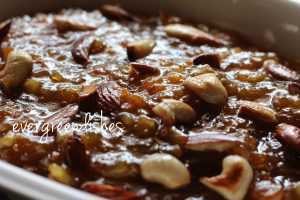
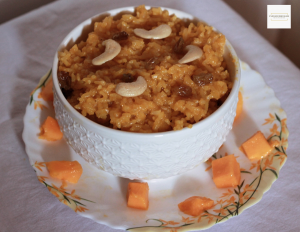
    Quinoa Pongal is tasty and a healthy twist to the usual one made with rice. . Quinoa (pronounced as Keen-wah ) is the new age food. It serves as a good replacement for rice. 

    Quinoa is one of the superfoods used by most of us. It is versatile to use, the variety of recipes created is the proof. With Makar Sankranti, round the corner, I am sharing a pongal recipe here. Nothing fancy but the taste is really good. Give a try to quinoa sweet pongal. 

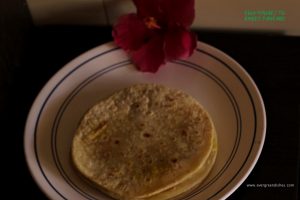
    It is customary to make pongal during Makar Sankranthi in South India. Pongal is made usually with rice and moong dal. I have shared the recipe of it earlier. The other dishes prepared during the three days of festival are bajra roti, brinjal stir fry, khara pongal

    When healthy cooking is the new norm, we need to make a  few  changes in the way we eat or even cook. Quinoa is usually soaked for sometime, once you decide to make, soak it for atleast fifteen minutes. Roasting the moong dal in a little ghee gives a good flavour to the dish. The quinoa pongal recipe is pretty straight forward.
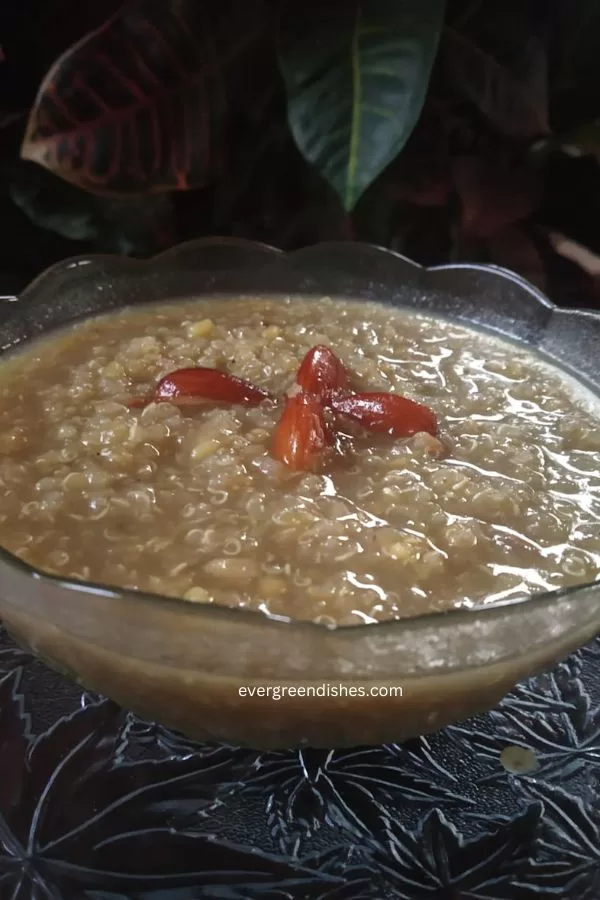
    quinoa pongal

    A few interesting facts about quinoa : 

    1. Quinoa is a good source of  protein. It  contains all the nine kinds of amino acids. 
    2. It is rich in iron and magnesium. 
    3. It is also a good source of  fiber.
    4. It is considered as a super food.
    5. It is gluten-free.
    6. It is  a good replacement for  rice. 
    7. It comes in different varieties as  red, black and white.

    Quinoa Pongal Recipe 

    Ingredients : 

    • 1/2 cup quinoa
    • 2 tablespoon moong dal
    • 2 cups water
    • 3/4 cup jaggery
    • 2 +1 teaspoon ghee
    • 4 almonds
    • 4 cashew nut
    • 1/4 teaspoon cardamom powder

      Method:

    • Wash and soak the quinoa for fifteen minutes.
    • Dry roast moong dal to a golden colour.
    • Cook quinoa and moong dal with two cups of water in a pressure cooker for four whistles.
    • Put the cooked quinoa in a pan. Add ghee to it. 
    • Melt the jaggery with half a cup of  water and strain it into the pan.
    • Let it cook for sometime.  Garnish with roasted nuts. Finally, put some cardamom powder to it and serve. 

    Take a tip : 

    • Adjust sweetness as per your liking. The measurement gives a moderately sweet dish, you can increase it by one-fourth cup.
    • If the jaggery is pure, you can add without straining.
    •  Raisins may be used. 
    • Soaking is necessary to cook  quinoa properly. 
    quinoa pongal

    Quinoa Pongal

    Quinoa pongal is creamy and tasty. It is a healthy twist to the usual one made with rice.
    Course: festive cooking, festive sweet
    Cuisine: karnataka

    Ingredients
      

    • 1/2 cup quinoa
    • 2 tablespoon moong dal
    • 2 cups water
    • 3/4 cup jaggery
    • 2 +1 teaspoon ghee
    • 4 almonds
    • 4 cashewnut
    • 1/4 teaspoon cardamom powder

    Method
     

    1. Wash and soak the quinoa for fifteen minutes.
    2. Dry roast moong dal to a golden colour.
    3. Cook quinoa and moong dal with two cups of water in a pressure cooker for four whistles.
    4. Put the cooked quinoa in a pan. Add ghee to it.
    5. Melt the jaggery with half a cup of  water and strain it into the pan.
    6. Let it cook for sometime.  Garnish with roasted nuts. Finally, put some cardamom powder to it and serve.

    Notes

    Adjust sweetness as per your liking. The measurement gives a moderately sweet dish. Increase by one-fourth cup.
    If the jaggery is pure , you can add without straining.
    Other nuts as raisins may be used. 
    Soaking is necessary to cook  quinoa properly. 


    About the event : 

    This post is part of the Festive Recipes at Shhh Cooking Secretly Challenge. Thee theme was suggested by Priya Vijaykrishnan. I liked her Kalyan Kootu and bookmarked it to try for the festive days. Do check out her other  recipes from Tamil cuisine.  Here, members are paired and exchange secret ingredients. The dish is prepared according to the suggested theme with the ingredients. Later, other members, try to guess the ingredients given by the partner. It serves as a fun and challenge to all  of us. 

    My partner was Sasmita, she gave me ghee and jaggery, I have prepared quinoa pongal. Sasmita has prepared  delicious Mini Pannettone  with the secret ingredients, raisin and orange zest. 


    The other quinoa recipes shared earlier are : Quinoa Dosa, Quinoa Upma  

    If you  make Quinoa Pongal, take a picture and share it by tagging @foodiejayashree on Instagram and @evergreendishes on Facebook.  Subscribe to get all updates and an e-book for free.

    Pin it for later : 
    quinoa pongal
    quinoa pongal


    Linking it to the event at Shhh Secretly Cooking Challenge

     

    shhh cooking secretly

  • Ragi Chakli | Finger millet Chakli

    Ragi Chakli | Finger millet Chakli

    Jump to Recipe Print Recipe

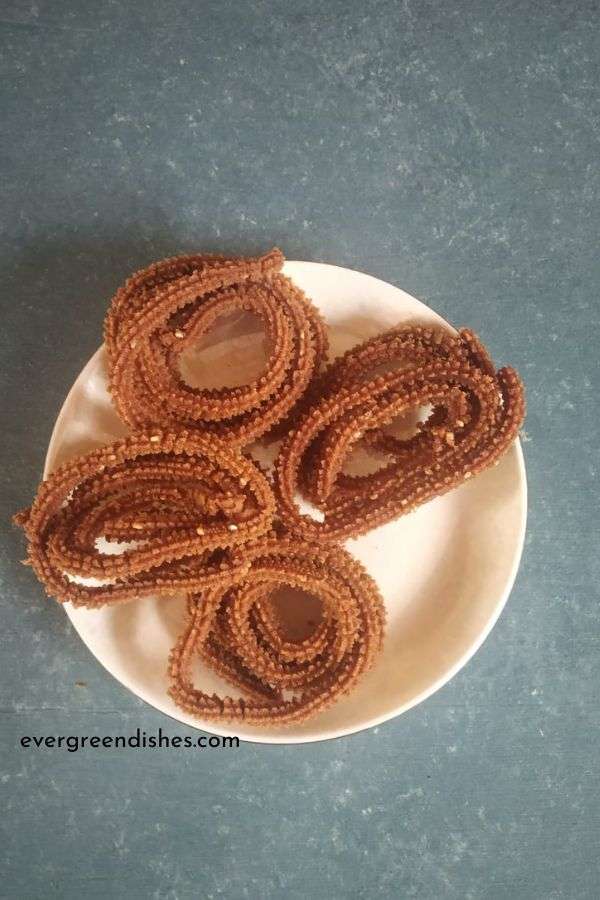
    Ragi Chakli is a twist to the usual chakli we often prepare. It is tasty and makes a good snack to munch.

    Chakli makes a good snack to have with a cup of tea. During holidays, children love to binge on snacks. Moreover, festive season calls for celebrations with sweets and savoury snacks.
    I have shared various kind of savoury snacks earlier. Butter Murukku, Split gram murukkunippattu are some of the popular south indian snacks. I have also shared a variety of sev recipes : Besan Sev, Palak Sev and Ratlami Sev. If you are looking for something different, try the mathris, lately they are our favourite snacks.

    The awareness of the many benefits of millets has brought a change in the way we eat and cook. Finger millet or ragi is regularly used to make idli, dosa or halbai. Today, I am sharing finger millet chakli. I have made it a couple of times earlier, but not shared with all of you. Ragi Chakli is tasty and makes a good snack to store in the jar.
    Ragi Chakli Recipe

    Ingredients :

    • 1 cup ragi flour
    • 1/2 cup rice flour
    • 1/4 cup roasted gram flour
    • 1 tablespoon hot oil
    • 1 teaspoon chilli powder
    • 1 teaspoon sesame seed
    • 1 teaspoon chilli powder
    • salt to taste
    • water as required for mixing
    • oil for frying

    Method :

    1. Take ragi flour,  rice flour, gram flour, chilli powder, sesame seed, chilli powder, salt and mix it well.
    2. Heat oil in a pan, add a tablespoon of hot oil to the flour mix and mix it thoroughly with fingers.
    3. Now, add a little water at a time, make a pliable dough. The dough should neither be too hard or smooth.
    4. Heat oil in a pan.
    5. Take a chakli mould, grease it with a little oil. Use the star shaped nozzle to make chakli.
    6. Put a small piece of dough in the oil, if it sizzles and  floats on top, you can continue to fry them.
    7. Put some dough and press a few. You can either press directly or put them on a sheet and slide later into the oil.
    8. Deep fry them on both sides.
    9. Remove them on a tissue paper. Repeat with the rest of the dough.
    10. Once they are completely cool, store them in an air-tight container.

    Take a tip :

    • Use good quality ragi flour.
    • Add water slowly in small quantities. If the dough is smooth, it will absorb lot of oil. If iit is hard, you will not be able to press it properly.
    • Never keep hot, deep fried snacks in closed container. they  becomes soggy. Allow them to cool completely, before you store in an air-tight container.

    Ragi Chakli

    Ragi Chakli is a twist to the usual one we often make at home.

    Ingredients
      

    • 1 cup ragi flour
    • 1/2 cup rice flour
    • 1/4 cup roasted gram flour
    • 1 tablespoon hot oil
    • 1 teaspoon chilli powder
    • 1 teaspoon sesame seed
    • 1 teaspoon chilli powder
    • salt to taste
    • water as required for mixing
    • oil for frying

    Method
     

    1. Take ragi flour,  rice flour, gram flour , chilli powder, sesame seed, chilli powder, salt and mix it well.
    2. Add butter and give a good mix by rubbing it between fingers.
    3. Add a little water at a time, make a pliable dough. The dough should neither be too hard or smooth.
    4. Heat oil in a pan.
    5. Take a chakli mould, grease it with a little oil. Put some dough and press a few. You can either press directly or put them on a sheet and slide later into the oil.
    6. Deep fry them on both sides.
    7. Remove them on a tissue paper. Repeat with the rest of the dough.
    8. Once they are completely cool, store them in an air-tight container.

    Happy Diwali everyone! May the festival of lights bring immense joy, peace and happiness. If you ever make Ragi Chakli recipe, take a picture and share it on Facebook or Instagram by tagging @evergreendishes and @foodiejayashree  respectively. I will be happy to see your creation and share it further.

    Subscribe to get all updates and an e-book for free.

    Pin it for later :

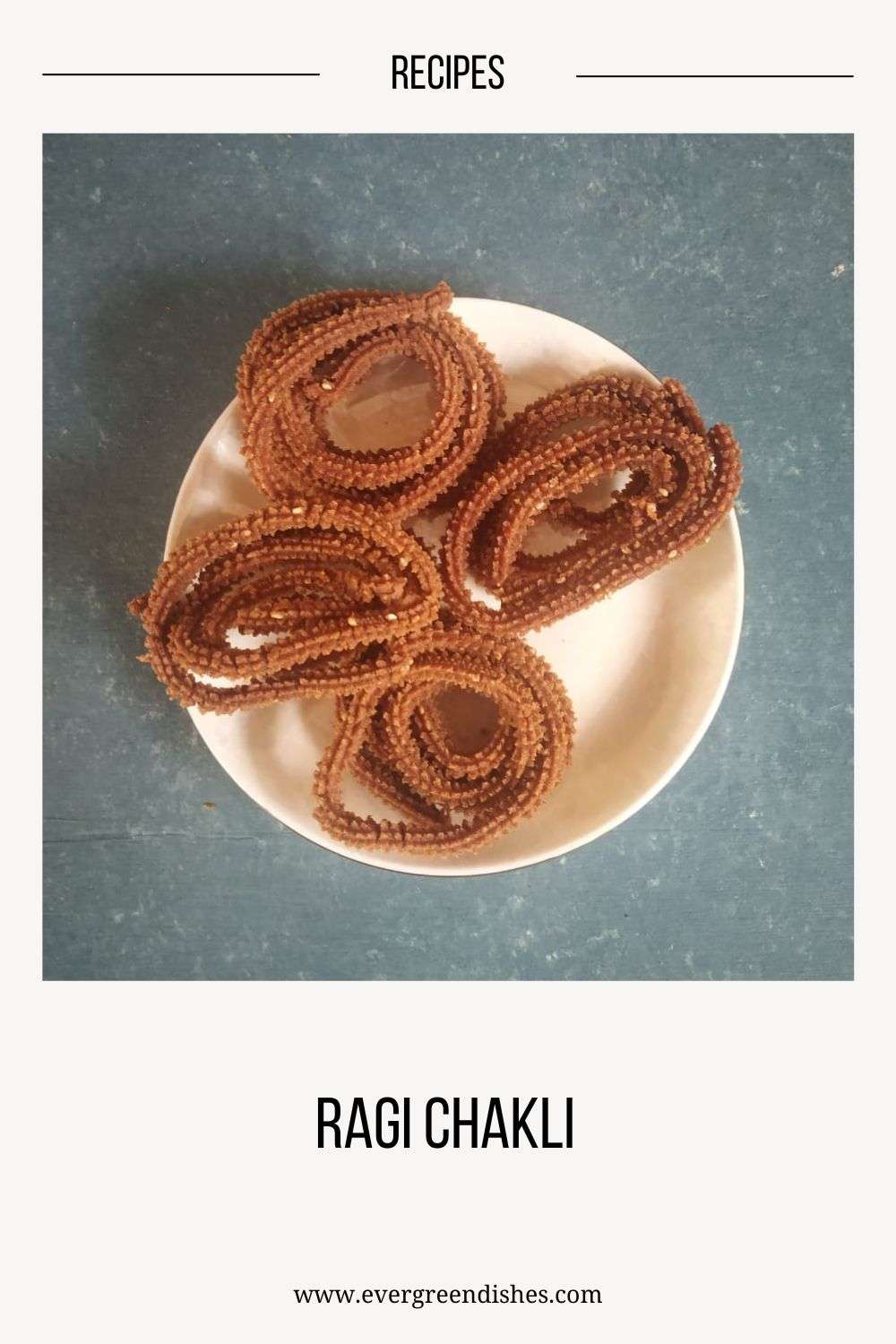
    ragi chakli
    Ragi Chakli


  • Sabudana Kheer / Sabakki Payasam

    Sabudana Kheer / Sabakki Payasam

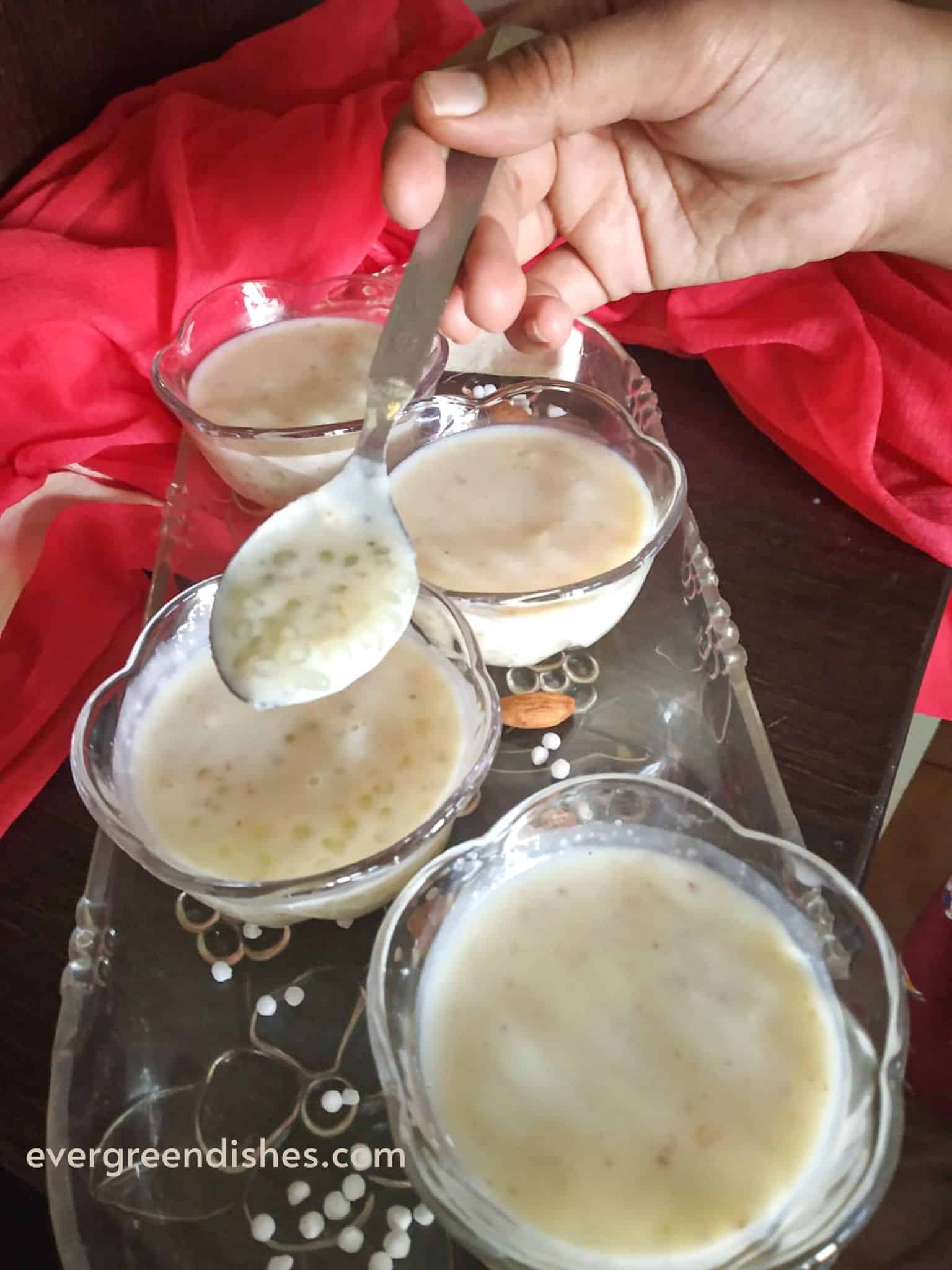
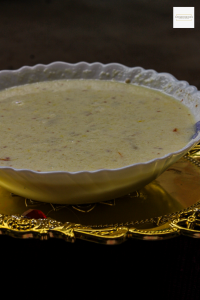
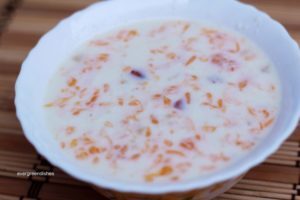
    Sabudana Kheer / Sabakki Payasam is a tasty and easy to make Indian dessert. Tapioca pearls are used to make a delicious kheer, ideal for fasting days. 

    Sabudana is called as sago, rabia and saksak in different parts of the world. It is a starch extracted from the pith of tropical palm trees. The making of sago pearls is an exhaustive process. It is used mainly as a fasting food. Here is another kind of dish you can enjoy with sabudana. I have many good memories associated with this dish. Sabudana kheer is ideal on fasting or festive days. It is good to serve for fussy children. It is a sweet dish one can prepare without any hassle. 

    Unlike the other payasam, the method involved is slightly different. The soaked sabudana are cooked in water and later milk is added to it and sweetened with sugar. The prior cooking helps in softening the sago pearls.

    Sabudana Kheer is ideal for:

    • fasting days
    • festive time
    • as a dessert for family time
    • for fussy children who refuse to eat
    • make ahead sweet for get-together
    sabudana kheer / sago payasam is a delicious, easy to make Indian dessert. Tapoica pearls are cooked in milk to make a tasty kheer. Give a try to this sweet dish.
    Sabudana Kheer / Sago Payasam

    Ingredients:


    1/2 cup sago   (measurement: 1 cup= 250 ml)
    1/2 cup water
    1/2 cup milk
    1/2 cup sugar
    10 almonds
    1/4 teaspoon cardamom powder
    a few strands of saffron

    Method: 

    1. Clean the sago, wash it and soak  for half an hour.
    2. Boil it in half cup of water on a medium flame. The pearls  should be soft and translucent. 
    3. Add milk to it. Put a few strands of  saffron to it. 
    4. Let boil for sometime. Keep stirring in between, it may get burnt. 
    5. Add sugar to it.
    6. Make powder of almonds and put it in the kheer. 
    7. Once it thickens slightly, remove from flame.  Finally, add cardamom powder. You can serve it warm or chilled. 

    Take a tip:

    • Dry fruits like cashew and almonds pieces can be roasted in ghee and garnished.
    • The kheer gets thicker on cooling. Keep the consistency moderately thin while cooking.
    • Sago pearls may be boiled in milk but they do not cook so well. 

    The other sweet recipes for the festive season are : Badam puri, Khaja, Shenga Holige, Kadabu

    sabudana kheer / sago payasam

    Sabudana Kheer / Sago Payasam

    Sabudana Kheer is a delicious sweet ideal as a quick-fix dessert. It can be made ahead and stored.
    Prep Time 5 minutes
    Cook Time 15 minutes
    Soaking time 30 minutes
    Total Time 50 minutes
    Servings: 4 cups
    Course: fasting recipe, festive sweet, sweets
    Cuisine: Indian

    Ingredients
      

    • 1/2 cup sago
    • 1/2 cup water
    • 1/2 cup milk
    • 1/2 cup sugar
    • 10 almonds
    • 1/4 teaspoon cardamom powder
    • a few strands of saffron

    Method
     

    1. Clean the sago, wash it and soak  for half an hour.
    2. Boil it in half cup of water on a medium flame. The pearls  should be soft and translucent.
    3. Add milk to it. Put a few strands of  saffron to it.
    4. Let boil for sometime. Keep stirring in between, it may get burnt.
    5. Add sugar to it.
    6. Make powder of almonds and put it in the kheer.
    7. Once it thickens slightly, remove from flame.  Finally, add cardamom powder. You can serve it warm or chilled.

    Notes

    Dry fruits like cashew and almonds pieces can be roasted in ghee and garnished.
    The kheer gets thicker on cooling. Keep the consistency moderately thin while cooking.
    Sago pearls may be boiled in milk but they do not cook so well. 

    Pin it for later:

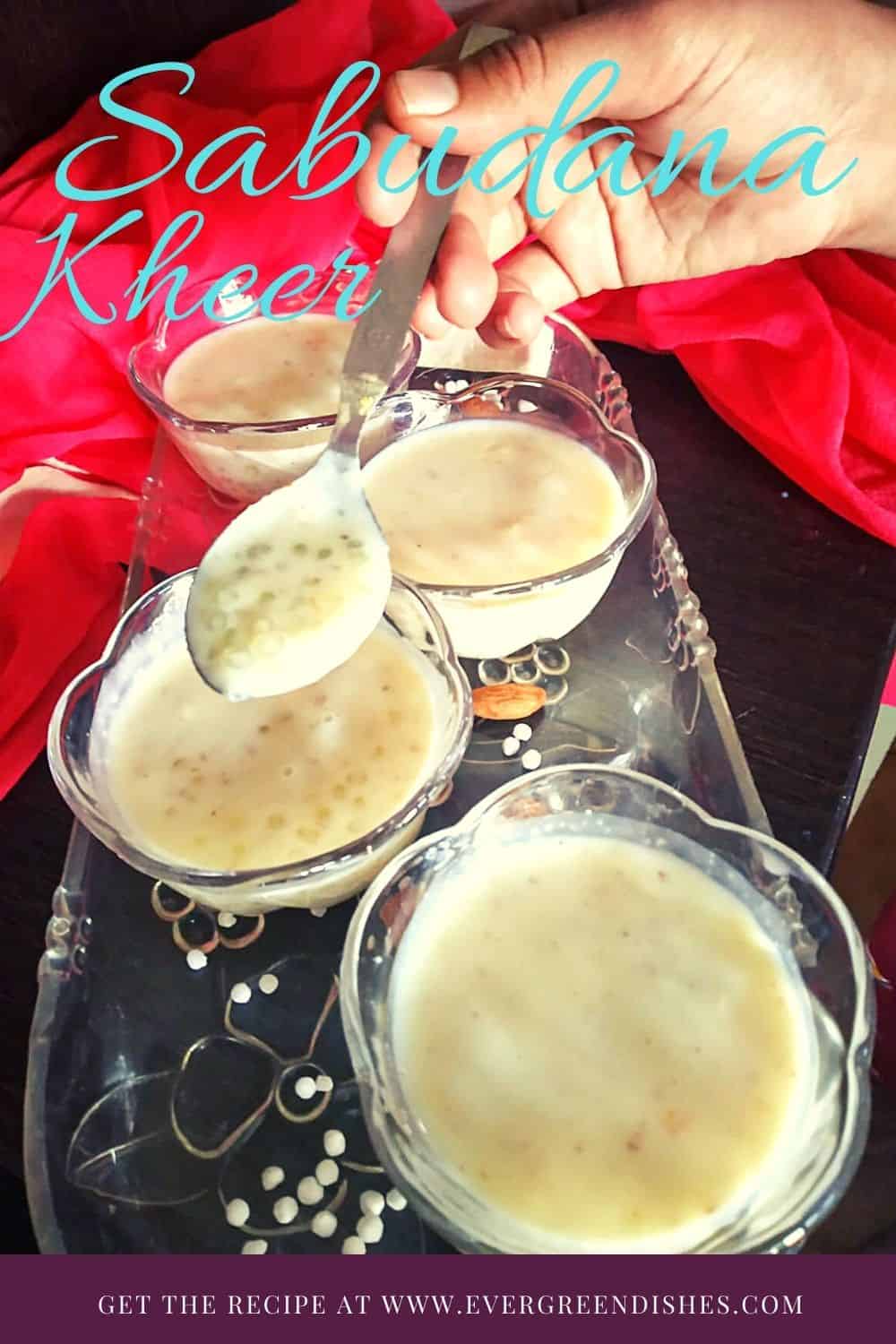
    sabudana kheer/ sago payasam
    Sabudana kheer/ sago payasam

    If you ever make this Sabudana Kheer recipe or any of my other dishes,  do take a picture and tag @foodiejayashree on Instagram or @evergreendishes on Facebook or Twitter. I will be glad to see your creation and share it further. Let’s be connected, do follow on social media platforms. Until next time, let’s stay connected.  Subscribe to get all updates and an e-book for free. Check out my e-books on Amazon.  Happy Cooking !

  • Rawa Kesari | Sheera | Prasad recipe

    Rawa Kesari | Sheera | Prasad recipe

    Jump to RecipePrint Recipe

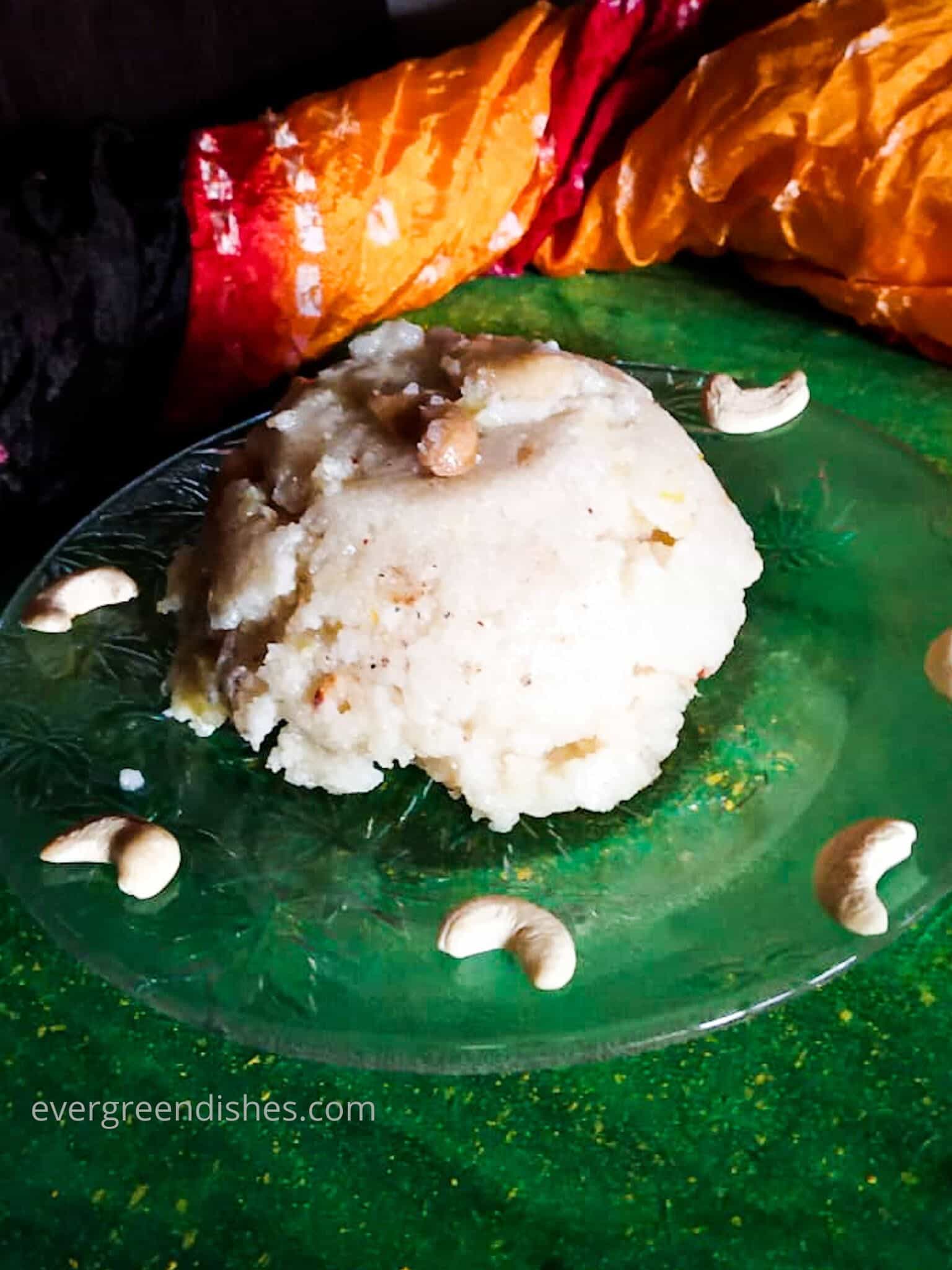
    Rawa Kesari is quite often prepared in most households. It is called by different names as Rawa Kesari, Sheera or as Sooji ka halwa in different parts of the country. In South India, Sheera is made as offering during the Satyanarayan Pooja. 

    The ease of making it and the different flavours which one can impart to it makes it a favourite of every household. It is ideal to pair with breakfast, lunch or dinner. In olden times,  kesari with jaggery was often made.  Earlier, I have shared mango kesari.

    The method of making the sheera as offering is different from the usual one. It is tasty and different from the usual one. Today, I am sharing the recipe of the same.
    rawa kesari/ sheera/ satyanarayan prasad


    Let us get to the recipe of Rawa Kesari / Sheera

    Ingredients :


    1 cup semolina ( measurement used :1 cup=200ml)
    2 teaspoon + 2 tablespoon ghee
    8 cashew
    1 cup water
    2 cup milk
    1 banana
    1 cup sugar
    a few strands of saffron
    1/4 teaspoon cardamom powder


    Method:

    • Take a thick bottom pan, add two teaspoon of ghee and roast the semolina to a golden colour along with cashew pieces. Be careful not to burn it.
    • Put the saffron in a little milk and set it aside.Cut thee bananana into pieces.
    • In another pan, add milk and water, put it on a low flame. Add sugar and ghee to it. Put banana pieces to it. Give a stir, once it boils, slowly add the semolina to it. Keep stirring with a ladle, no lumps should be formed. Let cook for sometime..
    • Add saffron soaked in milk  and cardamom powder to it. Give a stir. Rawa Kesari or Sheera is ready to offer to the Lord.

    Take a tip:

    • You can add a little extra ghee to it. 
    • Almonds and raisins may be used. 
    • You can roast the nuts separately in the beginning. 
    rawa kesari/ sheera/ satyanarayan prasad
    Evergreendishesdev

    Rawa Kesari / Sheera / Satyanarayan Prasad

    Rawa Kesari is a traditional sweet dish from Indian sub-continent. This version is also prepared during Satyanarayan Pooja.
    Prep Time 5 minutes
    Cook Time 15 minutes
    Total Time 20 minutes
    Servings: 6 people
    Course: Breakfast, dinner, lunch
    Cuisine: Indian, South Indian

    Ingredients
      

    • 1 cup semolina measurement used :1 cup=200ml
    • 2 teaspoon + 2 tablespoon ghee
    • 8 cashew
    • 1 cup water
    • 2 cup milk
    • 1 banana
    • 1 cup sugar
    • a few strands of saffron
    • 1/4 teaspoon cardamom powder

    Method
     

    1. Take a thick bottom pan, add two teaspoon of ghee and roast the semolina to a golden colour along with cashew pieces. Be careful not to burn it.
    2. Put the saffron in a little milk and set it aside.Cut thee bananana into pieces.
    3. In another pan, add milk and water, put it on a low flame. Add sugar and ghee to it. Put banana pieces to it. Give a stir, once it boils, slowly add the semolina to it. Keep stirring with a ladle, no lumps should be formed. Let cook for sometime..
    4. Add saffron soaked in milk  and cardamom powder to it. Give a stir. Rawa Kesari or Sheera is ready to offer to the Lord.

    Notes

    You can add a little extra ghee to it. 
    Almonds and raisins may be used. 
    You can roast the nuts separately in the beginning. 

    Pin it for later:

    Rawa kesari | Sheera | Prasad recipe is an offering made to the Lord during Satyanarayan Puja. It is tasty dish. Give a try to this version of prasad recipe.
    Rawa Kesari / Sheera

    If you ever make this Rawa Kesari / Sheera recipe, take a picture and tag  @foodiejayashree on Instagram or @evergreendishes on Facebook or Twitter. I will be happy to see your creation and share them further. Subscribe to get all updates and book of handyhints for free.

  • Khira Gaintha Recipe | Odisha cuisine

    Khira Gaintha Recipe | Odisha cuisine

    Jump to Recipe Print Recipe

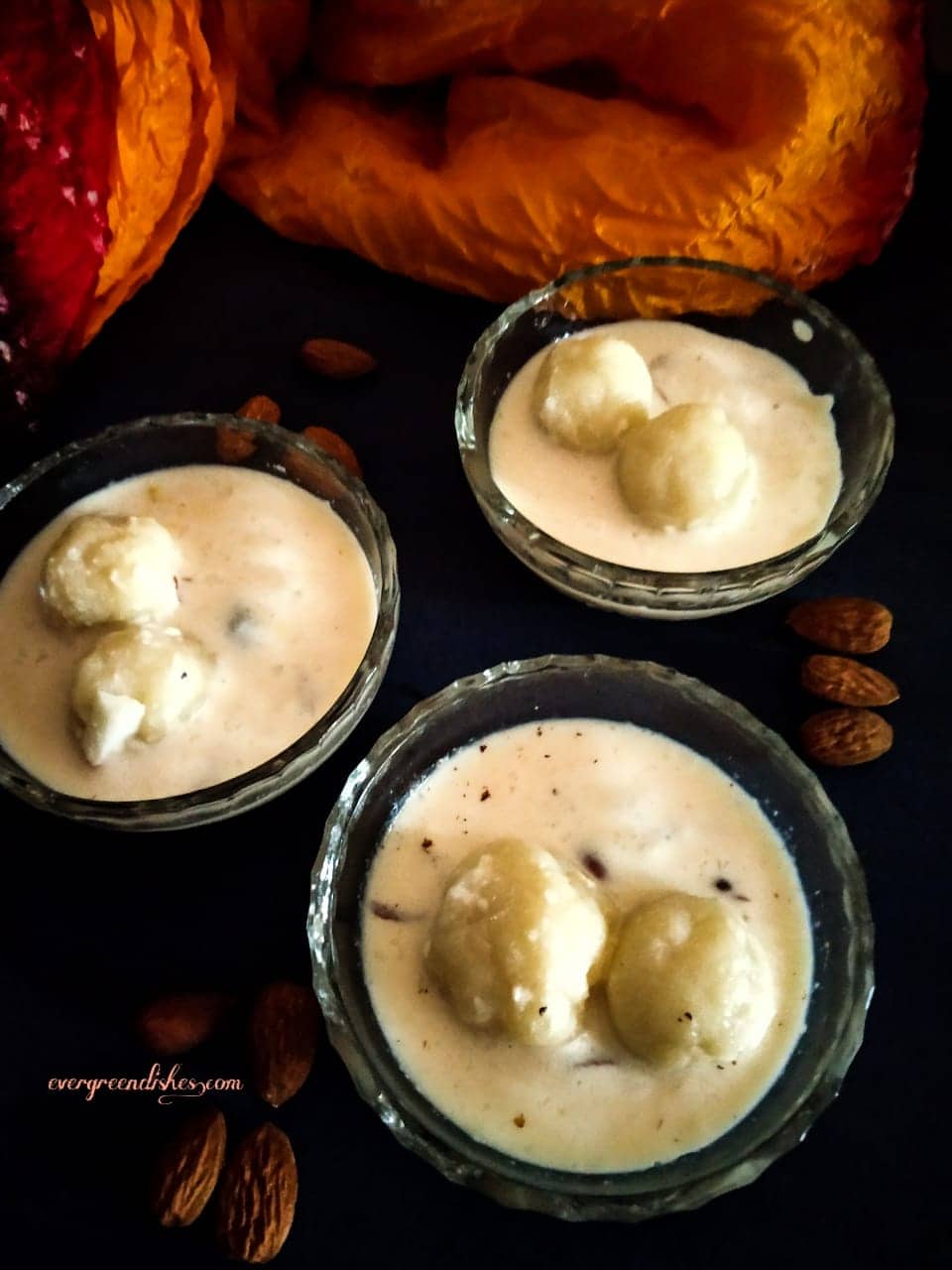
    Khira Gaintha is a delicious sweet dish, rice balls are cooked in thickened milk laced with nuts, cardamom, kesar and coconut. It is from Oriya cuisine and usually made as an offering to the Lord Jaganath. 

    What is a Pitha ? 
     Pitha is a variety of flatbread, dumpling or fritter familiar to Bangladesh and Indian sub-continent. It may be sweet or savoury which is usually made during festivals. It is familiar to states of Orissa, Assam, Nepal, Jharkhand and Bihar. 

    What is the major ingredient used in Pitha? 

    Rice flour is the main ingredient in most Pitha recipes though other ingredients may be used along with it. Gaintha Godi, Malpua Pitha,Suji Kakara Pitha, Tala Pitha,

    What are the variations you find in Pitha? 

    Every state has many different kind of Pitha varieties on it. As I have studied the Odisha Pitha for the event, the different varieties I found were arisi Pitha, Chakuli Pitha, Poda Pitha, Ruka Pitha and Chunchipatra Pitha. 

    About the event: 

    It’s raining Pithas at Shhh  Secretly Cooking Group. The month of May, made us learn about Pitha.  Sasmita of First Timer Cook suggested to make any variety of Pitha. Her blog has many dishes from Oriya cuisine and I would like to try her stir fry from Oriya cuisine  Chhanka Tarkari. It has the goodness of many vegetables in it or one can use any vegetables that they have on hand.  I was paired with Swaty of Food Trails25.  The secret ingredients I gave were pepper and ghee and she prepared the delicious Sooji Kakara Pitha. I am curious to make them soon during some festive occasion.  I was given condensed milk and saffron and I prepared this Khira Gaintha. 

    shhh cooking secretly

    khira gaintha

    Khira Gaintha and Rasmalai

    Pitha and Khira Gaintha are both new to me. I did search on google, looked on youtube and finally made a few changes to the ingredients that I had in hand. Khira Gaintha has rice balls in thickened flavoured milk while rasmalai has dumplings made of paneer. Though, Rasmalai is quite popular, Khira Gaintha is not known to many of us. 

    Let’s get to the recipe of Khira Ghaintha.

    Ingredients:

    For the thickened milk: 

    • 3/4 litre milk
    • 200 ml condensed milk
    • a few strands of saffron
    • 1/4 teaspoon cardamom powder
    • 8 almonds
    • a few coconut pieces

      For the rice balls:

    • 1 cup water
    • 1/4 tsp salt
    • 1 tsp oil
    • 1 cup rice flour
    • 2 tsp ghee

      Method:


    To make the rabdi, boil milk for sometime. Let it reduce in quantity by at least thirty percent. Add saffron strands to it, put condensed milk and cook for a couple of minutes. Put it aside. Finally, add cardamom powder to it. 

    To make the rice balls: Take a cup of water in a pan. Add a pinch of salt and oil to it. Once the water comes to a boil, simmer and slowly mix the rice flour to it. Mix it well. Switch of the stove. Slowly, knead the mixture with a little ghee.

    To make Khira gaintha : Make small balls of it, put them on a plate. Once the balls are formed, slowly put them in the thickened milk and  bring to a boil. Put coconut pieces and almond slivers to it. Let cool. Refrigerate and serve chilled.

    Take a tip: 

    Evaporated milk may be used, then you need to add sugar to it. As I have used condensed milk, no additional sugar is used. 


    Khira Gaintha
    Evergreendishesdev

    Khira Gaintha

    Khira Gaintha is a traditional recipe from Odia cuisine. It is one of the Pitha varieties prepared in that state. It is usually made during festivities.
    Course: Dessert, festive sweet, lunch
    Cuisine: Indian, oriya

    Ingredients
      

    • For the thickened milk:
    • 3/4 litre milk
    • 200 ml condensed milk
    • a few strands of saffron
    • 1/4 teaspoon cardamom powder
    • 8 almonds
    • a few coconut pieces
    • For the rice balls:
    • 1 cup water
    • 1/4 tsp salt
    • 1 tsp oil
    • 1 cup rice flour
    • 2 tsp ghee

    Method
     

    1. To make the rabdi, boil milk for sometime. Let it reduce in quantity by at least thirty percent. Add saffron strands to it, put condensed milk and cook for a couple of minutes. Put it aside. Finally, add cardamom powder to it.
    2. To make the rice balls: Take a cup of water in a pan. Add a pinch of salt and oil to it. Once the water comes to a boil, simmer and slowly mix the rice flour to it. Mix it well. Switch of the stove. Slowly, knead the mixture with a little ghee.
    3. To make Khira gaintha : Make small balls of it, put them on a plate. Once the balls are formed, slowly put them in the thickened milk and  bring to a boil. Put coconut pieces and almond slivers to it. Let cool. Refrigerate and serve chilled.

    Notes

    Evaporated milk may be used, then you need to add sugar to it. As I have used condensed milk, no additional sugar is used. 
    Khira Gaintha is a traditional dish from Odisha cuisine. It is one of the pitha varieties prepared during festivities.
    Khira Gaintha

    The other Oriya dishes shared on the blog are : Aloo Bharta

    If you ever recreate this recipe, take a picture and share it on Instagram by tagging @foodiejayashree or on Facebook by tagging @evergreendishes. I will be glad to see your creation. Have you  check out my e-books ?

    Subscribe to get an e-book of handy hints and all updates in your inbox.

  • Sajje Rotti Recipe | Pearl millet Roti | Bajra Roti

    Sajje Rotti Recipe | Pearl millet Roti | Bajra Roti

    Jump to Recipe Print Recipe

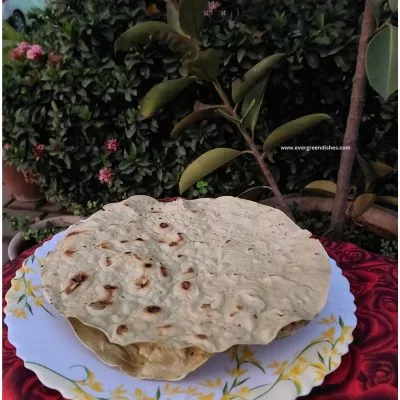
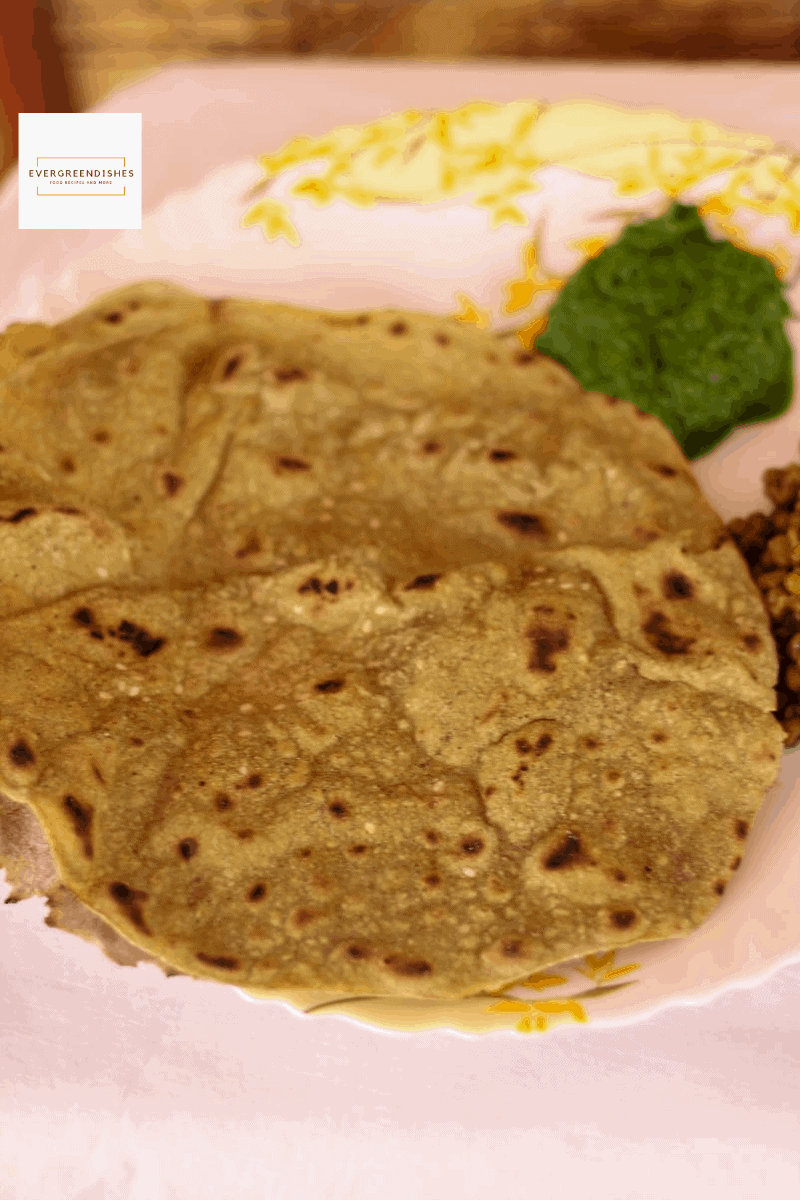
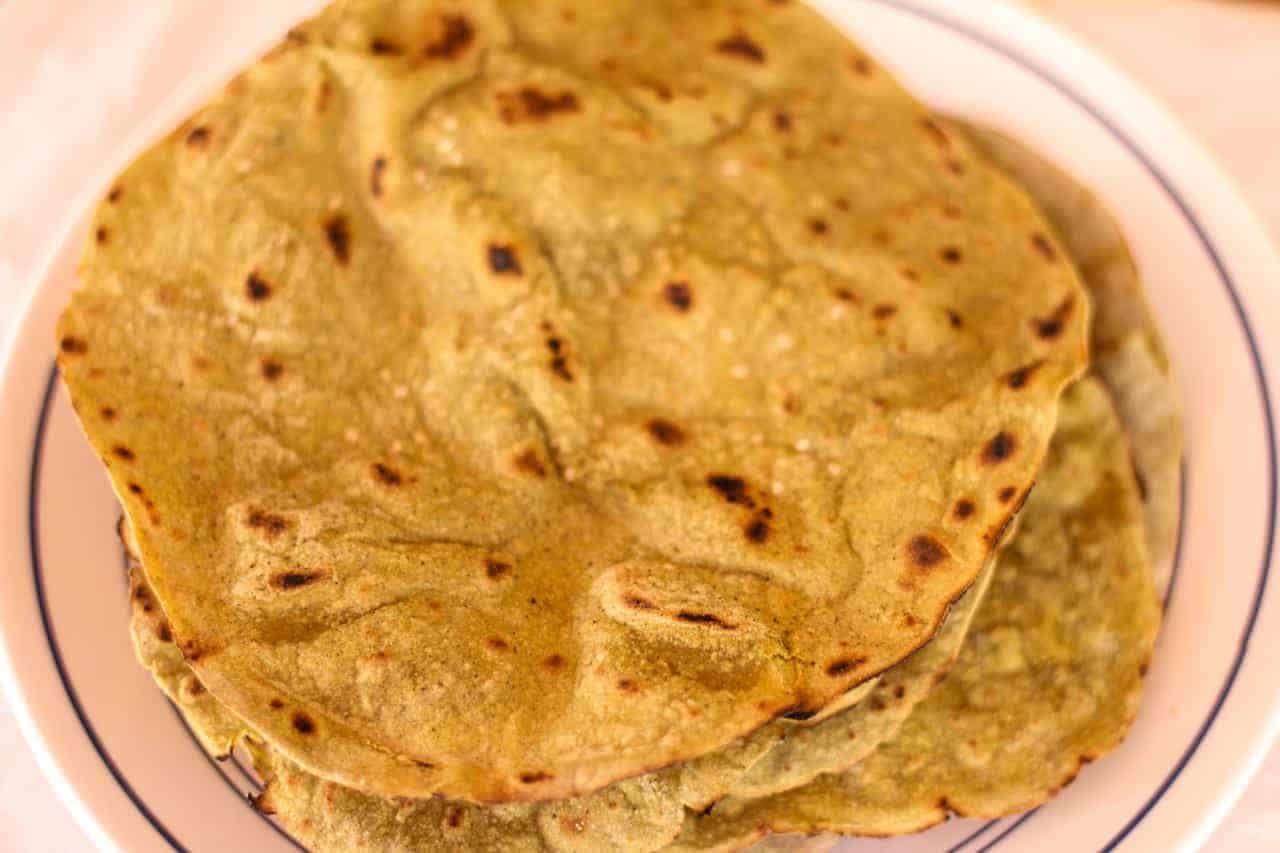
    Sajje Rotti / Pearl Millet Roti / Bajra Roti is a vegan and gluten-free, unleavened flat bread from South India. It is usually made crisp and served with different accompaniments. It is commonly prepared during Sankranti in South India. 

    What is Makar Sankranti ?

    Makar Sankranti is a popular festival celebrated according to the Hindu calendar. It is dedicated to Sun God, when the sun enters the zodiac sign of Capricorn and transcends towards the North or Uttarayan. Thus, this festival is also known as Uttarayan. It is also known as Magha, Pongal and Bhogi.  It officially marks the end of winter solstice and the beginning of longer days and autumn. It is also a harvest festival, it marks the beginning of harvest season when new crops are worshipped and relished. This festival is celebrated as per the solar cycle, it usually falls on the same date every year, Jan 14 / 15.

    Celebrations in Karnataka

    In Karnataka  this festival is celebrated over two days, the first day is Bhogi and the next day is Makar Sankranti.   As it is the festival of harvest, on the day of Bhogi, all married women donate fresh harvest as grains and pulses to an elderly married lady. It is a traditional custom passed through generations. The menu  prepared on this day bajra roti, brinjal stir fry or stuffed, green gram stir fry, raw tomato chutney,  spicy pongal and gojju. The food on this day is scrumptious.

    The next day is Makar Sankranti. On this day, front yard of every house is decorated with beautiful kolam in breathtaking designs adorned vibrantly and painstakingly. The sesame plays a very important role during this festival. Sankranti Ellu is prepared and offered to the Lord. It is also exchanged with all friends and family members. Sweets such as til ladoos and chikkis are prepared. Even lamps made with sesame and jaggery are lit. The sweet dish prepared on this day is usually Sakkarai Pongal but one can prepare any other sweet.

    Sajje Rotti / Pearl Millet Roti / Bajra Roti
    Sajje rotti / pearl millet roti / bajra roti

    sajje rotti

    Why is Sesame used during this festival ?

    Sesame is considered as a seed par excellence and consumed and donated during Makar Sankranti. A story in our mythology says that God Yama blessed the sesame seed and they are epitome of immortality.

    According to nutritionist Shruti Sharma, sesame is rich in nutrients. It consists of vitamins, oils, calcium, iron, magnesium, copper, zinc, Vitamin B6 and folate. It helps to support a healthy digestive system.  The copper present in it helps to reduce swelling and pain due to arthritis.Magnesium gives relief to respiratory diseases and the zinc helps in maintaining the bone health. It is one of the essential foods for vegetarians. The season needs food that helps to keep the body warm and healthy, sesame does it in a good way.

    What other side dishes can one use with Sajje Rotti ?

    Many different kind of dishes such as dal with methi and cabbage stir fry may be prepared. Chutneys are ideal to serve with bajra roti. The   raw tomato chutney tastes awesome. Gongura chutney is also often served with it. Dal with green leaf is commonly  prepared in most south indian homes.

    Can sajje rotti be stored?

    As these rotis are crisp, you can  stored for a couple of days. Keep them in a closed container. You can make them ahead and serve when needed.

    Let us now get to the recipe of Sajje Rotti :

    Equipments:

    • wide bowl or plate for mixing and kneading
    • a small bowl to boil water
    • skillet ( slightly curved and a different one is kept for roti)
    • spatula
    • a small piece of muslin cloth to smear the water
    • two  plate to stack them

    Ingredients:

    • 1 cup bajra flour
    • 1/4 teaspoon turmeric powder
    • a little salt
    • 1/2 cup hot water
    • 1/2 cup normal water (use as needed)

    Other ingredients:

    • 1 tablespoon sesame
    • flour for dusting

    Method:

    1. Put the flour in a wide bowl.
    2. Add salt and turmeric powder to it. Mix it thoroughly.
    3. Boil the water.
    4. Slowly, put the water and mix the flour thoroughly with the fingers.
    5. Now, use normal water to further mix the dough. Make it into a pliable dough by kneading it well with the palm.
    6. Take a small ball of the dough, dust with the flour and beat it a little. Smear a few sesame seeds and continue to make it to a thin circle. You may do it on the rolling board  or directly on the kitchen platform.
    7. Heat a skillet, slowly pick the roti and put it on the skillet. Smear a little water over it.
    8. Once it is done, turn it to the other side and roast it. Usually, this is done directly on the stove and put aside.
    9. Repeat for the rest of the dough.

    Take a tip:

    • Use good quality  flour. Always use fresh flour while making rotis as it is easier to prepare, otherwise they  tear apart.
    • Making rotis needs a little practice, but one can easily do it with a little practice. Each time, knead the ball of dough and then begin to tap it.
    • Applying of water is usually done with a small piece of muslin cloth. The cloth is dipped in a small bowl of water and applied to the roti, this helps in proper cooking of the roti.
    • These rotis are usually made crisp by keeping near the flame or on the skillet for sometime in between while making them.
    • You cannot roll the rotis with a rolling pin in this method. This is to be beaten with the palm only. The method to roll with a rolling pin is different, I am yet to learn that method. After the roti is beaten, you may use the rolling pin to make it even and thinner.

    Sajje Rotti / Bajra Roti / Pearl Millet Roti
    Evergreendishesdev

    Sajje Rotti / Bajra Roti / Pearl Millet Roti

    Sajje Rotti is vegan, gluten-free flat bread made from pearl millet. It is usually made on the day before Makar Sankranti in South India.
    Prep Time 10 minutes
    Cook Time 20 minutes
    Total Time 30 minutes
    Course: lunch
    Cuisine: karnataka

    Ingredients
      

    • 1 cup bajra flour
    • 1/4 teaspoon turmeric powder
    • a little salt
    • 1/2 cup hot water
    • 1/2 cup water
    • Other ingredients:
    • 1 tablespoon sesame
    • flour for dusting

    Method
     

    1. Put the flour in a wide bowl.
    2. Add salt and turmeric powder to it. Mix it thoroughly.
    3. Boil the water.
    4. Slowly, put the water and mix the flour thoroughly with the fingers.
    5. Now, use normal water to further mix the dough. Make it into a pliable dough by kneading it well with the palm.
    6. Take a small ball of the dough, dust with the flour and beat it a little. Smear a few sesame seeds and continue to make it to a thin circle. You may do it on the rolling stone or directly on the kitchen platform.
    7. Heat a skillet, slowly pick the roti and put it on the skillet. Smear a little water over it.
    8. Once it is done, turn it to the other side and roast it. Usually, this is done directly on the stove and put aside.
    9. Repeat for the rest of the dough.

    Notes

    Use good quality of flour.
    Making of rotis needs a little practice, but one can do it. Each time, knead the ball of dough and then begin to tap it.
    Applying of water is usually done with a small piece of muslin cloth. The cloth is dipped in a small bowl of water and applied to the roti, this helps in proper cooking of the roti.
    These rotis are usually made crisp by keeping near the flame or on the skillet for sometime in between while making them.

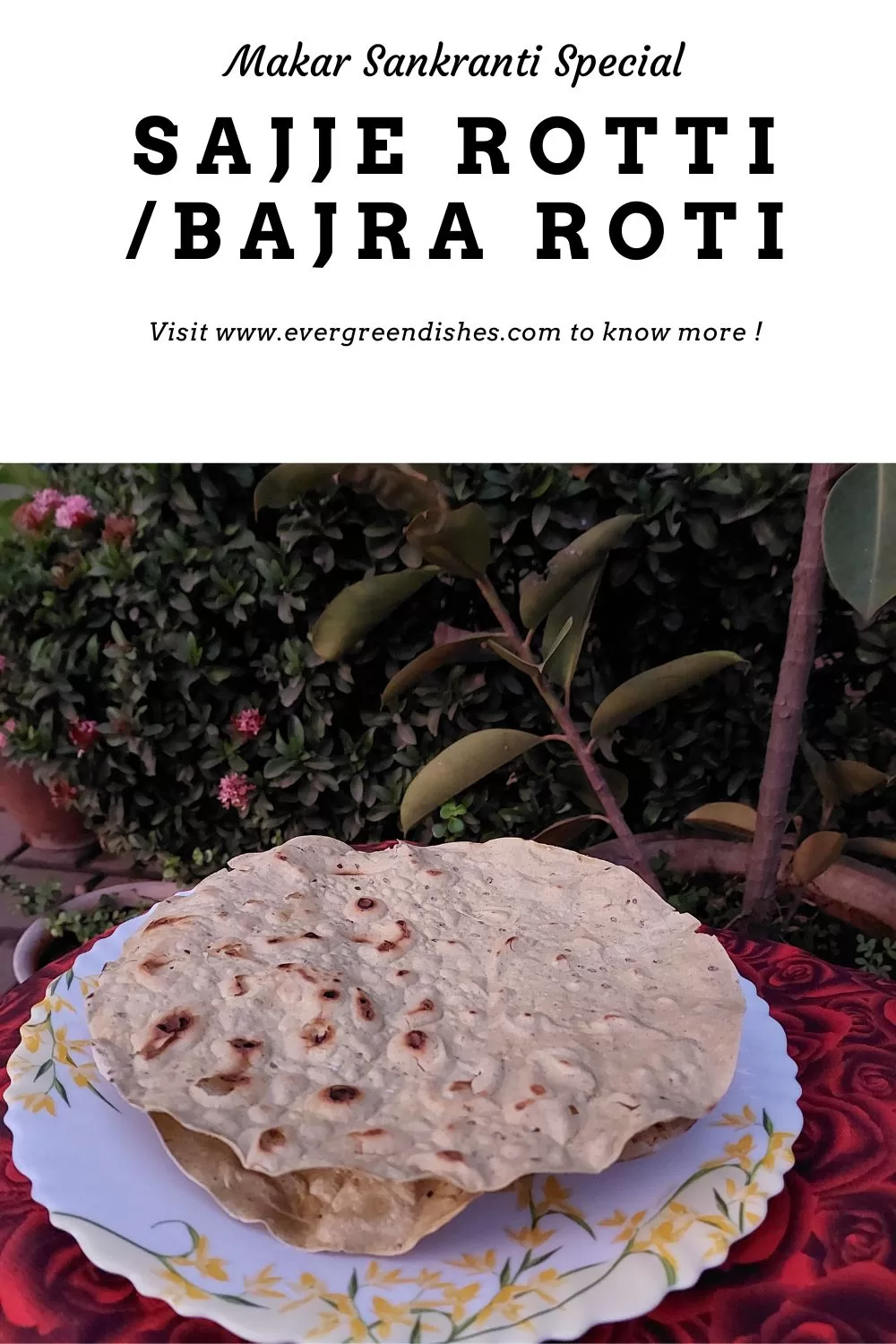
    Pin it for later :

    sajje rotti
    sajje rotti

    If you ever make this recipe, take a picture and share it by tagging @foodiejayashree on Instagram or @evergreendishes on Facebook. I will be glad to see and share your creation further.
    Check out my e-books on Amazon. Do not miss any post, subscribe to get all updates and an e-book for free !

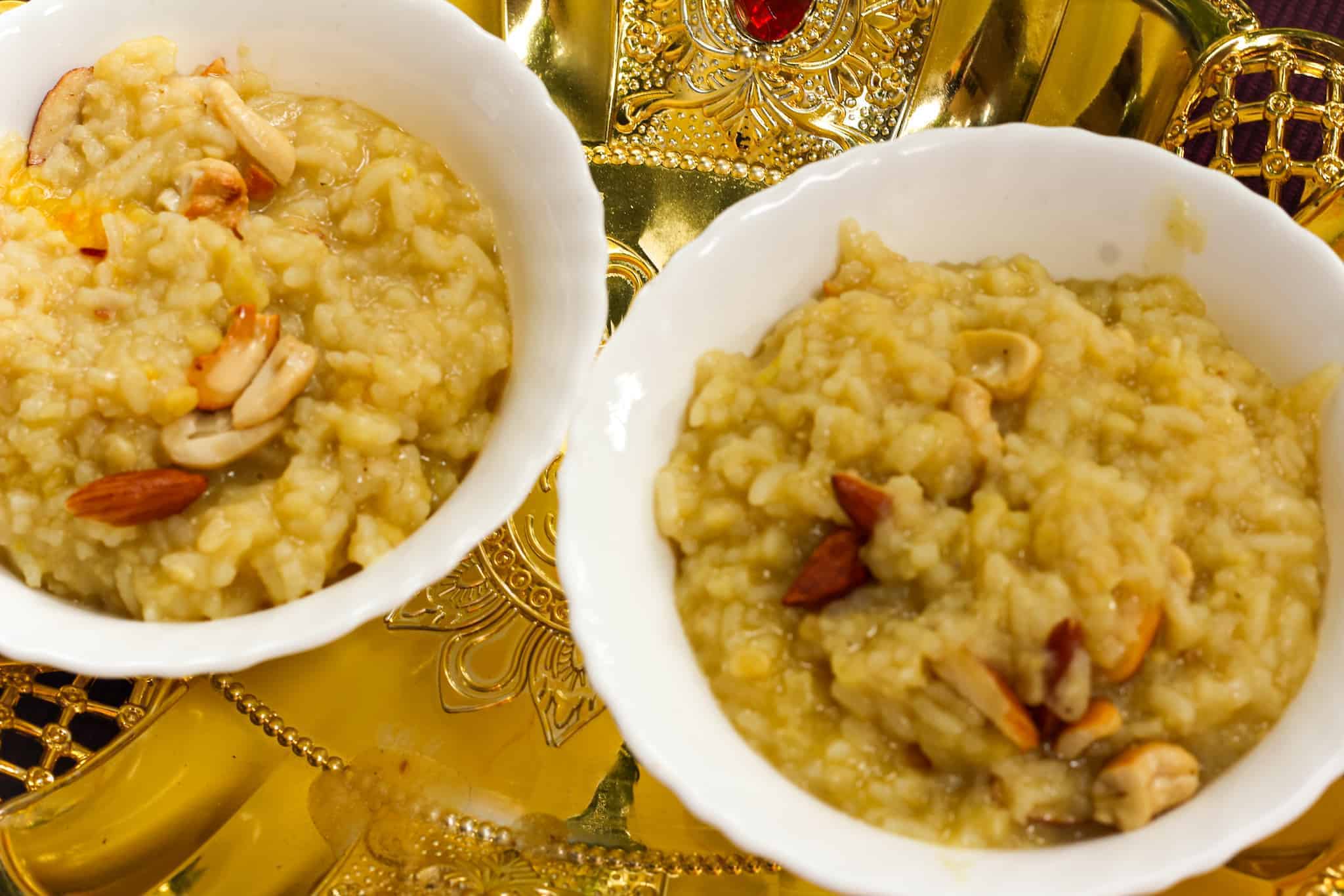
  • Sweet Pongal Recipe | Sakkarai Pongal

    Sweet Pongal Recipe | Sakkarai Pongal

    Jump to Recipe Print Recipe

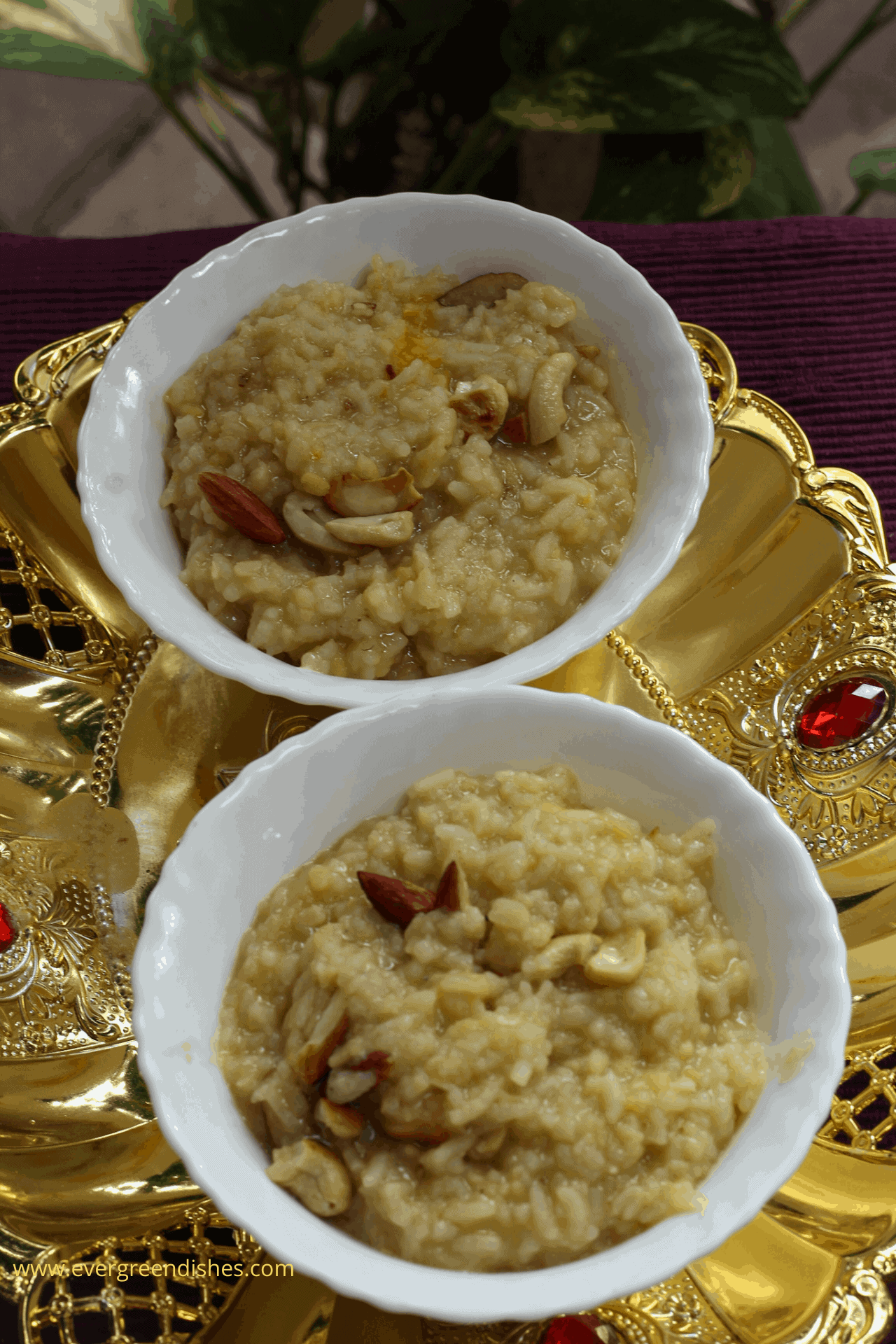
    Sweet Pongal / Sakkarai Pongal is one of the sweets made during festivals. Sugar or jaggery may be used, I prefer using jaggery.  It gives a good, rustic taste.

    About Sweet Pongal / Sakkarai Pongal

    Sweet Pongal /Sakkarai Pongal  is one of the delicacies that we can make in 30 minutes. Moong dal and rice are the main ingredients along with ghee and jaggery or sugar.  It is usually prepared during Pongal but not limited to the festival. Since Diwali is spread for four to five days, it makes a good dish to serve.

    The quantity of moong dal used differs from household to household. I prefer using the same quantity. Jaggery is added and garnished with roasted nuts. Sugar may be used but jaggery gives a divine taste.

    About Diwali:

    Diwali 2020 is different in many ways. The festive spirit is low and a fear holds each one about the disease.  Let us light the light of hope and peace. May the darkness that has engulfed the world be driven away and bring a remedy to the world at large. May joy and happiness be showered on one and all. If you are looking for festive recipes, check out the festive sweets collection for Diwali. I have earlier  posted many savoury recipes for Diwali too.

    Sweet Pongal

    About the event:

    Sending this to “Diwali Special” at Healthy Wellthy Cuisines. As Diwali was approaching, we thought of sharing Diwali festivals this fortnight. Do check out the other recipes from our group members.


    Sweet Pongal Recipe | Sakkarai Pongal

    Ingredients:

    • 1 cup rice
    • 1 cup moong
    • 1 teaspoon ghee
    • 5 cup water
    • 1 tablespoon ghee
    • a pinch of salt
    • 2 cup jaggery
    • 1/2 teaspoon cardamom powder
    • 1/2 teaspoon ghee
    • 8 cashew nuts
    • 2 cloves

    Method:

    1. Take rice and moong dal in a bowl, wash it and soak it in five cups of water for fifteen minutes.
    2. Add a teaspoon of ghee and put it in a pressure cooker. Cook it for two whistles.
    3. Once the pressure releases by itself, mash it with a ladle. Put it in a thick bottom pan and cook on a low flame.
    4. Add jaggery and a table spoon of ghee to it. Let cook for five minutes, it should mix well and gooey consistency.
    5. In a small pan, take half teaspoon of ghee, add clove and nuts. Roast and garnish the sweet dish.

    Take a tip:

    • A little milk may be added while cooking.
    • Cook the rice and dal mixture for sometime before adding the jaggery.
    • I have used organic jaggery, hence I have not boiled and strained. If the jaggery has impurities, boil it in a little water, strain and put the liquid.
    • A pinch of salt enhances the taste, put it after it is well cooked.
    • Almonds are optional.
    • Raisins may be added.

    Sweet Pongal
    Evergreendishesdev

    Sweet Pongal / Sakkarai Pongal

    weet Pongal / Sakkarai Pongal is a traditional sweet from South India. Rice and lentil cooked along with ghee and jaggery, garnished with nuts make a good sweet dish.
    Prep Time 10 minutes
    Cook Time 20 minutes
    Soaking time 30 minutes
    Total Time 1 hour
    Course: sweets, traditional sweets
    Cuisine: South Indian

    Ingredients
      

    • 1 cup rice
    • 1 cup moong
    • 1 teaspoon ghee
    • 5 cup water
    • 1 tablespoon ghee
    • a pinch of salt
    • 2 cup jaggery
    • 1/2 teaspoon cardamom powder
    • 1/2 teaspoon ghee
    • 8 cashew nuts and almonds
    • 2 cloves

    Method
     

    1. Take rice and moong dal in a bowl, wash it and soak it in five cups of water for fifteen minutes.
    2. Add a teaspoon of ghee and put it in a pressure cooker. Cook it for two whistles.
    3. Once the pressure releases by itself, mash it with a ladle. Put it in a thick bottom pan and cook on a low flame.
    4. Add jaggery and a table spoon of ghee to it. Let cook for five minutes, it should mix well and gooey consistency.
    5. In a small pan, take half teaspoon of ghee, add clove and nuts. Roast and garnish the sweet dish.

    Notes

    A little milk may be added while cooking.
    Cook the rice and dal mixture for sometime before adding the jaggery. 
    A pinch of salt enhances the taste, put it after it is well cooked.
    Almonds are optional. Raisins may be added.
    I have used organic jaggery, hence I have not boiled and strained. If the jaggery has impurities, boil it in a little water, strain and put the liquid 

    Pin it for later:

    Sweet Pongal is one of the sweets prepared during festive days. It is a delicious traditional dish ideal for any festival.
    Sweet Pongal

    If you ever make any of these recipes, take a picture and share it by tagging @foodiejayashree on Instagram or @evergreendishes on Facebook. I will be glad to see and share your creation further.
    Check out my e-books on Amazon. Do not miss any post, subscribe to get all updates and an e-book for free !

  • Festive Sweets for Diwali

    Festive Sweets for Diwali

    Diwali is few days away, what are the sweets and savoury snacks that you are making? If you are a last minute planner like me, here is an exhaustive list of sweets from the blog. Some are ideal for lunch menu while a few like ladoo and halwa can be stored for a couple of days.

    Diwali is the time when you gift sweets to friends and relatives. Here are some cookies, chikki and muesli bar for children.

    For all the recipes, click on the title or the image. Wishing all a very happy Diwali. Stay safe, stay happy.

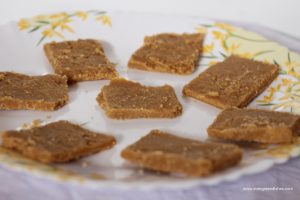
    Sukhdi / Gud Papdi 

    Sukhdi is classic sweet from Gujarati cuisine.

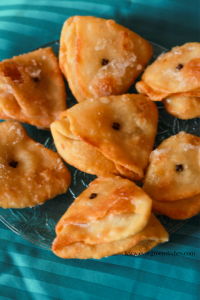
    Badam Puri

    Badam Puri is traditional festive sweet from Karnataka.

    Badam Puri
    Badam Puri


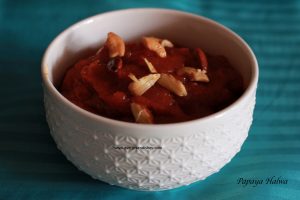
                                           Papaya Halwa

    papaya halwa

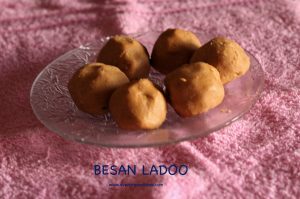
                                       Besan Ladoo

    Besan Ladoo is apt for Diwali.

    besan ladoo
    besan ladoo

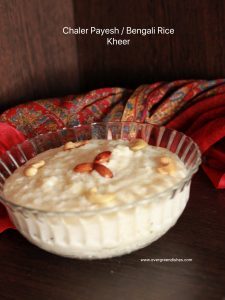
    Chaler Payesh 

    Rice Kheer is the traditional kheer made in all communities.Here is the Bengali version.

    chaler payesh
    chaler payesh

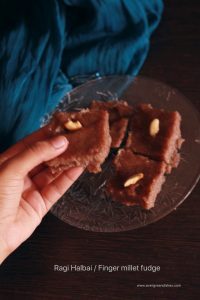
     Ragi Halbai

    Millets are used, one with finger millets.

    Ragi Halbai / Fingermillet fudge
    Ragi Halbai / Fingermillet fudge

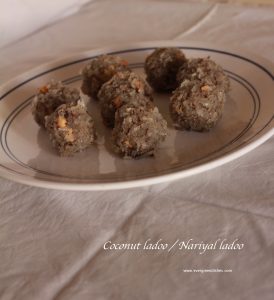
    Coconut Ladoo

    Love this easy recipe to do always

    K

    coconut ladoo/ nariyal ladoo
    coconut ladoo /nariyal ladoo

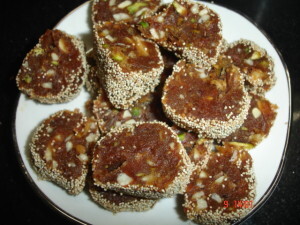
    Dates Burfi

    Dates Burfi is all time favourite.

    Dates Burfi
    Dates Burfi

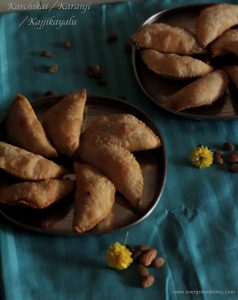
                                       Karchikayi

    Karchikayi  used to be a Diwali snack when we were kids.

    karchikayi
    karchikayi

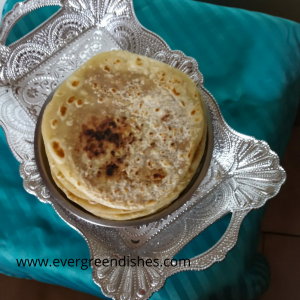
                                         Shenga Holige

    It is tasty and stays good for a couple of days.

    Shenga Holige / Peanut Sweet Pancake
    shenga holige

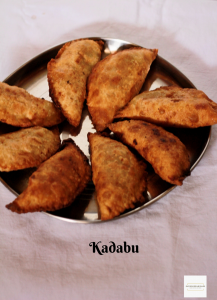
                                                 Kadabu

    A sweet for lunch

    Kadabu
    Kadabu

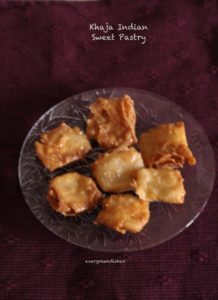
                                               Khaja

    Khaja is crispy and flaky, give a try to it. Ideal to serve for lunch.

    Khaja, Tapeshwaram Khaja
    Khaja, Tapeshwaram Khaja

                                                Kul Kul

    Snacks to store in the jar.

    kul kul
    kul kul

                                          Carrot Halwa 

    A make ahead sweet

    Carrot Halwa
    Carrot Halwa

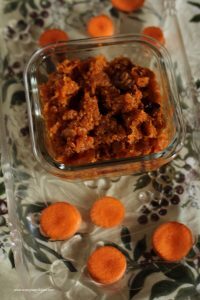
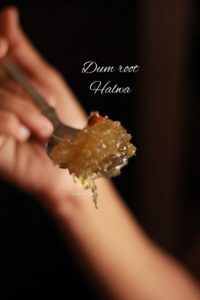
    Dum Root Halwa 

    Another classic sweet from South India.

    dum root halwa
    dum root halwa

                                               ABC Halwa

    This is flavoursome one from Gujarati cuisine,

    ABC Halwa
    ABC Halwa

                                      Beetroot Halwa

    When kids don’t eat beetroot, make this one.

    beetroot halwa
    beetroot halwa

                                         Seven Cup Sweet

    This is ideal to prepare and serve.

    seven cup burfi
    seven cup burfi

                                               Coconut Burfi

    One of the favourite sweets since childhood days.

    coconut burfi
    coconut burfi

                                               Ellu Holige

    Another kind of holige, it is made with sesame.

    ellu holige
    ellu holige

    Rawa Kesari with jaggery

    Rawa kesari with jaggery tastes good. I usually make this one at home.

    rawa kesari with jaggery


                                    Custard Apple Kheer

    It is delicious, give a try to it sometime.

    Custard Apple Kheer
    Custard Apple Kheer


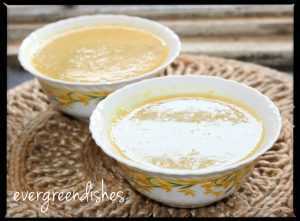
                                              Komala Payasam 

    This is sweet from Oriya cuisine.

    komala payasa, orange milk pudding
    komala payasa, orange milk pudding

                                        Sweet Mango Rice

    When you have mangoes, make this dish for your family.

    sweet mango rice / amba bhaat
    sweet mango rice / amba bhaat

                                         Mango Kesari 

    Another dessert with mango

    mango sheera
    mango sheera

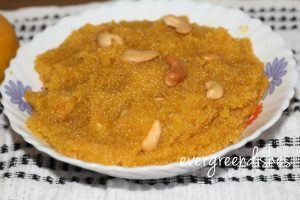
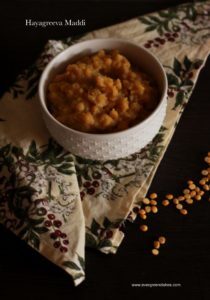
                                       Hayagreeva Maddi 

    A traditional sweet which is delicious and healthy.

    hayagreeva maddi
    hayagreeva maddi

                                         Appi Payasa 

    Crisp, fried puris are boiled in thickened milk and garnished with nuts. Another classic sweet from South India.

    appi payasa
    appi payasa

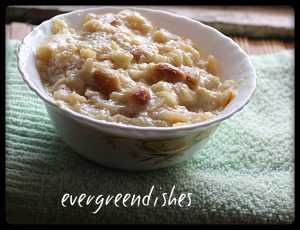
    Kheer

    Vermicelli Kheer needs no introduction.

    kheer
    kheer

     Moong dal payasam

    Tasty payasam ideal for summer as it keeps the body cool.

    moongdal payasa
    moongdal payasa

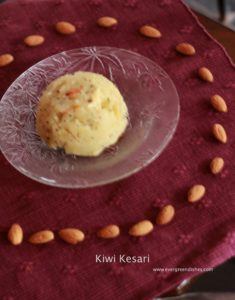
                                              Kiwi Kesari 

    Another kind of kesari

    Kiwi Kesari
    Kiwi Kesari

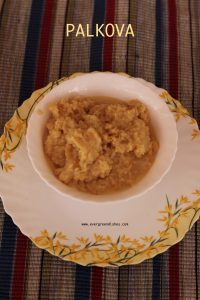
                                           Palkova 

    A sweet to be cherished

    palkova
    palkova

    Gift Ideas for Diwali

    Usually gifts are given during Diwali to friends and relatives. Here are a few ideas to try.

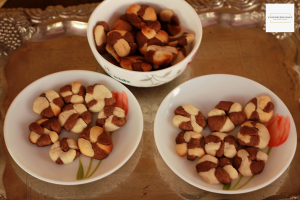
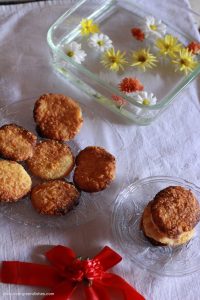
      Floral  Cookies

    chocolate and vanilla floral cookies
    Floral cookies

     Cornflakes Cookies

    cornflakes cookies

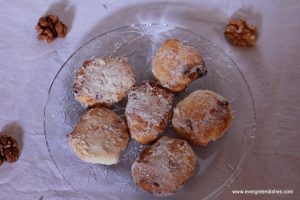
       Polvorones

    Mexican wedding cookies /polvorones

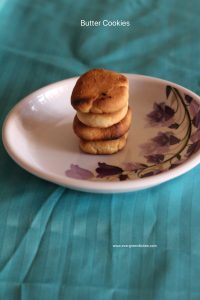
    Butter Cookies 

    butter cookies
    butter cookies

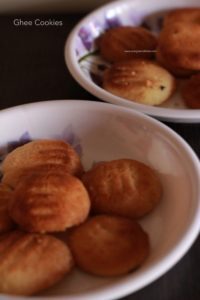
    Ghee Cookies

    Ghee cookies
    Ghee cookies

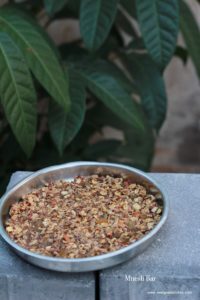
     Muesli Bar

    Muesli bar
    Muesli bar

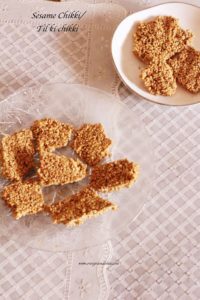
     Til Chikki 

    sesame chikki
    sesame chikki

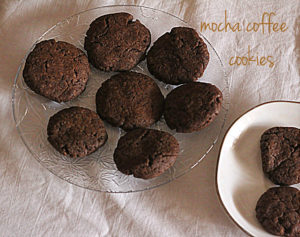
      Mocha Coffee Cookies 

    mocha coffee cookies
    mocha coffee cookies

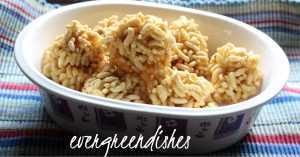
    Puffed Rice Balls 

    puffed rice balls
    puffed rice balls

    I hope you liked this collection, pin it for later.

    40 Festive Sweets is a collection of tasty and different kind of sweets one can prepare during Diwali. Give a try to some of these recipes.
    40 Festive Sweets

    If you ever make any of these recipes, take a picture and share it by tagging @foodiejayashree on Instagram or @evergreendishes on Facebook. I will be glad to see and share your creation further.
    Check out my e-books on Amazon. Do not miss any post, subscribe to get all updates and an e-book for free !

  • Ribbon Pakoda / how to make ribbon pakoda

    Ribbon Pakoda / how to make ribbon pakoda

    Jump to Recipe Print Recipe

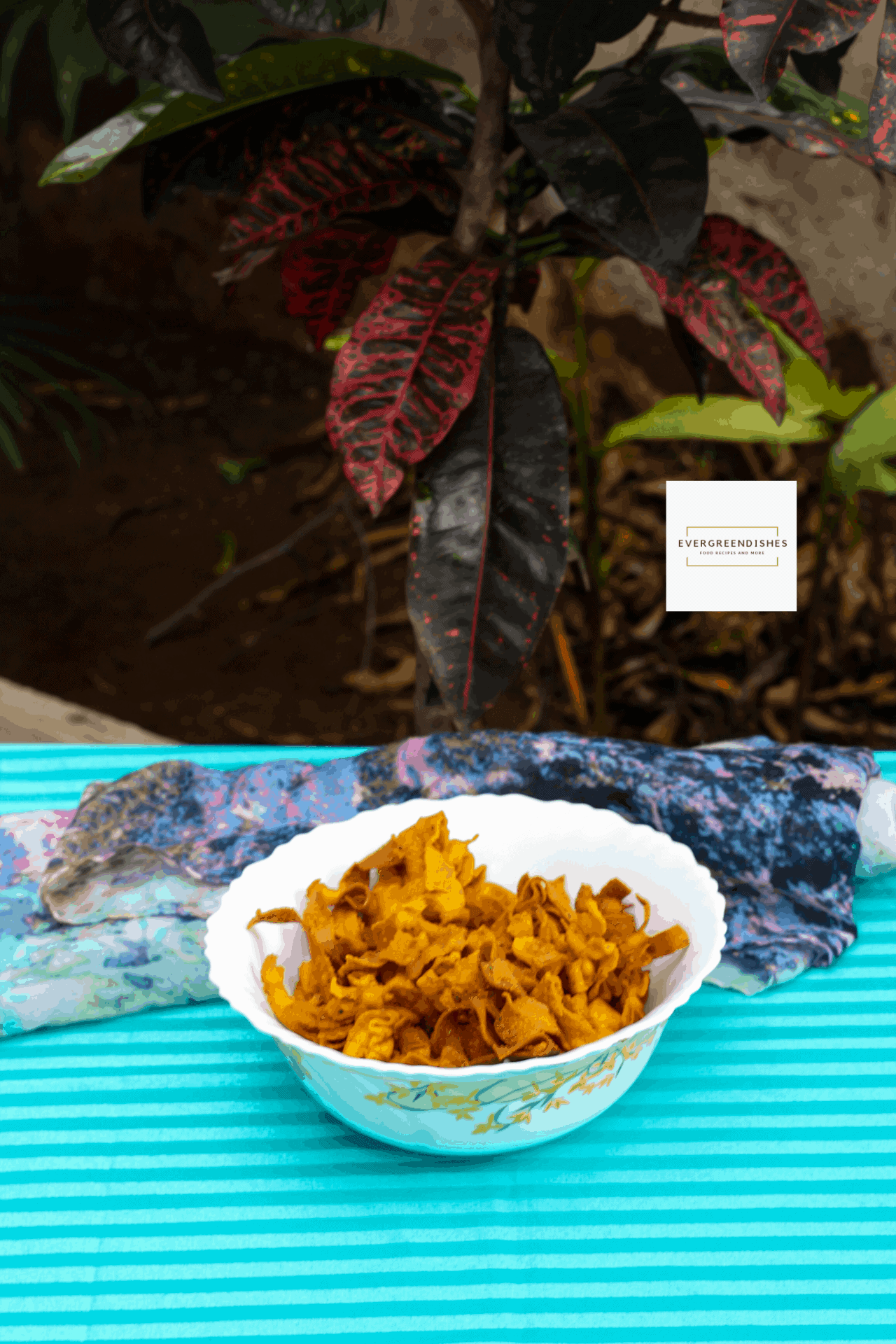
    Ribbon Pakoda is a savoury snack from Indian cuisine. It is usually prepared during festivals as Diwali and Krishna Janmasthmi. It is crispy and tasty. It makes a good snack to store in the kitchen shelves.

    Diwali, the festival of lights is round the corner. It is that time of the year when we make a variety of sweet and savoury snacks and enjoy good times with our family.  The festive spirit brings in joy, contentment  and happiness.

    Diwali, the festival of light marks the return of exile of Lord Rama from exile. It is also a festival when Goddess Lakshmi is worshipped. It symbolizes the victory of light over darkness, good over evil and knowledge over ignorance. The first day is Dhanteras, followed by Naraka Chaturdasi,  Laxmi Puja, Bali Padya and Bhai Dhuj.

    When the world is going through a dark phase, let us hope and pray for a Covid free world. The disease has taken a toll of our lives, the last six months have been scary and disrupted everyone. The festive season is not going to be the same but let us try to celebrate in a small way.

    Let’s pray for a virus free world. Let us pray for the well being of one and all. May the festival of light eliminate the fear of Carona from the whole world.

    Ribbon Pakoda
    Ribbon Pakoda

    About the event:

    Sending this to Shhhh Secretly Cooking for the theme, ” Diwali Treats”. It is a monthly event, the theme was suggested by Poonam Bachav. She has many recipes from Maharashtrian cuisine on her blog.  I loved her motichoor ladoo, bookmarked to prepare it soon. Here, we are paired with a partner and  secret ingredients are exchanged. The dish is prepared and the other members guess the secret  ingredients. I was paired with Priya Iyer has a variety of sundal recipes on her blog, do check it. I had given pumpkin and ghee as the secret ingredients, she has made this delicious halwa. Gram flour and salt were the secret ingredients given to me and I am sharing ribbon pakoda recipe. It is tasty, easy to make  and ideal to serve for guests.

    shhh cooking secretly

    About Ribbon Pakoda:

    Ribbon Pakoda is a traditional snack prepared during Diwali. It is crispy and tasty, ideal with a cup of tea.  It is also known as Nada pakoda, ola pakoda  and Tape as per its shape.

    Ribbon Pakoda recipe  is easy to make,  ideal to make for the festive days. Do follow the recipe given below and read the tips also.

    Do check out my other savoury snack recipes for Diwali.

    Ingredients:

    • 2 cup gram flour
    • 1/2 cup rice flour
    • 1/2 teaspoon turmeric powder
    • 1 teaspoon carom seeds, made into powder
    • 1 teaspoon chilli powder
    • salt
    • 1/2 cup oil
    • water
    • oil for frying

    Method:

    1. Take gram flour, rice flour, turmeric powder, ajwain powder, cumin powder, salt and sieve them together.
    2. Heat half cup oil in a kadai, add it to the flour. Mix thoroughly with fingers, it should be like a crumbly texture.
    3. Now, add little water and mix it to a stiff dough, keep it covered.
    4. Take the noodle press, choose the appropriate plate, grease oil to it and fill with dough.
    5. Heat oil in a pan, Once the oil is hot, press slowly into it, keeping at a distance from oil.
    6. Deep fry it to golden colour.
    7. Remove it on a plate with tissue paper. Repeat for the rest of the dough.
    8. Store it in an air tight container.

    Take a tip:

    • The flour used must not be coarse. The ribbon pakoda will break when put in oil.
    • Hot oil is essential to mix the flour.  Oil may be heated once in a pan and poured some on the flour.
    • Rice flour gives crunchiness to the snack.
    • Adjust spiciness as per your taste.
    • Noodle press is available in the market. It is used for various purposes as making sev, chakli and many others.
    • Always fry in medium flame.
    • If you are making in large quantities, mix the spices, add hot oil to it, mix and keep it aside. Take a portion of the flour, prepare the dough and make it.

    Ribbon Pakoda
    Evergreendishesdev

    Ribbon Pakoda / Naada Pakoda

    Ribbon Pakoda is a tasty and crispy snack to store in the kitchen shelves. It is ideal for the upcoming festival, Diwali.
    Prep Time 10 minutes
    Cook Time 20 minutes
    Total Time 30 minutes
    Servings: 4 people
    Course: dry snack
    Cuisine: karnataka

    Ingredients
      

    • 2 cup gram flour
    • 1/2 cup rice flour
    • 1/2 teaspoon turmeric powder
    • 1 teaspoon carom seeds made into powder
    • 1 teaspoon chilli powder
    • salt
    • 1/2 cup oil
    • water
    • oil for frying

    Method
     

    1. Take gram flour, rice flour, turmeric powder, ajwain powder, cumin powder, salt and sieve them together.
    2. Heat half cup oil in a kadai, add it to the flour. Mix thoroughly with fingers, it should be like a crumbly texture.
    3. Now, add little water and mix it to a stiff dough, keep it covered.
    4. Take the noodle press, choose the appropriate plate, grease oil to it and fill with dough.
    5. Heat oil in a pan, Once the oil is hot, press slowly into it, keeping at a distance from oil.
    6. Deep fry it to golden colour.
    7. Remove it on a plate with tissue paper. Repeat for the rest of the dough.
    8. Store it in an air tight container.

    Pin it for later:

     Ribbon Pakoda is a crispy and tasty snack, ideal to prepare for the upcoming festive season. It tastes good as a snack with tea also. Site title Title Primary category Separator
    Ribbon Pakoda / Naada Pakoda

    If you ever make any of these recipes, take a picture and share it by tagging @foodiejayashree on Instagram or @evergreendishes on Facebook. I will be glad to see and share your creation further.
    Check out my e-books on Amazon. Do not miss any post, subscribe to get all updates and an e-book for free !

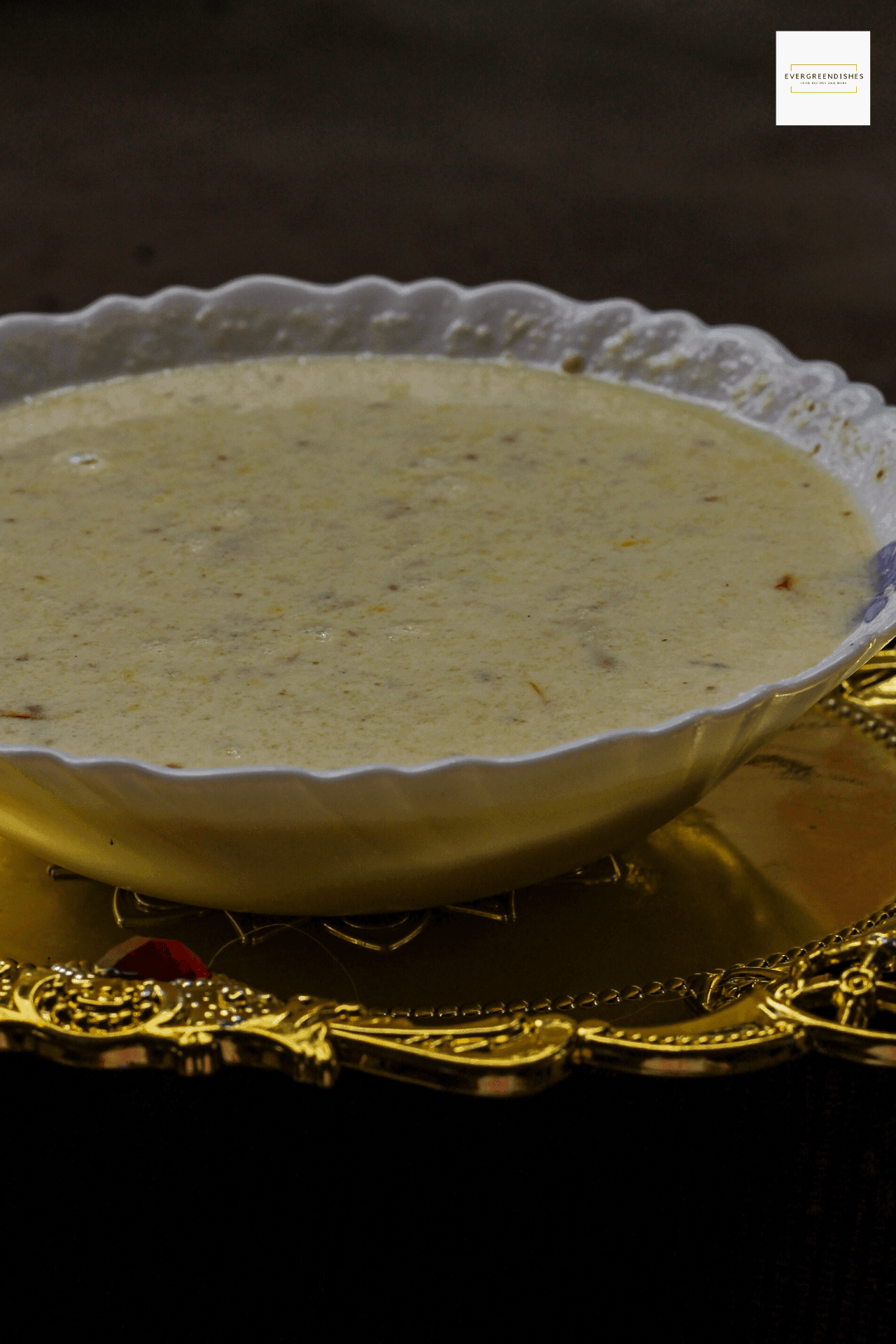
  • Custard Apple Kheer | Delicious Sitaphal Kheer

    Custard Apple Kheer | Delicious Sitaphal Kheer

    Jump to Recipe Print Recipe

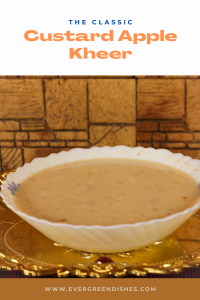
    Custard Apple Kheer is an exotic dessert. It is creamy and tasty, ideal to prepare on festive days.

    Custard Apple or Cherimoya is a tropical fruit. Commonly known as Sitaphal, it is  green, round or conical with scaly skin. The pulp is creamy and sweet, thus it is also called as Sweet Apple.  It is rich in fibre, vitamins and minerals.

    The fruit is best eaten chilled, the pulp is eaten and both the seed and the skin are discarded. Keep the unripe fruit at room temperature, once it ripens, put it in the refrigerator and consume within 3-4 days.

    Nutrients in Custard Apple:

    It has significant quantities of Vitamin C, thiamine, potassium, magnesium and dietary fibre. Despite its high sweetness, it has low glycemic index.

    Benefits of Custard Apple:

    • It is rich in anti-oxidants, such as Vitamin C and carotenoids.
    • The Vitamin B6 present in it helps to prevent depression.
    • Custard Apple is rich in anti-oxidant lutein, this will help to maintain good vision.
    • It is rich in flavonoid anti-oxidants that hep prevent the growth of cancer cells.

    Custard Apple Kheer
    Custard Apple Kheer

    What is Kheer?

    Kheer is a milk based  sweet pudding from Indian sub-continent. It is usually prepared during festivals. Earlier, Kheer referred to the rice kheer, prominently prepared in most households. But today, different versions of Kheer are made.

    Festive Season: Navratri

    Navratri, festival of nine nights begins from tomorrow. Goddess Durga is worshipped with utmost faith and reverence. Many people fast during these nine days while others celebrate the festival. The tenth day is Dasara.

    Related Recipes : Gasgase Payasa, Dates Payasam, Sabudana Kheer,

    About the event:

    This post is part of the Navratri Fasting Recipes at Healthy Wellthy Cuisines. It is a fortnightly event we cherish joining together. Here are the other recipes

    Custard Apple Kheer Recipe

    Ingredients:                     Measurement used: 1 cup = 250 ml

    • 3 cup full fat milk
    • 2 custard apple
    • 10 almonds
    • a few strands of saffron
    • 3 tablespoon sugar
    • 1/4 teaspoon cardamom powder

    Method:

    1. Remove the pulp of the custard apple. Discard the seeds and the skin.
    2. Boil milk in a thick bottom pan. Put saffron to it.
    3. Grind almonds and put the powder to it. Stir it.
    4. Once the milk has reduced, put the fruit pulp to it. Stir and cook for sometime.
    5. Put sugar and allow to cook for a minute.
    6. Finally, add cardamom powder and turn off the stove.
    7. Serve chilled.

    Take a tip:

    • To remove the seeds, take the pulp in a bowl and gently squeeze the pulp out from each seed.
    • No need to soak the almonds, grind them to a coarse powder and put in the milk to boil. It imparts a good flavour to the dessert.
    • The quantity of sugar depends on the sweetness of the fruit. Reduce the quantity if the fruit is very sweet.

    Custard Apple Kheer

    Custard Apple Kheer

    Custard Apple Kheer is creamy and tasty. It is ideal to serve for any occasion.
    Prep Time 15 minutes
    Cook Time 20 minutes
    Chilling time 30 minutes
    Total Time 1 hour 5 minutes
    Course: Dessert
    Cuisine: Indian

    Ingredients
      

    • 3 cup full fat milk
    • 2 custard apple
    • 10 almonds
    • a few strands of saffron
    • 3 tablespoon sugar
    • 1/4 teaspoon cardamom powder

    Method
     

    1. Remove the pulp of the custard apple. Remove the seeds and mash it.
    2. Boil milk in a thick bottom pan. Put saffron to it.
    3. Grind almonds and put the powder to it. Stir it.
    4. Once the milk has reduced, put the fruit pulp to it. Stir and cook for sometime.
    5. Put sugar and allow to cook for a minute.
    6. Finally, add cardamom powder and turn off the stove.
    7. Serve chilled.

    Notes

    • To remove the seeds, take the pulp in a bowl and gently squeeze the pulp out from each seed.
    • No need to soak the almonds, grind them to a coarse powder and put in the milk to boil. It imparts a good flavour to the dessert.
    • The quantity of sugar depends on the sweetness of the fruit. Reduce the quantity if the fruit is very sweet. 

    Pin it for later:

    Custard Apple Kheer is an exotic dessert to serve anytime. It is creamy and tasty, ideal to serve for celebrations.
    custard apple kheer

    If you ever make this custard apple kheer recipe, take a picture and share it by tagging @foodiejayashree on Instagram or @evergreendishes on Facebook. I will be glad to see and share your creation further.
    Check out my e-books on Amazon. Do not miss any post. Subscribe to get all updates and an e-book for free !