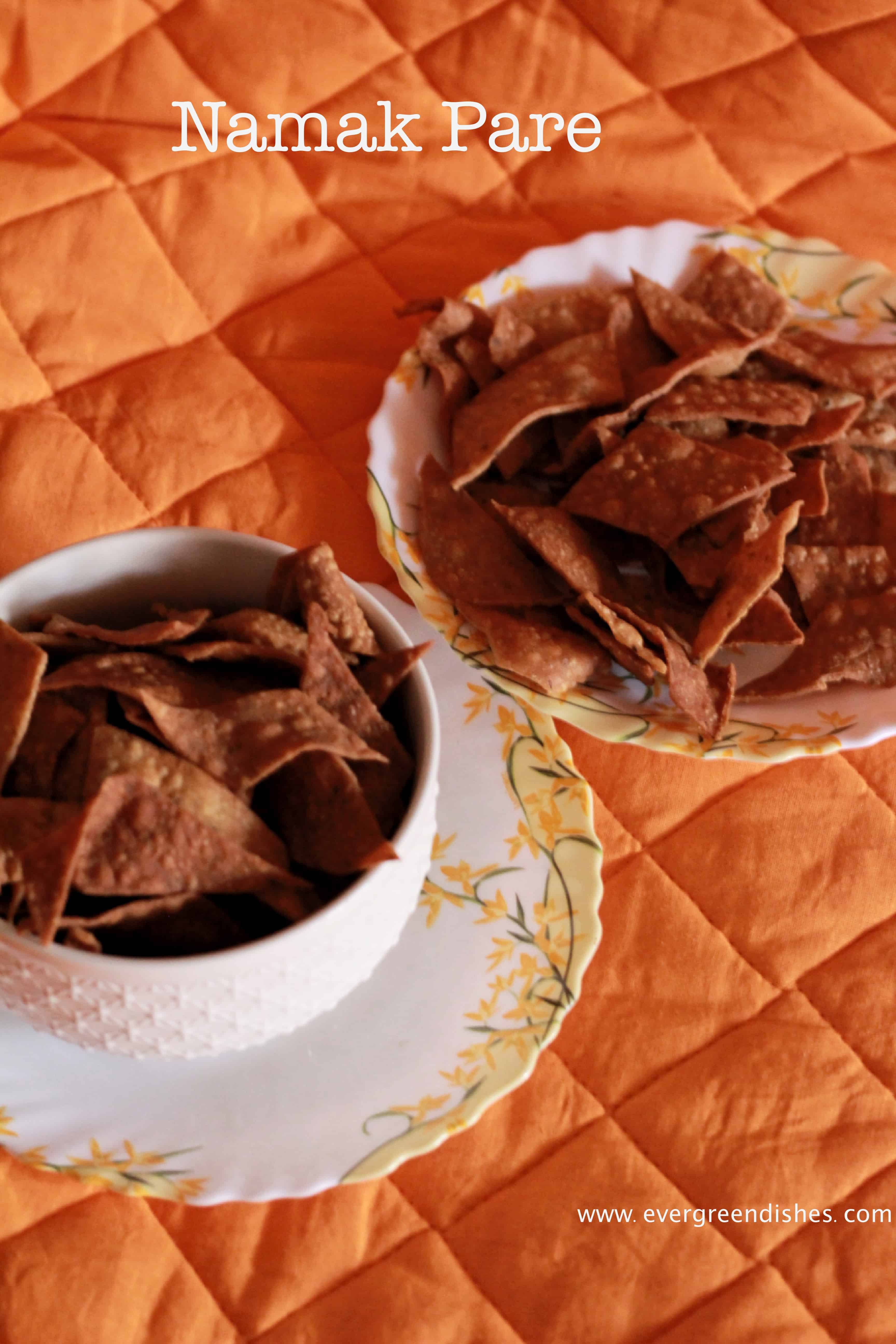
Namak Pare is a deep fried savoury snack usually made during festivals as Holi and Deepavali. It is crispy and tasty and make a good snack for children. It is ideal to carry while travelling.
Usually namak pare is made with self raising flour or a mix of self raising flour and wheat flour in the same ratio. But, I use only wheat flour along with semolina and they turn out equally good. Deep fried snacks are always welcome at home, children love to binge on this.
It is that time of the month when I work on my themed post, and I have chosen travel food for kids. So stay tuned for tasty snacks in the next three days.
Add ajwain, salt, pepper powder and oil to the flour. Mix it well. It should form a crumbly mixture.
Add little water and mix to a stiff dough.
Divide the dough into two parts, take a ball of the dough, dust with flour and roll into a circle which is nether too thick or thin.
Make diagonal incisions on it. We need to make them in a rhombus shape.
Heat oil, once the oil is put the cut pieces into it. Fry on a low flame. Keep stirring in between. Once they are cooked, remove them and repeat for the other ball of dough.
Once they are cool, store in a air tight container.
Namak Pare / Nimki
Evergreendishesdev
Namak Pare
Namak Pare is a crispy snack that can be relished anytime. It is ideal to carry as a travel food.
Take wheat flour in a wide bowl, add semolina to it.
Heat oil in a pan, we need it to mix the dough.
Add ajwain, salt, pepper powder and oil to the flour. Mix it well. It should form a crumbly mixture.
Add little water and mix to a stiff dough.
Divide the dough into two parts, take a ball of the dough, dust with flour and roll into a circle which is nether too thick or thin.
Make diagonal incisions on it. We need to make them in a rhombus shape.
Heat oil, once the oil is put the cut pieces into it. Fry on a low flame. Keep stirring in between. Once they are cooked, remove them and repeat for the other ball of dough.
Once they are cool, store in a air tight container.
This post goes to #BM97 with the theme Kids Delight with the theme Travel Food guest hosted by Renu.
If you have liked this post, do share it further.
If you ever make this, do take a picture and tag me on @foodiejayashree on Instagram
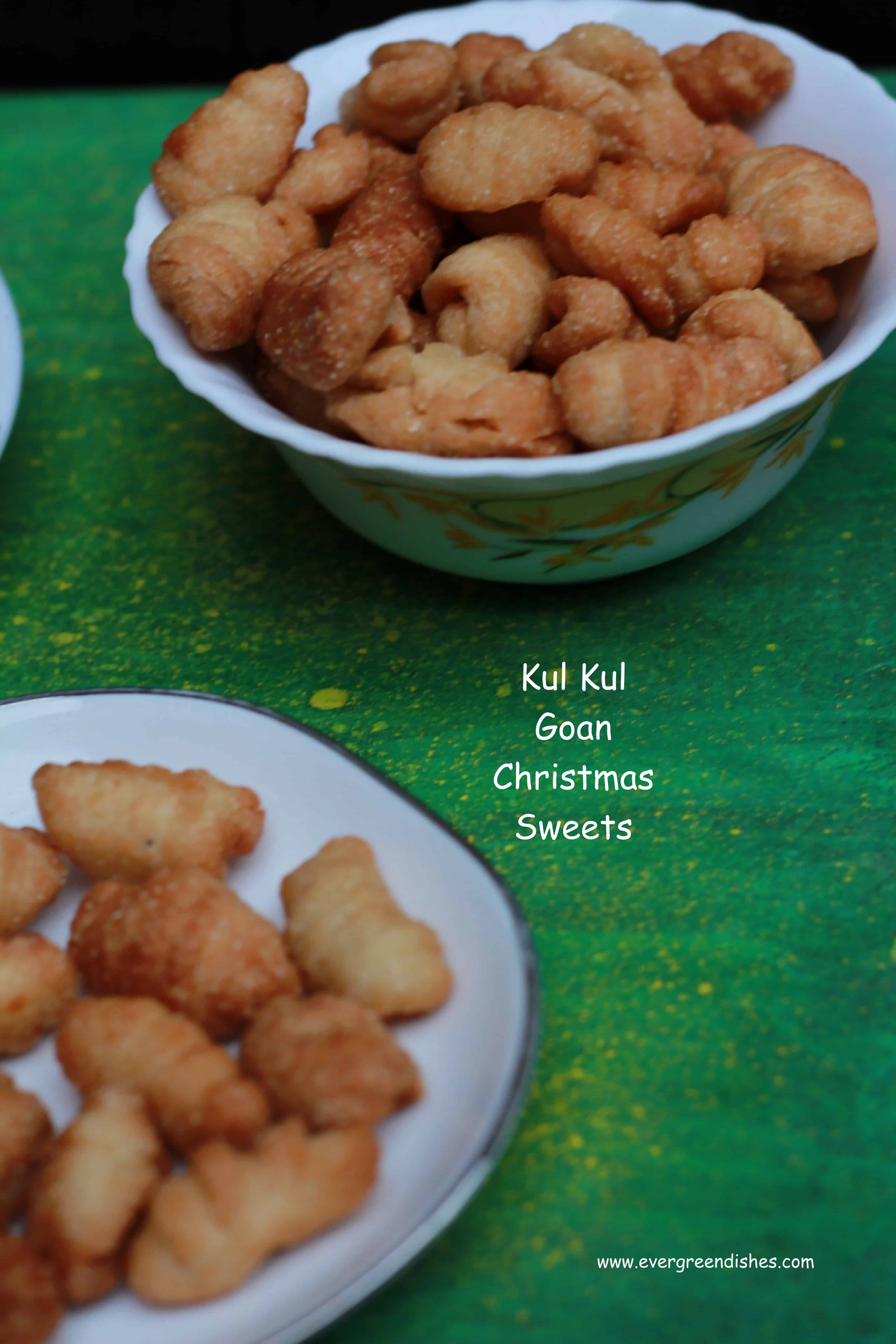
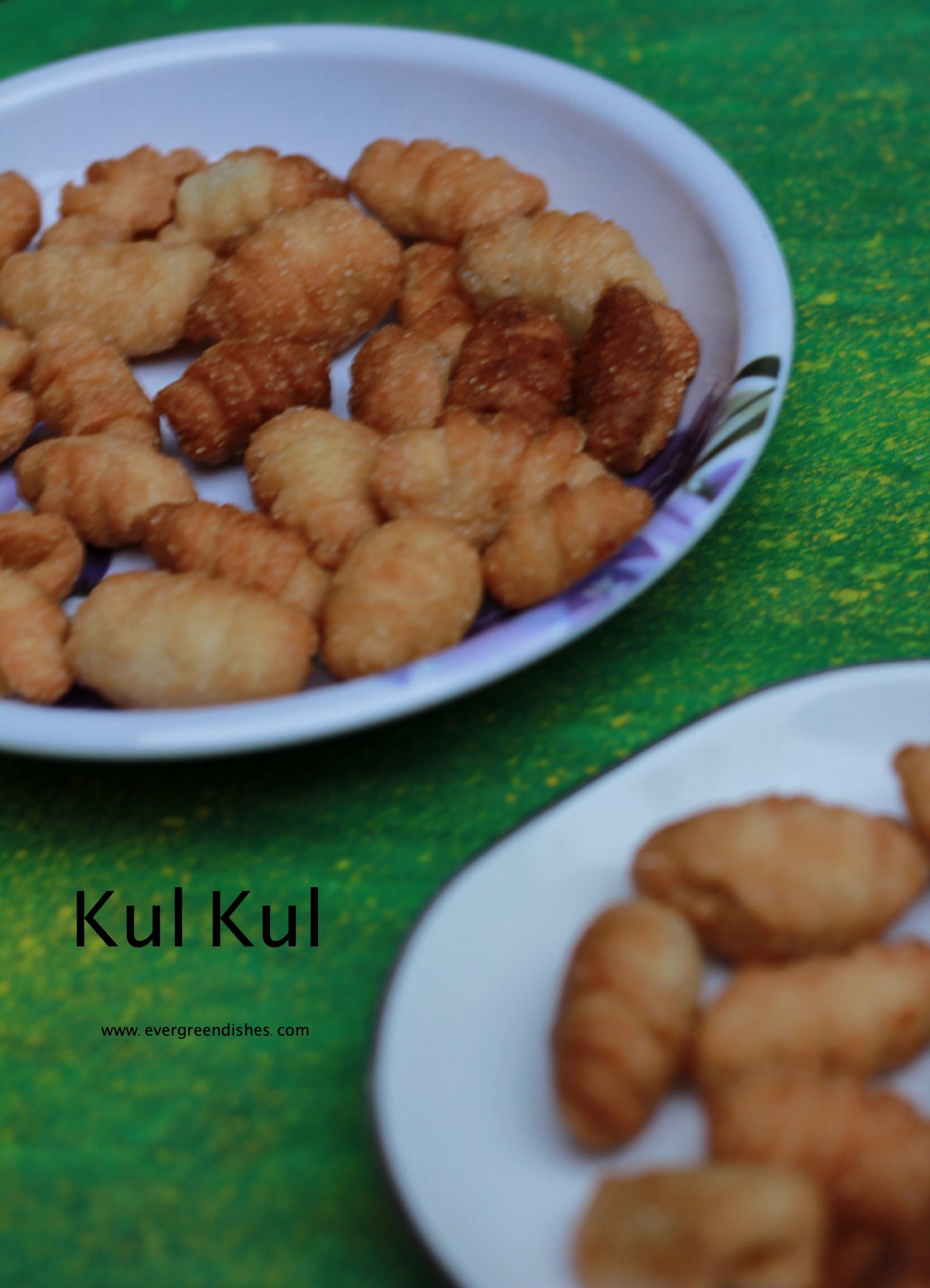
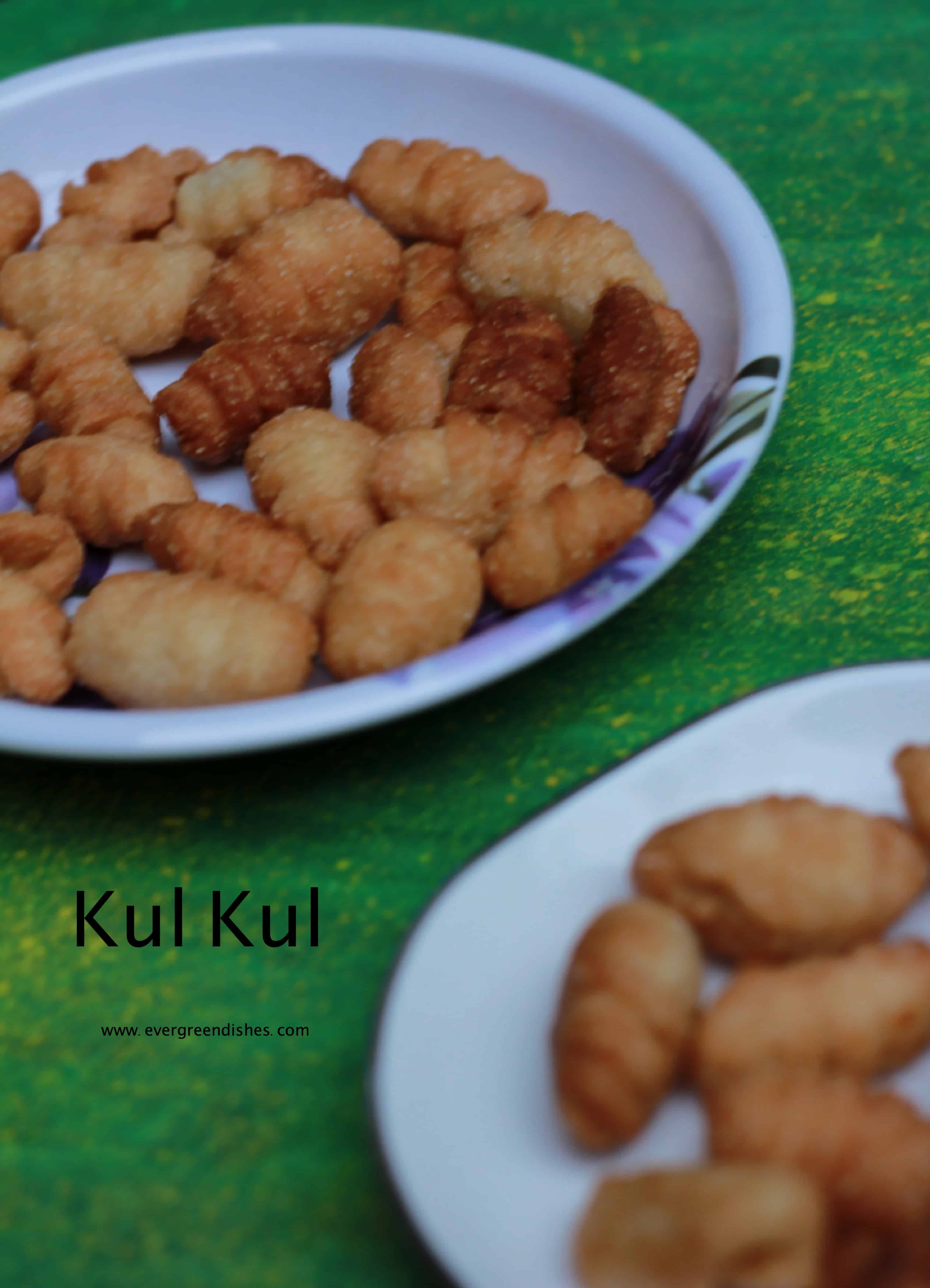
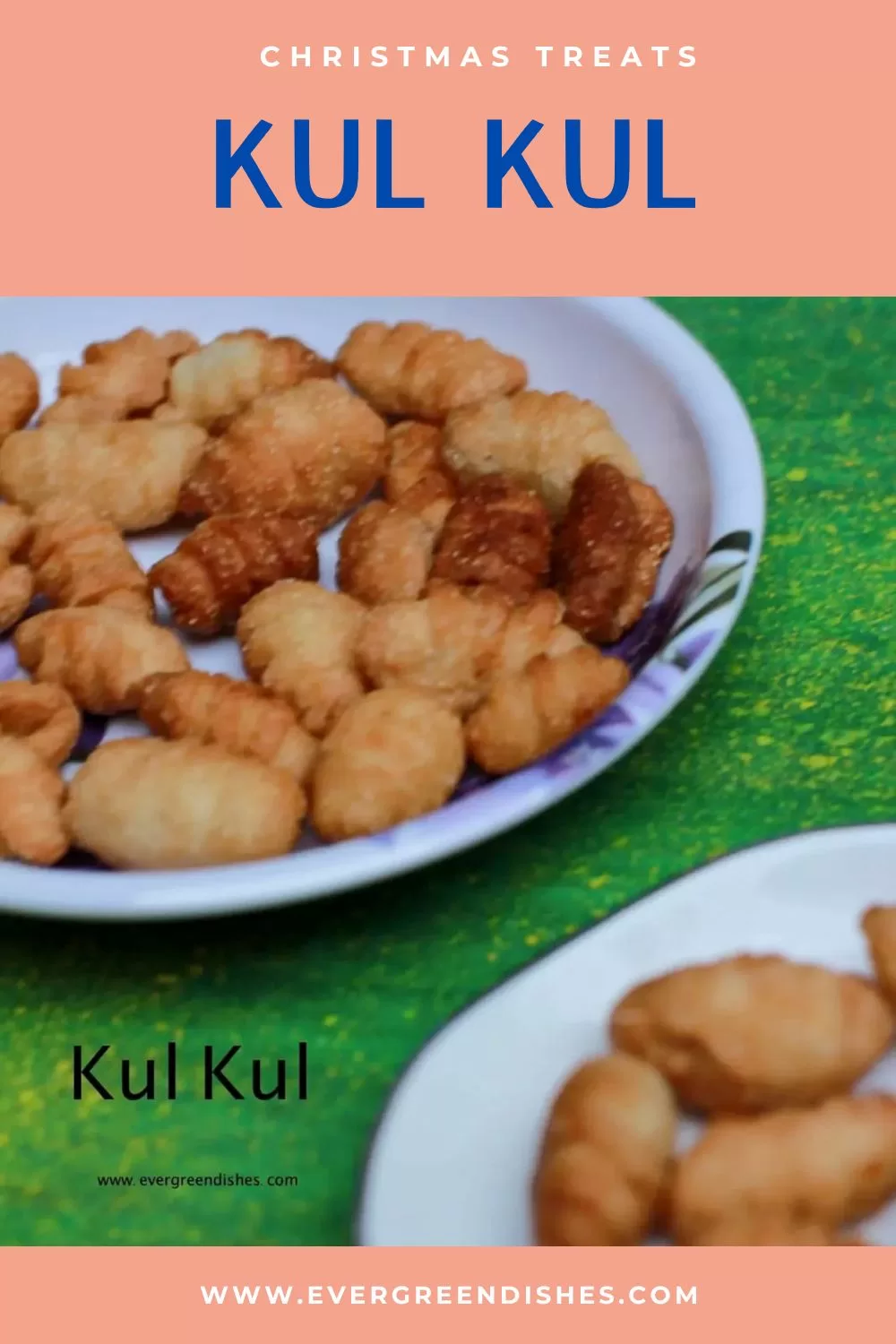
Kul Kul is a traditional Indian sweet prepared during Christmas. It is crunchy and makes a good snack to store at home.
Christmas is here and time to rejoice. There’s a song and joy everywhere, elaborate preparations are being made and the internet is flooded with cake recipes. Oh! so many I am seeing each day, there is really no dearth for tasty dishes isn’t it? It’s been sometime I posted anything related to Christmas after the cookie recipe, so here I am with a tasty Goan sweet
I have seen many of friends make elaborate dishes, such beautiful flower shaped sweets, cakes and cookies. Today, I have Kul Kul or Kal Kal as it is called.
Kul kul is a sweet from Goan cuisine. It is an Indian sweet made during Christmas. Coconut milk or milk is often used to mix the dough. But, I have used water here. A few tips, before I proceed to the recipe.
Mix the ghee well with the flour. Rub it well numerous times before you add other ingredients.
Add water little at a time, you need a stiff dough.
A little oil may be applied on the dough and then kept covered aside.
Making of kul kul needs time and patience.
Lets start making Kul Kul
Ingredients: Measurement used: 1 cup =250 ml
1.25 cup All Purpose Flour
4 tablespoon ghee
1/4 cup semolina
1/4 cup castor sugar
1/2 teaspoon baking powder
1/2 teaspoon salt
water
oil for frying
Method:
kulkul
Take all purpose flour in a bowl, add ghee to it and mix it well with fingers, for three to four minutes.
Add sugar, salt and semolina to it. Again mix it.
Add a little water and knead to a stiff dough.
Cover and keep it aside for ten minutes.
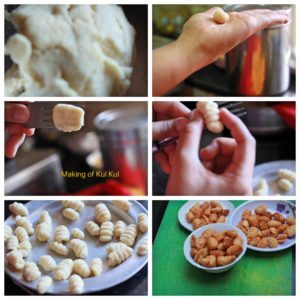
You need a fork to give shape to kul kul. Take a marble size ball, press it on the fork and roll it into the shape of a cone. Seal the back end. Keep it on a plate and cover with a thin cloth, repeat for the rest of the dough.
Heat oil in a pan, add a batch of kul kul to deep fry, once they are golden in colour remove on an absorbent paper.
Repeat for the rest of the dough.
Store in an air tight container.
kul / kal kal is a traditional Indian sweet prepared during Christmas.kul kul
Take the flour in a bowl, add ghee and mix it well.
Add sugar, semolina, baking powder and salt. Mix again.
Add little water at a time and knead to a stiff dough.
Cover with a thin cloth and keep it aside for 10 minutes.
Take a small ball of the dough, press it on the back of the fork and then roll it into a curl. Seal the edges. Keep it aside on a plate. Make a few more kul kul.
Heat oil in a pan, add the shaped kul kul and deep fry until golden in colour.
Repeat the same steps for the rest of the dough.
Store kul kul in an air tight container.
kul kul / kal kal
May the festive season bring immense joy and happiness. Wishing one and all a MERRY CHRISTMAS AND A VERY HAPPY NEW YEAR !
May 2019 be a year of fun, enjoyment and most of all a hard working year for you all ! Be tuned for more recipes in the new year.
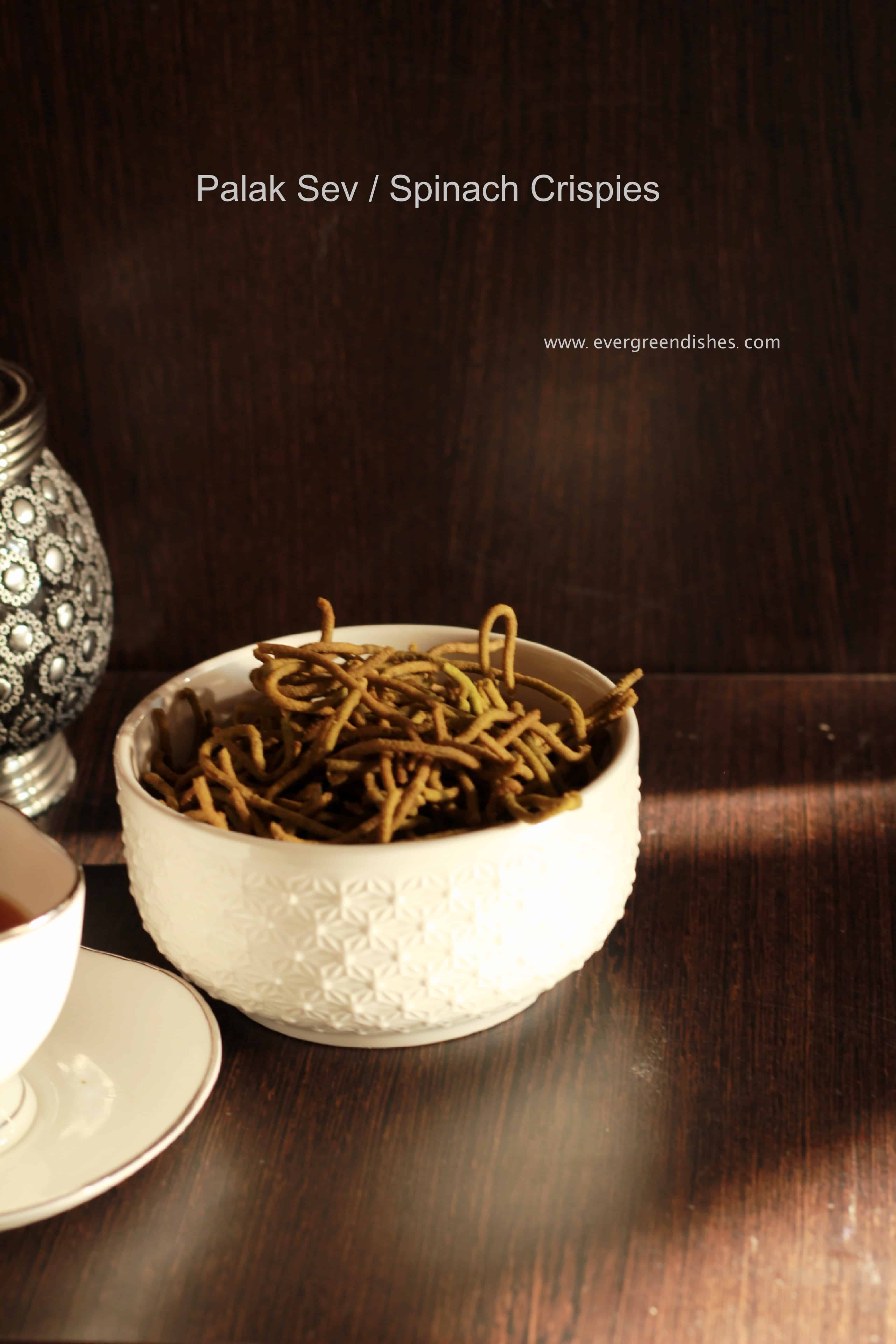
Palak Sev is a crunchy and flavoursome dry snack usually prepared during Diwali. It makes a good snack to serve along with other sweets.
Diwali is round the corner and so much of enthusiasm all around. It’s the festival we look forward to celebrate and enjoy. Many sweets and snacks are prepared and children are happy enjoying the vacation.
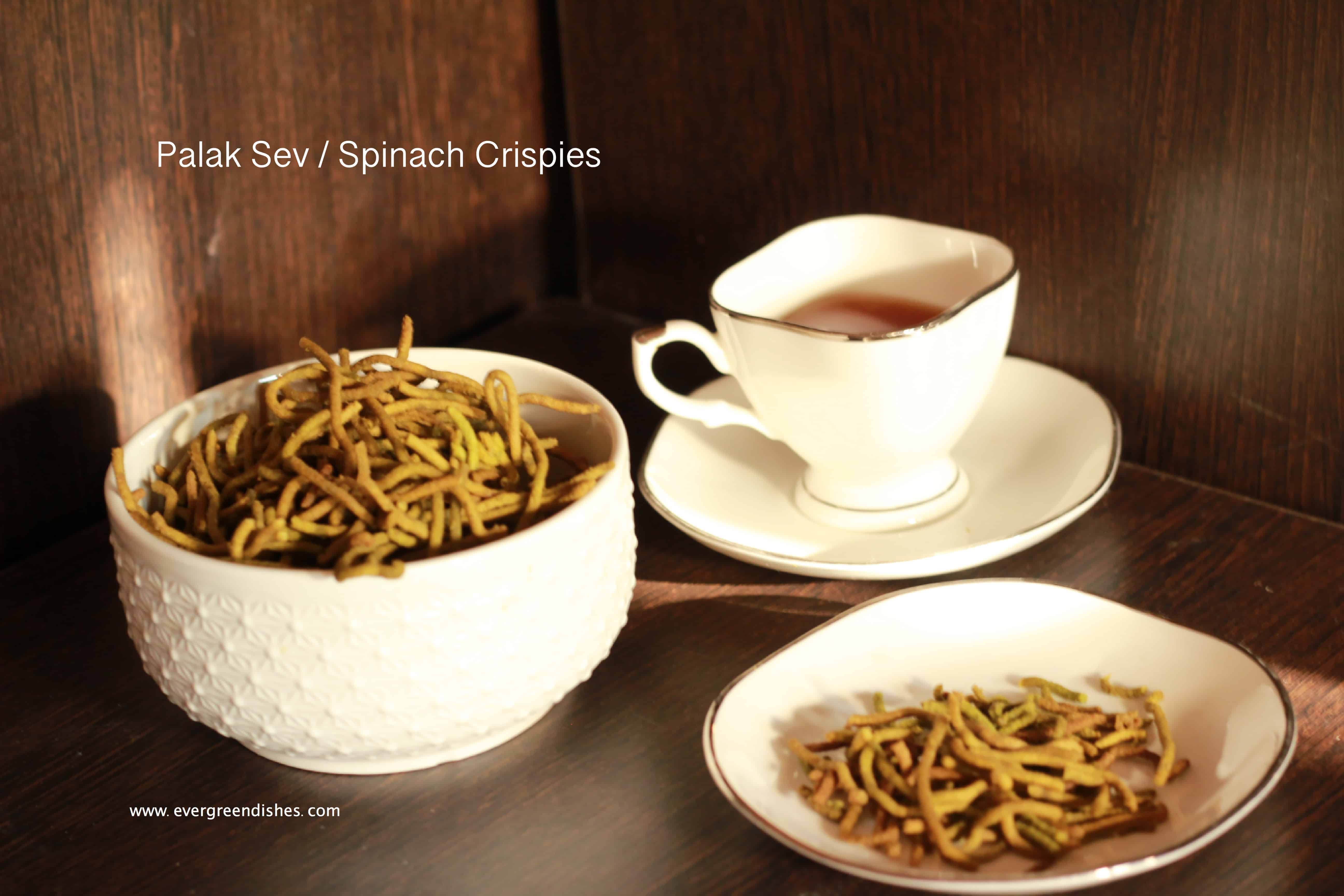
Today, I bring to you Palak Sev or Spinach Crispies. It’s crunchy and flavoursome, makes a good snack with tea.
Palak Sev
Let’s get to the recipe without much ado
Ingredients: Measurement: 1 cup =200 ml
1 cluster spinach
1cup gram flour
2 teaspoon rice flour
salt
2 teaspoon hot oil
5 green chilly
1 inch ginger
1 teaspoon cumin
water
oil for frying
Method:
Remove the stalk of spinach leaves.
Cut and blanch it.
When cool, grind it to a paste with chilly, ginger and cumin. Do not add water.
Remove the paste in a bowl.
Add salt to it. Mix. Heat oil in a pan.
Put rice flour and gram flour to it. Add two tea spoon of hot oil to it. Mix and knead to a dough. Use only as much gram flour as required.
Take a sev maker, smear some oil to it. Take some dough and make it to a cylindrical shape. Put it inside, close and once the oil is hot, press it directly in the oil. Ensure the oil is on low flame while pressing the sev.
Fry on medium high, use a long handled perforated ladle to toss and remove it.
Remove on a tissue paper. Repeat with the rest of the dough.
Once cool, put in a container and keep it.
Take a tip: Green chilly used were not spicy, hence used 5.
Palak Sev
Making of Palak Sev
Palak Sev
Evergreendishesdev
Palak Sev / Spinach Crispies
5 from 4 votes
Palak sev is a tasty snack to binge with tea or as an accompaniment with any meal.
Remove the stalk of spinach leaves. Cut and blanch it. When cool, grind it to a paste with chilly, ginger and cumin. Do not add water.
Remove the paste in a bowl.
Add salt to it. Mix. Put rice flour and gram flour to it and knead to a dough. Use only as much gram flour as required. Heat oil in a pan, add two teaspoon of hot oil to the dough.
Take a sev maker, smear some oil to it. Take some dough and make it to a cylindrical shape. Put it inside, close and once the oil is hot, press it directly in the oil. Ensure the oil is on low flame while pressing the sev.
Fry on medium high, use a long handled perforated ladle to toss and remove it.
Remove on a tissue paper. Repeat with the rest of the dough. Once cool, put in a container and keep it. Stays good for more than a week.
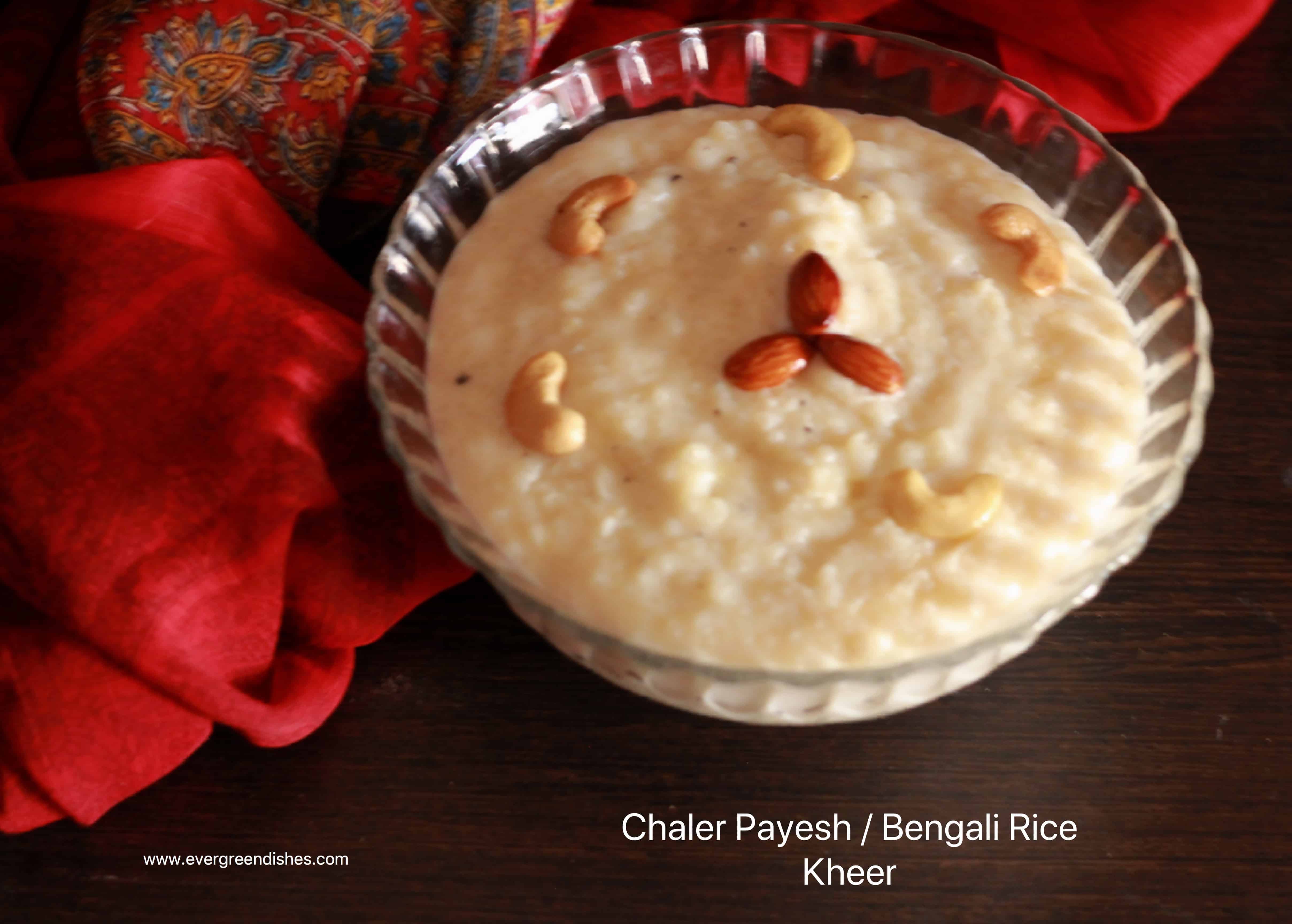
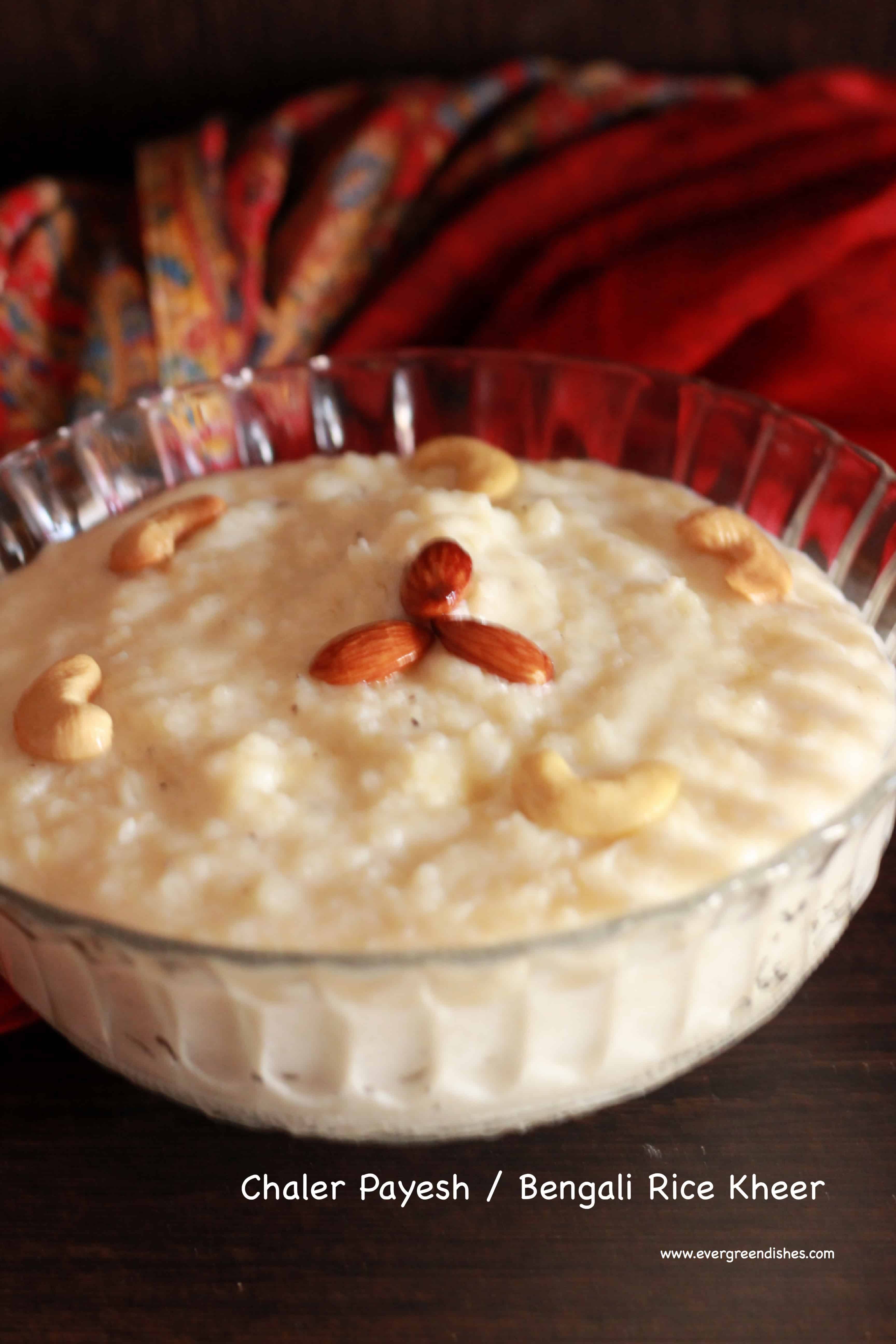
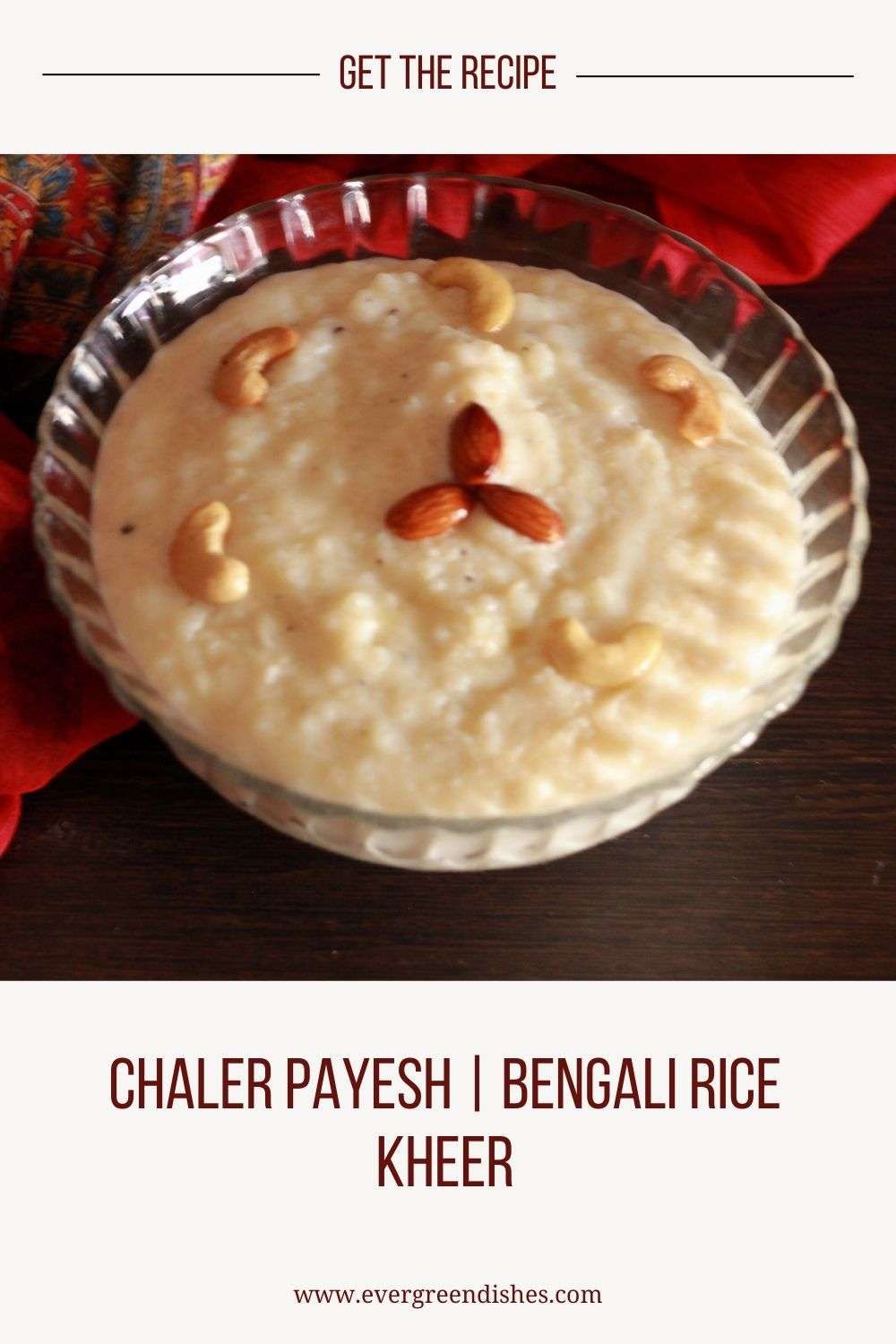
Chaler Payesh is a traditional rice kheer recipe of Bengali cuisine. It is one of the favourites of the Bong community and is usually prepared during ceremonies and festivals. The kheer is creamy, rich, aromatic and melt in the mouth.
Kheer usually refers to the sweet prepared by boiling milk and rice. Each region has its own variety of kheer and today I have the Bengali version here.
Usually Gobindobhog variety of rice is used in preparing Chaler Payesh. If you do not have it, use basmati rice. Bay leaf is added to the milk while it is cooked, it gives a good aroma. Rich milk is boiled and simmered in soaked rice grains on a low flame, it is then sweetened with sugar and garnished with dry fruits.
About Bengali cuisine :
Bengali cuisine is the food served in the state of Bengal. It mainly consists of west Bengal, Tripura and Assam. It is known for the different flavours and the varied desserts. It is one of the popular cuisines relished for the variety of sabzi too. The Bengali cuisine can be divided into four types of food as charbe, chosya, lehya, and peya. Charbe is the food chewd as rice and fish. Choosya is the food that is thin and usually sucked. Condiments as pickles are usually licked and belong to the category of Lehya. Peya are the ones as milk and tea. (Source: Wikipedia)
Wash the rice and soak in water for fifteen minutes.
Put the milk in a thick bottom pan and keep it to boil. Put bay leaf in it.
Once it boils, discard the water from the rice, smear it with ghee and put in the milk.
Let cook on a low flame. Keep stirring in between.
Once the rice is fully cooked and soft, add sugar. Cook for three minutes.
Add cardamom powder and remove from flame.
Roast the nuts in ghee and garnish it.
chaler payesh
Evergreendishesdev
Chaler Payesh / Bengali Rice Kheer
Chaler Payesh is a popular, delicious and creamy dessert from Bong community. Gobindobhog rice is cooked in milk and sweetened with sugar and garnished with dry fruits.
If you ever make Chaler Payesh, do take a picture and share with me by tagging @foodiejayashree on Instagram or @evergreendishes on Facebook. Subscribe to get all updates and an e-book for free.
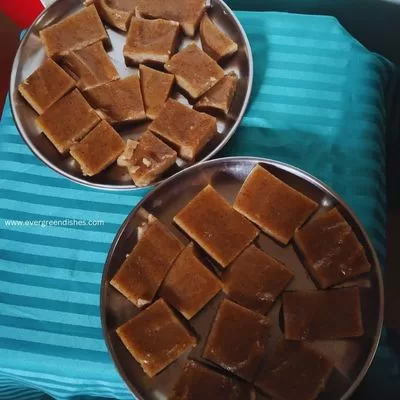
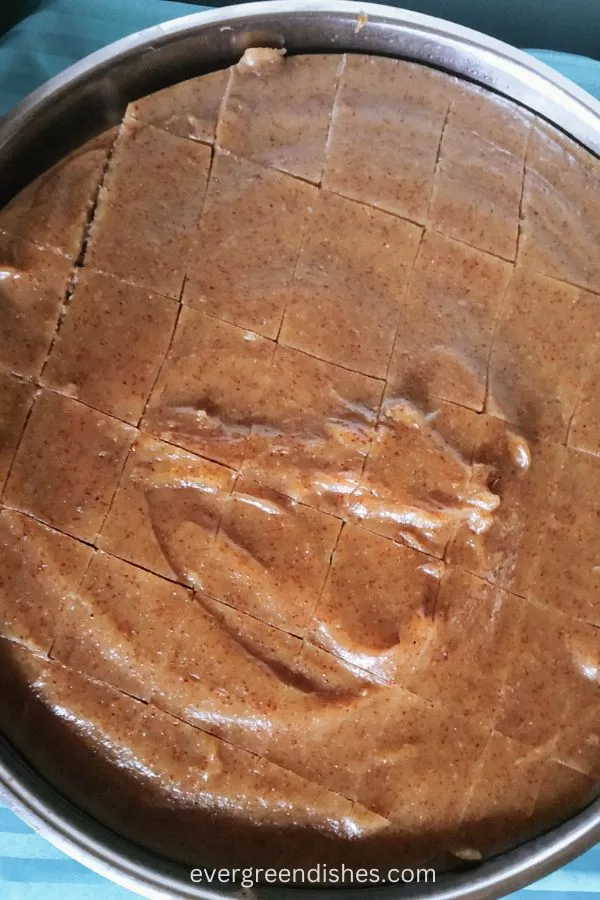
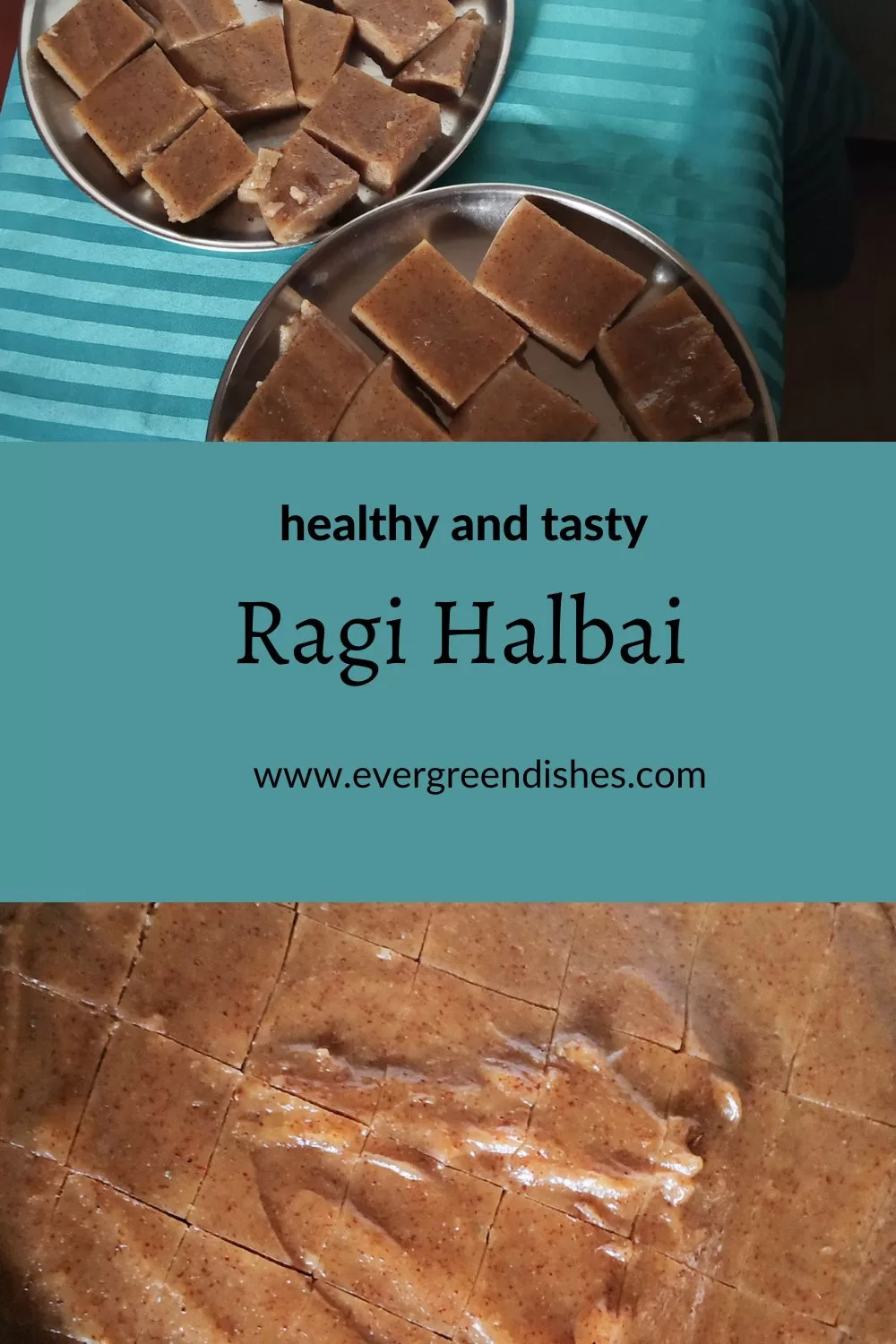
Ragi Halbai or Finger millet fudge is a tasty, soft, chewy fudge made of finger millet, coconut and jaggery. It is a healthy sweet. It is a dish from South Canara region of Karnataka. Here, the whole grain of finger millet is used by soaking and then grinding and cooking it.
The use of millets is more so now than ever as the benefits one reap is abundant. It is nutritious and high in fibre. I prefer using ragi at home since it is liked by all. Do check these breakfast recipes Ragi Idli, Ragi Thalipeeth, Ragi Khichu
South Canara cuisine is delicious and coconut is one of the main ingredients in their cooking. The coconut used is fresh one and it is usually ground to a paste and used in most dishes.
With many festive days ahead, you can try this recipe soon.
What is Ragi ?
Ragi is popularly known as Finger millet or Nachni. Finger millet or Elusine Coracana is an annual herbaceous plant widely grown as a cereal crop in the arid and semi -arid areas in Africa and Asia. It came to India around 2000 BC and since then its been consumed in different ways.
Nutrients in Ragi
Ragi is a whole grain that is gluten free and staple in South India. It is rich in fiber that helps with weight loss and diabete. It is packed with calcium, good carbs amino acids and Vitamin D. The nutrition per 100 grams is as below: ( Source: Wikipedia)
Protein 7.6 g
Fat 1.5 g
Carbs 88g
Calcium 370 mg
Vitamin A 0.48 mg
Thiamine 0.33 mg
Riboflavin 0.11 mg
Niacin 1.2 mg
Fiber 3g
Benefits of Ragi :
Rich in calcium – It is one of the best non- dairy sources of calcium when compared to other grains. Dr. Anju Sood, a nutrionist from Bangalore says, ” It is extremely beneficial for growing kids and can be given in the form of porridge”
Help in controlling diabetes: The grains seed coat is abundant in polyphenol and dietary fibre. The low glycemic index lessens food cravings and helps maintain blood sugar.
Relax the body: The regular usage of finger millet has found to help stress related disorders as insomnia, depression and anxiety.
Helps in weight loss: The high of dietary fibre helps one to keep full for a long time, thus the cravings are less.
Battles anemia: It is rich source of natural iron and thus a boon for anaemic patients. Once it is sprouted, the Vitamin C level increases and leads to easy absorption of iron into the bloodstreams.
Reverts skin ageing: methionine and lysine present in it make tge skin tissue less prone to wrinkles and sagging.
ragi halbai
Now, getting on to the recipe without further ado:
Ragi Halbai / Finger Millet Fudge
Ingredients:
1 cup ragi
1 cup jaggery
1 cup fresh coconut
2 tablespoon ghee
2.5 cup water
1/2 teaspoon cardamom powder
a few cashew
Method:
Soak ragi for five hours.
Grate the coconut.
Discard the water, grind the ragi to a fine paste along with coconut by adding little water.
Strain the liquid through a sieve, press the residue with a spoon Grind it again with some water. I used one and half cup of water to grind.
Grease a plate with a little ghee.
Take the jaggery and melt it with a cup of water. Filter it to remove impurities.
Put the melted jaggery and the strained puree in a thick bottom pan. Let it cook. Add some ghee, keep stirring, otherwise it will stick to the bottom of the pan.
Put the remaining ghee, once it thickens to a mass and leaves the side, put cardamom powder, mix and pour it over the greased plate.
Cut it into squares. Decorate with roasted cashews. Ragi Halbai is ready to serve.
Pre- requirements:
Ragi are small red grains, one needs to clean it properly as tiny specks of impurities are seen. It is usually soaked in water and then the water is slowly discarded. The grains are then put to dry and used.
Evergreendishesdev
Ragi Halbai / Finger Millet Fudge
5 from 7 votes
Ragi halbai is a twist to the usual one that is prepared using rice. It is tasty and healthy. Finger millet, coconut and jaggery are cooked together to form a delicious fudge.
Discard the water, grind ragi and coconut to a fine paste by adding little water.
Strain the liquid through a sieve, press the residue with the back of a spoon to extract the liquid. Grind it again with some water, and again strain it. I used one and half cup of water for grinding.
Smear some ghee on a plate.
Take the jaggery and melt it with a cup of water. Strain to remove impurities.
Now, put the jaggery and the strained mixture in a pan and lett it cook. Add some ghee to it. Keep stirring, otherwise, it will stick to the pan.
Add the remaining ghee, once it foerms a mass and leaves the side, put cardamom powder, mix and spread it over the greased plate.
Cut it into squares, decorate with roasted cashews.
Notes
Ragi needs to be cleaned well before using. Small impurities are present that can damage organs of the body, thus it is highly recommended to clean it properly before using.
It is usually rinsed in water and gently the water is displaced, the impurities are seen lying at the bottom.
While grinding, check the amount of water that you are utilising, it is important you use the recommended amount.
While cooking, keep stirring the liquid.
If you have liked this post, do share it further.
ragi halbai
This post is part of the #HWCuisine with Ragi as the theme. Here are the other Ragi recipes by my co-bloggers
Sending this post to Foodies_Redoing Old Post_113. It is a fortnightly event where we work on an old post either by changing the picture, text, formatting or anything else related to the post. Here, I have changed the pictures.This is an old post which I had written in 2018, now I have changed it with better pictures.
If you ever make this ragi halbai or any of my other dishes, do take a picture and tag @foodiejayashree on Instagram or @evergreendishes on Facebook or Twitter. I will be glad to see your creation and share it further. Let’s be connected, do follow on social media platforms. Until next time, let’s stay connected. Subscribe to get all updates and an e-book for free. Check out my e-books on Amazon. Happy Cooking !
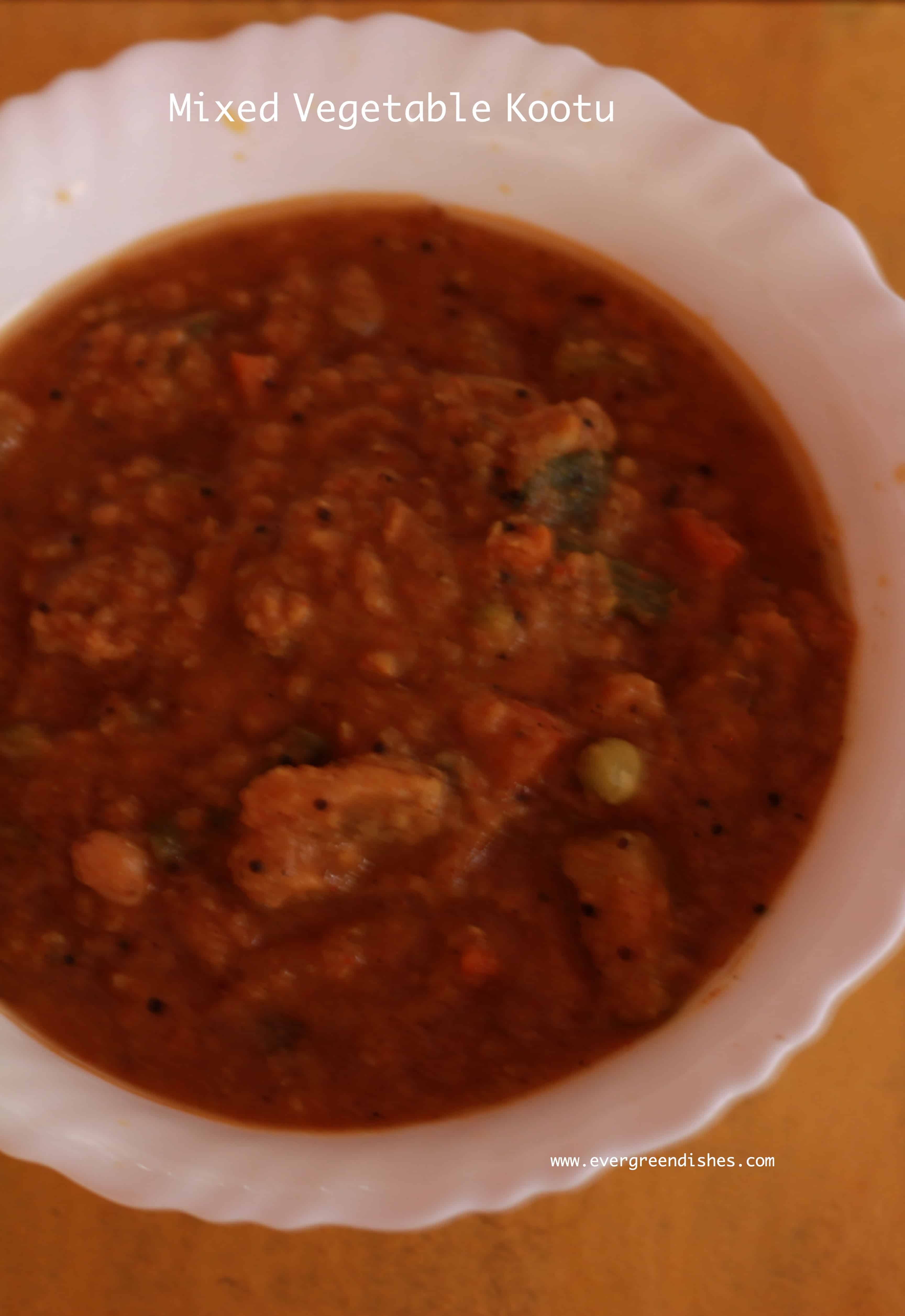
Kootu is a tasty lentil curry with mixed vegetables cooked in a blend of spices. It is moderately thick in consistency than sambar. It is usually prepared during festivals and ceremonies. (more…)
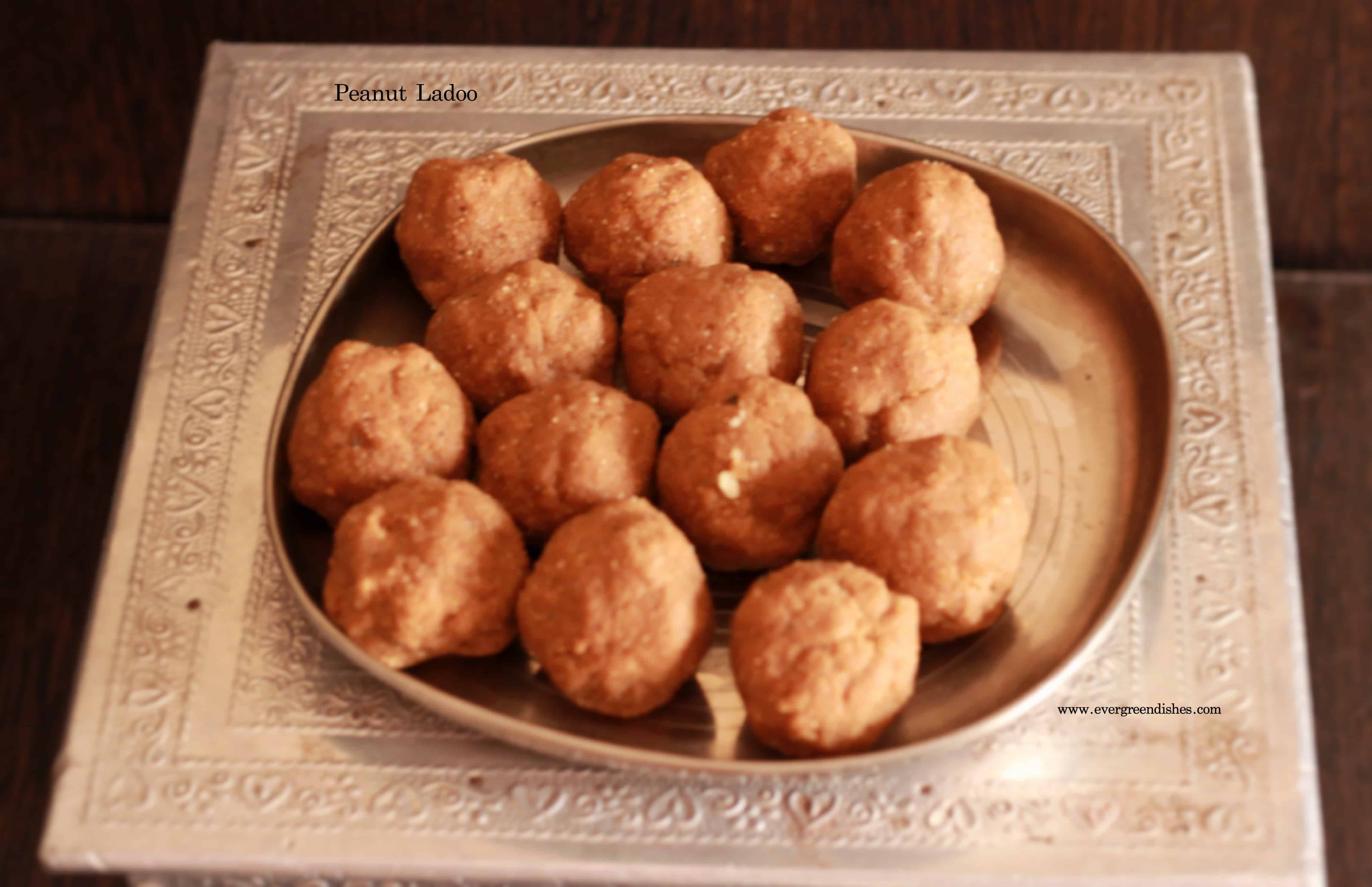
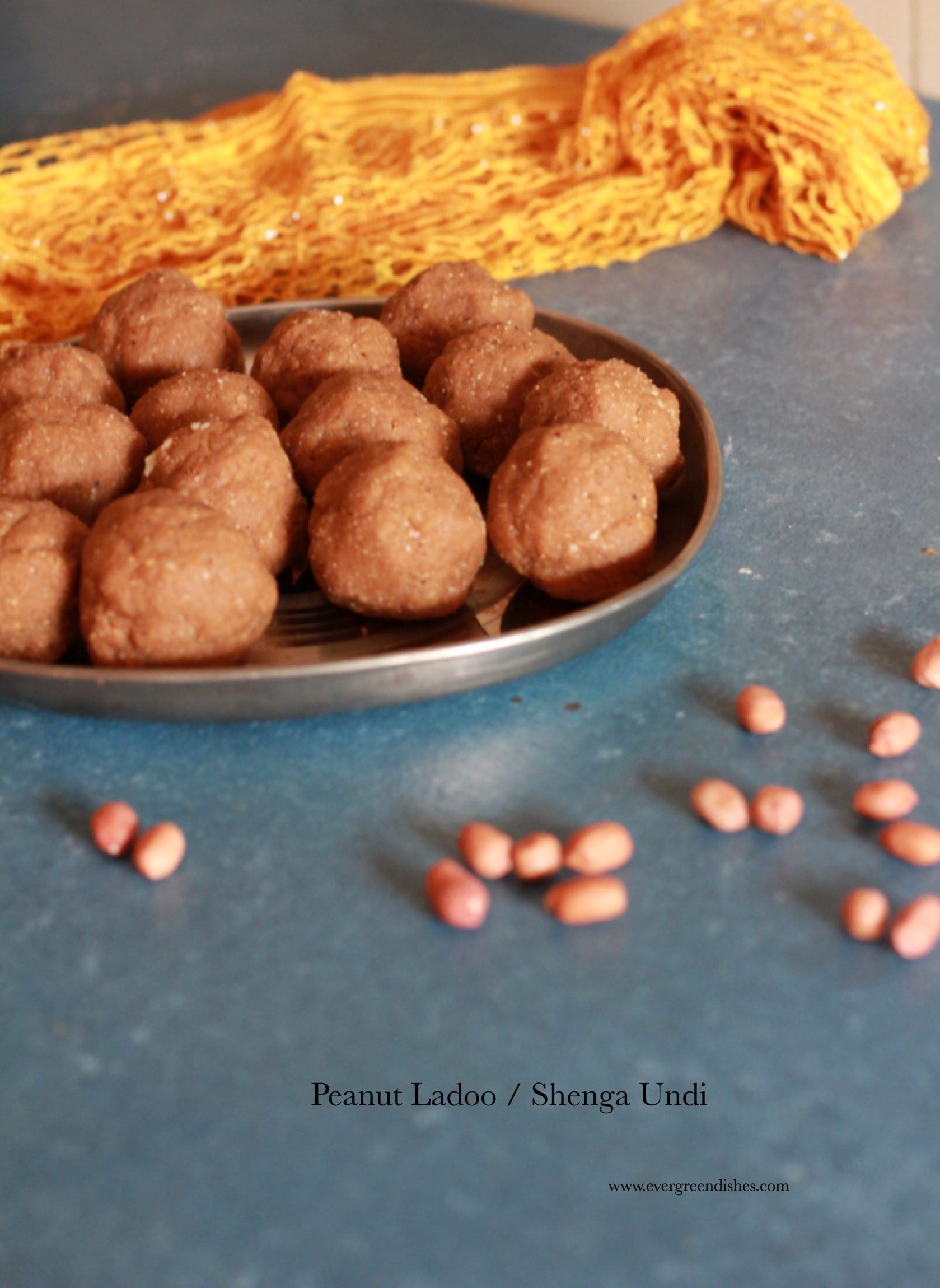
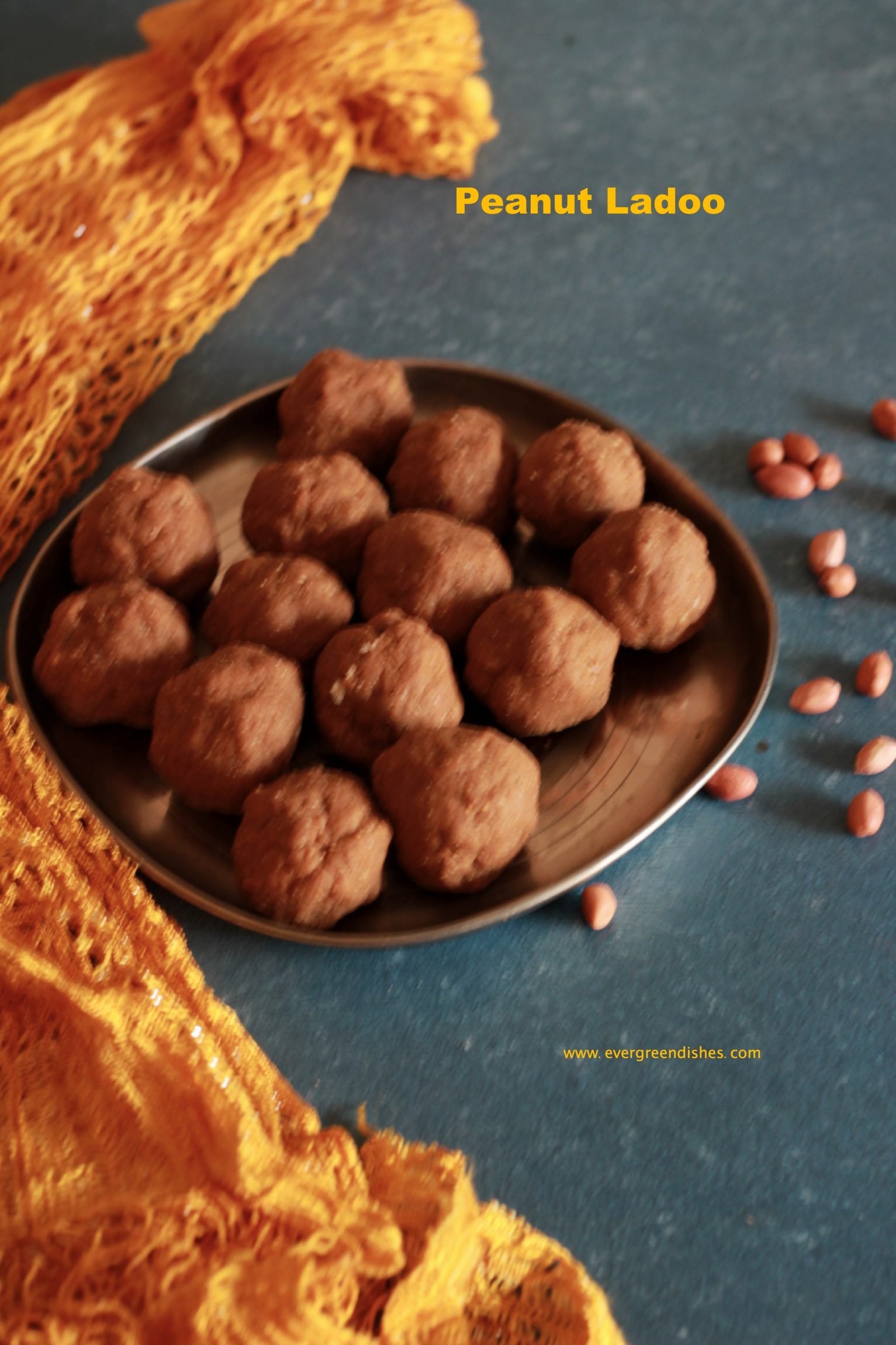
Peanut ladoo are ideal snacks to store in the jar, serve it in the box or as a healthy snack in the morning. It is usually prepared during Krishna Janmasthami.
The month of August brings a series of festivals, Krishna Janmasthami is next week, a day we celebrate by preparing various snacks and savoury. The day marks the birth of Lord Krishna and is celebrated with great enthusiasm.
Coming to the nutritional and health factors related to peanut, they are rich in energy and contain health benefit nutrients, minerals, antioxidants and vitamins that are essential for good health. They compose of mono unsaturated fatty acids, which help lower bad cholestrol and increase the good cholesterol. They are a good source of protein, contain good amount of amino acid that is needed for growth and development. Jaggery is a good source of iron.
Peanut ladoo is an easy snack to make, it hardly requires fifteen minutes to make these.
peanut ladoo / shenga undi
Peanut Ladoo
Ingredients:
1 cup peanut
1 cup jaggery grated
1/4 teaspoon cardamom powder
Method:
Dry roast the peanuts on a medium flame. Keep roasting until the skin crackles and they are golden in colour.
Let cool. On cooling the peanuts turn crunchy.
Remove the skin by rubbing with palm.
Put it in a mixer jar and give a swirl.
Add jaggery and cardamom powder to it and grind it again. It should be well moulded.
Remove it in a bowl.
Make balls of it. Peanut ladoos are ready.
After sometime, store them in an air tight container. They stay well for 8-10 days.
Take a tip:
Use good quality jaggery, as you are not melting it here.
A spoon of ghee may be added while making the balls, I have not added.
Removing of skins is optional, many prepare with the skin.
If you want less sweet, reduce the amount of jaggery.
peanut ladoo / shenga undi
Evergreendishesdev
Peanut ladoo/Shenga undi
Peanut ladoo is a tasty, healthy and easy to make snack. It is usually prepared during Krishna Janmasthami.
Roast the peanuts on a medium flame. Keep stirring them, it should be well done, they should be crisp in the mouth.
Let cool.
Peel the skin of the peanut. Put them in a wide plate and rub with the palm.
Grind the peanuts in the mixer by giving a swirl one or two times only.
Add the jaggery and cardamom powder to it. Again grind it, it should form a mass.
Remove in a bowl, shape them into ladoos and store them in an airtight container.
Notes
Use good quality jaggery as you are using it directly without heating.
Roast the peanuts properly on a low or medium flame.
One teaspoon of ghee may be added for flavour, I have not added.
Removing of skin is optional.
If you have liked this post, do leave a comment.
If you ever make this, do tag me in any of the social media, I will be glad to see your creation, on Instagram tag @foodiejayashree, on twitter and facebook tag evergreendishes.
You can save all these recipes on pinterest, by just saving the images there. The recipe will be available in the read recipe.
Subscribe to get all updates and an e-book for free.
book of handyhints
Signing of for now, wishing one and all a happy festive season ahead. May you be blessed with immense joy and happiness.
More recipes coming this week, stay tuned! Until then…Good Bye !
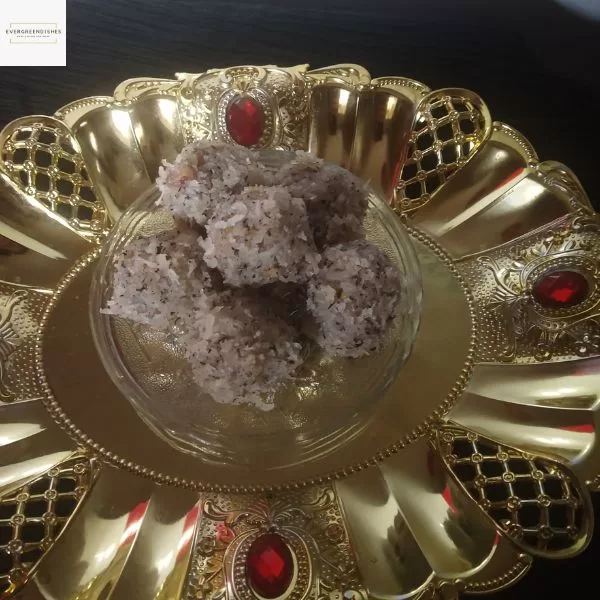
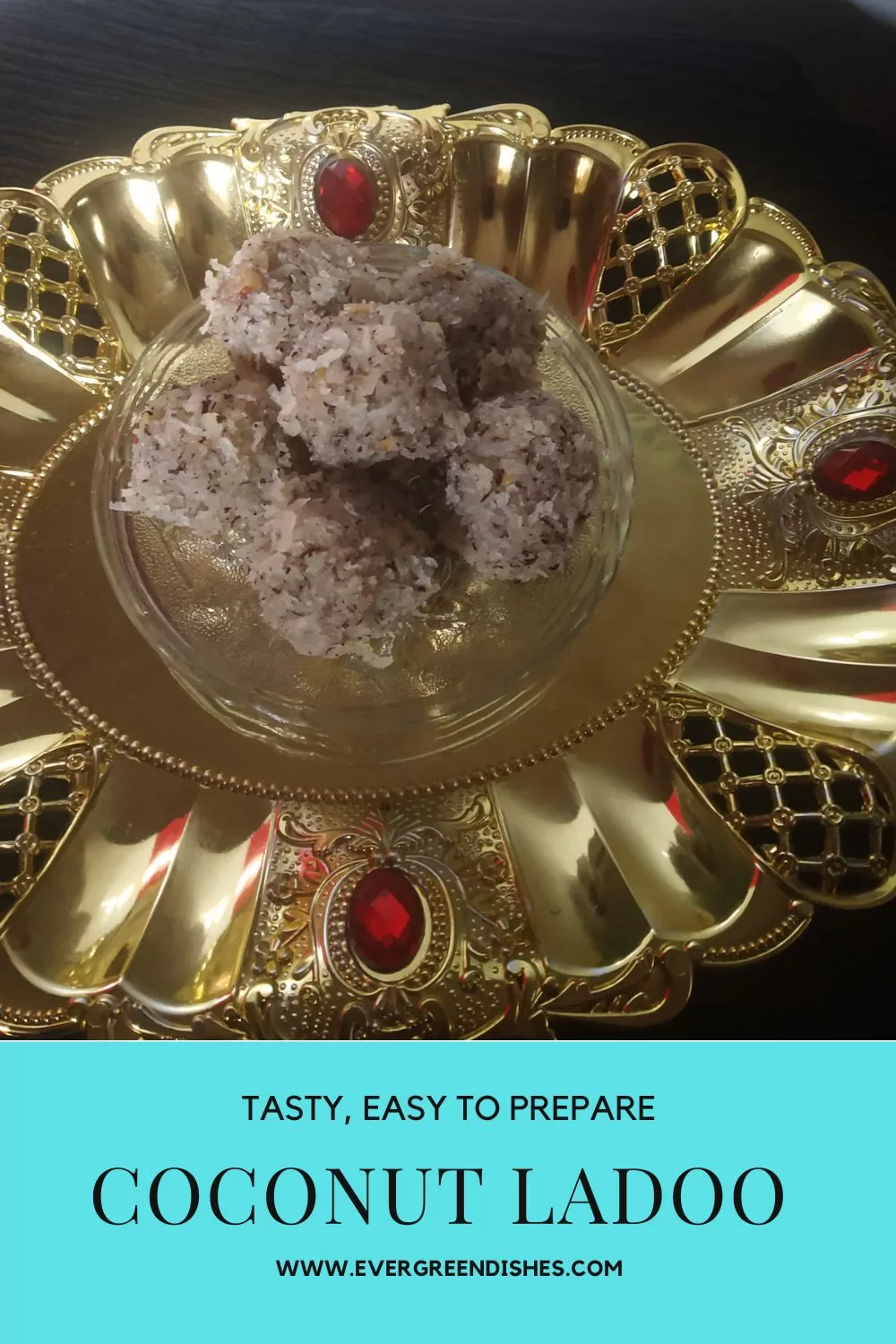
Coconut ladoo or Nariyal ladoo is a popular indian festival sweet. It is one of the easiest desserts that one can make in thirty minutes.
Coconut ladoo is a popular sweet prepared during festivities as Ganesh Chaturthi and Deepawali. It is tasty and easy to prepare. All the ingredients are easily available at home. The only task here is the grating of the coconut and it can be kept priorly ready.
Let’s get to the recipe of Coconut Ladoo / Nariyal Ladoo
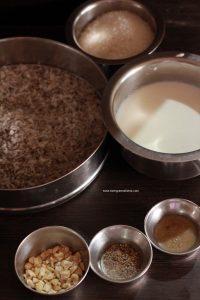
Ingredients:
2 cup desiccated coconut
11/2 cup milk
3/4 cup sugar
1 teaspoon ghee
8 cashew
1/2 teaspoon cardamom powder
Method:
Grate the coconut.
Mix the coconut in milk and keep it aside for half an hour.
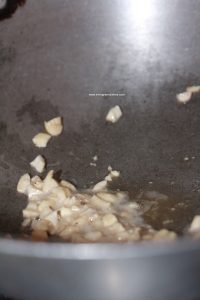
Take a pan and roast the cashews in ghee. Keep them aside.
In the same pan, add the coconut mixture to it. Put sugar and let it cook on a low flame.
Keep stirring, the sugar should melt and condense to form a thick mixture.
Once it is done, add cardamom powder and roasted nuts.
Allow it to cool. Make balls and keep them aside for sometime. Later, keep them in an air tight container.
Evergreendishesdev
Coconut ladoo / Nariyal ladoo
5 from 5 votes
Coconut ladoo / nariyal ladoo is a tasty and easy to make festive sweet. It is usually made during Ganesha Chaturthi.
Soak coconut in milk and keep it aside for half an hour.
Roast the cashew in ghee.
Put the soaked ingredients in a pan and cook on a low flame. Add sugar to it, let let cook, it should melt and condense to a thick form.
Add the roasted nuts and cardamom powder. Allow to cool, shape them into balls.
I have recently joined FB Gourmet group “Healthy Wellthy Cuisines” and the theme is “Coconut”. Coconut is one of the essentials of South Indian cooking and I was indeed happy with the same. Coconut ladoo / Nariyal ladoo is my contribution towards the theme.
An old post got updated, sending it to Foodies _Redoing Old Post -114. It is a fortnightly event and we work on an old post, either by changing the picture, text or anything related to the post. Here, I have changed the pictures only.
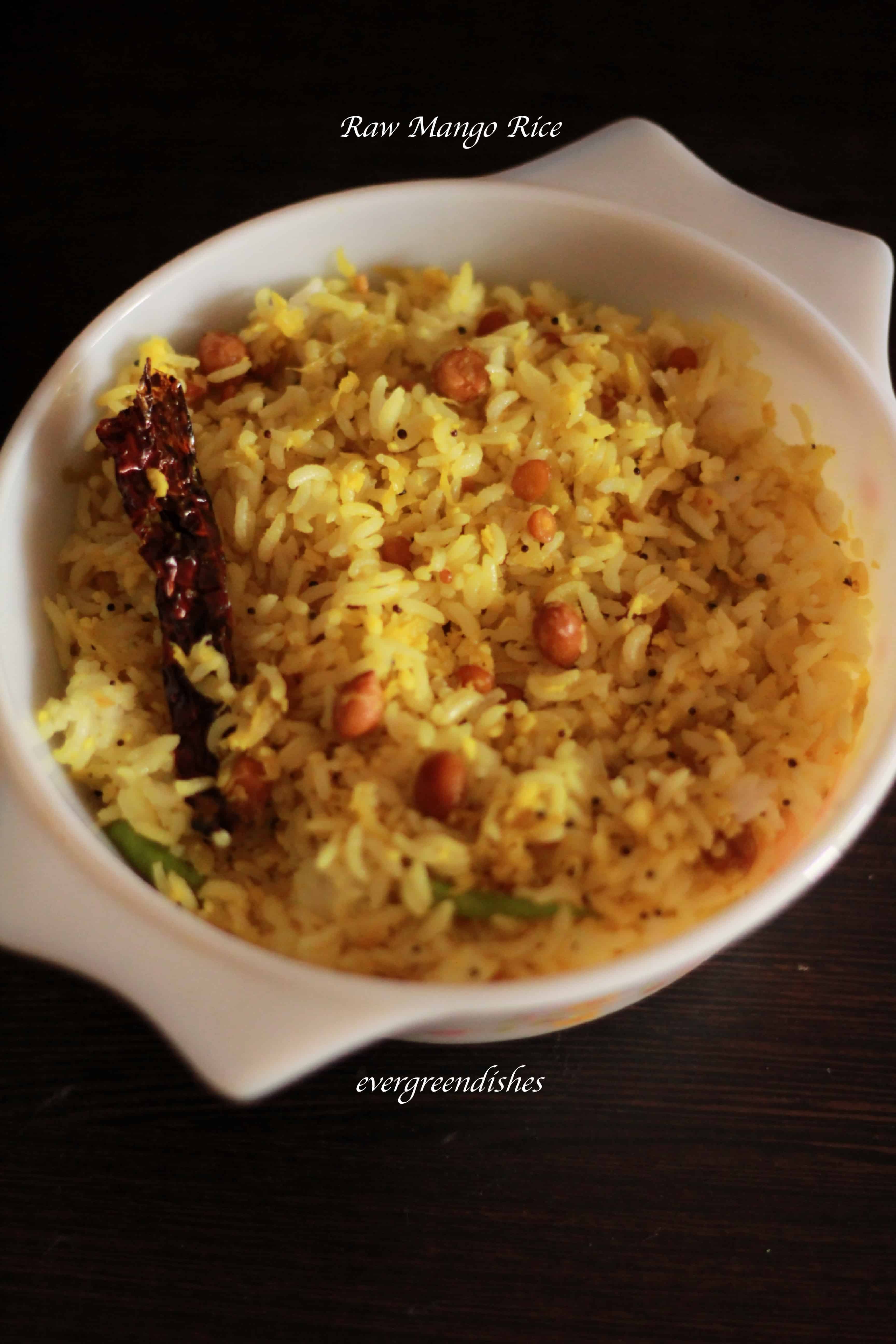
Raw mango rice / mavina kayi chitranna is a delicious rice preparation from South India. It is known by different names as mavin kayi chitranna in karnataka , mamidkayi pulihora in Andhra pradesh or mangai sadam in Tamil nadu. (more…)
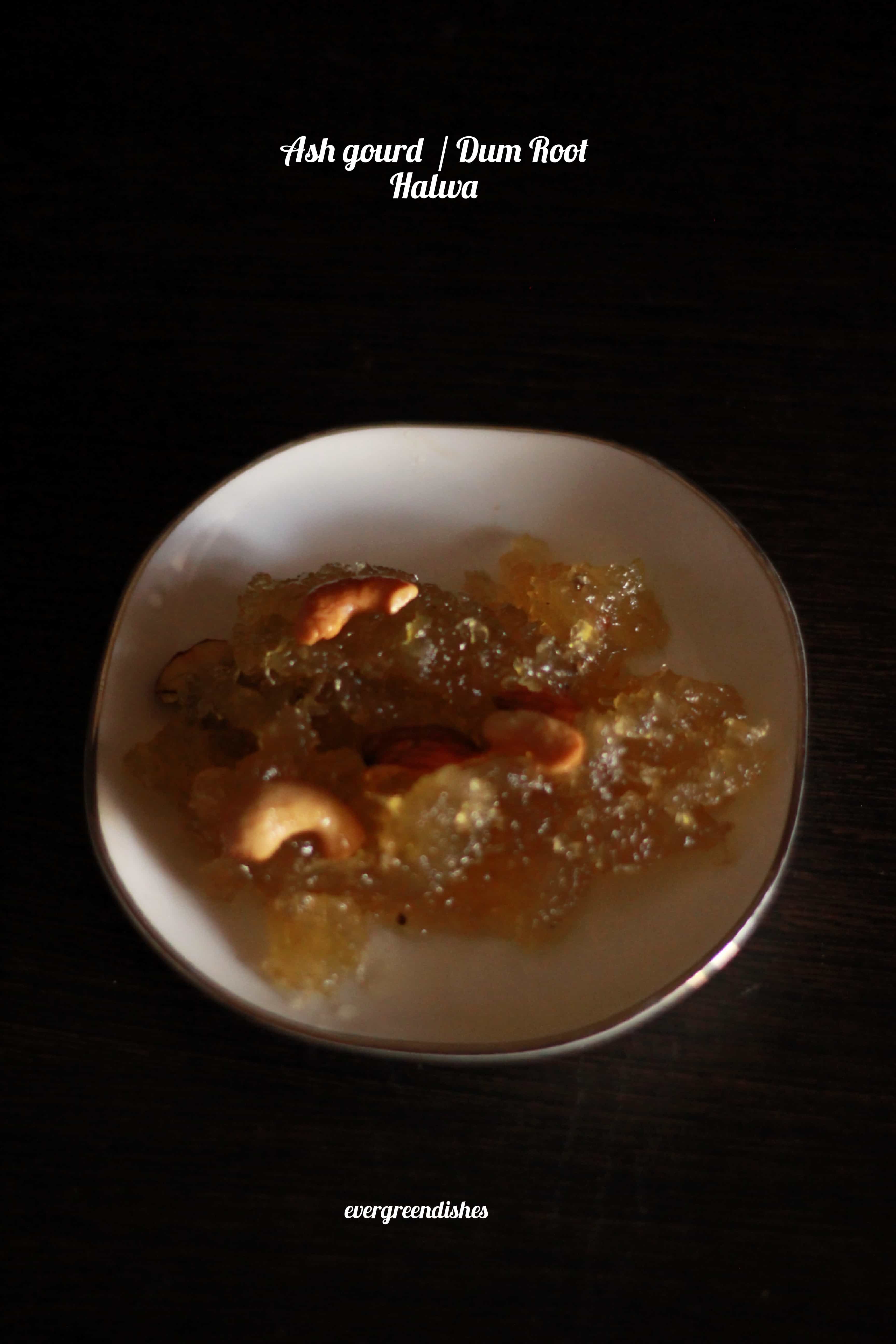
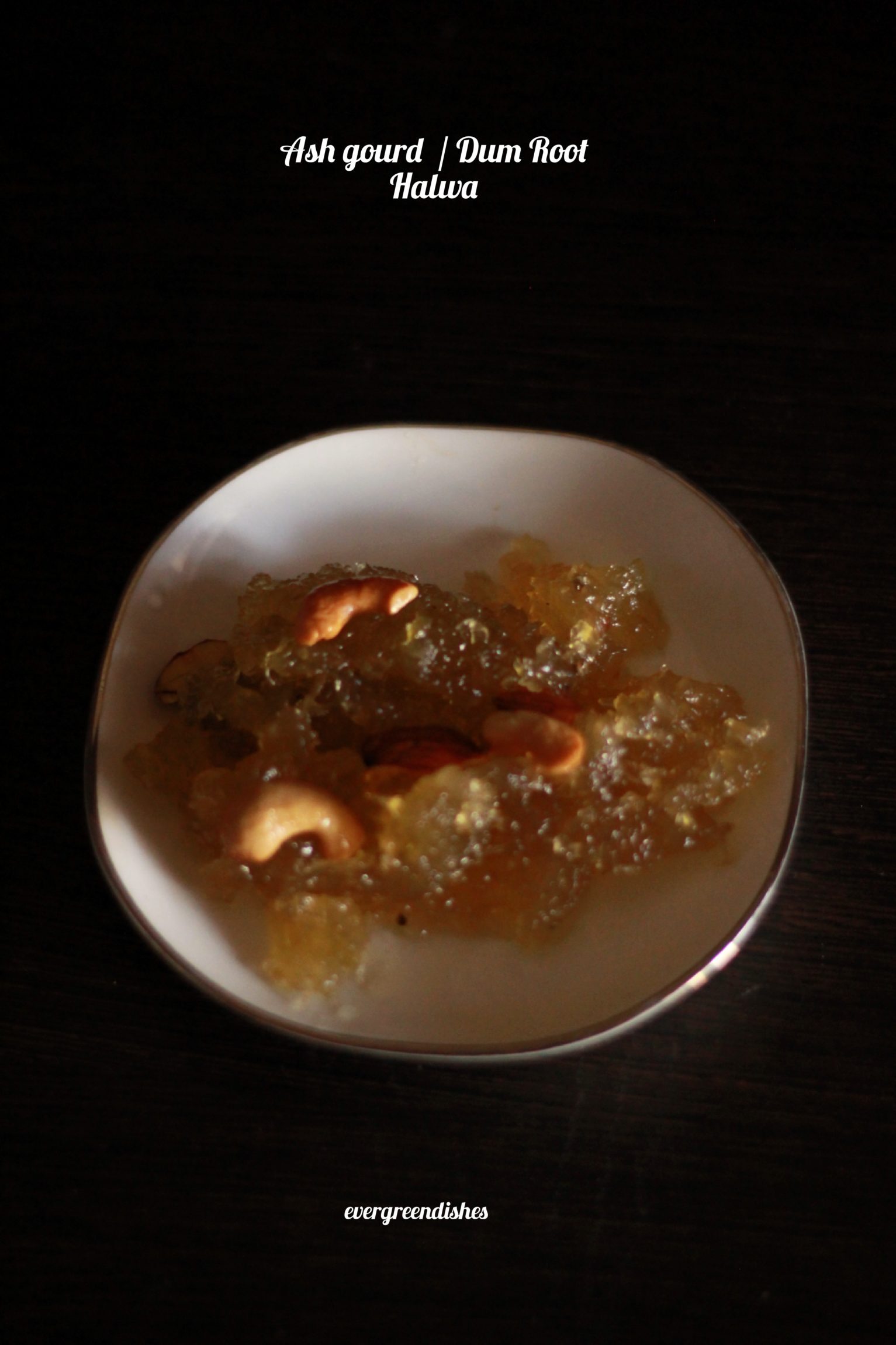
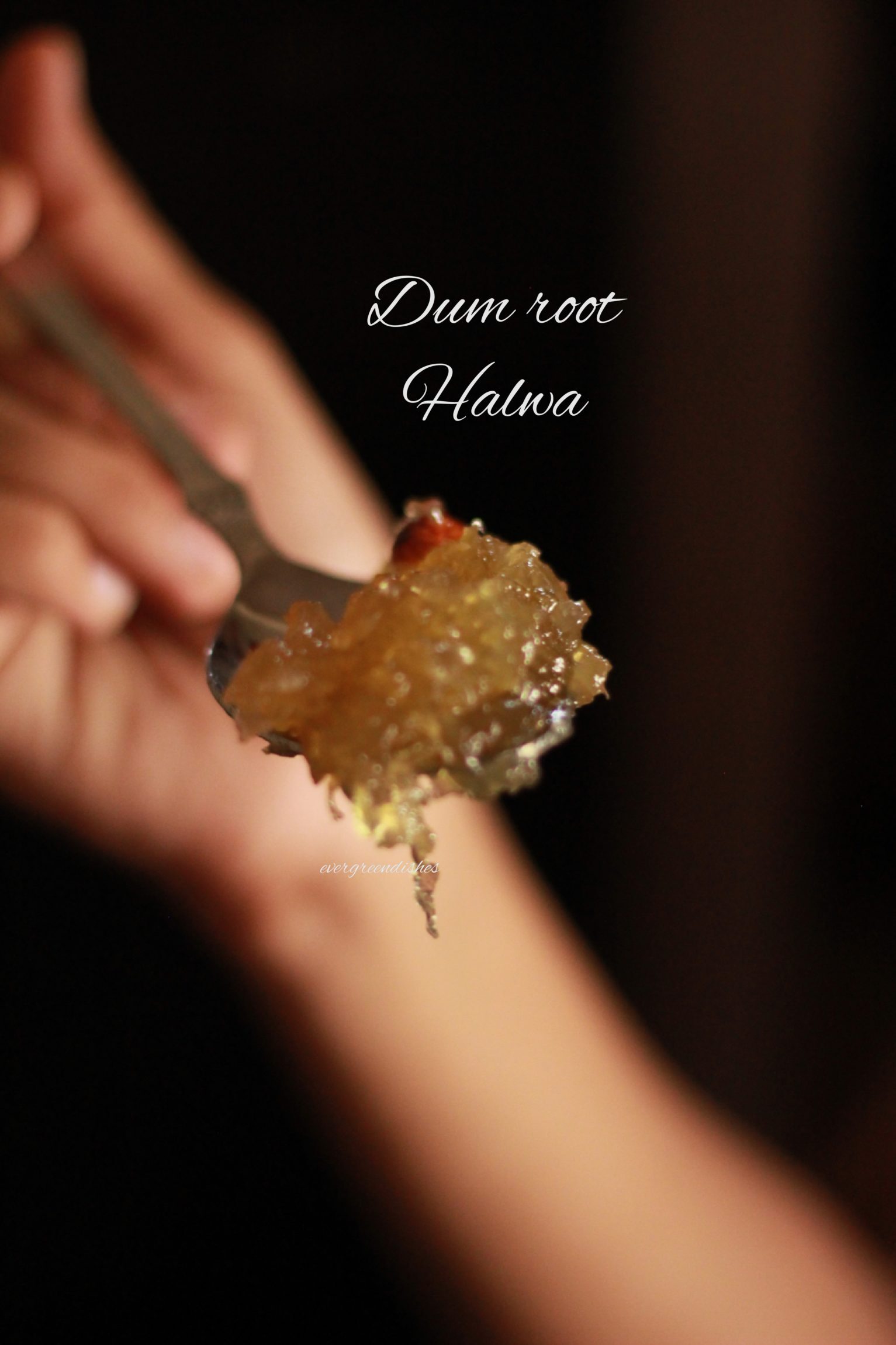
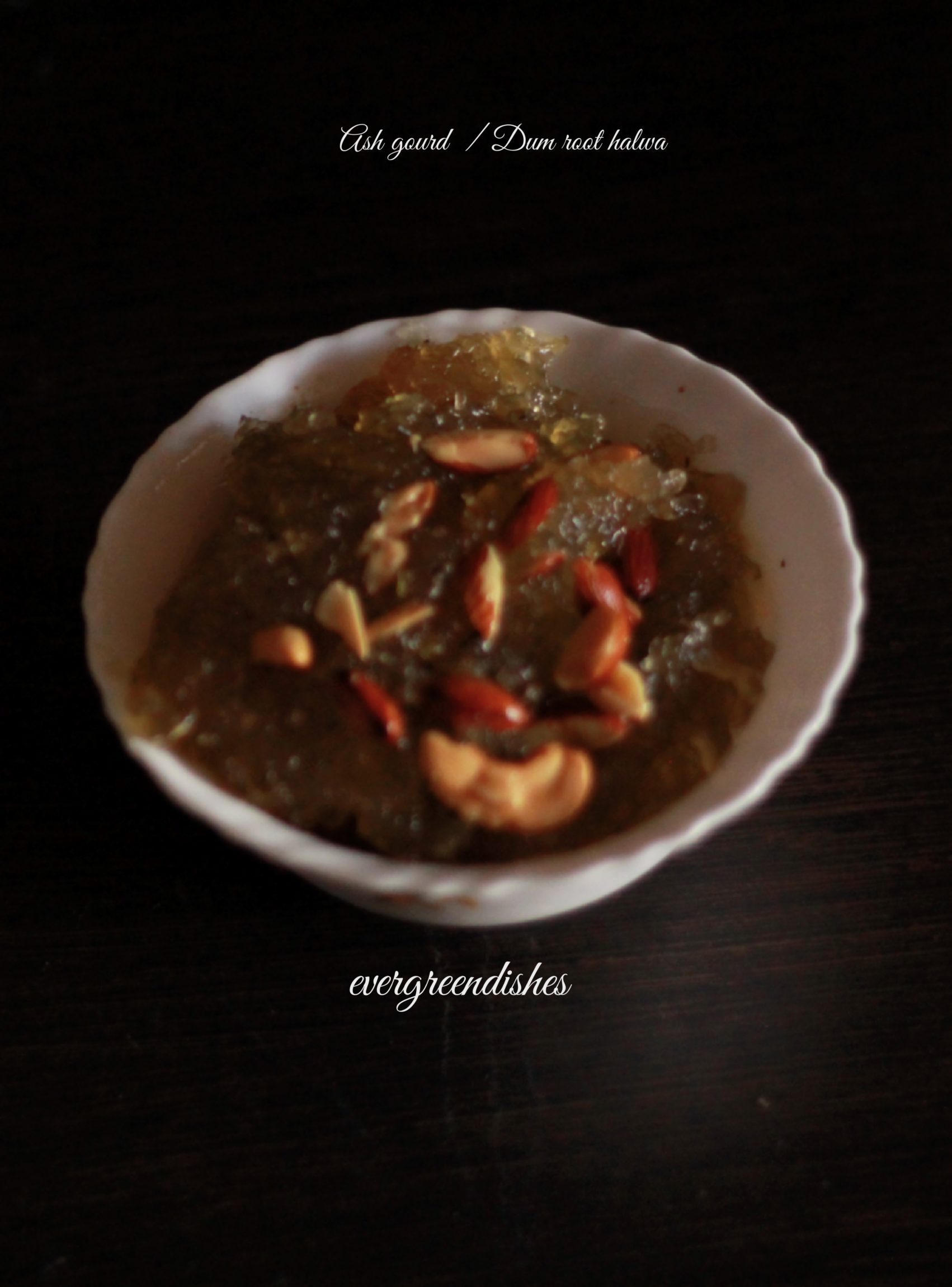
Ash gourd halwa is a tasty and popular sweet of South India. It is called by different names as Kashi Halwa, Dum root halwa or Budhgumbala kayi halwa. It is rich in taste with added nuts and ghee.
Indian sweets are of varied kind. Each state has its own exclusive dishes for every festibvbal. Ash gourd halwa is a popular sweet treat from Karnataka.
Ash gourd is a healthy vegetable. It is usually used in sambar, yoghurt based dishes as majjige huli and sometimes in stir fry. Ash gourd halwa is popular in South India and is pre dominantly made during functions and ceremonies. It is popular by the local names.
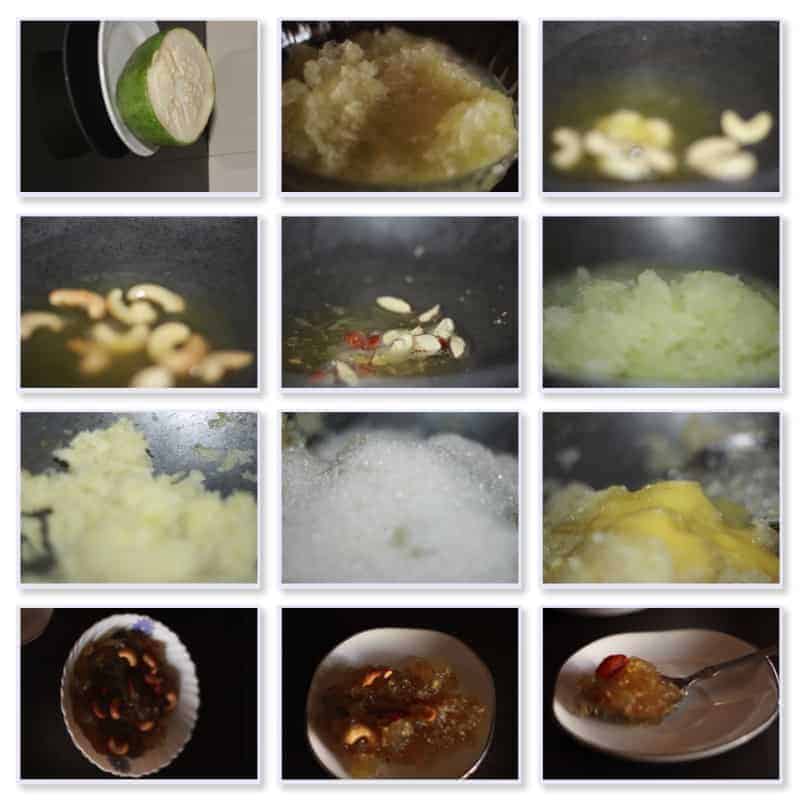
Remove the skin of ash gourd and discard the seeds and pith of it.
Grate it. Do not discard the water.
Take a teaspoon of ghee and roast the cashes, put them aside. Cut the almonds and roast them. Put them along with cashew.
Now, add the grated ash gourd and roast it for four to five minutes.
The raw smell of the vegetable should vanish.
Add sugar and ghee to it and roast it on a low flame for fifteen to twenty minutes.
Finally, add cardamom powder and remove from flame.
Take a tip:
The skin of ash gourd is thick and needs to be removed carefully.
Increase the quantity of sugar by quarter cup, if you want it to be more sweet.
Raisins may be used.
making of dum root halwa
pictures in sequence are : ash gourd, grated ash gourd, sauting of dry fruits ( three pictures), sauting of ash gourd, condensed form, adding of sugar, adding of ghee.
(I missed taking the picture of the halwa in the pan )
Evergreendishesdev
Ash gourd halwa / Dum root halwa
5 from 3 votes
Ash gourd halwa is one of the finest sweets prepared in South India. It is common during ceremonies.
Remove the skin and pith of the ash gourd. Grate it
Take a thick bottom pan, add a teaspoon of ghee and roast the cashew and almond separately. Add the grated pumpkin and saute it until the raw smell goes and the water is condensed.
Put the sugar and ghee to it, mix and cook it on a low flame for fifteen to twenty minutes until it is done.
Add cardamom powder and remove from flame. Serve after sometime.
Notes
Use fresh and good quality (firm) pumpkin.
Removing the skin is not easy, do it cautiously.
Adjust sugar accordingly, this isn’t too sweet.
You can use raisins, I usually avoid it.
ash gourd halwa /dum root halwa
If you have liked this post, do share it further. All comments keep me going. Subscribe to get updates of new posts and other information.
If you ever prepare this dish, do tag me @foodiejayashree on Instagram, would love to see your creation.