Tag: karnataka recipes

  • Sabudana Papad | Sago Fryums | Sabudana Sandige

    Sabudana Papad | Sago Fryums | Sabudana Sandige

    Jump to Recipe

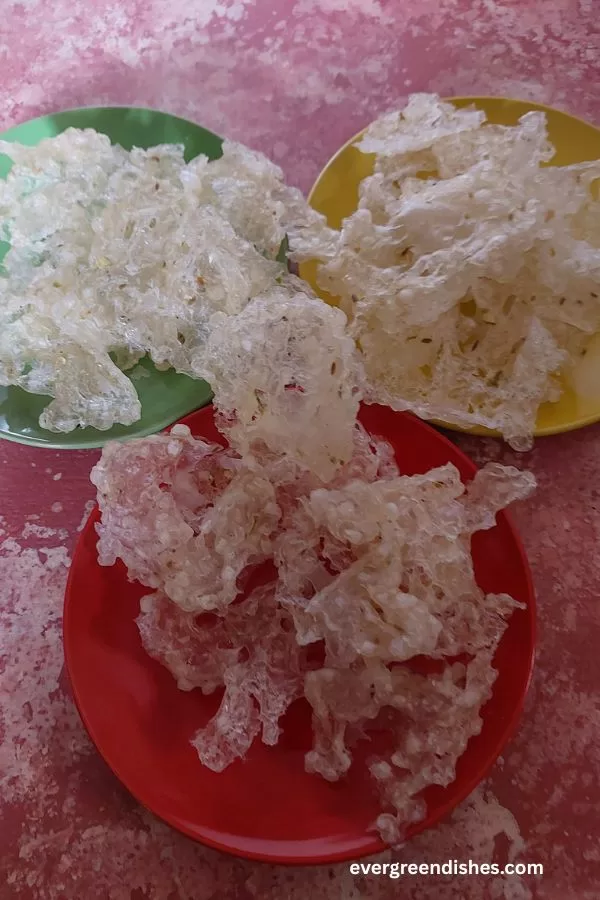
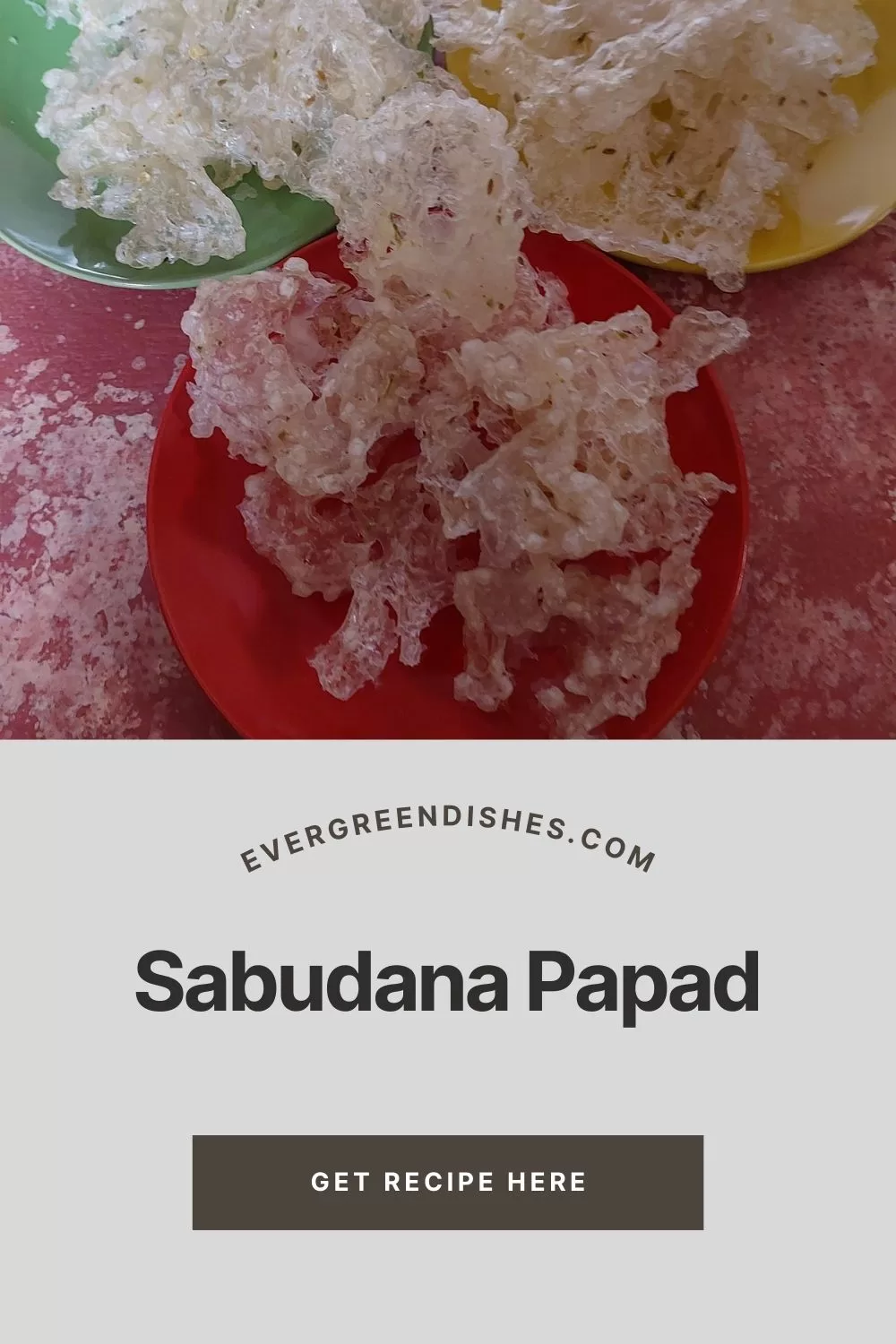
    Sabudana Papad is a popular summer treat from South India. It is made in large quantities and stored in air tight containers for further use. It is ideal to serve as an accompaniment with any meal. 

    Summer is the time we indulge in many activities as making papad and pickles. Papad and fryums should be sundried as they are stored throughout the year. The scorching heat makes them crisp and ready to eat in two or three days. The different kind of sundried recipes are rice fryums, poha papad, pumpkin sandige {aralu sandige} and majjige mensinakai (chillies in buttermilk).

    Today, I am sharing the recipe of Sabudana Sandige or Sago Papad as it is commonly called.

    Sabudana Papad, sabakki sandige, sabudani sandige are the different names associated with it. It is made from tapioca pearls. The sago or sabudana is commonly used during fasting in many parts of India. To make sabudna papad, we use the large ones. It is soaked and cooked with some spices and later dried in the sun. It is quite easy to make as the making does not involve much labour. One needs to keep an eye while boiling it, lest it gets burnt. 

    The sabudana sandige can be made as simple as you wish. You may add only salt and asafoetida. Otherwise with a little cumin tastes good, I love the taste of cumin along with some chillies put in it. The other options are addition of pepper powder, chilli powder, or garlic. I do not add any of these. 

    The method I follow requires one day. I soak sago pearls in the afternoon. By evening, it is bloomed. I cook it at night and keep it it closed in a warm place. Next day, early in the morning, I adjust the consistency and put them on the terrace. Later, by evening, they are semi-dried. I remove them and keep them in wide plates which help me to keep easily in the sun on the following days. I need to sun dry them for a couple more days as they are stored all year long.
     

    Let us get to the recipe of Sabudana Papad.

    Ingredients: 

    • ½ kilogram white sabudana ( large )
    • 4 + 8 + 8 cups water
    • 1 teaspoon cumin
    • 6 green chilly
    • 1 tablespoon curd
    • ½ teaspoon asafoetida

    Method : 

    Making of sabudana papad includes 6 steps :

    1. Soaking of sago 
    2. Boiling of the mixture
    3. Making of papad
    4. Drying of papad
    5. Storing of papad
    6. Frying 

    Let us discuss each step now.

    1. First, clean the sago pearls and wash them once. Soak it in four cups of water for five hours.
    2. Now, in a thick bottom pan, add the soaked sabudana along with eight cups of water. Put it to boil. Add cumin and asafoetida to it. Keep stirring. 
    3. It becomes a gelatinous like substance, transparent in colour. The sago pearls are soft and well cooked. Turn off the stove. You can put it after an hour. But I prefer to put it on the next day.
    4. Grind green chilly to a paste.
    5. Put it into the boiled mixture along with a spoon of curd.
    6. Use clean plastic sheets to make papad.
    7. Smear some oil on the sheet. With a wide spoon, take a spoonful and pout it on the sheet, spread a little with the back of the spoon. 
    8. Repeat by putting them in a row. Continue to the next row and so on. 
    9. Allow it to dry in the sun. 
    10. By evening, only one side is dried. We need to put them carefully on a plate and dry the other side the following day.
    11. Once they are dry on both sides, you need to keep them in the sunlight for a few days.
    12. Later, store them in a clean, dry container.
    13. To fry, heat oil in a pan. Take a few sun dried sago papad and slowly fry them. 

    Take a tip : 

    • Collect all materials before you start doing the work. You need sheets which are dry and clean. Also, not to forget the bricks or tiles to hold them as you lay them in the sun. Food cooked at home takes care of all these things, isn’t it ? 
    • Adjust the consistency if it is too thick by adding some water to it.
    • Green chilly may be avoided. You can do plain ones only with cumin.

    Other sabudana recipes I have shared earlier are :

    Jump to Recipe Print Recipe

    Evergreendishesdev

    Sabudana Papad

    5 from 2 votes
    Sabudana Papad is a popular sun dried munchies from South India. It is made and stored in airtight containers.
    Course: accompaniment
    Cuisine: karnataka

    Ingredients
      

    • ½ kilogram white sabudana large
    • 4 + 8 + 8 cups water
    • 1 teaspoon cumin
    • 6 green chilly
    • 1 tablespoon curd
    • ½ teaspoon asafoetida
    • 1 teaspoon cumin

    Equipment

    • 1 large utensil for soaking
    • 1 lid to close
    • 1 thick bottom pan with lid
    • 6 large plates
    • 1 ladle
    • 1 tablespoon
    • 1 teaspoon
    • clean plastic sheets
    • bricks or something similar as weights

    Method
     

    1. First, clean the sago pearls and wash them once. Soak it in four cups of water for five hours.
    2. Now, in a thick bottom pan, add the soaked sabudana along with eight cups of water. Put it to boil. Add cumin and asafoetida to it. Keep stirring.
    3. It becomes a gelatinous like substance, transparent in colour. The sago pearls are soft and well cooked. Turn off the stove. You can put it after an hour. But I prefer to put it on the next day.
    4. Grind green chilly to a paste.
    5. Put it into the boiled mixture along with a spoon of curd.
    6. Use clean plastic sheets to make papad.
    7. Smear some oil on the sheet. With a wide spoon, take a spoonful and pout it on the sheet, spread a little with the back of the spoon.
    8. Repeat by putting them in a row. Continue to the next row and so on.
    9. Allow it to dry in the sun.
    10. By evening, only one side is dried. We need to put them carefully on a plate and dry the other side the following day.
    11. Once they are dry on both sides, you need to keep them in the sunlight for a few days.
    12. Later, store them in a clean, dry container.
    13. To fry, heat oil in a pan. Take a few sun dried sago papad and slowly fry them.

    Notes

    Collect all materials before you start doing the work. You need sheets which are dry and clean. Also, not to forget the bricks or tiles to hold them as you lay them in the sun. Food cooked at home takes care of all these things, isn’t it ? 
    Adjust the consistency if it is too thick by adding some water to it.
    Green chilly may be avoided. You can do plain ones only with cumin.


    If you have liked this post, do share it with your family and friends.. Follow @foodiejayashree on Instagram  and @evergreendishes on Facebook.

    Pin it for later :
     

    Sabudana Papad
    sabudana papad
  • Okra Sambar | Bendekayi Huli | Ladies finger Sambar

    Okra Sambar | Bendekayi Huli | Ladies finger Sambar

    Jump to Recipe

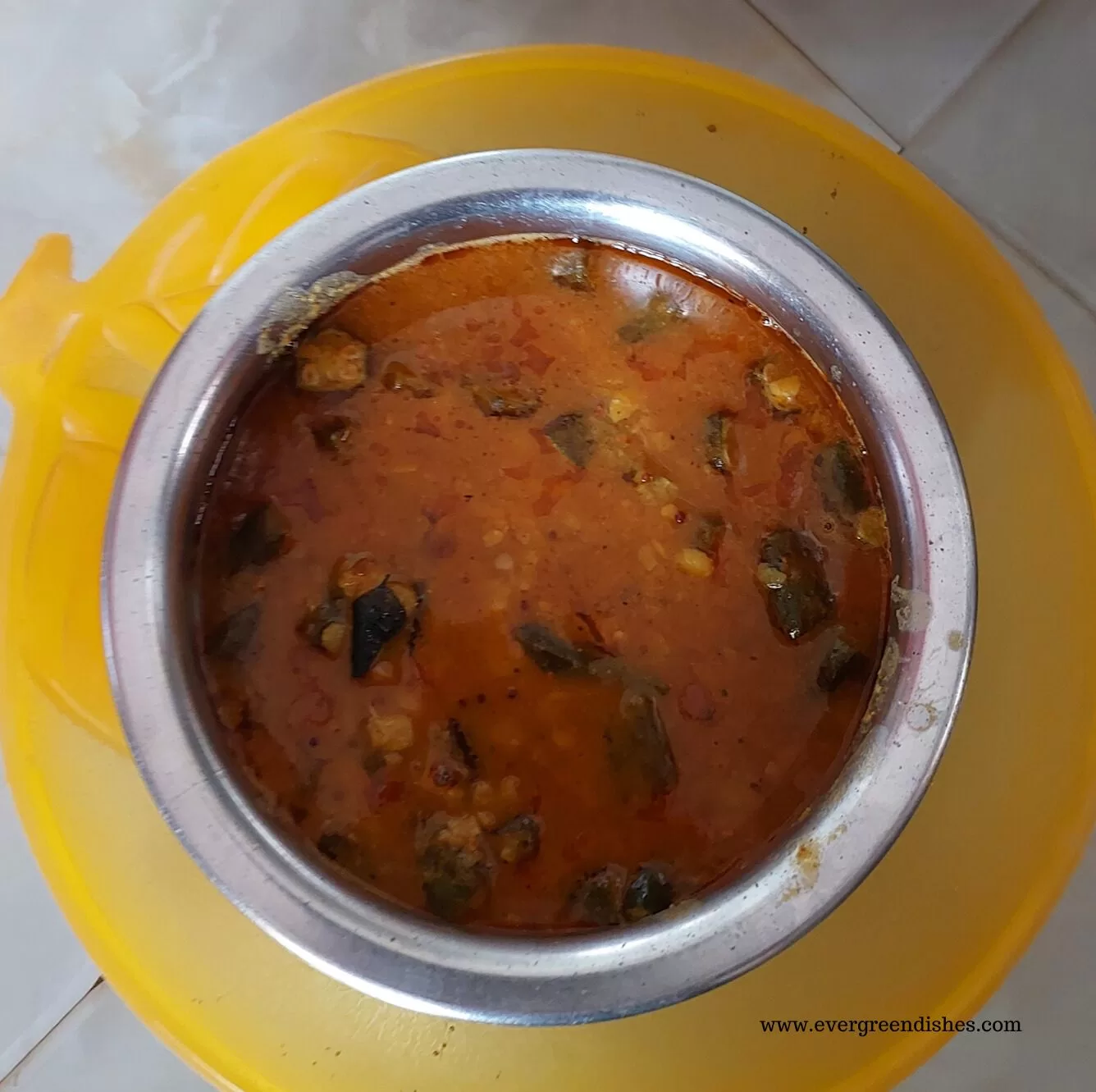
    Okra Sambar is one of the kinds of dish  you can prepare when you need something different and easy, filling that will pair up with steamed rice and a simple stir fry. It is an ideal lunch idea for a busy day.  Okra is commonly called as ladies finger in English speaking countries. The scientific name is Abelmoschus esculentus. 

    Sambar is dense and more nutritious as it has the goodness of lentils and vegetables in it. It can be made in various ways as using varied vegetables or green leaf. Pulses such as horse gram taste good along with vegetables. Today, I am sharing the recipe of Bendekayi Sambar.

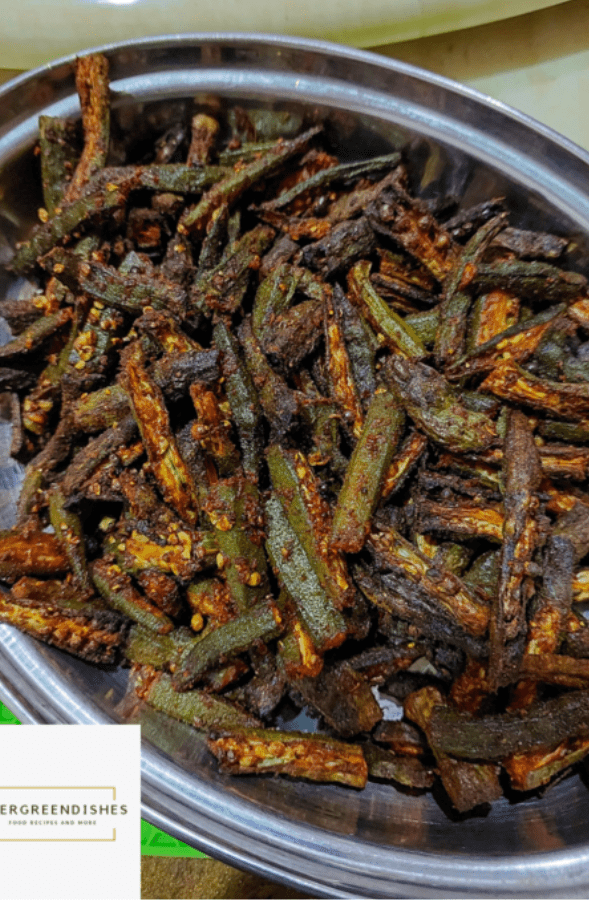
    Bendekayi is ideal to make as a crispy  fry. My family loves all kinds of okra fry. This sambar is one of the lesser made items. But, believe me, it is tasty and a winner for those who like ladies finger. 

    Initially, soak the tur dal for sometime and cook it with a pinch of turmeric and oil. I prefer to soak for atleast two hours, it eases the cooking. The bhendi should be washed and dried. There should be no trace of water in it, it turns slimy. 

    bendekayi sambar | ladies finger sambar
    bendekayi sambar

    What goes in the making ?

    Choose tender okra. The quality of okra will either elevate or spoil the dish. Wash them and pat them dry. The bhindi should be cut evenly. This will help in proper cooking of the vegetable.

    Tur Dal:  I prefer to soak for atleast two hours. Add a pinch of turmeric and a little oil while cooking it. Cook it for three whistles and allow the pressure to release by itself.

    Sambar powder : I make most of the  spice mix at home. You can use any good brand of sambar powder.

    Tamarind : It needs to be  wash and soaked for at least for fifteen minutes. Alternatively, you can use the tamarind extract which is readily available.

    Chilli powder : Check for spiciness and adjust by adding a little bit of chilli powder. The flavour should be a mix of sweet, spicy and sour.

    A few other recipes with okra are :

    crispy okra fry 2 ways
    2 ways of making okra fry


    Okra with tomatoes / bhindi tamatar ki sabzi
    okra with tomatoes / bhindi tamatar ki sabzi


    Bharli bhendi /stuffed okra
    Bharli bhendi / stuffed okra


    Print Recipe
    okra sambar
    Evergreendishesdev

    Bendekayi Sambar

    Ladies finger sambar makes a good and easy lunch menu. Pair it with hot steamed rice along with a stir fry for a good meal.
    Prep Time 10 minutes
    Cook Time 20 minutes
    10 minutes
    Total Time 45 minutes
    Servings: 4 people
    Course: lunch ideas, Main Course
    Cuisine: karnataka

    Ingredients
      

    • ½ cup tur dal
    • ½ teaspoon oil
    • ¼ teaspoon turmeric powder
    • 2 cup water
    • 1 teaspoon oil
    • ¼ kg tender okra
    • Marble size ball of tamarind
    • 2 teaspoon sambar powder
    • 2 tablespoon oil
    • ½ teaspoon mustard
    • ¼ teaspoon asafoetida
    • ¼ teaspoon turmeric powder
    • ¼ teaspoon fenugreek powder
    • A few curry leaves

    Equipment

    • 1 pan
    • 1 ladle
    • 1 lid
    • 1 pressure cooker with pan

    Method
     

    1. Initially, begin the prep work by soaking the tur dal in water for ateast half an hour.
    2. Cut the washed okra into one inch pieces.
    3. Cook the lentil with a pinch of turmeric powder and oil.
    4. Saute the okra pieces in a teaspoon of oil for a couple of minutes. They should be cooked with a tinge on the edges. Put them aside.
    5. In a pan, add oil. Put mustard, asafoetida and turmeric powder. As it crackles, put the okra pieces to it and let it cook for a minute.
    6. Mix the lentil with a ladle, pour it into the pan. Put salt. Allow to cook for sometime.
    7. Extract the pulp from the tamarind.
    8. Put the tamarind extract along with sambar powder. Cook for two minutes, allow the flavours to blend on a low flame.
    9. Okra Sambar is ready to serve.

    Notes

    Choose a tender lady finger. Cut them into appropriate sizes.
    A little bit of jaggery lends a good taste.
    Add a little bit of chilli powder if needed. The sambar should be flavoursome, a balance of sour, spicy, hot and a little sweetness if needed.

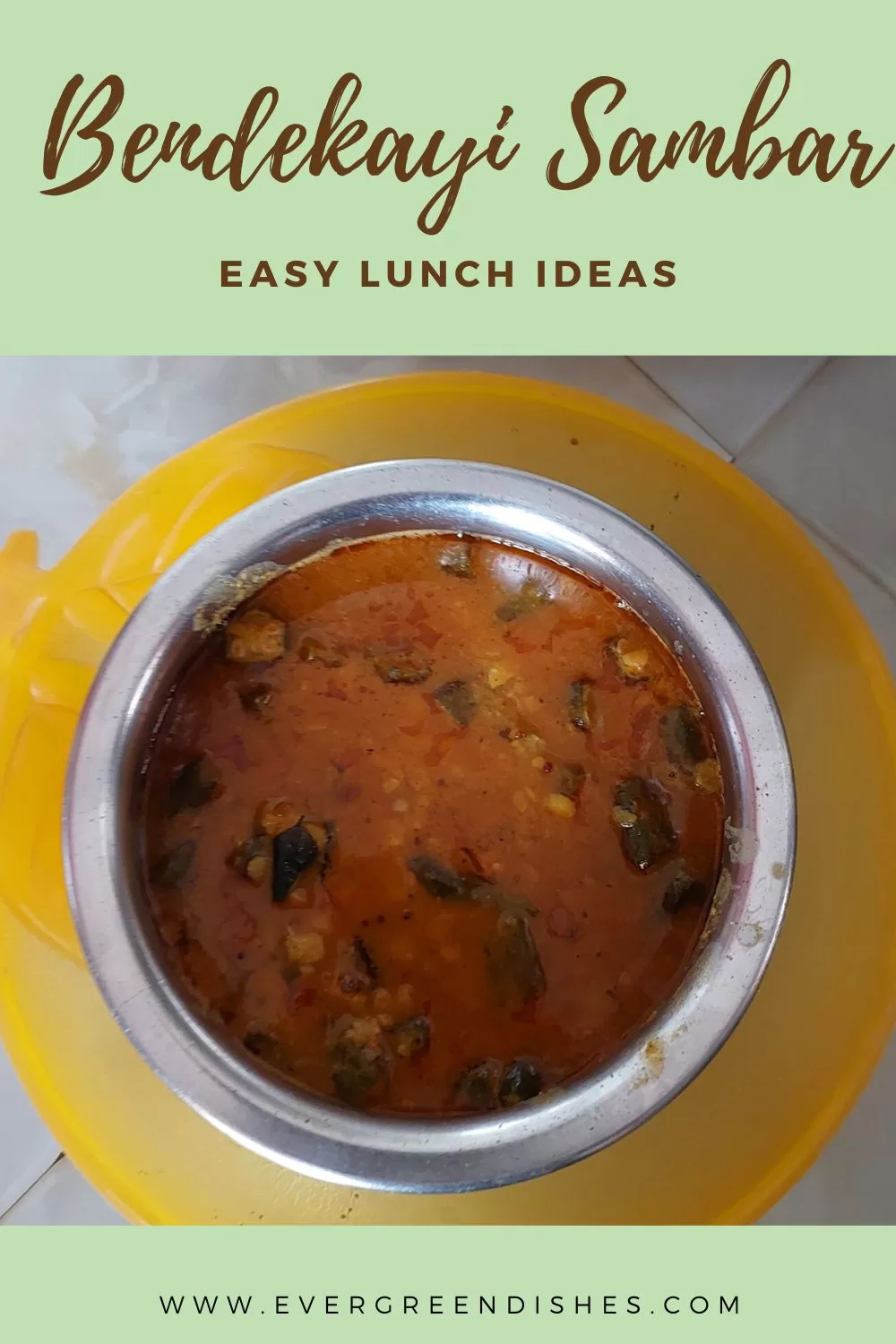
    Pin it for later :
    bendekayi sambar
    bendekayi sambar

    If you  ever make  Okra Sambar , take a picture and share it by tagging @foodiejayashree on Instagram and @evergreendishes on Facebook.  Subscribe to get all updates and an e-book for free.

  • Maddur Vada Recipe

    Maddur Vada Recipe

    Jump to Recipe

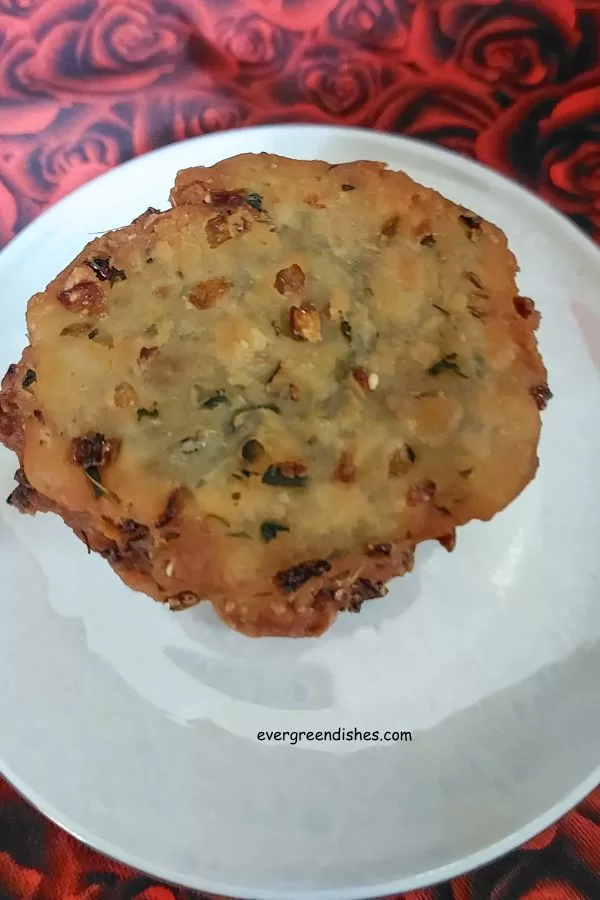
    Maddur Vada is a popular savoury snack from South India. It makes a good evening snack. Made with a lot of onions, it is crispy on the ouside and soft inside. It makes a good tea time snack. 

    The very name of Maddur Vada is nostalgic. The long journey by train, the delicious aroma and the  loud noise of the vendors with a box full of  fried snacks and the ride which we looked forward to a lot of fun and frolic brings back many memories.

    A train journey from Bangalore to Mysore is incomplete without maddur vada.  Maddur is a small town 80 kliometers away from Bangalore. It is in between Bangalore and Mysore and popular for the tasty vadas. Passenger travelling enroute look forward to these crispy vadas during the journey.

    Maddur Vada is an hundred year old snack and has an interesting history. Ramachandra Budhya, owner of Vegetarian Refreshment Rooms had a tea stall at Maddur railway station. He sold idli, vada and pakoras along with tea and coffee. One day, in the year 1917, he was late in making vadas and it was time for the train to arrive. Soon, he created a fried snack with onion and a few other ingredients to serve for the passengers. It was loved by all  and the rest is history. The demand for Maddur Vada increased day by day and it turned into a big business for him. 

    It is believed that Maharajas of the palace loved these crispy vadas and usually had a large container served to them. The snack belongs to all the people of Maddur and is called as Maddur Vada. 

    maddur vada

    Maddur Vada Recipe : 

    Ingredients :

    • 1 onion
    • handful of coriander
    • a few curry leaves
    • 2 green chilli
    • 1/2 inch ginger
    • salt
    • 1/2 cup rice flour
    • 1/4 cup all purpose flour
    • 1/4 cup semolina ( chiroti rawa)
    • 1 tablespoon oil
    • 1/2 teaspoon cumin
    • 1 teaspoon sesame
    • 1/4 cup water for kneading
    • oil for frying

      Method :


      1. Cut the onion finely.
      2. Grind green chilli and ginger together.
      3. Chop coriander and curry leaves.
      4. In a wide bowl, add onion, ginger chilli paste, coriander, curry leaves along with salt and leave iit aside for ten minutes.
      5. Add rice flour, semolina and purpose flour to it. Mix well.
      6.Heat a tablespoon of oil and put it in the flour. Rub it well.
      7. Use little water to make a stiff dough. Keep it covered for fifteen minutes.
      8. Take a plastic sheet. Make small ball of the dough and pat them into a circle of medium thickness.
      9. Heat oil in a pan. Once it is hot, slowly slide in one or two, depending on the size of the wok.
      10. Deep fry on a medium flame to a golden colour.
      11. Remove and put it aside. Repeat for the rest of the dough.

    Take a tip :

    • Use the same measurements given above for good results.
    • Do not skip onions, it lends a good  taste to the dish. 
    • Chiroti rawa is fine quality semolina, you can get it in any departmental stores. It is usually used to make sweet polis.

    A few other fried snacks we often like to indulge are : 

    Print Recipe

    Maddur Vada

    5 from 9 votes
    Maddur Vada is a tasty savoury snack from South India. It is ideal to serve with tea.
    Prep Time 20 minutes
    Cook Time 30 minutes
    20 minutes
    Total Time 1 hour 9 minutes
    Course: evening snacks
    Cuisine: Indian

    Ingredients
      

    • 1 onion
    • handful of coriander
    • a few curry leaves
    • 2 green chilli
    • 1/2 inch ginger
    • salt
    • 1/2 cup rice flour
    • 1/4 cup all purpose flour
    • 1/4 cup semolina chiroti rawa
    • 1 tablespoon oil
    • 1/2 teaspoon cumin
    • 1 teaspoon sesame
    • 1/4 cup water for kneading
    • oil for frying

    Equipment

    • 1 bowl
    • 1 wok
    • 1 slotted ladle
    • 1 plate
    • plastic sheet

    Method
     

    1. Cut the onion finely.
    2. Grind green chilli and ginger together.
    3. Chop coriander and curry leaves.
    4. In a wide bowl, add onion, ginger chilli paste, coriander, curry leaves along with salt and leave iit aside for ten minutes.
    5. Add rice flour, semolina and purpose flour to it. Mix well.
    6. 6.Heat a tablespoon of oil and put it in the flour. Rub it well.
    7. Use little water to make a stiff dough. Keep it covered for fifteen minutes.
    8. Take a plastic sheet. Make small ball of the dough and pat them into a circle of medium thickness.
    9. Heat oil in a pan. Once it is hot, slowly slide in one or two, depending on the size of the wok.
    10. Deep fry on a medium flame to a golden colour.
    11. Remove and put it aside. Repeat for the rest of the dough.

    Notes

    Use the same measurements given above for good results.
    Do not skip onions, it lends a good  taste to the dish. 
    Chiroti rawa is fine quality semolina, we can get it in any departmental stores. It is usually used to make sweet polis.

    About the event : 

    This month at Shhh Secretly Cooking Challenge, Seema Doraiswamy suggested to make Railway recipes.It was something nostalgic, many came up with what they usually carried and some created recipes available at the railway station. Seema has made  aloo curry and I have bookmarked it to try soon. 

    Maddur Vada was in my mind since a long time. I requested my partner Preethi to give ingredients accordingly.  She had given me salt  and semolina.  Preethi thought of making tasty masala puri and the ingredients I suggested were kasuri methi and sesame seeds. The pictures of dishes are shared in the group and ingredients are later guessed by the other members in the group. 

    shhh cooking secretly

    Pin it for later :

    maddur vada
    maddur vada

    If you ever make Maddur Vada  in your kitchen, take a picture and tag @foodiejayashree on Instagram or @evergreendishes on Facebook. Subscribe to get all updates in your inbox and an e-book for free! Until next time, happy cooking

  • Lemon Gojju | Nimbe hannina gojju recipe

    Lemon Gojju | Nimbe hannina gojju recipe

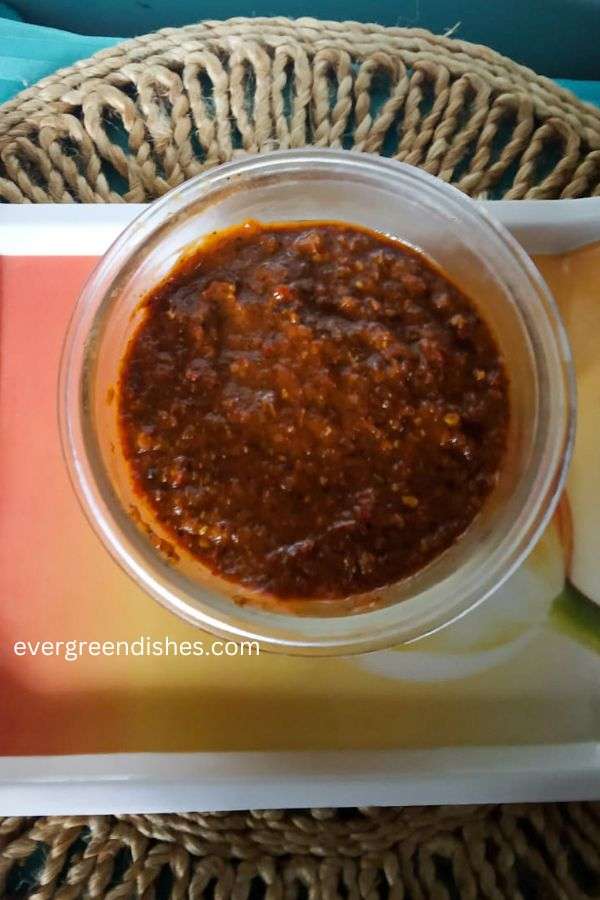
    Lemon gojju | Nimbe hannina gojju is a tasty condiment used in South India. Nimbe hannu is the Kannada name of lemon. 

    The taste of lemon  is citrusy, tasty, refreshing and loved by all. During the season, I try to find ways to include it in my cooking.

    Lemon is usually used to make pickles, it makes a good accompaniment  with curds riice. Lemon juice is the preferred drink during summer. 

    In daily cooking, it helps to balance the taste in all dishes by its citrus flavour as in lemon rice. It can also  be used to make lemon rasam. I make lemon gojju often and store in the refrigerator. I can say it is a recipe of cooking with lemon peels. Here, the lemon are boiled and then blended  along with some spices. The tartness of the lemon, the sweetness of the jaggery and the spiciness of the chilli powder, altogether make the dish a tangy and tasty one. Lemon Gojju has a refreshing taste, ideal to pair with hot, steamed rice. It stays good for a couple of days in the refrigerator. 

    A lemon tree in the backyard is useful, it gives limes quite often. The lemon are refreshing and makes a good drink.

    lemon gojju | nimbe hannina gojju

    An easy hack to store lemons :

    Lemon tend to wither after a few days even when you keep in the refrigerator too. Take a bottle, fill it with water to half the capacity. Put the lemons in it and close it. Change the water after a couple of days.

    Last year, I had got many lemon. I did not know what to do. I made a concentrate of lemon juice and put it in the ice cube tray. 


    The ingredients used for Nimbehannina Gojju are :

    1. Lemon- It is the main ingredient used here. Rubbing  the lemon on the kitchen platform for sometime helps to extract juice properly. 
    2. Cumin- It gives a good taste to the dish.
    3. Fenugreek –  It helps in balancing the taste of the dish.
    4. Red chilli – It imparts spiciness.
    5. Jaggery- It gives a sweet flavour.
    6. Oil – Any neutral cooking oil can be used. 
    7. Asafoetida – One of the essentials for seasoning.
    8. Mustard – Another essential ingredient in South Indian cooking. 


    How to use the gojju :

    The lemon gojju is usually served with hot steamed rice along with a dollop of ghee. The freshness of lemon gives a good taste to the dish. It is usually eaten in the beginning of the meal before the main meal. It can also be used as an accompaniment with curds rice. 

    Ingredients:

    Lemon Gojju | Nimbe Hannina Gojju

    Lemon Gojju | Nimbe Hannina

    5 from 5 votes
    Lemon Gojju | NimbeHannina Gojju is a tasty condiment used with hot steamed rice.
    Course: lunch ideas
    Cuisine: karnataka

    Ingredients
      

    • 4 lemons
    • 1/2 teaspoon oil
    • 1 teaspoon cumin
    • 1 teaspoon mustard
    • 1/4 teaspoon fenugreek
    • 6 red chilli
    • 3 teaspoon jaggery
    • For seasoning:
    • 2 teaspoon oil
    • 1/2 teaspoon mustard
    • 1/2 teaspoon cumin
    • 1/4 teaspoon asafoetida

    Method
     

    1. Wash the lemon and pat dry. Roll them on the platform with your palm. Cut them into small pieces, remove the seeds and boil them with water
    2. Once they are soft, turn off the stove.
    3. In a pan, take oil and roast the cumin, mustard and fenugreek seeds along with red chilli. Leet it cool.
    4. Grind the roasted ingredients to a powder, add the lemon pieces, jaggery and salt to it. Grind all the ingredients together.
    5. Remove it in a bowl.
    6. Make the seasoning. Heat oil in a pan. Add mustard seeds,. Once it crackles put asafoetida, cumin and turmeric powder.Put it into the prepared gojju.
    7. Tasty gojju is ready to serve.


    Pin it for later :

     

    lemon gojju | nimbe hannina gojju
    lemon gojju | nimbe hannina gojjju

    If you ever make  Lemon Gojju | Nimbe hannina gojju  recipe,  do take a picture and tag @foodiejayashree on Instagram or @evergreendishes on Facebook or Twitter. I will be glad to see your creation and share it further. Let’s be connected, do follow on social media platforms. Until next time, let’s stay connected.  Subscribe to get all updates and an e-book for free. Check out my e-books on Amazon.  

                                                                  Until next time,  Ciao  !

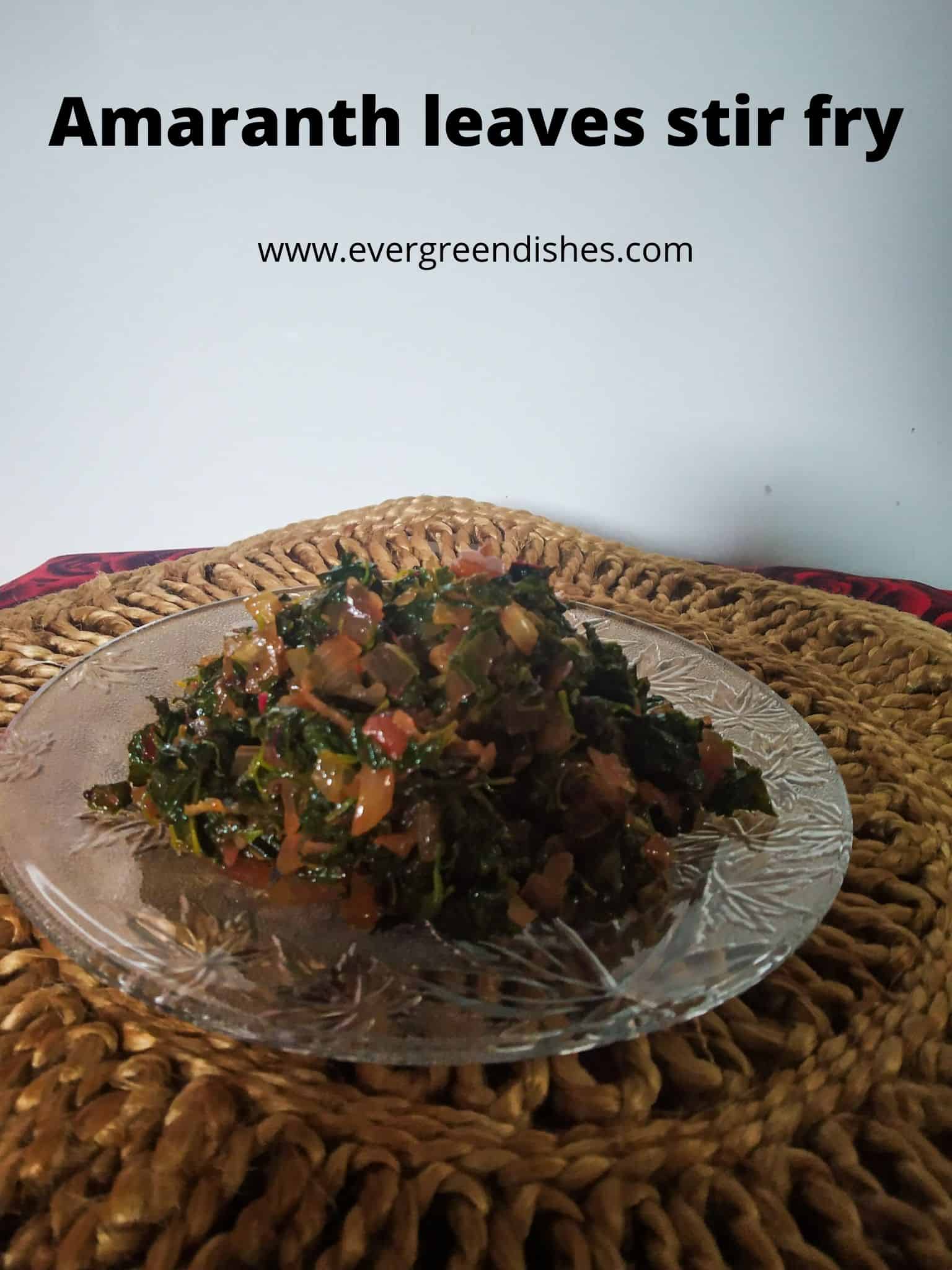
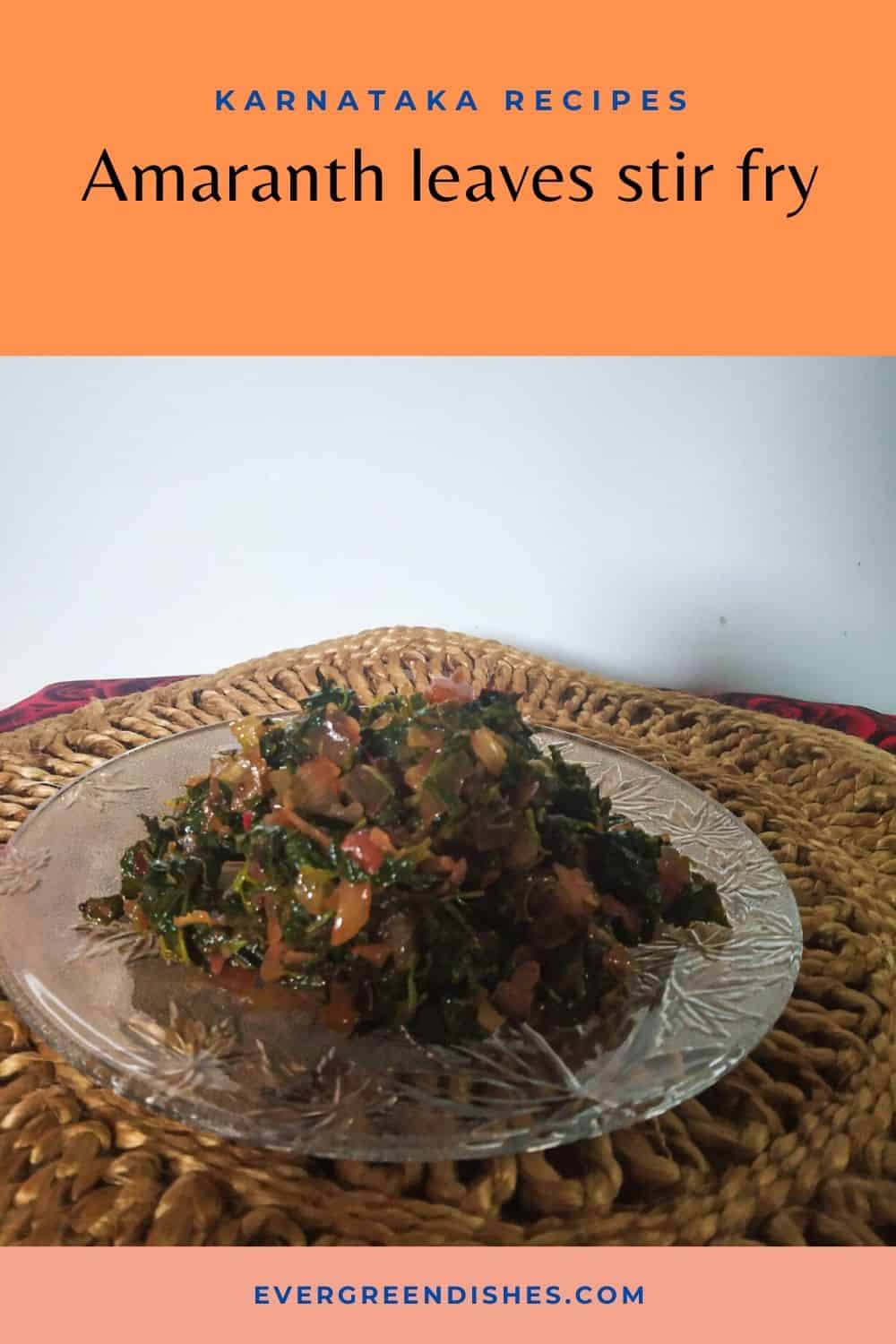
  • Amaranth leaves Stir Fry | Rajgiri Soppu Palya

    Amaranth leaves Stir Fry | Rajgiri Soppu Palya

    Jump to Recipe Print Recipe

    Amaranth leaves stir fry is a simple, tasty and healthy side dish from Karnataka. It is ideal to serve with chapathi or jowar roti. 

    Amaranth leaves are not so popular as spinach. It is regularly used in daily cooking by one sect of people here. While the other section have a dislike and few have never used it. 

    In Kannada, it is called as Dantina Palya or Harive Soppu . It is commonly known as Chaulai or Rajgira. The leaves are green or red  with a moderate stem depending on the region they are grown. One needs to include more of it as it is a good source of Vitamin A, C and K.  It is also rich in fiber, iron, magnesium and. phosphorous. It is often given to lactating mothers. It is versatile to use, one can use it in stir fry, dal and stew. Cook it with tur dal and it turns out a good accompaniment with steamed rice. Use a good quantity of fresh leaves to make a delectable chutney. In North India, it is made as a saag. 

    Today, I am sharing a healthy stir fry using amaranth leaves. I have hardly shared any stir fry with greens here. You can use either the red or the green coloured leaves for this stir fry. You may add a few cloves of garlic if you like along with onion. Fresh coconut can also be added to it. Amaranth leaves stir fry, spicy chutney, a mixed dal  and chapathi make a good meal. 

    Amaranth leaves stir fry
    Amaranth leaves stir fry

    What goes in the stir fry ?

    Amaranth leaves :Separate the amaranth  leaves from the stalk. You may use the stalk if it is tender. It will eventually get cooked. You can use either the red amaranth or the regular one. The green leaf vegetable reduces considerably on cooking. 

    Onion : Cut them into medium size pieces. 

    Oil : You can use any oil ideal for cooking. 

    Mustard seed : Any south indian cooking starts with a dash of mustard seeds. The spluttering also indicates the temperature of the oil is right for cooking.

    Asafoetida : Just a small pinch of asafoetida, lends a good aroma to the dish.

    Turmeric powder : It has anti-bacterial properties. 

    Chilli powder: The quantity of chilli powder depends on how much spicy it is.

    Fresh Coconut : South Indian cooking is incomplete without the addition of fresh grated coconut. It is optional, serve it just like that. I have it sans coconut.

    How to wash green leafy vegetables? 

    The question often arises if we should wash and then cut the leafy vegetables or the other way round. Very often, it is suggested to first wash them thoroughly  and then cut the leaves as the nutrients are lost in the process. However, most of us tend to cut the green leaf and then wash it.


    Amaranth leaves stir fry
    Evergreendishesdev

    Amaranth leaves Stir Fry | Rajgiri Soppu Palya

    Amaranth leaves stir fry is a simple, tasty and healthy sidde dish. It is ideal to pair with jowar roti or chapathi.
    Prep Time 10 minutes
    Cook Time 10 minutes
    Total Time 20 minutes
    Course: dinner, lunch ideas
    Cuisine: Indian, karnataka

    Ingredients
      

    • 1 tablespoon oil
    • 1/2 teaspoon mustard seed
    • 1/4 teaspoon turmeric powder
    • a pinch of asafoetida
    • 1 big onion
    • 2 bunch rajgiri soppu / amaranth leaves
    • salt to taste

    Method
     

    1. Separate the leaves from the stalk. Cut them and wash a couple of times in water to remove the grime.
    2. Cut the onion.
    3. Take oil in a pan, add mustard seeds. As it splutters, sprinkle a little asafoetida and turmeric powder. Tip in the onions. Saute for sometime.
    4. In the meantime, remove the amaranth leaves and put them in a colander.
    5. Once the onion is pink in colour, put the amaranth leaves and salt. Mix and let cook for two minutes.
    6. Once the water has evaporated, add chilli powder
    7. Fresh grated coconut may be added. Amaranth leaves stir fry is ready to serve.

    Notes

    1. Two cloves of garlic may be added along with onion.
    2. It can be garnished with fresh grated coconut.

    Pin it for later: 

    Amaranth leaves stir fry is a simple, tasty and healthy side dish from Karnataka. It pairs well with  chapathi or jowar roti. Give a try to this version of amaranth leaves stir fry. Check out the post to know the other names for this green leaf.  #healthycooking #sidedish
    Amaranth leaves stir fry

    If you ever make this recipe,  do take a picture and tag @foodiejayashree on Instagram or @evergreendishes on Facebook or Twitter. I will be glad to see your creation and share it further.   

    Subscribe to get all updates and an e-book for free. Check out my e-books on Amazon.  Happy Cooking !

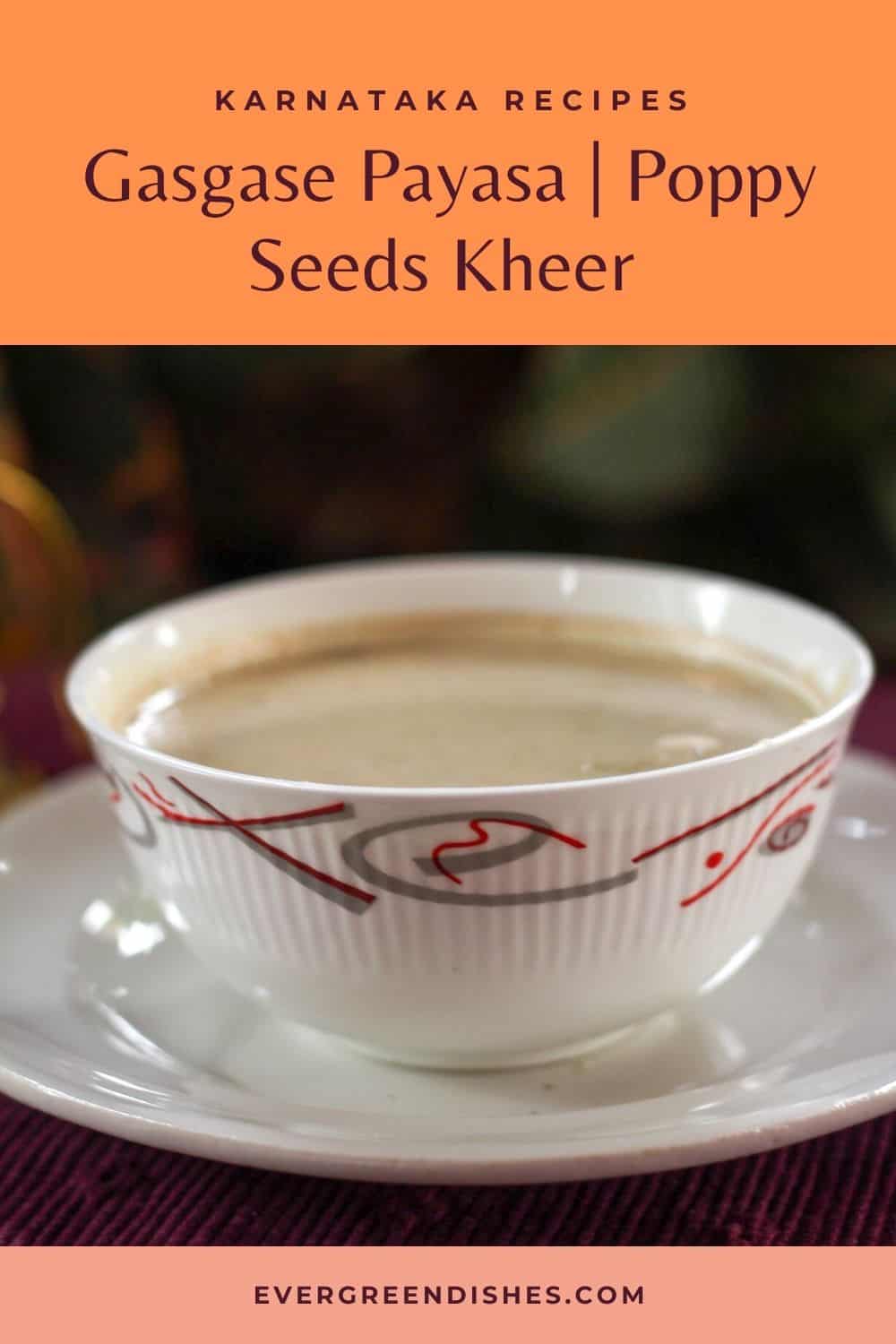
  • Gasgase Payasa | Poppy seeds Kheer

    Gasgase Payasa | Poppy seeds Kheer

    Jump to Recipe Print Recipe

    Gasgase payasa is a rich, creamy, delicious dessert. It is one of the Indian sweet dishes  lost back with time.

    Gasgase is the Indian name for poppy seed. It is also known as khus-khus. in Hindi, kasa kasa in Tamil, and posto in Bengali. Gasgase payasa is an all time favourite sweet dish of many Kannadigas and this is a traditional Karnataka recipe.

    The tiny white seeds are a good source of calcium, manganese, copper, zinc, and potassium. It is a rich source of dietary fiber and thus aids in digestion. It fights insomnia. The poppy plant is a source of opium, thus extensive use of these seeds induces sleep. The anti-oxidants help to maintain good eyesight. It is a good cure for the thyroid.

    Khus khus is widely used in Indian cooking. It is used in small quantity to enhance the taste of the dish.

    Khus-khus payasam is a good sweet dish from South India. It is ideal to prepare for any festivities. It is vegan and gluten-free
    Make sure the poppy seed is thoroughly cleaned. Fresh coconut along with nuts and khus-khus gives a good taste. It is then ground and sweetened with jaggery.

    Navratri festival is celebrated with pomp and show throughout India. It is a ten day festival when elaborate poojas are performed and deities are spectacularly decorated. The tenth day is celebrated as Dasara. If you are looking for other kind of kheer recipes, check out dalia payasam, sabudana kheer, komala payasam, sweet potato kheercustard apple kheer, chaler payesh, makhana kheer,

    gasgase payasa | poppy seed kheer
    gasgase payasa | poppy seed kheer

    Gasgase Payasa recipe | Khus khus payasa

    Ingredients:

    • 1/3 cup gasgase / poppy seed
    • 10 cashew nut
    • 2/3 cup fresh coconut
    • 1 cup jaggery
    • 2 cup water
    • 1/4 teaspoon cardamom powder

    Method:

    1. Dry roast gasgase for two minutes until it pops. Put it aside for sometime.
    2. Once it cools, grind it in the small jar. Now, add grated coconut and cashew to it with a little water. Make a paste of it.
    3. Put jagger in a pan along with water. Once it melts, strain the liquid to remove impurities.
    4. Put the jaggery syrup back on the stove, once it is warm, put the paste to it and simmer for five minutes.
    5. Finally, add cardamom powder.
    6. Gasgase payasa is ready to serve.

    Take a tip:

    • You may top with nuts roasted in ghee.
    • It tastes good when chilled too.

    gasgase payasa | poppy seed kheer
    Evergreendishesdev

    Gasgase Payasa | Khus khus payasa

    Gasgase Payase is a delicious, creamy sweet treat from Karnataka cuisine. It is one of the recipes lost back with time.
    Prep Time 10 minutes
    Cook Time 20 minutes
    Total Time 30 minutes
    Servings: 4 people
    Course: sweets, traditional recipes
    Cuisine: karnataka

    Ingredients
      

    • 1/3 cup gasgase / poppy seed
    • 10 cashew nut
    • 2/3 cup fresh coconut
    • 1 cup jaggery
    • 2 cup water
    • 1/4 teaspoon cardamom powder

    Method
     

    1. Dry roast gasgase for two minutes until it pops. Put it aside.
    2. Once it cools, grind it in the small jar. Then, add coconut and cashew to it and make a paste with little water.
    3. Put jagger in a pan along with water. Once it melts, strain the liquid to remove impurities.
    4. Put the jaggery syrup back on the stove, once it is warm, put the paste to it and simmer for five minutes.
    5. Finally, add cardamom powder.
    6. Gasgase payasa is ready to serve.

    Notes

    • Gasgase payasa  can be served warm or cold. It tastes good when chilled.
    • It can be kept for a day in the refrigerator. 
    • You may garnish with nuts roasted in ghee. 

    If you ever make this gasgase payasa,  do take a picture and tag @foodiejayashree on Instagram or @evergreendishes on Facebook or Twitter. I will be glad to see your creation and share it further. Let’s be connected, do follow on social media platforms. Until next time, let’s stay connected.  Subscribe to get all updates and an e-book for free. Check out my e-books on Amazon.  Happy Cooking!


    Pin it for later :

    Gasgase Payasa | Poppy seeds kheer is a rich, creamy dessert. It is one of the traditional recipes from Karnataka cuisine. Give a try to this.
    Gasgase payasa | Poppy seeds kheer

  • Mangalore Buns / Banana Puri | Udupi Cuisine

    Mangalore Buns / Banana Puri | Udupi Cuisine

    Jump to Recipe Print Recipe

    Mangalore buns/ Banana Puri  is a famous breakfast  in the  coastal Karnataka region. It is mildly sweet, soft and fluffy like a bun. 

    Mangalore bun / banana puri is an amazing dish , it has the texture of a bun but it is deep-fried like a puri. Ripe bananas are used to mix in it and the dough is allowed to rest for sometime. Thus, it is a leavened bread.  It can be eaten by itself  but it  is also served with chutney or potato sagu. The mildly sweet puri pairs well with them. It is popular in the regions of Mangalore and Udupi and served for breakfast or as a snack in the evenings.


    About the Udupi cuisine:

    Udupi is a popular tourist and pilgrimage place in Karnataka. It is famous for the Krishna temple and the Kanakana Kindi. It is also known for its cuisine. Udupi cuisine is one of the cuisines that you find in South India. Mostly vegetables such as pumpkin, ash gourd and lentils are used in the daily cooking. Rice is the staple food and rasam is the soul food of most people. A variety of chutneys and tambli is often made as an accompaniment.   The hallmark of their cooking is the use of fresh coconut and coconut oil in almost all the dishes, it elevates the taste of the dish.  Dosa and Idli are commonly prepared and one must see the many variety  that are made here. Sweets that are commonly made are a variety of payasams, halbai and fudges.


    Mangalore Bun / Banana Puri    mangalore buns /banana puri

    Ingredients:

    • 1 big ripe banana
    • 2 tablespoon sugar
    • 1/2  teaspoon cumin powder
    • a little salt
    • 1/8 teaspoon baking soda
    • 2 tablespoon sour yoghurt
    • 1.5 cup wheat flour
    • 1 teaspoon ghee
    • oil for deep frying

    Method:

    • In a bowl, mash the banana with a fork or potato masher. Add yoghurt, sugar, baking soda, ghee and salt to it. Mix them well.Add wheat flour with a tablespoon, one spoon at a time. The dough should be soft and pliable. Knead it well. Cover it with a thin, damp cloth and keep it in a warm place  for five hours or preferably overnight.
    • Take the dough and knead it, make them into small balls. Take a ball, dust it with flour and roll it into a disc of 3 inch. Make a couple of them.
    • Heat oil in a pan, check by dropping a small piece of the dough. If it rises to the surface, the oil is ready to deep fry. Slowly, put two of the discs and deep fry.
    • Once they are golden, remove them with a slotted spoon and repeat for the rest of the dough.
    • Serve hot as it is or with coconut chutney.

    Take a tip:

    • Usually, maida is  used to make this bun. You can also use both, the wheat flour and maida in equal quantities.
    • Cumin may also be used instead of cumin powder. Toast them a little and put, it will give good fragrance.
    • Ripe bananas make the puris soft and give a good texture to it. You may blend it in a mixie.
    • Make sure you remove the excess water from the damp cloth.
    • If you are planning to make it in the evening as a snack, mix the dough in the morning. If you are planning to make it for breakfast, keep it overnight.

      About the event:

      The  theme for this month at Shhhhh Secretly Cooking group is ” Udupi Cuisine” and the theme is suggested by me. Thanks to Mayuri Patel and Renu Agarwal for giving me this opportunity. I was paired with Preethi Prasad. The ingredients given to me were  salt and ghee and I have made these  mangalore buns, it was in my to-do list since a long time. I gave Preethi, coconut oil and fenugreek seed, she made the aromatic  rasam powder.

      shhhhh secret cooking challenge
      shhhhh secret cooking challenge


    Mangalore Buns

    Mangalore buns is a leavened, mildly sweet flatbread from Udupi cuisine. It is ideal for breakfast or as a snack in the evening.
    Course: Breakfast, Snack
    Cuisine: karnataka, mangalore, udupi

    Ingredients
      

    • 1 big ripe banana
    • 2 tablespoon sugar
    • 1/2 teaspoon cumin powder
    • a little salt
    • 1/8 teaspoon baking soda
    • 2 tablespoon yoghurt
    • 1.5 cup wheat flour
    • 1 teaspoon ghee
    • oil for deep frying

    Method
     

    1. In a bowl, mash the banana with a fork or potato masher. Add yoghurt, sugar, baking soda, ghee and salt to it. Mix them well.Add wheat flour with a tablespoon, one spoon at a time. The dough should be soft and pliable. Knead it well. Cover it with a thin, damp cloth and keep it in a warm place  for five hours or preferably overnight.
    2. Take the dough and knead it, make it small balls. Take a ball, dust it with flour and roll it into a disc of 3 inch. Make a couple of them.
    3. Heat oil in a pan, check by dropping a small piece of the dough. If it rises to the surface, the oil is ready to deep fry. Slowly, put two of the discs and deep fry.
    4. Once they are golden, remove them with a slotted spoon and repeat for the rest of the dough.
    5. Serve hot as it is or with coconut chutney.

    Notes

    Usually, maida is  used to make this bun. You can also use both, the wheat flour and maida in equal quantities.
    Cumin may also be used instead of cumin powder. Toast them a little and put, it will give good fragrance.
    Ripe bananas make the puris soft and give a good texture to it. You may blend it in a mixie. 
    Make sure you remove the excess water from the damp cloth. 
    If you are planning to make it in the evening as a snack, mix the dough in the morning. If you are planning to make it for breakfast, keep it overnight. 

    Pin it for later :

     Mangalore buns is a famous breakfast of the people of coastal Karnataka region. It is mildly sweet, fluffy and soft. It is also known as Banana Puri. Site title Title Primary category Separator
    Mangalore Buns / Banana Puri

    If you have liked this post, do share it with your family and friends. If you ever make this, take a picture and share it by tagging @foodiejayashree on Instagram or @evergreendishes on Facebook or Twitter.

    Let’s be connected, the follow buttons are on the side bar. Subscribe to get all updates and an e-book for free!


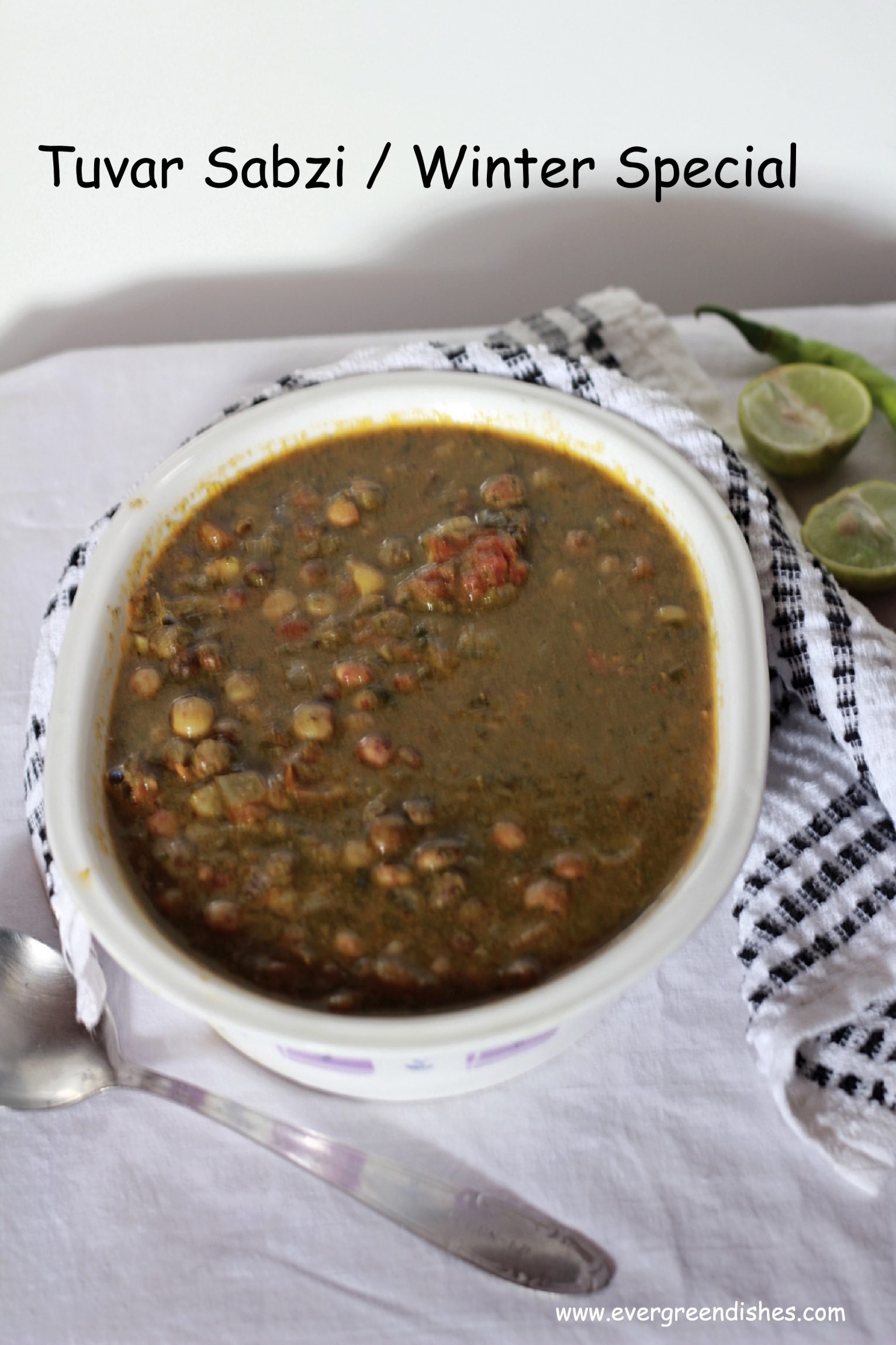
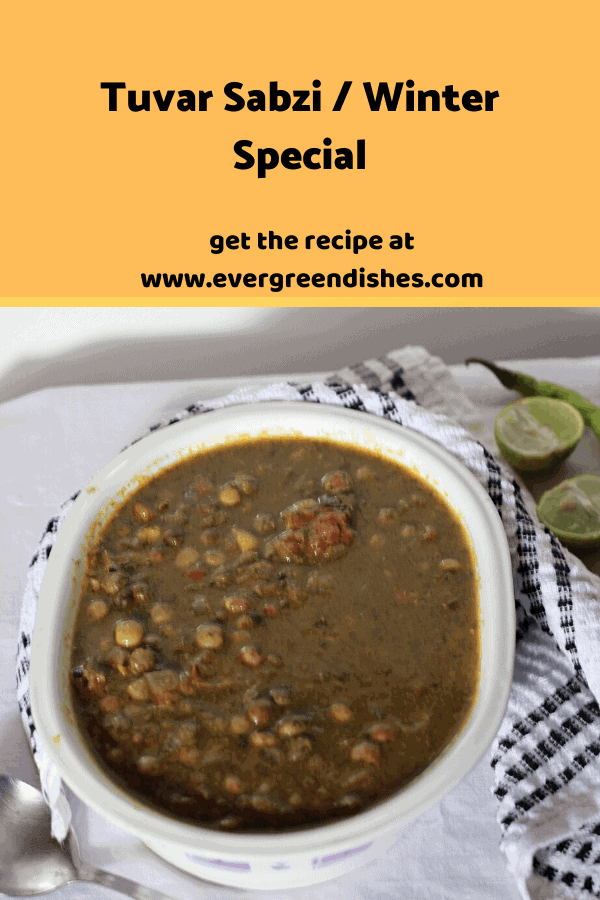
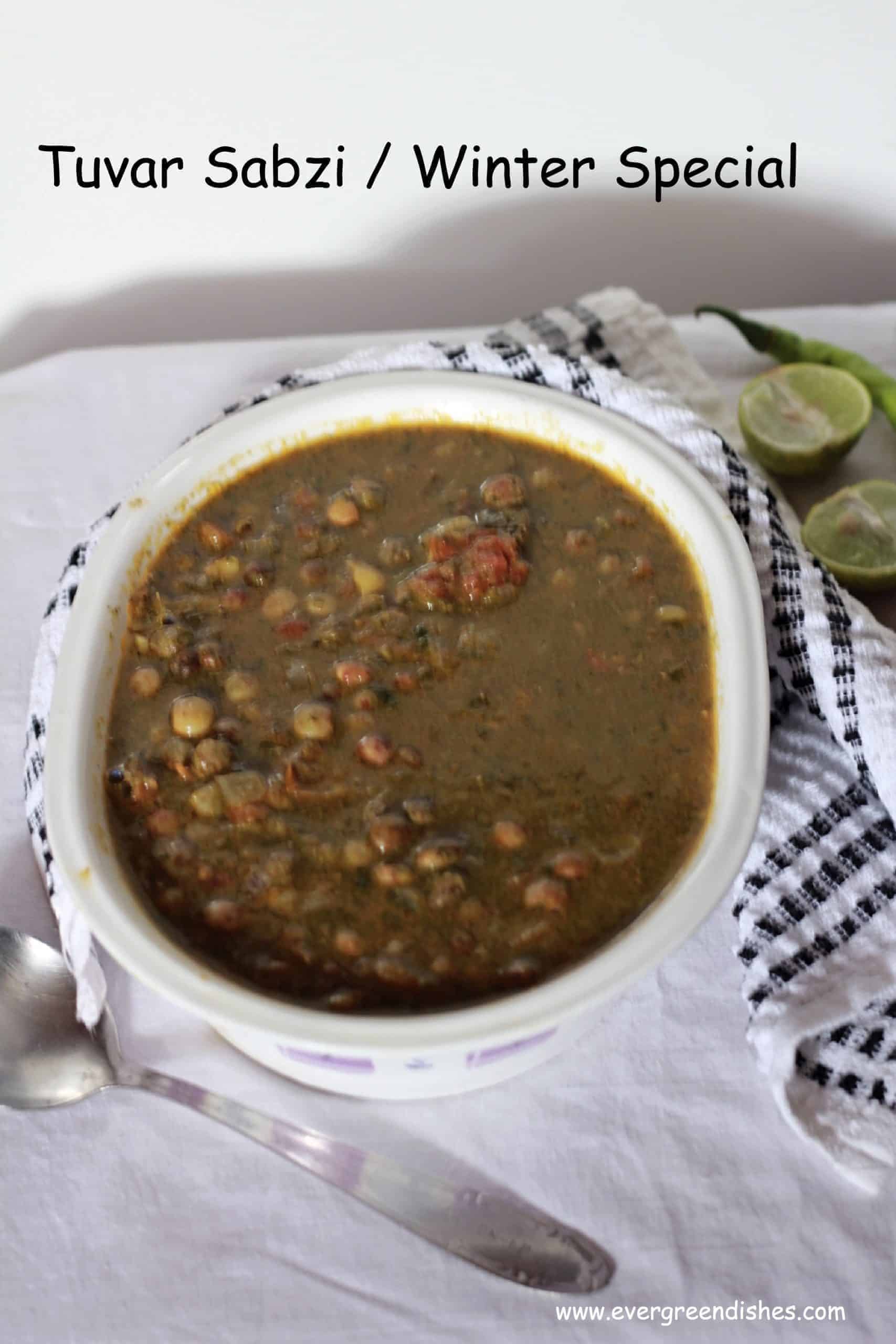
  • Tuvar Sabzi / Winter Special

    Tuvar Sabzi / Winter Special

    Tuvar Lilva is a winter vegetable, it is abundantly available. It makes a good accompaniment with chapati or jowar roti. Kachoris are often made and they taste good. It is often used in sambar along with other vegetables. 

    Tuvar  is mainly cultivated as a legume and is the primary food for the majority of the Indian population. Dal makes a good accompaniment with rice and chapati.

    Today, I have a stir fry and it can be made in 15 minutes if  peeled and kept ready.  What do you make with it? I had shared another variety earlier. 

    Tuvar is known as green pigeon pea and commonly called as Togare kalu in Karnataka and in Kerala as Tomara Payaru. In Europe, it is known as Congo Pea.

    tuvar sabzi
    tuvar sabzi

    Do you know the best way to store green pea and tuvar? Pour them in a zip lock bag, lock and deep freeze it. It stays good for atleast one month. If you keep it longer, the taste may not be all that good.

    To store green pea for a longer time, it is blanched, dried and then put in deep freezer. 

    Here is another recipe using Tuvar, ideal with chapati. 

    And here is the recipe of Tuvar Sabzi that I am sharing 

    Ingredients:

    • 1 cup tuvar lilva
    • 2 onion
    • 2 tomato
    • 1 tablespoon oil
    • 1/2 bunch coriander
    • 1 inch ginger
    • 6 green chilly
    • 4 cloves garlic
    • 6 cashew
    • salt

    Method:

    • Grind coriander, green chilly, ginger and garlic to a paste.
    • Cook tuvar lilva in pressure cooker with a little water.
    • Take oil in a pan, add onion and saute it.
    • Once it is light pink in colour, cashew pieces to it.
    • Then, add tomato and let cook for sometime.
    • Put turmeric powder to it.
    • Put the paste and the required salt.
    • Now, put the boiled peas to it and let cook for sometime.
    • Tuvar lilva stir fry is ready to serve.
    tuvar sabzi

    Tuvar Sabzi

    Tuvar Sabzi makes a quick and tasty accompaniment with chapati or jowar roti. It can be prepared in 15 minutes.
    Course: curry, vegetable
    Cuisine: Indian, Vegan,

    Ingredients
      

    • 1 cup tuvar lilva
    • 2 onion
    • 2 to mato
    • 1 tablespoon oil
    • 1/2 bunch coriander
    • 1 inch ginger
    • 6 green chilly
    • 4 cloves garlic
    • 6 cashew
    • salt

    Method
     

    1. Grind coriander, green chilly, ginger and garlic to a paste.
    2. Cook tuvar lilva in pressure cooker with a little water.
    3. Take oil in a pan, add onion and saute it.
    4. Once it is light pink in colour, cashew pieces to it.
    5. Then, add tomato and let cook for sometime.
    6. Put turmeric powder to it.
    7. Put the paste and the required salt.
    8. Now, put the boiled legumes to it and let cook for sometime.
    9. Tuvar Sabzi is ready to serve.

    If you ever make this recipe, take a picture and share it with us by tagging @foodiejayashree on Instagram or @evergreendishes on Facebook. It will be nice to see your creation. 

    You Tube Update:

    I have posted Strawberry Yoghurt on YouTube, do check it out.  Do like and subscribe to the channel. 

    Before I end my post, if you are not eating seasonal vegetables and fruits, I urge you to try tasting them. The fruits and vegetables  are good in quality, available in abundance and the price is less expensive. Buy from the local suppliers, they too are striving hard to make a living.

    Pin this for later:

    Tuvar Sabzi Winter Special
    Tuvar Sabzi Winter Special


    Subscribe to get a book of handyhints for free ! 


  • Karchikayi / Karanji / Kajjikayalu

    Karchikayi / Karanji / Kajjikayalu

    Karchikayi or Karanji is a popular and traditional snack from South India. It is the sibling of Gujiya from North India. Karanji is a crescent shaped, sweet fried dumpling, filled with a coconut and nut mix, deep fried to perfection. (more…)

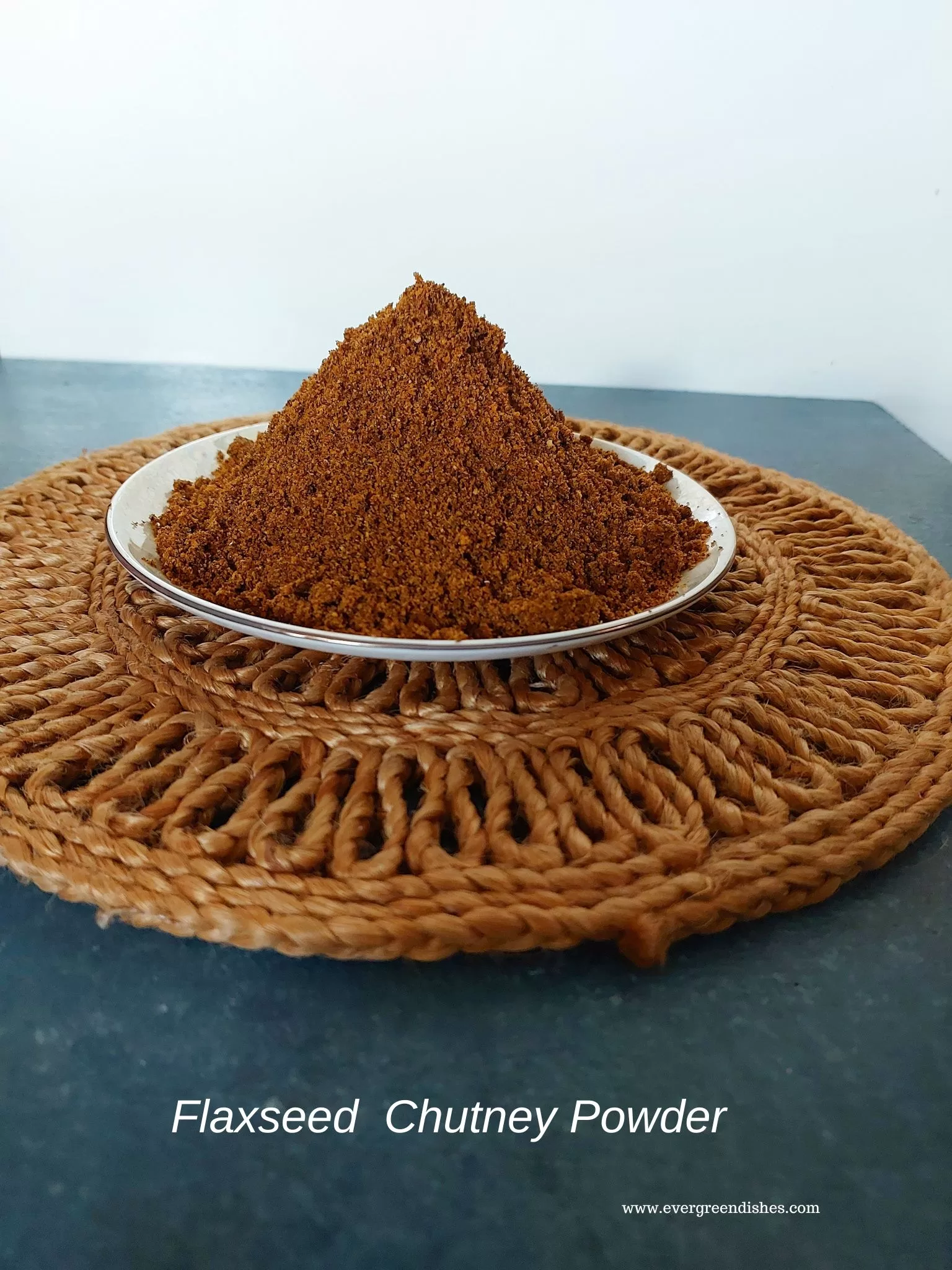
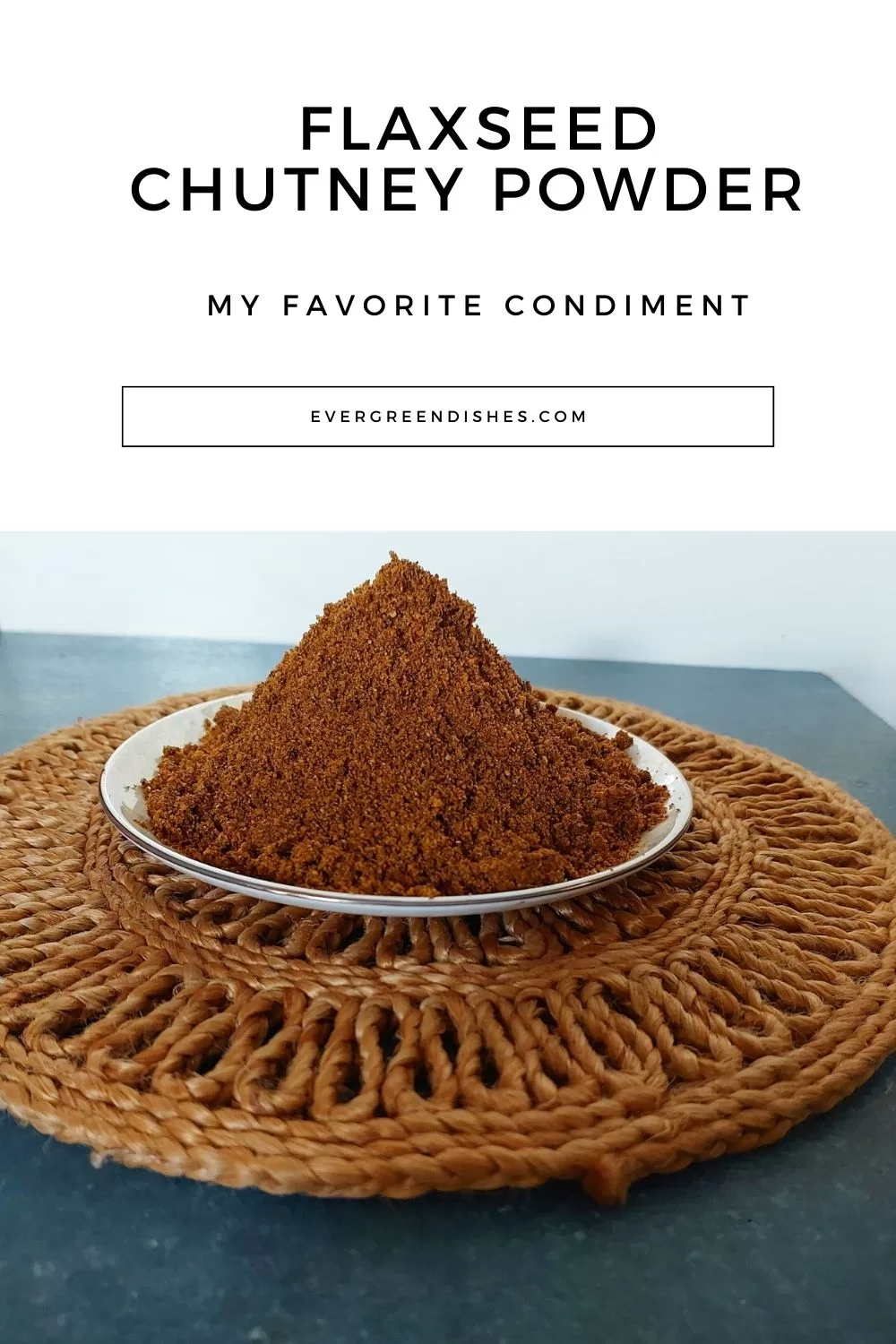
  • Flaxseed Chutney Powder / Agase Chutney Pudi

    Flaxseed Chutney Powder / Agase Chutney Pudi

    Jump to Recipe

    Flaxseed chutney powder is a tasty and ideal condiment to make and store at home. It stays good for a long period and makes a good accompaniment with any meal. It is usually served with jowar roti or chapati along with other dishes.

    A hearty new year greetings to one and all. May the year be filled with joy, peace and happiness. The first post of 2019 and as is the custom to begin with good things, I thought of kick starting with a healthy recipe on the blog. Flaxseed is the new age food that has gained a lot of importance because of its immense benefits. Presenting, flaxseed chutney powder that is not only tasty but healthy, easy to make and pairs well with many dishes. It is a life saviour during busy days.

    What is flaxseed?

    Flax also known as common flax or linseed is a member of the genus Linumin the family Linaceae. It is a food and fiber crop cultivated in cooler regions of the world. The textiles made from flax is known as linen in the western countries and traditionally used for bedsheets and other kind of clothing.

    How is it helpful?

    Flaxseed is considered to be a super food as it is a good source of many nutrients. The main nutrients of flaxseed are Omega 3 essential fatty acids, lignans and fiber. It is high in Omega 3 Fatty Acids and consists of alpha linolenic acid (ALA), which is mostly found in plants. It lowers the risk of stroke and is heart friendly. The other rich source is the lignans which may reduce the risk of cancer. They are rich in dietary fibre and can be consumed easily. It helps digestive conditions  including chronic constipation, diarrehea, irritable bowel syndrome.

    How can one eat flaxseeds?

    Flaxseed is available as whole seeds, meal powder, liquid oil and oil in a pill form. It can be easily added to cereal, baked goods and garnished in other dishes in its powder form. Add a few roasted flaxseed to salad, it tastes good. You can also  also add a spoon of roasted flaxseed while making thalipeeth along with other spices.

    How can this chutney powder be used?

    Flaxseed chutney powder   makes a good accompaniment with chapati, idli, dosa, rice or curd rice. It is a life saviour on busy days or when you are bored to cook an elaborate meal.

    How long can it be stored?

    Agase pudi  stays good for more than two months, make sure the container is dry.

    flaxseed chutney powder

    Let’s get to the recipe of Flax Seed Chutney Powder

    Ingredients:            Measurement used : 1cup =250 ml

    • 1 cup flax seed
    • 2 tablespoon bengal gram
    • 2 tablespoon urad dal
    • 1 teaspoon coriander seed
    • 1/2 teaspoon cumin
    • 1/2 cup desiccated coconut
    • 15- 20 dry red chilli
    • a few curry leaves
    • a small piece of tamarind
    • a small piece jaggery
    • salt
    • 1 + 2 teaspoon oil
    • a pinch of turmeric powder
    • asafoetida

    Method:

    1. Dry roast the flax seeds until they splutter and you get a nutty aroma.
    2. Dry roast the desiccated coconut and curry leaves.
    3. Dry roast the lentils ,coriander seed  and cumin  separately.
    4. Put a spoon of oil in the pan and roast the red chilly.
    5. Once the ingredients are cool, grind them in a mixer jar. Add salt, jaggery and tamarind to it.
    6. Heat oil in a pan and make the seasoning. Add turmeric powder and asafoetida to it, put the ground powder and turn off the stove. Mix well. Store in a dry jar.

    Some other kind of condiments that I have on blog : curry leaf powder powder, garlic chutney powder, raw mango chutney, gongura chutney

    Print Recipe

    flaxseed chutney powder
    Evergreendishesdev

    Flaxseed Chutney Powder

    Flaxseed Chutney Powder is tasty and versatile to use. As it is packed with nutrients, this a good way to incorporate in our diet.
    Course: condiments
    Cuisine: karnataka

    Ingredients
      

    • 1 cup flax seed
    • 2 tablespoon bengal gram
    • 2 tablespoon urad dal
    • 1 teaspoon coriander seed
    • 1/2 teaspoon cumin
    • 1/2 cup desiccated coconut
    • 15- 20 dry red chilli
    • a few curry leaves
    • a small piece of tamarind
    • a small piece jaggery
    • salt
    • 1 + 2 teaspoon oil
    • a pinch of turmeric powder
    • asafoetida

    Equipment

    • 1 pan
    • 1 ladle
    • 1 large bowl
    • 1 large plate
    • 1 cup
    • 1 tablespoon
    • 1 teaspoon

    Method
     

    1. Dry roast the flax seeds until they splutter and you get a nutty aroma.
    2. Dry roast the desiccated coconut and curry leaves.
    3. Dry roast the lentils ,coriander seed  and cumin  separately.
    4. Put a spoon of oil in the pan and roast the red chilly.
    5. Once the ingredients are cool, grind them in a mixer jar. Add salt, jaggery and tamarind to it.
    6. Heat oil in a pan and make the seasoning. Add turmeric powder and asafoetida to it, put the ground powder and turn off the stove. Mix well. Store in a dry jar.

    About the event :

    Sending this to Fooodies_Redoing Old Post No128 a fortnightly event. We are a group of bloggers, work on  an old post either by changing the picture, text or both.Here, I have put better pictures.

    Pin it for later :
    flaxseed chutney powder
    flaxseed chutney powder


    If you have liked this post, do leave a comment and share it further.

    If you ever recreate this recipe, take a picture and tag  @foodiejayashree on Instagram or @evergreendishes on Facebook. I will be happy to share your dish with my network.

    Follow evergreendishes on other social media, let’s be connected.