Kootu is a tasty lentil curry with mixed vegetables cooked in a blend of spices. It is moderately thick in consistency than sambar. It is usually prepared during festivals and ceremonies. (more…)
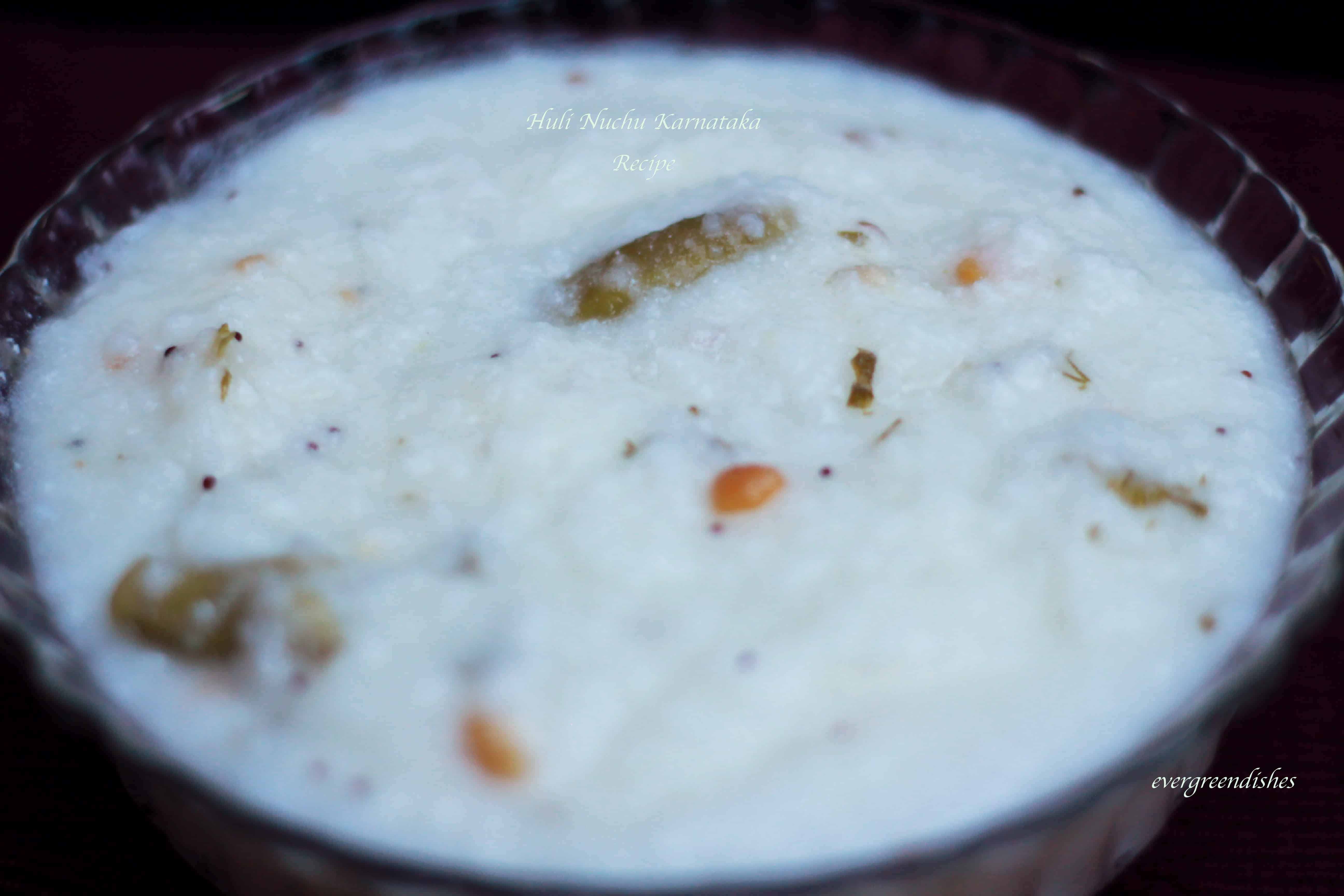
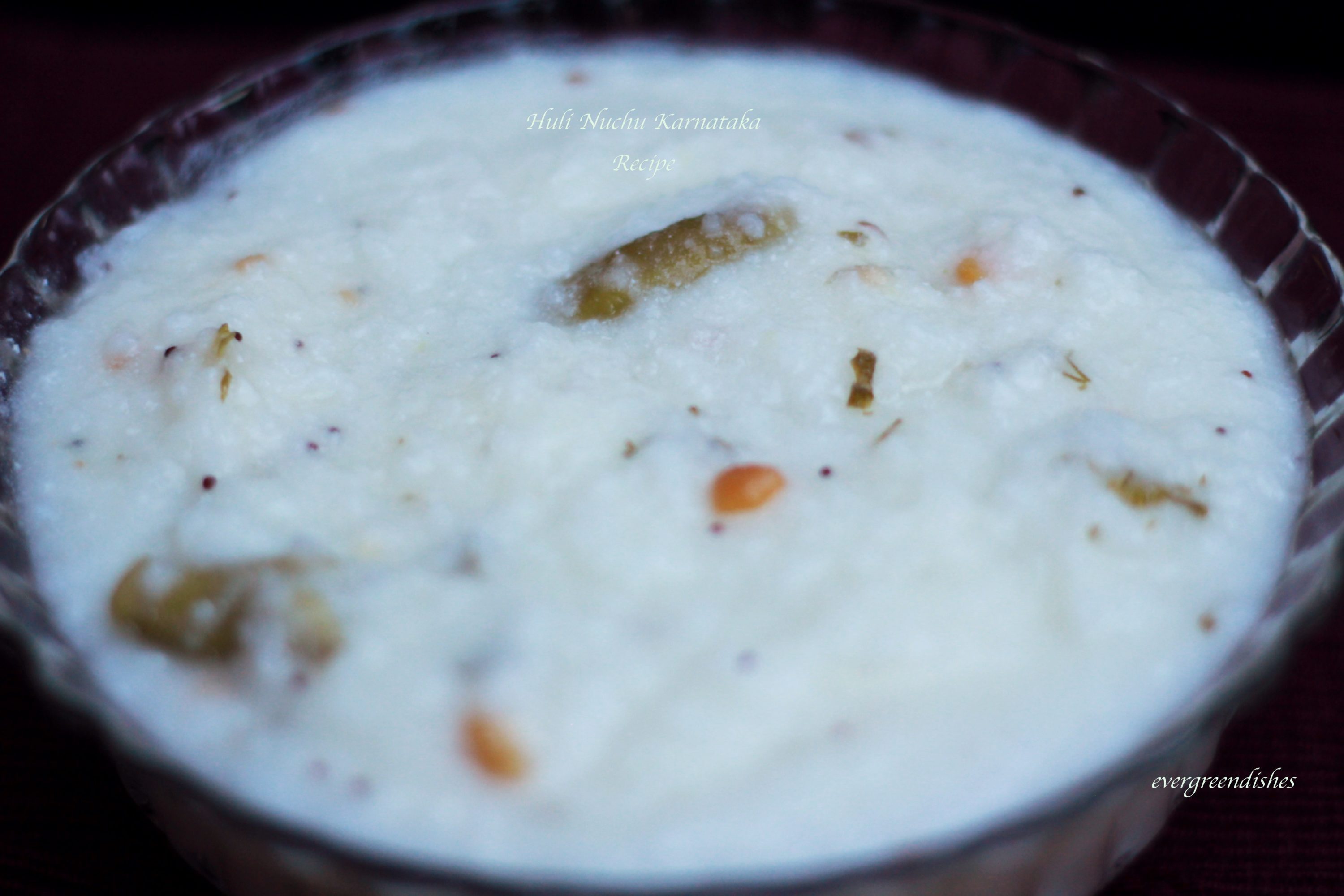
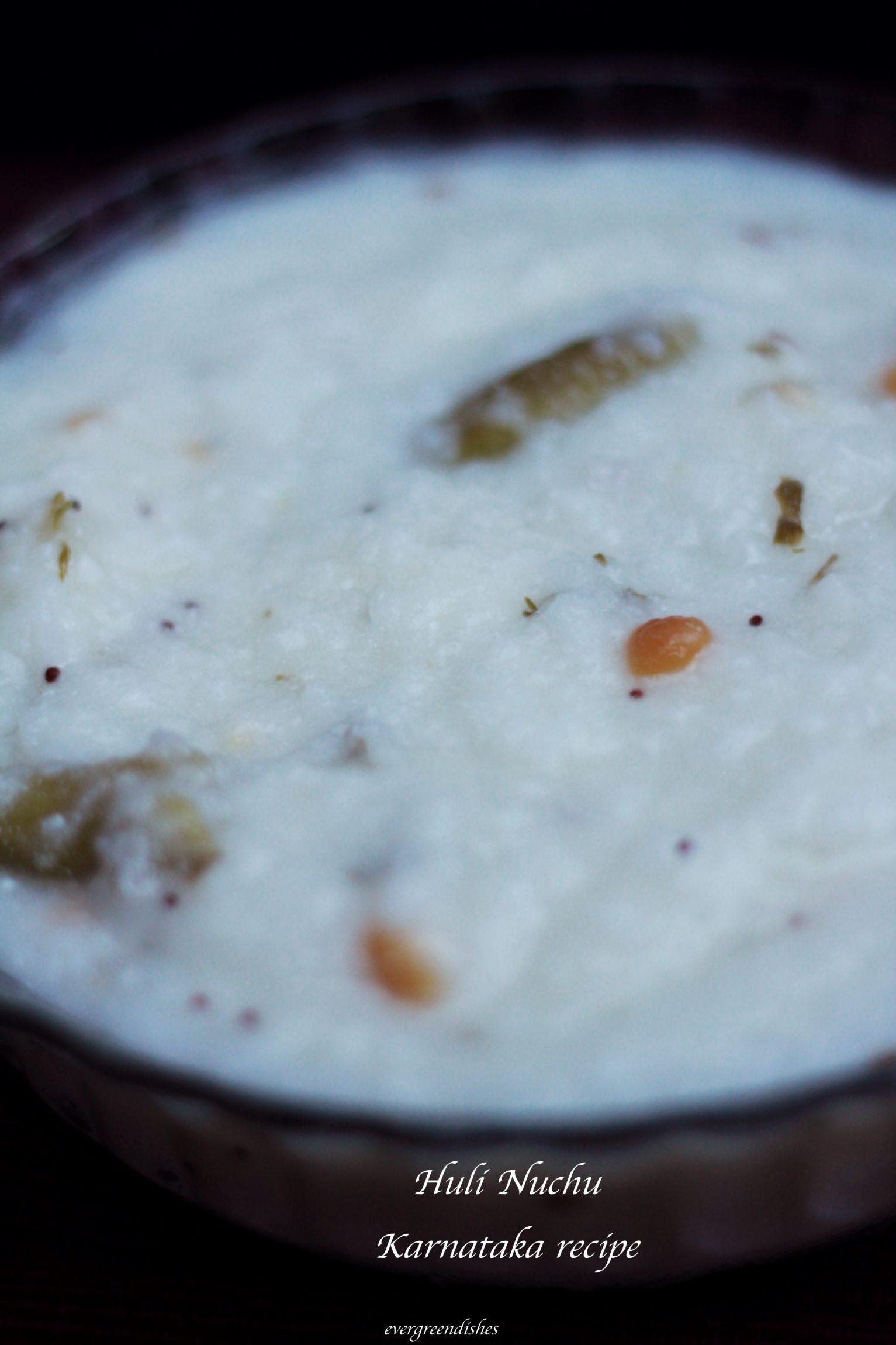
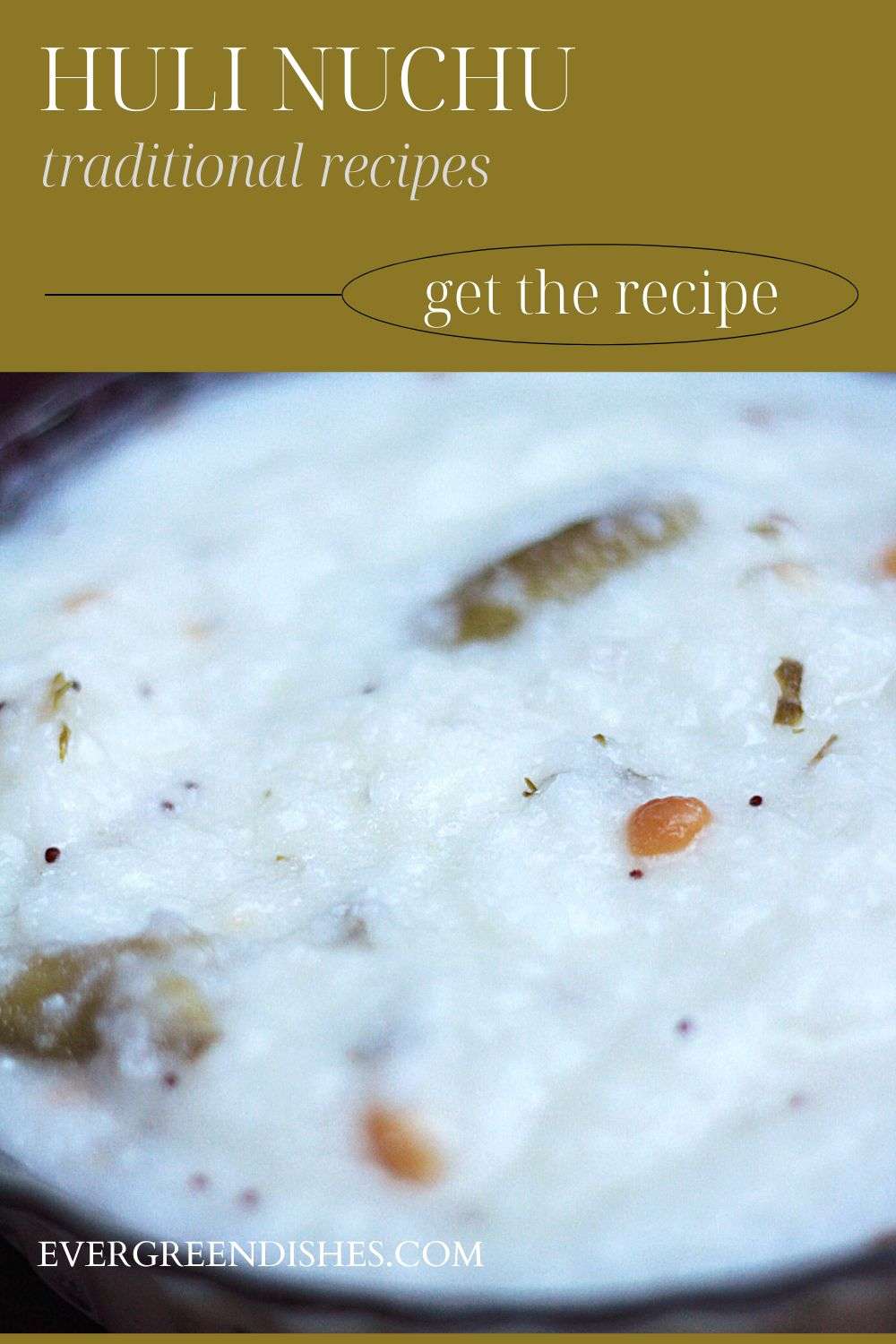
Huli nuchu or katambli is a traditional food that is made using broken rice and buttermilk. It is a coolant food for summer from Karnataka.
Some recipes are cherished since ages, they have stood the test of time and are worth mentioning. May be with time, life is moving super fast these days, some dishes will be soon forgotten and face a silent death with time. Writing it here, for all the kannadiga fans who love these dishes, Huli nuchu or katambli is one such unique dish, it’s one of the heirloom recipes, passed on through generations.
It makes a good dish for lunch or breakfast. Huli nuchu is a kannada word, where “huli” means “sour” and ” nuchu ” is the term used for broken rice granules. Thus, the broken rice granules are cooked in sour buttermilk. With the recipe written down here, I hope many will continue to cook and enjoy this rare dish.
huli nuchu or katambli
Broken rice granules are cooked in sour buttermilk with seasoning and spices, it makes a comfort meal by itself. One can serve it for breakfast or lunch. A simple mango pickle tastes good with it.
One needs a little prior preparation here. Raw rice needs to be washed and dried on a cloth. It is then coarsely grinded in the mixie. You can make this a day earlier and keep it ready.
How to make the broken rice:
It is usually available in the market, but one can make it at home also. Take a cup of rice, wash and soak it for two hours. Later, discard the water put it to dry on a cotton cloth in shade. Once, it is partially dry, grind it coarsely in the mixer.
Heat oil in a thick bottom pan, it is good to use a pressure cooker if you do not have a thick bottom vessel. Add mustard seeds, as it crackles, put bengal gram and urad dal to it. Add asafoetida, after a few seconds, put the green chilly and curry leaves to it. Mix water to the curds. Pour it into seasoning, add salt.
As it boils, mix the broken rice granules (akki tari) slowly to it. Keep stirring, lumps may be formed here. Let cook on a slow heat for some time. Keep stirring in between.
Add fresh coriander to it.
Add more water, if the consistency is thick.
The rice granules should be soft, once it is done, remove and serve. Mango pickle tastes good with it.
Take a tip:
Sour curds is essential.
Adjust chilly as per your needs.
Ginger may be grated and put in the seasoning.
Do not skip adding ginger, it gives a good taste to thhe dish.
It needs time to prepare this dish.
huli nuchu or katambli
Evergreendishesdev
Huli nuchu | Katambli | Karnataka recipe
5 from 8 votes
Huli nuchu is one of the heirloom recipes that is prepared by me. Broken rice are simmered in buttermilk with a seasoning for a long time, it makes a tasty meal by itslef.
Whisk the curds, add water to it and keep it aside.
Heat oil in a thick bottom pan, add mustard seeds, as it crackles, put asafoetida, bengal gram, urad dal, ginger pieces, green chilly and curry leaves. Let cook for a few seconds. Now, add the buttermilk (curds and water mixed) to it.
Once it boils, slowly add the broken rice to it, keep stirring in between. Add salt and let cook on a slow flame for half an hour.
Keep stirring in between. Add water if necessary, the consistency should be moderately thick.
Add fresh chopped coriander to it while cooking. It imparts good smell.
Notes
To make broken rice, wash the raw rice and put it to dry on a cloth. Later, coarsely grind it.
Curds should be sour.
Adjust the consistency of water.
Grated ginger can be added.
Pin it for later :
huli nuchu / katambli
Subscribe to get updates in your inbox and a free e-book ! If you ever recreate this dish, do tag me on Instagram using the @foodiejayashree
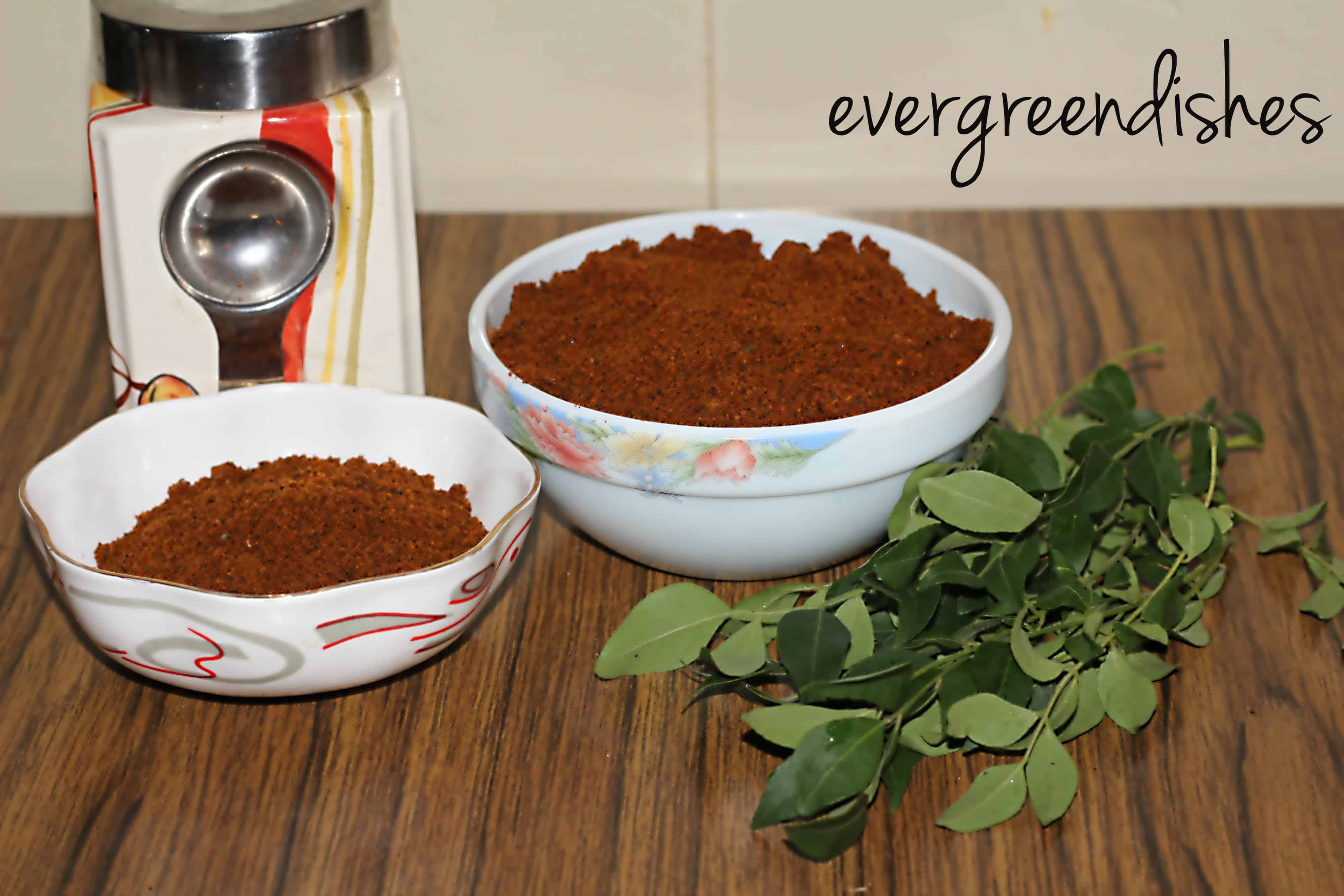
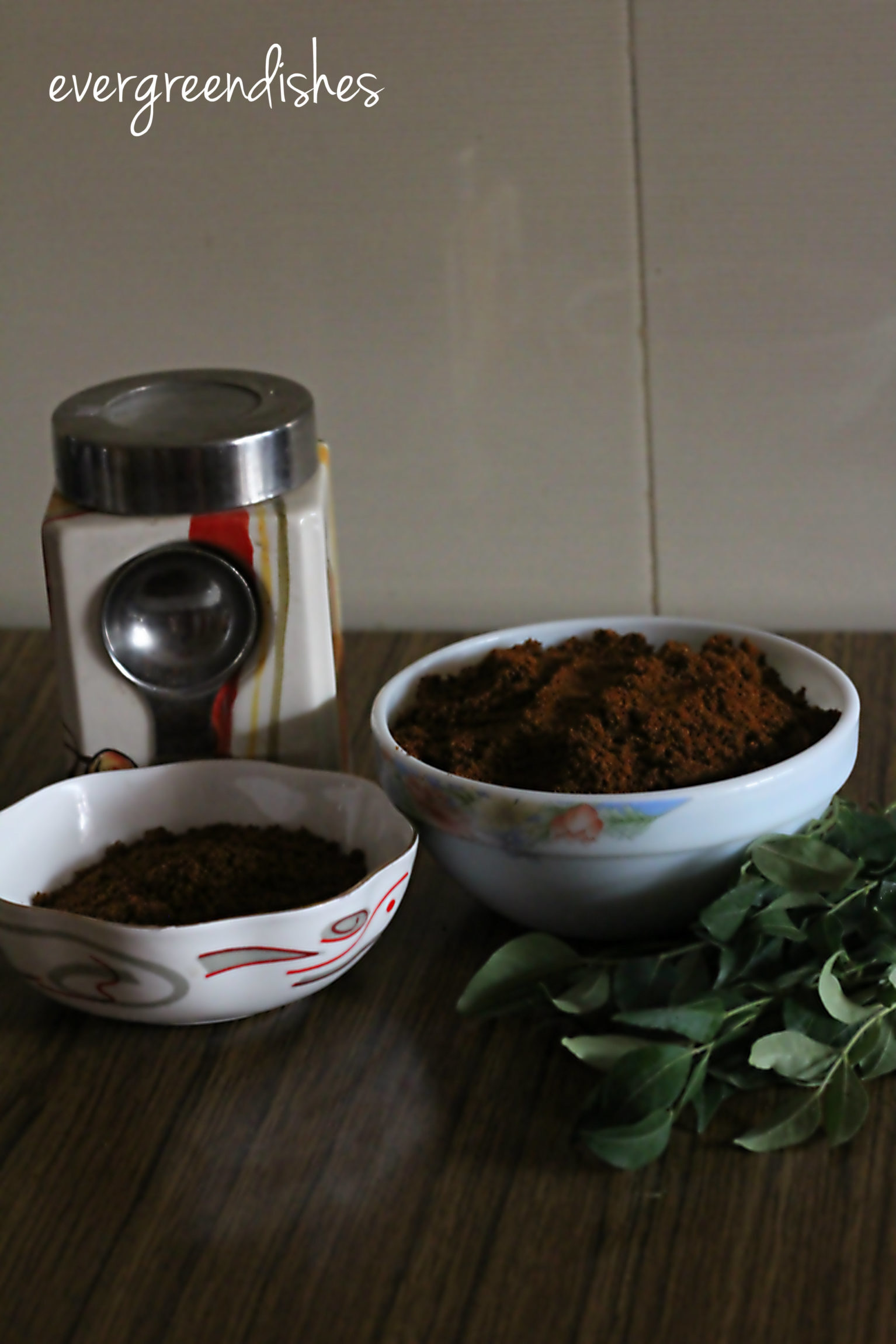
Cooking is easier when you have condiments on the shelf. They act as a substitute or serve as an additional accompaniment. We regularly need these dry chutney powders. I usually have four varieties and one of them is the Curry leaf powder/ karibevina chutney pudi.
Curry leaf is extensively used in south indian cooking. It is mainly used to give a good aroma to the dish. But, do you know that curry leaf is packed with numerous benefits. It has carbohydrates, calcium, iron, and vitamins as Vitamin A, B, C and E.
It helps in controlling anaemia. It prevents diabetes and lowers cholestrol. It aids in digestion.It improves hair growth.
Curry leaf powder can be used with hot steamed rice and a dollop of ghee. It is one of the essential condiments in South Indian homes. It tastes good along with sambar or curd rice.
1 cup urad dal, split black lentils, black gram dal
1 cup dry scrapped coconut
4 cup curry leaves
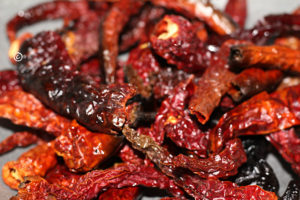
handful of dry red chilly
1 leaf of tamarind
1/4 teaspoon jaggery (a small piece)
salt to taste
1 teaspoon oil
1/4 teaspoon asafoetida
Procedure:
Wash the curry leaves and roll them in a dry cloth to dry.
Remove the stalk and separate the leaves.
The dry coconut can either be cut into thin slices or grated. I prefer to cut them in thin slices, it is easier to do.
Take a pan and dry roast the urad dal. Put it aside.
Dry roast the curry leaves, it should be crisp.
Dry roast the coconut scrapings.
Roast the red chilly with a little oil.
Put the tamarind in the hot pan and keep it for sometime.
Take a jar, grind coconut and chilly together. Then add the urad dal and curry leaves, give a swirl. Put salt, jaggery and tamarind to it and grind for another minute.
Heat oil in a pan. Add asafoetida to it. Keep it aside. Put the ground mixture and mix well.
A dry powder made from curry leaves and dessicated coconut is a tasty accompaniment with any meal. It has a long shelf life, thus handy to use anytime.
Seperate the stalk and wash the curry leaves, put them in a dry towel and keep it to dry.
Remove the leaves and put them aside. Dry roast in a pan until crisp.
Dry roast the urad dal until light brown in colour.
Dry roast the thin sliced coconut pieces.
Put a little oil and roast the red chilly until crisp. Put the tamarind in the hot kadai and keep it aside.
When cool, grind red chilly and coconut at first. Then add, urad dal and curry leaves to it. Give a swirl, then put salt, tamarind and jaggery into it. Coarsely grind it.
Make seasoning with asafoetida. Put the ground powder to it. Mix well.
Curry leaf powder is ready to serve.
Notes
Let the powder cool before storing.
Use fresh, mildly grown leaves. They have good aroma.
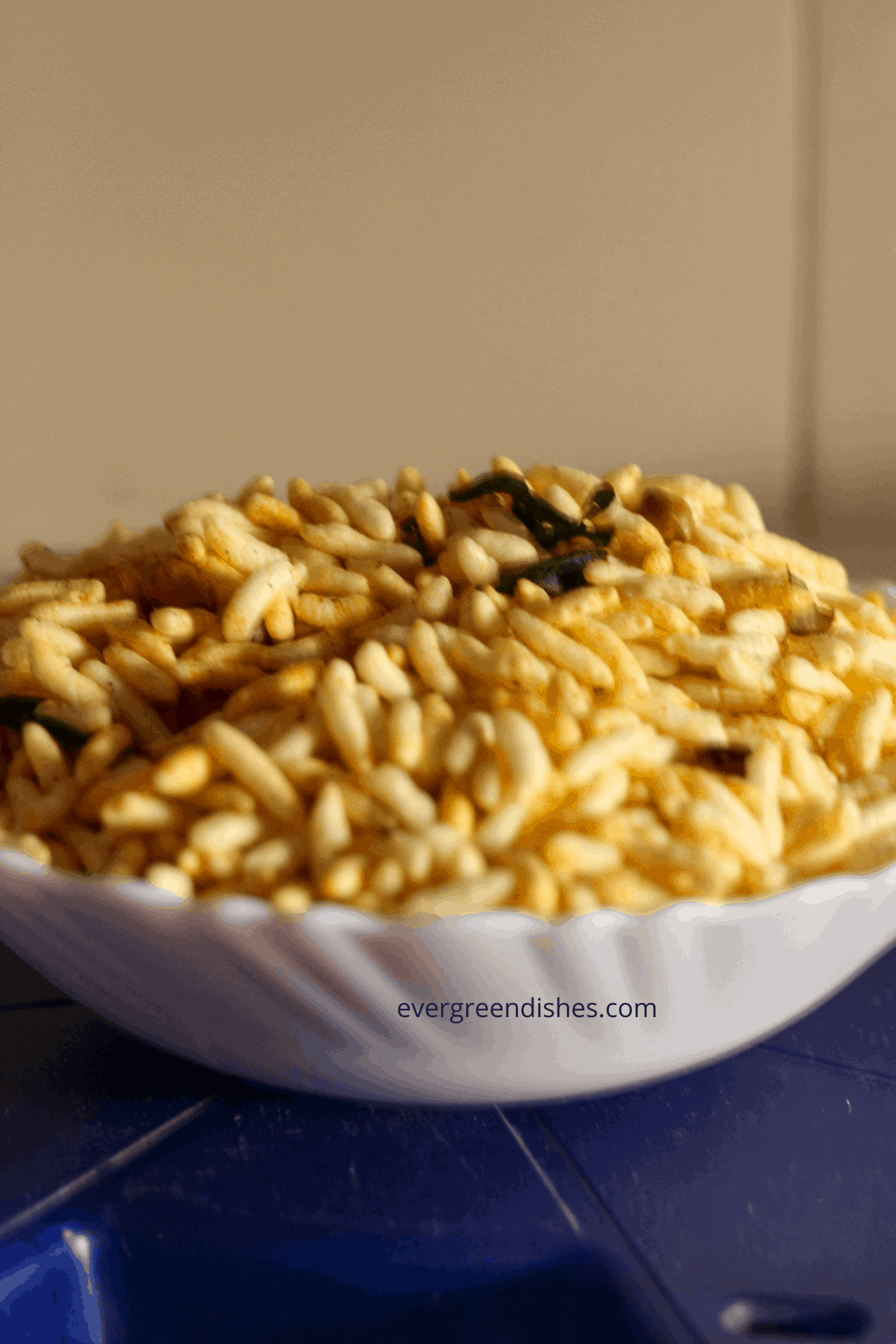
Roasted murmura is a light and dry snack ideal to store at home. It is liked by children as well as adults.
Roasted murmura and rice flakes are commonly found in most homes of South India. They are ideal as a light snack with tea in the evenings and stay good for a long time.
Murmura is commonly called as puffed rice in English. Other names of murmura are mandalu , churmuri, mandakki, mamra, kurmura, mudi
Growing up, we always had it at home. Now, I too prepare either one of them to have as a light snack when children are hungry. Advantages of having roasted murmura at home
easy to binge
liked by adults and kids
good to have a few snacks ready on the shelf
it is low in calorie
light on stomach
Roasted Murmura Recipe:
Ingredients :
1/2 kg murmura
1 bowl peanuts
1/2 bowl split dalia
1/2 teaspoon cumin
1 teaspoon cumin powder
salt to taste
1 tablespoon oil
1 teaspoon chilli powder
1/4 teaspoon turmeric powder
a pinch of asafoetida
a few curry leaves
Method :
Take a kadai, add oil and make the seasoning. Add cumin, asafoetida, turmeric powder and then put in groundnuts. Allow to cook them for two minutes, then add split dalia. Add curry leaves and cumin powder. After a few seconds, add chilli powder and salt, mix well and switch of the gas. Add the murmura and mix well. Heat it for sometime. This make it crisper. When cool, store in an airtight container.
Take a tip:
Murmura should be crisp.
Adjust the quantity of chilli powder.
Roast the peanuts for a few seconds, they should be crunchy.
Adding curry leaves gives a good taste to it.
Do not skip adding asafoetida.
About the event:
This is an old post which I have redone with better pictures and text. Sending this to Foodies_Redoing Old Post39, a fortnightly event where we work on an old post that we wish. With time, our writing and photography has improved a bit, so giving a better look to the old blog posts.
Evergreendishesdev
Roasted Murmura
Roasted murmura is a handy snack to store at home. When kids are hungry, a ready to eat snack.
Take oil in a kadai, heat it, add cumin, asafoetida and turmeric powder. As it splutters, put the groundnuts and let it cook for sometime.
Then add split dalia. Put cumin powder and curry leaves. Put salt, chilli powder and give a stir. Remove from heat.
Mix the murmura in it. Now, heat it on a low flame for sometime to give crispiness.
When cool, store in an air tight container.
Notes
Adjust the quantity if chilli powder.
Roast the peanuts for a few seconds, they should be crunchy.
Adding curry leaves gives a good taste to it.
Do not skip adding asafoetida.
Pin it for later:
roasted murmura.
If you ever make any of these recipes, take a picture and share it by tagging @foodiejayashree on Instagram or @evergreendishes on Facebook. I will be glad to see and share your creation further.
Check out my e-books on Amazon. Do not miss any post, subscribe to get all updates and an e-book for free !
With kids at home, it is usual to have many dry snacks such as chakli and kodbole on the shelves. These are loved by children.The fast and mechanical life has brought a stand still to some of the routine work made by older generation.Very often, we buy from stores , but it is always good if we can make it at home. Nothing is more healthier !
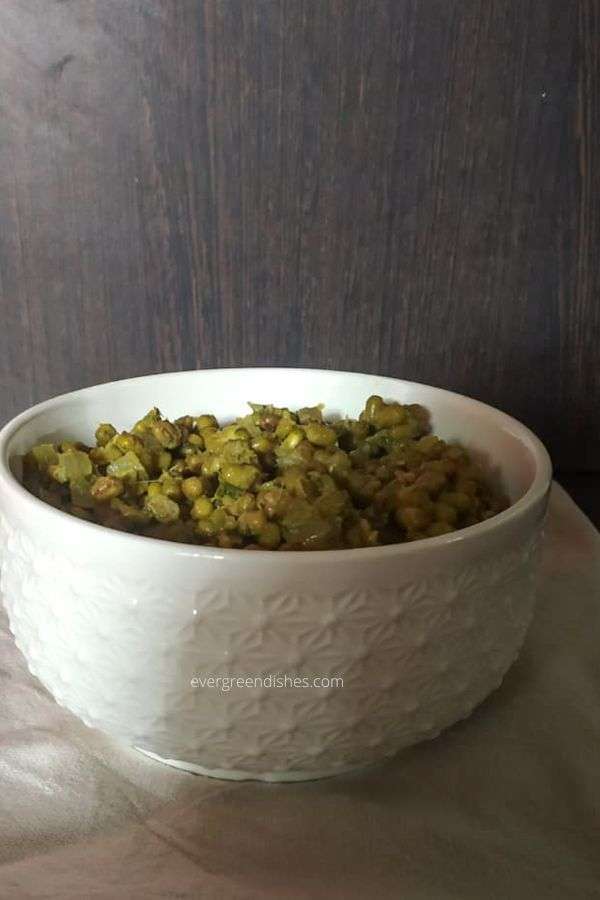
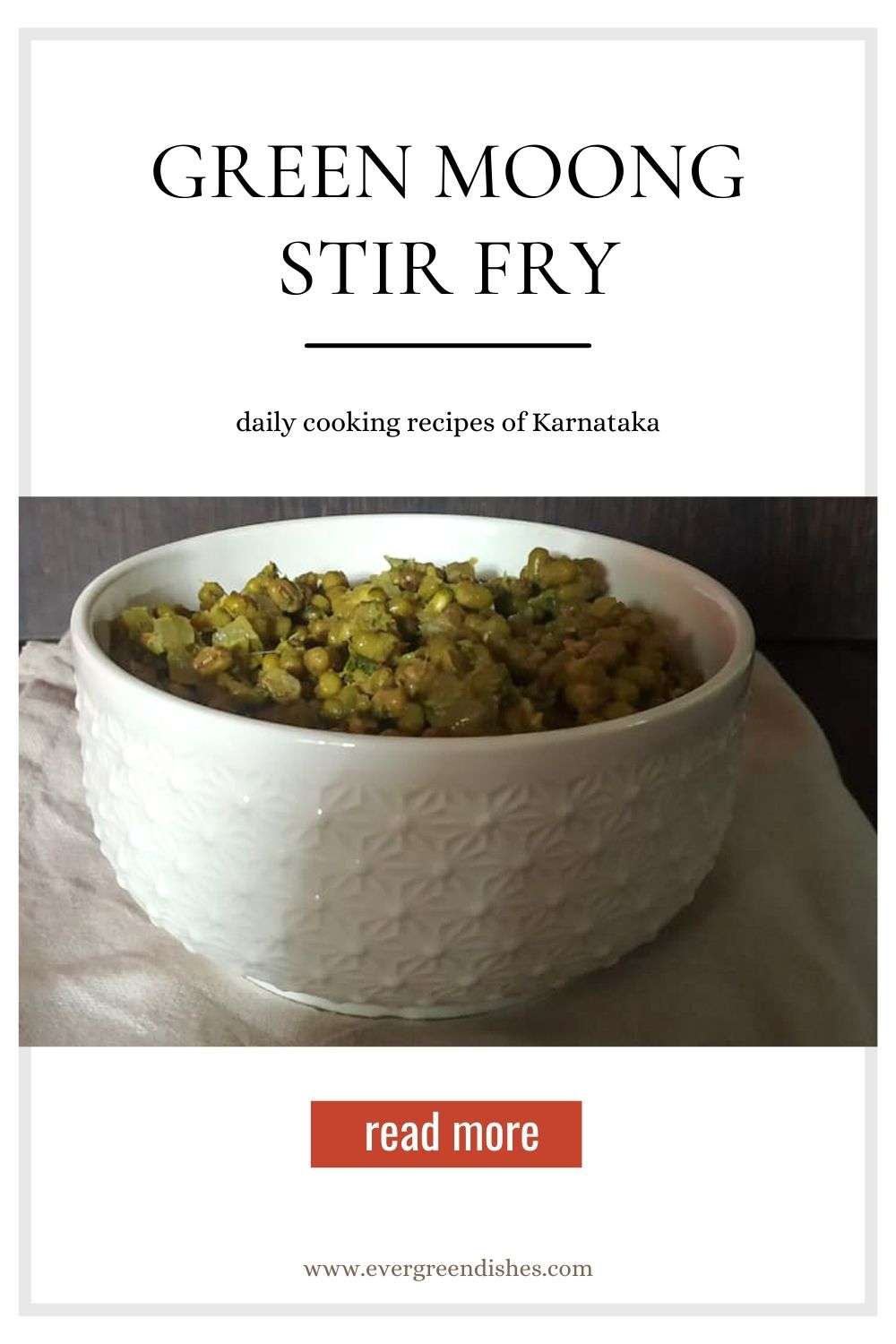
Green gram stir fry is a popular side dish from Karnataka. It is commonly known as Hesaru kalu palya. It makes a good accompaniment with chapathi or jowar roti.
Ask any South Indian, they will be happy to mention about green moong. It is one of the essentials in the kitchen. It is widely used to make an array of dishes as stir fry, curries and dosa. Sprouted green gram is mostly used in salads.
Green gram is widely used in South India to make as an accompaniment with jowar roti or chapati. It is mixed with a few spices and cooked well. It is often made as it is healthy and makes a good substitute for the regular veggies.
For unplanned cooking, you can cook them directly in the pressure cooker. But, it is good to soak green moong for half an hour at least. It eases the cooking process. Pressure cook it for two whistles. Allow the pressure to release it by itself. Do not cook for a longer time, it becomes smudgy.
Green moong can be soaked overnight and used in cooking. It can be cooked directly in a pan with some seasoning.
Sprouted green moong can also be used in cooking stir fry.
Moong Dal Bada is a crunchy snack made using green moong, ideal to serve as a snack.
Let’s get to the recipe of Green Moong Stir Fry
The ingredients that you need are :
1 cup green gram
1 onion
3 green chilli
ginger 1inch
handful of coriander leaves
1 tablespoon oil
1/4 cumin
1/4 teaspoon muustard
1/8 teaspoon asafoetida
1/8 teaspoon turmeric powder
salt to taste
Method :
Cook the green gram in a pressure cooker.
Grind coriander leaves, cumin, ginger and green chillies to a fine paste with a tablespoon of water.
Cut onions into small pieces.
Heat oil in a kadai, add the mustard seeds. When they crackle add asafoetida , turmeric powder and the onions. Saute till light pink. Add the paste and salt and mix well. Now ,add the cooked green gram to it and mix well. Simmer for five minutes.
Serve with chapati or jowar roti.It is ideal to soak for green moong for half an hour.
Take a tip:
The cooking time depends on the kind of gram you have used and the mode of cooking.
If soaked for a longer, you can cook them directly in a pan. Otherwise, you need to pressure cook them.
Adjust the level of spiciness as per your taste.
Evergreendishesdev
Green Moong Stir Fry
5 from 4 votes
Green Moong Stir Fry is a simple and tasty stir fry from North Karnataka. It makes a good accompaniment with jowar roti or chapathi.
Grind coriander leaves, cumin, ginger and green chillies to a fine paste with a tablespoon of water.
Cut onions into small pieces.
Heat oil in a kadai, add the mustard seeds. When they crackle add asafoetida , turmeric powder and the onions. Saute till light pink. Add the paste and salt and mix well. Now ,add the cooked green gram to it and mix well. Simmer for five minutes.
Serve with chapati or jowar roti.
Notes
It is ideal to soak for green moong for half an hour.
The cooking time depends on the kind of gram you have used and the mode of cooking. If soaked for a longer, you can cook them directly in a pan. Otherwise, you need to pressure cook them.
Adjust the level of spiciness as per your taste.
About the event :
This is an old post which I have updated with more information and better pictures. The recipe remains the same. Sending this to Foodies_Redoing Old Post 83, a fortnightly event. Here, we work on the old posts either by editing or by changing the pictures.
The post was first published on 13/07/2014. Edited on 21/7/2022
green gram stir fry
If you ever make Green Moong Stir Fry recipe, take a piicture and tag @foodiejayashree on Instagram or @evergreendishes on Facebook. I will be glad to share your creation. Subscribe to get an e-book and all updates in your inbox!
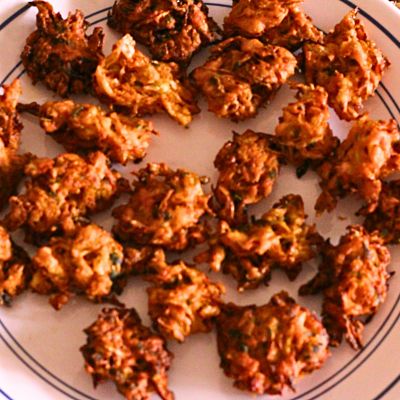
Cabbage pakoda are crispy and tasty. They are ideal with a hot cup of tea. It is vegan, no onion garlic dish. It is ideal to serve with a festive platter.
A typical South Indian platter consists of a payasam, chutney, pickle, two kind of stir fry, dal made with green leaf or sambar, rasam, sweet such as holige with a dollop of ghee, or any other kind, lemon rice and fritters as bhajiya along with papad. The meal ends with curds rice.
Cabbage pakodas are crispy and tasty. They are vegan and may be made as gluten-free by opting out asafoetida. You may also use a gluten-free asafoetida..
To make good pakodas, use a cabbage that is green in colour. Shred the cabbage finely. You may add a little bit of cumin or ajwain. They not only lend a good flavour but also aid in digestion.
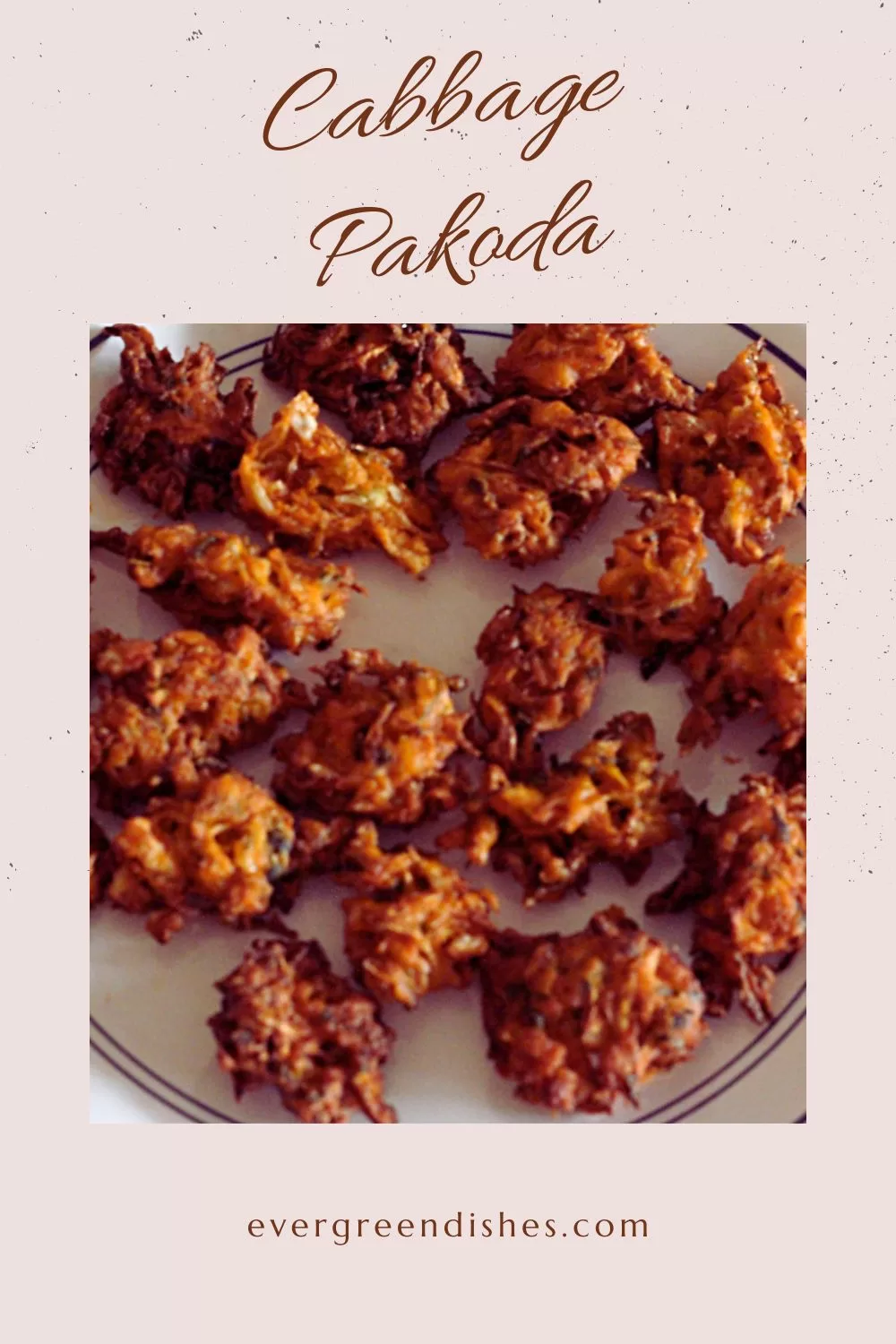
platter of cabbage pakoda
Cabbage Pakoda Recipe :
Ingredients :
1 small cabbage
1 cup gram flour
1 tablespoon rice flour
1/4 teaspoon asafoetida
1/4 teaspoon turmeric powder
salt to taste
1/2 bunch coriander leaves
Method :
Cut the cabbage finely into long slender shredding. Immerse in cold water and put it in a colander.
Take a wide bowl, add the cabbage and salt and keep it aside for ten to fifteen minutes.
After sometime remove the cabbage from the water and put it in a colander for sometime.
Now, put it in a bowl and add salt to it. Keep it aside for fifteen minutes.
Now, add chilly powder, turmeric powder and asafoetida to it. Mix it. Add gram flour and rice flour. Mix well.
Heat oil in a pan. Take small ball of the mixture and slowly let some into the pan. Put around eight to ten (depends on the size of the frying pan)
Deep fry on moderate heat. After sometime, turn it to the other side. Once it is done, remove them on a plate with tissue paper.
Repeat for the rest of the batter.
cabbage pakoda
About the event :
An old post got a makeover, sending this to Foodies_Redoing Old Post No 174. Participating after a long time, an old post got updated on 24/4/2026.
Subscribe to get an e-book of handyhints for free !If you have liked this post, do share it with your family and friends. If you ever make this, take a picture and share it by tagging @foodiejayashree on Instagram or @evergreendishes on Facebook or Twitter.