Category: karnataka recipes

  • Mysore Rasam

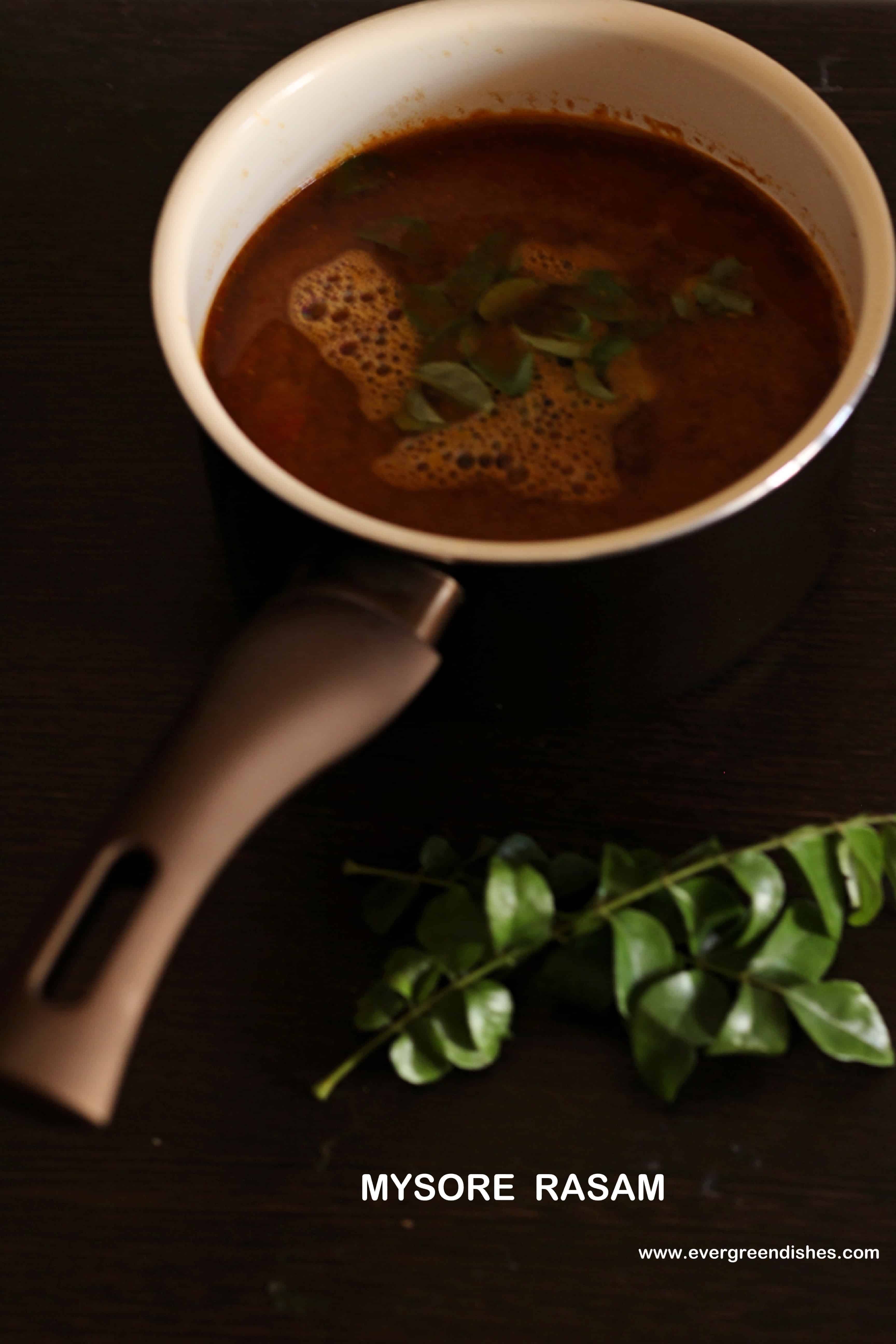
    Mysore Rasam

    The season is mild rainy days and chilly nights, a steaming hot food with a few pakodas is ideal, isn’t it? Today, I have a rasam recipe for you.

    What is rasam?

    Rasam is a lentil based, thin soup like accompaniment served with hot steamed rice. It is popular in South India mainly in the states of Karnataka, Tamilnadu and Andhra Pradesh.

    What are the different variety of rasam that one can make?

    There are many variety of rasam that one can relish. Pepper rasam, tomato rasam, saaru, neer saaru, lemon rasam, andhra rasam, mysore rasam are a few variety of rasam that one can prepare.

    What is the difference between Rasam and Sambar?

    Rasam and Sambar are siblings from South India. Rasam is thinner in consistency and usually served with steamed rice. Sambar is slightly thicker than rasam and has different vegetables in it, onion may or may not be added. It is not only served with rice but also idly, dosa and vada.

    What is Mysore Rasam?

    Mysore Rasam as the name suggests, hails from the sate of Karnataka. It is also known as Arachuvitta Rasam. It is a rasam made using fresh spice mix and coconut. It is flavoursome. Let’s get to the recipe of it.

    Ingredients:

    • 1 cup tur dal
    • 2 tomato
    • 1/2 teaspoon mustard
    • 1/4 teaspoon turmeric powder
    • a small lemon size ball of tamarind
    • 1 teaspoon ghee

    For the rasam mix:

    • 1 tablespoon bengal gram
    • 1 tablespoon coriander seed
    • 1/2 teaspoon cumin
    • 1/2 teaspoon pepper
    • 1/4 teaspoon methi
    • 5 dry red chilli
    • 2 tablespoon fresh coconut

    For the seasoning:

    • 2 teaspoon ghee
    • 1/2 teaspoon mustard seed
    • 1/4 teaspoon asafoetida
    • 1/4 teaspoon turmeric powder
    • 1/4 teaspoon cumin
    • 1 red chilly
    • curry leaves

    Method:

    1. Wash the tur dal, add two cups of water and cook it in pressure cooker for three whistles. The dal should be smoothly cooked.
    2. Soak the tamarind in water.
    3. Make tomato puree, keep it aside.
    4. Take a pan, add a teaspoon of ghee and roast all the ingredients except coconut under “For the rasam mix” for two to three minutes. Put the coconut in the end and roast for another minute. When it is completely cool, grind them together.
    5. Extract the tamarind pulp. Mix it with tomato puree, put it to boil, the raw smell of the tomatoes should go.
    6. Put the ground rasam mix, jaggery, and salt into it. Mix the cooked dal well and put it along with other ingredients. Add three cups of water.
    7. Make seasoning, heat ghee in a pan. Add mustard seeds, as it splutters, put cumin, asafoetida, turmeric powder, red chilly and curry leaves. Pour it over the rasam
    8. Once the rasam boils, it is done.
    9. Serve hot with rice.
    Mysore Rasam

    Mysore Rasam

    Mysore Rasam is spicy- tangy lentil based dish served with hot steamed rice.
    Prep Time 20 minutes
    Cook Time 20 minutes
    Total Time 40 minutes
    Course: lunch ideas, Main Course
    Cuisine: karnataka

    Ingredients
      

    • 1 cup tur dal
    • 2 tomato
    • 1/4 teaspoon turmeric powder
    • small lemon size ball tamarind
    For Rasam Mix
    • 1 teaspoon ghee
    • 1 tablespoon bengal gram
    • 1 tablespoon coriander seed
    • 1/2 teaspoon cumin
    • 1/2 teaspoon pepper
    • 1/4 teaspoon fenugreek
    • 5 red chilli
    • 1 sprig curry leaves
    • 2 tablespoon fresh coconut
    For the seasoning
    • 2 teaspoon ghee
    • 1/2 teaspoon mustard seed
    • 1/4 teaspoon asafoetida
    • 1/8 teaspoon turmeric powder
    • 1/4 teaspoon cumin
    • 1 red chilli
    • 1 sprig curry leaf

    Method
     

    1. Wash the tur dal, add two cups of water and cook it in pressure cooker for three whistles. The dal should be smoothly cooked.
    2. Soak the tamarind in water.Make tomato puree, keep it aside.
    3. Take a pan, add a teaspoon of ghee and roast all the ingredients except coconut under "For the rasam mix" for two to three minutes. Put the coconut in the end and roast for another minute. When it is completely cool, grind them together.
    4. Extract the tamarind pulp. Mix it with tomato puree, put it to boil, the raw smell of the tomatoes should go.Put the ground rasam mix, jaggery, and salt into it. Mix the cooked dal well and put it along with other ingredients. Add three cups of water.
    5. Make seasoning, heat ghee in a pan. Add mustard seeds, as it splutters, put cumin, asafoetida, turmeric powder, red chilly and curry leaves. Pour it over the rasam. Once the rasam boils, it is done.Serve hot with rice.

    Pin it for later:
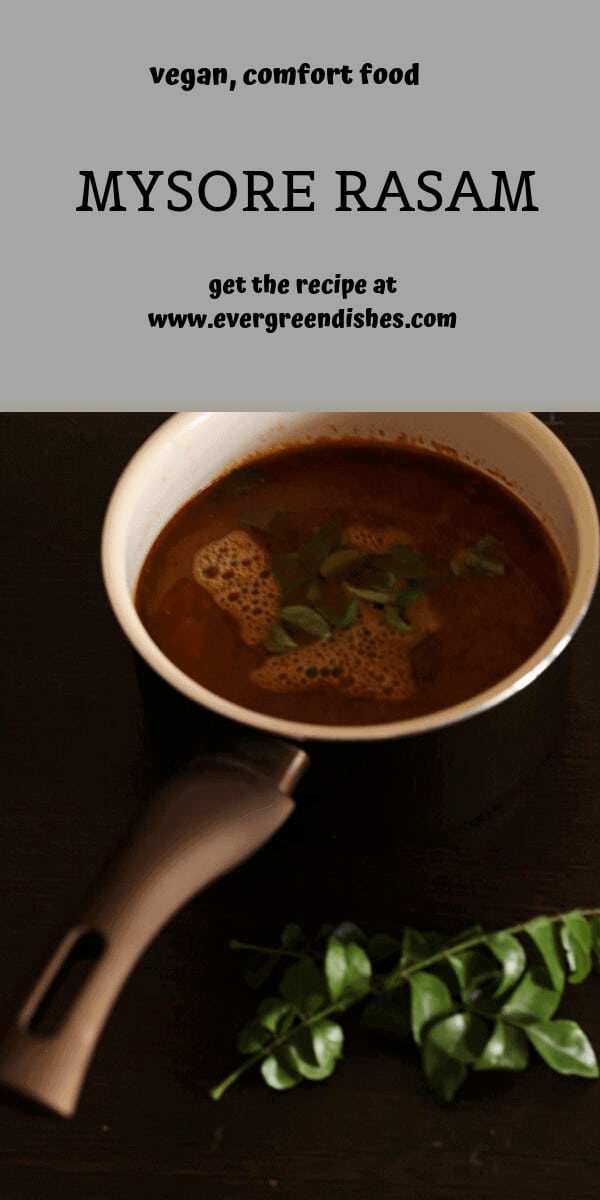
    Mysore Rasam

    I am sharing this with the Facebook group, “Food for Feast” where like minded bloggers decide a theme to blog every month. The theme for September was “Satvik Recipe”. Satvik food is that food that can be offered to God and does not contain onion and garlic in it.

    I am also sending this post MLLA 131 hosted by Sasmita of First Timer Cook . It is a monthly event started by Susan and now hosted by Lisa of Lisa’s Kitchen.

    If you have liked this post, do leave a comment below. If you ever make it, do take a picture and post it on Facebook by tagging @evergreendishes or on Instagram by tagging @foodiejayashree.

    Subscribe to get a book of handyhints for free !
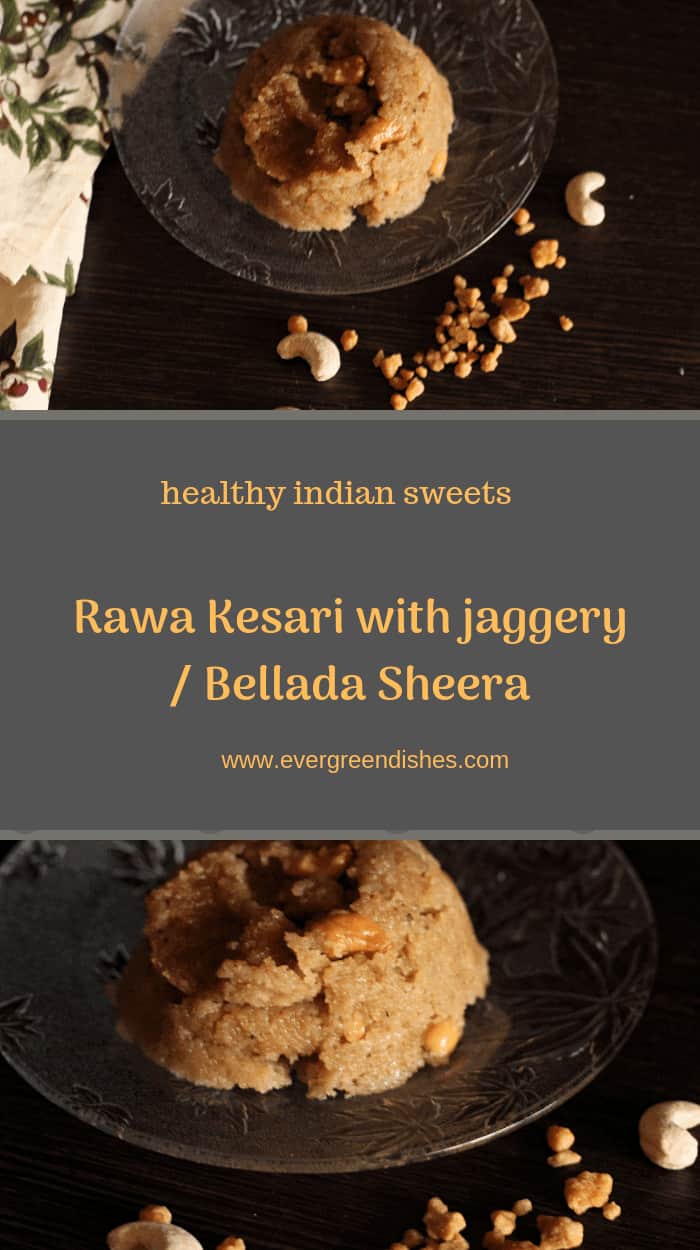
     

  • Rawa kesari with jaggery / bellada sheera

    Rawa Kesari with jaggery is a healthy twist to the usual sweet that is prepared. It is healthier and tasty too.

    Festive days are here and time to prepare a galore of sweets. Kesari is usually prepared using sugar but one can make it using jaggery also. There is a variation in taste, but it is good, it has a different tinge I can say.

    I wanted to make this since a long time and the time has come now. Jaggery is considered to be more healthier than sugar. Before I get to the recipe, here are a few common facts about jaggery.

    How is jaggery made?

    Jaggery is made from unrefined sugar by boiling the raw, concentrated sugarcane juice until it solidifies. The other sources of jaggery are date palm and sap of coconut.

    What does jaggery contain?

    Jaggery consists of anti-oxidants along with minerals like zinc and selenium.

    Why is jaggery considered more healthy than sugar?

    Molasses is a nutritious by-product of the sugar making process, it is retained in jaggery. It is known by the name gur in India.

    How to make Rawa Kesari with jaggery / Bellada Sheera

    Ingredients:

    • 1 cup semolina
    • 1 cup jaggery powdered
    • 2 tablespoon ghee
    • 3 cup water
    • 1/2 teaspoon cardamom powder
    • cashew pieces

    Method:

    1. Add a spoonful of ghee in a thick bottom pan, put the cashew pieces and semolina to it, gradually roast it to a golden colour. Put it aside.
    2. Put water in the pan, add jaggery to it. As jaggery melts and the water boils, slowly stir in the semolina. Put ghee to it.
    3. Let cook on a low flame.
    4. Finally, add cardamom powder to it.
    5. Rawa Kesari with jaggery is ready to serve.

    Take a tip:

    • I have used organic jaggery, thus the solution is not filtered.
    • Roast the semolina on a low flame until golden in colour.

    The other sweets with jaggery that I have are Ragi Halbai, Hayagreeva Maddi, Kadabu

    Do check the video here

    Pin it for later:

    Rawa kesari with jaggery / bellada sheera
    Rawa kesari with jaggery / bellada sheera

    Evergreendishesdev

    Rawa Kesari with jaggery / Bellada Sheera

    Rawa kesari with jaggery is a delectable sweet with a healthy twist. It is ideal for festive days or serve it as a quick breakfast for children.
    Prep Time 10 minutes
    Cook Time 10 minutes
    Total Time 20 minutes
    Servings: 6 people
    Course: Breakfast, lunch
    Cuisine: karnataka

    Ingredients
      

    • 1 cup semolina
    • 2 tablespoon ghee
    • 1 cup jaggery grated
    • 3 cup water
    • 8 cashewnuts broken into pieces
    • 1/2 teaspoon cardamom powder

    Method
     

    1. Take a pan, add a teaspoon of ghee and roast the semolina and cashew pieces, it should be golden in colour. Put it aside.
    2. Take water in a pan, add jaggery to it. Once the jaggery melts and water comes to a boil, slowly stir in the roasted semolina. Put the remaining ghee. Let cook for sometime, the water evaporates and it thickens.
    3. Add cardamom powder.
    4. Rawa kesari with jaggery is ready to serve.

    I am sending this post to the theme”Recipes with Jaggery” for the group “Food for Feast” of which I am a part of. Every month, a few themes are selected, poll is conducted and the highest one is selected as the theme for the month.

    If you have liked this post, do share it further. If you ever make it, take a picture and share it by tagging @foodiejayashree on Instagram or @evergreendishes on Facebook.

    Do leave a comment below, let me know what you feel about the recipes that I have been sharing. Check out my e-books on Amazon.

    Subscribe to get all updates in your inbox and an e-book for free!

  • Avalakki Upkari / Hachida Avalakki / North Karnataka

    Avalakki Upkari / Hachida Avalakki / North Karnataka

    Jump to Recipe Print Recipe

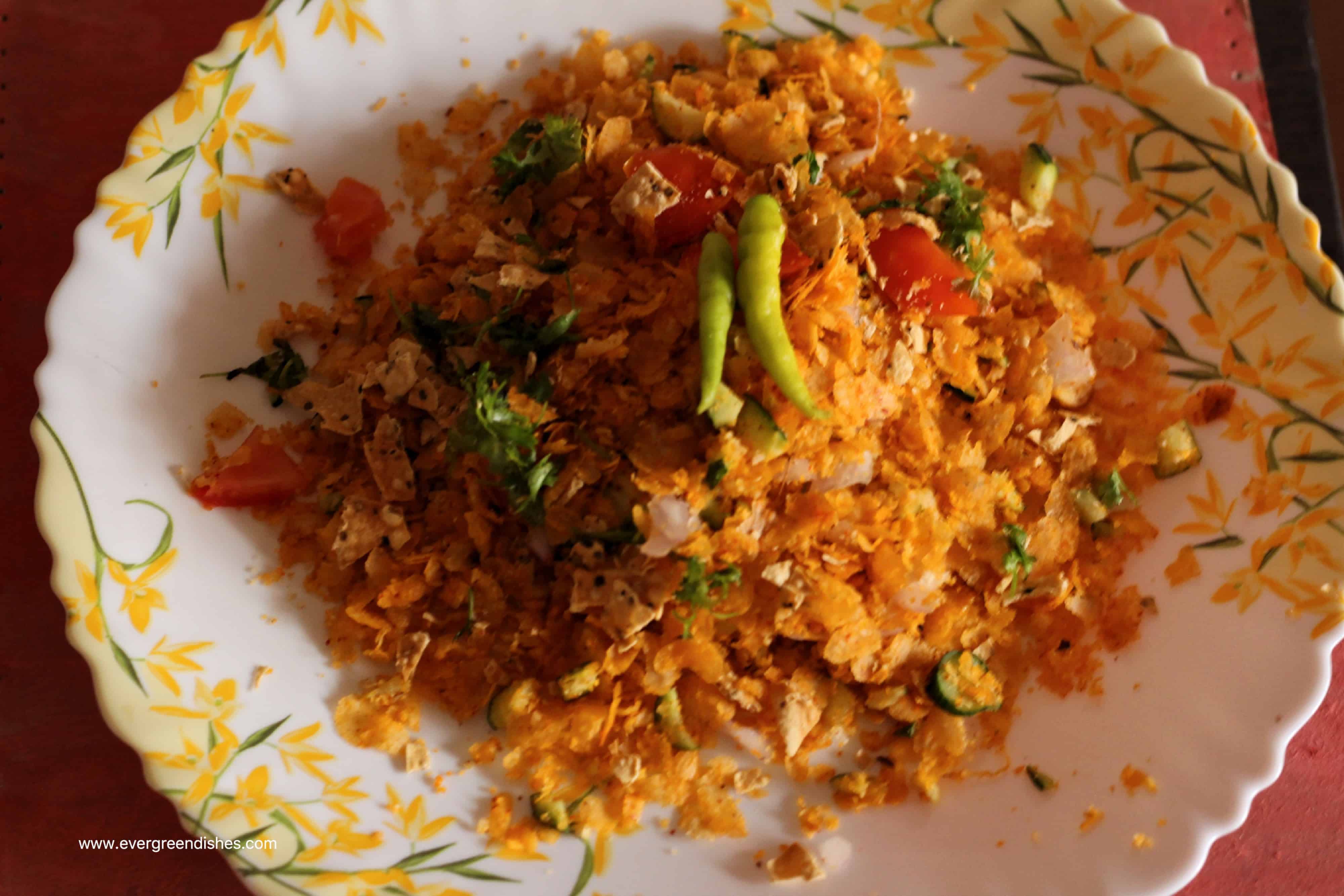
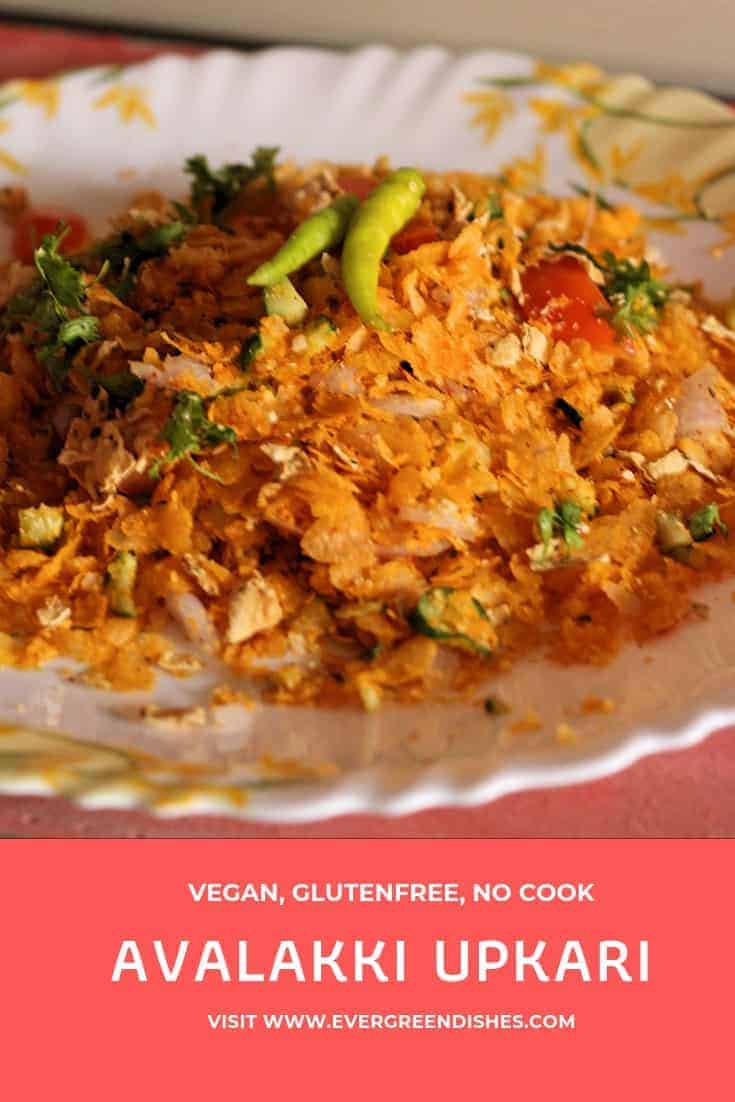
    Avalakki Upkari / Hachida Avalakki is a popular snack from North Karnataka. Thin flakes of flattened rice is mixed with coconut, cucumber, onion, tomato, chilly powder to form a tasty snack. It is commonly made for breakfast or as a evening snack.

    This is a humble snack which has never withered with time. It’s been passed on through generations, the only change is the variety of dressing that we put over it. Onion was hardly used in the earlier days. Now, onion and sev mixture, are added to it along with other ingredients. It is ideal as a quick snack or on those days when you do not want to cook. It is also good for fasting menu sans onion.

    Children like avalakki upkari and most often, it is our Sunday breakfast. One can customise this snack as per their need. Grated carrot, finely cut capsicum may be added, onion can be avoided and the amount of coconut that goes into it is as per the liking of the indivdual.

    A variety of mixture or sev may be added to it. This is one of the snacks I relish anytime.

    Avalakki Upkari / Hachida Avalakki
    Avalakki Upkkari / Hachida Avalakki
    avalakki upkari / hachida avalakki

    Let’s get to the recipe of Avalakki Upkari /Hachida Avalakki

    • 4 cup thin poha
    • 2 teaspoon oil
    • 2 teaspoon ghee
    • 1.5 teaspoon chilly powder
    • salt to taste

    For garnishing: 

    • 1 onion
    • 2 tomato
    • 4 cucumber
    • 2 cup fresh coconut
    • green chilly
    • mixture or sev (optional)
    • 1 lemon

    Method:

    1. Take a wide bowl, add chilly powder and salt to it. Mix it. Add thin poha to it and mix it well. Now, this can be stored for a couple of days. Use as much quantity you need with vegetables.
    2. Take the required quantity of mixed poha, add grated coconut, onion and cucumber to it. Mix it well. Add any mixture that you have to it, this is optional. Put lime juice and tomato pieces, mix it and serve.
    avalakki upkari
    Evergreendishesdev

    Avalakki Upkari / Hachida avalakki

    5 from 2 votes
    Avalakki upkari or hachida avalakki is a traditional snack from North Karnataka. Rice flakes are mixed with fresh coconut and veggies to make a tasty snack.
    Prep Time 15 minutes
    Total Time 15 minutes
    Servings: 6 people
    Course: Breakfast, evening snacks
    Cuisine: karnataka

    Ingredients
      

    • 4 cup thin flattened rice
    • 2 teaspoon oil
    • 2 teaspoon ghee
    • 1.5 teaspoon chilly powder
    • salt
    To make avalakki upkari
    • 4 cucumber
    • 1 onion
    • 2 tomato
    • 2 cup fresh coconut
    • 1 lemon
    • coriander
    Other ingredients
    • sev or mixture for topping (optional)

    Method
     

    1. Take a wide bowl, add ghee and oil to it. Put salt and chilly powder, mix it well. Add rice flakes and mix them together. This mixed rice flakes can be kept for a week.
    2. Chop onion, tomato and cucumber finely.
    3. Take the required quantity of mixed rice flakes, add grated coconut, onion and cucumber. Put lime juice, mix it well. Finally, add tomato and sev (if using), mix and serve immediately.

    Notes

    • No water is added here. The water released from onion and cucumber helps to soften.
    • Roasted papad, sev or mixture may be added.

    Pin it for later:

    Avalakki Upkari is a traditional snack from North Karnataka. It is a no cook vegan and gluten-free snack. Give a try to it.
    Avalakki Upkari / Hachida Avalakki
    Avalakki Upkari

    I am sending this post to 67 th Healthy Wellthy cuisines with the theme “No Cook Affair at HW” . Here are the other no cook recipes by co-bloggers of our blog hop :Carrot and Cucumber Mini Bites,Watermelon Gazpacho, Green Chick Pea Salad in Mustard Vinaigrette, Sun FlowerButter Apple Sandwich,Easy Marinated Veg Salad,Avocado Chaat, Kachumber Salad,

    If you have liked this post, do share it with your family and friends. If you ever recreate it, take a picture and share it on Instagram by tagging @foodiejayashree or on Facebook by tagging @evergreendishes

    Subscribe to get a book of handyhints for free !


  • Karchikayi / Karanji / Kajjikayalu

    Karchikayi / Karanji / Kajjikayalu

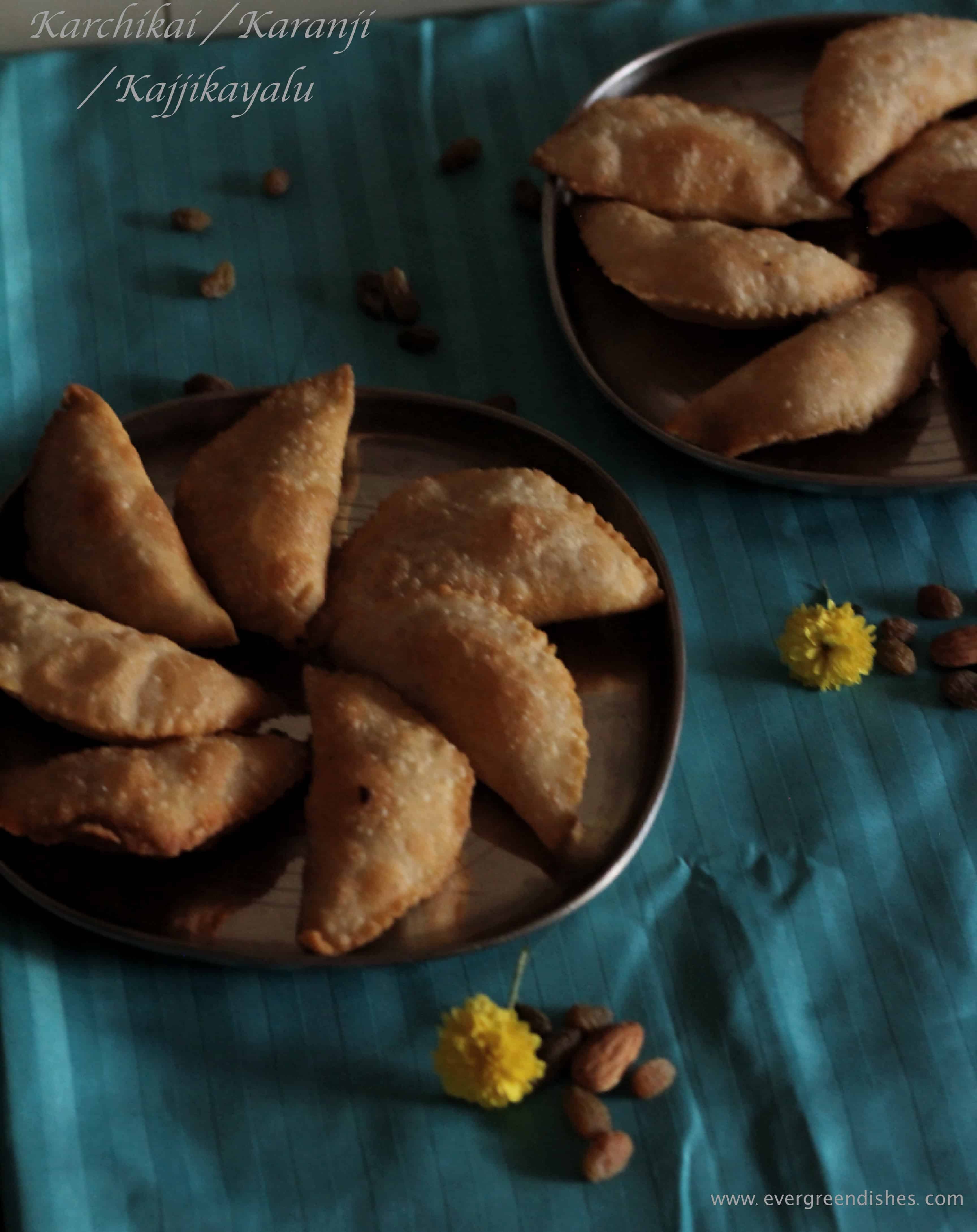
    Karchikayi or Karanji is a popular and traditional snack from South India. It is the sibling of Gujiya from North India. Karanji is a crescent shaped, sweet fried dumpling, filled with a coconut and nut mix, deep fried to perfection. (more…)

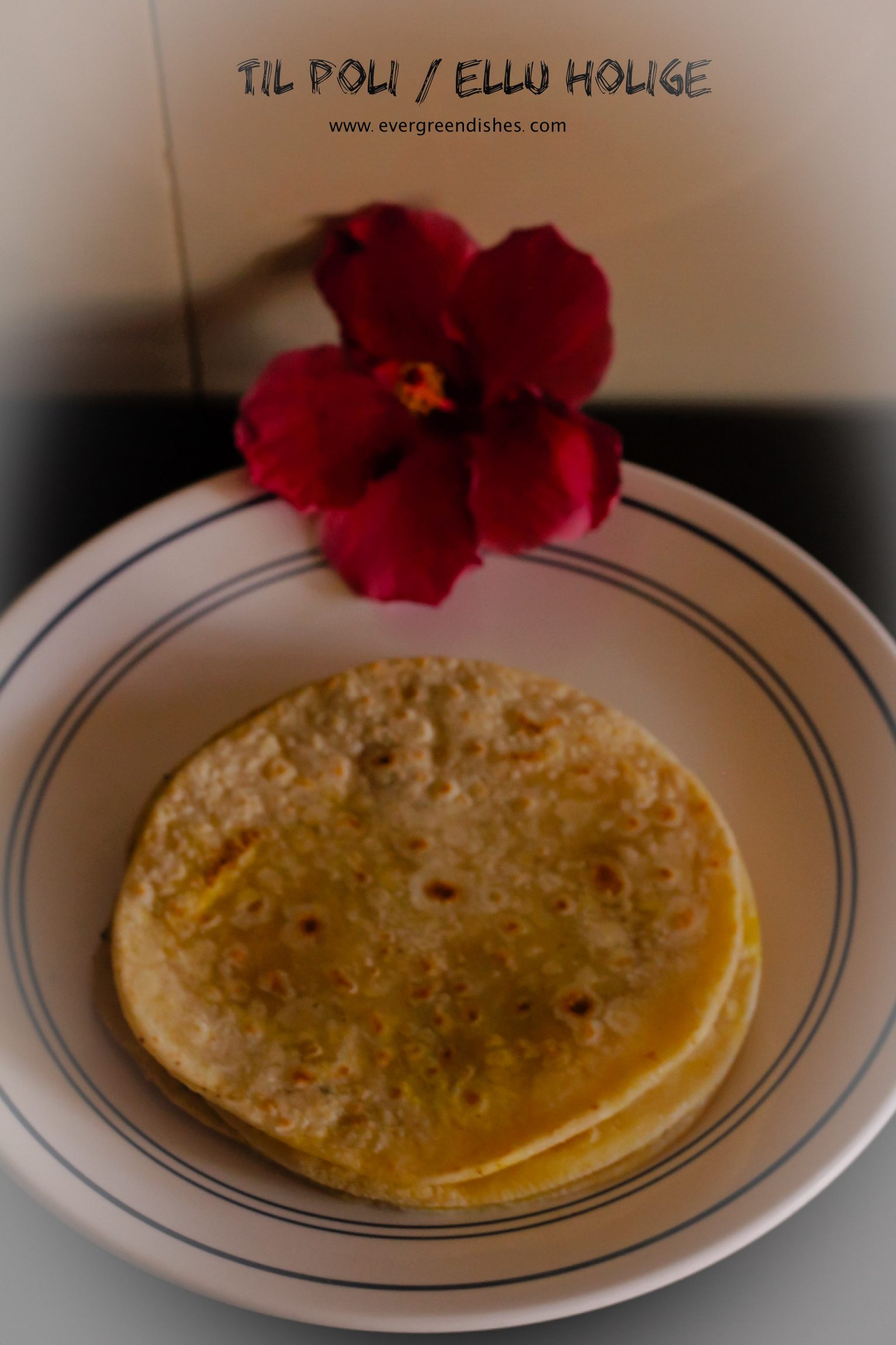
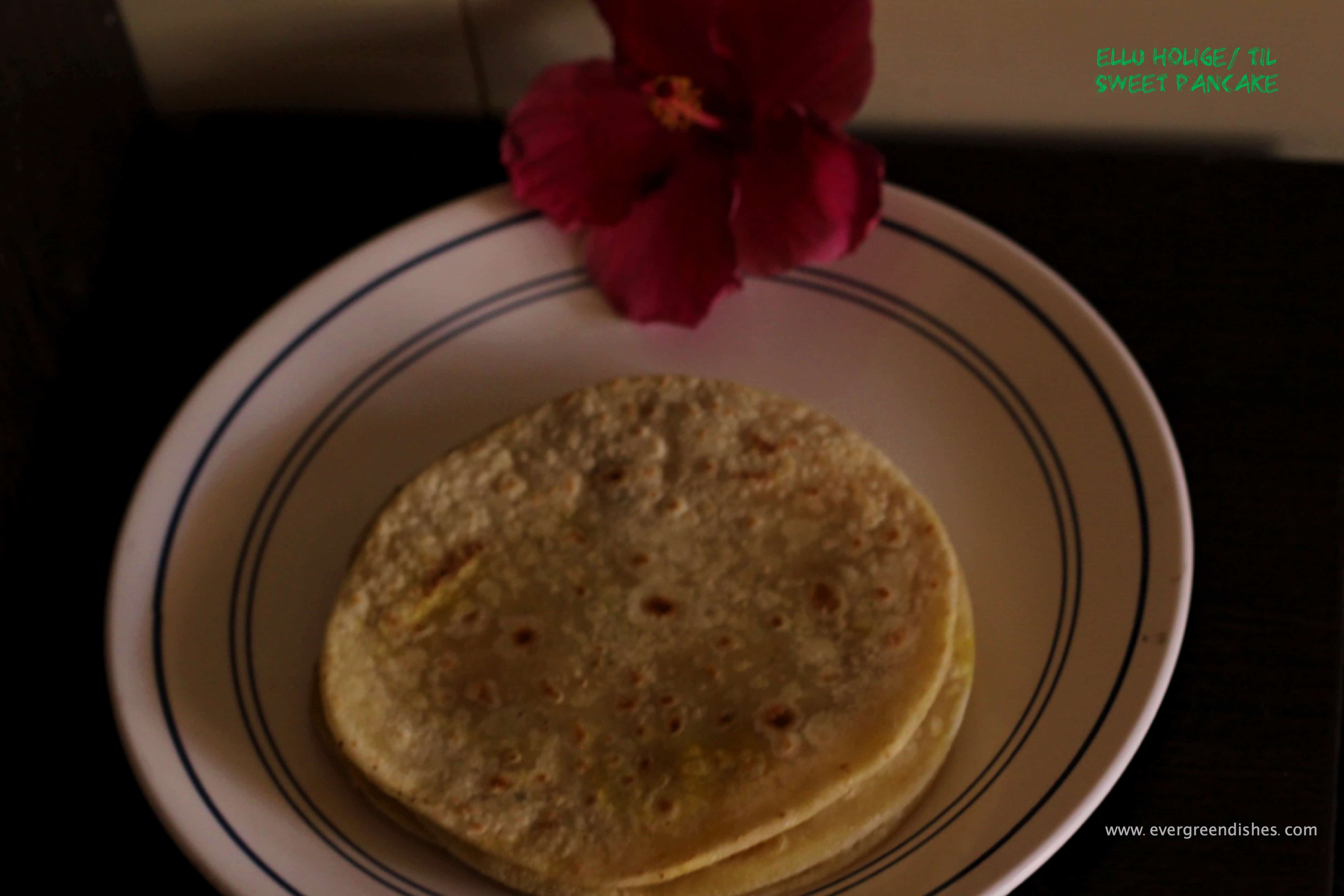
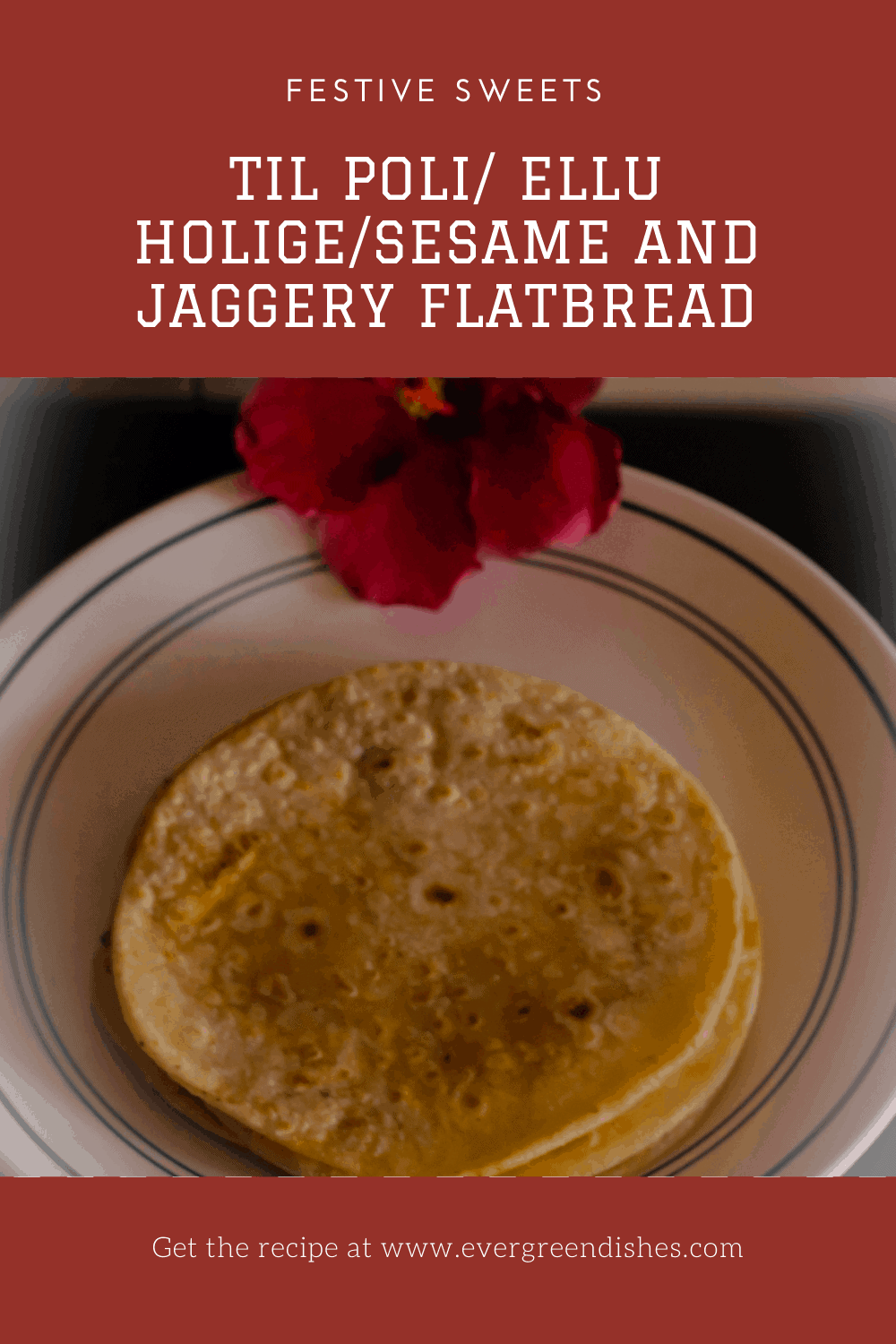
  • Til Poli / Ellu Holige /Sesame Jaggery Flatbread

    Til Poli / Ellu Holige /Sesame Jaggery Flatbread

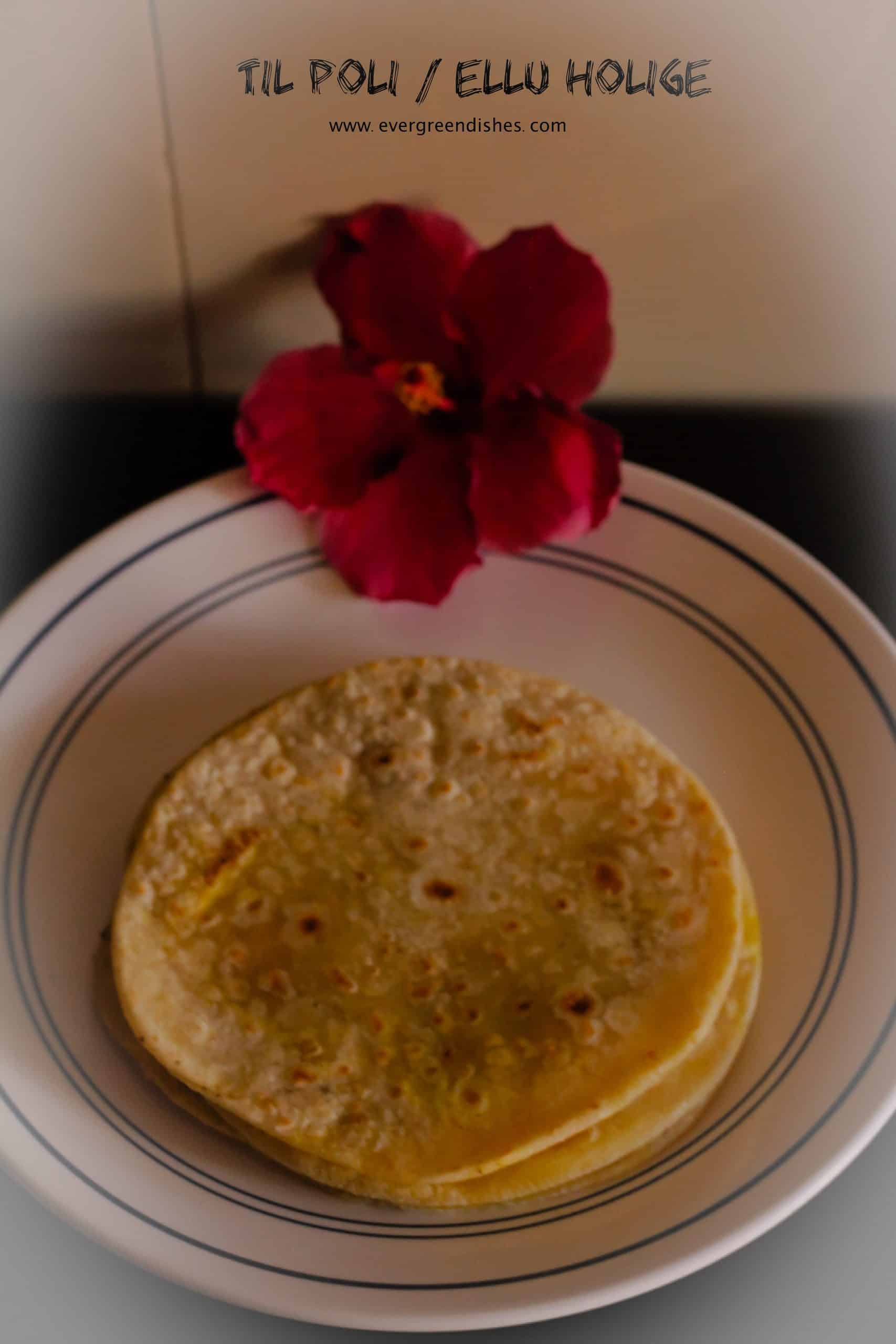
    Til Poli / Ellu Holige / Sesame Jaggery Flatbread is a traditional and popular sweet from North Karnataka. It is tasty, can be eaten by itself and stays good for a couple of days.

    The festival season calls for different sweet preparation. Various kind of stuffed sweet flatbread are made in South India and these make the festivities more enjoyable.

    White sesame seed and dry coconut are roasted and then pounded along with jaggery, it is stuffed to make a sweet, makes a tasty sweet that can be eaten by itself. Sesame is called as Ellu in Kannada and Til in Hindi and Marathi. Poli is the word used for  stuffed flatbread in Marathi.

    Til Poli is ideal to prepare during any celebrations. It can be stored for a couple of days and it can be eaten by itself.

    Til Poli / Ellu Holige / Sesame Jaggery Flatbread

    Til Poli / Ellu Holige / Sesame and Jaggery Flatbread

    Ingredients:

    For the dough:

    • 1 cup chiroti rawa
    • 1/4 cup maida
    • 1 tablespoon oil + 2 teaspoon
    • salt a pinch
    • turmeric powder a pinch
    • water

    For the stuffing:

    • 1 cup white sesame
    • 1/2 cup jaggery
    • 1/4 cup desiccated coconut
    • 2 cardamom

    Method:

    1. Take the semolina and maida in a bowl. Add salt and turmeric powder, give a mix. Put oil and rub it well with the dough. Use little water and knead to a dough, smear some oil, cover it with a thin cloth and keep it aside for 15 minutes.
    2. Dry roast the sesame seed until it is golden brown and gives a nice aroma. Lightly roast the desiccated coconut, once they cool down, grind with jaggery and cardamom, this is the filling.
    3. Take the dough, knead it again.
    4. Take a ball of the dough, roll it lightly. Take a ball of the filling and put it in centre and seal it well.
    5. Dust a light flour and gently roll it.
    6. Heat a skillet, put  it on the skillet. After a few seconds, turn it with the ladle and smear some oil on it.
    7. Roast on both the sides on a medium flame, golden spots should be visible.
    8. Put it aside and repeat for the rest of the dough.
    9. Til Poli / Ellu Holige  is ready to serve


    ellu holige
    Evergreendishesdev

    Til Poli / Ellu Holige / Sesame Jaggery Flatbread

    5 from 3 votes
    Til Poli / Ellu Holige is a sweet flatbread from Karnataka. It is tasty and ideal to prepare for any festivities.
    Prep Time 15 minutes
    Cook Time 20 minutes
    Total Time 35 minutes
    Servings: 6 pieces
    Course: sweets
    Cuisine: karnataka, South Indian

    Ingredients
      

    For the dough : 1 cup = 150 ml
    • 1 cup semolina (chiroti rawa)
    • 1/4 cup maida
    • 1 tablespoon oil
    • 2 teaspoon oil ( on the dough)
    • turmeric powder a pinch
    • salt a pinch
    • water
    For the stuffing:
    • 1 cup white sesame
    • 1/4 cup desiccated coconut
    • 1/2 cup jaggery
    • 2 cardamom

    Method
     

    To make the dough
    1. Take the semolina and maida in a bowl. Add salt and turmeric powder, give a mix. Put oil and rub it well with the dough. Use little water and knead to a dough, smear some oil, cover it with a thin cloth and keep it aside for 15 minutes. 
    To make the filling:
    1. Dry roast the sesame seed until it is golden brown and gives a nice aroma. Lightly roast the desiccated coconut, once they cool down, grind with jaggery and cardamom. 
    To make the stuffed flat bread
    1. Take the dough, knead it again. Take a ball of the dough, roll it lightly. Take a ball of the filling and put it in centre and seal it well.Dust a light flour and gently roll it.Heat a skillet, put it on the skillet. After a few seconds, turn it with the ladle and smear some oil on it. Roast on both the sides on a medium flame, golden spots should be visible.Put it aside and repeat for the rest of the dough. 

    Notes

    • Increase the quantity to make more polis.

    Pin it for later:

    Til Poli/ Ellu Holige / sesame jaggery flatbread

    Sending this post to #BM98 with the theme “Festivals and Special Events”

    BMLogo

    Check out the Blogging Marathon page for the other Blogging Marathoners doing this BM#98

    If you have liked this post, do share it further. The first post that I had posted for #BM98 was Palkova

    Follow us on Facebook, Twitter, Pinterest and Instagram. Let’s be connected.

    Subscribe to get all updates in your inbox and a book of handy hints for free !
     

  • Palak tambli / South Canara recipes

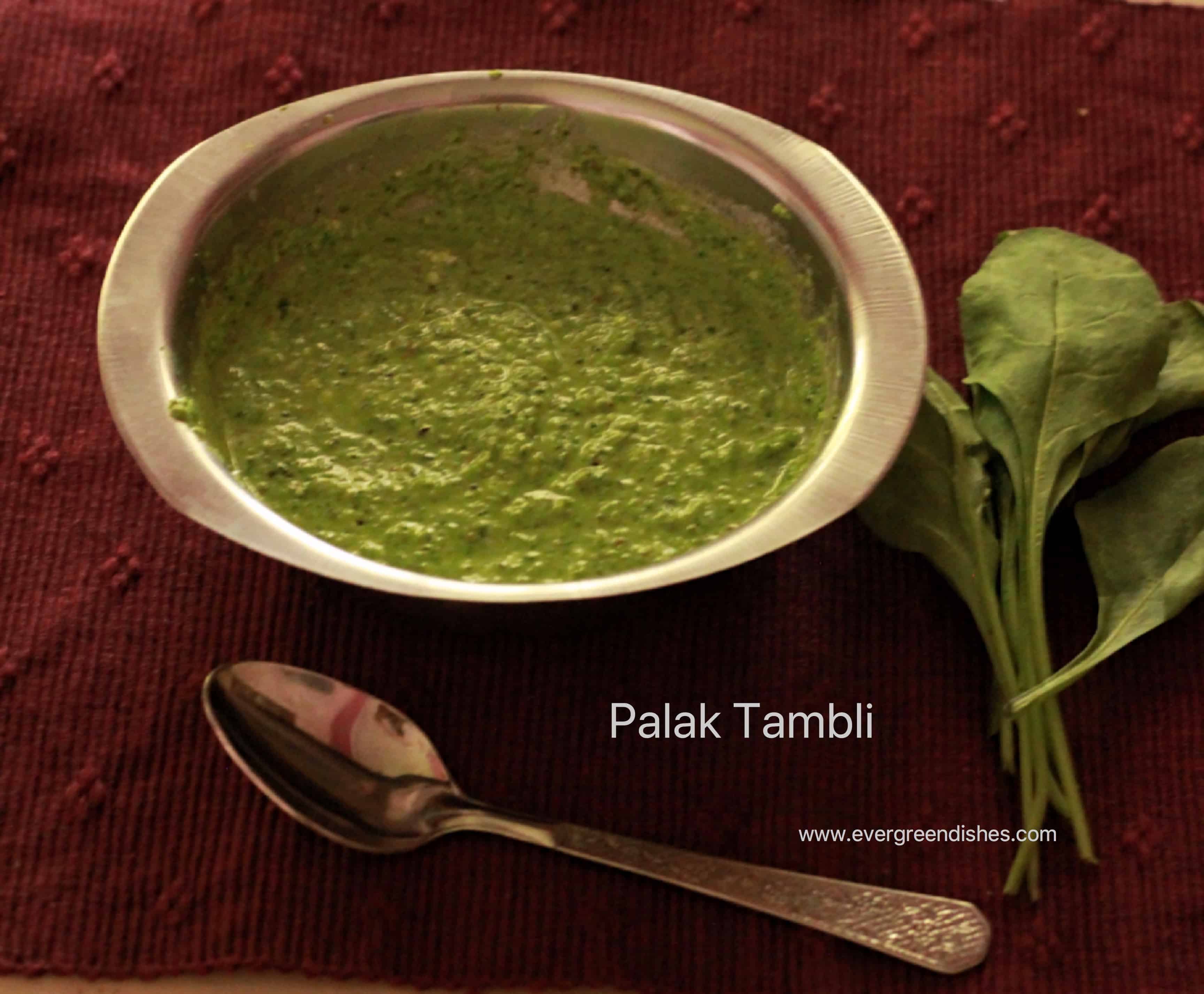
    Palak tambli / South Canara recipes

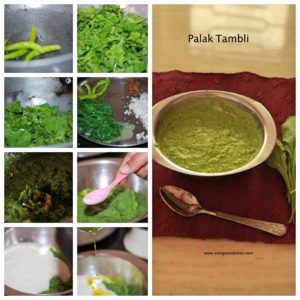
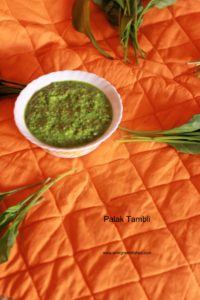
    Palak Tambli is a popular dish from South Canara cuisine. It is regularly prepared in daily menu. It tastes good with hot steamed rice.

    Winter is my most loved season, pleasant climate, waking up to a nail biting cold day and have plenty of fresh vegetables and green vegetables. Spinach, fenugreek, cilantro, mint are all farm fresh and smell so good.

    Tambli is a dish from South Canara cuisine. It is yoghurt based  dip like with a green leaf, coconut and few other ingredients. Tambli can be made using different green leaf and vegetables as Spinach, Fenugreek, Ginger, Cucumber to name a few.

    Palak Tambli  is tasty and makes a good accompaniment with hot steamed rice. With fresh spinach available, do try this.

    Let’s get to the recipe of Palak Tambli.

    Ingredients:

    • 1 cup chopped spinach leaves
    • 2 tablespoon fresh coconut
    • 3 green chilli
    • 1 teaspoon cumin
    • 1/2 cup whisked curd
    • 1 teaspoon oil

    For the seasoning

    • 2 teaspoon oil
    • 1/2 teaspoon mustard seed
    • 1/8 teaspoon asafoetida
    • 1/8 teaspoon turmeric powder

    A few spinach recipes that I have : Corn Palak, Spinach SaladPalak Sev, Spinach Chutney, Spinach Kofta CurryPalak Paneer Wrap, Nawabi green cutlets

    Evergreendishesdev

    Palak Tambli

    Palak tambli is a tasty and nutritious side dish from South Canara region. 

    Ingredients
      

    • 1 cup chopped spinach leaves
    • 2 tablespoon fresh coconut
    • 3 green chilli
    • 1 teaspoon cumin
    • 1/2 cup whisked curd
    • 1 teaspoon oil
    For the seasoning
    • 1/2 teaspoon mustard seed
    • 1/8 teaspoon asafoetida
    • 1/8 teaspoon turmeric powder

    Method
     

    1. Clean the spinach leaves, discard the stalk. Cut the leaves. Wash them and put in a colander for sometime.
    2. Take a little oil, saute the green chilli, put them aside in a plate, roast cumin for few seconds. Put it aside along with green chilli. Now,saute the spinach leaves for two minutes.
    3. Once it cools, grind them along with coconut.
    4. Remove in a bowl. Add salt to it. Whisk the curd and put it.
    5. Make seasoning. Take oil in a pan, add mustard seeeds, as it splutters, add turmeric powder and asafoetida and pour it over the tambli.
    6. Spinach tambli is ready to serve.

    Notes

    • Use fresh curds. Do not add water to it.
    • Adjust the green chilly as per your taste.

    1. Remove the stalk and cut the spinach leaves.
    2. Take a little oil and saute the green chilli, put them aside in a plate, roast cumin for a few seconds. Put it aside along with green chilly. Now, saute the spinach leaves for the two minutes.
    3. Grind them along with coconut.
    4. Whisk the curd and put it. Add salt and mix.
    5. Make seasoning. Take oil in a pan, add mustard seeds, as they splutter, put turmeric powder and asafoetida, pour it over the tambli.
    6. Palak tambli is ready to serve.

    palak tambli
    palak tambli

    palak tambli
    palak tambli

    This post is part of Winter Special at Healthy Well Cuisines. Here are a few other recipes by other co-bloggers

    If you have liked this post, do leave a comment. If you recreate this dish, click a picture of the dish and share with @foodiejayashree on Instagram or @evergreendishes on Twitter or Facebook.

    Pin it for later :

    Palak Tambli
    Palak Tambli

    Handy hint: It is always good to consume seasonal fruits and vegetables. They will be fresh and cheaper too.

    Subscribe to get all updates and a book of handy hint for free !
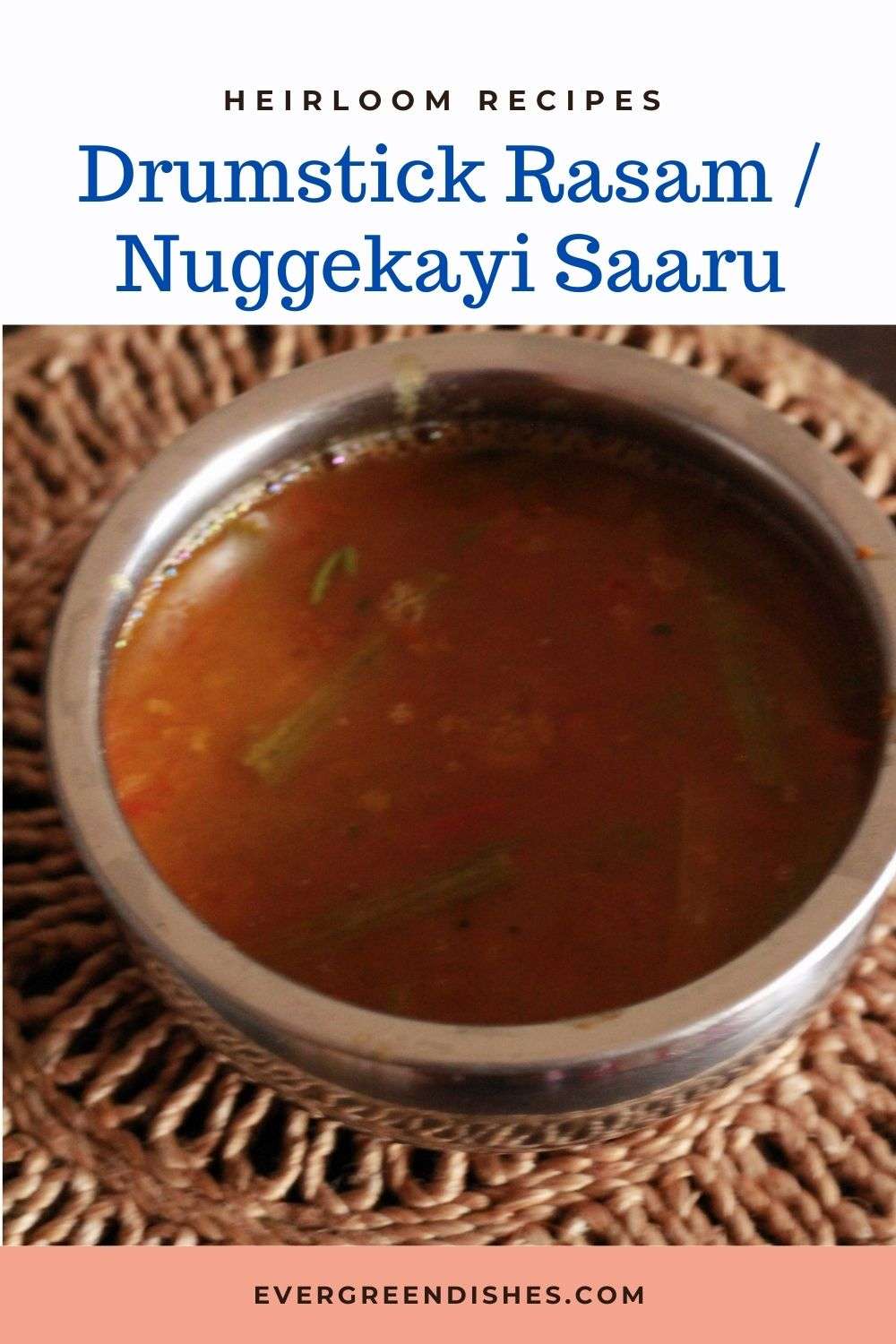
  • How to make drumstick rasam |Nuggekayi saaru

    How to make drumstick rasam |Nuggekayi saaru

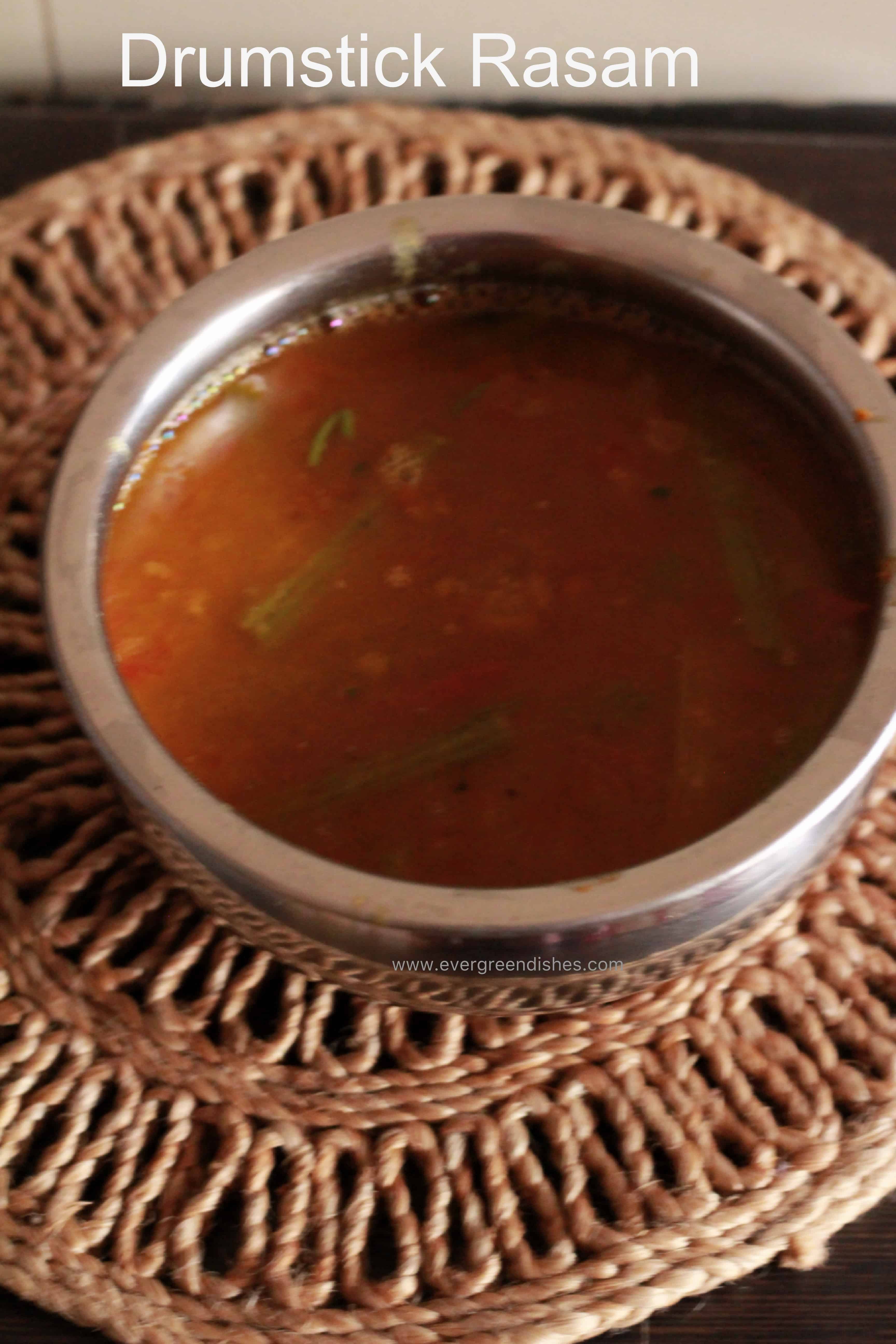
    Drum stick rasam is a tasty and lesser known accompaniment served with steamed rice in South India. The taste and smell of drum stick is good and it is spicy, sour and sweet in taste. 

    Benefits of using drum stick:

    I have seen that drumstick is not used in many households, some do not use as per tradition while a few detest it. But drumstick can be used in various ways, it is usually used in sambar. A stir fry made along with tomatoes tastes good. The leaves of drumstick are used in dal and considered healthy.

    Did you know using drumstick has numerous benefits? It regulates blood sugar level and boosts immunity. They are excellent source of Vitamin B. It helps in purifying blood. It also helps in boosying the overall immunity of the system. Thus, regular usage has many benefits.


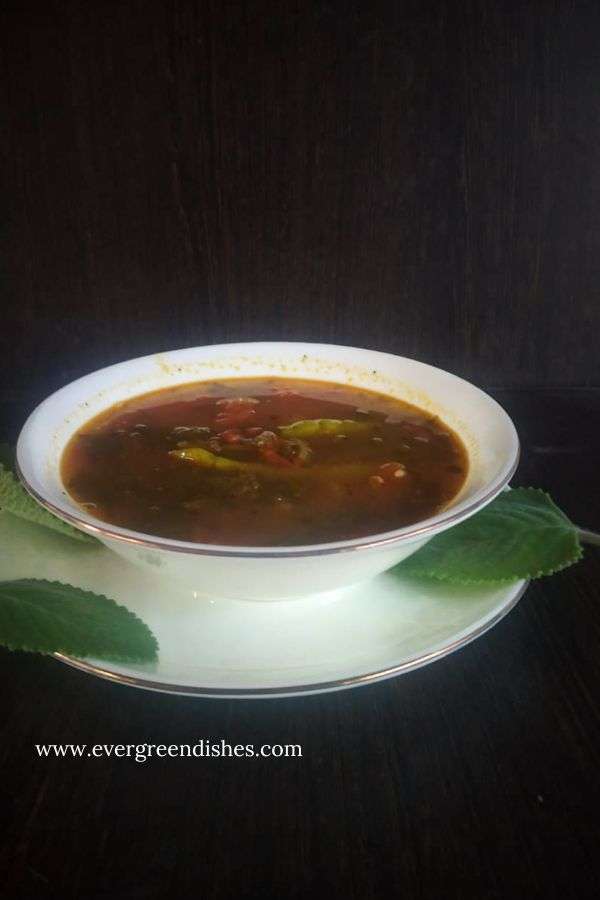
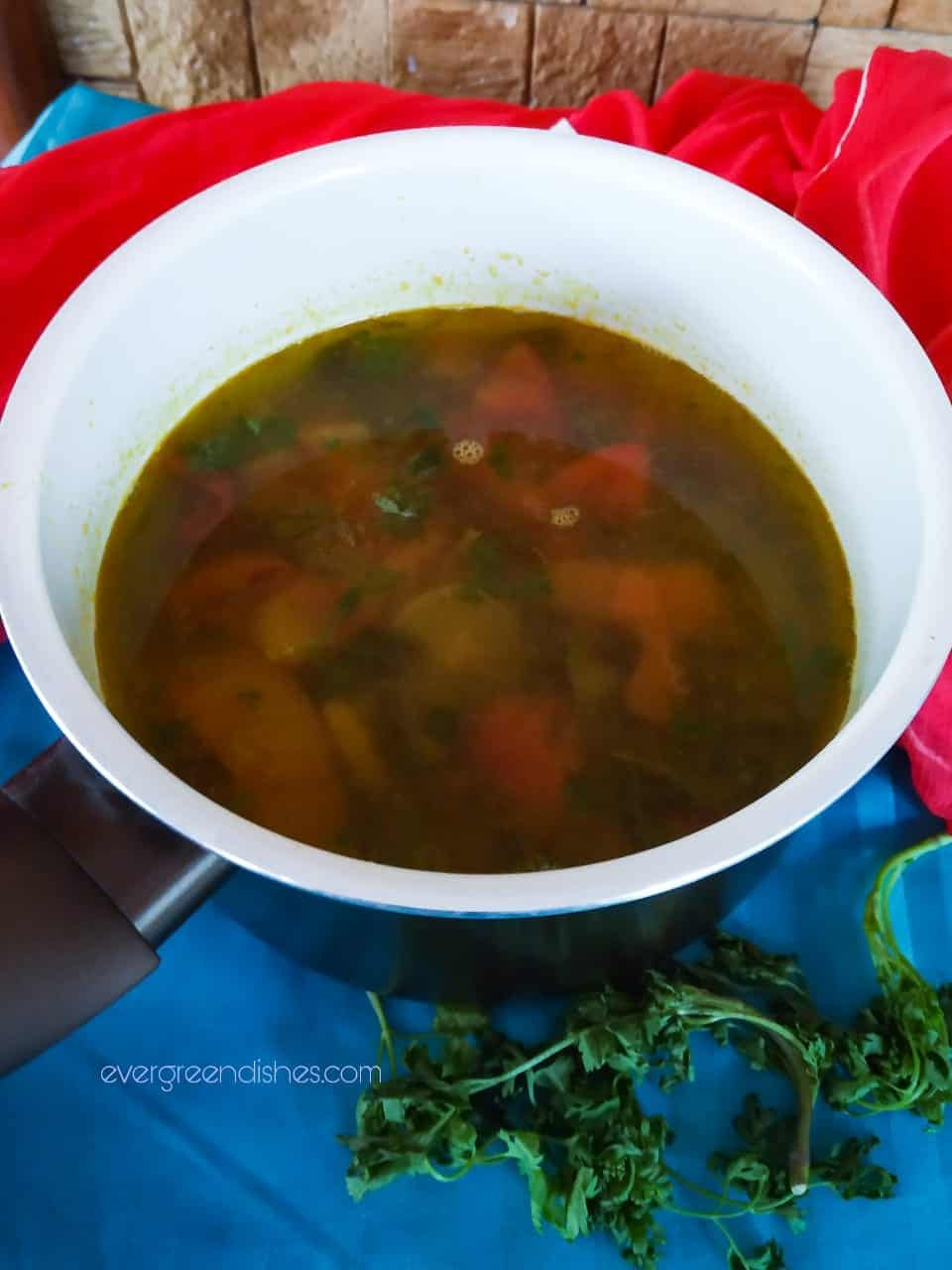
    drumstick rasam
    drumstick rasam

    Rasam is called as Saaru in Karnataka and Chaaru in Andhra Pradesh. Drumstick rasam is more popular as Murungakai Rasam in Tamilnadu and Mulakkada Charu in Andhra Pradesh.  It is a comfort food for South Indians. The scientific name for drumstick is Moringa Oleifera.  It is slender, cylindrical pods popular as moringa,  nuggekayi, murungakkai.

    Are you a rasam lover ? Here are a few rasam recipes which will tantalize your taste buds.

     
    ajwain leaf rasam

    lemon rasam
    lemon rasam

    How to make Drumstick Rasam

    Ingredients:

    • 4 drumsticks
    • 1 small cup tur dal  (1 cup= 50 ml)
    • 2 tomato
    • 2 teaspoon ghee
    • 1/4 teaspoon mustard seeds
    • 1/4 teaspoon asafoetida
    • 1/4 teaspoon turmeric powder
    • lemon size ball of tamarind
    • 2 teaspoon rasam powder
    • a small piece jaggery
    • water

    Method: 

    • Soak tamarind in water.
    • Wash tur dal, add water and and some turmeric powder to it. Cook it in the pressure cooker. 
    • Cut the drumstick in five or six pieces, two inch in length. Cook them in a pan with some water. 
    • Cut the tomato into small pieces.
    • Take ghee in a pan, add mustard seed, as it splutters, put asafoetida and turmeric powder, throw in the tomato pieces. Add salt and some water. Let cook.
    • Extract pulp from the soaked tamarind.
    • Stir the tomatoes, add tamarind pulp, jaggery, curry leaves and rasam powder. Let boil. 
    • Take the cooked tur dal, mix it well. It should be well cooked. Put the tur dal to it, cooked drum stick and water. Let it cook on a low flame.
    • Once it boils, garnish with fresh coriander. It is ready to serve.
    Drumstick rasam
    Drumstick rasam
    drumstick rasam

    Drumstick Rasam

    5 from 7 votes
    Course: lunch
    Cuisine: Indian, karnataka

    Ingredients
      

    • 4 drumstick
    • 1 cup tur dal 1 cup =50 ml
    • 2 tomato
    • 2 teaspoon ghee
    • 1/2 teaspoon mustard seed
    • 1/4 teaspoon turmeric powder
    • 1/4 teaspoon asafoetida
    • salt to taste
    • lemon ball size tamarind
    • jaggery a small piece
    • 2 teaspoon rasam powder
    • curry leaves
    • water

    Method
     

    1. Soak the tamarind in water.
    2. Wash the tur dal and cook it in the pressure cooker with a little turmeric powder.
    3. Cut the drum stick into two inch pieces. Cook them in a pan with some water.
    4. Cut the tomato into small pieces.
    5. In a pan, add ghee and make the seasoning. Add mustard seeds, as it splutters, put asafoetida and turmeric powder, throw in the tomato with salt and some water. Let cook.
    6. Extract the pulp from the tamarind.
    7. Once the tomato are cooked, add tamarind pulp, rasam powder and curry leaves to it. Let boil. 
    8. Add cooked tur da and boiled drumstick to it. Put water, letcook on a low flame. 
    9. Once it boils, garnish with coriander leaves. Drumstick rasam is ready to serve.
    Drumstick Rasam / Nuggekayi Saaru
    Drumstick Rasam / Nuggekayi Saru


  • Mixed Vegetable Kootu | South Indian Kootu

    Mixed Vegetable Kootu | South Indian Kootu

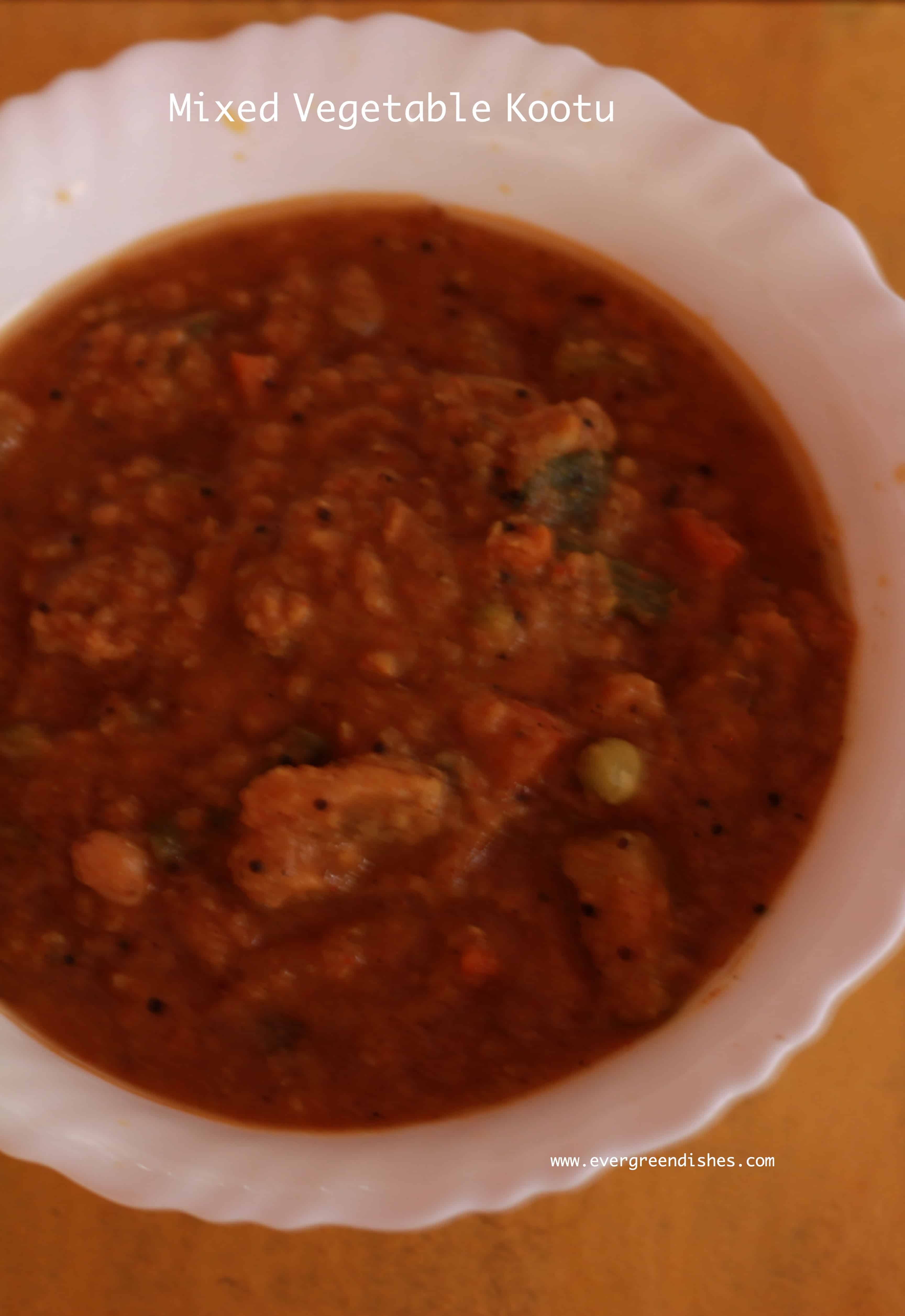
    Kootu is a tasty lentil curry with mixed vegetables cooked in a blend of spices. It is moderately thick in consistency than sambar. It is usually prepared during festivals and ceremonies. (more…)

  • Peanut Ladoo/Shenga Undi

    Peanut Ladoo/Shenga Undi

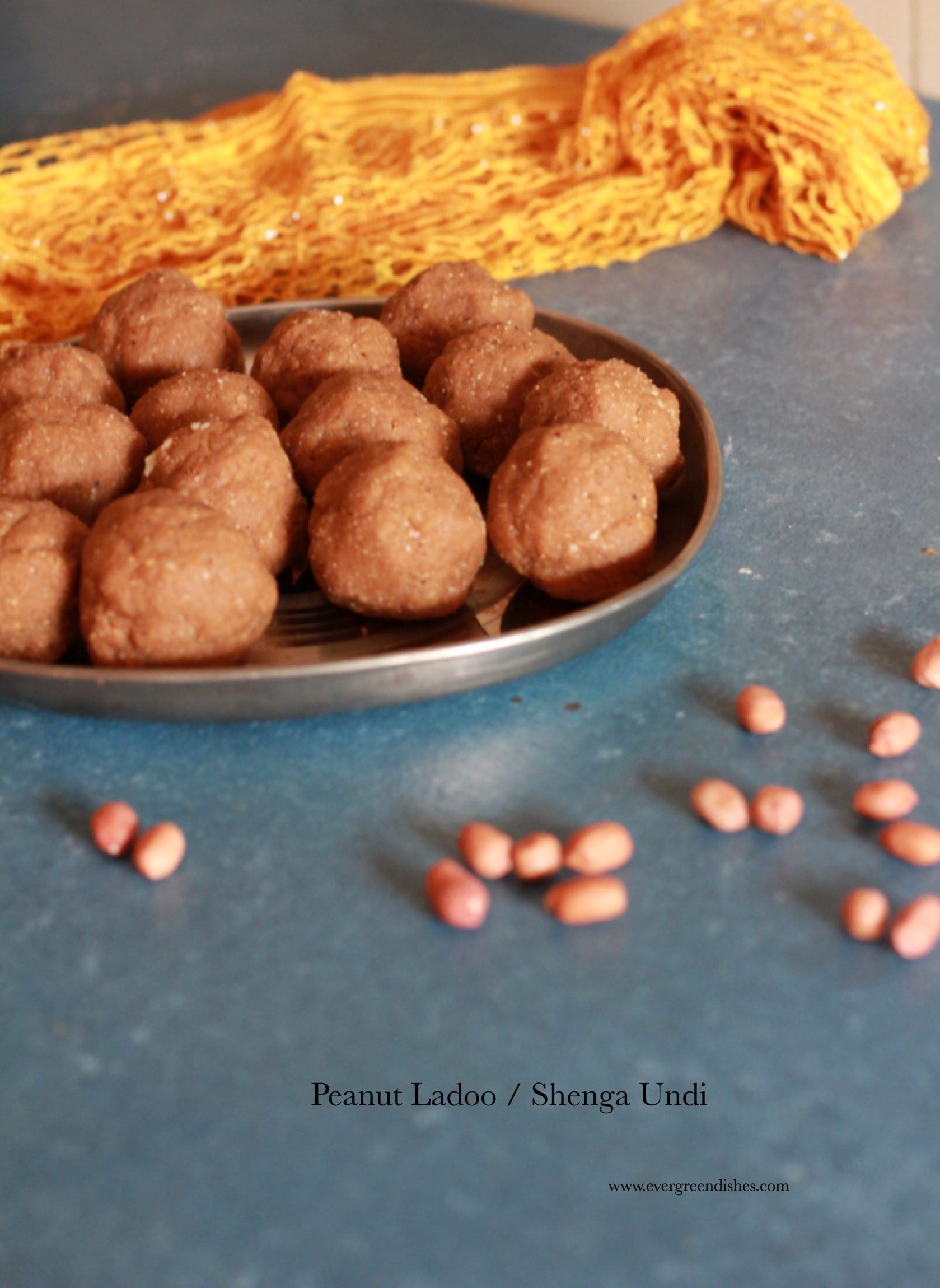
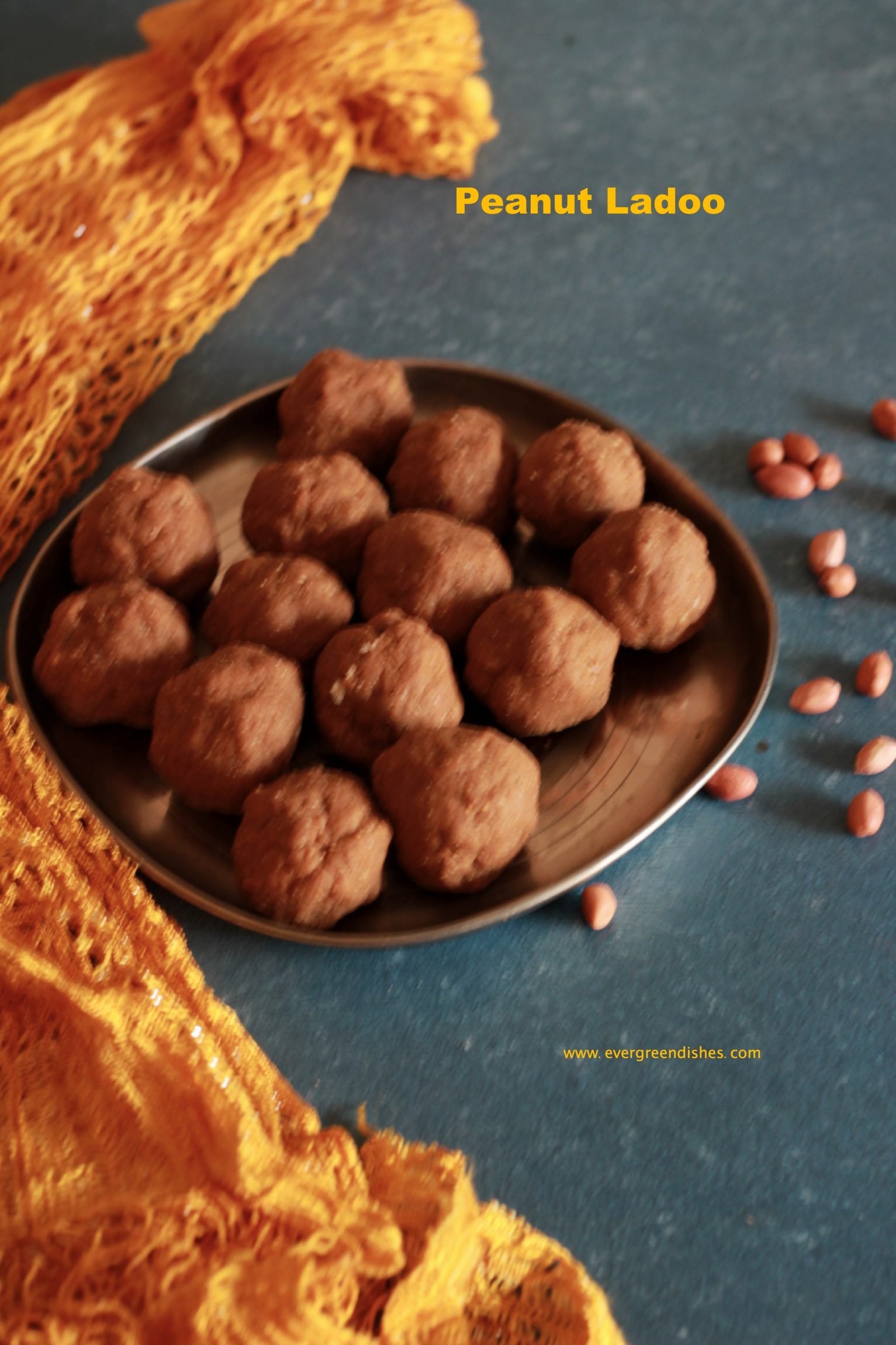
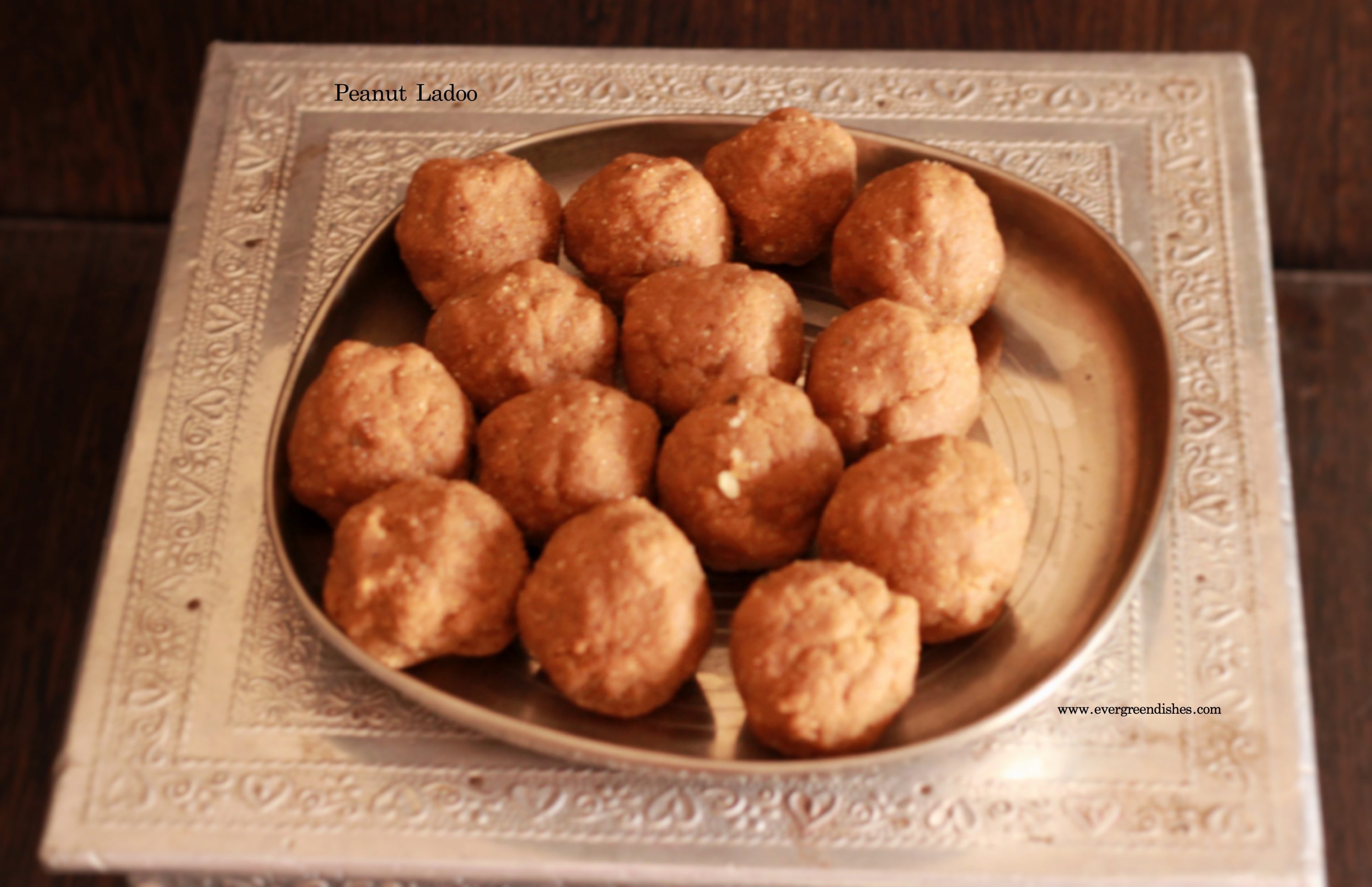
    Peanut ladoo are ideal snacks to store in the jar, serve it in the box or as a healthy snack in the morning. It is usually prepared during Krishna Janmasthami.

    The month of August brings a series of festivals, Krishna Janmasthami is next week, a day we celebrate by preparing various snacks and savoury. The day marks the birth of Lord Krishna and is celebrated with great enthusiasm.

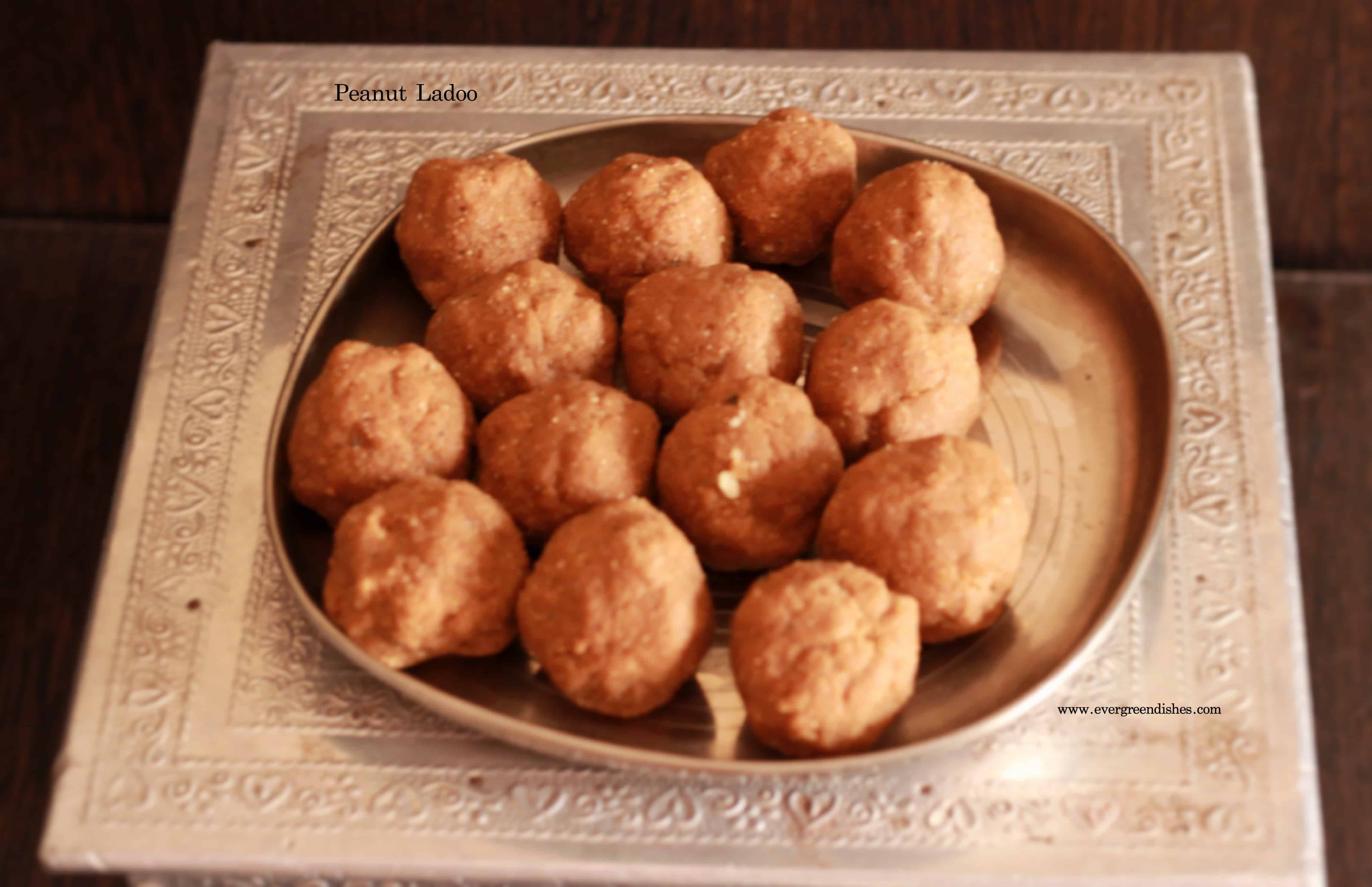
    peanut ladoo/shenga undi
    peanut ladoo/shenga undi

    Earlier I have posted many snack recipes, one of them is  Krishna Janmasthami Collection

    Coming to the nutritional and health factors related to peanut, they are rich in energy and contain health benefit nutrients, minerals, antioxidants and vitamins that are essential for good health. They compose of mono unsaturated fatty acids, which help lower bad cholestrol and increase the good cholesterol. They are a good source of protein, contain good amount of amino acid that is needed for growth and development. Jaggery is a good source of iron.

    Peanut ladoo is an easy snack to make, it hardly requires fifteen minutes to make these.

    peanut ladoo / shenga undi
    peanut ladoo / shenga undi

    Peanut Ladoo

    Ingredients:
    • 1 cup peanut
    • 1 cup jaggery grated
    • 1/4 teaspoon cardamom powder
    Method:
    1. Dry roast the peanuts on a  medium flame. Keep roasting until the skin crackles and they are golden in colour.
    2. Let cool. On cooling the peanuts turn crunchy.
    3. Remove the skin by rubbing with palm.
    4. Put it in a mixer jar and give a swirl.
    5. Add jaggery and cardamom powder to it and grind it again. It should be well moulded.
    6. Remove it in a bowl.
    7. Make balls of it. Peanut ladoos are ready.
    8. After sometime, store them in an air tight container. They stay well for 8-10 days.
    Take a tip:
    • Use good quality jaggery, as you are not melting it here.
    • A spoon of ghee may be added while making the balls, I have not added.
    • Removing of skins is optional, many prepare with the skin.
    • If you want less sweet, reduce the amount of jaggery.

    peanut ladoo/shenga undi
    peanut ladoo / shenga undi


    peanut ladoo/shenga undi
    Evergreendishesdev

    Peanut ladoo/Shenga undi

    Peanut ladoo is a tasty, healthy and easy to make snack. It is usually prepared during Krishna Janmasthami.
    Prep Time 10 minutes
    Cook Time 5 minutes
    Total Time 15 minutes
    Servings: 10 ladoos
    Course: festive treats, healthy snacks, kids favourite, sweets
    Cuisine: karnataka, south india

    Ingredients
      

    • 1 cup peanut
    • 1 cup jaggery grated
    • 1/4 teaspoon cardamom powder

    Method
     

    1. Roast the peanuts on a medium flame. Keep stirring them, it should be well done, they should be crisp in the mouth. 
    2. Let cool.
    3. Peel the skin of the peanut. Put them in a wide plate and rub with the palm. 
    4. Grind the peanuts in the mixer by giving a swirl one or two times only.
    5. Add the jaggery and cardamom powder to it. Again grind it, it should form a mass. 
    6. Remove in a bowl, shape them into ladoos and store them in an airtight container. 

    Notes

    • Use good quality jaggery as you are using it directly without heating.
    • Roast the peanuts properly on a low or medium flame. 
    • One teaspoon of ghee may be added for flavour, I have not added.
    • Removing of skin is optional. 


    If you have liked this post, do leave a comment.

    If you ever make this, do tag me in any of the social media, I will be glad to see your creation, on Instagram tag @foodiejayashree, on twitter and facebook tag evergreendishes.

    You can save all these recipes on pinterest, by just saving the images there. The recipe will be available in the read recipe.

    Subscribe to get all updates and an e-book for free.


    book of handyhints
    book of handyhints


    Signing of for now, wishing one and all a happy festive season ahead. May you be blessed with immense joy and happiness.

    More recipes coming this week, stay tuned! Until then…Good Bye !

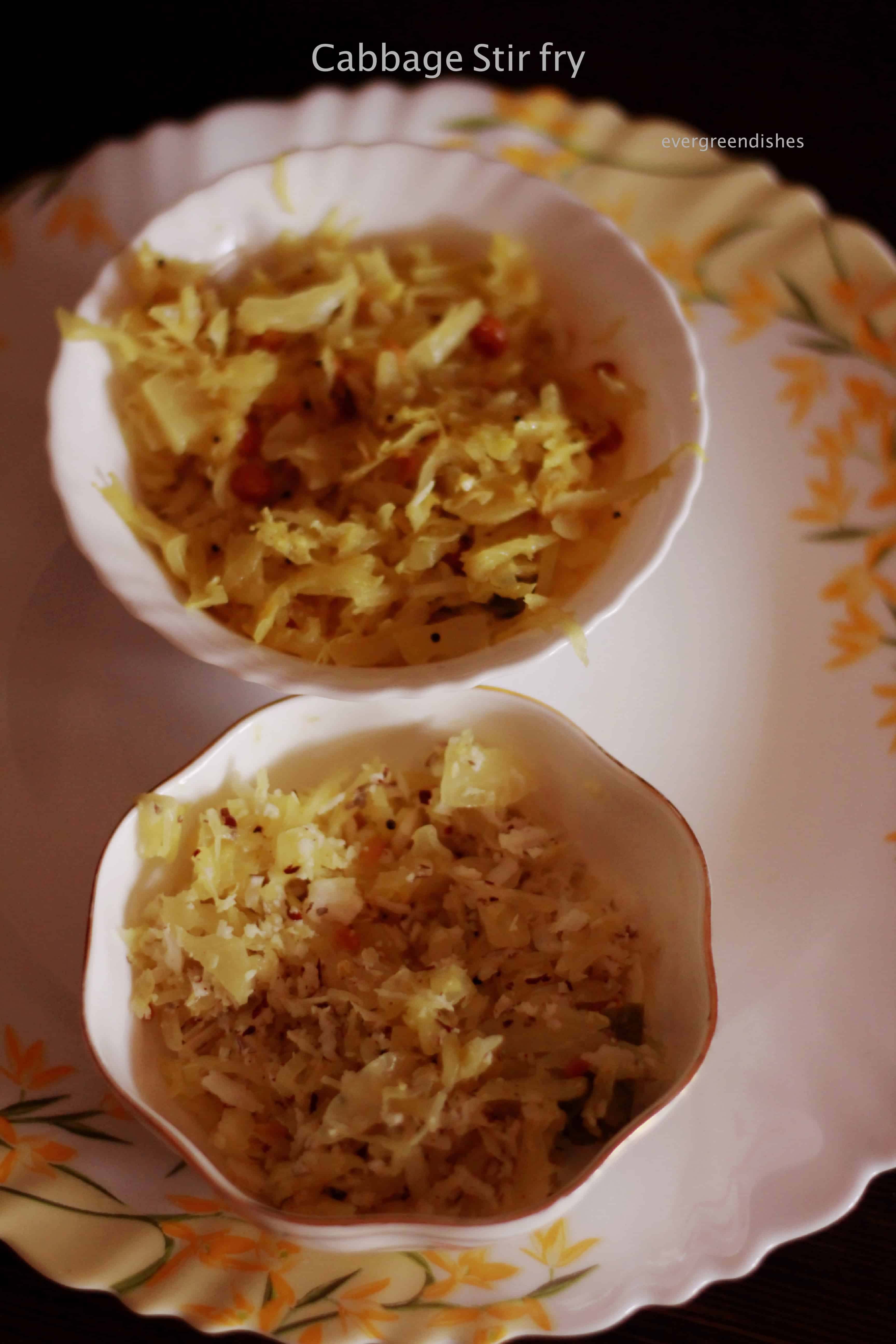
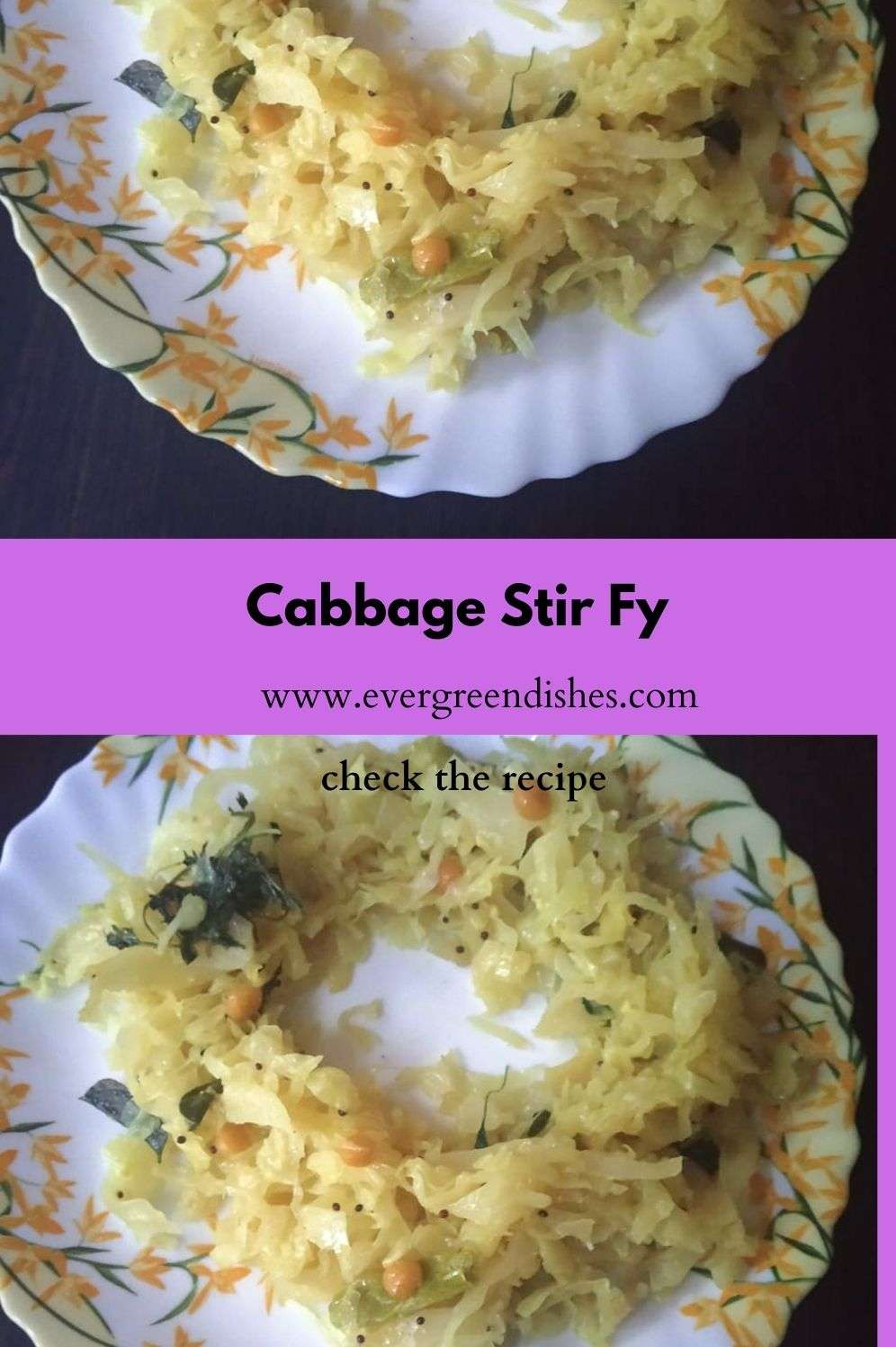
  • Cabbage stir fry recipe | cabbage palya

    Cabbage stir fry recipe | cabbage palya

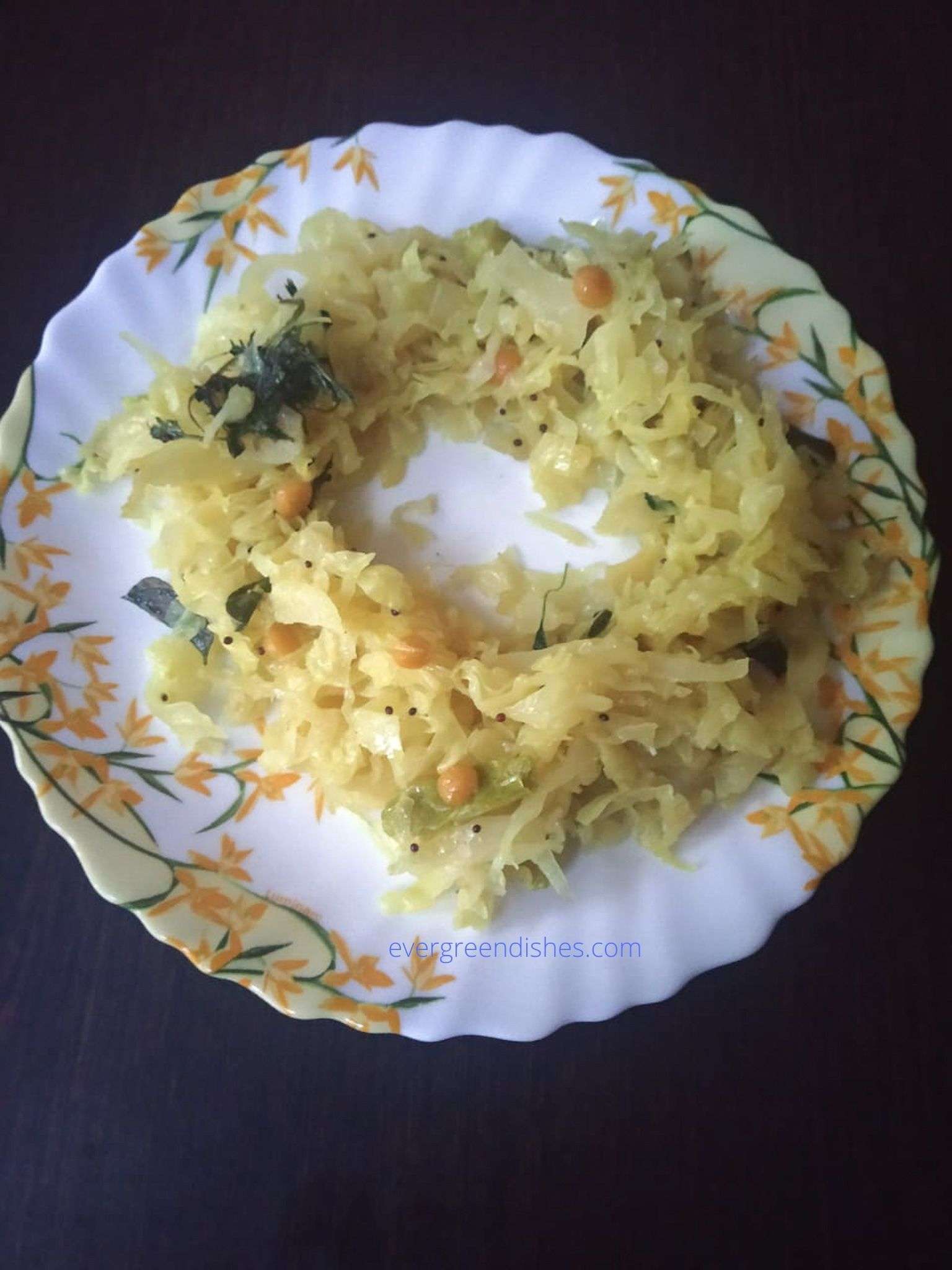
    Cabbage stir fry/ palya  is a simple yet flavourful accompaniment. It tastes good with rice and sambar or rasam.  It can also be served with chapati or roti.

    Cabbage is one of the veggies that I cook on a regular basis. It is flavourful and pairs well with  both rice and  chapati. It can be easily made with a few ingredients. The cabbage stir fry is also called as thoran, palya  and poriyal.

    Let’s know a bit of cabbage:

    It is one of the widely grown vegetables in the world. It is a low calorie, fiber rich leafy vegetable. It is the store house of phyto chemicals.

    Variety:

    Different varieties of cabbage are cultivated such as green, purple, red, savoy, bok-choy and napha cabbage.

    Benefits of using cabbage:

    Cabbage  helps in preventing cancer. It helps in reducing bad cholestrol. It aids in weight loss. It can be eaten both raw and cooked. It is a rich source of fibre. It helps prevent constipation. It boosts mental functions.

    Culinary usage:

    It can be used both in raw and cooked form. It is versatile vegetable which eases our cooking. From salads to stir fry, it is one of the veggies that most people consume. It is one of the key ingredients in Indo- Chinese cooking. Cabbage rice is easy to prepare and  tastes awesome. One can make fried snacks and serve with tea.

    Cabbage stir fry| poriyal |thoran| palya

    Ingredients:

    • 1 medium cabbage
    • 1 tablespoon oil
    • 1/2 teaspoon mustard seeds
    • 1/4 teaspoon turmeric powder
    • 1/4 teaspoon asafoetida
    • 1 teaspoon bengal gram
    • 1 teaspoon urad dal
    • 4 green chilly
    • a few curry leaves
    • salt to taste
    • 1 teaspoon milk
    • coriander for garnishing
    • 1/2 bowl fresh coconut

    Method:

    1. Cut the cabbage as finely as you can. The taste of the stir fry to an extent depends on how we cut it. Put it in water, rinse and put in a colander.
    2. Take oil in a pan, add mustard seeds, as it crackles, put bengal gram and urad dal to it. Let it get a golden colour. Add turmeric powder, asafoetida and green chilly to it.
    3. Add the cabbage to it. Put salt and milk. Milk helps in avoiding the smell cabbage emits at times. Since, no onion is used here that can elevate the taste, I add a little milk. Mix it, close a lid and let cook on slow flame.
    4. Once it tender and cooked, remove the lid and let cook for sometime. Sometimes, cabbage tends to get watery.
    5. Add coconut if using and garnish with fresh coriander.

    Take a tip:

    • Adding of coconut enhances the flavour and it is a typical South Indian style of cooking. I have not added here
    • One can use green peas along with cabbage. Add a handful of it along with cabbage and let it cook.
    • Do cut cabbage  as finely as possible.

    cabbage stir fry
    cabbage stir fry

    About the event:

    Cabbage stir fry recipe was posted in 2018, four years later, I have added one more picture to it.  I have also put the pinterest pic and made a few seo related changes.Sending it to Foodies_Redoing Old Post 76, where we edit out old posts with better pictures, text or both.

    cabbage stir fry | thoran | palya
    Evergreendishesdev

    Cabbage Stir Fry

    Cabbage Stir Fry is a simple and tasty accompaniment for any meal. It tastes good with rice as well as chapati.
    Prep Time 10 minutes
    Cook Time 15 minutes
    Total Time 25 minutes
    Course: lunch box, lunch ideas, Side Dish
    Cuisine: Indian, South Indian

    Ingredients
      

    • 1 medium size cabbage
    • 1 tablespoon oil
    • 1/2 teaspoon mustard seeds
    • 1/4 teaspoon turmeric powder
    • 1/4 teaspoon asafoetida
    • 1 teaspoon bengal gram
    • 1 teaspoon urad dal
    • 4 green chilly cut into pieces
    • few curry leaves
    • coriander for garnishing
    • 1/2 cup fresh coconut optional
    • 1 teaspoon milk
    • salt to taste

    Method
     

    1. Shred the cabbage as finely as you can. Put it in water and keep it aside. Put in a colander.
    2. Make seasoning in a pan, add oil, put the mustard seeds, as it splutters, add bengal and urad dal. Let it turn golden, add turmeric powder, asafoetida, green chilly and curry leaves.
    3. Put the shredded cabbage into it, add salt and milk. Mix and cover with a lid. Let cook on a slow flame.
    4. Once it is cooked, add coconut and heat it.
    5. Garnish with fresh coriander.

    Notes

    • Peas may be added to it.
    • Coconut may be avoided.
    • Adding of milk helps to remove the odour of cabbage that it has.

    cabbage stir fry
    cabbage stir fry

    If you ever make Cabbage Stir Fry recipe, take a picture and tag @foodiejayashree on Instagram or @evergreendishes on Facebook. Subscribe to get all updates in your inbox and an e-book for free!