Blog

  • Ragi Chakli | Finger millet Chakli

    Ragi Chakli | Finger millet Chakli

    Jump to Recipe Print Recipe

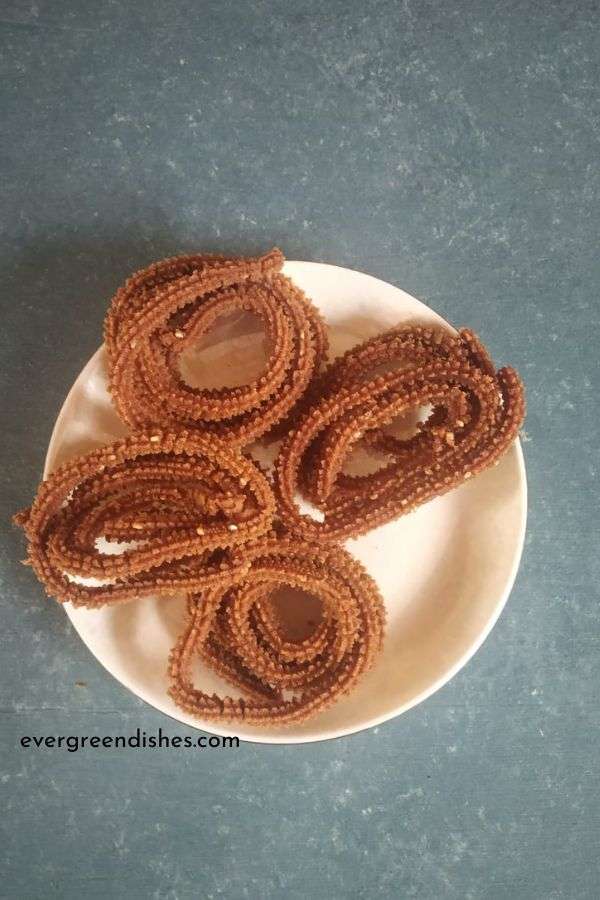
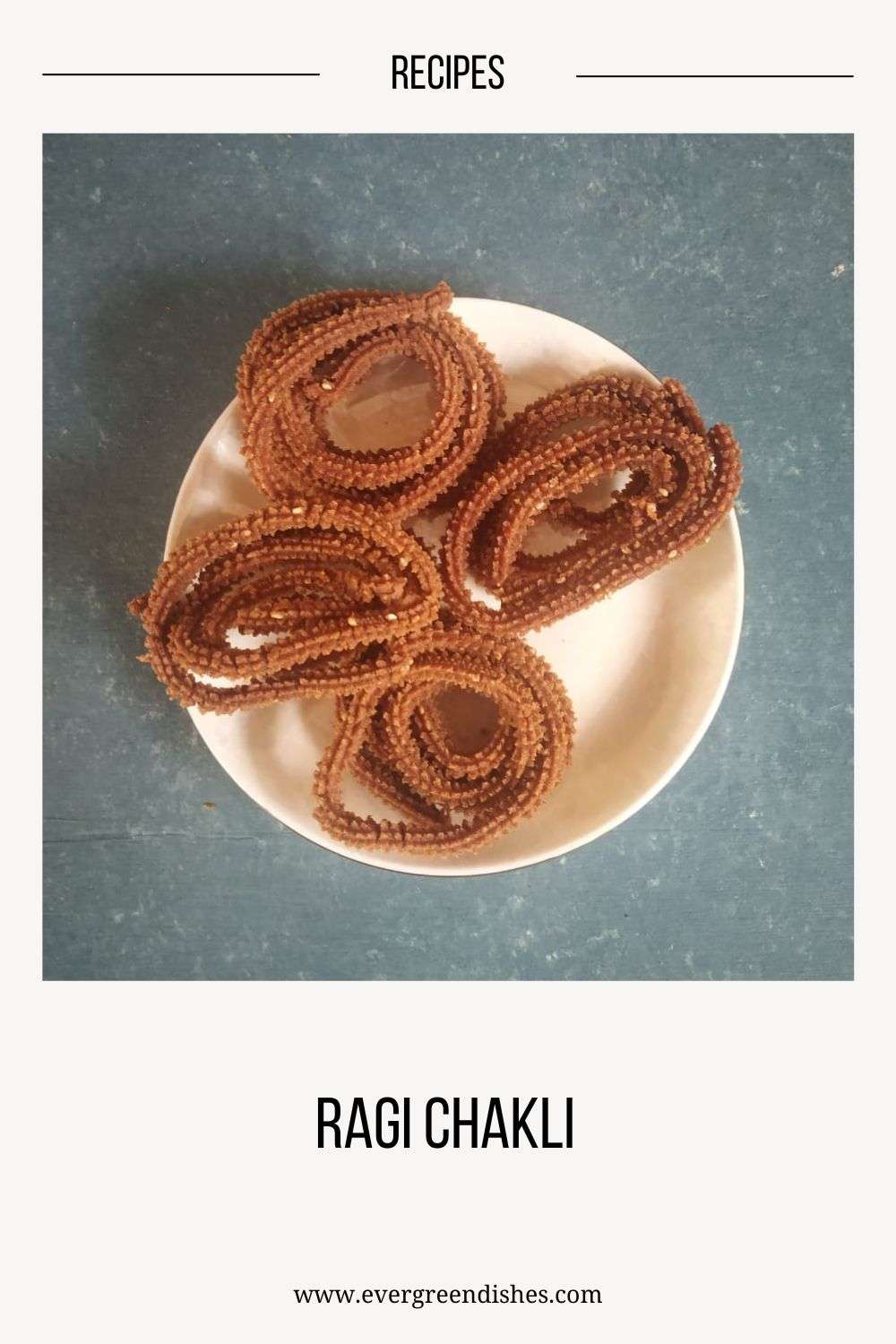
    Ragi Chakli is a twist to the usual chakli we often prepare. It is tasty and makes a good snack to munch.

    Chakli makes a good snack to have with a cup of tea. During holidays, children love to binge on snacks. Moreover, festive season calls for celebrations with sweets and savoury snacks.

    I have shared various kind of savoury snacks earlier. Butter Murukku, Split gram murukkunippattu are some of the popular south indian snacks. I have also shared a variety of sev recipes : Besan Sev, Palak Sev and Ratlami Sev. If you are looking for something different, try the mathris, lately they are our favourite snacks.

    The awareness of the many benefits of millets has brought a change in the way we eat and cook. Finger millet or ragi is regularly used to make idli, dosa or halbai. Today, I am sharing finger millet chakli. I have made it a couple of times earlier, but not shared with all of you. Ragi Chakli is tasty and makes a good snack to store in the jar.

    Ragi Chakli Recipe

    Ingredients :

    • 1 cup ragi flour
    • 1/2 cup rice flour
    • 1/4 cup roasted gram flour
    • 1 tablespoon hot oil
    • 1 teaspoon chilli powder
    • 1 teaspoon sesame seed
    • 1 teaspoon chilli powder
    • salt to taste
    • water as required for mixing
    • oil for frying

    Method :

    1. Take ragi flour,  rice flour, gram flour, chilli powder, sesame seed, chilli powder, salt and mix it well.
    2. Heat oil in a pan, add a tablespoon of hot oil to the flour mix and mix it thoroughly with fingers.
    3. Now, add a little water at a time, make a pliable dough. The dough should neither be too hard or smooth.
    4. Heat oil in a pan.
    5. Take a chakli mould, grease it with a little oil. Use the star shaped nozzle to make chakli.
    6. Put a small piece of dough in the oil, if it sizzles and  floats on top, you can continue to fry them.
    7. Put some dough and press a few. You can either press directly or put them on a sheet and slide later into the oil.
    8. Deep fry them on both sides.
    9. Remove them on a tissue paper. Repeat with the rest of the dough.
    10. Once they are completely cool, store them in an air-tight container.

    Take a tip :

    • Use good quality ragi flour.
    • Add water slowly in small quantities. If the dough is smooth, it will absorb lot of oil. If iit is hard, you will not be able to press it properly.
    • Never keep hot, deep fried snacks in closed container. they  becomes soggy. Allow them to cool completely, before you store in an air-tight container.

    Ragi Chakli

    Ragi Chakli is a twist to the usual one we often make at home.

    Ingredients
      

    • 1 cup ragi flour
    • 1/2 cup rice flour
    • 1/4 cup roasted gram flour
    • 1 tablespoon hot oil
    • 1 teaspoon chilli powder
    • 1 teaspoon sesame seed
    • 1 teaspoon chilli powder
    • salt to taste
    • water as required for mixing
    • oil for frying

    Method
     

    1. Take ragi flour,  rice flour, gram flour , chilli powder, sesame seed, chilli powder, salt and mix it well.
    2. Add butter and give a good mix by rubbing it between fingers.
    3. Add a little water at a time, make a pliable dough. The dough should neither be too hard or smooth.
    4. Heat oil in a pan.
    5. Take a chakli mould, grease it with a little oil. Put some dough and press a few. You can either press directly or put them on a sheet and slide later into the oil.
    6. Deep fry them on both sides.
    7. Remove them on a tissue paper. Repeat with the rest of the dough.
    8. Once they are completely cool, store them in an air-tight container.

    Happy Diwali everyone! May the festival of lights bring immense joy, peace and happiness. If you ever make Ragi Chakli recipe, take a picture and share it on Facebook or Instagram by tagging @evergreendishes and @foodiejayashree  respectively. I will be happy to see your creation and share it further.

    Subscribe to get all updates and an e-book for free.

    Pin it for later :
    ragi chakli
    Ragi Chakli


  • Ajwain Leaf Rasam | Doddapatre Saaru

    Ajwain Leaf Rasam | Doddapatre Saaru

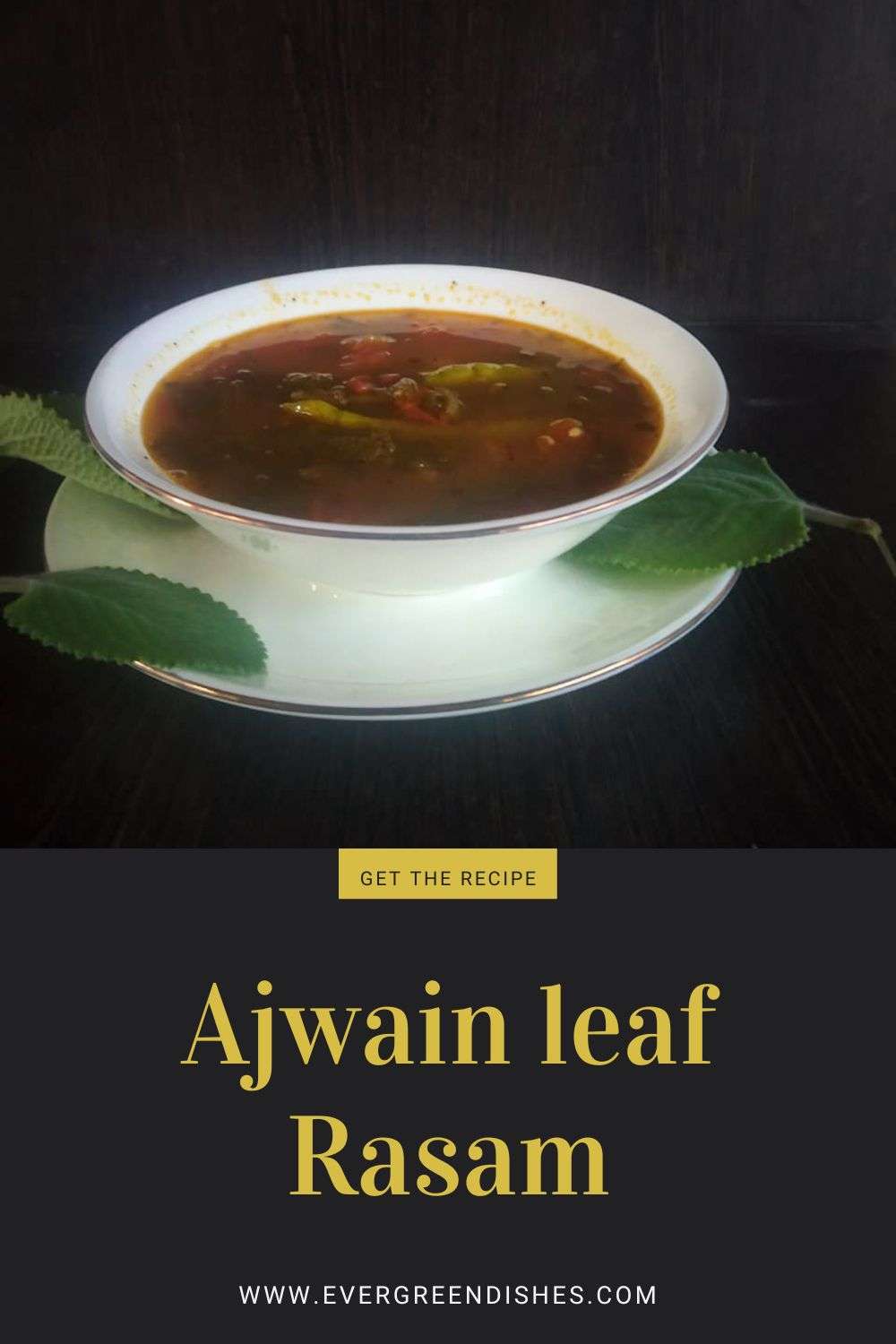
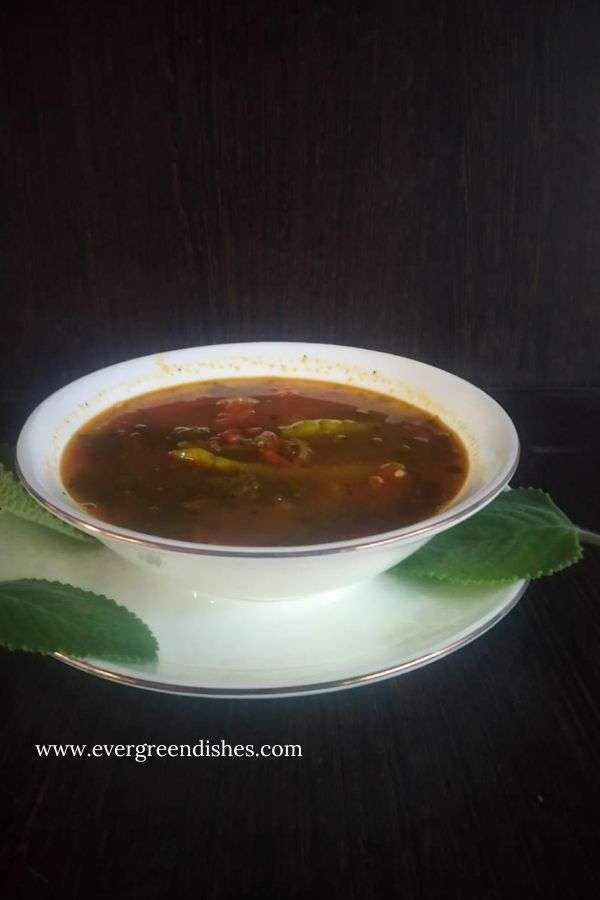
    Ajwain leaf rasam is a comfort and easy to make rasam. It is ideal as a soup too.

    The ajwain leaf is a good source of nutrients. It is known as Ajwain ( Hindi), Karpuravalli ( Tamil), Vamu aaka (Telgu), Panikoora ( Malyalam) and Ova (Marathi) are the other names in regional languages.  I have shared ajwain tambli recipe earlier. It can also be used to make pakodas. You can use it in smoothies and green juice too.

    Doddapatre rasam is simple, no lentil rasam, ready in ten minutes. 

    About the Ajwain leaf plant :

    Ajwain leaf plant is  a small, erect, perennial plant. It is bright green in colour, broad and smooth in texture. The stem is green and soft. it tilts down with the weight of the leaves. It is known as Indian borage. The scientific name is ‘Plecatanthus Ambonicus’.  It can be easily grown in an 8-12 inch pot with a good soil. It grows well in shade and partial sunlight.

    The taste of the leaf is similar to ajwain but with a sharp mint like pepperiness. The aroma is combination of oregano and thyme. The plant is in no way related  to the ajwain seeds we use as a herb in cooking. They have the aroma of ajwain or carom seeds and hence the name. In Kannada, it is commonly called as  ‘saveer sambar soppu’, which literally tanslates to ‘thousand utility leaf’. It can be used in rasam, chutney, dips and pakodas. It may be used in juices along with mint leaves.

    Ajwain leaf concoction is a good medicine for soar throat. Chewing an ajwain leaf helps to keep gas, bloating and  ulcers at bay. It aids in digestion when consumed with black salt. It is widely used as a combination in Homeopathic medicines. 

    aj

    Ajwain Leaf Rasam | Doddapatre Saaru


    Ingredients:

    • 2 teaspoon oil
    • 1/2 teaspoon mustard
    • 1/2 teaspoon cumin
    • 1/4 teaspoon asafoetida
    • 1/4 teaspoon turmeric powder
    • 2 green chilli
    • 1 sprig curry leaves
    • 1 inch ginger
    • 3 tomato
    • 20 ajwain leaves
    • salt to taste
    • amla size of tamarind
    • 1/2 teaspoon jaggery
    • 1/2 teaspoon pepper powder
    • 2.5 cups water

      Method:


      1. Wash the ajwain leaves, cut or tear them into small pieces.
      2. Soak tamarind in water.
      3. Cut tomato and keep it aside.
      4. Take oil in a pan, add the mustard seeds. As it crackles, put cumin, asafoetida and turmeric powder. Grate the ginger in it and throw the curry leaves and green chill. Add tomato along with a little salt. Sprinkle a little water, it helps to cook them evenly. Give a stir.
      5. Add the ajwain leaves.
      6. Extract the tamarind pulp.
      7. Put the tamarind juice, jaggery and pepper powder to it.
      8. Let cook for sometime.
      9. Add water to it.
      10. Allow it to cook for sometime.
      11. Serve it hot with steamed rice.
    ajwain leaf rasam
    Evergreendishesdev

    Ajwain Leaf Rasam

    Ajwain leaf rasam is a flavoursome, easy to make rasam. It can be served as a soup too.
    Prep Time 10 minutes
    Course: lunch
    Cuisine: karnataka

    Ingredients
      

    • 2 teaspoon oil
    • 1/2 teaspoon mustard
    • 1/2 teaspoon cumin
    • 1/4 teaspoon asafoetida
    • 1/4 teaspoon turmeric powder
    • 2 green chilli
    • 1 sprig curry leaves
    • 1 inch ginger
    • 3 to mato
    • 20 ajwain leaves
    • salt to taste
    • amla size of tamarind
    • 1/2 teaspoon jaggery
    • 1/2 teaspoon pepper powder
    • 2.5 cups water

    Equipment

    • pan, ladle, 2 small bowl

    Method
     

    1. Wash the ajwain leaves, cut or tear them into small pieces.
    2. Soak tamarind in water.
    3. Cut tomato and keep it aside.
    4. Take oil in a pan, add the mustard seeds. As it crackles, put cumin, asafoetida and turmeric powder. Grate the ginger in it and throw the curry leaves and green chill. Add tomato along with a little salt. Sprinkle a little water, it helps to cook them evenly. Give a stir.
    5. Add the ajwain leaves.
    6. Extract the tamarind pulp.
    7. Put the tamarind juice, jaggery and pepper powder to it.
    8. Let cook for sometime.
    9. Add water to it.
    10. Allow it to cook for sometime.
    11. Serve it hot with steamed rice.

    If you ever make Ajwain Leaf Rasam recipe, take a picture and share it on Facebook or Twitter by tagging @evergreendishes and @evergreendishes . I will be happy to see your creation and share it further. 

    Subscribe to get all updates and an e-book for free. 

    Pin it for later : 
    ajwain leaf rasam

  • How to make Apple Pomegranate Jam

    How to make Apple Pomegranate Jam

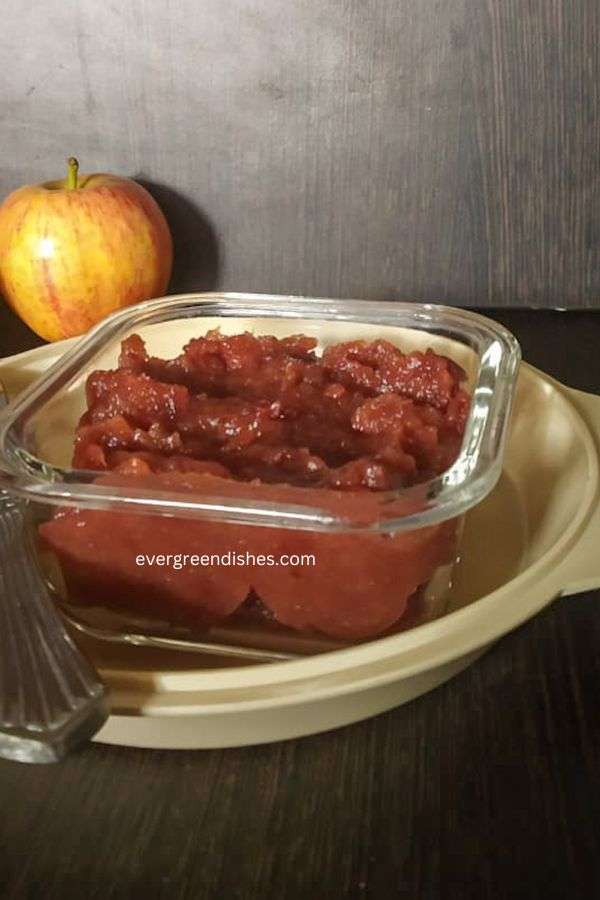
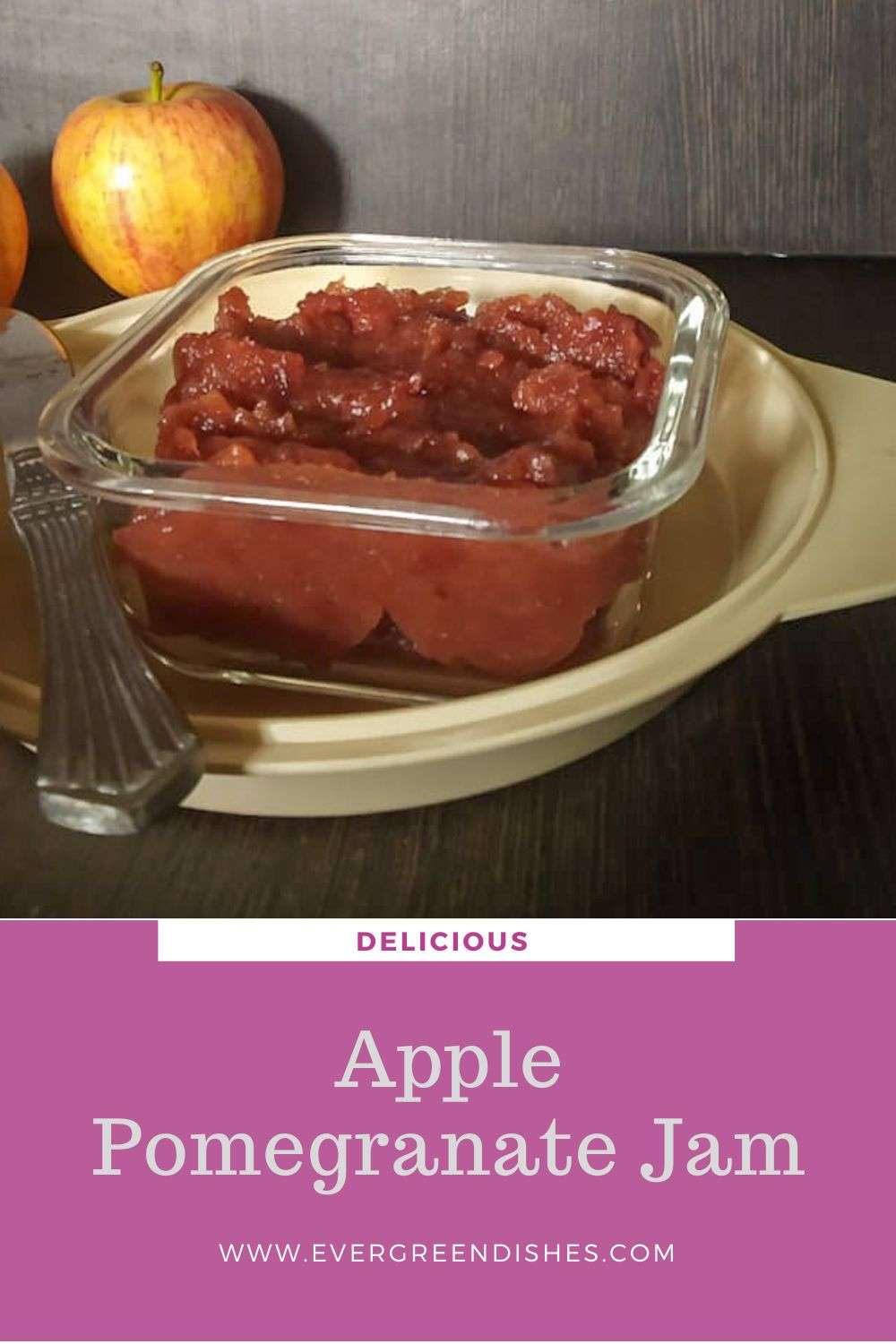
    Apple Pomegranate Jam is a tasty spread. The flavours blend beautifully and is moderately sweet. It 

    Apples are good to use in numerous ways. It can be used in ice cream and  milkshake, Apple pie is loved by all. When I have many apples, I like to toss them into a salad with a few nuts. 

    When I decided to make apple pomegranate jam, the first reaction was, At last ! after a long time she is making it. I had the Granny Smith variety and used the same. The other varieties as Sweet Tango and Pink Lady can also be used in making apple jam as they have good quantity of pectin. 

    If you extract the pomegranate juice ahead of preparation time, put it in the freezer  to keep the flavours intact. 

    Why should you make this jam ? 

    • Ideal as a spread for bread
    • Children relish these variety of jam
    • the excess fruits are not wasted
    • it has no pectin in it

    How long does it last ? 

    Canning should be done properly, sterilize the bottles. Homemade canned food , if preserved rightly stay good for at least six months. That said, I prefer to prepare in small quantities, it is used within a month. 

    The other kind of jam recipes shared earlier are : 

    About the event : 

    In the Shhh Secretly Cooking Challenge, Preethi Tandon Sridhar, suggested the theme as, “Jam, Jellies, Chutney and Relishes”.  Here, we are paired with partners and the two ingredients are exchanged between the partners. Later, the dish is prepared and the other members try to guess the ingredients.Preethi has varied kind of recipes on her blog. Her Jeera and Cumin Cookies have been on my list since a long time, will make them soon.

      I was paired with Narmadha of Nams Corner. Despite her busy schedule, she finds time for blogging. She has prepared pineapple crush  with ingredients, namely brown sugar and yellow colour, given by me. This is a good one I can store at home.  I was given pomegranate and salt as the secret ingredients, I have made this delicious Apple Pomegranate Jam.

    shhh cooking secretly

    Easy way to deseed the pomegranate: 

    To deseed pomegranate, with a sharp knife, cut the head and root portion of the fruit. Then, make two incisions and cut it  along. Separate the seeds. 


    Apple Pomegranate Jam Recipe 

    Ingredients : 

    • 4 apple
    • 2 pomegranate (extracted into juice)
    • 1 lemon
    • 1 cup sugar
    • a pinch of salt


    Method : 


    1. Wash, peel and remove the arils. Make juice in the processor.
    2. Wash and peel the apple. Cut the apple into cubes.
    3. Put the apple pieces and pomegranate in a pan to boil. Let it cook for sometime. Add sugar to it. After a few minutes of cooking, add lemon juice and a pinch of salt to it. Cook further for five minutes. 
    4. Let the mixture cool for sometime. Blend it with a hand blender. Put it in the pan and cook for sometime. You should get the consistency of jam . Once cool, store in a clean, air-tight container.

    Take a tip:

    • Addition of salt is optional, but it gives a good taste.

    • After blending, if the consistency is proper, you can store it. I have cooked for two minutes. 
    • Use clean jars to store the jam. 
    Evergreendishesdev

    Apple Pomegranate Jam

    5 from 13 votes
    Apple Pomegranate Jam is a tasty spread. The flavour of pomegranate blends well with apple to make a delicious jam.
    Course: condiments
    Cuisine: international

    Ingredients
      

    • 4 apple
    • 2 pomegranate
    • 1 lemon
    • 1 cup sugar
    • a pinch of salt

    Method
     

    1. Wash, peel and remove the arils. Make juice in the processor.
    2. Wash and peel the apple. Cut the apple into cubes.
    3. Put the apple pieces and pomegranate in a pan to boil. Let it cook for sometime. Add sugar to it. After a few minutes, add lemon juice and pinch of salt to it. Cook further for five minutes.
    4. Let the mixture cool for sometime. Blend it with a hand blender. Store in a clean, air-tight container.
    a bowl of apple pomegranate jam
    Apple Pomegranate Jam

    If you ever make this Apple Pomegranate Jam recipe, take a picture and share it on Facebook or Twitter by tagging @evergreendishes and @evergreendishes . I will be happy to see your creation and share it further. 

    Subscribe to get all updates and an e-book for free. 


  • Kadhi Recipe | Punjabi Kadhi Pakora

    Kadhi Recipe | Punjabi Kadhi Pakora

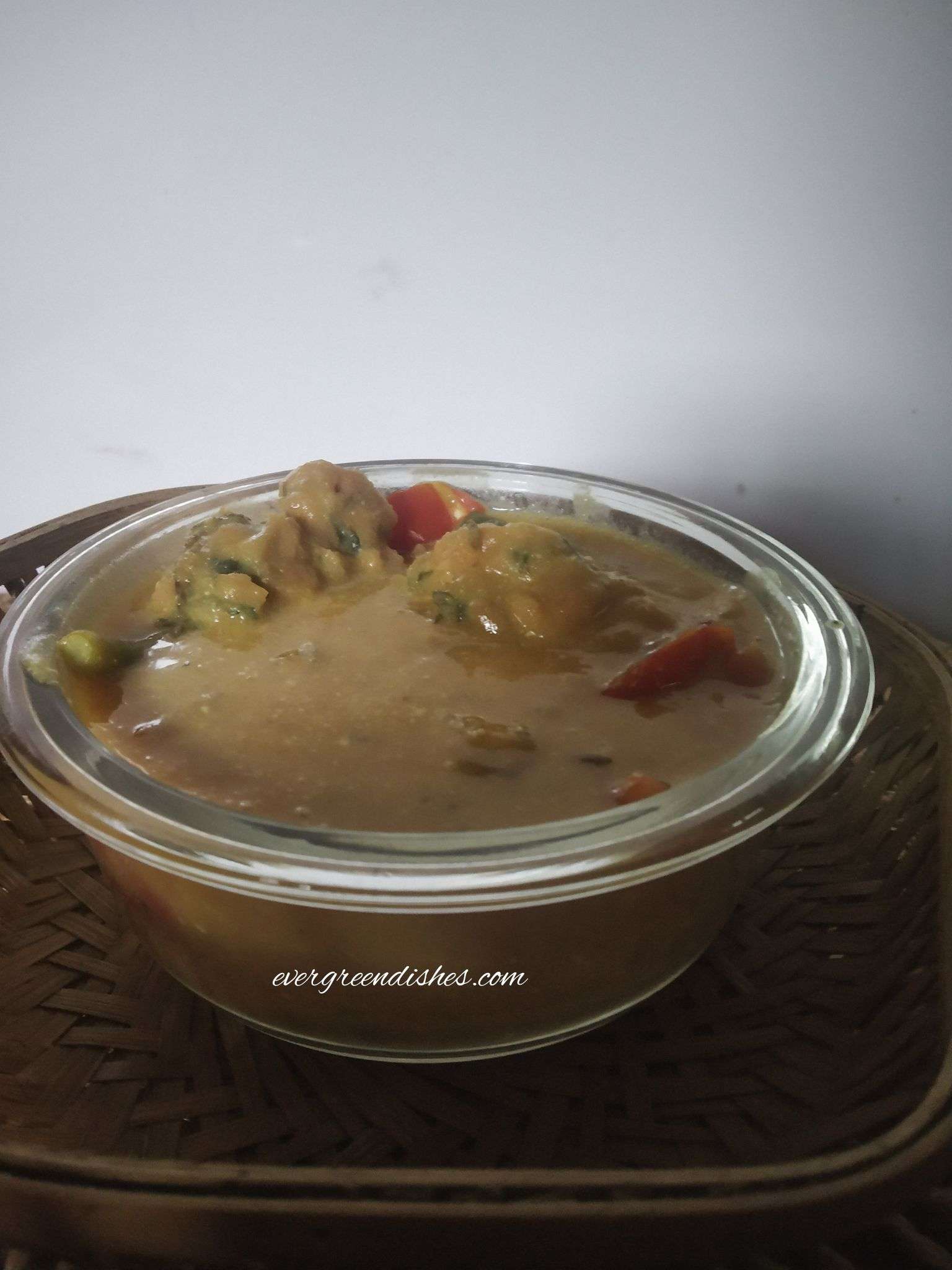
    Kadhi recipe is the popular Punjabi Kadhi Pakora. It is tasty and one of the cherished meals for north indians. 

    Kadhi chawal is the staple food of many people. It is easy to make and makes a good accompaniment with steamed rice. When the usual cooking needs a change, we resort to other kind of dishes. Kadhi is one of them. Every region has its own version of kadhi. The basic ingredient for kadhi is curd and gram flour.  There is a variation in the method of preparation.

    Kadhi with pakora is a signature dish from North Indian cuisine. Kadhi with pakora is made by dunking the onion pakoras in kadhi.

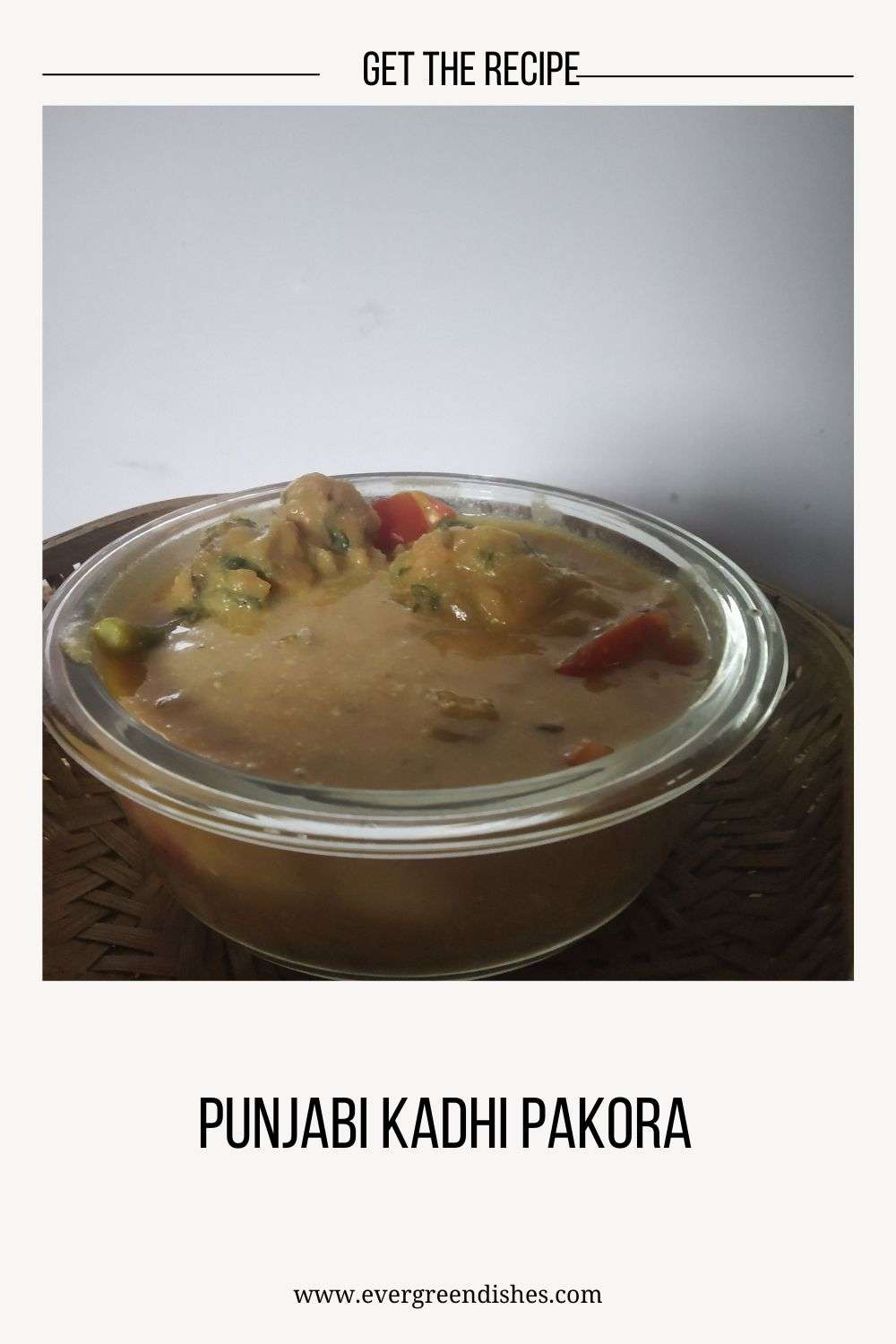
    a bowl of kadhi with pakora
    punjabi kadhi pakora

    What is Kadhi ?

    Kadhi is a popular yoghurt- based dish from Indian sub-continent. Gram flour is usually used to thicken it along with other ingredients. 

    What are the variation in Kadhi ? 

    Every region in India, has it’s own unique culture and traditions. Kadhi is prepared in most parts of the country but every region has its  own unique recipe. In South India, coconut is used in the preparation of majjige paladya along with other ingredients. It is similar to kadhi, at times we add ambodi in it.  The method of preparation is different in Rajasthan, a simple one with or without badas.  Gujarati kadhi is another version which I am yet to make. Sindhi kadhi is totally different and delectable with vegetables in it.

    Kadhi with Pakora Recipe 

    Ingredients:

    For Kadhi :

    • 1 cup sour curd
    • 1/4 cup gram flour
    • 1/4 teaspoon turmeric powder
    • 1/2 teaspoon red chilli powder
    • 1 teaspoon coriander powder
    • salt to taste
    • 1 tablespoon oil
    • 1/4 teaspoon cumin
    • 1/4 teaspoon fenugreek
    • 1 small onion
    • 1 inch ginger grated
    • 1 tomato
    • 2 green chilli

            For tempering 

    • 1 tablespoon oil
    • 1/4 teaspoon cumin
    • 1/8 teaspoon chilli powder

      For Pakoras:

    • 1/2 cup gram flour
    • 1 big onion
    • 2 green chilli
    • 1 tsp chilli powder
    • 1/4 teaspoon garam masala powder
    • 1/2 teaspoon coriander powder
    • water for mixing

      Method:

      To make kadhi : 

    • Blend the curd. Add gram flour, coriander powder, chilli powder, turmeric powder , and salt  to it. Mix it well, no lumps should be formed. 
    • In a kadai, make seasoning. Put oil, add cumin and fenugreek seed. Once it turns golden, add the grated ginger and onion. Saute it for sometime. Add tomato and green chilli pieces to it. Stir for 2-3 minutes.
    • Add the curd mixture, keep stirring it.
    • Reduce the flame, allow it to cook for sometime.
    • Switch off the flame.

    To make the pakoras:

    1. Take besan in a bowl. Add onion, green chilli, chilli powder, garam masala and coriander powder.Mix them together.
    2. Add little water and mix thoroughly. The batter should be of dropping consistency.
    3. Heat oil in a pan, add a spoonful of batter. Put a few more. 
    4. Deep fry to golden colour.
    5. Remove with a ladle and put it aside. 
    6. Put the pakora in kadhi.

    To make the seasoning:

    • Take oil in a pan, add cumin and chilli powder to it. As it turns golden, remove it and pour over the kadhi.
    kadhi with pakora

    Kadhi with Pakora

    5 from 5 votes
    Kadhi with Pakora is a popular dish from Punjabi cuisine. It is a comfort food.
    Course: lunch
    Cuisine: punjabi

    Ingredients
      

    For Kadhi :
    • 1 cup sour curd
    • 1/4 cup gram flour
    • 1/4 teaspoon turmeric powder
    • 1/2 teaspoon red chilli powder
    • 1 teaspoon coriander powder
    • salt to taste
    • 1 tablespoon oil
    • 1/4 teaspoon cumin
    • 1/4 teaspoon fenugreek
    • 1 small onion
    • 1 inch ginger grated
    • 1 to mato
    • 2 green chilli
    For tempering
    • 1 tablespoon oil
    • 1/4 teaspoon cumin
    • 1/8 teaspoon chilli powder
    For Pakoras:
    • 1/2 cup gram flour
    • 1 big onion
    • 2 green chilli
    • 1 tsp chilli powder
    • 1/4 teaspoon garam masala powder
    • 1/2 teaspoon coriander powder
    • water for mixing

    Equipment

    • 1 thick pan
    • 1 kadhi
    • 1 ladle
    • 1 perforated ladle
    • 2 plates
    • 2 bowls

    Method
     

    To make the kadhi :
    1. Blend the curd. Add gram flour, coriander powder, chilli powder, turmeric powder , and salt  to it. Mix it well, no lumps should be formed.
    2. In a kadai, make seasoning. Put oil, add cumin and fenugreek seed. Once it turns golden, add the grated ginger and onion. Saute it for sometime. Add tomato and green chilli pieces to it. Stir for 2-3 minutes.
    3. Add the curd mixture, keep stirring it.
    4. Reduce the flame, allow it to cook for sometime.
    5. Switch off the flame.
    To make the pakoras:
    1. Take besan in a bowl. Add onion, green chilli, chilli powder, garam masala and coriander powder.Mix them together.
    2. Add little water and mix thoroughly. The batter should be of dropping consistency.
    3. Heat oil in a pan, add a spoonful of batter. Put a few more.
    4. Deep fry to golden colour.
    5. Remove with a ladle and put it aside.
    6. Put the pakora in kadhi.
    To make the seasoning:
    1. Take oil in a pan, add cumin and chilli powder to it. As it turns golden, remove it and pour over the kadhi.
    punjabi kadhi pakora
    punjabi kadhi pakora

    If you ever make  Punjabi Kadhi Pakora  recipe,  do take a picture and tag @foodiejayashree on Instagram or @evergreendishes on Facebook or Twitter. I will be glad to see your creation and share it further. Let’s be connected, do follow on social media platforms. Until next time, let’s stay connected.  Subscribe to get all updates and an e-book for free. Check out my e-books on Amazon.  

  • Lemon Gojju | Nimbe hannina gojju recipe

    Lemon Gojju | Nimbe hannina gojju recipe

    Lemon gojju | Nimbe hannina gojju is a tasty condiment used in South India. Nimbe hannu is the Kannada name of lemon. 

    The taste of lemon  is citrusy, tasty, refreshing and loved by all. During the season, I try to find ways to include it in my cooking.

    Lemon is usually used to make pickles, it makes a good accompaniment  with curds riice. Lemon juice is the preferred drink during summer. 

    In daily cooking, it helps to balance the taste in all dishes by its citrus flavour as in lemon rice. It can also  be used to make lemon rasam. I make lemon gojju often and store in the refrigerator. I can say it is a recipe of cooking with lemon peels. Here, the lemon are boiled and then blended  along with some spices. The tartness of the lemon, the sweetness of the jaggery and the spiciness of the chilli powder, altogether make the dish a tangy and tasty one. Lemon Gojju has a refreshing taste, ideal to pair with hot, steamed rice. It stays good for a couple of days in the refrigerator. 

    A lemon tree in the backyard is useful, it gives limes quite often. The lemon are refreshing and makes a good drink.

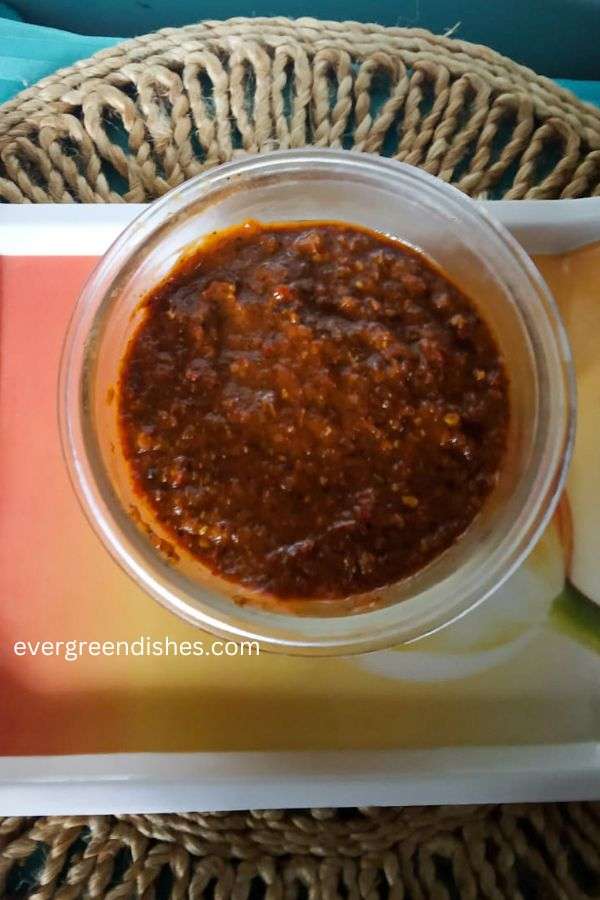
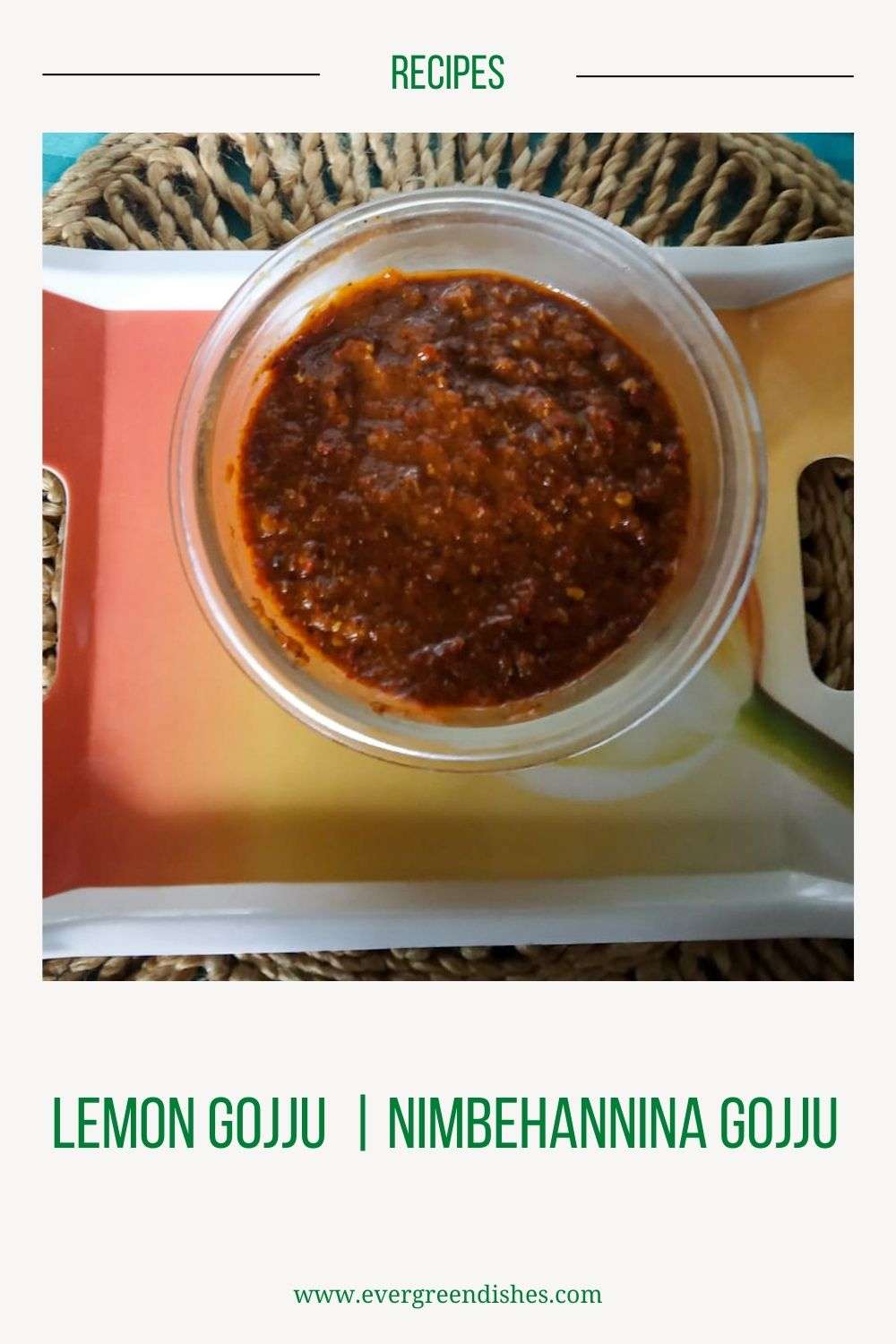
    lemon gojju | nimbe hannina gojju

    An easy hack to store lemons :

    Lemon tend to wither after a few days even when you keep in the refrigerator too. Take a bottle, fill it with water to half the capacity. Put the lemons in it and close it. Change the water after a couple of days.

    Last year, I had got many lemon. I did not know what to do. I made a concentrate of lemon juice and put it in the ice cube tray. 


    The ingredients used for Nimbehannina Gojju are :

    1. Lemon- It is the main ingredient used here. Rubbing  the lemon on the kitchen platform for sometime helps to extract juice properly. 
    2. Cumin- It gives a good taste to the dish.
    3. Fenugreek –  It helps in balancing the taste of the dish.
    4. Red chilli – It imparts spiciness.
    5. Jaggery- It gives a sweet flavour.
    6. Oil – Any neutral cooking oil can be used. 
    7. Asafoetida – One of the essentials for seasoning.
    8. Mustard – Another essential ingredient in South Indian cooking. 


    How to use the gojju :

    The lemon gojju is usually served with hot steamed rice along with a dollop of ghee. The freshness of lemon gives a good taste to the dish. It is usually eaten in the beginning of the meal before the main meal. It can also be used as an accompaniment with curds rice. 

    Ingredients:

    Lemon Gojju | Nimbe Hannina Gojju

    Lemon Gojju | Nimbe Hannina

    5 from 5 votes
    Lemon Gojju | NimbeHannina Gojju is a tasty condiment used with hot steamed rice.
    Course: lunch ideas
    Cuisine: karnataka

    Ingredients
      

    • 4 lemons
    • 1/2 teaspoon oil
    • 1 teaspoon cumin
    • 1 teaspoon mustard
    • 1/4 teaspoon fenugreek
    • 6 red chilli
    • 3 teaspoon jaggery
    • For seasoning:
    • 2 teaspoon oil
    • 1/2 teaspoon mustard
    • 1/2 teaspoon cumin
    • 1/4 teaspoon asafoetida

    Method
     

    1. Wash the lemon and pat dry. Roll them on the platform with your palm. Cut them into small pieces, remove the seeds and boil them with water
    2. Once they are soft, turn off the stove.
    3. In a pan, take oil and roast the cumin, mustard and fenugreek seeds along with red chilli. Leet it cool.
    4. Grind the roasted ingredients to a powder, add the lemon pieces, jaggery and salt to it. Grind all the ingredients together.
    5. Remove it in a bowl.
    6. Make the seasoning. Heat oil in a pan. Add mustard seeds,. Once it crackles put asafoetida, cumin and turmeric powder.Put it into the prepared gojju.
    7. Tasty gojju is ready to serve.


    Pin it for later :
     

    lemon gojju | nimbe hannina gojju
    lemon gojju | nimbe hannina gojjju

    If you ever make  Lemon Gojju | Nimbe hannina gojju  recipe,  do take a picture and tag @foodiejayashree on Instagram or @evergreendishes on Facebook or Twitter. I will be glad to see your creation and share it further. Let’s be connected, do follow on social media platforms. Until next time, let’s stay connected.  Subscribe to get all updates and an e-book for free. Check out my e-books on Amazon.  

                                                                  Until next time,  Ciao  !

  • Srilankan Green Bean Curry

    Srilankan Green Bean Curry

    Srilankan Green Bean Curry is a tasty side dish cooked in coconut milk. It makes a good accompaniment with chapathi or steamed rice. 

    It is a new month and I have a new cuisine on my blog today. It is now to the Srilankan cuisine. Sri Lanka, as we all know is a small country to the south of India. It has a mixed culture traditions.  

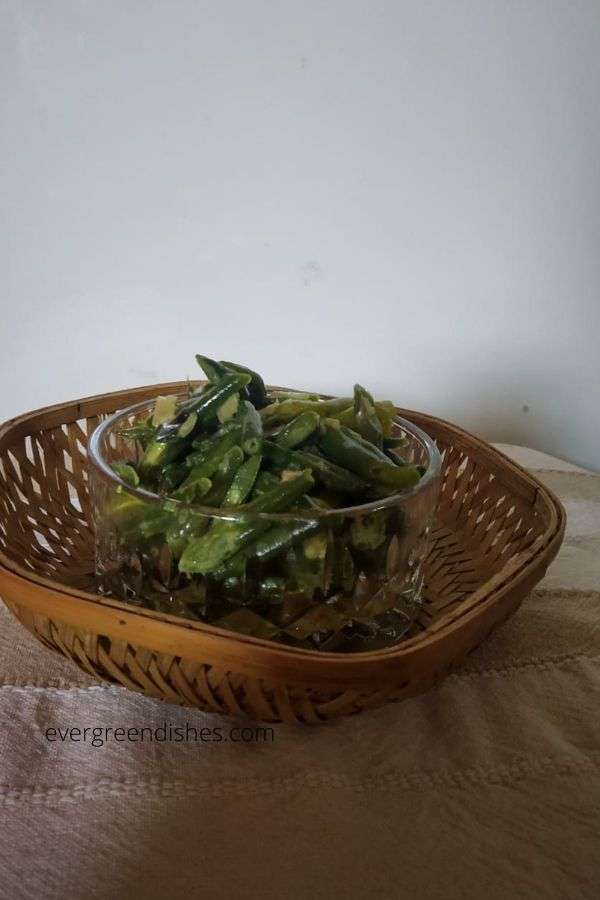
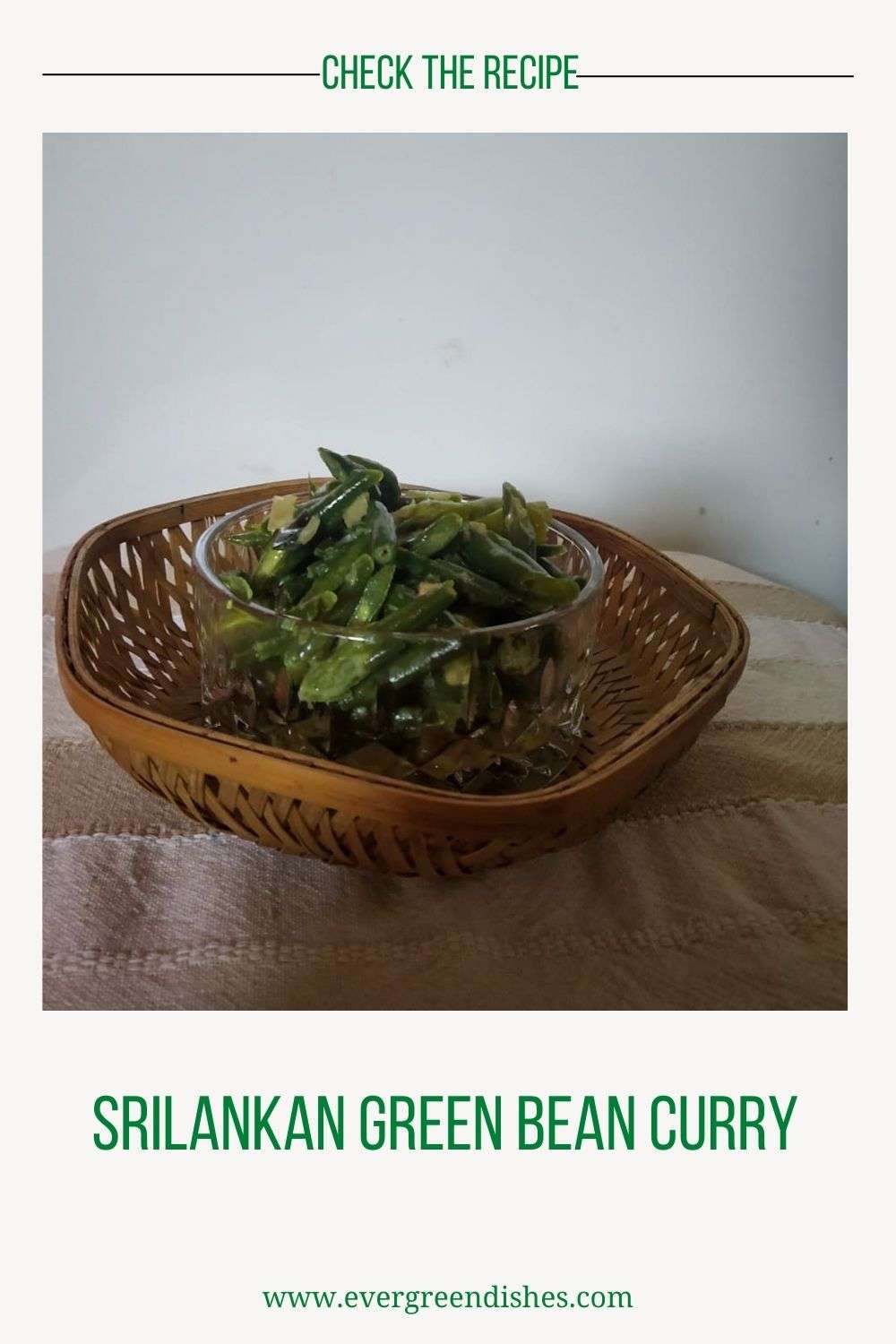
    srilankan green bean curry


    About SriLankan cuisine :


    There is a lot to explore in the SriLankan food. I am naive but did a lot of research before I could plunge into cooking it. It is mainly a non-vegetarian cuisine but one can find good vegetarian food too. It is a land of coconut and cinnamon. I think coconut milk or coconut is extensively used. It gives a good taste to the food too. Being a South Indian, I can vouch for the taste it imparts to the dish.

    Ceylon cinnamon is sweetish in taste and gives a good flavour to the dishes. I have used it  and it is more aromatic than the usual one which we use. Pandan leaves are extensively used in many dishes. Although, Srilankan cuisine looks so familiar to us, it is not exactly the same. The spice mix too is different, the food is more spicy than the Indian cuisine as pepper and cinnamon are abundantly used. But, the bottom line is Indian cuisine is quite similar to it. An Indian in Ceylon will be happy with the food that he get there. 

    Srilankan cuisine has many kind of rice based dishes and hoppers . It is mostly served with a coconut milk based curry. I am yet to explore this cuisine, for now I have tried two side dishes, both were good. 

    About the event :

    Narmadha of Nams Corner suggested Sri Lankan cuisine for the month of August. Thanks to Narmadha, I would not have explored this cuisine. She has many dishes on her blog, I have bookmarked her kallu dodol recipe to make it soon.  I was paired with Preethi, she gave me currry leaf and green chilli, I have made this dish. I gave Preethi, mustard seeds and fennel, she has made flavoursome spice mix used in Srilankan cuisine.

    I have adapted the recipe from here.


    shhh cooking secretly


    About the green bean stir fry:

    When I was looking for the dishes to prepare, I had so many in mind. Finally, I decided to make Beans Stir Fry as my family loves the  humble vegetable. The ingredients needed are easily available and the cooking is done quickly if you outsource the coconut milk. Here, I made fresh coconut milk for the dish.. It paired well with chapathi. Let us look at the recipe beans curry in coconut milk


    What goes in Srilankan Green Bean Curry ?

    • Beans : Cut them into two inch long pieces with a diagonal at the end. You will need 150 grams of beans.
    • Coconut milk : You need the thick coconut milk. To extract coconut milk, soak one cup of fresh  grated coconut in hot water for half an hour. Later, grind it and sieve the mixture. The mixture can be pounded again and extracted. The second  extract can be used for any other dish. This is the thick coconut milk. Alternatively, you can use store bought coconut milk. 
    • Onion: Cut it into small pieces.
    • Oil : Any cooking oil will do.
    • Green Chilli
    • Turmeric powder 
    • Salt 
    • Water
    Print Recipe
    a bowl of srilankan green bean curry
    Evergreendishesdev

    Srilankan Green Bean Curry

    Srilankan green bean curry is a tasty side dish cooked in coconut milk. It makes a good accompaniment with chapathi or steamed rice.
    Prep Time 20 minutes
    Cook Time 15 minutes
    Total Time 35 minutes
    Servings: 4 people
    Course: dinner ideas, lunch
    Cuisine: srilanka cuisine

    Ingredients
      

    • 100 ml thick coconut milk (
    • 2 teaspoon oil
    • 1 onion
    • 3 green chilli
    • a few curry leaves
    • 1/4 teaspoon turmeric powder
    • 150 grams beans
    • 75 ml water +100 ml
    • salt

    Equipment

    • 1 pan
    • 1 knife
    • 1 chopping board
    • 2 bowls
    • 1 serving spoon
    • 1 lid cover

    Method
     

    1. To extract coconut milk, soak one cup of fresh  grated coconut in hot water for half an hour. Later, grind it and sieve the mixture. This is the thick coconut milk.
    2. Cut the onion into small pieces.
    3. Cut the beans into two inch long pieces.
    4. Heat oil in a pan, add onion pieces to it. Saute it for some time until it turns pink in colour
    5. Add green chilli and curry leaves to it.
    6. Add the beans, give a stir. Allow to cook for sometime.
    7. Put turmeric powder, salt and water in it.
    8. After two minutes, put the coconut milk.
    9. Cover and cook for two minutes.
    10. Green beans curry is ready to serve.

    Notes

    If you are extracting at home, use only the thick coconut milk. Repeat it second time and use it for any other dish. The milk can be stored in the refrigerator for a day.
    The beans are cut long with a diagonal at the end. 

    Pin it for later : 
    a bowl of srilankan green bean stir fry
    Srilankan green bean stir fry

    If you ever make Srilankan Green Bean Curry, do take a picture and share with me by tagging @foodiejayashree on Instagram or @evergreendishes on Facebook. Subscribe to get all updates and an e-book for free.

  • How to make Aloo Palak Paratha

    How to make Aloo Palak Paratha

    Jump to Recipe Print Recipe

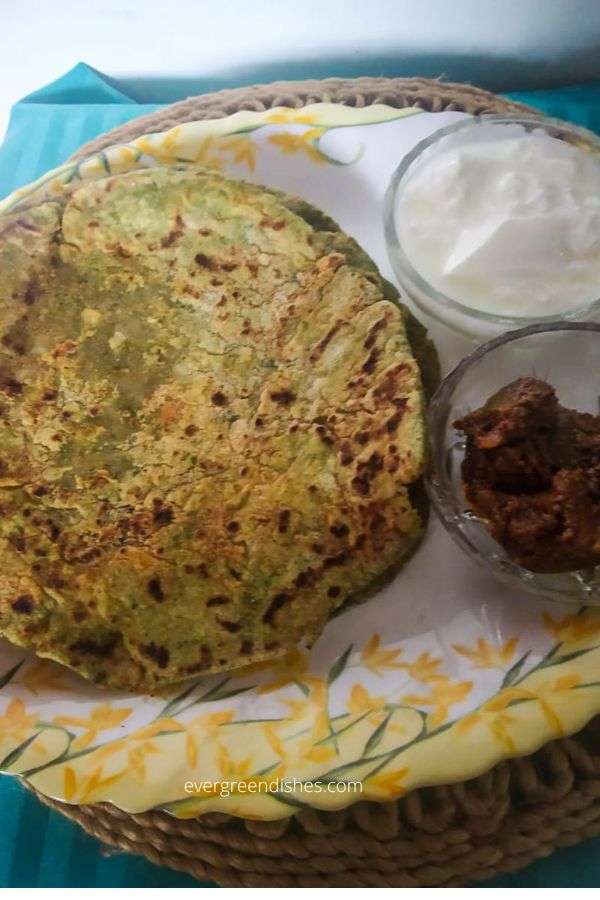
    Aloo Palak Paratha is a tasty and filling breakfast. Spinach puree is mixed in the dough, rolled  are filled with a potato mix to make a colourful and delicious paratha. The green colour filled paratha looks good, is healthier and filling.

    Parathas are always welcome at home, they make the best breakfast recipes. Aloo Paratha, is obviously the first choice for my family. But at times, I do make variations as potato and pea paratha or aloo methi paratha. Today, I am sharing aloo palak paratha.

    Spinach is a store house of nutrients, I find ways to include it in my cooking. We all know spinach and potato are a match made in heaven. They comprehend well in a gravy like or a sabzi. I have made this paratha a couple of times, but could not share it with you all.

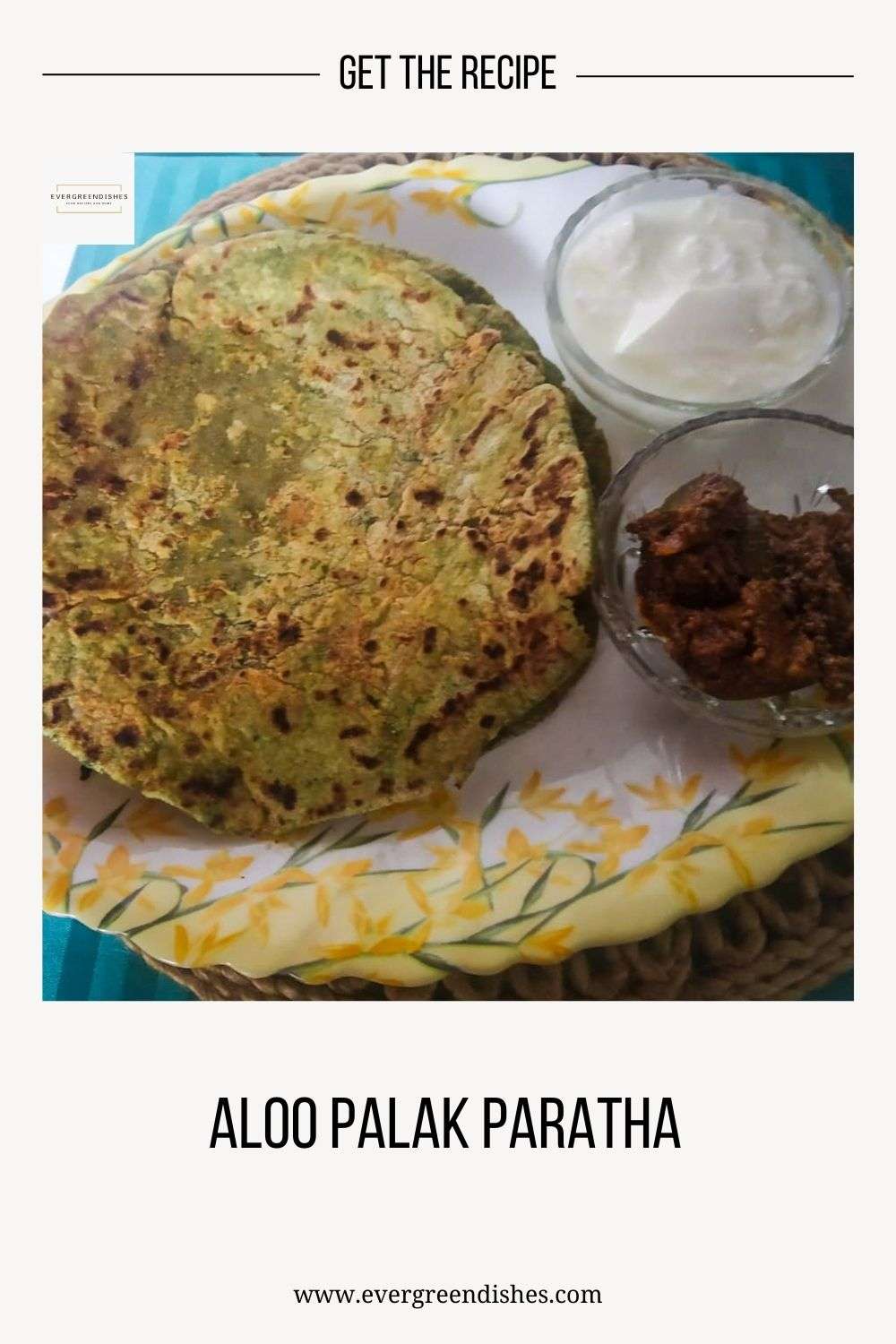
    aloo palak paratha

    Aloo Palak Paratha Recipe:

    Ingredients:

    For the dough:

    • 2 cup wheat flour
    • 150 grams spinach
    • 1/2 teaspoon ghee
    • 1/2 teaspoon salt
    • water

    For the stuffing:

    • 7 medium sized potato ( 400 grams)
    • 3/4 teaspoon chilli powder
    • 1/2 teaspoon chat masala
    • salt to taste
    • 2 green chilli
    • 1 inch ginger

    Method:

    To make the dough :

    1. Remove the stalk of the spinach leaves. Wash them thoroughly, cut and blanch. Make a paste of it.
    2. In a wide bow, take wheat flour, add ghee, salt and spinach puree to it.
    3. Mix it thoroughly.
    4. Use small quantity of water and make a stiff dough.
    5. Cover it with a muslin cloth and keep it aside for ten minutes.

    To make the stuffing:

    1. Boil the potatoes in a pressure cooker for two whistles.
    2. Grind green chilli and ginger together.
    3. Once the pressure releases by itself, peel the potatoes and mash them
    4. Add chilli powder, salt, chat masala and the ginger chilli paste to it.
    5. Mix and keep it aside.

    To make parathas:

    1. Heat a skillet.
    2. Take a small ball of the dough. Roll it into a small circle.
    3. Take a small ball of the filling, put it the centre, seal the edges together and flatten it slowly between the palms.
    4. Using a little flour, roll it gently to a small paratha.
    5. Put it on the skillet. After a few seconds, turn it to the other side and brush some oil over it.
    6. Flip it and now smear oil on the reverse side.
    7. Once it is golden in colour, pput a little ghee and remove it.
    8. Serve it with pickle and curd.

    Aloo Palak Paratha

    Aloo Palak Paratha is tasty, healthy and filling. The dough is mixed with spinach puree and filled with a potato filling. It makes a good breakfast option.
    Prep Time 20 minutes
    Cook Time 40 minutes
    Total Time 1 hour
    Course: Breakfast, brunch, dinner ideas, lunch
    Cuisine: north indian

    Ingredients
      

    For the dough:
    • 2 cup wheat flour
    • 150 grams spinach
    • 1/2 teaspoon ghee
    • 1/2 teaspoon salt
    • water
    For the stuffing:
    • 7 medium sized potato 400 grams
    • 3/4 teaspoon chilli powder
    • 1/2 teaspoon chat masala
    • salt to taste
    • 2 green chilli
    • 1 inch ginger

    Equipment

    • wide bowl, rolling board, rolling pin, small bowl,

    Method
     

    To make the dough :
    1. Remove the stalk of the spinach leaves. Wash them thoroughly, cut and blanch. Make a paste of it.
    2. In a wide bow, take wheat flour, add ghee, salt and spinach puree to it.
    3. Mix it thoroughly.
    4. Use small quantity of water and make a stiff dough.
    5. Cover it with a muslin cloth and keep it aside for ten minutes.
    To make the stuffing:
    1. Boil the potatoes in a pressure cooker for two whistles.
    2. Grind green chilli and ginger together.
    3. Once the pressure releases by itself, peel the potatoes and mash them
    4. Add chilli powder, salt, chat masala and the ginger chilli paste to it.
    5. Mix and keep it aside.
    To make parathas:
    1. Heat a skillet.
    2. Take a small ball of the dough. Roll it into a small circle.
    3. Take a small ball of the filling, put it the centre, seal the edges together and flatten it slowly between the palms.
    4. Using a little flour, roll it gently to a small paratha.
    5. Put it on the skillet. After a few seconds, turn it to the other side and brush some oil over it.
    6. Flip it and now smear oil on the reverse side.
    7. Once it is golden in colour, pput a little ghee and remove it.
    8. Serve it with pickle and curd.

    Notes

    Incase, you need it spicier, add another half teaspoon of chilli powder.
    Using of ghee for roasting is optional, but it gives a good taste.

    aloo palak paratha served with pickle and curd
    Aloo Palak Paratha

    If you ever make Aloo Palak Parat in your kitchen, take a picture and tag @foodiejayashree on Instagram or @evergreendishes on Facebook. Subscribe to get all updates in your inbox and an e-book for free!

  • How to make Tri-Colour Idli

    How to make Tri-Colour Idli

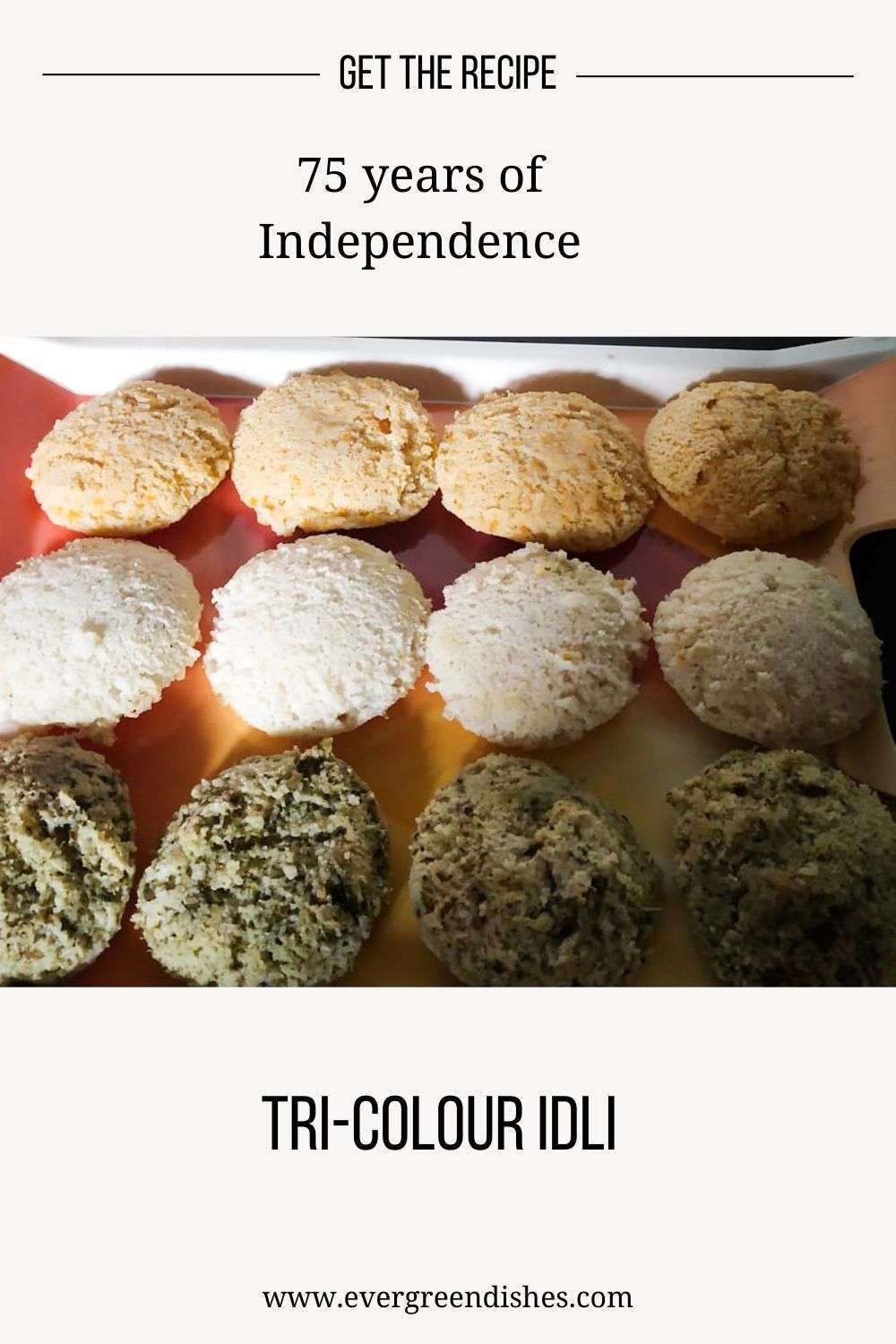
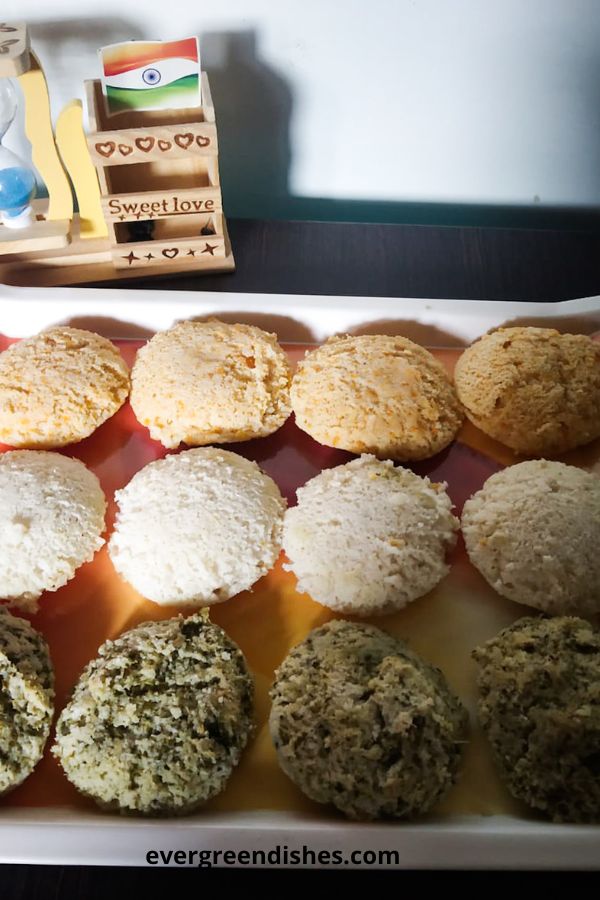
    Tri-colour idli is idli of saffron, white and green colour. A post to celebrate 75th Independence of India.

    As India celebrates its 75th Independence Day, it is indeed a moment of joy and pride for every Indian. The hard won freedom is cherished and celebrated. Many lives were lost and the struggle was unbearable. Today, we have come a long way since then. Remembering the great leaders who underwent treacherous sufferings to make us a free country.

    The Indian flag is tri-colour or tiranga as it it popularly known. It was designed by Pingali Venkayya. It is a horizontal, rectangular flag with saffron, white and green colours. The Ashoka Chakra  in the middle is navy blue in colour. Saffron stands for renounciation, white denotes the path of truth and green represents the relation to the vegetation life. The Ashoka Chakra signifies motion. Our country should be moving ahead and we should never dread the change.

    As the country moves ahead to celebrate the 76th year of Independence, here is a small contribution from me. Tri-Colour Idli is a platter of colourful idlis. Earlier, I have shared Tri-colour Pulav, do check it.

    tri-colour idli
    tri-colour idli

    Tri-Colour Idli :

    Ingredients:

    • 1 cup  urad dal
    • 1 cup iidli rawa ( 2 cup for wet grinder)
    • water
    • salt
    • 1/2 cup spinach
    • 1 tablespoon coriander
    • 1 green chilli
    • 1 carrot

    Method :

    To make idli batter:

    1. Soak urad dal for two hours.
    2. Before grinding, soak the cream of rice in water. If you are using mixer, use one cup of cream of rice. If you are grinding in the wet-grinder, soak two cups of cream of rice.
    3. Grind urad dal with water.
    4. Remove the batter in a wide bowl. Add the soaked cream of rice to it and mix thoroughly using your hand.
    5. Close a lid and keep it in a warm place to ferment.
    6. Next day, mix salt to it.
    7. Divide the batter into three parts.

    To make saffron / orange colour idli :

    1. Make a puree of carrot.
    2. Mix it one part of the batter.
    3. Grease the tray, pour the batter and steam it.
    4. Initially, keep it on a medium high for five minutes. Then, steam it on a low flame.
    5. Once, they are done, turn off.
    6. Unmold after sometime.

    To make white colour idli:

    1. Steam them in the regular way.

    To make green colour idli:

    1. Blanch the spinach along with coriander.
    2. Once it cools, grind it with a green chilli.
    3. Mix the puree in the other bowl of batter.
    4. Put a spoonful of batter in each of the compartments.
    5. Steam it for eight to ten minutes.
    6. Green colour idlis are ready.

    Take a tip: 

    • Serve idli with chutney and sambar.
    • Take a note about the use of quantity of idli rawa. Check in the method to make idli batter.
    • Use of coriander and green chilli is optional. It gives a good taste.
    • Do not store the mixed batter in the refrigerator.

    Tri-colour Idli Recipe

    Tri-colour idli is a platter of colourful idlis. It is made using natural ingredients available in the kitchen.
    Course: Breakfast
    Cuisine: karnataka

    Ingredients
      

    • 1 cup urad dal
    • 1 cup iidli rawa 2 cup for wet grinder
    • water
    • salt
    • 1/2 cup spinach
    • 1 tablespoon coriander
    • 1 green chilli
    • 1 carrot

    Equipment

    • wide bowl, lids, ladle, 3 medium bowls, idli stand, idli cooker

    Method
     

    1. To make idli batter:
    2. Soak urad dal for two hours.
    3. Before grinding, soak the cream of rice in water. If you are using mixer, use one cup of cream of rice. If you are grinding in the wet-grinder, soak two cups of cream of rice.
    4. Grind urad dal with water.
    5. Remove the batter in a wide bowl. Add the soaked cream of rice to it and mix thoroughly using your hand.
    6. Close a lid and keep it in a warm place to ferment.
    7. Next day, mix salt to it.
    8. Divide the batter into three parts.
    TO MAKE SAFFRON/ORANGE COLOUR IDLI
    1. Make a puree of carrot.
    2. Mix it one part of the batter.
    3. Grease the tray, pour the batter and steam it.
    4. Initially, keep it on a medium high for five minutes. Then, steam it on a low flame.
    5. Once, they are done, turn off.
    6. Unmould after sometime.
    TO MAKE WHITE COLOUR IDLI
    1. Steam them in the regular way.
    To MAKE GREEN COLOUR IDLI
    1. Blanch the spinach along with coriander.
    2. Once it cools, grind it with a green chilli.
    3. Mix the puree in the other bowl of batter.
    4. Put a spoonful of batter in each of the compartments.
    5. Steam it for around ten minutes.
    6. Green colour idlis are ready.

    Notes

    Make use of idli rawa as per the instructions given.
    Adjust the quantity of water while grinding the batter.
    Use of coriander is optional, but it gives a good taste.

    tri-colour idli
    tri-colour idli

    If you ever make Tri-Colour Idli in your kitchen, take a picture and tag @foodiejayashree on Instagram or @evergreendishes on Facebook. Subscribe to get all updates in your inbox and an e-book for free!

    Discover latest Indian Blogs

  • Pesarattu Recipe | Moong Dal Dosa

    Pesarattu Recipe | Moong Dal Dosa

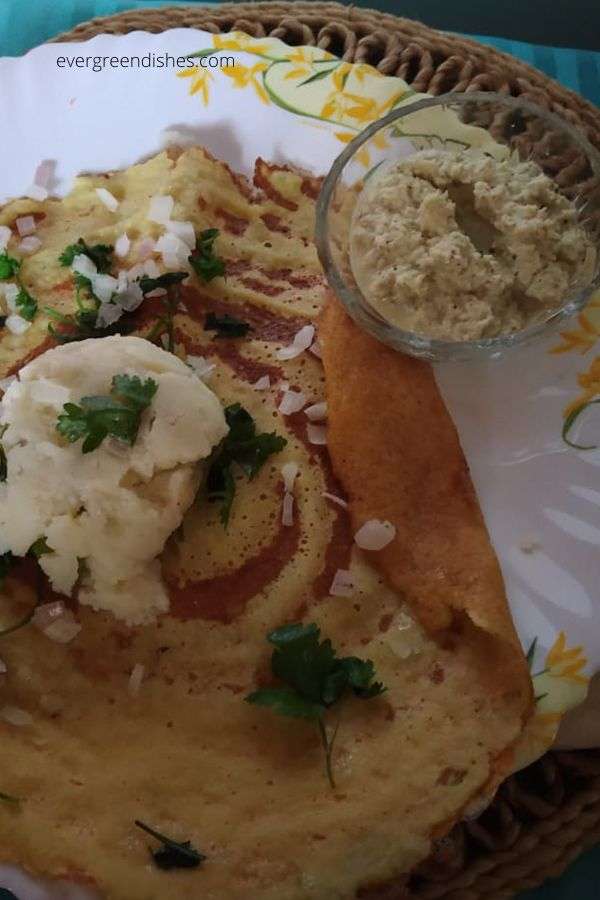
    Pesarattu is a popular breakfast from Andhra Pradesh. It is a lacy crepe made with moong dal. It is usually served with upma and chutney. 

    Pesarattu is a  moong crepe from Andhra Pradesh. The green moong or the yellow lentil can be used in the preparation. It needs no fermentation. 

    The beauty of India is the varied culture and traditions we see in each part of the country. Every state has its own set of recipes. Andhra cuisine is known for its spicy food. Pickles and chutneys are quite common in the menu.  Earlier, I have shared gongura chutney recipe. I have also shared Andhra pappu and Andhra rasam. My son is fond of these dishes. 

    Today, I am sharing a breakfast  recipe  from Andhra Pradesh. When we are bored of the usual dosa, moong dal dosa or pesarattu comes to the rescue. 

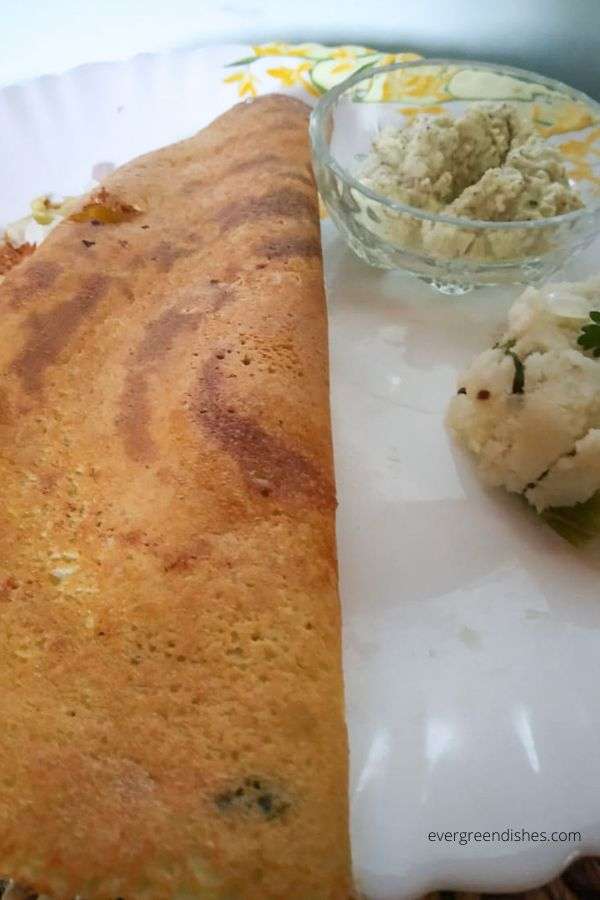
    pesarattu served with upma and chutney
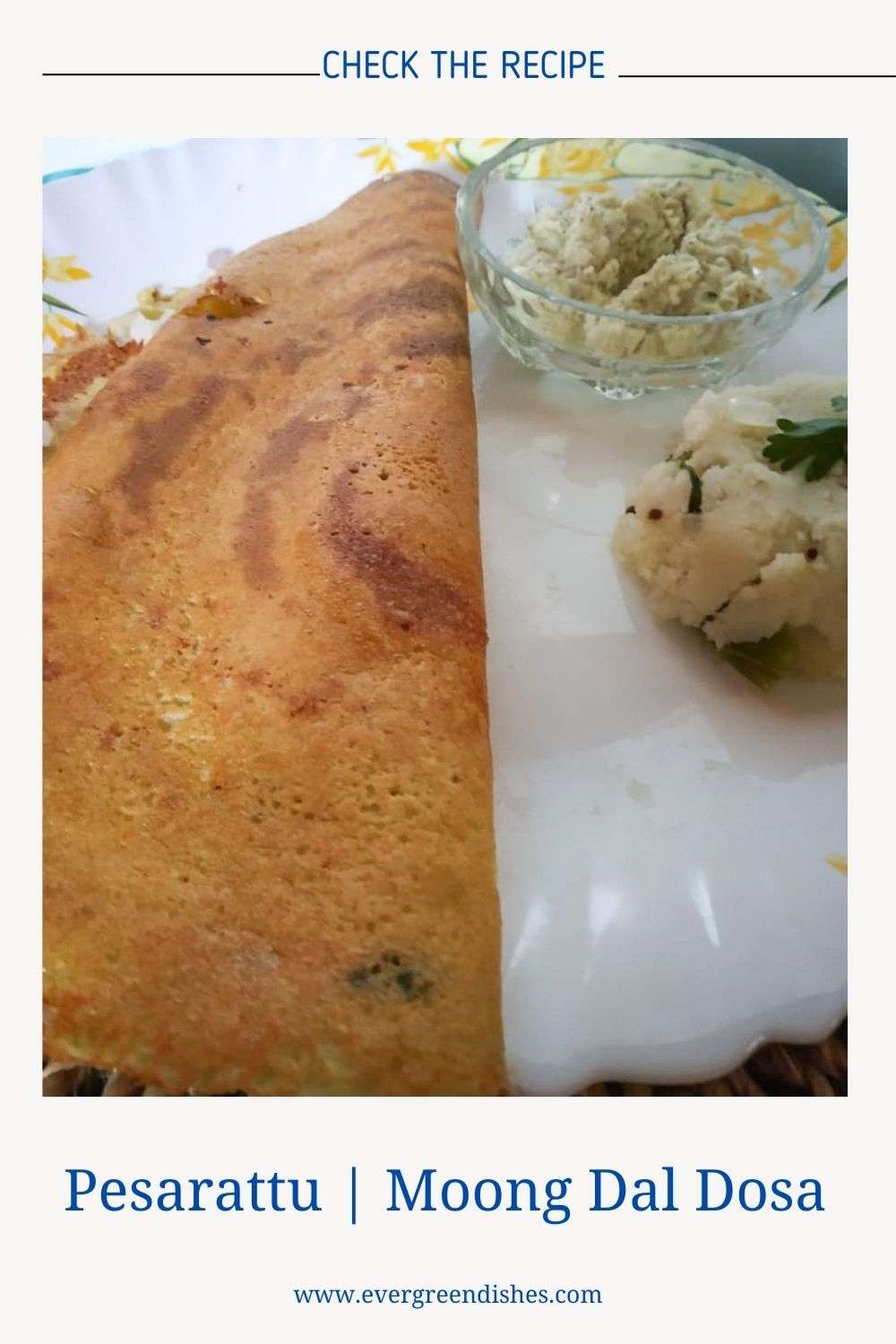
    pesarattu

    Pesarttu Recipe | Moong Dal Dosa 

    Ingredients:


    For Pesarattu:


    1 cup moong dal
    2 green chillli
    1 inch ginger
    150 ml water
    salt
    1 onion
    coriander leaves

    For upma:


    1 cup semolina
    2 teaspoon ghee
    1 tablespoon oil
    1/2 teaspoon mustard
    1/2 teaspoon cumin
    1 teaspoon bengal gram
    1 teaspoon urad dal
    4 green chilli
    2.5 cup water
    salt
    coriander for garnishing

    For chutney :


    1 cup coconut
    1 teaspoon oil
    2 green chili
    1/4 cup gram dal
    small piece of tamarind
    water
    salt


    Method:

    To make pesarattu batter :

    1. Soak moong dal for two hours.
    2. Later, put the dal in a mixie. Add ginger, grreen chilli, water and grind it to a smooth paste with little water.  Remove it in a bowl. Mix a teaspoon of rice flour and salt to it. The batter of pesarattu is ready.

    To make upma :

    1. In a thick pan, add a teaspoon of ghee and roast the semolina to a golden colour.
    2. Put the roasted semolina in a bowl. Add oil. Make the seasoning, add mustard seeds, as it crackles, put cumin, asafoetida, bengal gram,urad dal and gren chilli. Now, put the onion and saute it for sometime.
    3. Put water and salt to it. I have used Bombay Rawa and the  semolina and water proportion is 1: 2.5. 
    4. Once the water boils, slowly add the semolina to it and mix thoroughly. Let cook for  sometime. Put lemon juice and garnish with coriander leaves.

    To make chutney:

    1. In a small pan, take a little oil and roast the green chillies.
    2. Grind coconut, roasted chillies, salt and  water. Put a little tamarind extract to it and give a swirl.
    3. Coconut chutney is ready to serve.

    To make pesarattu:

    1. Heat a skillet.
    2. Check the consistency of the batter. Put a small quantity of water if needed.
    3. Now, take a spoonnful of batter, pour it on the skillet and make it into a thin crepe. Take the batter and roll it inside out in concentric circles.Smear a little oil.
    4. Sprinkle onion pieces and coriander over it.
    5. Once it is cooked, put a little upma and fold it. Serve with coconut chutney.

    Take a tip:

    • Moong dal can be soaked for one to three hours.
    • The consistency of the batter should be thick.
    • It can be spread into thin crepes.
    • The dosa is best made with fresh batter. Soak the required quantity and use the batter.
    • The batter kept in the refrigerator does not taste good. Moreover, the crepes fall apart while preparing. 
    • Green moong is usually used to make this crepe. Soak it overnight, next day,  grind it with a little water and other spices the next day. Make crepes in the usual way. 
    pesarattu
    pesarattu served with upma and chutney

    Pesarattu | Moong Dal Dosa

    5 from 5 votes
    Pesarattu is a thin crepe made from green gram or yellow lentil. It is a popular breakfast from Andhra Pradesh. It is usually served with upma and chutney.
    Prep Time 15 minutes
    Cook Time 15 minutes
    2 hours
    Total Time 2 hours 30 minutes
    Course: Breakfast
    Cuisine: Andhra pradesh

    Ingredients
      

    For Pesarattu:
    • 1 cup moong dal
    • 2 green chillli
    • 1 inch ginger
    • 150 ml water
    • salt
    • 1 onion
    • coriander leaves
    For upma:
    • 1 cup semolina
    • 2 teaspoon ghee
    • 1 tablespoon oil
    • 1/2 teaspoon mustard
    • 1/2 teaspoon cumin
    • 1 teaspoon bengal gram
    • 1 teaspoon urad dal
    • 4 green chilli
    • 2.5 cup water
    • salt
    • coriander for garnishing
    For chutney :
    • 1 cup coconut
    • 1 teaspoon oil
    • 2 green chili
    • 1/4 cup gram dal
    • small piece of tamarind
    • water
    • salt

    Method
     

    To make pesarattu batter :
    1. Soak moong dal for two hours.
    2. Later, put the dal in a mixie. Add ginger, grreen chilli, water and grind it to a smooth paste with little water.  Remove it in a bowl. Mix a teaspoon of rice flour and salt to it. The batter of pesarattu is ready.
    To make upma :
    1. In a thick pan, add a teaspoon of ghee and roast the semolina to a golden colour.
    2. Put the roasted semolina in a bowl. Add oil. Make the seasoning, add mustard seeds, as it crackles, put cumin, asafoetida, bengal gram,urad dal and gren chilli. Now, put the onion and saute it for sometime.
    3. Put water and salt to it. I have used Bombay Rawa and the  semolina and water proportion is 1: 2.5.
    4. Once the water boils, slowly add the semolina to it and mix thoroughly. Let cook for  sometime. Put lemon juice and garnish with coriander leaves.
    To make chutney:
    1. In a small pan, take a little oil and roast the green chillies.
    2. Grind coconut, roasted chillies, salt and  water. Put a little tamarind extract to it and give a swirl.
    3. Coconut chutney is ready to serve.
    To make pesarattu:
    1. Heat a skillet.
    2. Check the consistency of the batter. Put a small quantity of water if needed.
    3. Now, take a spoonnful of batter, pour it on the skillet and make it into a thin crepe. Take the batter and roll it inside out in concentric circles.Smear a little oil.
    4. Sprinkle onion pieces and coriander over it.
    5. Once it is cooked, put a little upma and fold it. Serve with coconut chutney.

    Notes

    Moong dal can be soaked for one to three hours.
    The consistency of the batter should be thick.
    It can be spread into thin crepes.
    The dosa is best made with fresh batter. Soak the required quantity and use the batter.
    The batter kept in the refrigerator does not taste good. Moreover, the crepes fall apart while preparing. 
    Green moong is usually used to make this crepe. Soak it overnight and grind it with a little water and other spices the next day. Make crepes in the usual way. 

    Pin it for later: 

    pesarattu served with upma and chutney
    pesarattu | moong dal dosa

    If you ever make Pesarattu  recipe, take a picture and tag @foodiejayashree on Instagram or @evergreendishes on Facebook. Subscribe to get all updates in your inbox and an e-book for free!

  • Horse gram Stir fry | Hurali kalu palya

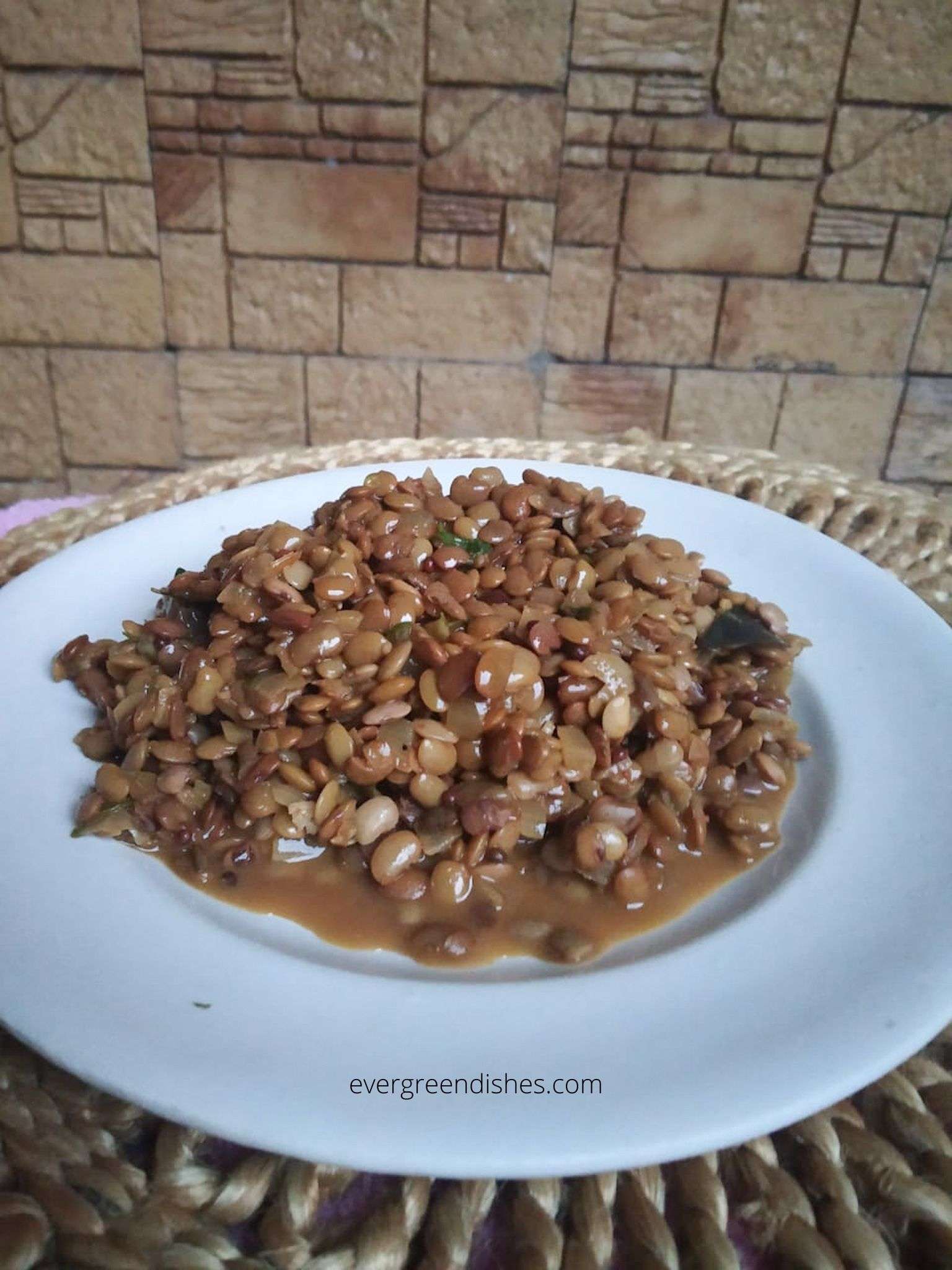
    Horse gram Stir fry | Hurali kalu palya

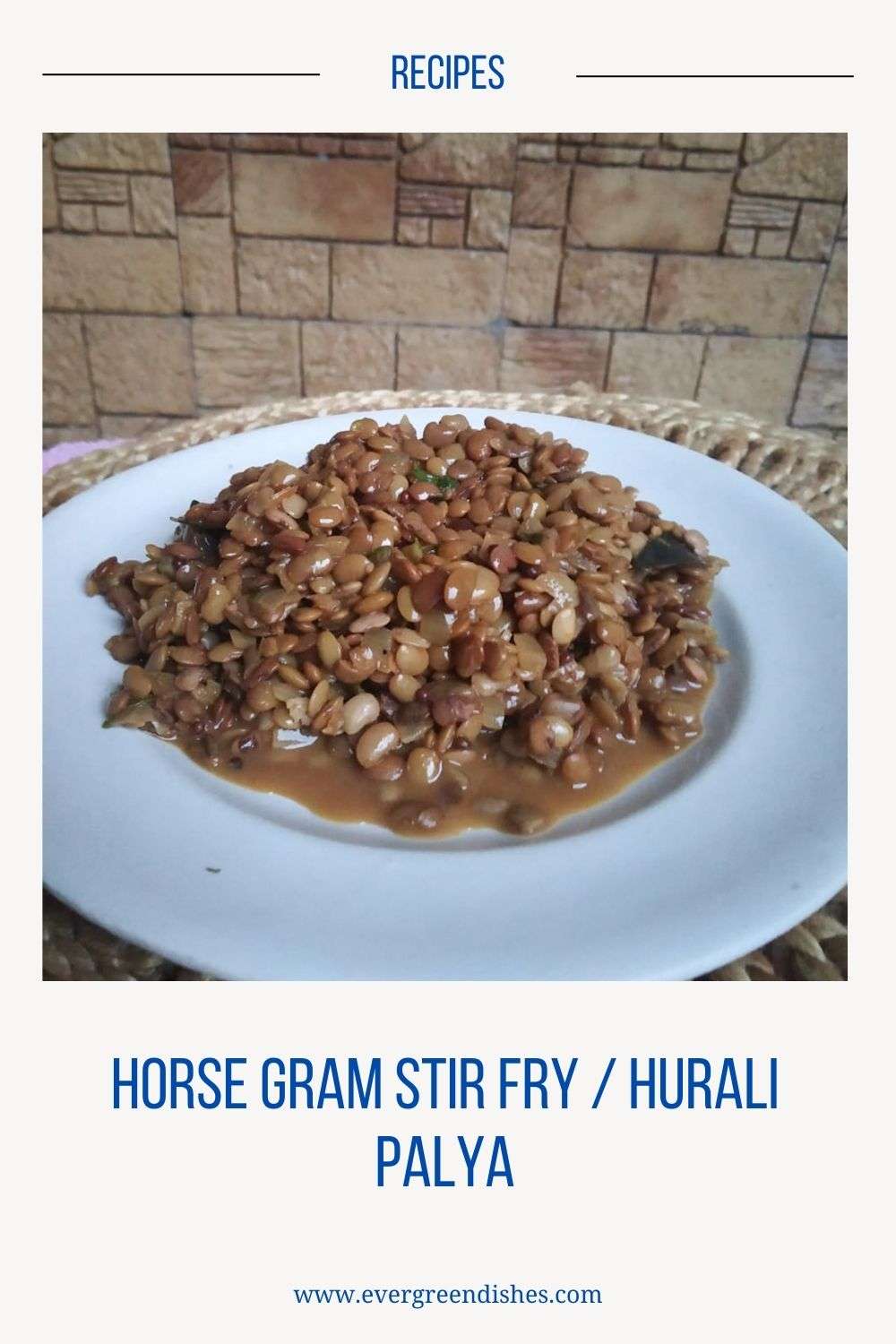
    Horse gram stir fry is a simple yet tasty side dish. It is ideal to pair with jowar roti or chapathi. This is a recipe from the state of Karnataka and is commonly known as Hurali kalu palya.

    Horse gram is a popular lentil used by many people. It is known for its distinctive taste and the many nutrients it contains. Macrotyloma iniflorum is the botanical name. It is called by various names as kulith, kollu, hurali in regional languages. Did you know that it is the common feed of horses? It is rich in proteins and a good source of energy  for racing horses. Thus it is called as horse gram. 

    Horse gram is used in preparing a variety of dishes. Rasam and stir fry or hurali kalina palya  as it is commonly known are the favoured dishes at my place. You can also use it to make idli, dosa and a variety of tasty snacks.

    Horse gram stir fry pairs well with jowar roti or chapathi. It makes a good accompaniment with rice and rasam too. 

    Including horse gram regularly in our diet has many benefits. It is a good source of protein and low in fat. It also contains minerals along with anti-oxidants and flavonoids. 100 grams of proteins contains 22 grams of protein, 3 grams of minerals, 57 grams of carbohydrates along with other minerals, anti-oxidants and flavonoids.

    Benefits of using horse gram:

    1. Regular use of horse gram may help in weight loss. it is a rich source of fiber, aids in proper digestion. The high protein content helps to satiate hunger for a longer period. Horse gram and cumin powder is put in water and taken every morning.
    2. It helps to reduce the blood sugar level. The horse gram seeds can be used in salads regularly.
    3. It helps to reduce the cholesterol levels. It helps to remove the bad cholesterol that is stuck in heart veins. 
    4. It helps in the proper functioning of the liver. The flavonoids and polyphenols are organic compounds which are hepatoprotective, they aid in proper functioning of the liver. Boiling and consuming as a side dish helps to get the maximum benefits.
    5. It helps in keeping the ulcers away.
    6. It has diuretic properties. It helps in increasing urine flow. It also helps to eliminate the kidney stones.
    7. It helps to keep the body warm during winters.
    8. Being rich in iron, it helps to increase the hemoglobin level. It aids in irregular menstrual cycles.
    horse gram stir fry
    horse gram stir fry

    Horse gram Stir Fry | Hurali Palya Recipe 

    Ingredients :


    1 cup horse gram
    2 teaspoon oil
    1/2 teaspoon mustard
    1/4 teaspoon turmeric powder
    1/4 teaspoon asafoetida
    1/2 teaspoon cumin
    a few curry leaves
    1 onion
    1/2 teaspoon chilli powder
    coriander for garnishing

    Method:


    Wash the horsegram and soak it for six hours.
    Cut the onion finely.
    Discard the water and wash the soaked horsegram. Put it in a bowl with a glass of water and pressure cook it to three whistles.
    Let the pressure release by itself.
    Take oil in a pan, add mustard seeds. As they crackle, put cumin, turmeric powder and asafoetida. Add a few curry leaves. Put onion to it and saute it for sometime.
    Remove the water, from the horsegram, keep it aside. Put the boiled horse gram to it. Put one fourth cup of boiled water to it. Add salt and chilli powder. Let it cook for sometime. Garnish with fresh coriander leaves.

    The other kind of stir fry recipes from Karnataka are Menthe Matvadi Palya, Brinjal Stir Fry, I love this kind of stuffed brinjal palya from our state cuisine. 

    If you ever make Horse gram Stir Fry  recipe, take a picture and tag @foodiejayashree on Instagram or @evergreendishes on Facebook. Subscribe to get all updates in your inbox and an e-book for free!


    Pin Horse gram stir fry for easy reference: 

    horse gram stir fry | hurali palya
    Horse gram stir fry | hurali palya