Tag: accompaniments

  • Ambua mango dish/ Himachal cuisine

    Ambua mango dish/ Himachal cuisine

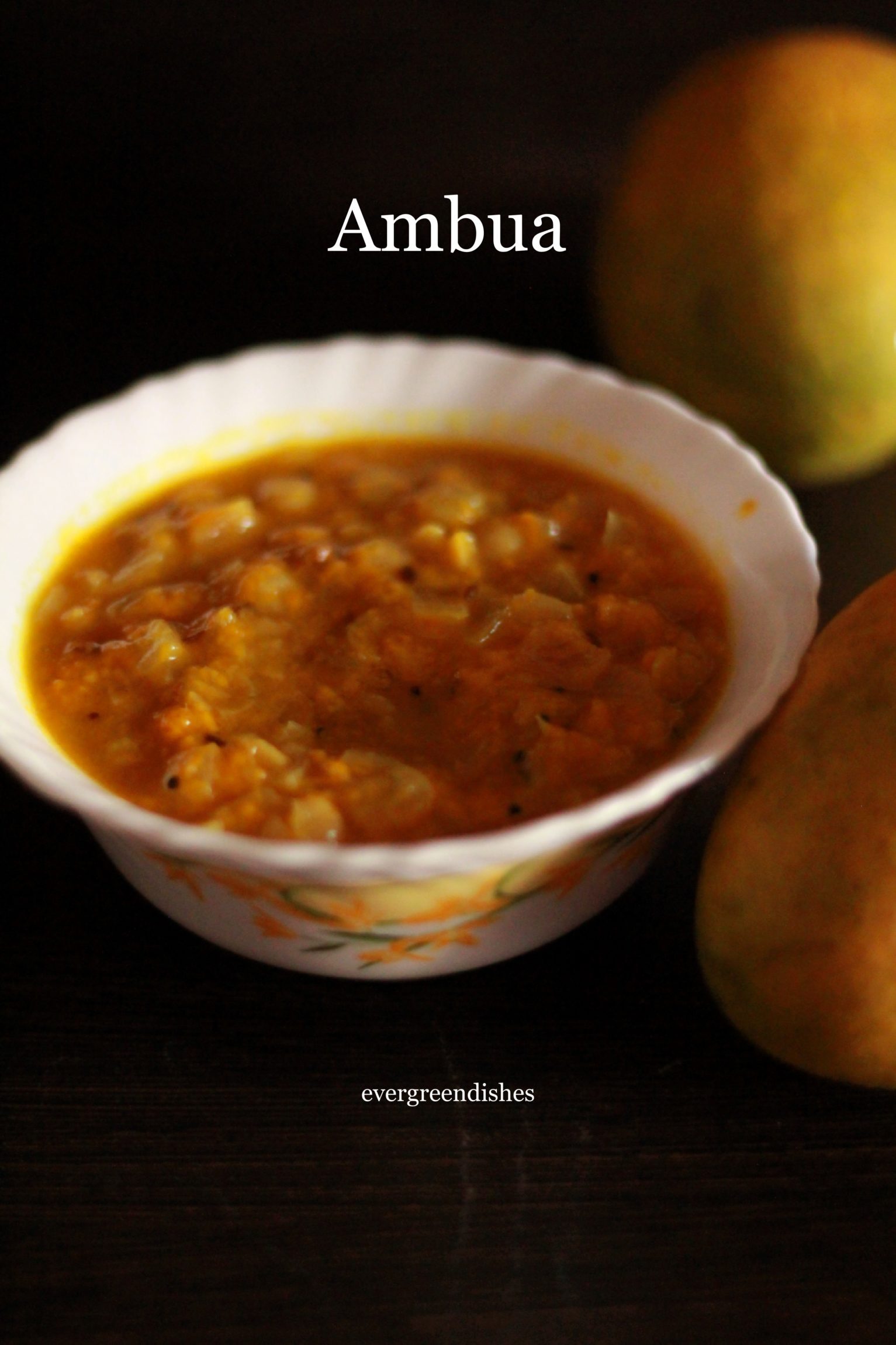
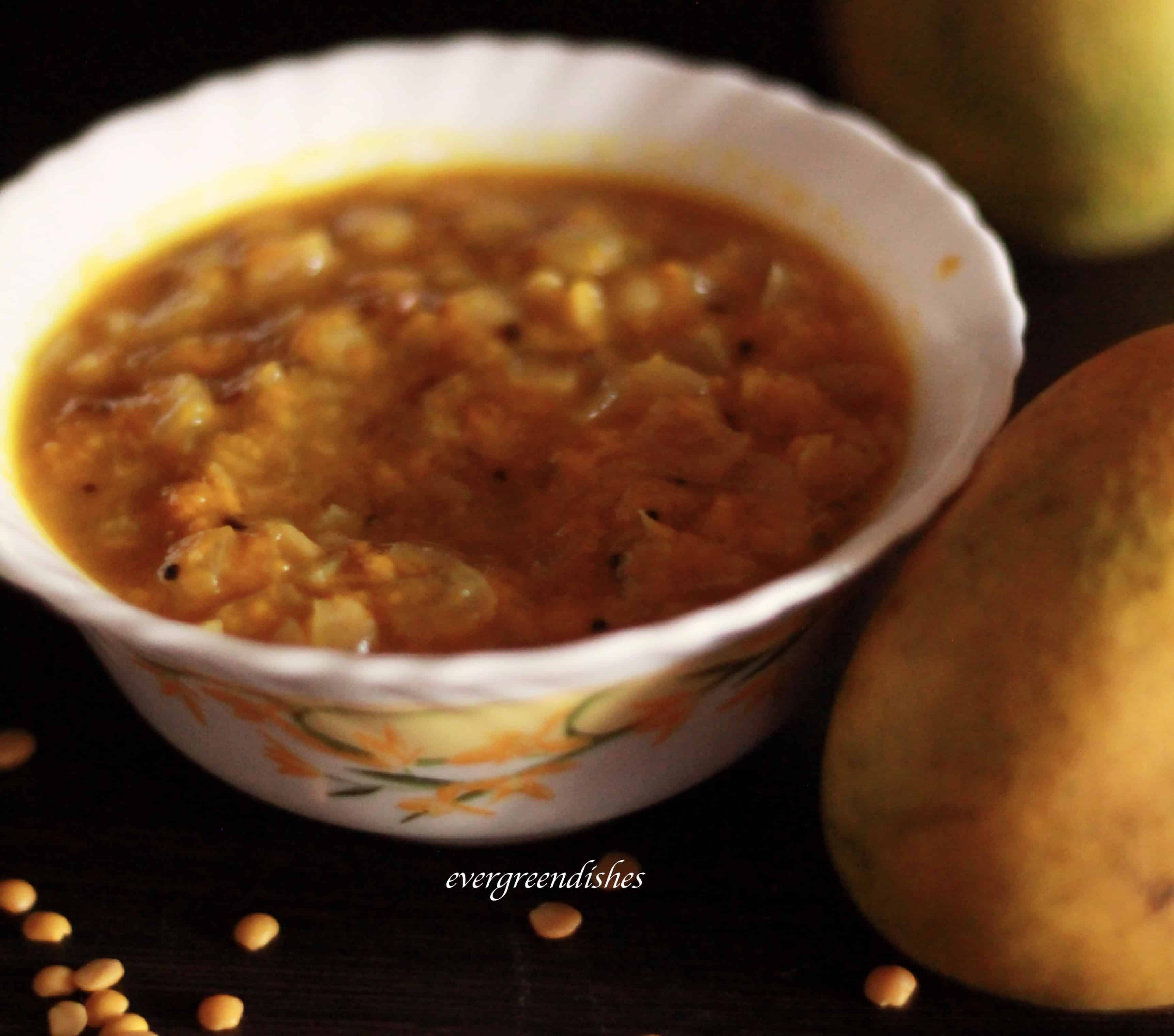
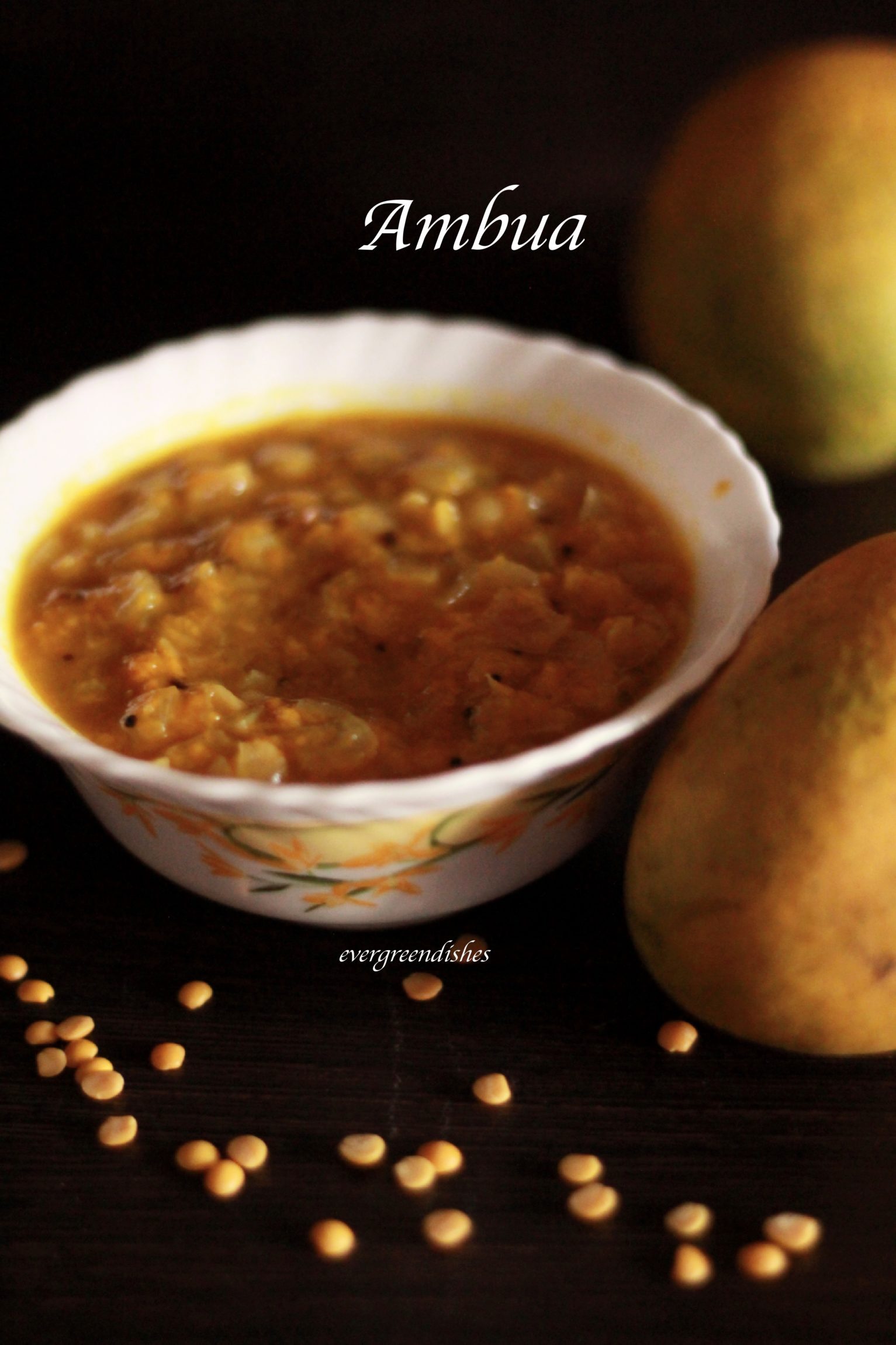
    It’s the season of mangoes and here is another  tasty dish,  Ambua. It is a delicious sweet and sour dish from the Kangra district of Himachal Pradesh. It pairs well with hot steamed rice.

    It’s that time of the month when we learn and enjoy cooking a new dish from regional cuisine. Shhhhh Cooking Secretly Challenge group has reached the beautiful land of Himachal Pradesh now. Like any other state, they have a simple meal of lentils, vegetable, flat bread  and rice on a daily basis. The food is similar to the other states of North India but here, non -vegetarian food is preferred. Thick and rich gravy with aromatic spices is used in abundance as the base of many dishes. Some of the specialities of Himachal include Manee, Madira, Pateer, Chouck, Bhagjery and chutney of til.

    My partner for this month is Mayuri Patel of mayuris-jkoni.com, she is an enthusiastic person who loves to try new dishes. She has a wide range of food delicacies and bakes from India and Kenya. Do check her blog.  The two secret ingredients given to me where mango and ginger, thankyou Mayuri, thoroughly enjoyed making this dish.

    Ambua is a delicious sweet and sour dish from the Kangra district of Himachal Pradesh. We really enjoyed this dish. I checked in through various recipes, but no ginger was used. I have used ginger here, thus using it is optional.
    ambua mango cuisine/ himachal cuisine
    ambua mango dish / himachal cuisine

    Ambua

    Ingredients:

    • 3 mangoes
    • 1 tablespoon arhar dal
    • asafoetida
    • 1/2 teaspoon chilly powder
    • 1/2 teaspoon mustard seeds
    • 1/2 teaspoon turmeric powder
    • 1/4 teaspoon methi
    • 1 inch ginger grated (optional)
    • 3 cloves garlic
    • 1 small onion
    • 1 tablespoon mustard oil

    Method:

    1. Peel mangoes and pressure cook with dal along with a glass of water.
    2. Allow to cool and squeeze the pulp.
    3. Heat oil in a pan, add mustard seeds, as it splutters, put asafoetida and methi, after a few seconds add ginger and  garlic. Saute and then put the onion pieces. Let cook for sometime until it is pink and translucent.
    4. Add the mixture of mango pulp and dal to it. Put salt. Let cook for 15 minutes.
    5. Serve hot with rice or any flatbread.
    ambua mango dish / himachal cuisine
    ambua mango dish/ himachal cuisine

    Evergreendishesdev

    Ambua

    Ambua is a sweet and sour dish from Himachal Pradesh. It tastes good with hot steamed rice. 
    Prep Time 10 minutes
    Cook Time 30 minutes
    Total Time 40 minutes
    Servings: 2 people
    Course: lunch ideas, Main Course, Side Dish
    Cuisine: Himachal Pradesh, Indian, summer treats, Vegan,

    Ingredients
      

    • 3 mango sweet and sour
    • 1 tablespoon arhar dal
    • 1 small onion cut finely
    • 1 tablespoon mustard oil
    • 1/2 teaspoon mustard seeds
    • 1/4 teaspoon asafoetida
    • 1/4 teaspoon turmeric powder
    • 2 cloves garlic
    • 1 inch ginger
    • 1/2 teaspoon chilly powder
    • 1/2 teaspoon fenugreek (methi seeds)

    Method
     

    1. Wash and peel the skin of mango. Put it in a bowl along with arhar dal. Add one cup water and cook it in the pressure cooker.
    2. Once the pressure releases, let cool, mash the mangoes and extract the pulp. 
    3. Take oil in a pan. Make the seasoning, add the mustard seeds, as it crackles put asafoetida and turmeric powder. Next, put the methi seeds and then throw in the ginger and garlic. Saute for a few seconds. 
    4. Add the mashed mixture to it. Put salt and simmer for fifteen minutes.
    5. Serve hot with rice or chapati.

    If you have liked this post, do leave a comment. The  little words of appreciation are big boosters for any blogger.

    If you ever recreate this dish, do tag me on Instagram @foodiejayashree, would love to see your creation.

    Like my Facebook page and get instant updates.

    Follow evergreendishes on Pinterest, Twitter and G+

    Subscribe to get updates of new posts in your inbox + a book of handyhints for free!
  • How to make tasty green chutney

    How to make tasty green chutney

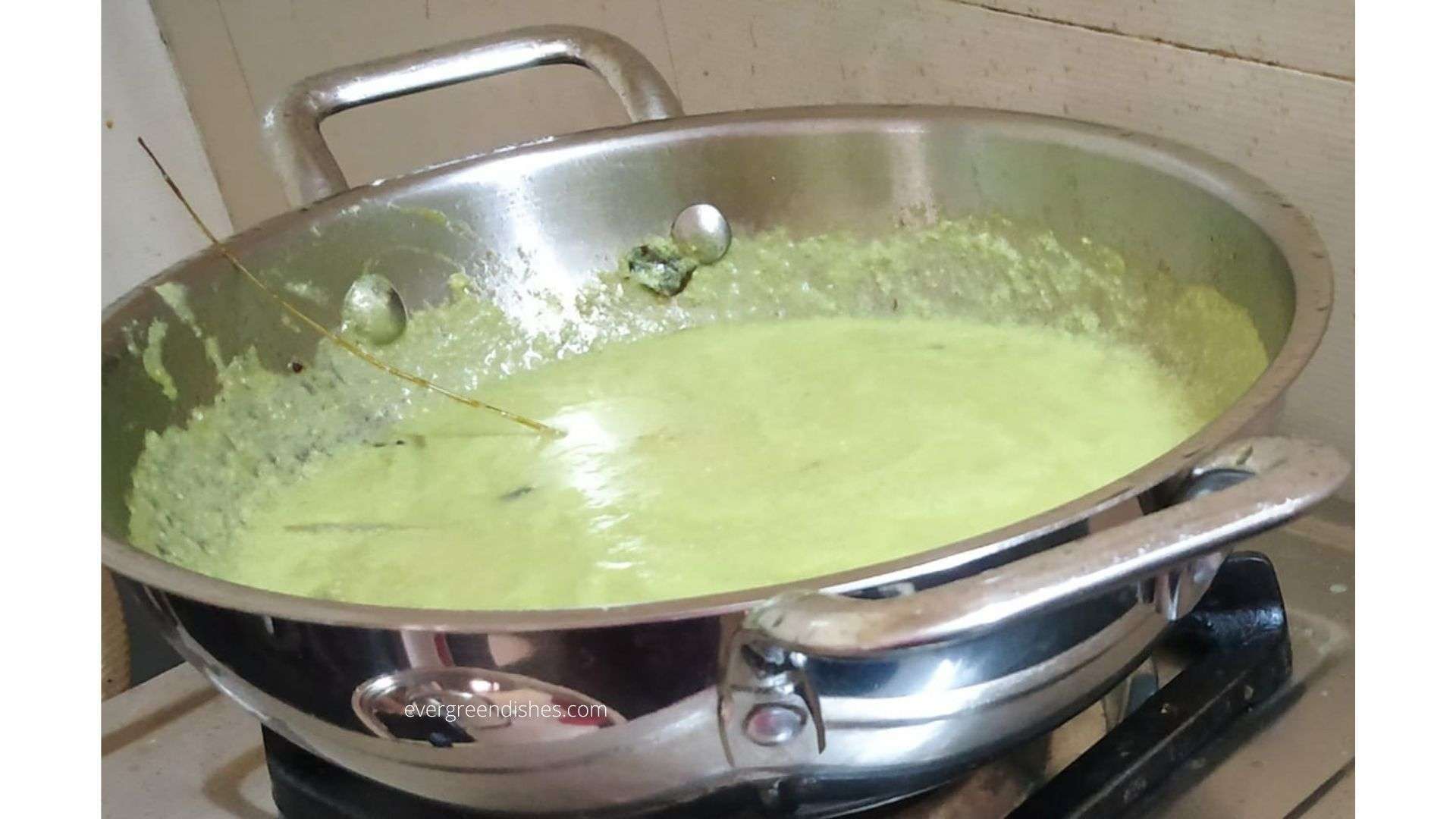
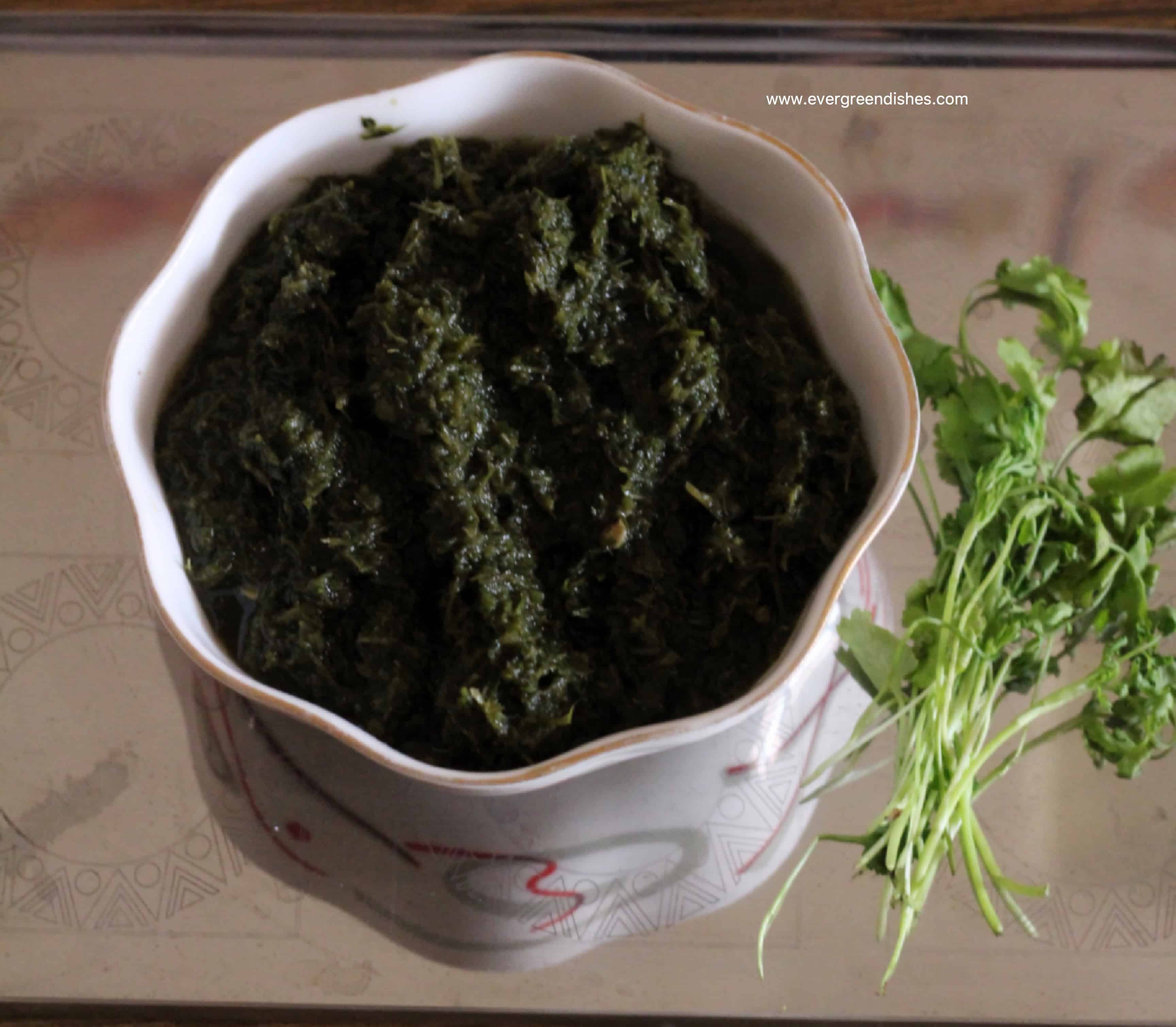
    Green chutney is one of the essential accompaniments with any evening snack. It is spicy, tasty and versatile in its use.

    Green chutney is perfect match for sandwich. It goes well with any paratha.  It makes a perfect accompaniment   with snacks such as  samosa, cutlets, kachori etc. It is quintessential for chats as bhelpuri and sevpuri. (more…)

  • Aloo Matar / Potato Pea Curry

    Aloo Matar / Potato Pea Curry

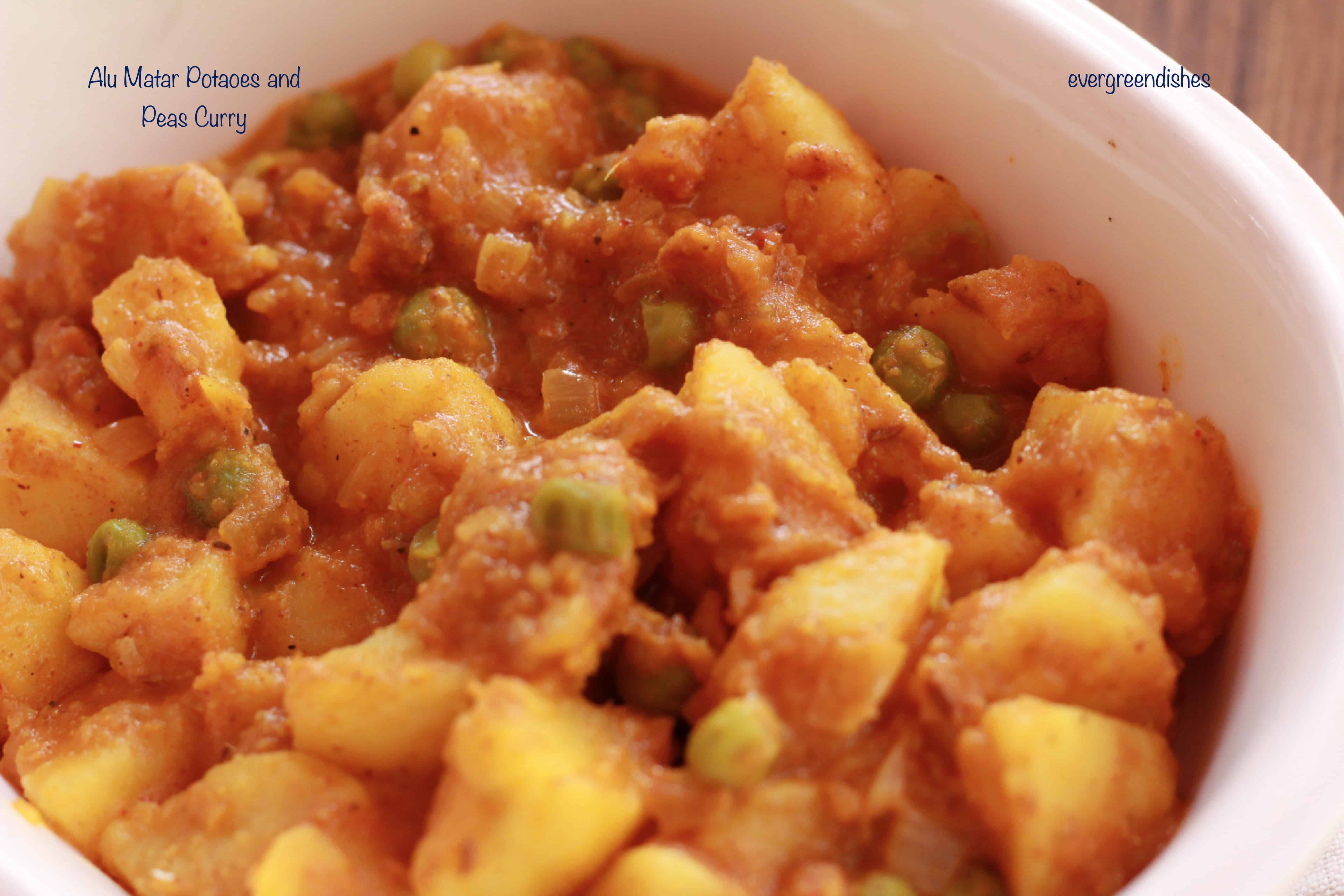
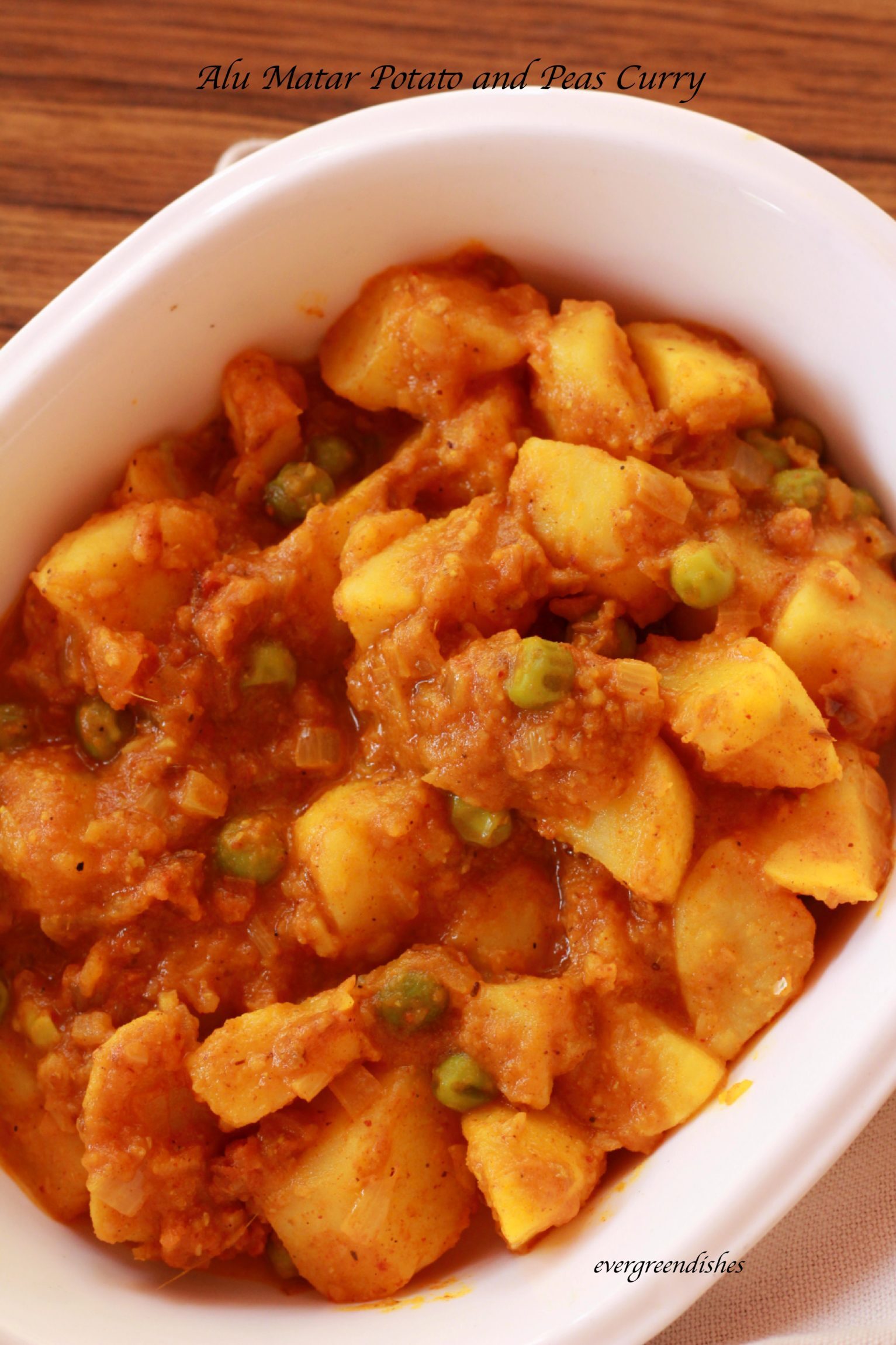
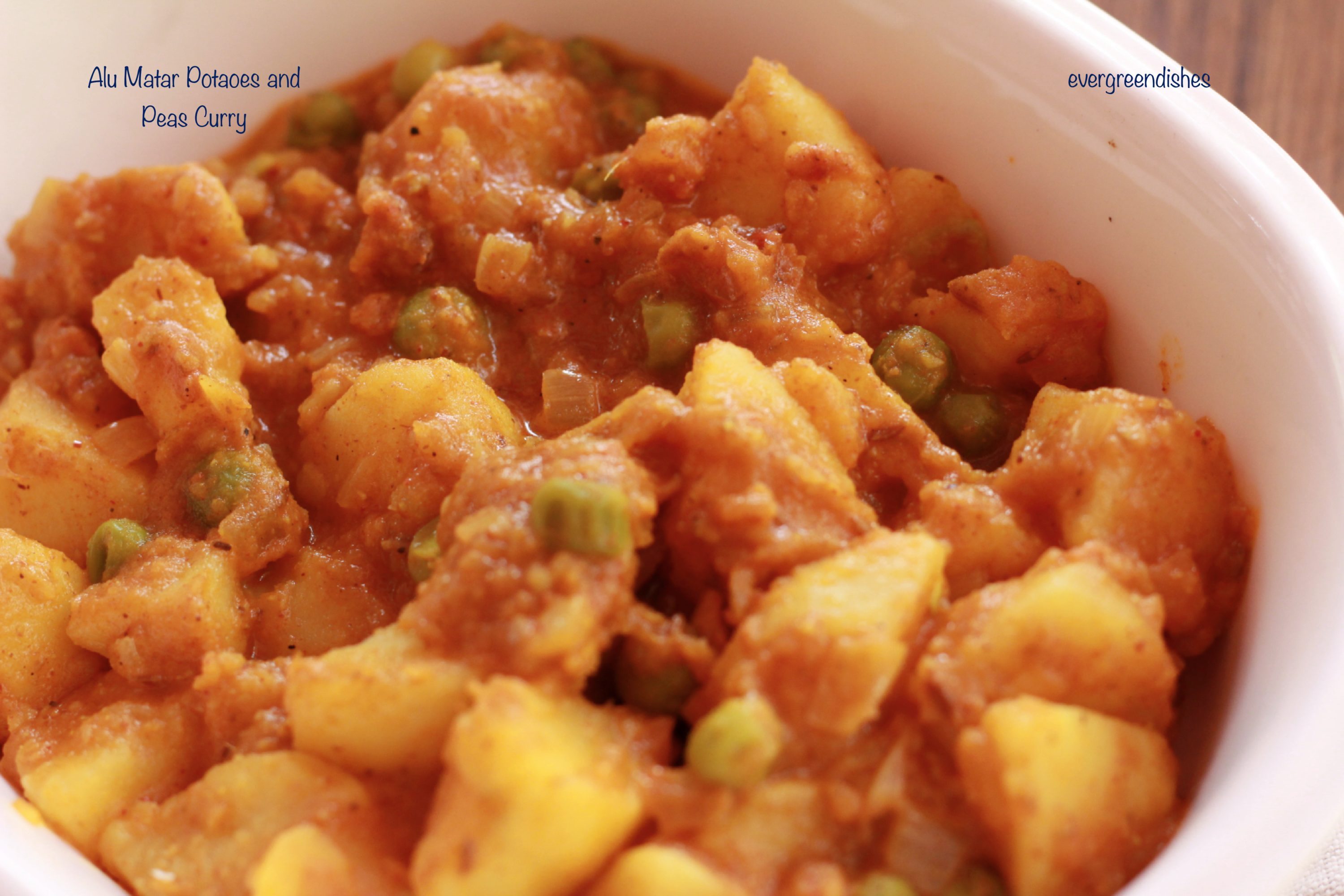
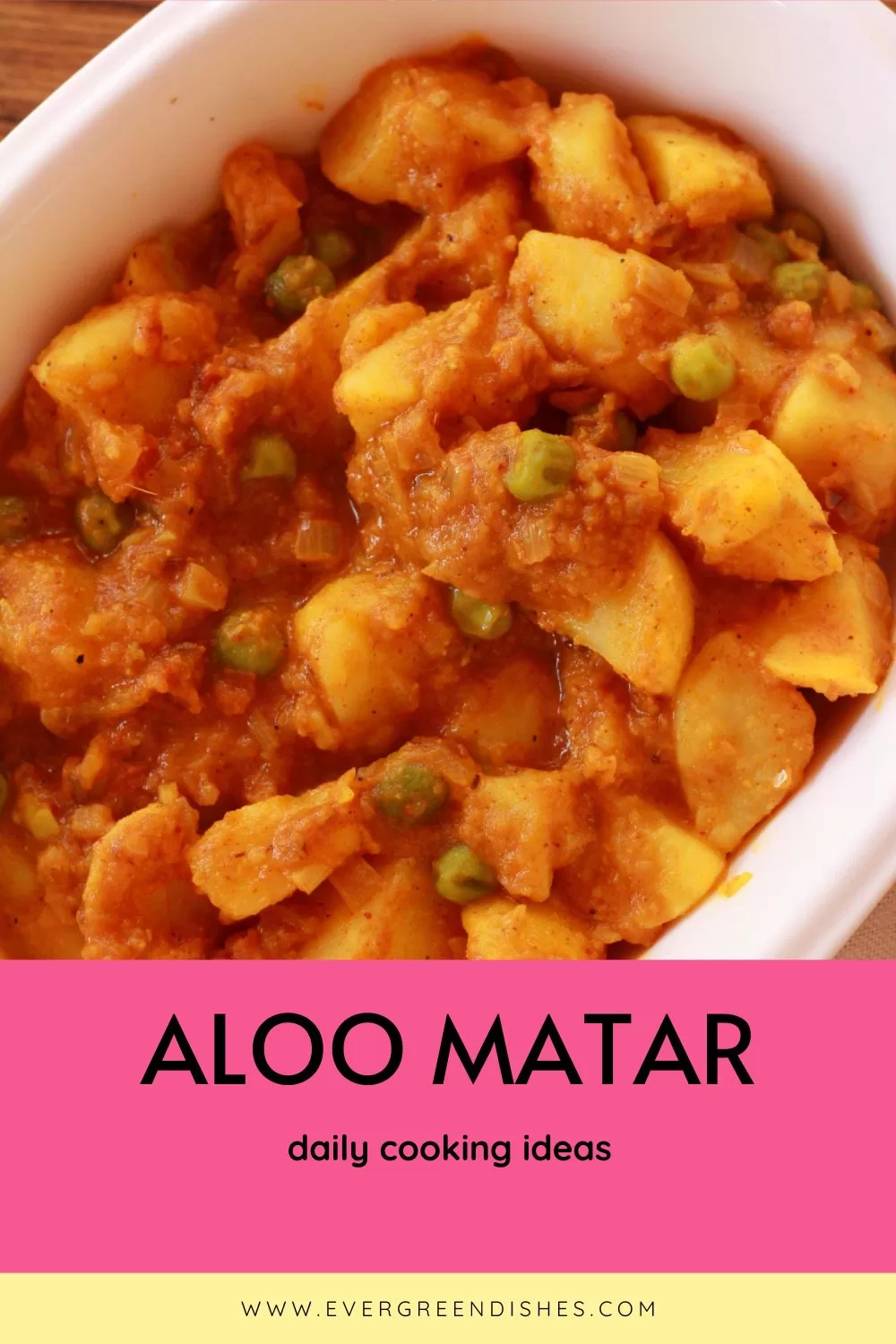
    Aloo matar/ potato pea curry  is a classic  North Indian accompaniment. Chunks of boiled potato and green peas are immersed and cooked in a delicious gravy laden with spices, it makes a tasty accompaniment with any Indian flat bread as roti, nan, chapathi or phulka.

    Potato is a versatile vegetable and easy to prepare. It helps to prepare tasty dishes that is loved by all.

    Aloo Matar can be served  during breakfast, lunch or dinner. It is ideal to pack in lunch box too. It is vegan and gluten free.

    My other North Indian curry on the blog

    Restaurant Style Veg Hariyali, Tuvar Lilva Masala Curry, Matar Paneer

    aloo matar potato pea curry
    aloo matar potato pea curry

    Aloo Matar, Potato Pea Curry

    Measurment used : 1 cup =200 ml

    Ingredients:

    • 4 potatoes boiled
    • 1 cup green peas
    • 2 onions
    • 3 tomatoes
    • 1 tablespoon melon seeds
    • 1 tablespoon oil
    • 1/2 teaspoon cumin
    • 1 teaspoon ginger garlic paste
    • 1/2 teaspoon turmeric powder
    • 2 teaspoon coriander powder
    • 3/4 teaspoon garam masala powder
    • 1 teaspoon chilly powder
    • salt to taste
    • 1/4 teaspoon kasuri methi ( dried fenugreek leaves)

    Method:

    1. Blanch the tomatoes.
    2. Soak the melon seeds in water.
    3. Peel the skin and cut into cubes.
    4. Make a puree of the tomatoes.
    5. Make a puree of the soaked melon seeds.
    6. Boil the green peas, if using frozen peas, put them in hot water.
    7. Take oil in a pan, add cumin, as it splutters, add onion to it.
    8. Saute it for sometime.
    9. Add the puree and continue to saute for three minutes. Add turmeric powder, garam masala and coriander powder to it. Let cook for sometime.
    10.  Put the melon paste to it.
    11. Add water accordingly to get the consistency of the gravy.
    12. Peel the skin of potatoes and cut into cubes. Put potato pieces and boiled peas to the gravy.
    13. Crush kasuri methi with fingers and sprinkle over it.
    14. Cook for three minutes.
    15. Serve with hot phulkas.

    Take a tip:

    • Having boiled potatoes in the refrigerator eases quicking.
    • Kasuri methi is readily available in the market. You can make it at home also. Take a bunch of fresh fresh fenugreek leaves, cut the stalk, wash the leaves by rinsing a couple of times in water and put it dry. After sometime, put the fenugreek leaves in a microwave safe bowl and mixcrowave for two or three minutes. Fresh kasuri methi is ready. You can also dry the leaves in sunlight.
    Aloo matar| Potato and peas curry
    Aloo Matar | Potato and peas curry
    Evergreendishesdev

    Aloo Matar Potato Pea Curry

    5 from 2 votes
    Aloo matar is a delicious north indian side dish served with any Indian flat bread as roti, nan or phulka.
    Prep Time 10 minutes
    Cook Time 20 minutes
    Total Time 30 minutes
    Servings: 4 person
    Course: kids favourite, lunch box, lunch ideas, Main Course
    Cuisine: Indian, north indian

    Ingredients
      

    • 4 potato
    • 1 cup green peas 1 cup =200 ml
    • 2 onion finely cut
    • 3 tomato
    • 1 teaspoon ginger garlic paste
    • 1 tablespoon oil
    • 1/2 teaspoon cumin
    • 3/4 teaspoon garam masala powder
    • 1 teaspoon chilly powder
    • 2 teaspoon coriander powder
    • salt to taste
    • 1/2 teaspoon kasuri methi

    Method
     

    1. Boil potatoes in pressure cooker.
    2. Boil peas separately. If using frozen, do not boil for long. Soak melon seeds in hot water for fifteen minutes. 
    3. Blanch tomatoes and make a puree. Make paste of melon seeds. 
    4. Take oil in a pan, add cumin, as it splutters, put onion in it.  Saute for sometime, until it turns light pink in colour. Add ginger garlic paste and let cook for sometime.
    5. Add tomato puree, let cook for two minutes. Add turmeric powder, garam masala, coriander powder and salt to it. Let cook for sometime, add the melon paste and mix it well. 
    6. Adjust the consistency of the curry. 
    7. Peel the potatoes and cut them into cubes. Throw them into the curry along with green peas. Crush the kasur methi with finger and sprinkle over it.Let cook for sometime.
    8. Serve hot with phulkas.

    Notes

    • Having boiled potatoes eases cooking.


    Aloo matar Potato pea curry
    Aloo Matar Potato pea curry

    Pin it for later:

    Aloo Martar
    Aloo matar

    Subscribe to get all updates in your inbox. If you ever recreate this dish, do tag me @foodiejayashree on Instagram, i would love to see your creation.

    Follow evergreendsihes on Facebook and Pinterest

    Sending this to

    CookBlogshare

    Fiesta Friday

  • Hariyanvi Dal / how to make mixed dal

    Hariyanvi Dal / how to make mixed dal

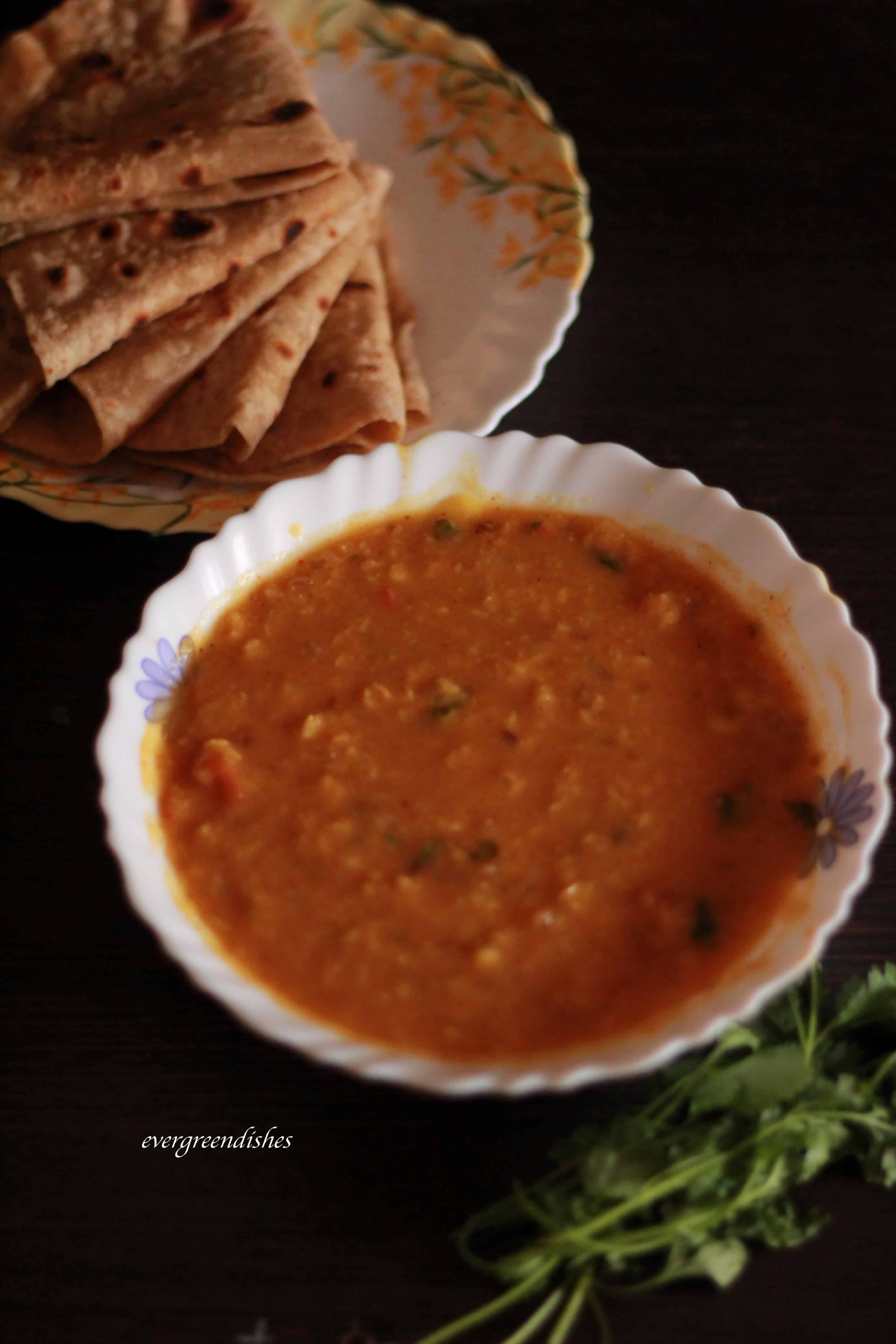
    Hariyanvi mixed dal is a tasty accompaniment with any meal. One can serve it with hot phulkas or parathas. Serve it with hot steamed rice and you have a soul food. (more…)

  • Sukhi Arbi/ colocosia/ how to make dry arbi stir fry

    Sukhi Arbi/ colocosia/ how to make dry arbi stir fry

    Arbi is a root vegetable that is usually available in winter. The other names that that one can resonate with are colocasia, arvi, taro root, shyavi gadde. Sukhi arbi/colocasia makes a tasty accompaniment with any meal.

    It is a powerhouse of nutrients. It is rich in dietary fibre and nutrition. It has other minerals as zinc, potassium ands magnesium.The leaves too are used in making a different kind of fritter, patrode, that is very tasty.

    Today, is the beginning of another new year. Stepping into 2018 with a lot of good thoughts and positivity. Wishing one and all a Happy New Year. May the year be filled with peace and happiness.

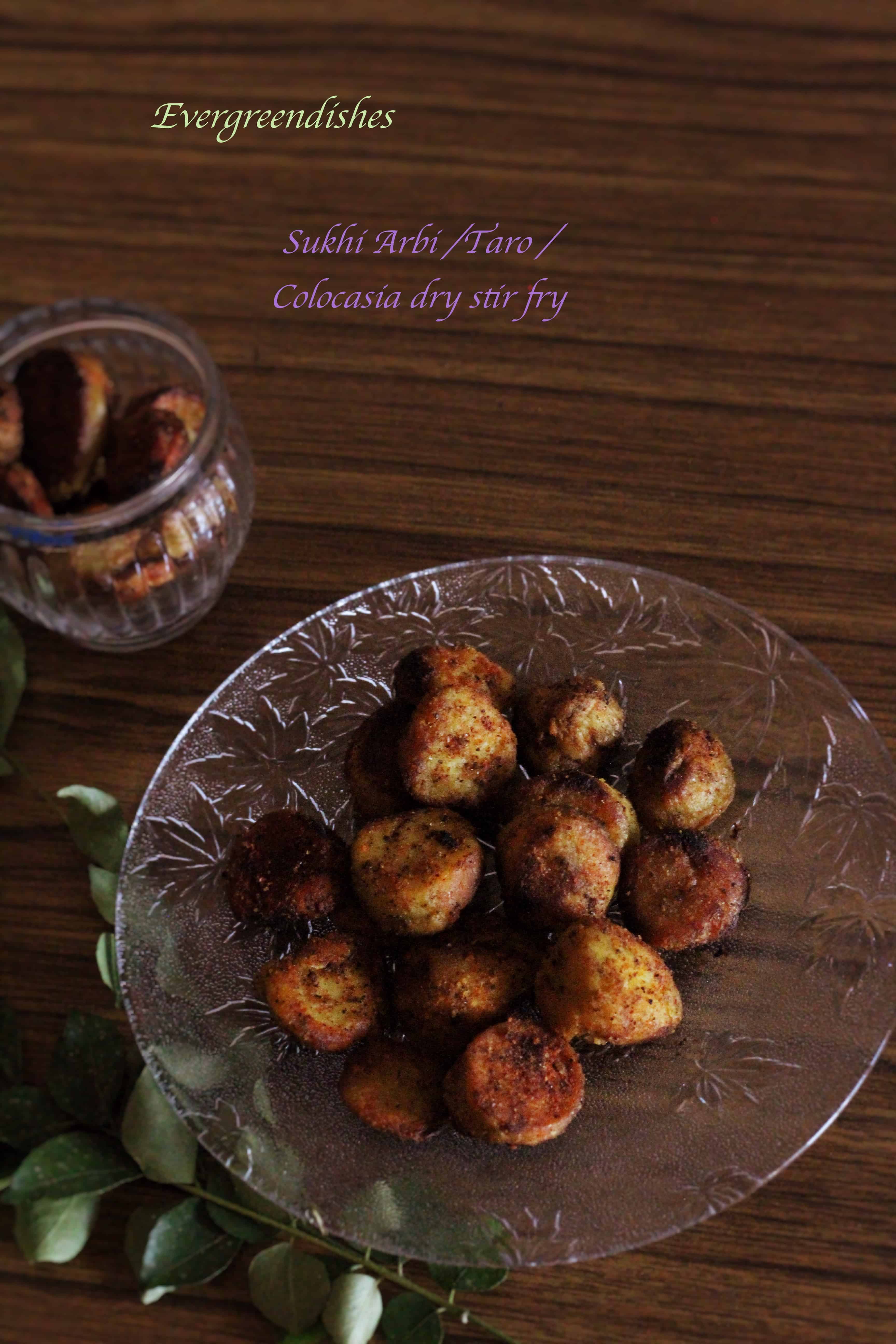
    Here is a sukhi arbi/ colocasia recipe for you. It can be eaten as a snack also.

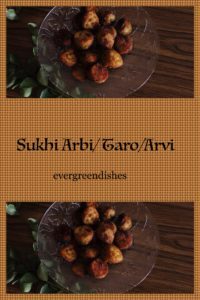
    sukhi arbi
    sukhi arbi

    Sukhi Arbi/ Colocasia

    Ingredients:

    • 1/2 kilogram arbi/ colocasia / arvi/ taro root
    • 2 tablespoon oil
    • 1/2 teaspoon mustard
    • 1/4 teaspoon turmeric
    • a pinch of asafoetida
    • 2 teaspoon chilly powder
    • salt to taste

    Method:

    1. Wash the arbi well by changing water.
    2. Steam it in a pressure cooker or in a pan. It should be moderately cooked.
    3. Peel the skin and cut into small circles.
    4. Heat oil in a thick bottom pan. Add mustard seeds, as it splutters, put asafoetida and turmeric powder, then add the cut pieces.
    5. Cook on a slow flame until it is done and crispy.
    6. Add salt and chilly powder, heat for a few more minutes, remove and serve.

    Take a tip: The cooked arbi tends to give an itch to the hands on peeling the skin. Apply oil to the palms.

    arbi
    arbi


    sukhi arbi
    sukhi arbi

    Sukhi arbi/ colocasia is ready to serve.

    Take a tip:

    • Apply oil to the hands before peeling, it does give a itching sensation sometimes.
    • Add a little more oil if needed while cooking, this tends to use more oil.
    • Do not pressure cook with whistle. Mushy ones cannot be cooked here.
    • Arbi needs to be well roasted, it gives irritation to the throat if not cooked well.


    sukhi arbi
    Evergreendishesdev

    Sukhi arbi/ colocasia/ taro

    Sukhi arbi or dry colocasia stir fry makes a good accompaniment with any meal. Kids love to binge it as a snack
    Prep Time 20 minutes
    Cook Time 1 hour
    Total Time 1 hour 20 minutes
    Servings: 4 people
    Course: accompaniment, dry sabzi, Side Dish
    Cuisine: Indian, South Indian

    Ingredients
      

    • 1/2 kilogram arbi
    • 2 tablespoon oil
    • 1/2 teaspoon mustard seeds
    • 1/4 teaspoon asafoetida
    • 1/4 teaspoon turmeric powder
    • 2 teaspoon chilly powder
    • salt to taste

    Method
     

    1. Wash the arbi by changing the water a couple of times.
    2. Boil it until it is tender.
    3. Peel the skin, cut into circular discs.
    4. Heat oil in a thick bottom pan. Make the seasoning, put the mustard seeds, as it splutters, put asafoetida and turmeric. Put the cut pieces into it. 
    5. Cook on a low flame. Keep stirring at constant intervals so that it does not get burnt.
    6. The arbi should be crisp on the outside and well cooked. 
    7. Put salt and chilly powder, mix and allow to cook for a few more minutes.
    8. Serve it as an accompaniment with rice or chapati.

    Notes

    • Cook it on a low flame, keep doing other chores while this is getting ready.
    sukhi arbi/ taro/arvi
    sukhi arbi/taro/arvi

    Have you got the recipe app Quick and Easy South Indian Snacks? At the click of button, you can browse the recipes.

    Let’s be connected on other social media

    Twitter, facebook, Instagram, G+

    A few arbi recipes by co-bloggers


  • Gongura chutney/ Pundi chutney / Sorrel leaves cooking

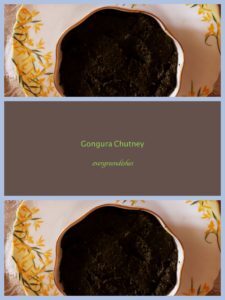
    Gongura leaves are widely used in cooking, the tangy flavour does makes the dishes delicious. Gongura chutney or pundi chutney is commonly prepared in South India.It makes a good accompaniment with jowar roti.

    Varied names of Sorrel

    Different regions call it by different names.The English name is Sorrel or Kenaf. It is popular as  Gongura in Andhra Pradesh, Pundi palya in Karnataka, Pulich keerai in Tamil, Ambaadi In Marathi, Pitwa in Hindi, Kotrum in Jharkhand, Amaari in Chattisgarh, Kotrum in Jharkhand and Mestapat in Bengali.

    Health Benefits of Sorrel leaves

    The sorrel leaves are rich source of iron, vitaminB6, folic acid and anti-oxidants essential for human nutrition. The iron and vitamins present in it help in preventing conditions such as osteoporosis.

    Different culinary uses of Sorrel leaves in India

    Sorrel leaves are used along with lentils to give a flavoursome accompaniment with rice. The chutney is a popular dish churned out of it. It is one of the daily essentials in Andhra cuisine. A variety of pickle is also made using these leaves.

    Ingredients:

    For the  gongura/ sorrel leaves chutney

    • 2 clusters of sorrel leaves
    • 6 green chilly
    • 1 teaspoon methi seeds
    • 2 teaspoon oil
    • a liitle asafoetida
    • salt to taste

    For the seasoning:

    • 2 teaspoon oil
    • 1/4 teaspoon mustard
    • 1/4 teaspoon asafoetida
    • 1/4 teaspoon turmeric powder

    Method:

    1. Separate the leaves from the stalk, wash and put them to dry on a cloth.
    2. Cut the leaves.
    3. Take oil in a pan, roast the methi seeds and the green chilli, put them aside.
    4. In the same oil, add asafoetida and the sorrel leaves along with salt.
    5. Let cook for sometime.
    6. Remove from flame.
    7. When it cools, grind it.
    8. Take a pan and make the seasoning. Add mustard seeds, as it crackles, put asafoetida and turmeric powder. Turn of the gas. Put the chutney in it and mix well.
    9. Gongura chutney is ready to serve.

    Take a tip:

    • Garlic may be added along with green chilly while sautéing.
    • Raw onions are added to the chutney by some people.
    • Chutney stays good for a couple of days if kept in refrigerator.
    • Tastes good with jowar roti along with stuffed brinjal as an accompaniment.
    • It can be mixed with hot steamed rice along with ghee.
    • The leaves are slimy, thus do not chop and wash them.
    Evergreendishesdev

    Gongura/ Pundi/ Sorrel leaves chutney

    Gongura chutney is a popular accompaniment from South India. It makes a good accompaniment with jowar roti. 
    Prep Time 10 minutes
    Cook Time 10 minutes
    Total Time 20 minutes
    Servings: 1 bowl
    Course: accompaniment, chutney,, Side Dish
    Cuisine: Indian, karnataka, southindian

    Ingredients
      

    • 2 cluster sorrel leaves
    • 6 green chilly
    • 1 teaspoon methi
    • 2 teaspoon oil
    • salt to taste
    For the seasoning
    • 2 teaspoon oil
    • 1/2 teaspoon mustard seeds
    • 1/4 teaspoon turmeric powder
    • 1/4 teaspoon asafoetida

    Method
     

    1. Remove the stalk of the sorrel leaves, wash and put it to dry on a cloth. Cut the leaves. 
    2. Take oil in a pan, add fenugreek seeds and green chilly. Roast them, put them aside.
    3. In the same pan, add asafoetida and the sorrel leaves along with salt. 
    4. Let cook until tender. Remove and keep it aside.
    5. When cool, grind the fenugreek and green chilly together. Then add the sorrel leaves to it and blend altogether. 
    6. Make seasoning in another pan. Add mustard seeds to the oil, as it splutters, put asafoetida and turmeric powder. Put chutney to it and mix it well. Gongura chutney is ready to serve.

    Notes

    • You may add garlic along with green chillies while roasting. 
    • Finely cut onion pieces can be put in the seasoning and sauted for sometime. 
    • This chutney tastes good with jowar roti.
    • It can also be served with hot steamed rice along with a dollop of ghee. 
    • This chutney can be stored in refrigerator. Put seasoning and use it.
    Gongura chutney
    Gongura chutney


    Other chutney recipes on the blog

    And here are a few from my co-bloggers Raw mango with garlic Tomato Onion Chutney Lal mirch ki chutney Coconut and flax seed chutney Gur imli ki chutney Mango Kottu 

    If you have liked this post, do comment and share it further. Subscribe to get updates of new posts in your inbox, also a free e-book of handyhints.


  • Majjige huli | Palaldya | South Indian Yoghurt Curry

    Majjige huli | Palaldya | South Indian Yoghurt Curry

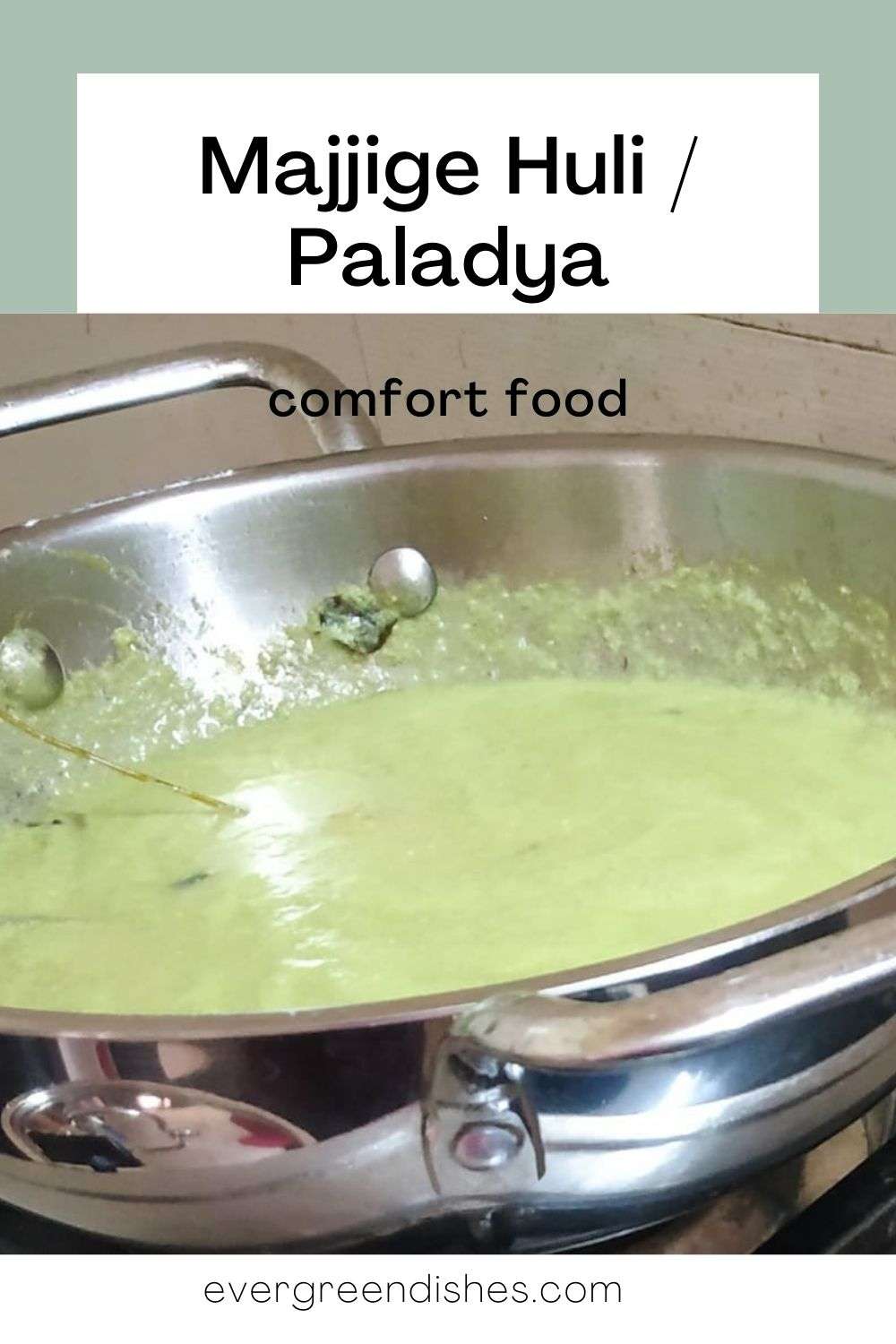
    Majjige huli is a popular accompaniment used with steamed rice. It is made of whisked curds with seasoning and other spices. It makes a good meal for summer. This is a signature dish of Karnataka. It is known by different names in various states. Paladya, mor kozhambu, majjige huli and kadhi are the different versions prepared in different parts of the country. Kadhi is popular in Maharashtra  while Mor Kozhambu is  familiar to South Indians.

    There is a slight variation in the preparation of each one of these, but the primary ingredient remains the same, it  is sour curd.

    I have made using ash gourd. Take ash gourd which is fresh and firm . Remove the skin slowly,  you need to have practice as it hard. Other vegetables you can use are cucumber, lady finger and potato. Cucumber is cut into rings and cooked in the seasoning. The okra needs to be sauted and then put after the curds is put. If using potato, boil, peel and cut them into chunks. Put them in the curd mixture and boil.

    Here are my other recipes

    Quick Rajasthani Kadhi   Kadhi with wada southern style

    Majjige Huli
    majjige huli/ paladya

    Let’s get cooking Majjige Huli 

    Ingredients:

    • 1/2 kg ash gourd
    • 1/2 kg sour yoghurt
    • 1 bowl fresh coconut
    • 1tablespoon bengal gram
    • 1/2 teaspoon raw rice
    • 4 green chilly
    • 1/2 bunch coriander
    • salt to taste
    • water
    • 1 tablespoon oil
    • 1/4 teaspoon mustard seeds
    • a pinch of asafoetida
    • 1/4 teaspoon methi seeds
    • 1/4 teaspoon turmeric powder
    • a few curry leaves

    Method:

    1. Soak bengal gram and rice in water for two hours.
    2. Remove the skin of the ash gourd. Cut into pieces, the soft pith and seeds are discarded.
    3. Grind coconut, coriander, green chilly, cumin and the soaked bengal gram to a fine paste.
    4. Take oil in a pan, make the seasoning. Add the mustard seeds, as they crackle, put asafoetida and turmeric powder and  methi seeds. Then goes the ash gourd pieces and the curry leaves. Put some water and allow to cook.
    5. Whisk the curds. Mix the paste into it.
    6. Once the ash gourd is tender, put the curd mixture into it. Add salt and the required quantity of water.
    7. Let boil for sometime.
    8. Majjige huli is ready to serve.

    Take a tip:

    • Use slightly sour curds.
    • Ginger may be added while grinding.
    • Adjust the consistency by adding adequate amount of water.
    • Do not add salt while cooking the vegetable, it absorbs very quickly.


    majjige
    Evergreendishesdev

    Majjige huli

    5 from 4 votes
    Majjige huli is a comfort food cooked in yoghurt along with other spices and vegetables. It is usually served as an accompaniment with steamed rice.
    Prep Time 15 minutes
    Cook Time 15 minutes
    Total Time 30 minutes
    Servings: 4
    Course: Main Course
    Cuisine: Indian

    Ingredients
      

    • 1/2 kilogram ash gourd
    • 1/2 kilogram yoghurt
    For grinding
    • 1 tablespoon bengal gram
    • 1/2 teaspoon raw rice
    • 4 green chilly
    • 1 teaspoon cumin
    • water
    For seasoning
    • 1 tablespoon oil
    • 1/2 teaspoon mustard seeds
    • 1/4 teaspoon turmeric powder
    • asafoetida
    • curry leaves
    • 1/4 teaspoon methi seeds
    Other ingredients
    • salt to taste
    • water

    Method
     

    1. Soak the rice and bengal gram in water for two hours.
    2. Remove the skin of ash gourd, cut it into pieces,  pith and seeds are to be discarded.
    3. Take oil in a pan, add the mustard seeds, as it crackles, put asafoetida and turmeric powder, put the ash gourd pieces, curry leaves and some water. Let cook till tender.
    4. Grind all the ingredients to paste mentioned under “to grind”.
    5. Whisk the curd and mix the paste to it.
    6. Now add the paste, salt and required quantity of water to it.
    7. Let boil for sometime.
    8. Majjige huli is ready to serve.

    Notes

    • Other vegetables as cucumber, potato or bhendi may be used. Method of cooking differs for each one.
    • Ginger may be used while grinding, I do not use.
    • Curds should be slightly sour. Do not use very sour or curds kept for a longtime. It imparts a bad taste to the food.
    • Add water accordingly.

    If you ever make Majjige Huli / Paladya in your kitchen, take a picture and tag @foodiejayashree on Instagram or @evergreendishes on Facebook. Subscribe to get all updates in your inbox and an e-book for free!


    The free book download

    book of handyhints
    book of handyhints


    Pin it for later:

    Majjige Huli / Paladya
    Majjige Huli Paladya


  • Alasande  wada | Black eyed beans fritters

    Alasande wada | Black eyed beans fritters

    Jump to Recipe Print Recipe

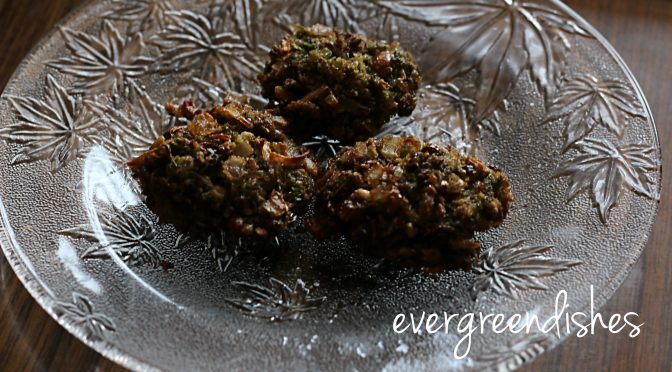
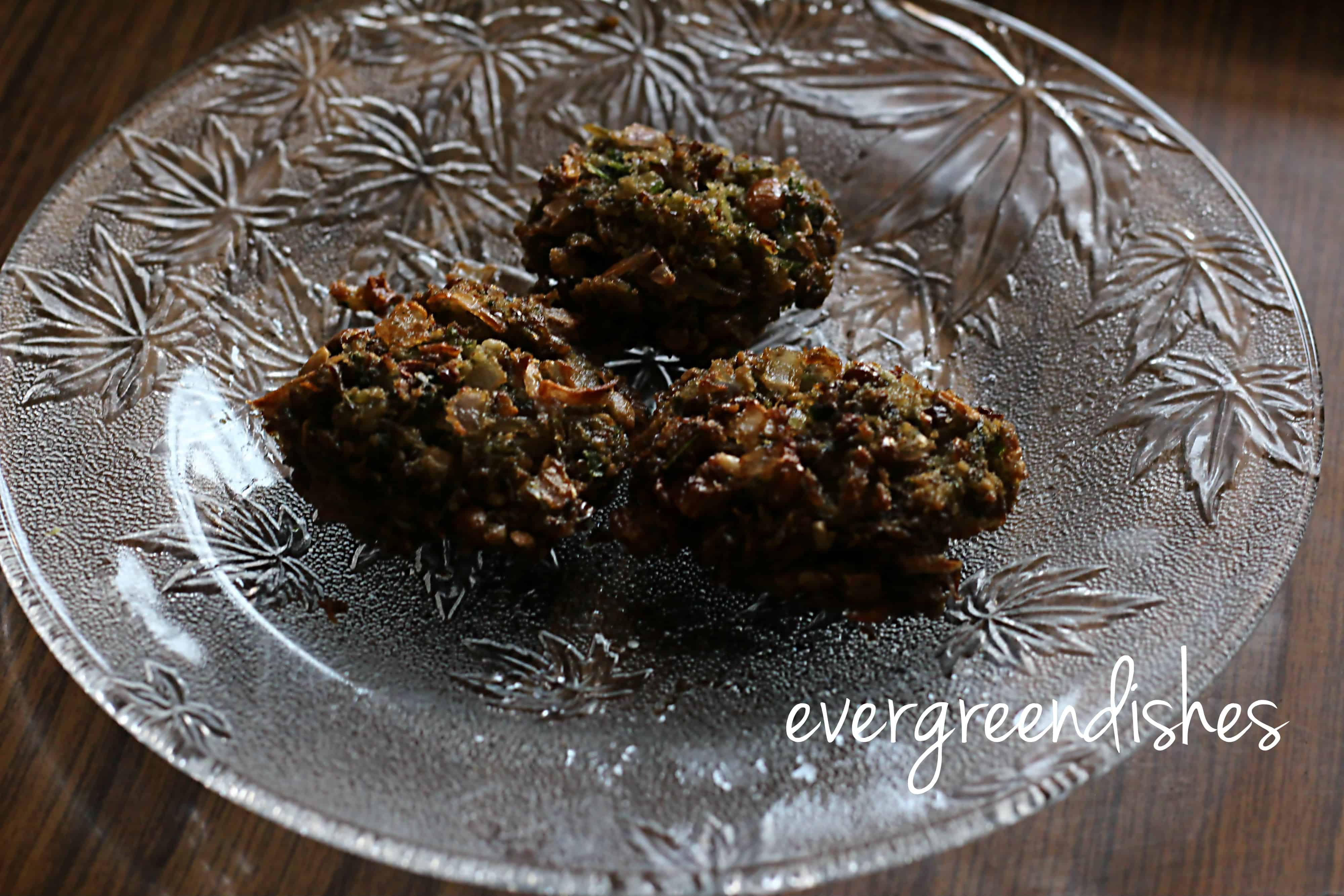
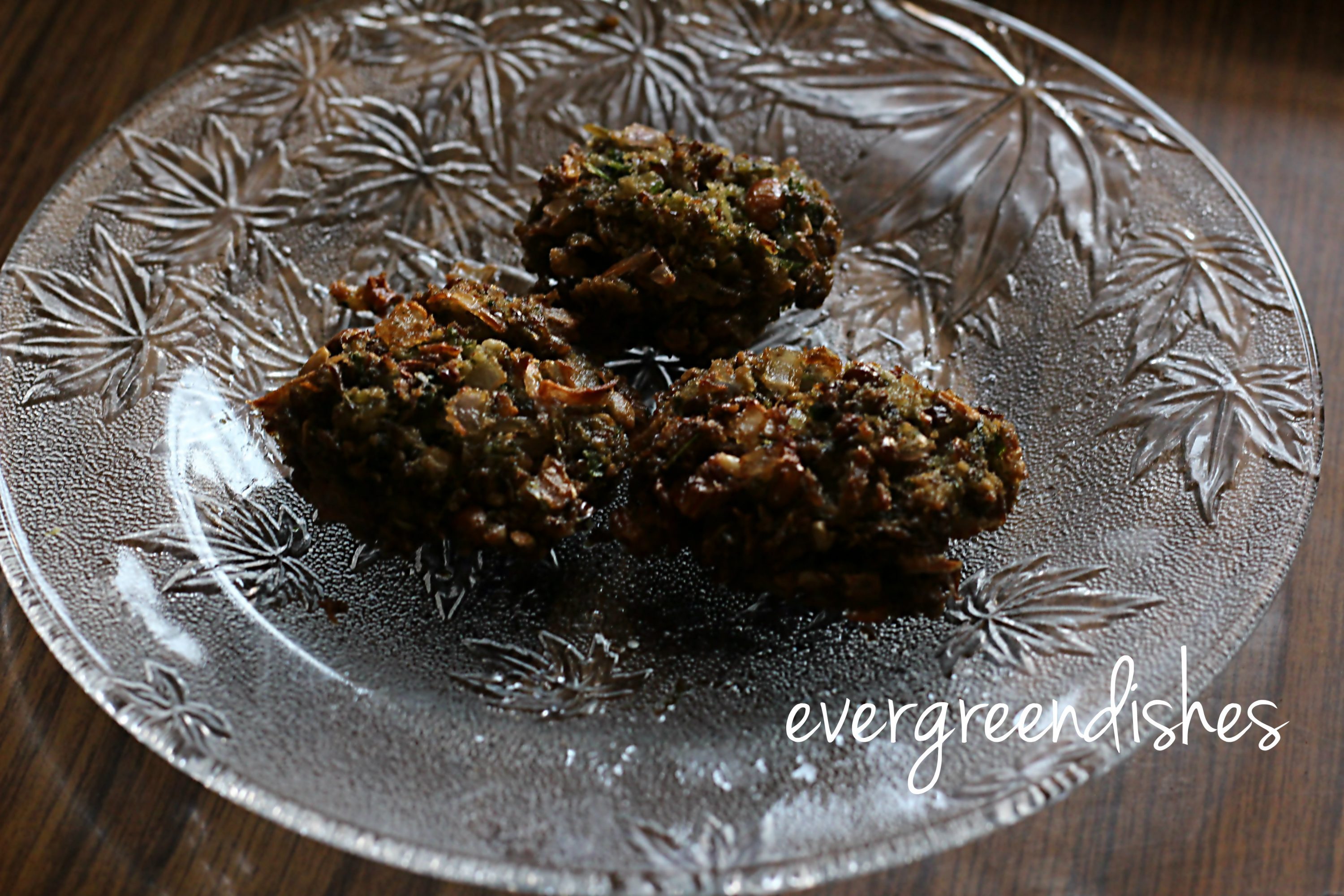
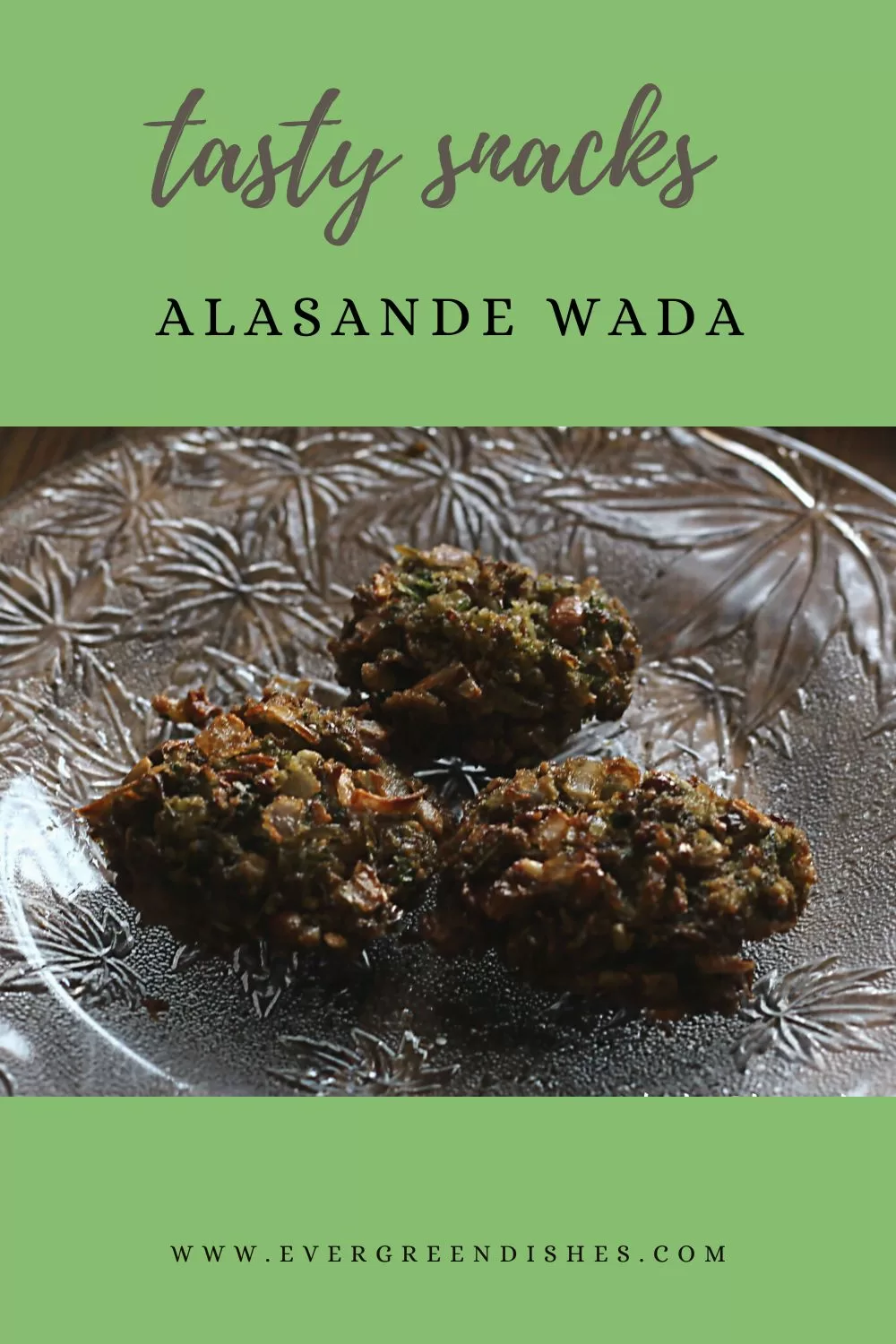
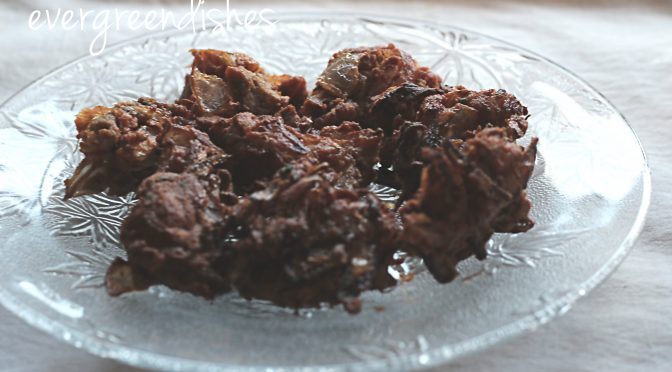
    Alasande  wada (black eyed beans) are one of the tastiest fritters.  It is also known as lobia and karamani. They are crispy on the outside and soft on the inside. It’s the season of fresh black-eyed beans.

    Stir fry and sambar are the usual ones that I make using black eyed beans. Alasande wade  was on the to do list since a long time. Finally, I made it during the weekend. It was tasty and made a good treat.

    You can make it with dried beans also. Soak them overnight.  For the fresh ones, I soaked for two hours.

    alasande wade
    alasande wade

    My other snack recipes are nawabi cutlets kothimbir vadi

    Alasande wada| black- eyed beans fritters

    Ingredients:       Measurement: 1 cup =250 ml

    • 1 cup alasande kalu/  black-eyed bean
    • 2 onions
    • 2-3 green chillies
    •  2 tbsp coriander
    • 1 inch ginger
    • 1 tsp cumin
    • salt to taste

    Method :

    • Soak the black-eyed beans for two hours. If you are using dry ones, soak it over night.
    • Cut onion into small pieces.
    • Put the beans sans water in a jar. Add green chilly, cumin, coriander and ginger to it. Grind to a coarse paste.
    • Add onion and  salt to it. Mix well.
    • Heat oil in a pan.
    • Take a small portion of the mixture and shape it to a fritter.
    • Slowly, put it in the oil. Add a couple more.
    • Deep fry on medium flames. Slowly turn it to the other side.
    • Remove it on a tissue or absorbent paper.
    • Serve hot with tea or as an accompaniment with meals.
    alasande wade | black eyed bean fritter
    alasande wade |black eyed bean fritter
    alasande kalu wade, black eyed bean fritter
    alasande kalu wade, black eyed bean fritter

    alasande wade
    Evergreendishesdev

    Alasande wade, black eyed bean fritters

    5 from 5 votes
    Alasande wade are popular in South India. Black eyed bean is also known as lobia and karamani. They are crispy on the outside and soft within. It makes a good snack with a cup of tea or as an accompaniment with lunch.
    Prep Time 2 hours
    Cook Time 30 minutes
    Total Time 2 hours 30 minutes
    Servings: 15 fritters
    Cuisine: Indian

    Ingredients
      

    • 1 cup alasande
    • 2 onion
    • 2-3 green chilly
    • 1 tsp cumin
    • 2 tbsp coriander
    • 1 inch ginger
    • salt to taste
    • oil for frying

    Method
     

    1. Soak the black eyed beans for two hours. If you are using dried ones, you need to soak over night.
    2. Cut onions into small pieces.
    3. Drain the water from the beans, grind it to a coarse paste along green chilly, ginger, coriander and cumin.
    4. Remove it to a bowl. Add salt and onions to it. Mix well.
    5. Heat oil in a pan. 
    6. Take a small portion of the batter and make it into a flattened disc. 
    7. Slowly, let it in the oil. Repeat for two or more fritters.
    8. Deep fry on medium flame. Turn them to the other side, once they are crisp and light brown in colour, remove them on a tissue or absorbent paper.
    9. Serve hot with tea or as an accompaniment with lunch.

    Notes

    1. Soaking of beans is necessary. Dried beans need to be soaked over night.
    2. Do not add water while grinding.
    3. Adjust green chillies as per taste.

    Pin it for later :

    alasande wada
    alasande wada

    If you ever make this recipe, take a picture and share it by tagging @foodiejayashree on Instagram or @evergreendishes on Facebook. I will be glad to see and share your creation further.
    Check out my e-books on Amazon. Do not miss any post, subscribe to get all updates and an e-book for free !


  • Kandhabhaji/ onion pakoda in steps

    Kandhabhaji/ onion pakoda in steps

    Kandhabhaji, onion pakoda, onion fritters, hattikaye, anything you call it, it makes a delicious snack with a cup of hot tea. It is addictive and loved mostly by many.  (more…)

  • Bandhakopir Torkari | Bengali Dry Cabbage Curry

    Bandhakopir Torkari | Bengali Dry Cabbage Curry

    Bandhakopir Torkari is a cabbage stir fry cooked in Bengali style. Bandhakopir is the regional name for cabbage which is closed. Torkari or Ghonto as it is also called translates to a curry. It is easy to prepare and pairs well with any meal.

    Cabbage is one of the few vegetables that we bring  regularly at home.  The toughest task seems to be planning the menu for the day. Coming across this stir fry, I kinda new that it is meant for me and soon it found a place in my daily menu. Bengali Dry Cabbage Curry   with potatoes and peas or Bandhakopir Torkari  is a tasty side dish that can be easily made for lunch or dinner. It is tasty with many flavours.

    I first read this on my  friends Shubha’s blog. She had made it during our blog hop. It was a love at first sight with this stir fry, but I did take some months to make it.  You can find the recipe here

    Bandhakopir Torkari

    Bandhakopir Torkari Recipe | Bengali Dry Cabbage Curry

    Ingredients :

    • 1(1/2kg) medium sized cabbage finely cut
    • 1 potato cut into cubes
    • 1 tomato cut into small pieces
    • 1 bowl green peas
    • 2 green chillies slit
    • 2 tsp oil
    • 1 tsp cumin
    • 1/2 inch ginger grated
    • 1 tsp cumin powder
    • 1/2 tsp coriander powder
    • 1/2 tsp chilly powder
    • 1/2 tsp turmeric powder
    • 1 tsp  garam masala powder
    • 1/2 tsp sugar (adjust according to taste)
    • salt to taste
    • 1/4 cup water

    Method :

    1. Cut the veggies and keep them ready.
    2. Take oil in a pan. Add oil and put the cumin and slit green chilly.
    3. As it crackles, put the cubed potatoes. Sprinkle a little salt and allow to cook.
    4. Once it is cooked, put cumin powder, coriander powder, turmeric powder and chilli powder. Add some water and allow to cook.
    5. Add tomato and let cook till it is soft.
    6. Put in the chopped cabbage to it.
    7. Add the green peas and salt to it.
    8. Let cook for sometime.
    9. Lastly add garam masala powder to it.
    10. Ghee may be added to enhance the taste.
    Evergreendishesdev

    Bandhakopir tarkari

    A semi dry vegetable made with various spices makes a good accompaniment with any Indian bread or rice.
    Prep Time 15 minutes
    Cook Time 15 minutes
    Total Time 30 minutes
    Servings: 6 people
    Course: Side Dish
    Cuisine: Bengali
    Calories: 140

    Ingredients
      

    • 1/2 kg cabbage shreeded finely
    • 1 potato cut into cubes
    • 1 tomato cut into small pieces
    • 1/2 bowl green peas
    • 2 green chilly slit lengthwise
    • 2 tsp oil
    • 1 tsp cumin
    • 1 tsp cumin powder
    • 1/2 tsp coriander powder
    • 1/2 tsp chilli powder adjust accordingly
    • 1/4 tsp turmeric powder
    • 1/2 tsp garam masala powder
    • 1/2 tsp sugar
    • salt to taste
    • 1/4 cup water

    Method
     

    1. Take oil in a pan. Add cumin and slit green chilly to it.
    2. Add the cubed potatoes to it. Sprinkle some salt to it. It imparts taste and helps in cooking faster.
    3. Let cook for sometime. Then add the 
    4. Add the dry spices, put some water and allow to cook.
    5. put the  chopped cabbage
    6. And the green peas
    7. Let cook for sometime. Then add the garam masala powder and sugar to it. Cabbage Stir fry is ready. A little ghee put over it enhances the taste.

    Notes

    Chop the cabbage as finely as you can.
    Do not cook the vegetable until mushy.  
     

    Update :

    This is an old post published in 2016. Today, I have changed the pictures, the recipe remains the same. Sending it to Foodies _Redoing Old Post 154. It is a fortnightly event, a group of bloggers work on an old blog post either with better poctures, structured content or anything else related to the topic.

    Pin it for later :