Category: traditional recipes

  • Sel Roti / how to make  sel roti

    Sel Roti / how to make sel roti

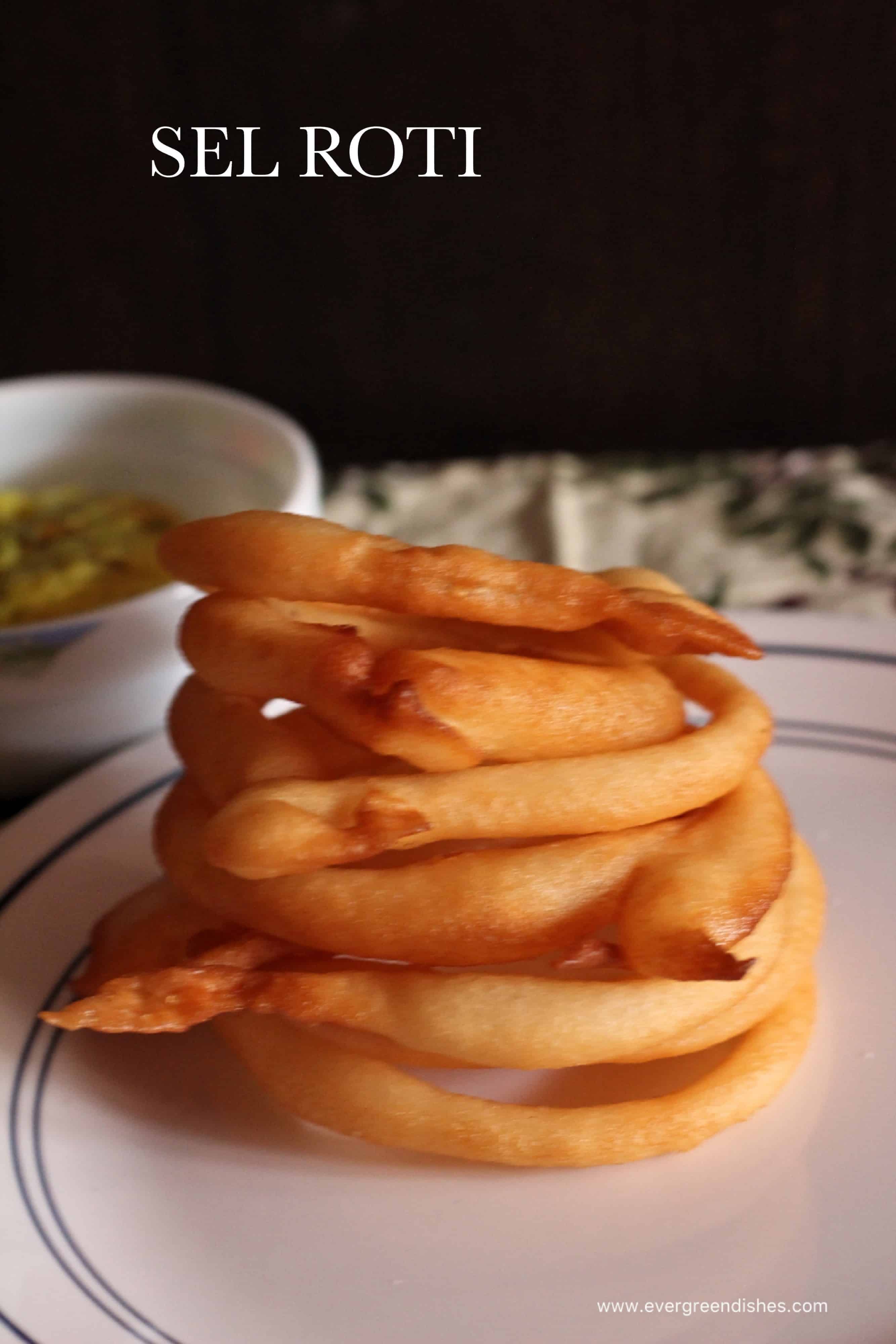
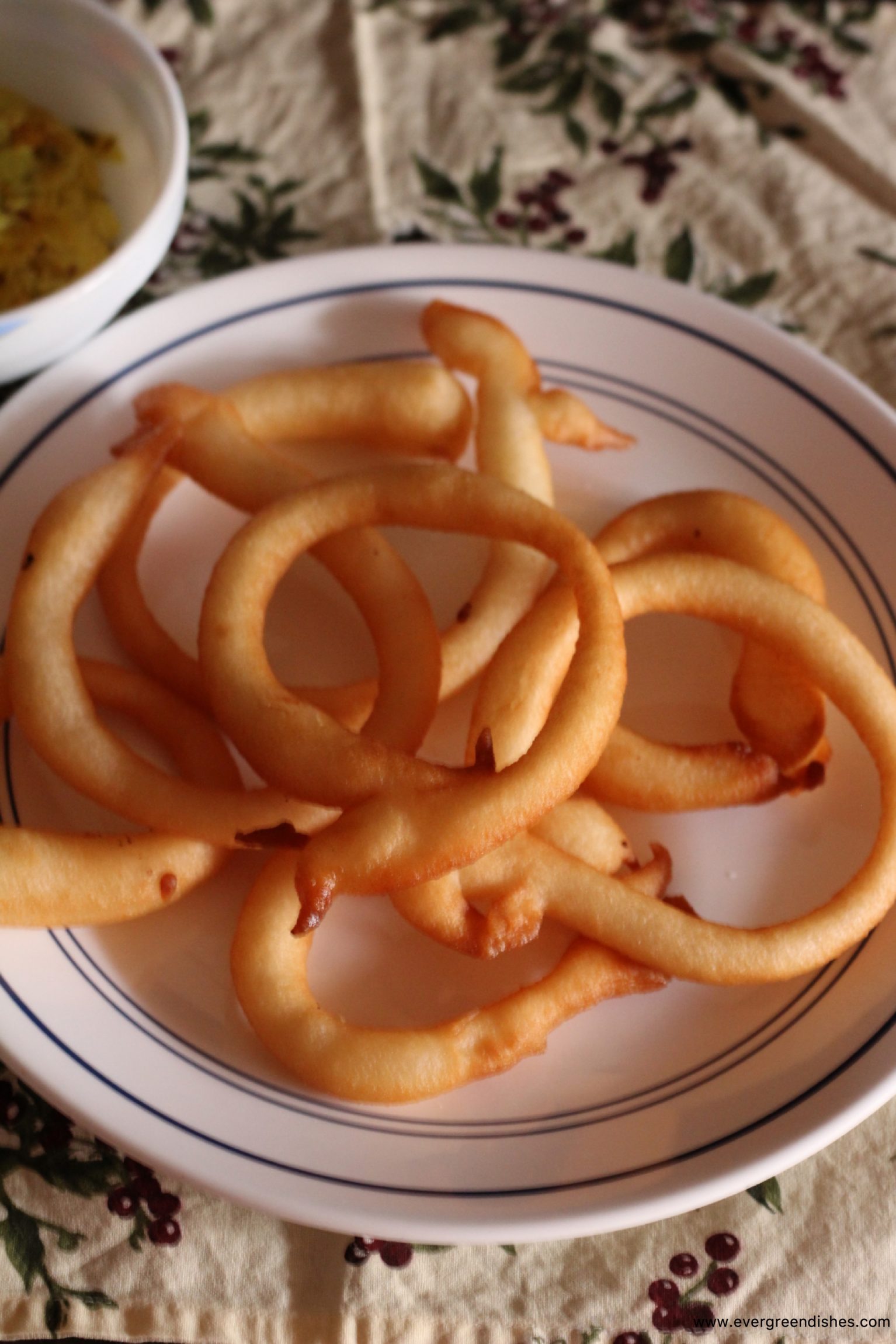
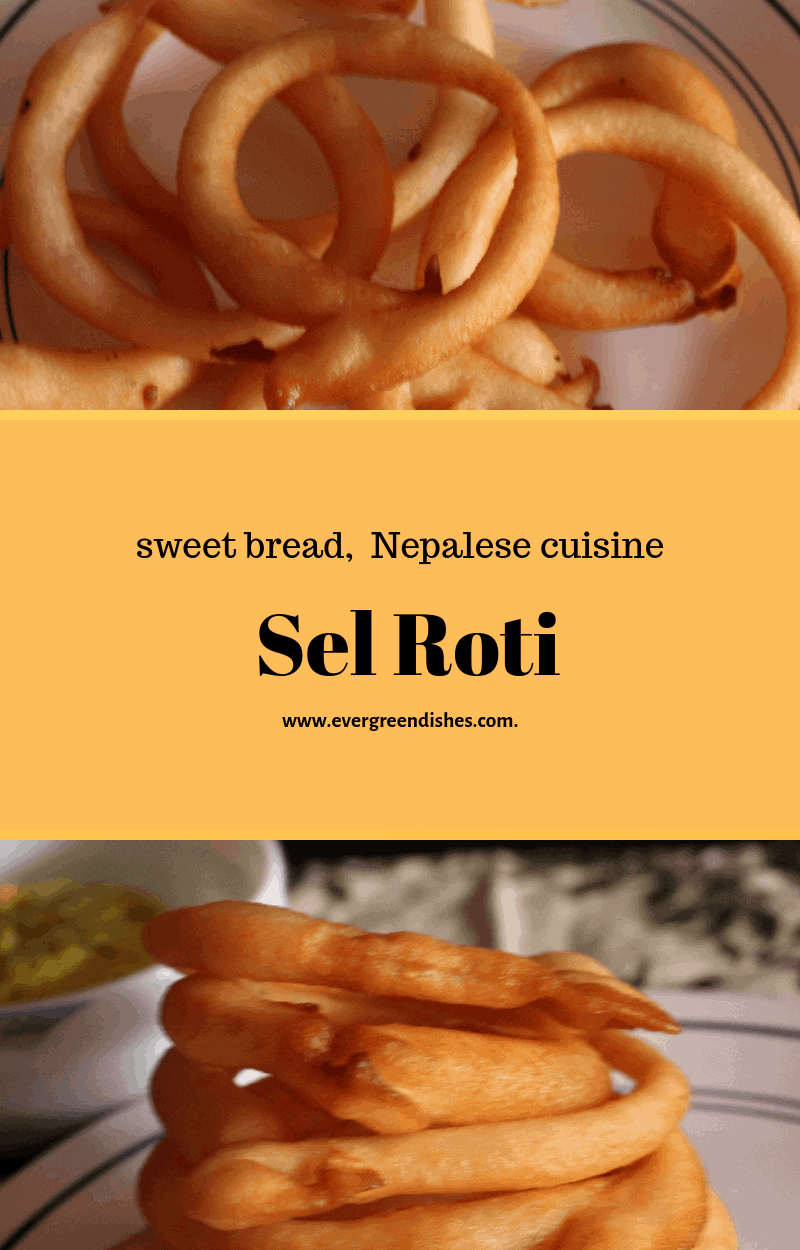
    Sel Roti is a ring shaped, mildly sweet bread from Nepalese cuisine. It is commonly made during festivals of Dashain and Tihar in Sikkim and Darjeeling. It is one of the essentials during ceremonies and functions.

    It’s that time of the month, when we folks at Shhhh Secretly Cooking Challenge Group cook from a particular state and for the month of August it is Sikkim. My partner was unavailable due to personal reasons and the secret ingredients, oil and rice were given by Mayuri. Do check out her blog Mayuris-Jikoni where she has a wide range of dishes from different cuisine. I want to try the Veg /Thukpa soup that she made for this cuisine, it looks so tempting.

    Rice is the staple food of many people in the world. Sikkimese are mainly rice eaters. They have a lot of influence from Nepal as it is the only state in India with ethnic majority of Nepalese. Gundruk and Sinki are the two popular vegetarian dishes from Sikkim. (Source : Wikipedia)

    Now, here is the Sikkimese dish that I prepared, amazingly unique, I loved trying and making this one. It needs a little practice initially, but you can do it.


    Sel Roti

    Ingredients:

    • 1/2 cup rice
    • 2 tablespoon sugar
    • 2 tablespoon ghee
    • water for soaking + some water for grinding
    • oil for frying

    Method:

    1. Wash the rice and soak it overnight.
    2. Drain the water, rinse it again, put in a colander.
    3. Grind it along with ghee and sugar along with a little water to a batter. The batter should be moderate in consistency.
    4. Remove the batter in a bowl.
    5. Keep it aside for fifteen minutes.
    6. Mix the batter well .
    7. Take a squeezy bottle or use an old bottle as I did. Take a disposable half litre bottle and cut it at one-third of its length. You can easily put the batter in it and slowly open the cap when you are ready to drop the batter in the oil. It is fine if you pour it with the ladle.
    8. Heat oil in a pan, pour into ring shape and deep fry on a high flame to golden colour. Remove it on a plate with tissue paper and repeat for the rest of the batter.
    9. It is usually served with a potato stir fry, but may be eaten by itself.

    Take a tip:

    • Sel Roti has a long shelf life, but when making for the first time, make a small quantity.
    • It can be eaten as a snack.
    • The batter should be neither too thick nor thin. It can be put with hand but needs practice. Using an old bottle is ideal.
    sel roti
    sel roti
    Evergreendishesdev

    Sel Roti

    Sel Roti is a unique, mildly sweet flatbread from Nepalese cuisine. It is commonly made during festivals and celebrations in Sikkim and Darjeeling.
    Course: lunch ideas
    Cuisine: nepalese, sikkim

    Ingredients
      

    • 1/2 cup rice
    • 2 tablespoon sugar
    • 2 tablespoon ghee
    • water for soaking and grinding
    • oil / ghee for frying

    Method
     

    1. Wash the rice and soak it overnight in water.
    2. Next day, discard the water and rinse it. Grind rice along with ghee and sugar. Let the batter be of medium consistency
    3. You may use a squeezy bottle to make the rings, otherwise cut a disposable half litre bottle and use it. It comes out good with it too.
    4. Heat oil in a pan. once the oil is hot, put batter in the mould and drop it in the shape of a ring. Deep fry until golden in colour. Repeat for the rest of the dough.

    Notes

    • Jhir are long sticks used to deep fry and remove the rings from oil.
    • The batter can be put using hand but it needs practice.
    • The used bottle technique works good, just ensure the lid is closed, open the lid while you are ready to drop the batter. 

    If you ever make this dish, take a picture and share it by tagging @foodiejayashree on Instagram or @evergreendishes on Facebook.

    You can also save this recipe on pinterest, pin it for later:
    Sel Roti

    Subscribe to get a book of handy hints for free and all updates in your inbox. Check out my e-books on Amazon.
     

  • Karchikayi / Karanji / Kajjikayalu

    Karchikayi / Karanji / Kajjikayalu

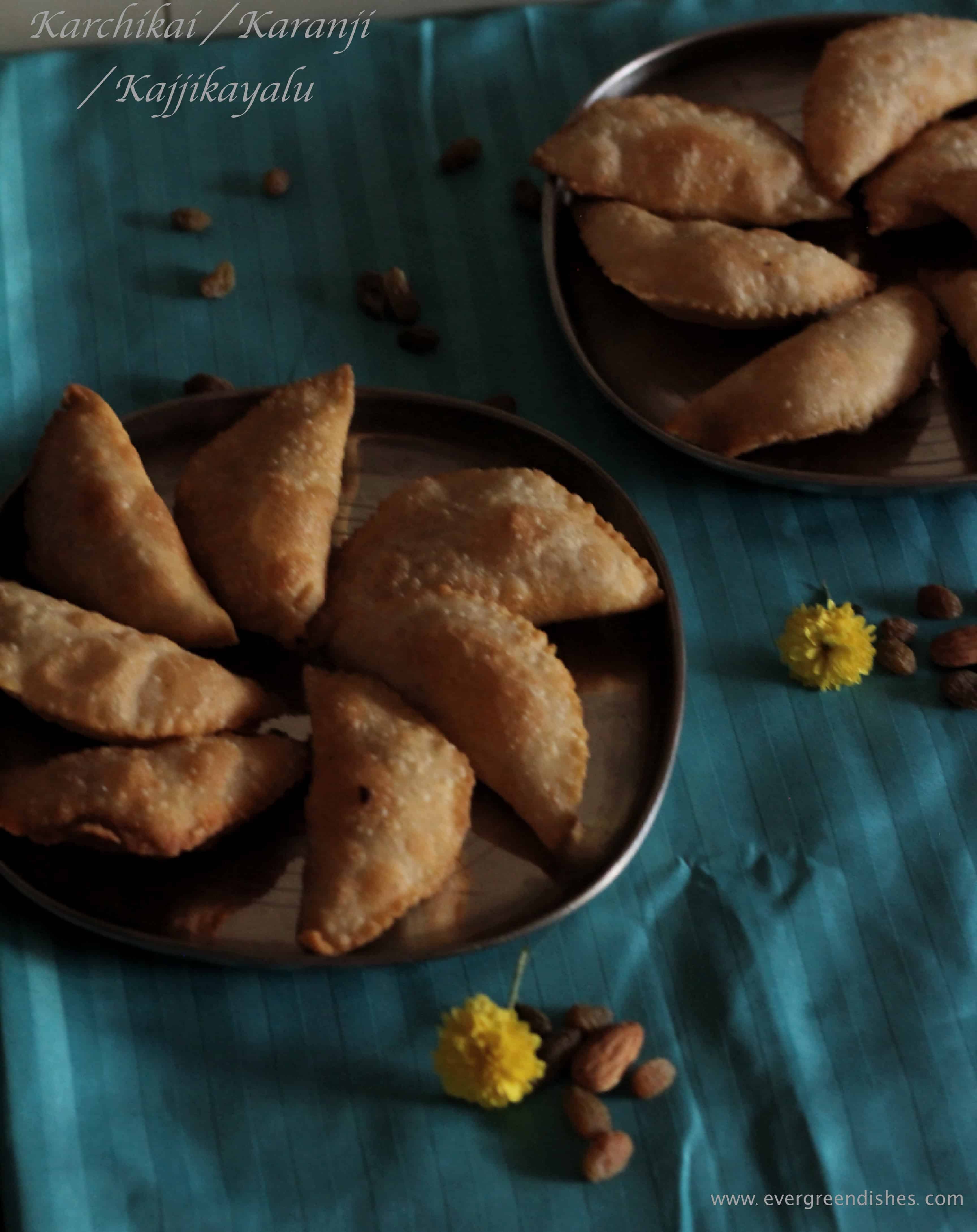
    Karchikayi or Karanji is a popular and traditional snack from South India. It is the sibling of Gujiya from North India. Karanji is a crescent shaped, sweet fried dumpling, filled with a coconut and nut mix, deep fried to perfection. (more…)

  • Palkova recipe | Palgova | 2 ingredient sweet

    Palkova recipe | Palgova | 2 ingredient sweet

    Jump to Recipe Print Recipe

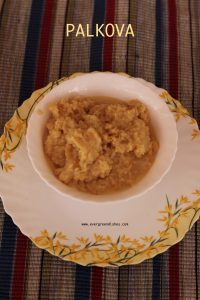
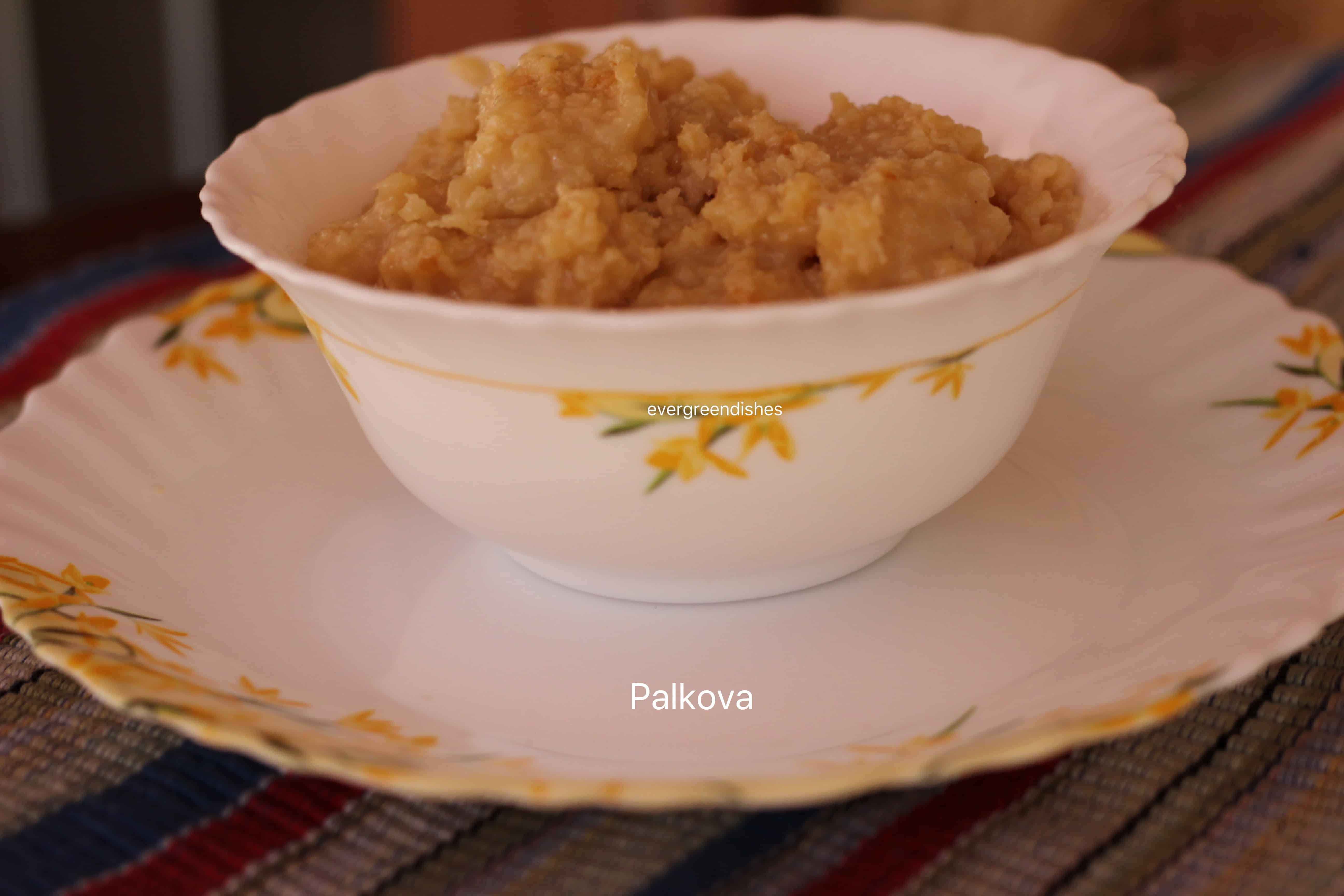
    Palkova is a traditional Indian sweet made using whole fat milk. It is a creamy and melt in the mouth  sweet from the state of Tamilnadu.  It hails from the town of Srivilliputhur that has many milk factories. It is ideal to prepare during any festive occasions.

    This is a two ingredient sweet that will be relished by one and all. As the milking is continuously evaporated to form a thick mass, the milk needed is more. The quantity that this recipe yields seems to be sufficient for only four members, but that again depends on the consumption. Whole fat milk is simmered, constantly stirred, the fat collected is scraped and put into it, allowed to thicken and sweetened with sugar.

    Usually, no taste enhancers as cardamom powder or saffron is used here but you may add.

    A few other sweet recipes on the blog are Khaja, Chaler Payesh, Kul Kul,

    palkova
    palkova

    Palkova / Palgova recipe :

    Ingredients:

    • 1.5 litres Whole fat milk
    • 1/3 cup sugar ( a little less may be used)

    Method:

    1. In a thick bottom pan, add milk and keep it to boil on a low flame.
    2. In a few minutes, the milk will thicken.
    3. Let the milk simmer on a low flame, keep stirring in between.
    4. After 20 minutes, it becomes a creamy texture.
    5. Scrape the cream that gets to the edges of the pan and put it to boil.
    6. Let simmer on a low flame, the milk thickens, add sugar and give a stir. It melts and soon thickens.
    7. Remove in a bowl and serve.

    Take a tip:

    • Use a thick bottom pan, the milk may get burnt and give a bad smell.
    • The quantity of sugar may be adjusted as per taste.
    • Use whole fat milk.
    • I prefer not to add anything else to it. It tastes good by itself.
    • If refrigerated, it stays good for 4-5 days.


    Evergreendishesdev

    Palkova / how to make palgova

    5 from 6 votes
    Palkova is a milk based sweet from Tamil nadu. It is creamy and  melt in the mouth, makes a festive sweet. 
    Prep Time 5 minutes
    Cook Time 45 minutes
    Total Time 50 minutes
    Course: sweets
    Cuisine: Indian, Tamil nadu

    Ingredients
      

    • 1.5 litre full fat milk
    • 1/3 cup sugar

    Method
     

    1. In a thick bottom pan, add milk and keep it to boil on a low flame.In a few minutes, the milk will thicken
    2. Let the milk simmer on a low flame, keep stirring in between.After 20 minutes, it becomes a creamy texture.
    3. Scrape the cream that gets to the edges of the pan and put it to boil. 
    4. Let simmer on a low flame, the milk thickens, add sugar and give a stir. It melts and soon thickens.Remove in a bowl and serve. 

    Notes

    • Use a thick bottom pan, the milk may get burnt and give a bad smell.
    • The quantity of sugar may be adjusted as per taste.
    • Use whole fat milk.
    • Cardamom powder and saffron may be added. I prefer not to add anything to it, tastes good by itself.
    • If refrigerated, it stays good for 4-5 days.

    I am sending this Palkova post to  #BM98 hosted by Srivalli with the theme “Cook for any festival or Special Day”. This is the first of the three day posts.

    BMLogo

    Check out the Blogging Marathon page for the other Blogging Marathoners doing this BM#98

    If you have liked this post, do share it further. If you ever make it, take a picture and share it by tagging @foodiejayashree  on Instagram and @evergreendishes on Facebook.

    Let’s be connected : Facebook, Twitter, Instagram and Pinterest

  • Methi Mathri / how to make mathri  in steps

    Methi Mathri / how to make mathri in steps

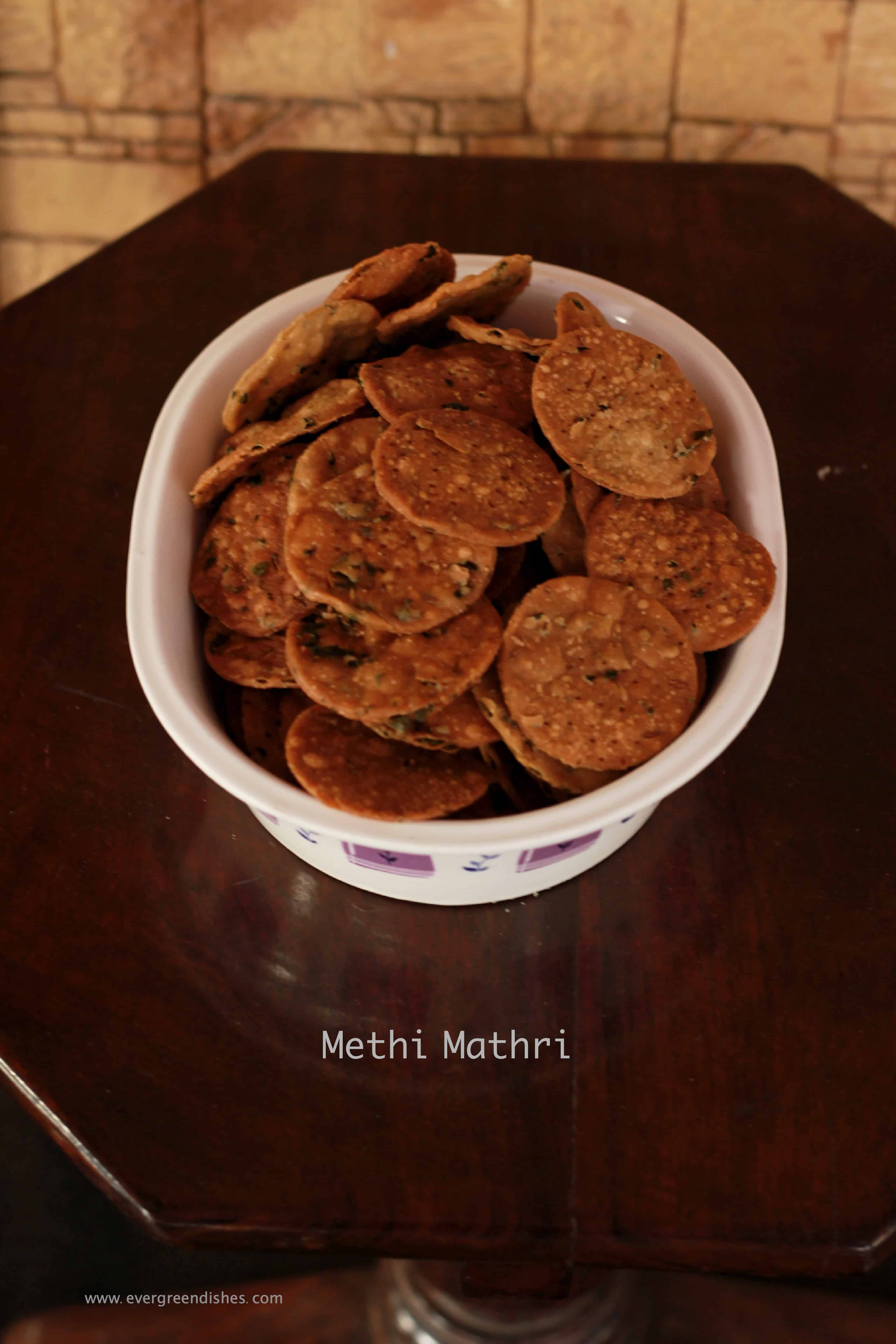
    Methi  Mathri is an Indian snack usually made in many households. It is crispy, tasty and ideal to serve with tea or during mid-day.

    It’s ideal to store these snacks at home, children crave quite often and they make good snacks with masala chai. It is ideal to carry during travelling.

    I have many snack recipes on my blog, from crispy avalakki (poha chiwda) to nippattu and kodbole. these are essential during festivals.

    methi mathri
    methi mathri

    Let’s get to the recipe of Methi Mathri:

    Ingredients:                Measuremnt used: 1 cup = 250ml

    • 2 cups wheat flour
    • 1/4 cup semolina
    • 3/4 cup fenugreek leaves
    • 2 tablespoon ghee
    • 1 teaspoon cumin
    • 1 teaspoon pepper powder
    • 1/2 teaspoon ajwain
    • salt to taste
    • 1/4 cup water
    • oil for frying

    Method:

    1. Cut and wash the fenugreek leaves, put them in a colander.
    2. Mix wheat flour and semolina in a bowl. Add cumin, pepper powder, salt and ajwain to it. Add ghee and rub it well.
    3. Add fenugreek leaves, mix well.
    4. Add water to it, knead to a stiff dough.
    5. Keep it aside for five minutes.
    6. Heat oil in a pan.
    7. Take a ball of the dough, roll into a thin ircle. Cut into discs using a cookie cutter or any circular shaped object. Pork them with a fork.
    8. Put the discs in oil. Deep fry them on slow to medium flame, once they are golden in colour, remove on a plate with a tissue paper/ absorbent paper on it.
    9. Repeat for the rest of the dough.

    Take a tip:

    1. You can take small ball of the dough, roll into a thin puri and then prick with a fork. Repeat for all the balls.
    2. You can reduce the amount of fenugreek leaves to 1/2 cup


    Methi Mathri

    Methi Mathri is a crispy snack from North India. 
    Prep Time 10 minutes
    Cook Time 30 minutes
    Total Time 40 minutes
    Servings: 50 pieces
    Course: dry snack, festive treats, kids favourite, travelling food
    Cuisine: north indian

    Ingredients
      

    • 2 cup wheat flour / atta
    • 1/4 cup semolina
    • 3/4 cup fenugreek leaves
    • 2 tablespoon ghee
    • 1 teaspoon cumin
    • 1 teaspoon pepper powder
    • 1/2 teaspoon ajwain
    • salt to taste
    • 1/4 cup water
    • oil for frying

    Method
     

    1. 2 cups wheat flour
      1/4 cup semolina
      3/4 cup fenugreek leaves
      2 tablespoon ghee
      1 teaspoon cumin
      1 teaspoon pepper powder
      1/2 teaspoon ajwain
      salt to taste
      1/4 cup water
      oil for frying
      Add water to it, knead to a stiff dough.
      Keep it aside for five minutes.
      Heat oil in a pan.
      Take a ball of the dough, roll into a thin ircle. Cut into discs using a cookie cutter or any circular shaped object. Pork them with a fork.
      Put the discs in oil. Deep fry them on medium flame, remove on aplate with a tissue paper on it.
      Repeat for the rest of the dough.
    2. Cut and wash the fenugreek leaves, put them in a colander.
    3.  Mix wheat flour and semolina in a bowl. Add cumin, pepper powder, salt and ajwain to it. Add ghee and rub it well. fenugreek leaves, mix well.
    4. Add water to it, knead to a stiff dough.
    5. Keep it aside for five minutes.
      Heat oil in a pan.
    6. Take a ball of the dough, roll into a thin ircle. Cut into discs using a cookie cutter or any circular shaped object. Pork them with a fork.
    7. Put the discs in oil. Deep fry them on medium flame, remove on aplate with a tissue paper on it.
    8. Repeat for the rest of the dough.

    Pin it for later:

    Methi Mathri
    Methi Mathri

    This post is part of #BM97 with the Kid’s Special for the theme ” Travel Food” co-hosted by Renu

    BMLogo

    Check out the Blogging Marathon page for the other Blogging Marathoners doing this BM#97

    Let’s be social: Facebook, Twitter, Pinterest, Instagram

    If you ever recreate this dish, take a picture and tag @foodiejayashree on Instagram, shall share it further. Will be happy to see your creation too.

    Subscribe to get all updates and an e-book of handyhints for free !

  • Palak tambli / South Canara recipes

    Palak tambli / South Canara recipes

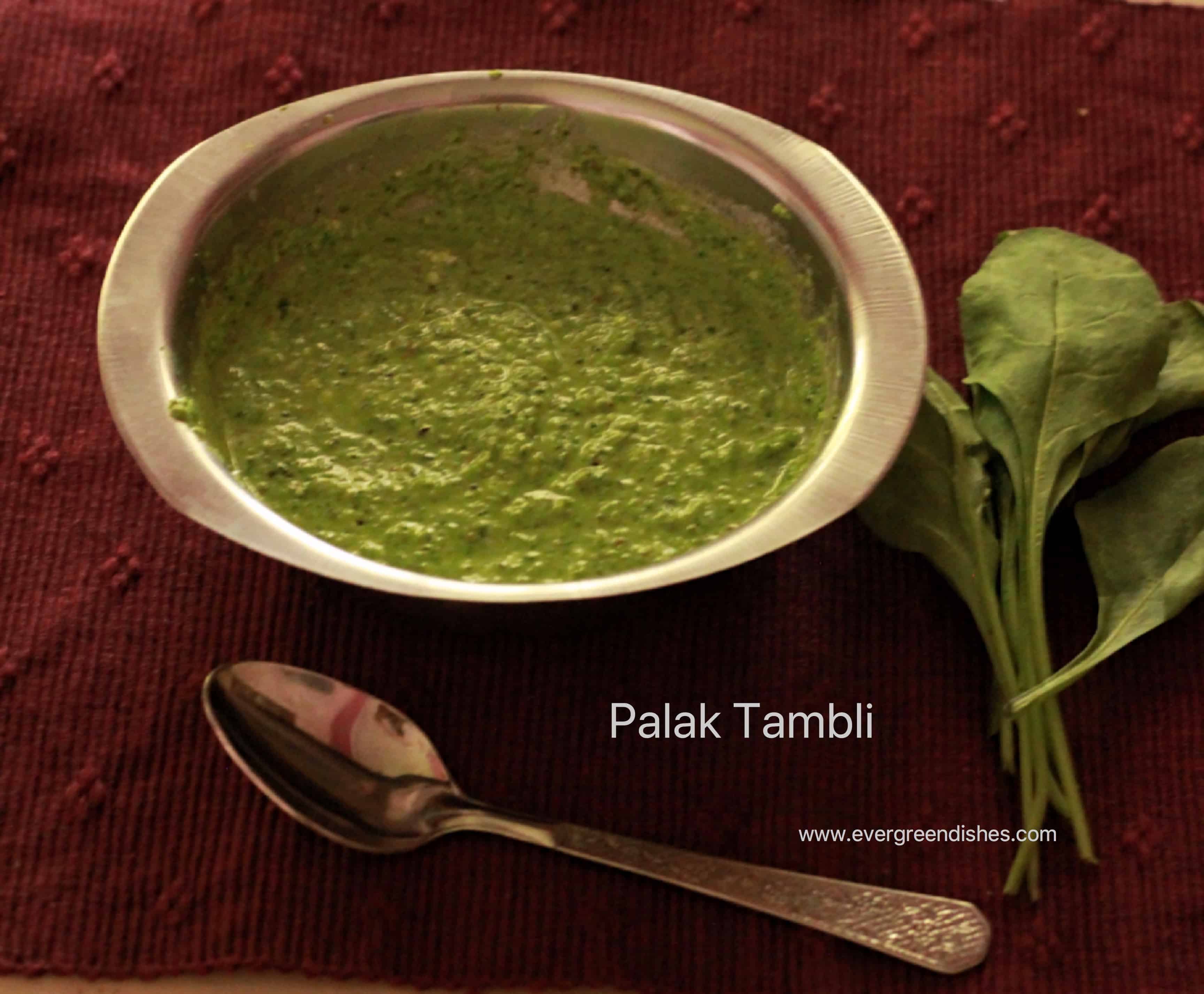
    Palak Tambli is a popular dish from South Canara cuisine. It is regularly prepared in daily menu. It tastes good with hot steamed rice.

    Winter is my most loved season, pleasant climate, waking up to a nail biting cold day and have plenty of fresh vegetables and green vegetables. Spinach, fenugreek, cilantro, mint are all farm fresh and smell so good.

    Tambli is a dish from South Canara cuisine. It is yoghurt based  dip like with a green leaf, coconut and few other ingredients. Tambli can be made using different green leaf and vegetables as Spinach, Fenugreek, Ginger, Cucumber to name a few.

    Palak Tambli  is tasty and makes a good accompaniment with hot steamed rice. With fresh spinach available, do try this.

    Let’s get to the recipe of Palak Tambli.

    Ingredients:

    • 1 cup chopped spinach leaves
    • 2 tablespoon fresh coconut
    • 3 green chilli
    • 1 teaspoon cumin
    • 1/2 cup whisked curd
    • 1 teaspoon oil

    For the seasoning

    • 2 teaspoon oil
    • 1/2 teaspoon mustard seed
    • 1/8 teaspoon asafoetida
    • 1/8 teaspoon turmeric powder

    A few spinach recipes that I have : Corn Palak, Spinach SaladPalak Sev, Spinach Chutney, Spinach Kofta CurryPalak Paneer Wrap, Nawabi green cutlets

    Evergreendishesdev

    Palak Tambli

    Palak tambli is a tasty and nutritious side dish from South Canara region. 

    Ingredients
      

    • 1 cup chopped spinach leaves
    • 2 tablespoon fresh coconut
    • 3 green chilli
    • 1 teaspoon cumin
    • 1/2 cup whisked curd
    • 1 teaspoon oil
    For the seasoning
    • 1/2 teaspoon mustard seed
    • 1/8 teaspoon asafoetida
    • 1/8 teaspoon turmeric powder

    Method
     

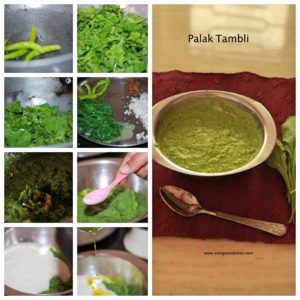
    1. Clean the spinach leaves, discard the stalk. Cut the leaves. Wash them and put in a colander for sometime.
    2. Take a little oil, saute the green chilli, put them aside in a plate, roast cumin for few seconds. Put it aside along with green chilli. Now,saute the spinach leaves for two minutes.
    3. Once it cools, grind them along with coconut.
    4. Remove in a bowl. Add salt to it. Whisk the curd and put it.
    5. Make seasoning. Take oil in a pan, add mustard seeeds, as it splutters, add turmeric powder and asafoetida and pour it over the tambli.
    6. Spinach tambli is ready to serve.

    Notes

    • Use fresh curds. Do not add water to it.
    • Adjust the green chilly as per your taste.

    1. Remove the stalk and cut the spinach leaves.
    2. Take a little oil and saute the green chilli, put them aside in a plate, roast cumin for a few seconds. Put it aside along with green chilly. Now, saute the spinach leaves for the two minutes.
    3. Grind them along with coconut.
    4. Whisk the curd and put it. Add salt and mix.
    5. Make seasoning. Take oil in a pan, add mustard seeds, as they splutter, put turmeric powder and asafoetida, pour it over the tambli.
    6. Palak tambli is ready to serve.

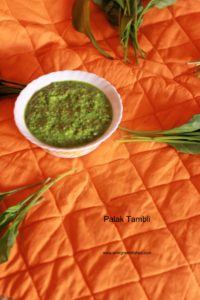
    palak tambli
    palak tambli

    palak tambli
    palak tambli

    This post is part of Winter Special at Healthy Well Cuisines. Here are a few other recipes by other co-bloggers

    If you have liked this post, do leave a comment. If you recreate this dish, click a picture of the dish and share with @foodiejayashree on Instagram or @evergreendishes on Twitter or Facebook.

    Pin it for later :

    Palak Tambli
    Palak Tambli

    Handy hint: It is always good to consume seasonal fruits and vegetables. They will be fresh and cheaper too.

    Subscribe to get all updates and a book of handy hint for free !

  • Chaler Payesh / Bengali Rice Kheer

    Chaler Payesh / Bengali Rice Kheer

    Chaler Payesh is a traditional rice kheer recipe of Bengali cuisine. It is one of the favourites of the Bong community and is usually prepared during ceremonies and festivals. The kheer is creamy, rich, aromatic and melt in the mouth.

    Kheer usually refers to the sweet prepared by boiling milk and rice. Each region has its own variety of kheer and today I have the Bengali version here.

    Usually Gobindobhog variety of rice is used in preparing Chaler Payesh. If you do not have it, use basmati rice. Bay leaf is added  to the milk while it is cooked, it gives a good aroma. Rich milk is boiled and simmered in soaked rice grains on a low flame, it is then sweetened with sugar and garnished with dry fruits.

    About Bengali cuisine :

    Bengali cuisine is the food served in the state of Bengal. It mainly consists of west Bengal, Tripura and Assam. It is known for the different flavours and the varied desserts.  It is one of the popular cuisines relished for the variety of sabzi too. The Bengali cuisine can be divided into four types of food as charbe, chosya, lehya, and peya. Charbe is the food chewd as rice and fish. Choosya is the food that is thin and usually sucked. Condiments as pickles are usually licked and belong to the category of Lehya. Peya are the ones as milk and tea.  (Source: Wikipedia)

    A few Bengali dishes on blog:Mixed Vegetable, Bandhakopir Torkari, Ghugni Chaat, Komala Payasam

    Other festive sweets : Khaja, ABC halwa, Shenga Holige

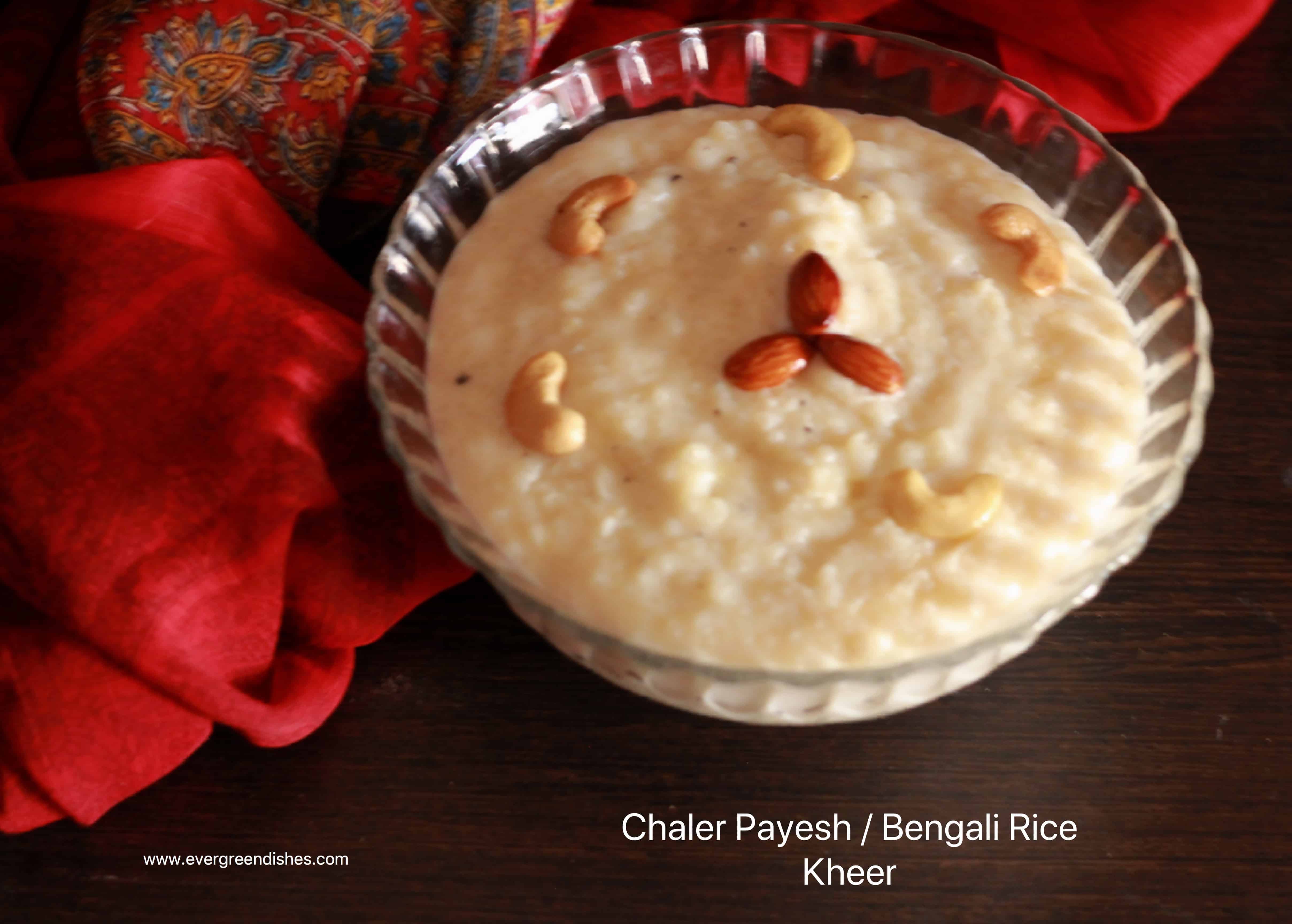
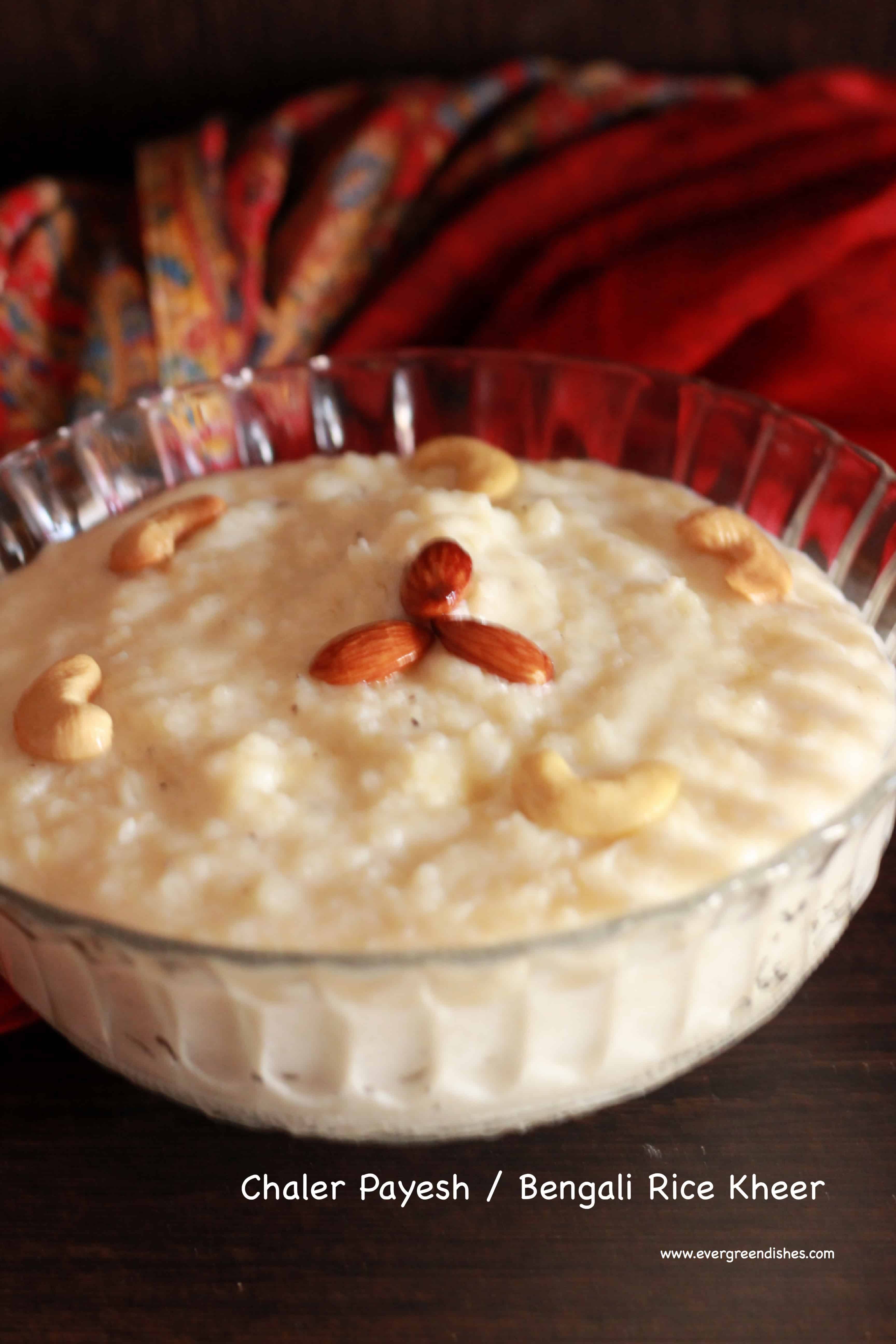
    chaler payesh /bengali rice kheer
    chaler payesh / bengali rice kheer

    Chaler Payesh / Bengali Rice Kheer

    Ingredients:

    • 4 cups (1 litre) milk
    • 4 tablespoon gobindobhog or basmati rice
    • 1 bay leaf
    • 1/2 cup sugar
    • 2 teaspoon  + 1 teaspoon ghee
    • cashew
    • almond
    • 1/2 teaspoon cardamom powder

    Method:

    1. Wash the rice and soak in water for fifteen minutes.
    2. Put the milk in a thick bottom pan and keep it to boil. Put bay leaf in it.
    3. Once it boils, discard the water from the rice, smear it with ghee and put in the milk.
    4. Let cook on a low flame. Keep stirring in between.
    5. Once the rice is fully cooked and soft, add sugar. Cook for three minutes.
    6. Add cardamom powder and remove from flame.
    7. Roast the nuts in ghee and garnish it.

    chaler payesh
    chaler payesh

    chaler payesh /bengali rice kheer
    Evergreendishesdev

    Chaler Payesh / Bengali Rice Kheer

    Chaler Payesh is a popular, delicious and  creamy dessert from Bong community. Gobindobhog rice is cooked in milk and sweetened with sugar and garnished with dry fruits. 
    Prep Time 15 minutes
    Cook Time 30 minutes
    Total Time 45 minutes
    Servings: 6 people
    Course: Dessert, traditional sweets
    Cuisine: Bengali, Indian

    Ingredients
      

    • 4 cups milk
    • 4 tablespoon gobindobhog or basmati rice
    • 1 bay leaf
    • 1/2 cup sugar
    • 2 +1 teaspoon ghee
    • cashew
    • almond
    • 1/2 teaspoon cardamom powder

    Method
     

    1. Wash the rice and soak in water for fifteen minutes.
    2. Put the milk in a thick bottom pan and keep it to boil. Put bay leaf in it. 
    3. Once it boils, discard the water from the rice, smear it with ghee and put in the milk.
    4. Let cook on a low flame. Keep stirring in between.
    5. Once the rice is fully cooked and soft, add sugar. Cook for three minutes.
    6. Add cardamom powder and remove from flame.
    7. Roast the nuts in ghee and garnish it.

    Notes

    • Gobindobhog rice is usually used here, if it is not available use basmati rice.
    • Soak the rice for atleast fifteen minutes. 

    This post is part of 54 Healthy Wealthy Cuisines where the theme is “Mishti Dussehra at HW”

    Other Bengali dishes by co-bloggers

    If you have liked this post, do share it further. Follow evergreendishes on Twitter, Pinterest, Instagram and Facebook

    Pin it for later:

    a bowl of chaler payesh garnished with nuts
    Chaler Payesh | Bengali Rice Kheer

    If you ever make Chaler Payesh, do take a picture and share with me by tagging @foodiejayashree on Instagram or @evergreendishes on Facebook. Subscribe to get all updates and an e-book for free.

  • Ulli Theeyal / Kerala Shallot Curry

    Ulli Theeyal / Kerala Shallot Curry

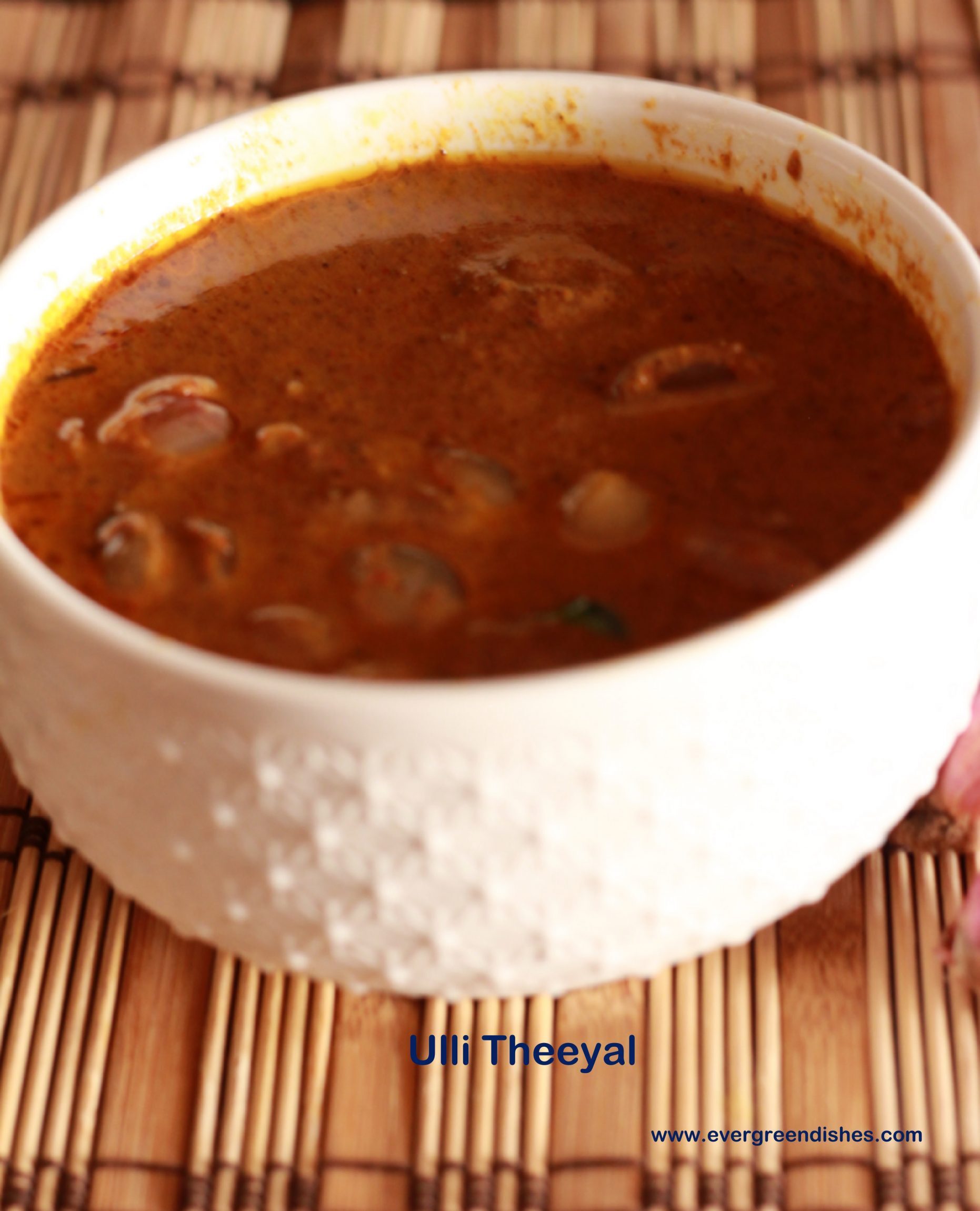
    Ulli theeyal/ kerala shallot curry is a tasty accompaniment with hot steamed rice. It is often prepared in daily cooking in Kerala cuisine.

    Kerala is a state in the south western region of India, a beautiful state and a tourists pride. As one enters the state, palm lined beaches and backwaters, a network of canals and estates of spices, tea and coffee are witnessed and mesmerising. It is called as “Gods Own Country” and  ” Land of Spices”

    But the recent devastation has taken a toll of the life of most people. It was one of the severe floods that the state has witnessed in last hundred years.  Many people lost their lives while some are left homeless and still struggling. My heart goes out to these poor souls.

    Shhhhh Secretly Challenge group has now reached Kerala where we are paired and given two ingredients to prepare dish of a particular selected state. I was paired with Vidya Narayan who blogs at Masala Chilli and she gave me shallots and tamarind as the secret ingredients. Do visit her blog www.masalachilli.com for delicious dishes.

    The recipe that I have chosen to prepare is the Ulli Theeyal, a kerala style onion curry. It is tasty and pairs well with hot steamed rice. A mixture of spices are roasted and powdered, the shallots are cooked in seasoning and then tamarind pulp is added to it along with the spice mix.

    As every cuisine, Kerala cuisine too is unique, different and tasty. Fresh grated coconut is one of the essentials in their cooking. Spices as cumin and pepper are regularly. Vegetables of many kind are consumed. Shallots are commonly used in this cuisine. The oil generally used is coconut oil. Now, let’s get cooking Ulli Theeyal

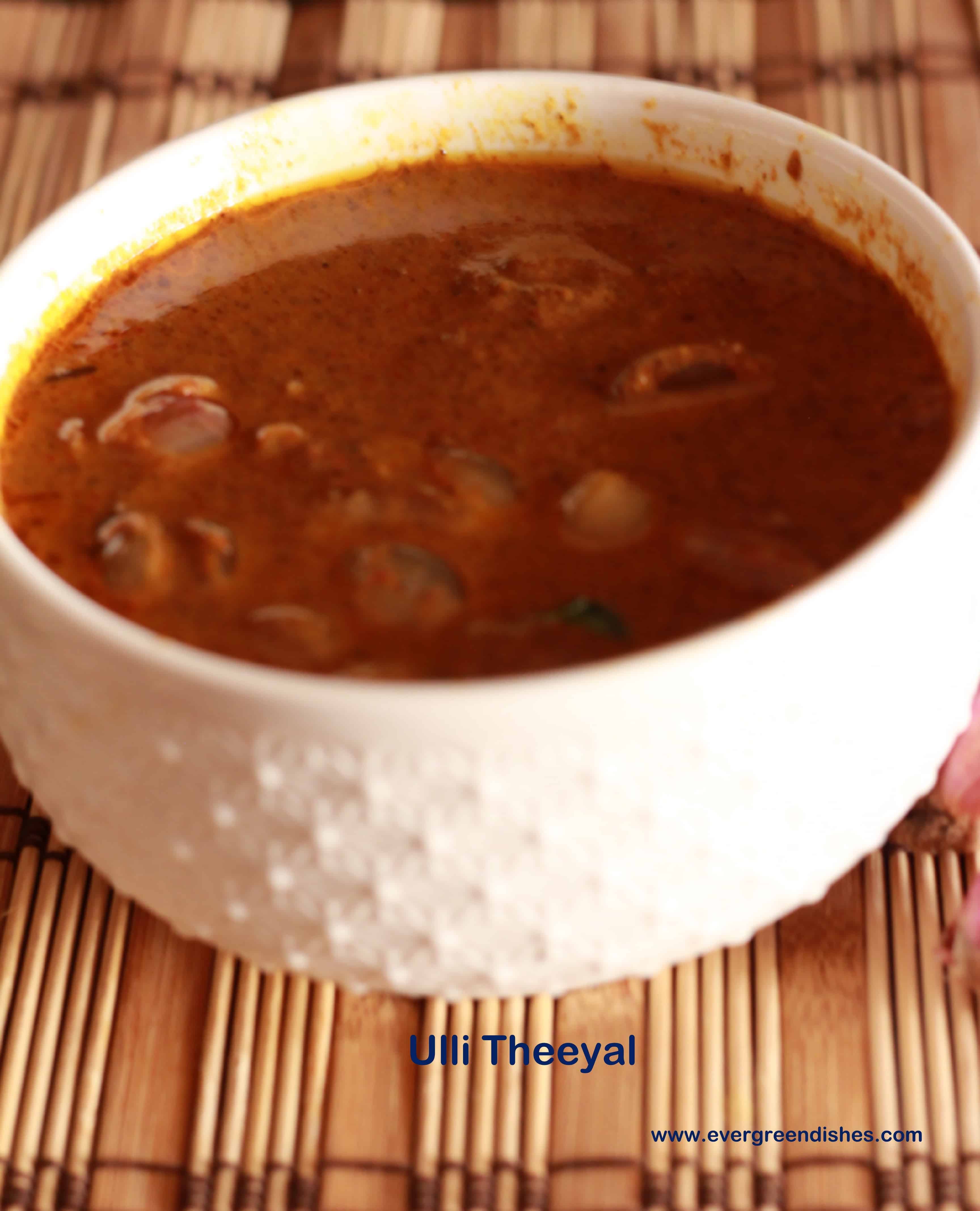
    ulli theeyal
    ulli theeyal

    Ulli Theeyal / Kerala Shallot Curry

    Ingredients:

    For the curry: 
    • 300 grams shallots
    • 4 cloves garlic
    • 2 tablespoon coconut oil
    • 1/2 teaspoon mustard seeds
    • 1/2 teaspoon chilli powder
    • small lemon ball sized tamarind
    • salt
    For the paste:
    • 1/2 cup fresh coconut
    • 1 tablespoon coriander seeds
    • 1/2 teaspoon cumin seeds
    • 4 dry red chilly
    • 1/4 teaspoon fenugreek seeds
    • 2 tablespoon coconut oil
    • 1/2 teaspoon mustard seeds
    For the tempering:
    • 1 teaspoon coconut oil
    • 1/4 teaspoon mustard seeds
    • curry leaves
    • 2 dry red chilly

    Method:

    1. Remove the skin of the shallots.
    2. Soak tamarind in water.
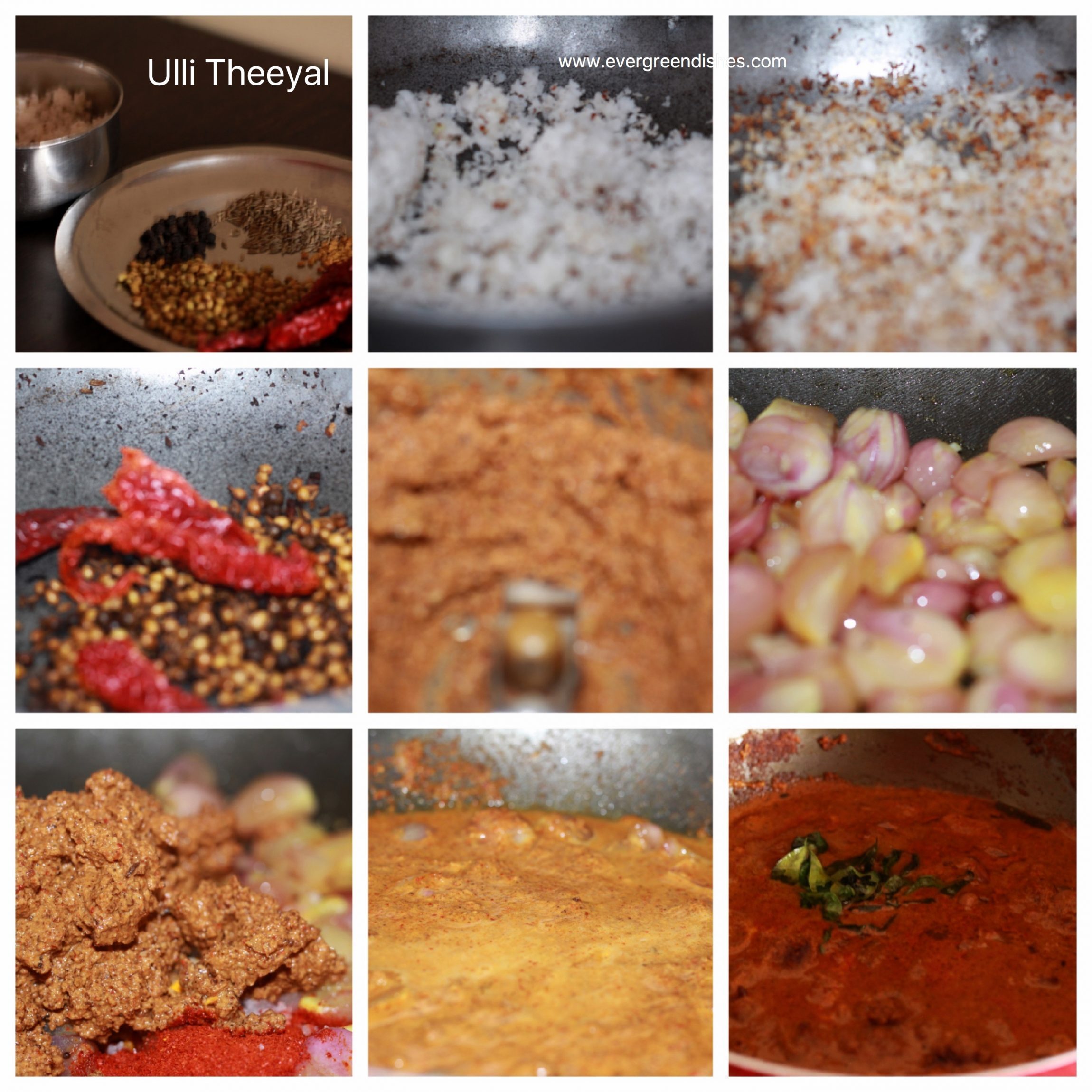
    3. Dry roast the spices for a few minutes, put them aside, then dry roast the coconut until it is golden in colour and you get a good aroma.
    4. Let cool. Grind all ingredients to a paste with water.
    5. Take oil in a pan, add the mustard seeds, as it crackles put turmeric powder and the shallots. Let cook for four to five minutes.
    6. Extract the pulp from the soaked tamarind.
    7. Add the pulp to the shallots, let cook for ten minutes.
    8. Put the ground paste and salt to it. Let cook for two minutes.
    9. Make seasoning, heat coconut oil, add the mustard seeds, as it cracles put the dry red chilly and curry leaves. Pour it over the curry.
    10. Ulli Theeyal is ready to serve.

    Take a tip:

    1. I have not made it very spicy, add two more dry chilly while roasting if you want.
    2. Shallots can be easily peeled by putting in water.
    3. Oil may be added while roasting the ingredients but I have not used.
    4. Use coconut oil for a good taste of the dish.


    making of ulli theeyal
    making of ulli theeyal

    ulli theeyal
    Evergreendishesdev

    Ulli Theeyal / Kerala Shallot Curry

    Ulli Theeyal is a spicy curry of shallots cooked in paste of roasted coconut and other spices along with tamarind extract. It pairs well with hot steamed rice. 
    Prep Time 10 minutes
    Cook Time 20 minutes
    Total Time 30 minutes
    Servings: 6 people
    Course: dinner, lunch, lunch ideas, Side Dish
    Cuisine: kerala, south india

    Ingredients
      

    For the curry
    • 300 grams shallots/ small onions
    • 4 cloves garlic
    • 2 tablespoon coconut oil
    • 1/2 teaspoon mustard seeds
    • 1/2 teaspoon chilli powder
    • tamarind small lemon size ball
    • salt to taste
    For the paste
    • 1/2 cup fresh coconut
    • 1 tablespoon coriander seeds
    • 1/2 teaspoon cumin
    • 4 dry red chilli
    • 1/4 teaspoon fenugreek seeds
    For the tempering
    • 2 teaspoon coconut oil
    • 1/4 teaspoon mustard
    • 2 dry red chilli
    • a few curry leaves

    Method
     

    1. Remove the skin of shallots.
    2. Soak tamarind in water.
    3. Dry roast the spices for a few minutes. Put them aside.
    4. Dry roast the coconut until light brown in colour. 
    5. When cool, grind the ingredients to a paste. 
    6. Heat oil in a pan, add mustard seeds, as it crackles put the shallots and garlic cloves in it. Let cook for sometime. 
    7. Extract tamarind pulp.
    8. Put the pulp to it, let cook for ten minutes.
    9. Add the ground masala, chilly powder and salt to it. Let cook for sometime.
    10. In a small pan, make the tempering. Heat oil, add mustard seeds, as it crackles, thrown in red chilly and curry leaves. Pour it over ulli theeyal curry. 

    Notes

    Take a tip:
    1. I have not made it very spicy, add two more dry chilly while roasting if you want. 
    2. Shallots can be easily peeled by putting in water. 
    3. Oil may be added while roasting the ingredients but I have not used. 
    4. Use coconut oil for a good taste of the dish. 
     

    If you have liked this post, do pin it for your reference. If you ever recreate this dish, do share it on Instagram, tag @foodiejayashree, it will be nice to see your creation.

    Have you subscribed to get all updates and an e-book for free?

    Follow Evergreendishes on Facebook, Twitter, G+, Instagram and Pinterest


    shhhhh secret cooking challenge
    shhhhh secret cooking challenge

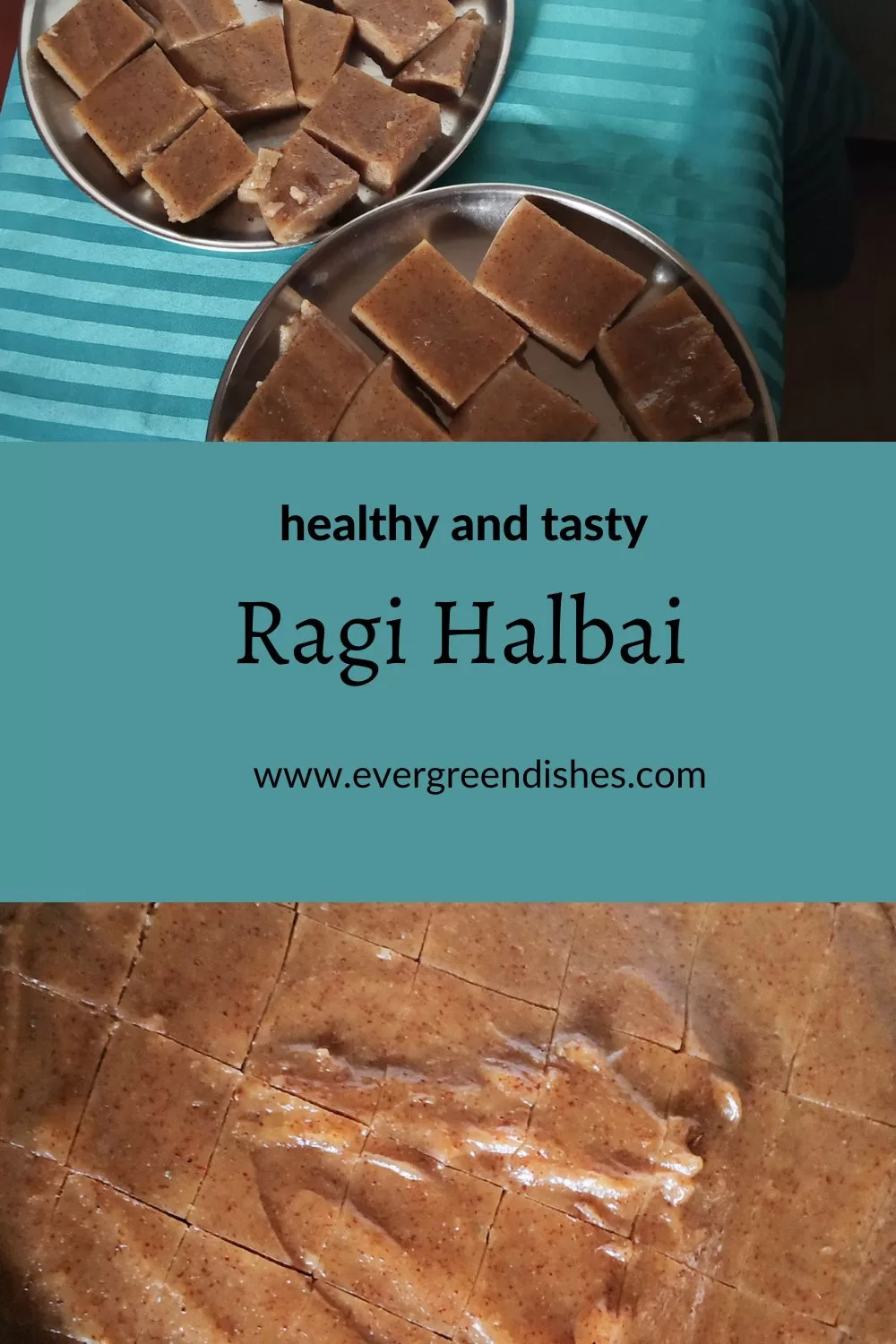
  • Ragi Halbai / Finger Millet Fudge

    Ragi Halbai / Finger Millet Fudge

    Jump to Recipe Print Recipe

    Ragi Halbai or Finger millet fudge is a tasty, soft, chewy fudge made of finger millet, coconut and jaggery. It is a healthy sweet.  It is a dish from South Canara region of Karnataka. Here, the whole grain of finger millet is used by soaking and then grinding and cooking it.

    The use of millets is more so now than ever as the benefits one reap is abundant. It is nutritious and high in fibre. I prefer using ragi at home since it is liked by all.  Do check these breakfast recipes Ragi Idli, Ragi Thalipeeth, Ragi Khichu

    South Canara cuisine is delicious and coconut is one of the main ingredients in their cooking. The coconut used is fresh one and it is usually ground to a paste and used in most dishes.

    With many festive days ahead, you can try this recipe soon.

    What is Ragi ?

    Ragi is popularly known as Finger millet or Nachni. Finger millet or Elusine Coracana is an annual herbaceous plant widely grown as a cereal crop in the arid and semi -arid areas in Africa and Asia.  It came to India around 2000 BC and since then its been consumed in different ways.

    Nutrients in Ragi

    Ragi is a whole grain that is gluten free and staple in South India. It is rich in fiber that helps with weight loss and diabete. It is packed with calcium, good carbs amino acids and Vitamin D. The nutrition per 100 grams is as below: ( Source: Wikipedia)

    • Protein 7.6 g
    • Fat 1.5 g
    • Carbs 88g
    • Calcium 370 mg
    • Vitamin A 0.48 mg
    • Thiamine 0.33 mg
    • Riboflavin 0.11 mg
    • Niacin 1.2 mg
    • Fiber 3g

    Benefits of Ragi :

    1. Rich in calcium – It is one of the best non- dairy sources of calcium when compared to other grains. Dr. Anju Sood, a nutrionist from Bangalore says, ” It is extremely beneficial for growing kids and can be given in the form of porridge”
    2. Help in controlling diabetes: The grains seed coat is abundant in polyphenol and dietary fibre. The low glycemic index lessens food cravings and helps maintain blood sugar.
    3. Relax the body: The regular usage of finger millet has found to help stress  related disorders as insomnia, depression and anxiety.
    4. Helps in weight loss: The high of dietary fibre helps one to keep full for a long time, thus the cravings are less.
    5. Battles anemia: It is rich source of natural iron and thus a boon for anaemic patients. Once it is sprouted, the Vitamin C level increases and leads to easy absorption of iron into the bloodstreams.
    6. Reverts skin ageing: methionine and lysine present in it  make tge skin tissue less prone to wrinkles and sagging.

    ragi halbai

    Now, getting on to the recipe without further ado:

    Ragi Halbai / Finger Millet Fudge

    Ingredients:

    • 1 cup ragi
    • 1 cup jaggery
    • 1 cup fresh coconut
    • 2 tablespoon ghee
    • 2.5 cup water
    • 1/2 teaspoon cardamom powder
    • a few cashew

    Method:

    1. Soak  ragi for five hours.
    2. Grate the coconut.
    3. Discard the water, grind the ragi to a fine paste along with coconut by adding little water.
    4. Strain the liquid through a sieve, press the residue  with a spoon Grind it again with some water. I used one and half cup of water to grind.
    5. Grease a plate with a little ghee.
    6. Take the jaggery and melt it with a cup of water. Filter it to remove impurities.
    7. Put the melted jaggery and the strained puree in a thick bottom pan. Let it cook. Add some ghee, keep stirring, otherwise it will stick to the bottom of the pan.
    8. Put the remaining  ghee, once it thickens to a mass and leaves the side, put cardamom powder, mix and pour it over the greased plate.
    9. Cut it into squares.  Decorate with roasted cashews. Ragi Halbai is ready to serve.

    Pre- requirements:

    Ragi are small red grains, one needs to clean it properly as tiny specks of impurities are seen. It is usually soaked in water and then the water is slowly discarded. The grains are then put to dry and used.


    Evergreendishesdev

    Ragi Halbai / Finger Millet Fudge

    5 from 7 votes
    Ragi halbai is a twist to the usual one that is prepared using rice. It is tasty and healthy. Finger millet, coconut and jaggery are cooked together to form a delicious fudge. 
    Prep Time 5 hours
    Cook Time 20 minutes
    Total Time 5 hours 20 minutes
    Servings: 15 pieces
    Course: festive treats, healthy snacks, traditional sweets
    Cuisine: dakshina kannada, karnataka

    Ingredients
      

    • 1 cup ragi
    • 1 cup jaggery
    • 1 cup fresh coconut
    • 2 tablespoon ghee
    • 2.5 cup water
    • 1/2 teaspoon cardamom powder
    • a few cashew for topping

    Method
     

    1. Soak ragi for five hours.
    2. Grate the coconut.
    3. Discard the water, grind ragi and coconut to a fine paste by adding little water.
    4. Strain the liquid through a sieve, press the residue with the back of a spoon to extract the liquid. Grind it again with some water, and again strain it. I used one and half cup of water for grinding. 
    5. Smear some ghee on a plate. 
    6. Take the jaggery and melt it with a cup of water. Strain to remove impurities. 
    7. Now, put the jaggery and the strained mixture in a pan and lett it cook. Add some ghee to it. Keep stirring, otherwise, it will stick to the pan. 
    8. Add the remaining ghee, once it foerms a mass and leaves the side, put cardamom powder, mix and spread it over the greased plate. 
    9. Cut it into squares, decorate with roasted cashews. 

    Notes

    • Ragi needs to be cleaned well before using. Small impurities are present that can damage organs of the body, thus it is highly recommended to clean it properly before using. 
    • It is usually rinsed in water and gently the water is displaced, the impurities are seen lying at the bottom. 
    • While grinding, check the amount of water that you are utilising, it is important you use the recommended amount.
    • While  cooking, keep stirring the liquid. 

    If you have liked this post, do share it further.

    ragi halbai

    This post is part of the #HWCuisine with Ragi as the theme. Here are the other Ragi recipes by my co-bloggers

    About the event :

    Sending this post to Foodies_Redoing Old Post_113. It is a fortnightly event where we work on an old post either by changing the picture, text, formatting or anything else related to the post. Here, I have changed the pictures.This is an old post which I had written in 2018, now I have changed it with better pictures.


    If you ever make this ragi halbai  or any of my other dishes,  do take a picture and tag @foodiejayashree on Instagram or @evergreendishes on Facebook or Twitter. I will be glad to see your creation and share it further. Let’s be connected, do follow on social media platforms. Until next time, let’s stay connected.  Subscribe to get all updates and an e-book for free. Check out my e-books on Amazon.  Happy Cooking !
  • Coconut Ladoo Recipe ( Nariyal Ladoo)

    Coconut Ladoo Recipe ( Nariyal Ladoo)

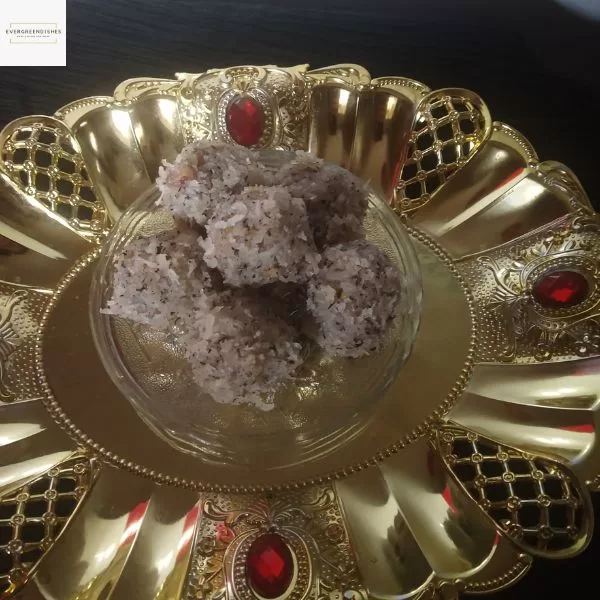
    Coconut ladoo or Nariyal ladoo is a popular indian festival sweet. It is one of the easiest desserts that one can make in thirty minutes.


    Coconut ladoo is a popular sweet prepared during festivities as Ganesh Chaturthi and Deepawali. It is tasty and easy to prepare. All the ingredients are easily available at home. The only task here is the grating of the coconut and it can be kept priorly ready.

    Let’s get to the recipe of Coconut Ladoo / Nariyal Ladoo

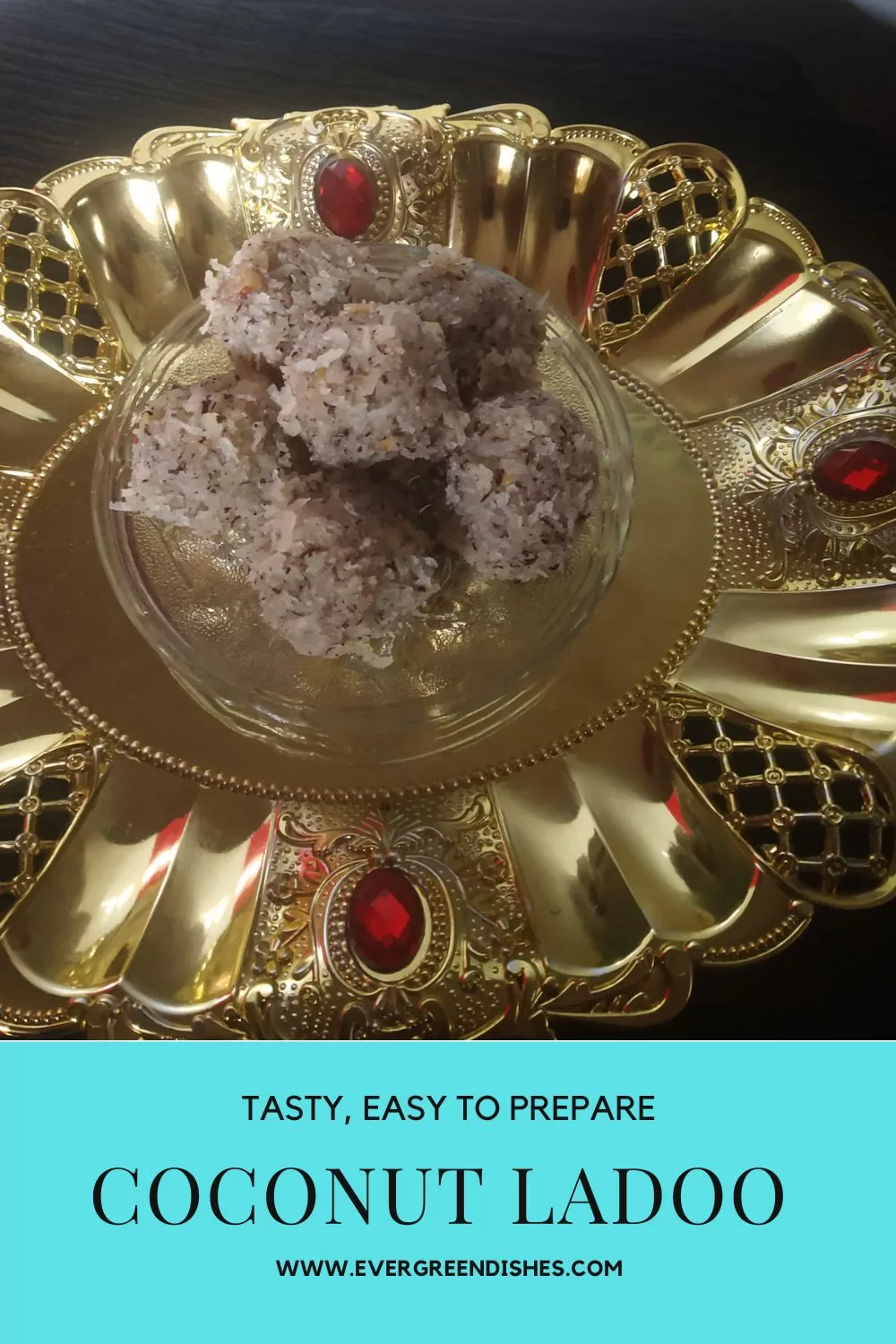
    coconut ladoo

    Ingredients:

    • 2 cup desiccated coconut
    • 11/2 cup milk
    • 3/4 cup sugar
    • 1 teaspoon ghee
    • 8 cashew
    • 1/2 teaspoon cardamom powder

    Method:

    1. Grate the coconut.
    2. Mix the coconut in milk and keep it aside for half an hour.
    3. Take a pan and roast the cashews in ghee. Keep them aside.
    4. In the same pan, add the coconut mixture to it. Put sugar and let it cook on a low flame.
    5. Keep stirring, the sugar should melt and condense to form a thick mixture.
    6. Once it is done, add cardamom powder and roasted nuts.
    7. Allow it  to cool. Make balls and keep them aside for sometime. Later, keep them in an air tight container.


    coconut ladoo
    Evergreendishesdev

    Coconut ladoo / Nariyal ladoo

    5 from 5 votes
    Coconut ladoo /  nariyal ladoo is a tasty and easy to make festive sweet. It is usually made during Ganesha Chaturthi.
    Prep Time 15 minutes
    Cook Time 15 minutes
    15 minutes
    Total Time 30 minutes
    Servings: 15 ladoos
    Course: festive treats, sweets, traditional sweets
    Cuisine: Indian

    Ingredients
      

    • 2 cup desiccated coconut
    • 1.5 cup milk
    • 0.75 cup sugar
    • 8 cashew
    • 1 teaspoon ghee
    • 0.5 teaspoon cardamom powder

    Method
     

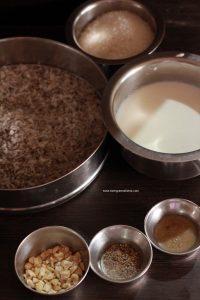
    1. Keep all the ingredients ready.
      ingredients at a glance
    2. Soak coconut in milk and keep it aside for half an hour.
    3. Roast the cashew in ghee.
    4. Put the soaked ingredients in a pan and cook on a low flame. Add sugar to it, let let cook, it should melt and condense to a thick form.
    5. Add the roasted nuts and cardamom powder. Allow to cool, shape them into balls.

    I have recently joined FB Gourmet group “Healthy Wellthy Cuisines” and the theme is “Coconut”. Coconut is one of the essentials of South Indian cooking and I was indeed happy with the same. Coconut ladoo / Nariyal ladoo  is my contribution towards the theme.

    Other coconut recipes from co-bloggers

    Post update on 19/11/2023

    About the event :

    An old post got updated, sending it to Foodies _Redoing Old Post -114. It is a fortnightly event and we work on an old post, either by changing the picture, text or anything related to the post. Here, I have changed the pictures only. 

    Pin it for later :

    coconut ladoo
    coconut ladoo
  • Mambazha Pulissery | Kerala Mango Curry

    Mambazha Pulissery | Kerala Mango Curry

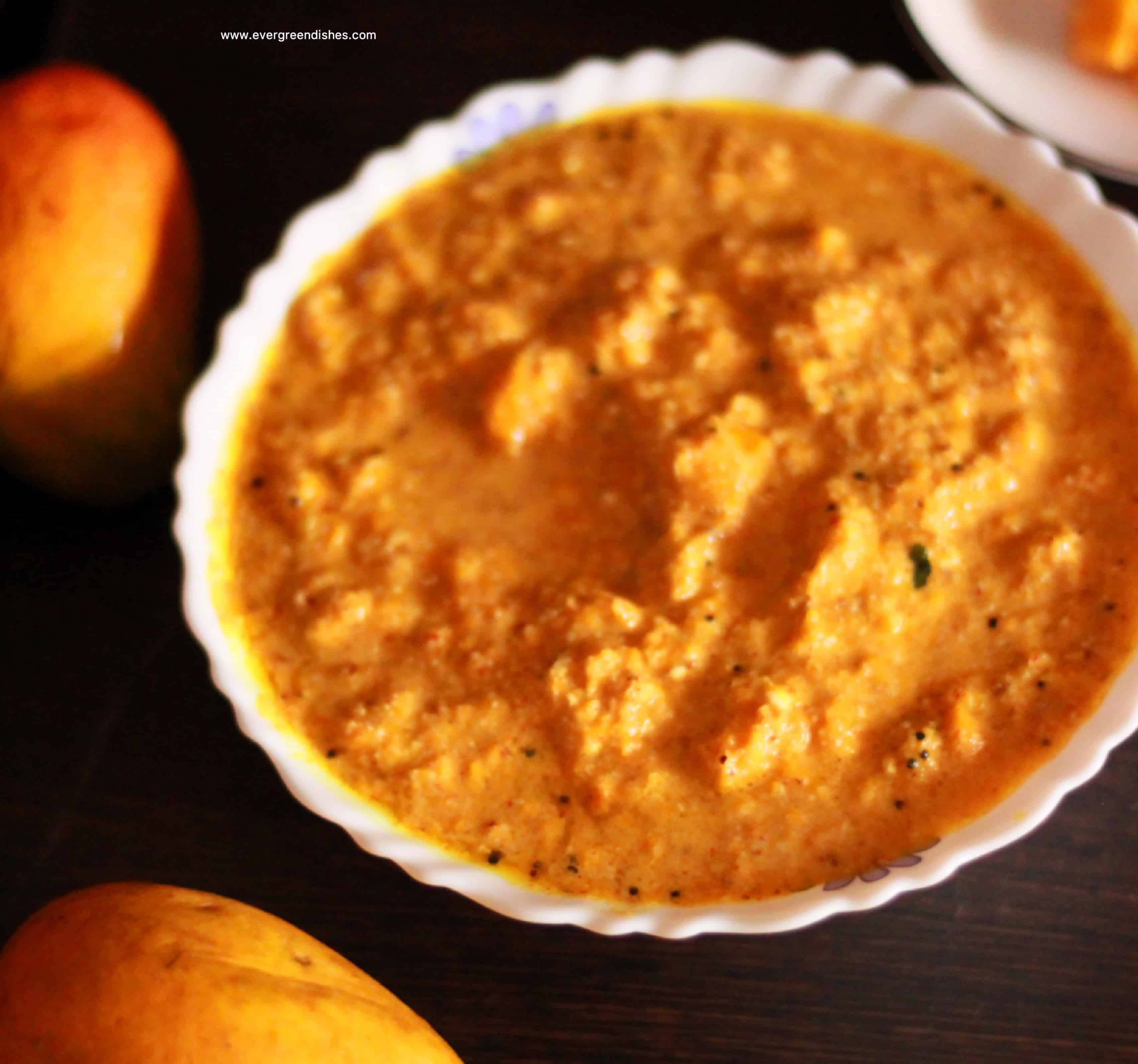
    It’s raining mangoes, the best thing about summer is this fruit. Days would be dreadful thinking only about the heat. Coming to the recipe, I have another mango dish from Kerala cuisine, Mambazha Pulissery, such a delicious curry, we did really relish this one.

    Mambazha Pulissery or mango yoghurt curry is a popular dish from the Kerala cuisine. Pulissery is prepared with other veggies too but this one is uber delicious and part of the Sadya that is prepared during Onam. (more…)