Tag: vegan recipes

  • Lilva Kachori | Fresh Tuvar Kachori

    Lilva Kachori | Fresh Tuvar Kachori

    Jump to RecipePrint Recipe

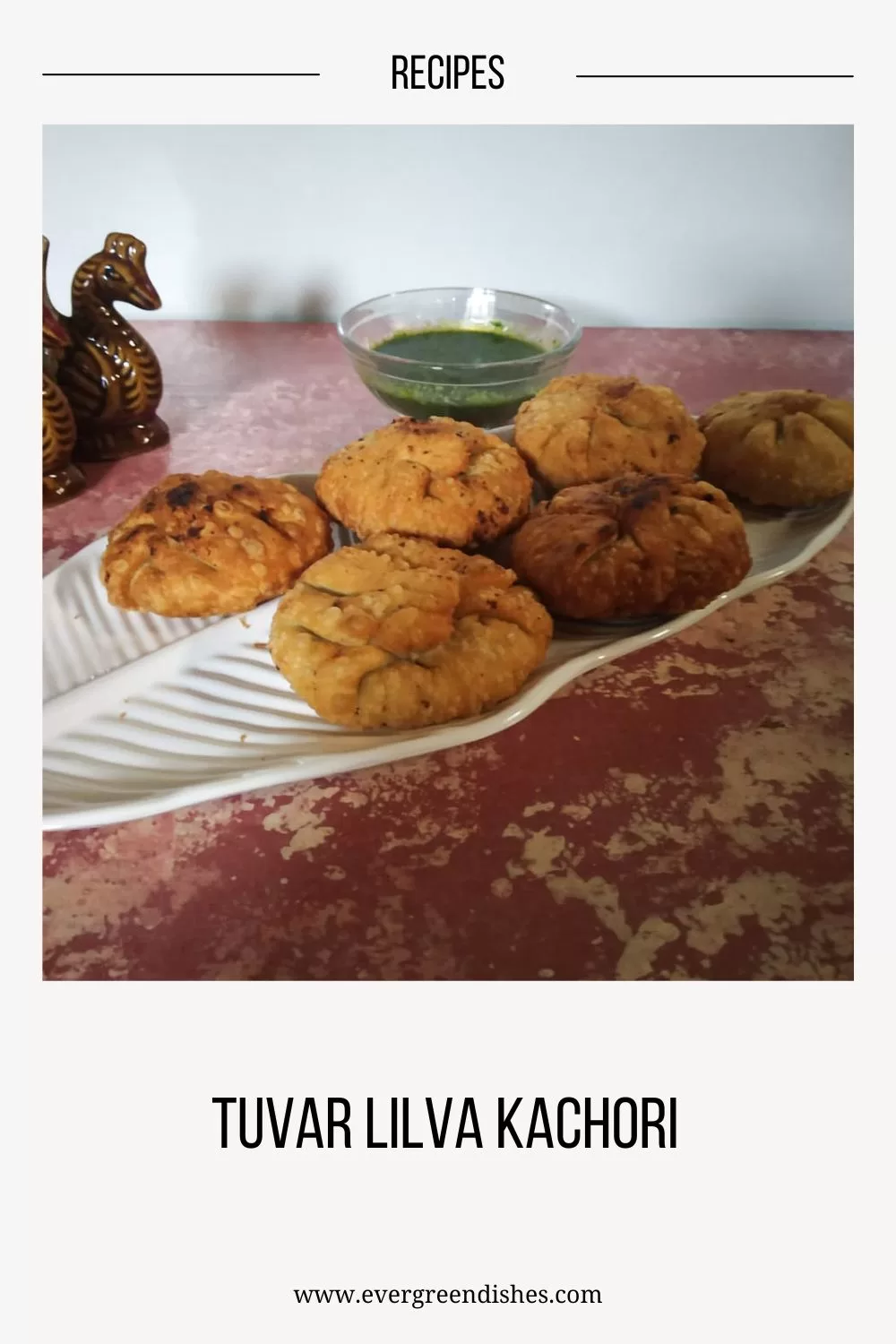
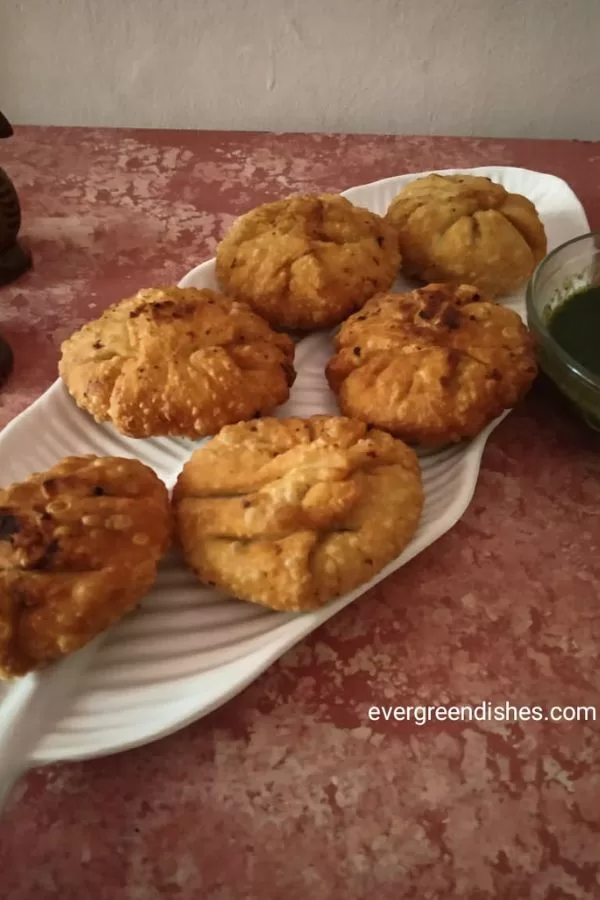
    Tuvar Lilva Kachori is a tasty winter snack from Indian sub-continent. It makes use of fresh pigeon peas which is a seasonal produce. 

    Kachori is a popular snack from Indian sub-continent. Round shaped, crispy and flaky on the outside, it has a tasty filling inside. The filling is varied as moong dal or any other. Every state has it own version of kachori. . Here is the one made with fresh pigeon peas. Green pea is also used, thus it makes use of the fresh winter produce. 

    Tuvar lilva or Pigeon pea is abundantly available in pods. Indian sub-continent, Africa and Central America are the top three regions producing pigeon pea. India alone grows 63% of the totl produce. It is the fresh produce of legume which we use to make dal. It  is used to make stir fry and curries. Today, I am sharing a snack, tuvar lilva kachorii. It is called  as togare kalu in kannada, kandi ginjalu in telugu, dinger in Punjabi, lilva in Gujarati,  tomara payu in malyalam. in Hindi it is called as arhar while in Assamese and Bengali, it is called as Arahar. ( source : Wikipedia

    What is kachori ?

    Kachori is a round shaped, flaky, fried snack from Indian sub-continent. It is medley of flavours with the different spices used in it. 

    What is  lilva kachori ?

     Lilva is the Gujarati name for fresh pigeon pea. Fresh pigeon peas are abundantly used in Gujarati cuisine. These kachoris are relished and often made as a snack, thus it called as lilva kachori. 

    Can I make it only using  pigeon peas? 

    Yes, you can make it with  pigeon peas. Since, it is a winter produce, I like to use a combination of green peas and pigeon peas. Alternatively, you can also use boiled potato. It is important to balance the flavours of sweet, spicy and tartness in it. Do not skip on those ingredients. 


    tuvar lilva kachori

    Tuvar Lilva Kachori Recipe : 

    Ingredients :

    For the filling : 

    • 1 cup fresh pigeon peas
    • 1 cup green peas
    • 5 green chilli
    • 1 inch ginger
    • handful of coriander
    • salt
    • 1/4 teaspoon cumin
    • 1/4 teaspoon asafoetida
    • 1/4 teaspoon turmeric powder
    • 1/2 teaspoon sugar
    • 1/2 lemon juice

    For the covering :

    • 1.5 cup maida
    • 4 tablespoon oil
    • 1/2 teaspoon salt
    • little water for mixing

    Other ingredients :

    • oil for frying
    • flour for dusting :


    Method : 

    To make the filling :

    1. Soak fresh pigeon peas and green peas for sometime.
    2. Drain, wipe and griind to a coarse paste.
    3. Grind green chilli and ginger to a paste.
    4. Take oil in a pan, add cumin. Put asafoetida, turmeric powder and green chilli paste. Saute it for sometime.
    5. Now, put the ground tuvar pasteto it.Saute for five minutes. 
    6. Add salt, coriander and lemon juice. Mix well.
    7. Allow to cool.
    8. Make balls of the dough and also of the filling.

    To make the dough : 

    1. Take maida in a bowl.
    2. Add oil and salt to it. Rub it thoroughly with the fingers.
    3. Put water in small quantities and make a stiff dough.
    4. Keep the dough covered with a thin muslin cloth. 

    To make kachoris :

    1. Make small balls of the filling.
    2. Make small balls  of the dough and keep  it covered.
    3. Take a ball from the covered sheet, roll it into a four inch circle. 
    4. Put the filling in the centre. Seal the edges by making it pleat like. Gently press the ball between palms.
    5. Heat oil in a wok.
    6. Once it is hot, deep fry on a low to medium flame to a golden colour. Repeat for the rest of the dough. 
    7. Serve it with green chutney and tomato ketchup.


    Related Recipes : 

    I like to use fresh pigeon peas in my cooking. I usually, make Tuvar and Capsicum Curry, it is tasty and pairs well with chapathi. You can also use it to make a simple sir fry with fresh grated coconut. Here is the other recipe with tuvar lilva

    About the event : 

    Sending this to Vegan Dishes for the month of January in Shhh Secretly Cooking Challenge group. The theme was suggested by Radha Rajagopalan.  Here, we are paired as partners. The partners exchange two secret ingredients to cook, prepare the dish as per the theme and later the ingredients are guessed by other members in the group. It is a fun group where we interact  and learn more about different cuisines. 

    My partner was Radha Rajagopalan. She gave me fresh pigeon pea and salt as the secret ingredients and I have made Tuvar Lilva Kachori. She has made Vegan Kofta Curry with the bay leaf and garam masala which I had given. Do take a look at the delicious curry. 


    Tuvar Lilva Kachori

    5 from 10 votes
    Tuvar Lilva Kachori is a snack made with fresh pigeon pea and green peas. It is tasty and makes a good snack to serve with tea.
    Course: evening snacks

    Ingredients
      

    • 1 cup fresh pigeon peas
    • 1 cup green peas
    • 5 green chilli
    • 1 inch ginger
    • handful of coriander
    • salt
    • 1/4 teaspoon cumin
    • 1/4 teaspoon asafoetida
    • 1/4 teaspoon turmeric powder
    • 1/2 teaspoon sugar
    • 1/2 lemon juice
    • For the covering :
    • 1.5 cup maida
    • 4 tablespoon oil
    • 1/2 teaspoon salt
    • little water for mixing
    • Other ingredients :

    Method
     

    1. To make the filling :
    2. Soak fresh pigeon peas and green peas for sometime.
    3. Drain, wipe and griind to a coarse paste.
    4. Grind green chilli and ginger to a paste.
    5. Take oil in a pan, add cumin. Put asafoetida, turmeric powder and green chilli paste. Saute it for sometime.
    6. Now, put the ground tuvar pasteto it.Saute for five minutes.
    7. Add salt, coriander and lemon juice. Mix well.
    8. Allow to cool.
    9. Make balls of the dough and also of the filling.
    10. To make the dough :
    11. Take maida in a bowl.
    12. Add oil and salt to it. Rub it thoroughly with the fingers.
    13. Put water in small quantities and make a stiff dough.
    14. Keep the dough covered with a thin muslin cloth.
    15. To make kachoris :
    16. Make small balls of the filling.
    17. Make small balls  of the dough and keep  it covered.
    18. Take a ball from the covered sheet, roll it into a four inch circle.
    19. Put the filling in the centre. Seal the edges by making it pleat like. Gently press the ball between palms.
    20. Heat oil in a wok.
    21. Once it is hot, deep fry on a low to medium flame to a golden colour.
    22. Serve it with green chutney and tomato ketchup.
    23. Take a tip :
    24. You can shape them as round balls also.

    Notes

    You can shape them as round balls also. 

    Pin it for later : 

    tuvar lilva kachori
    tuvar lilva kachori

    If you  make Tuvar Lilva Kachori recipe, take a picture and share it by tagging @foodiejayashree on Instagram and @evergreendishes on Facebook.  Subscribe to get all updates and an e-book for free. Until next time, happy cooking ! 

    shhh cooking secretly

  • Menthe Gojju | Sprouted Fenugreek Curry

    Menthe Gojju | Sprouted Fenugreek Curry

    Jump to Recipe 

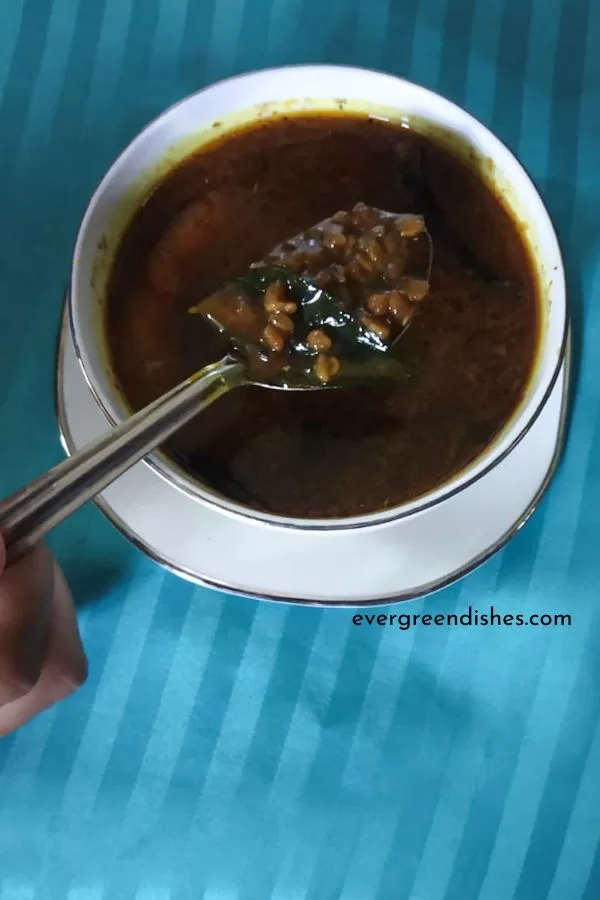
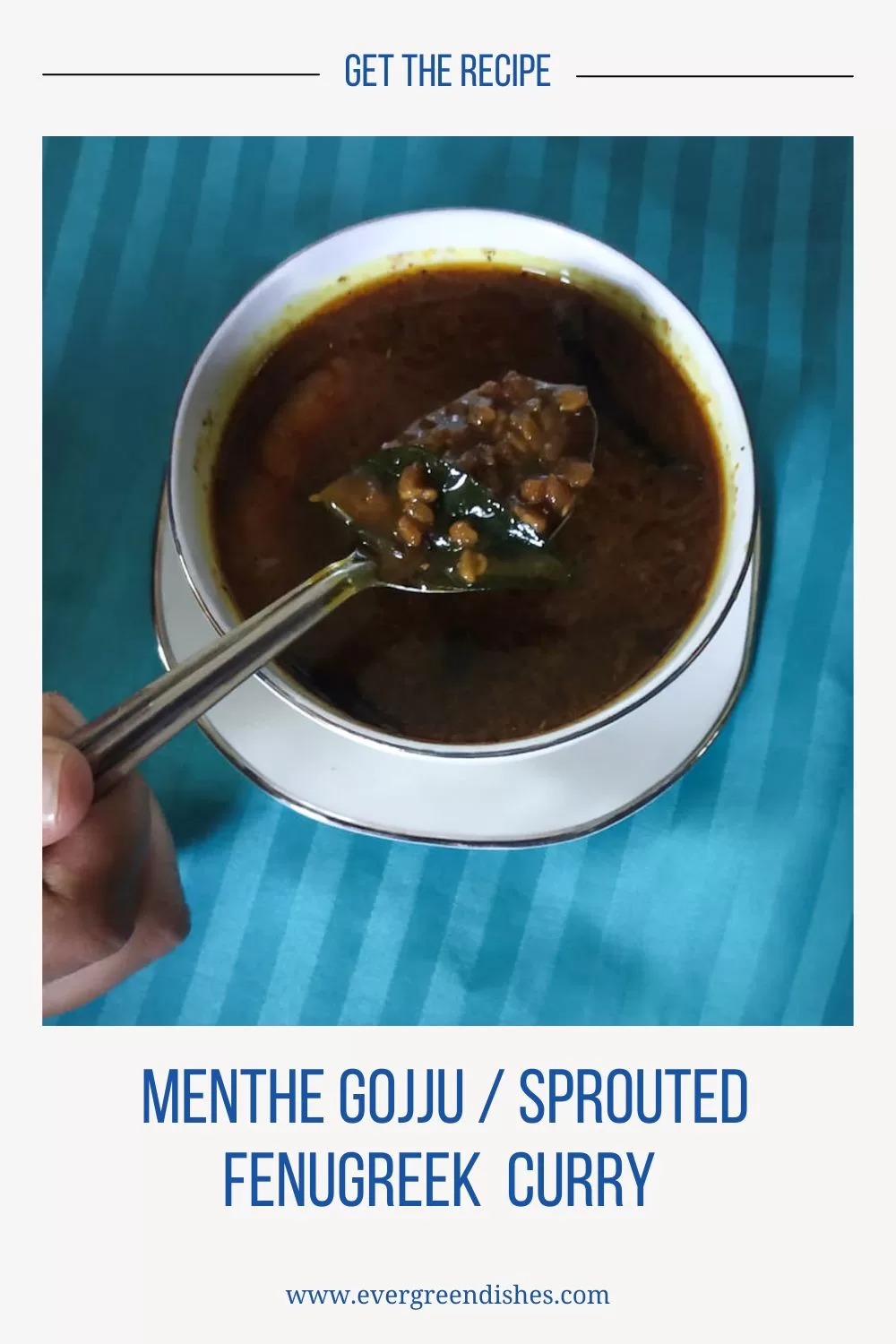
    Menthe Gojju / Sprouted Fenugreek Curry is a tasty side dish from Karrnataka. It makes a good accompaniment with hot steamed rice. You can pair it with chapathi, idli and dosa too. 

    Today, I am sharing another side dish which I had scribbled in my diary many years back. Fenugreek is commonly used as a spice in cooking but sometimes as the star ingredient as used here. Do give a try to this recipe and let me know how it was. 

    What is fenugreek ? 

    Fenugreek is a tiny, hard mustard colured seed found in every Indian kitchen. It belongs to the annual plant family, Fabaceae. It is commonly known as menthe in kannada, methi dana in hindi and meti in Telugu. Both the leaves and seeds are used in culinary purposes. Fresh leaves are used in dal, curries and parathhas. The dry fenugreek seeds are dry roasted and used in pickles and spice mix as sambar powder and rasam powder. It is a good  medicine known since ages. 


    Benefits of Fenugreek seeds:

    Fenugreek are tiny, hard, mustard coloured seeds found in every kitchen. it is one of the essential ingredients in most spice mix. Earthy and mildly bitter in taste, it gives a distinctive taste to the dishes. It is packed with nutrients and plays an important role as a medicine. It is rich in iron, manganese, magnesium and fibre. 

    • It aids in digestion. It helps to reduce indigestion, flatulence and upset tummy.
    • Fenugreek seeds helps in reducing the blood sugar levels. 
    • The antioxidants present in fenugreek have anti-inflammatory properties.
    • Regular consumption of soaked methi seeds or dried powder helps in relieving meenstual cramps.
    • Regular consumption helps the level of testosterone and estrogen in men and women respectively.

    Today, I am sharing a South Indian side dish made with sprouted fenugreek seeds. The sprouted seeds blend well by giving a sweet, spicy, tangy and tart taste to the dish.  It makes a good accompaniment with hot. steamed rice. You can also use it with chapathi, phulka, idli or dosa. 

    menthe gojju
    menthe gojju

    A few other related posts which might interest you are : Lemon Gojju, Orange Peel Chutney, 

    How to make sprouted fenugreek seeds ?

    Soak a cup of seeds in water for five to six hours. You can keep it oveernight. In the morning, put the seeds in a colander and after sometime, tie them in a thin muslin and  keep it in a closed container in a warm place for a eight hours. The seeds will sprout depending on the climatic condition. It may take two days during winter.  Using sprouted fenugreek seed, enhances the nutritional quotient and the bitterness of the fenugreek is largely reduced.

    Menthe Gojju / Sprouted Fenugreek Curry 

    Ingredients : 

    • 1/2 cup sprouted methi
    • 2 teaspoon coconut oil
    • 1/4 teaspoon mustard
    • 1/4 teaspoon cumin
    • 2 green chilli
    • 1/4 teaspoon turmeric powder
    • 1/4 teaspoon asafoetida
    • 2 green chilli
    • 1/4 cup water
    • 1 teaspoon tamarind paste
    • 1/2 teaspoon rasam powder
    • 1/2 teaspoon chilli powder
    • 1.5  teaspoon jaggery powder
    • 1/2 teaspoon rice flour
    • 1 tablespoon water

    Method :

    1.  Initially, make the sprouted methi seeds as mentioned above.
    2. Take coconut oil in a pan, add mustard seeds. As it splutters, put cumin, asafoetida, turmeric powder, green chilli and curry leaves.
    3. Put the sprouted methi seeds to it. Sprinkle a little water and allow it to cook for sometime.  It cooks quickly in three /four minutes.
    4. Add tamarind paste, rasam powder, chilly powder, salt and jaggery to it. Put some water (about three-fourth cup) to it
    5. Make a slurry of rice flour with a little water. Put it to the dish. It helps in giving a good consistency to the dish. 
    6. Allow it to cook for two minutes.
    7. Menthe Gojju is ready to serve.

    Take a tip:

    • Tamarind pulp can be used here. Soak a lemon sized ball of tamarind i water for ten minutes. Extract the pulp and use it.
    • You can use any other variety of oil. 
    Print Recipe

    Menthe Gojju

    5 from 6 votes
    Menthe Gojju / Sprouted Fenugreek Curry is a flavoursome side dish from South India. It pairs well with hot, steamed rice. It is spicy, sweet, tangy and tart.
    Course: Side Dish
    Cuisine: south india

    Ingredients
      

    • 1/2 cup sprouted methi
    • 2 teaspoon coconut oil
    • 1/4 teaspoon mustard
    • 1/4 teaspoon cumin
    • 2 green chilli
    • 1/4 teaspoon turmeric powder
    • 1/4 teaspoon asafoetida
    • 2 green chilli
    • 1/4 cup water
    • 1 teaspoon tamarind paste
    • 1/2 teaspoon rasam powder
    • 1/2 teaspoon chilli powder
    • 1.5 teaspoon jaggery powder
    • 1/2 teaspoon rice flour
    • 1 tablespoon water

    Method
     

    1. Initially, make the sprouted methi seeds as mentioned above.
    2. Take coconut oil in a pan, add mustard seeds. As it splutters, put cumin, asafoetida, turmeric powder, green chilli and curry leaves.
    3. Put the sprouted methi seeds to it. Sprinkle a little water and allow it to cook for sometime.  It cooks quickly in three /four minutes.
    4. Add tamarind paste, rasam powder, chilly powder, salt and jaggery to it. Put some water (about three-fourth cup) to it
    5. Make a slurry of rice flour with a little water. Put it to the dish. It helps in giving a good consistency to the dish.
    6. Allow it to cook for two minutes.
    7. Menthe Gojju is ready to serve.

    Notes

    Tamarind pulp can be used here. Soak a lemon sized ball of tamarind i water for ten minutes. Extract the pulp and use it.

    Pin it for later : 

    menthe gojju
    A bowl of menthe gojju made with sprouted fenugreek seeds

    If you ever make Menthe Gojju, do take a picture and tag @foodiejayashree on Instagram or @evergreendishes on Facebook. Subscribe to get all updates and an e-book for free in your inbox ! 

  • Ragi Chakli | Finger millet Chakli

    Ragi Chakli | Finger millet Chakli

    Jump to Recipe Print Recipe

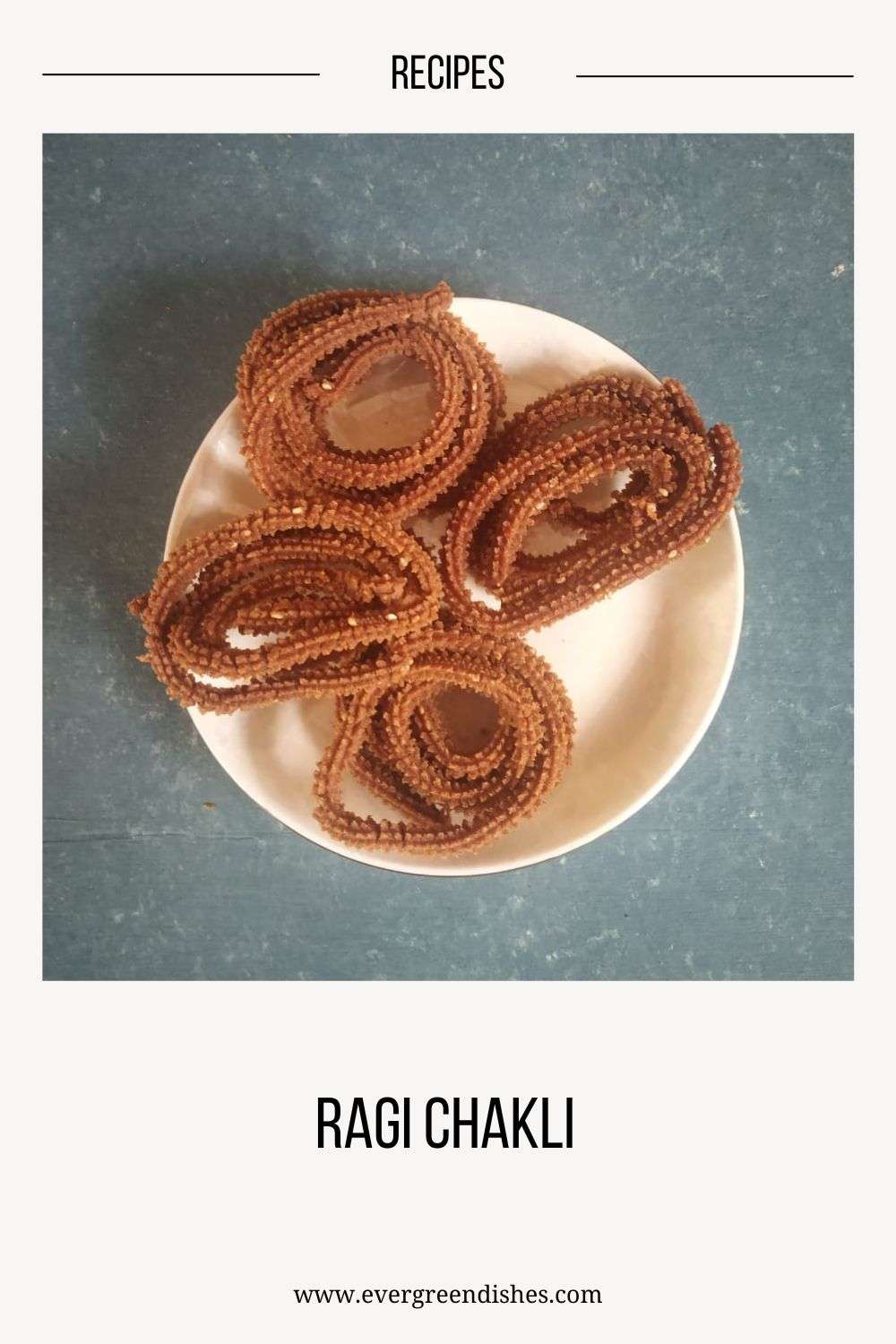
    Ragi Chakli is a twist to the usual chakli we often prepare. It is tasty and makes a good snack to munch.

    Chakli makes a good snack to have with a cup of tea. During holidays, children love to binge on snacks. Moreover, festive season calls for celebrations with sweets and savoury snacks.

    I have shared various kind of savoury snacks earlier. Butter Murukku, Split gram murukkunippattu are some of the popular south indian snacks. I have also shared a variety of sev recipes : Besan Sev, Palak Sev and Ratlami Sev. If you are looking for something different, try the mathris, lately they are our favourite snacks.

    The awareness of the many benefits of millets has brought a change in the way we eat and cook. Finger millet or ragi is regularly used to make idli, dosa or halbai. Today, I am sharing finger millet chakli. I have made it a couple of times earlier, but not shared with all of you. Ragi Chakli is tasty and makes a good snack to store in the jar.

    Ragi Chakli Recipe

    Ingredients :

    • 1 cup ragi flour
    • 1/2 cup rice flour
    • 1/4 cup roasted gram flour
    • 1 tablespoon hot oil
    • 1 teaspoon chilli powder
    • 1 teaspoon sesame seed
    • 1 teaspoon chilli powder
    • salt to taste
    • water as required for mixing
    • oil for frying

    Method :

    1. Take ragi flour,  rice flour, gram flour, chilli powder, sesame seed, chilli powder, salt and mix it well.
    2. Heat oil in a pan, add a tablespoon of hot oil to the flour mix and mix it thoroughly with fingers.
    3. Now, add a little water at a time, make a pliable dough. The dough should neither be too hard or smooth.
    4. Heat oil in a pan.
    5. Take a chakli mould, grease it with a little oil. Use the star shaped nozzle to make chakli.
    6. Put a small piece of dough in the oil, if it sizzles and  floats on top, you can continue to fry them.
    7. Put some dough and press a few. You can either press directly or put them on a sheet and slide later into the oil.
    8. Deep fry them on both sides.
    9. Remove them on a tissue paper. Repeat with the rest of the dough.
    10. Once they are completely cool, store them in an air-tight container.

    Take a tip :

    • Use good quality ragi flour.
    • Add water slowly in small quantities. If the dough is smooth, it will absorb lot of oil. If iit is hard, you will not be able to press it properly.
    • Never keep hot, deep fried snacks in closed container. they  becomes soggy. Allow them to cool completely, before you store in an air-tight container.

    Ragi Chakli

    Ragi Chakli is a twist to the usual one we often make at home.

    Ingredients
      

    • 1 cup ragi flour
    • 1/2 cup rice flour
    • 1/4 cup roasted gram flour
    • 1 tablespoon hot oil
    • 1 teaspoon chilli powder
    • 1 teaspoon sesame seed
    • 1 teaspoon chilli powder
    • salt to taste
    • water as required for mixing
    • oil for frying

    Method
     

    1. Take ragi flour,  rice flour, gram flour , chilli powder, sesame seed, chilli powder, salt and mix it well.
    2. Add butter and give a good mix by rubbing it between fingers.
    3. Add a little water at a time, make a pliable dough. The dough should neither be too hard or smooth.
    4. Heat oil in a pan.
    5. Take a chakli mould, grease it with a little oil. Put some dough and press a few. You can either press directly or put them on a sheet and slide later into the oil.
    6. Deep fry them on both sides.
    7. Remove them on a tissue paper. Repeat with the rest of the dough.
    8. Once they are completely cool, store them in an air-tight container.

    Happy Diwali everyone! May the festival of lights bring immense joy, peace and happiness. If you ever make Ragi Chakli recipe, take a picture and share it on Facebook or Instagram by tagging @evergreendishes and @foodiejayashree  respectively. I will be happy to see your creation and share it further.

    Subscribe to get all updates and an e-book for free.

    Pin it for later :

    ragi chakli
    Ragi Chakli


  • Ajwain Leaf Rasam | Doddapatre Saaru

    Ajwain Leaf Rasam | Doddapatre Saaru

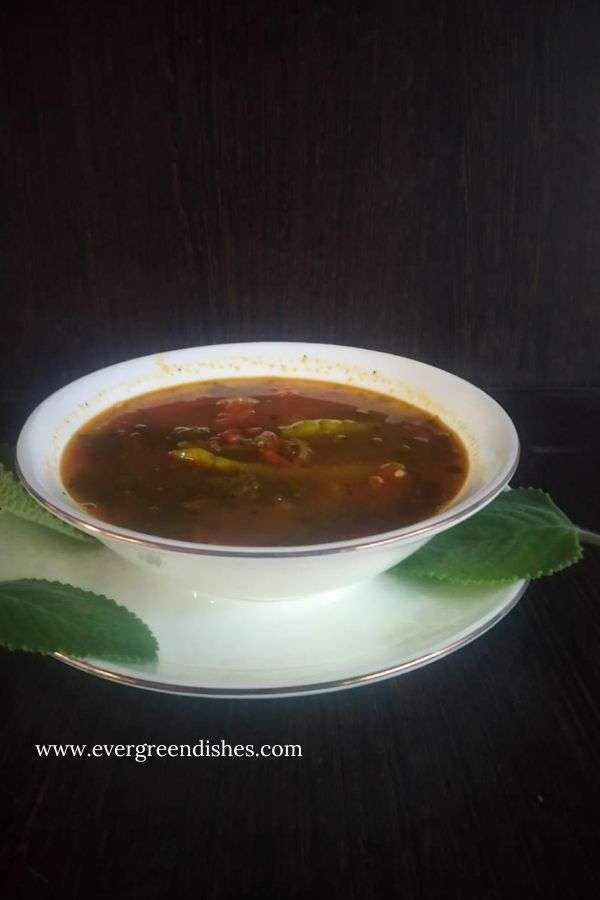
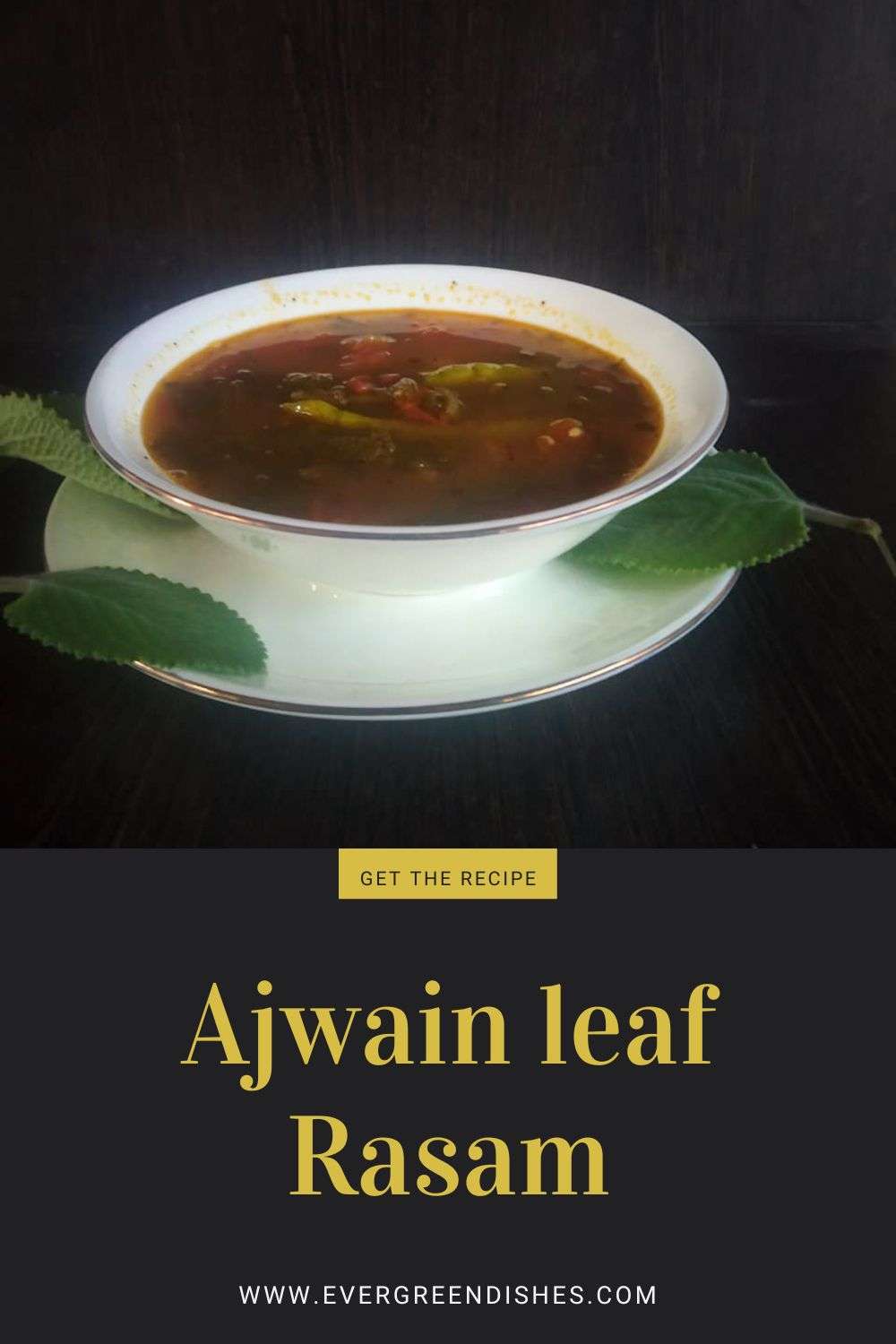
    Ajwain leaf rasam is a comfort and easy to make rasam. It is ideal as a soup too.

    The ajwain leaf is a good source of nutrients. It is known as Ajwain ( Hindi), Karpuravalli ( Tamil), Vamu aaka (Telgu), Panikoora ( Malyalam) and Ova (Marathi) are the other names in regional languages.  I have shared ajwain tambli recipe earlier. It can also be used to make pakodas. You can use it in smoothies and green juice too.

    Doddapatre rasam is simple, no lentil rasam, ready in ten minutes. 

    About the Ajwain leaf plant :

    Ajwain leaf plant is  a small, erect, perennial plant. It is bright green in colour, broad and smooth in texture. The stem is green and soft. it tilts down with the weight of the leaves. It is known as Indian borage. The scientific name is ‘Plecatanthus Ambonicus’.  It can be easily grown in an 8-12 inch pot with a good soil. It grows well in shade and partial sunlight.

    The taste of the leaf is similar to ajwain but with a sharp mint like pepperiness. The aroma is combination of oregano and thyme. The plant is in no way related  to the ajwain seeds we use as a herb in cooking. They have the aroma of ajwain or carom seeds and hence the name. In Kannada, it is commonly called as  ‘saveer sambar soppu’, which literally tanslates to ‘thousand utility leaf’. It can be used in rasam, chutney, dips and pakodas. It may be used in juices along with mint leaves.

    Ajwain leaf concoction is a good medicine for soar throat. Chewing an ajwain leaf helps to keep gas, bloating and  ulcers at bay. It aids in digestion when consumed with black salt. It is widely used as a combination in Homeopathic medicines. 

    aj

    Ajwain Leaf Rasam | Doddapatre Saaru


    Ingredients:

    • 2 teaspoon oil
    • 1/2 teaspoon mustard
    • 1/2 teaspoon cumin
    • 1/4 teaspoon asafoetida
    • 1/4 teaspoon turmeric powder
    • 2 green chilli
    • 1 sprig curry leaves
    • 1 inch ginger
    • 3 tomato
    • 20 ajwain leaves
    • salt to taste
    • amla size of tamarind
    • 1/2 teaspoon jaggery
    • 1/2 teaspoon pepper powder
    • 2.5 cups water

      Method:


      1. Wash the ajwain leaves, cut or tear them into small pieces.
      2. Soak tamarind in water.
      3. Cut tomato and keep it aside.
      4. Take oil in a pan, add the mustard seeds. As it crackles, put cumin, asafoetida and turmeric powder. Grate the ginger in it and throw the curry leaves and green chill. Add tomato along with a little salt. Sprinkle a little water, it helps to cook them evenly. Give a stir.
      5. Add the ajwain leaves.
      6. Extract the tamarind pulp.
      7. Put the tamarind juice, jaggery and pepper powder to it.
      8. Let cook for sometime.
      9. Add water to it.
      10. Allow it to cook for sometime.
      11. Serve it hot with steamed rice.
    ajwain leaf rasam
    Evergreendishesdev

    Ajwain Leaf Rasam

    Ajwain leaf rasam is a flavoursome, easy to make rasam. It can be served as a soup too.
    Prep Time 10 minutes
    Course: lunch
    Cuisine: karnataka

    Ingredients
      

    • 2 teaspoon oil
    • 1/2 teaspoon mustard
    • 1/2 teaspoon cumin
    • 1/4 teaspoon asafoetida
    • 1/4 teaspoon turmeric powder
    • 2 green chilli
    • 1 sprig curry leaves
    • 1 inch ginger
    • 3 to mato
    • 20 ajwain leaves
    • salt to taste
    • amla size of tamarind
    • 1/2 teaspoon jaggery
    • 1/2 teaspoon pepper powder
    • 2.5 cups water

    Equipment

    • pan, ladle, 2 small bowl

    Method
     

    1. Wash the ajwain leaves, cut or tear them into small pieces.
    2. Soak tamarind in water.
    3. Cut tomato and keep it aside.
    4. Take oil in a pan, add the mustard seeds. As it crackles, put cumin, asafoetida and turmeric powder. Grate the ginger in it and throw the curry leaves and green chill. Add tomato along with a little salt. Sprinkle a little water, it helps to cook them evenly. Give a stir.
    5. Add the ajwain leaves.
    6. Extract the tamarind pulp.
    7. Put the tamarind juice, jaggery and pepper powder to it.
    8. Let cook for sometime.
    9. Add water to it.
    10. Allow it to cook for sometime.
    11. Serve it hot with steamed rice.

    If you ever make Ajwain Leaf Rasam recipe, take a picture and share it on Facebook or Twitter by tagging @evergreendishes and @evergreendishes . I will be happy to see your creation and share it further. 

    Subscribe to get all updates and an e-book for free. 

    Pin it for later : 

    ajwain leaf rasam

  • Bengali Mixed Vegetable Dry Sabzi

    Bengali Mixed Vegetable Dry Sabzi

    Jump to Recipe Print Recipe

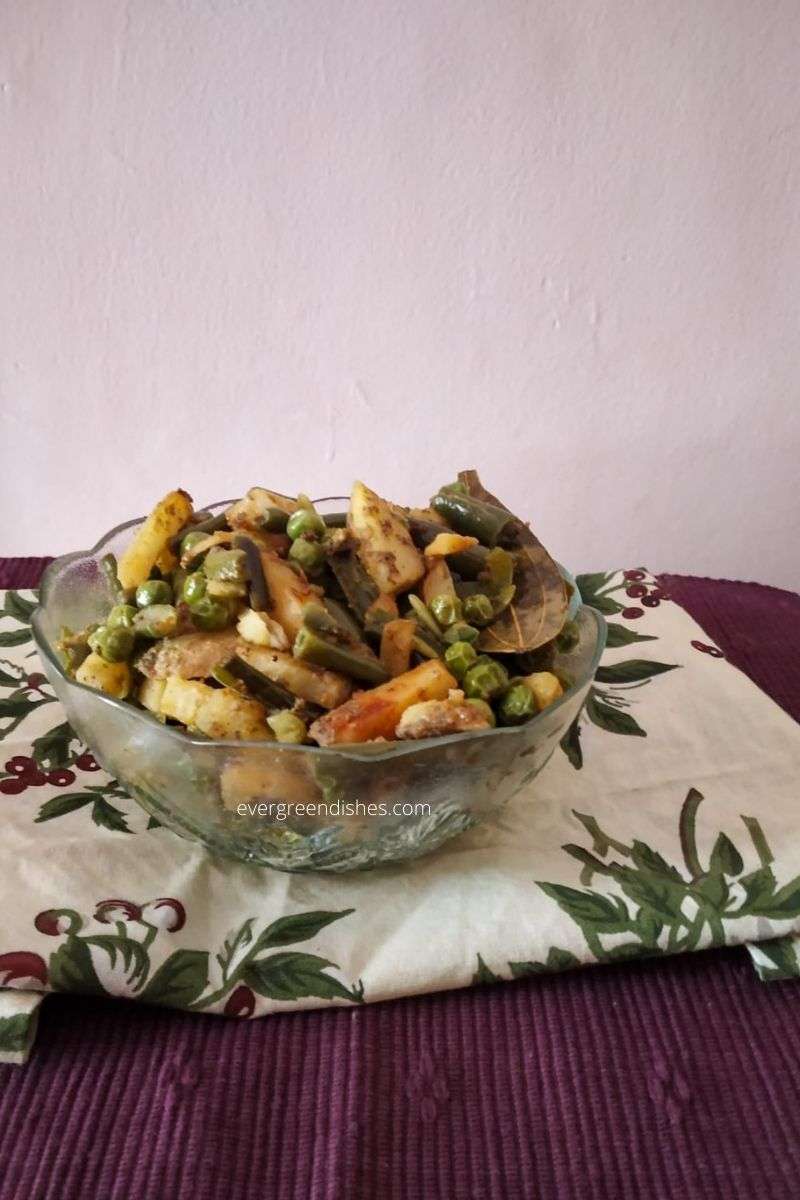
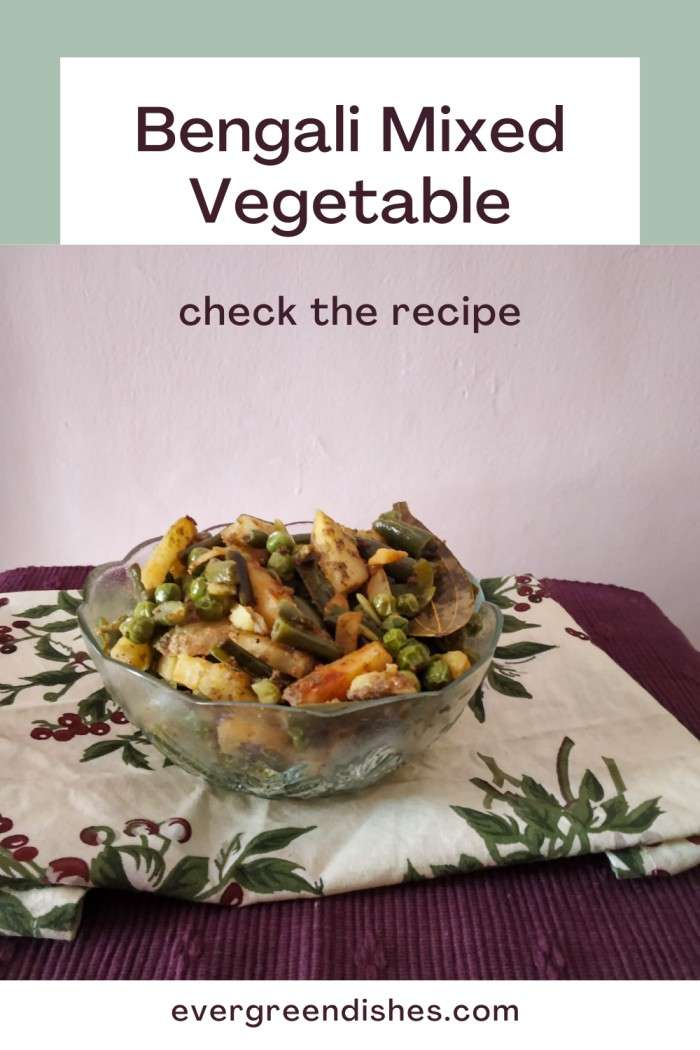
    Bengali Mixed Vegetable Sabzi is flavoursome, tasty, aromatic and easy to prepare. It pairs well with chapathi or phulka.

    It’s been a regular feature these days, I end up making this sabzi but not able to post it here. It is flavoursome and the aroma of the spices is enchantingly good. Panchphoran is used in Bengali cuisine. It makes use of five spices. The good thing about this stir fry is any kind of vegetable can be used. You can use cauliflower, pumpkin, brinjal or cabbage too. Make sure you use the right combination of vegetables. 

    The other sabzi or stir-fry I commonly make at home are Dal Makhani, Alu Palak Dry Sabzi, Corn Palak, Palak Kofta Curry to name a few. 

    What is Panch Phoran? 

    Panch Phoran / Panch Putana  is a blend of five seeds originating from South-east Asia. It is used in dal, sabzi, chutney and many other dishes. It is one of the essentials in Bengali cuisine. It is also used in cuisine of Bangladesh, Nepal and other North Eastern states of India.  Cumin, Fennel, Mustard, Fenugreek and Nigella are used in equal quantities here. Every region has their own variation of the spice mix. This spice mix is usually used as whole spice mix either by roasting or just mixing them together. 

    What is Nigella seed? 

    Nigella seed or Kalonji is commonly  known as black cumin. The scientific name of it is Nigella sativa. It has many medicinal properties. The tincture prepared from it is used in indigestion, diarrohea, amenorrhea and treatment of worms.

    It is worth mentioning here that nigella is neither onion seed nor fennel seed. 

    Why should you make this stir fry?

    • easy to prepare
    • it is aromatic, fennel gives a good aroma to it.
    • flavoursome 
    • a good way to sneak in different vegetables
    • it is also a good way to use the leftover vegetables
    • vegan
    Bengali Mixed Vegetable

    Here is the Bengali Mixed Vegetable Recipe:

    • 2 tablespoon oil
    • 1-2 bay leaf
    • 4 green chilli
    • 1/4 teaspoon turmeric powder
    • asafoetida
    • panchphoran mix ( ingredients given below)
    • 2 cup beans
    • 1 capsicum
    • 2 potato
    • 1 cup green pea
    • salt
    • 1/2 teaspoon chilli powder


    For the panch phoran mix:

    1/2 teaspoon mustard
    1/2 teaspoon fenugreek
    1/2 teaspoon nigella
    1/2 teaspoon fennel
    1/2 teaspoon cumin

    Method:

    To make the panch phoran mix:
    Dry roast the ingredients for two minutes. Once it cools, grind it.

    To make the sabzi;
    Cut the vegetable into one inch long thin pieces. If the peas are frozen, put them in water.
    Take oil in a pan, add bay leaf, break the chilli into two and throw it. Add asafoetida and turmeric powder. Now, put the panch phoran mix into it.
    Add the vegetables depending on their cooking timee. First, put the beans, a little later put the potato pieces, capsicum and lastly the green peas. Gently stir and allow to cook for sometime. Sprinkle salt. You can cover it with a plate with some water on it. This facilitates even cooking.
    When it is done, sprinkle a little chilli powder and remove from flame.


    Take a tip:

    • Other vegetables as cauliflower, brinjal and pumpkin may be used.


      A few other recipes shared earlier from Bengali cuisine are Chaler Payesh, Aloo Chat 


    Evergreendishesdev

    Bengali Mixed Vegetable

    Mixed Vegetable is a medley of vegetables cooked together in a spice mix. It is flavoursome and makes a good side dish.
    Prep Time 10 minutes
    Cook Time 15 minutes
    Total Time 25 minutes
    Servings: 6 people
    Course: dry sabzi, lunch ideas
    Cuisine: Bengali

    Ingredients
      

    • 2 teaspoon oil
    • 1-2 bay leaf
    • 4 green chilli
    • 1/4 teaspoon turmeric powder
    • asafoetida
    • panchphoran mix ingredients given below
    • 2 cup beans
    • 1 capsicum
    • 2 potato
    • 1 cup green pea
    • salt
    • 1/2 teaspoon chilli powder
    For the panch phoran mix:
    • 1/2 teaspoon mustard
    • 1/2 teaspoon fenugreek
    • 1/2 teaspoon nigella
    • 1/2 teaspoon fennel
    • 1/2 teaspoon cumin

    Equipment

    • 1 pan
    • 1 ladle
    • 5 bowls
    • 1 lid cover

    Method
     

    To make the panch phoran mix:
    1. Dry roast the ingredients for two minutes. Once it cools, grind it.
    To make the sabzi;
    1. Cut the vegetable into one inch long thin pieces. If the peas are frozen, put them in water.
    2. Take oil in a pan, add bay leaf, break the chilli into two and throw it. Add asafoetida and turmeric powder. Now, put the panch phoran mix into it.
    3. Add the vegetables depending on their cooking timee. First, put the beans, a little later put the potato pieces, capsicum and lastly the green peas. Gently stir and allow to cook for sometime. Sprinkle salt. You can cover it with a plate with some water on it. This facilitates even cooking.
    4. When it is done, sprinkle a little chilli powder and remove from flame.

    Notes

    Other vegetables as brinjal, pumpkin, cauliflower and cabbage may be used.


    Bengali Mixed Vegetable

    If you ever make Bengali Mixed Vegetable recipe, take a picture and tag @foodiejayashree on Instagram or @evergreendishes on Facebook. Subscribe to get all updates in your inbox and an e-book for free! 

  • Quinoa Upma | How to make quinoa upma

    Quinoa Upma | How to make quinoa upma

    Jump to Recipe Print Recipe

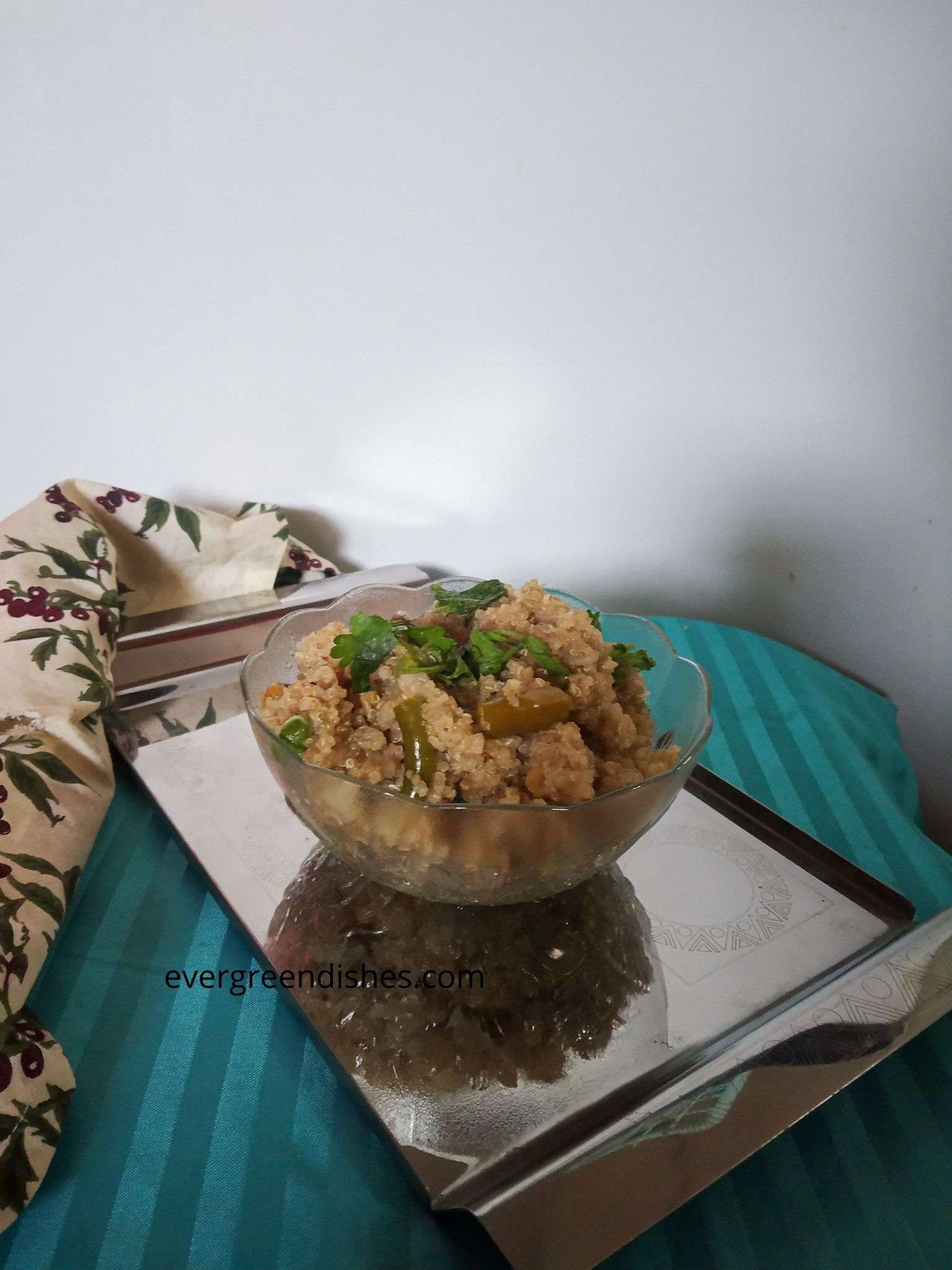
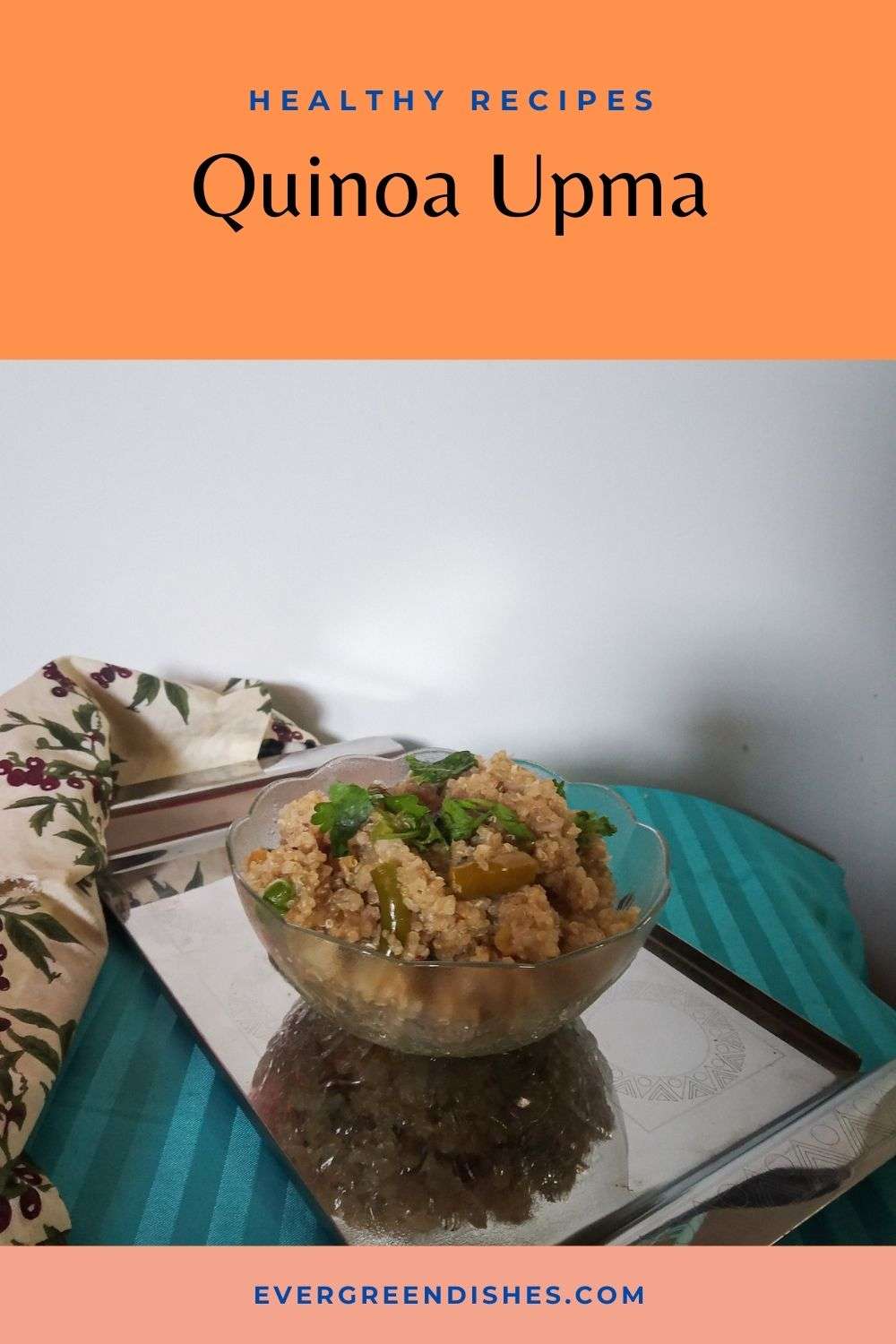
    Quinoa Upma is a healthy, hearty breakfast ready in thirty minutes. It is ideal for people of all ages. 

    Quinoa is a little grain packed with nutrients. It is one of the food we regularly consume these days. Initially, we did not like it much,  but now, we do enjoy. The numerous benefits and the rich source of proteins makes it an ideal diet for all vegetarians. It is vegan, gluten-free and good alternative for health conscious people. 

    Quinoa Upma
    quinoa upma

    What is quinoa? 

    Quinoa (pronounced as Kinwa or kinuwa) is a flowering plant of Amaranth family. It is technically a seed but classified as a grain. It is a pseudo cereal grown since 5000 years. It is a good source of nutrition for people following animal diet. It is also used as a substitute to rice by many people. 

    What does quinoa contain? 

    Quinoa is a rich source of protein.  It also contains manganese, iron, folate, magnesium along with anti-oxidants. It is also a good source of fiber. 1 cup of cooked quinoa provides 222 calories and  contains 8 grams of protein,  39 grams of carbohydrates, 5 grams of fiber and 6 grams of fat. (Source: Everyday Health) It helps to keep hunger at bay for a long time. 

    How is quinoa cooked ?

    Quinoa should be washed a couple of time  to remove saponin. It is a bitter coating which gives a good covering for the grain. Put the rinsed quinoa and water in the ratio of 1:2 and simmer it for ten to fifteen minutes. It should be well cooked, cover it with a lid while cooking. 

    How is it used ?

    It is versatile to use. It can be used in salads or as a filling  with a few other vegetables. One can also use it to make dosa and idli.  The versatility makes it even more interesting for us to use it.  Watch out this space for more quinoa recipes.

    Quinoa Upma
    quinoa upma

    What recipe are you sharing today and the event related ? 

    Archana, from The Mad Scientist Kitchen has given the theme as Seeds to Cook  in the Shhh Cooking Secretly Challenge. Archana has many recipes on her blog. She has made a winter treat with edible gum. It is the right season to have  Kachaya Dinka Chi Pud. Here we are paired and secret ingredients are shared to guess later by other members in the group.  I decided to make Quinoa Upma. My partner for this month was Poonam Bachchav and she gave me bengal gram and lemon as the secret ingredients accordingly. Poonam wanted to make a mouth freshener and I have given black salt and sesame seed as the secret ingredients. I would love to make this this Flaxseed Mukhwas soon. 


    shhh cooking secretly


    Quinoa Upma Recipe 

    Ingredients:

    • 2 teaspoon oil
    • 1/2 teaspoon mustard seed
    • a pinch of asafoetida
    • 3 green chilli
    • 1 onion
    • 1/4 cup green pea
    • 1 cup quinoa
    • salt to taste
    • sugar
    • 1/2 lemon
    • coriander for garnishing

      Method:
      1. Wash the quinoa by rinsing a couple of times to remove saponins. Keep it aside.
      2. Take oil in a pan, add mustard seed, as they splutter put asafoetida and green chilli. After a minute, put onion to it. Saute it
      3. Add green peas to it. Let them cook for sometime.
      4. Put the rinsed quinoa to it. Add two cups of water to it with salt and a dash of sugar.
      5. Let it cook for sometime. After sometime, cover with a lid and let it cook evenly.Finally, when the water is absorbed and it is well cooked, add lemon juice and garnish with fresh coriander leaves. Serve hot.

    Take a tip:

    • You can use other vegetables as beans and carrot. Chop them finely and put them in the seasoning.
    • Tomatoes too can be added. I have kept it simple with onion and green peas.
    • Alternatively, you can skip onion if you wish.
    • Instead of green chilli, you can add a little sambar and chilli powder. It also tastes good. 
    • To make it gluten-free, avoid asafoetida or using gluten -free asafoetida.
    Quinoa Upma
    quinoa upma
    Quinoa Upma

    Quinoa Upma

    5 from 12 votes
    Quinoa Upma is a healthy, easy to make and tasty breakfast. It is ready in thirty minutes.

    Ingredients
      

    • 2 teaspoon oil
    • 1/2 teaspoon mustard seed
    • a pinch of asafoetida
    • 3 green chilli
    • 1 onion
    • 1/4 cup green pea
    • 1 cup quinoa
    • salt to taste
    • sugar
    • 1/2 lemon
    • coriander for garnishing

    Equipment

    • bowl, pan, ladle

    Method
     

    1. Wash the quinoa by rinsing a couple of times to remove saponins. Keep it aside.
    2. Take oil in a pan, add mustard seed, as they splutter put asafoetida and green chilli. After a minute, put onion to it. Saute it
    3. Add green peas to it. Let them cook for sometime.
    4. Put the rinsed quinoa to it. Add two cups of water to it with salt and a dash of sugar.
    5. Let it cook for sometime. After sometime, cover with a lid and let it cook evenly.
    6. Finally, when the water is absorbed and it is well cooked, add lemon juice and garnish with fresh coriander leaves. Serve hot.

    Notes

    • You can use other vegetables as beans and carrot. Chop them finely and put them in the seasoning.
    • Tomatoes too can be added. I have kept it simple with onion and green peas.
    • Alternatively, you can skip onion if you wish.
    • Instead of green chilli, you can add a little sambar and chilli powder. It also tastes good. 
    • To make it gluten-free, avoid asafoetida or using gluten -free asafoetida.
     
    Quinoa Upma is a healthy, tasty and easy to make breakfast. It is ready in thirty minutes.
    Quinoa Upma

    If you ever make Quinoa Upma recipe, do take a picture and share by tagging @foodiejayashree on Instagram or @evergreendishes on Facebook. Subscribe to get all updates and an e-book for free ! 

  • Brinjal Stir Fry | Badanekayi Palya

    Brinjal Stir Fry | Badanekayi Palya

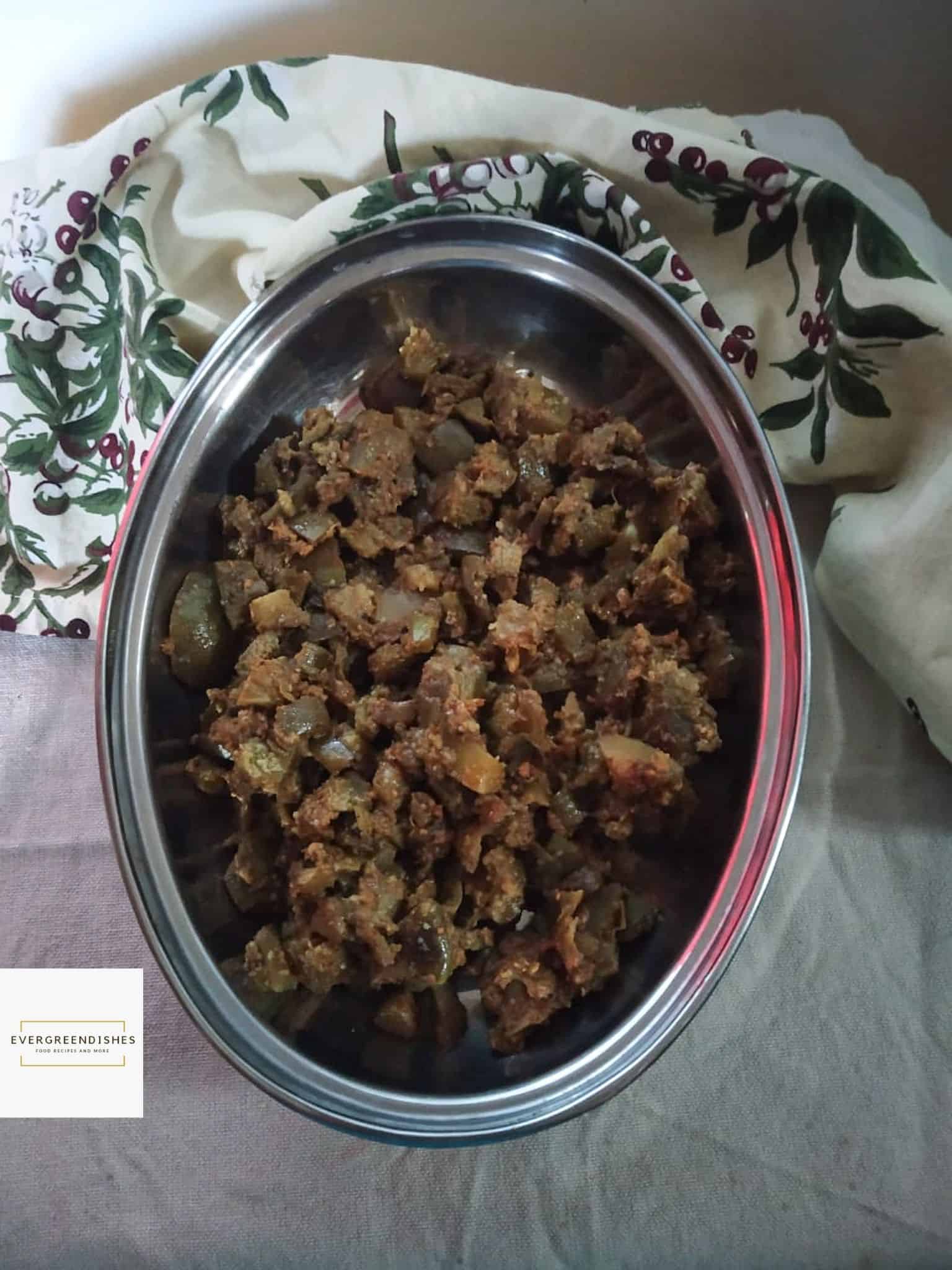
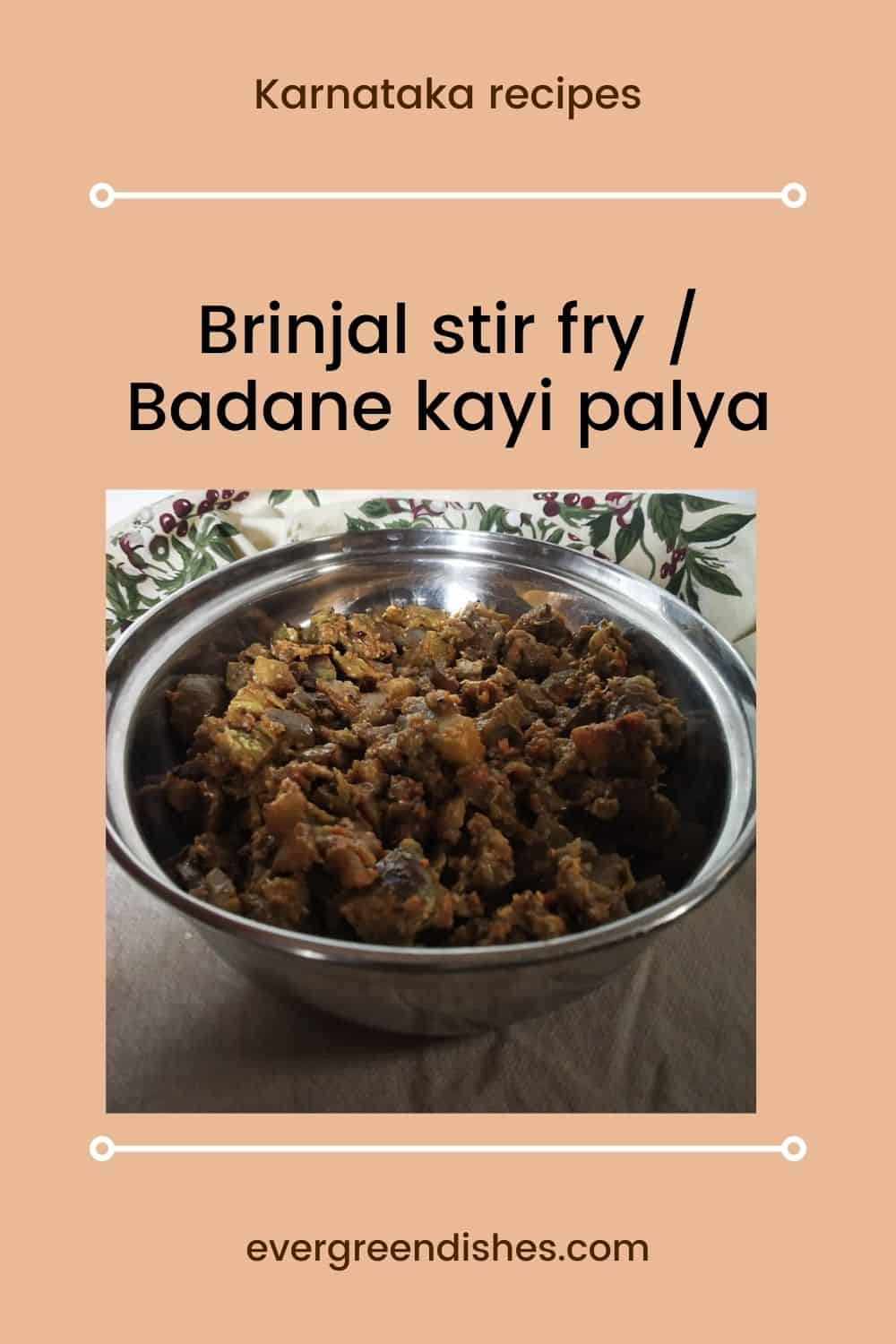
    Brinjal Stir Fry / Badanekayi palya  is a simple, vegan stir fry with a spice mix from Karnataka. The roasted spice mix lends a good taste to it. It is ideal to serve with chapati or jowar roti.

    Fresh vegetables are available in winter and brinjal is one of them. In Kannada it is called as badanekayi, baingan in Hindi and Gujarati, Kathirikai in Tamil, Vankaya in Telugu and Begun in Bengali. It is more popular as egg plant in England and aubergine in Germany and  France.

    Not everyone likes the taste of brinjal. But most people, who tend to like it are greats fans of this vegetable. It is versatile to use and stir fry and raita are quite common dishes. Sometimes, it is also added in Sambar. Vangi Bhat is a popular rice dish from Maharashtra.

    Sadly, I have not shared any recipe using brinjal. So, today I thought of posting this stir fry recipe which we regularly prepare at home.  Makar Sankranti is round the corner. The day prior is celebrated as Bhogi. It is a harvest festival and all fresh grown grains and vegetables are used. Sajje rotti and brinjal stir fry are usually prepared in most households of Karnataka.  The other dishes on the platter  are Khara pongal and gojju.

    Brinjal comes in different varieties. The medium sized purple and light green coloured brinjals  are the ones I regularly use. Here, I have used the green variety, they are tender and cook very well. The spice mix is usually available at home. You can make a small quantity and use it for the stir fry.

    Brinjal strir fry / Badane kayi palya
    Brinjal Stir fry / badane kayoi palya is a simple and tasty side dish from Karnataka. It makes a good accompaniment with any meal.

    Let’s get to the recipe of Brinjal Stir Fry | Badanekayi Palya

    Ingredients:

    • 2 tablespoon oil
    • 1/2 teaspoon mustard
    • 1/4 teaspoon asafoetida
    • 1/4 teaspoon turmeric powder
    • 1/2 kilogram brinjal
    • salt
    • a little water
    • 3 teaspoon vegetable spice mix
    • 1/2 teaspoon chilli powder (optional)

    Method:

    1. Cut the brinjal into small pieces. Put them in water to avoid discolouration.
    2. Take oil in a pan, add mustard seeds. As it crackles, tip in turmeric powder an asafoetida. Discard the water and put the brinjal pieces to it.
    3. Put salt and sprinkle some water to it. Close a lid and allow it to cook. Give a stir in between.
    4. Once the brinjal is cooked, give a stir and mash it lightly with the ladle.
    5. Put the spice powder to it. Depending on the taste, use chilli powder.
    6. Let cook for a minute.
    7. Remove and serve with hot chapati or phulka. Brinjal Stir Fry is also used with hot steamed rice.

    Take a tip:

    • The spice mix stays good for two months. Store it in an air-tight container.
    • You can use the spice mix in other dishes as well.

    Brinjal strir fry / Badane kayi palya
    Evergreendishesdev

    Brinjal Stir Fry / Badane kayi palya

    5 from 11 votes
    Brinjal stir fry / Badane kayi palya is a simple, tasty side dish. It is ideal to serve with any meal.
    Prep Time 10 minutes
    Cook Time 15 minutes
    Total Time 25 minutes
    Course: dinner, lunch
    Cuisine: karnataka

    Ingredients
      

    • 2 tablespoon oil
    • 1/2 teaspoon mustard
    • 1/4 teaspoon asafoetida
    • 1/4 teaspoon turmeric powder
    • 1/2 kilogram brinjal
    • salt
    • a little water
    • 3 teaspoon vegetable spice mix
    • 1/2 teaspoon chilli powder optional

    Method
     

    1. Cut the brinjal into small pieces. Put them in water to avoid discolouration.
    2. Take oil in a pan, add mustard seeds. As it crackles, tip in turmeric powder an asafoetida. Discard the water and put the brinjal pieces to it.
    3. Put salt and sprinkle some water to it. Close a lid and allow it to cook. Give a stir in between.
    4. Once the brinjal is cooked, give a stir and mash it lightly with the ladle.
    5. Put the spice powder to it. Depending on the taste, use chilli powder.
    6. Let cook for a minute.
    7. Remove and serve with hot chapati or phulka. Brinjal Stir Fry is also used with hot steamed rice.

    Notes

    Cut the vegtable into small pieces.
    Allow to cook with a lid closed over it.
    Spice mix can be freshly made. Check the recipe.

    Pin it for later :

    Brinjal Stir fry is a tasty side dish from Karnataka. It is usually made along with sajje roti.
    Brinjal Stir Fry / Badane kayi palya


    If you ever make this recipe,  do take a picture and tag @foodiejayashree on Instagram or @evergreendishes on Facebook or Twitter. I will be glad to see your creation and share it further.   

    Subscribe to get all updates and an e-book for free. Check out my e-books on Amazon.  Happy Cooking !

  • Watermelon Rind and Potato stir fry

    Watermelon Rind and Potato stir fry

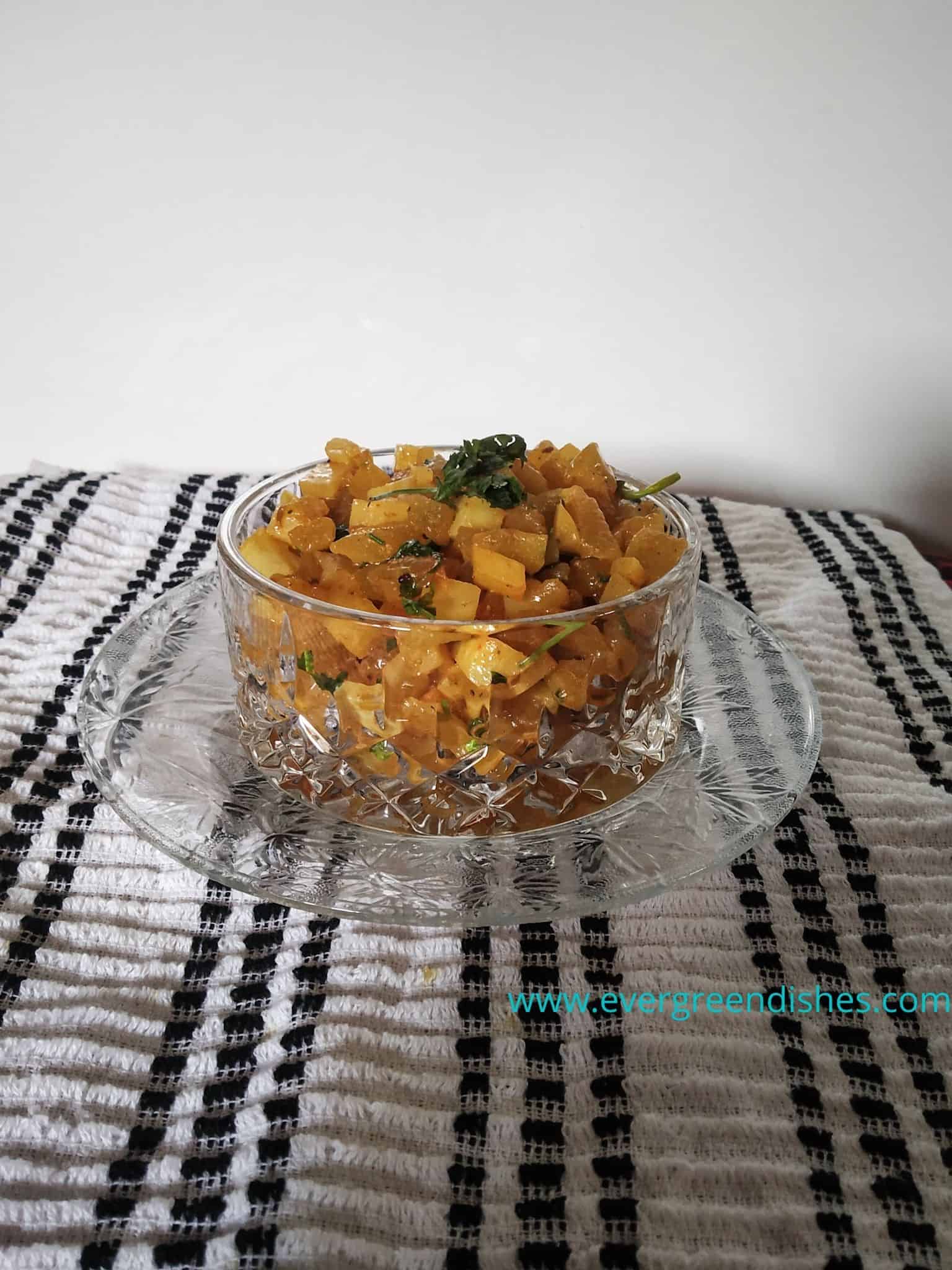
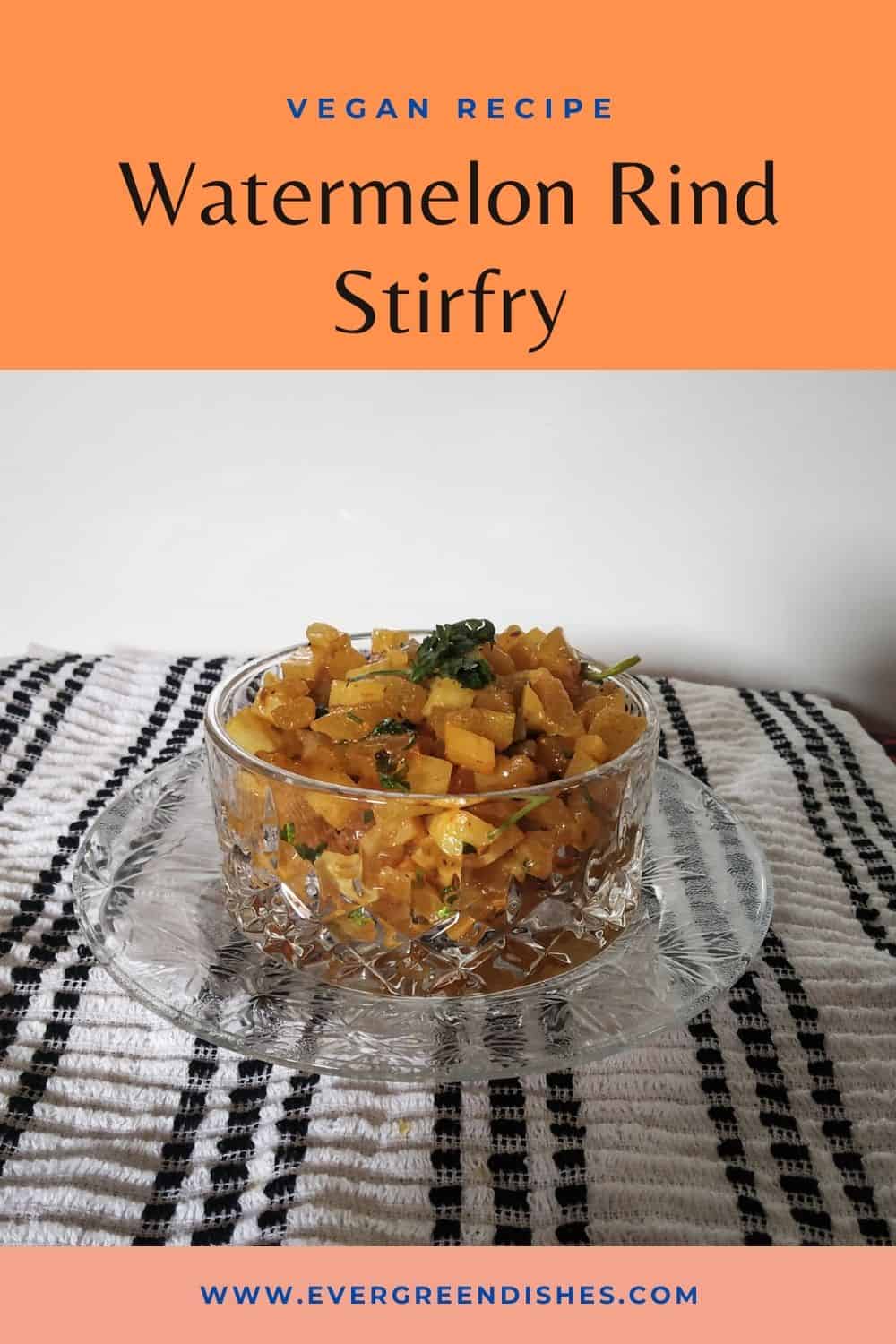
    Watermelon rind and Potato Stir Fry is a simple yet delicious side dish. It is a good way to use the rind which is usually discarded. It pairs well with chapathi or phulka. One can also serve it with rice and sambar. 

    I have earlier shared the benefits of watermelon rind. In my eagerness to use the rind, I made this stir fry and it was liked at home. I have mixed it with potato pieces. Cut the rind and potato in similar fashion. Here, I peeled the skin of potato, usually I avoid doing it. But, I felt the need here. You may use only watermelon rind and cook it.

    The other ways in which you can use the rind are Dosa, Salad and Smoothie. If you have not tried these recipes, do try them. I urge it to try these recipes as the summer is setting soon and most of us bring watermelon. Instead of discarding the rind, you can make use of it. The amount of waste we discard can be put to a better use.


    watermelon rind and potato stir fry
    watermelon rind and potato stir fry

    Let’s get to the recipe of Watermelon Rind and Potato Stir Fry

    Ingredients: 

    • 2 teaspoon oil
    • 1/2 teaspoon cumin
    • a pinch of asafoetida
    • 2 green chilli
    • 1 cup potato pieces
    • 1 cup watermelon rind pieces
    • salt to taste
    • 1/2 teaspoon turmeric powder
    • 1/2 teaspoon coriander seed powder
    • 1/2 teaspoon chilly powder
    • 1/4 teaspoon garam masala powder
    • coriander for garnishing

      Method:

      1. Cut the watermelon rind into small cubes.
      2. Peel the potato, cut it similarly and put it in a bowl of water.
      3. Take oil in a pan, add cumin seeds. As it splutters, tip in green chilly. Put the potato pieces and give a stir. After a minute, put the rind pieces to it. Put salt, sprinkle some water and allow to cook.
      4. Once they are tender, add turmeric powder, chilli powder, coriander seed powder and garam masala to it. Cook for two minutes, let the flavours seep in.
      5. Garnish with coriander leaves.
      6. Serve with phulka.

    Take a tip: 

    • Cut them in similar size and shape.
    • You may use only watermelon rind pieces.
    watermelon rind and potato stir fry
    Evergreendishesdev

    Watermelon Rind and Potato Stir Fry

    Watermelon rind and potato stir fry is a simple, tasty side dish. This is a good way to use the rind which is usually discarded.
    Prep Time 10 minutes
    Cook Time 10 minutes
    Total Time 20 minutes
    Course: dinner, lunch ideas
    Cuisine: Indian

    Ingredients
      

    • 2 teaspoon oil
    • 1/2 teaspoon cumin
    • a pinch of asafoetida
    • 2 green chilli
    • 1 cup potato pieces
    • 1 cup watermelon rind pieces
    • salt to taste
    • 1/2 teaspoon turmeric powder
    • 1/2 teaspoon coriander seed powder
    • 1/2 teaspoon chilly powder
    • 1/4 teaspoon garam masala powder
    • coriander for garnishing

    Method
     

    1. Cut the watermelon rind into small cubes.
    2. Peel the potato, cut it similarly and put it in a bowl of water.
    3. Take oil in a pan, add cumin seeds. As it splutters, tip in green chilly. Put the potato pieces and give a stir. After a minute, put the rind pieces to it. Put salt, sprinkle some water and allow to cook.
    4. Once they are tender, add turmeric powder, chilli powder, coriander seed powder and garam masala to it. Cook for two minutes, let the flavours seep in.
    5. Garnish with coriander leaves.
    6. Serve with phulka.

    Notes

    Cut them in similar size and shape.
    You may use only watermelon rind pieces.

    Pin Watermelon rind stir fry to your collection:

    Watermelon rind and potato stir fry is a tasty side dish. It is a good way to use the rind in our daily cooking.
    watermelon rind and potato stir fry


    This is the last post of the year. Thank you for being a part of my journey. Hope to have your continued support in the future too ! Subscribe to get all updates in your inbox and an e-book for free!


  • Homemade Granola on Stovetop

    Homemade Granola on Stovetop

    Jump to Recipe Print Recipe

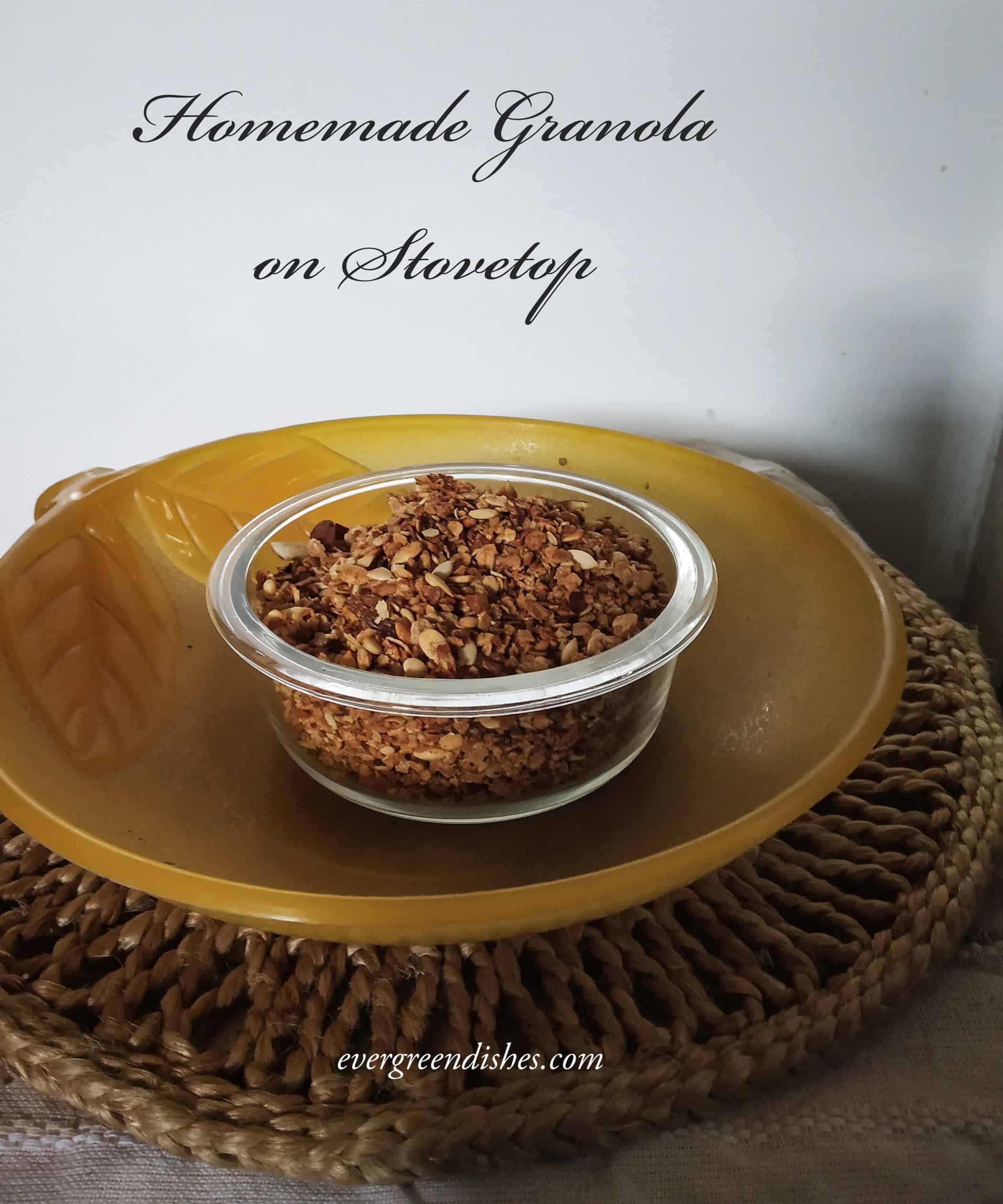
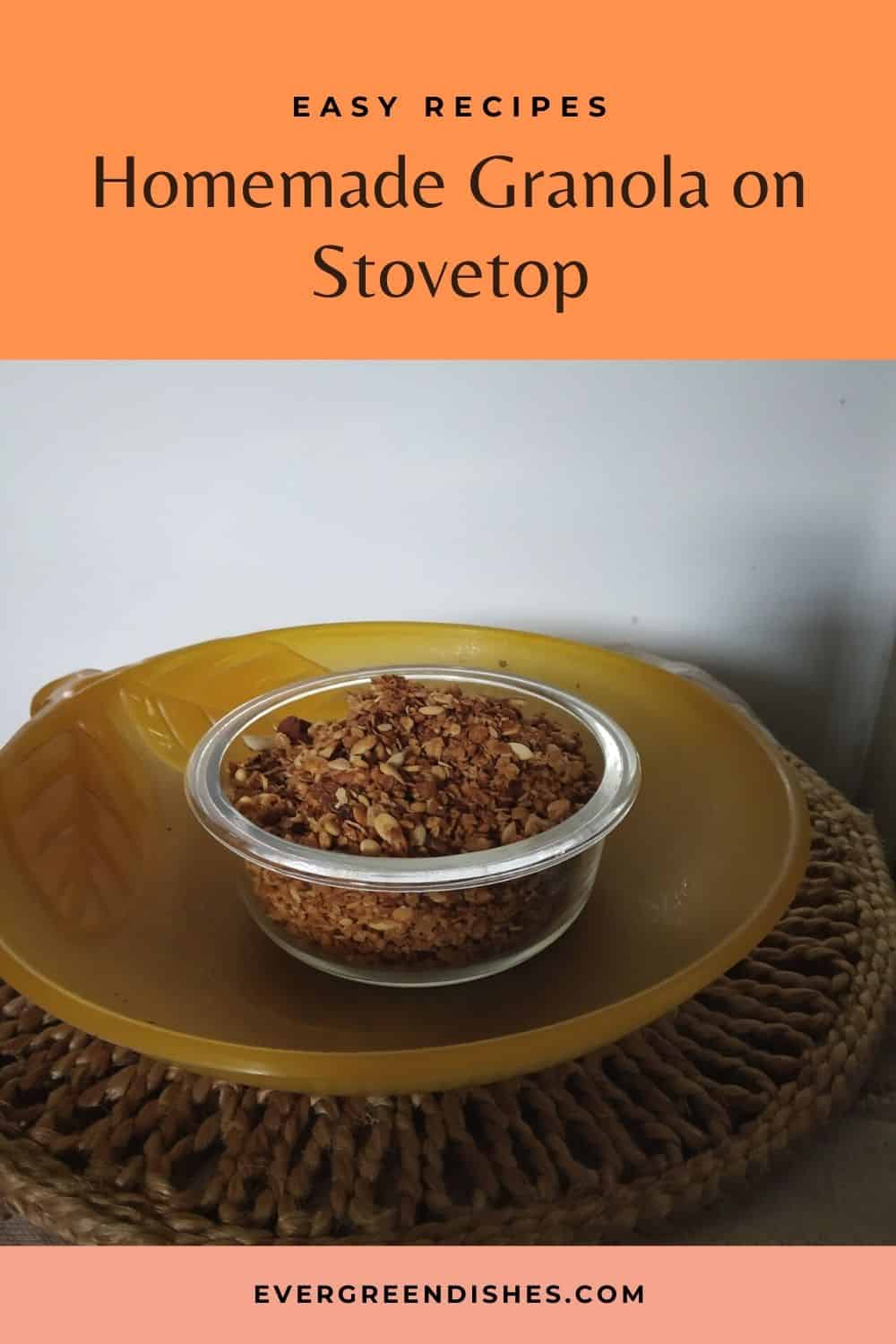
    Granola on stovetop is an easy to make recipe with ingredients easily available at home. It is vegan, gluten-free, soy free snack you can enjoy anytime,  Eat it with milk or yoghurt topped with fruits. 

    Granola can be customised as per one’s  need, use different variety of nuts and dates. I have used almonds, raisins and melon seeds. If you want to make it nut free avoid nuts and substitute with any other ingredient as choco chips, coconut pieces or seeds.  Different sweeteners  may be used as  maple or brown sugar. 

    This homemade granola can be had as it is or with milk or yoghurt and fruit pieces too. It is healthy and filling. Moreover, you are in control of the ingredients that you use.

    This recipe is ideal for those who wish to make on stovetop instead of the oven. You may like to check a few other healthy recipes as muesli bar, oats ladoo, dry fruit ladoo


    homemade granola on stovetop
    homemade granola on stovetop

    Ingredients:

    • 2.5 cup oats ( I prefer using the quick oats)
    • 1/4 cup almonds
    • 1/2 cup melon seeds
    • 4 teaspoon honey
    • 2 teaspoon coconut oil
    • 1/4 cup raisins


    Method: 

    • Cut the almond into slivers.
    • Take a pan, add all the ingredients and roast on a low flame for five minutes.
    • Add the raisins, continue to toss for sometime.
    • Keep tossing in between as it gets burnt easily.
    • Once it is crisp, remove from flame. Keep it aside.
    • Store in an air-tight container.

    Take a tip:

    • I prefer using quick oats.
    • Pecans, walnuts, cashew may be used.
    • You can add dried berries also.
    • Maple syrup or brown sugar may be used. 
    • Keep roasting on a low flame. If you do not toss in between, it will get burnt easily. 
    homemade granola on stovetop
    Evergreendishesdev

    Homemade Granola on Stovetop

    Granola makes a good and easy to serve breakfast or snack option. It can be served with milk or as a topping with fruits or desserts.
    Prep Time 10 minutes
    Cook Time 10 minutes
    Total Time 20 minutes
    Course: Breakfast
    Cuisine: international

    Ingredients
      

    • 2.5 cup oats
    • 1/4 cup almonds
    • 1/2 cup melon seeds
    • 4 teaspoon honey
    • 2 teaspoon coconut oil
    • 1/4 cup raisins

    Method
     

    1. Cut the almond into slivers.
    2. Take a pan, add all the ingredients and roast on a low flame for five minutes.
    3. Add the raisins, continue to toss for sometime.
    4. Keep tossing in between as it gets burnt easily.
    5. Once it is crisp, remove from flame. Keep it aside.
    6. Store in an air-tight container.

    Notes

    • I prefer using quick oats.
    • Pecans, walnuts, cashew may be used.
    • You can add dried berries also.
    • Maple syrup or brown sugar may be used. 
    • Keep roasting on a low flame. If you do not toss in between, it will get burnt easily. 
    Homemade Granola is tasty and healthy.It is easy to make and has no added sugar in it. Give a ty to this version of granola made on stove top.
    homemade granola on stovetop


    If you ever make these  Homemade Granola on Stovetop,  do take a picture and tag @foodiejayashree on Instagram or @evergreendishes on Facebook or Twitter. I will be glad to see your creation and share it further. Let’s be connected, do follow on social media platforms. Until next time, let’s stay connected.  Subscribe to get all updates and an e-book for free. Check out my e-books on Amazon.  Happy Cooking !

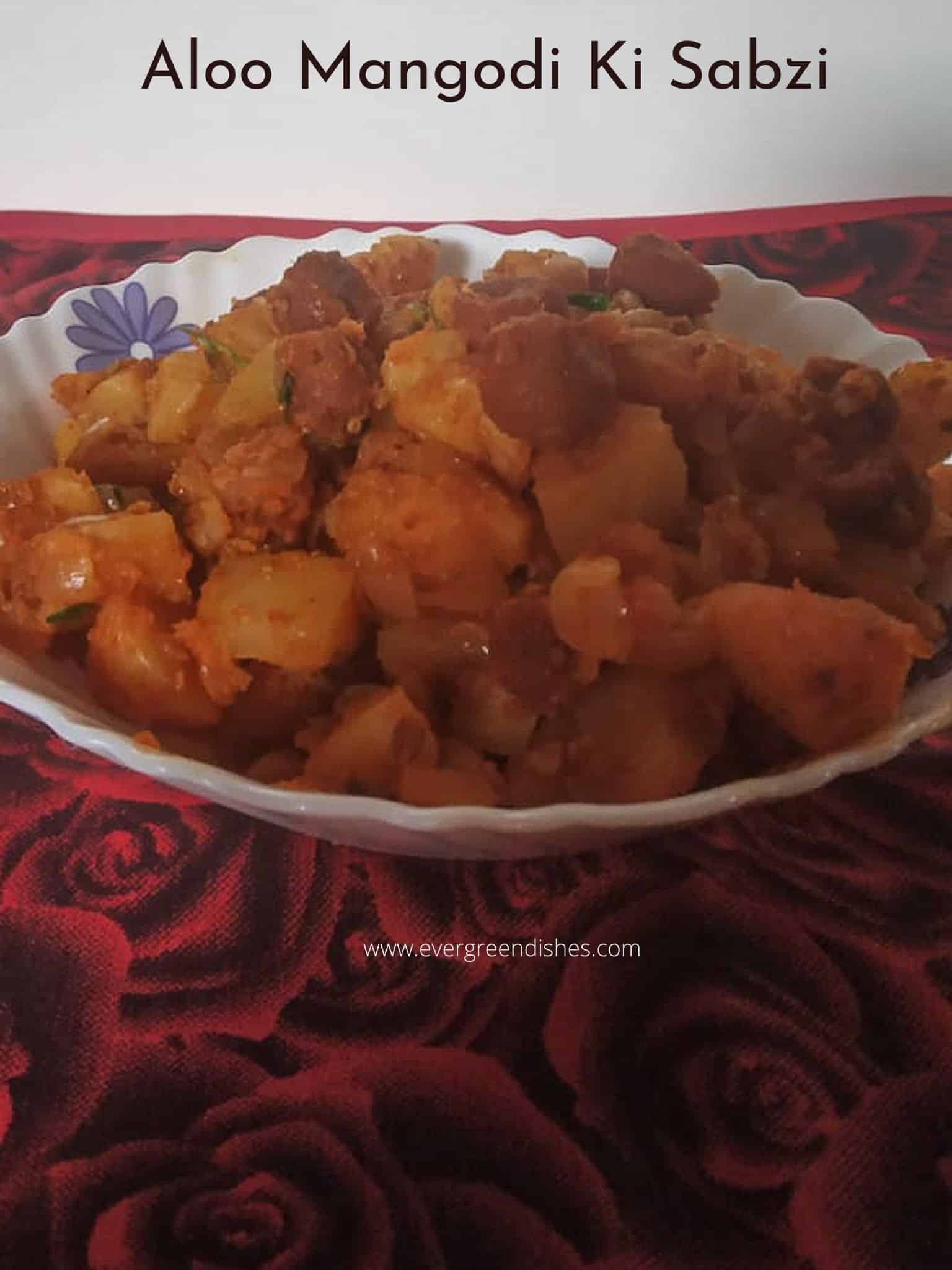
  • Aloo Mangodi Ki Sabzi | Potato and Dried  lentil nuggets stir fry

    Aloo Mangodi Ki Sabzi | Potato and Dried lentil nuggets stir fry

    Jump to Recipe Print Recipe

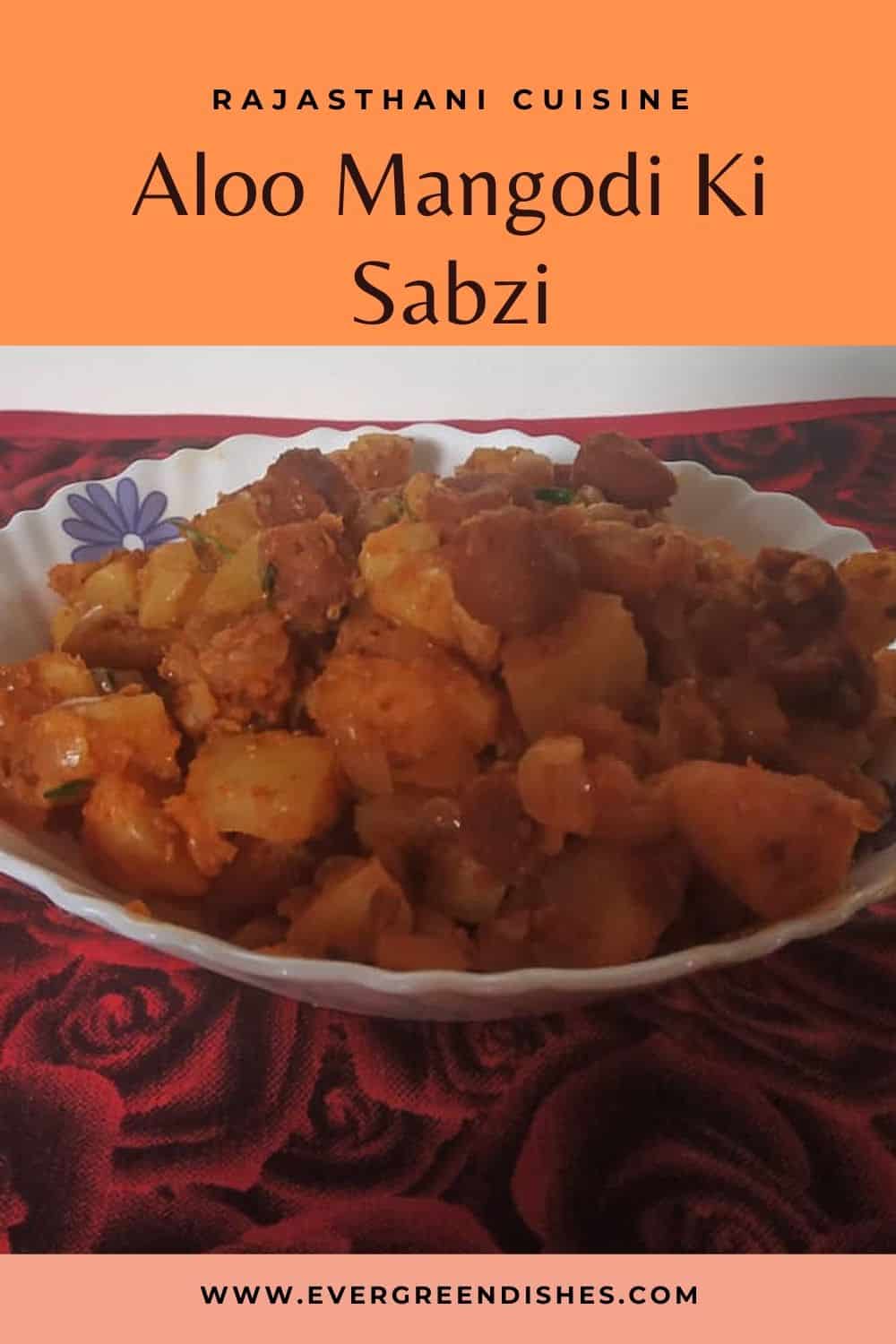
    Aloo Mangodi ki Sabzi is a popular Rajasthani dish. It is ideal to pair with steamed rice or chapati. It is a semi-dry side dish made using dried nuggets and potato. 

    What is Mangodi ?


    Mangodi is a dried lentil nugget used in dry lands of Rajasthan. It is usually made of moong or urad dal. The people of Rajasthan make these and store them at home. They use them regularly in cooking sabzis and other dishes. They make a good replacement when vegetables are not easily available during summer.

    The lentil is soaked for a couple of hours, it is then made into a paste, seasoned with some spices and it is spread on a sheet in the sun for a couple of days. They are stored and used as and when required.

    The first time I had mangodi ki sabzi was  at a Rajasthani city like entertainment place made here. Later, it was during my Jaipur trip I found it commonly in the thali meals.  A few months back, while shopping online, I found these ready made mangodis  and bought a packet of them to try at home.

    How to use Mangodi ?

    Mangodi can be used in stir fry, curries and pulaos. It is ideal to use in curries along with other vegetables. Here, mangodi is fried in oil to a golden colour. Later, it is cooked along with the potato pieces. They may be crushed and added. As the one I have are small in size, I just added them.

    Alu Mangodi Ki
    Alu Mangodu ki sabzi

    What goes in the Aloo Mangodi Sabzi ?

    • Potato : It is one of the the essentials in making the sabzi.
    • Mangodi : Mangodi is available in the super market. It is ideal to store a packet ot it as it is useful when we do not have any vegetables
    • Onion
    • Oil : Any neutral oil is ideal.
    • Ginger garlic paste : It can be made in a small quantity using the small jar.
    • Cumin 
    • Chilli powder: If the chilli powder is too spicy, be mindful while using it.
    • Coriander powder: You can use a good quality one from the market. Store it in a tight container.
    • Salt 

    Can I make mangodi at home?

    Yes, you can make it during the summer time. It is a regular affair in Rajasthan to make it during summer.  Moong dal is soaked overnight. It is then made into a paste with very little water. To the batter, salt is added and well beaten for sometime. It is then put as small droplets on a tray and dried in the sun for two or three days. It is then stored and used as required.


    Print Recipe

    Aloo Mangodi ki Sabji

    Aloo Mangodi ki sabzi is a popular side dish from Rajasthani cuisine.
    Prep Time 15 minutes
    Cook Time 15 minutes
    Total Time 30 minutes
    Course: Breakfast, dinner, lunch
    Cuisine: Indian, rajasthani,

    Ingredients
      

    • 4 potatoes
    • 2 onions
    • 1/2 cup mangodi
    • 2 tablespoon oil
    • 1/2 teaspoon cumin
    • 1/2 teaspoon ginger garlic paste
    • 1 teaspoon chilli powder
    • 1.5 teaspoon coriander powder
    • salt to taste

    Method
     

    1. Wash, peel the skin and cut the potato into cubes.
    2. Cut onions and keep them aside.
    3. Make a paste of ginger and garlic.
    4. Take oil in a pan, add mangodi and shallow fry them Once they are golden in colour, remove and put them aside.
    5. Now, add cumin, as it splutters put onion to it. Saute for a few seconds. Put the ginger garlic paste to it and continue to saute for sometime.
    6. Add potato pieces and fried mangodi pieces to it. Let cook for sometime. You may add salt at this stage.
    7. Once the potato pieces are cooked, add chillo powder and coriander powder to it.
    8. Finally, garnish with coriander leaves .
    9. Aloo Mangodi Sabji is ready to serve.

    Pin it for later:

    Aloo Mangodi ki Sabzi is a popular side dish from Rajasthani cuisine. It is a semi-dry preparation ideal to pair with chapathi.
    Aloo Mangodi ki Sabzi


    If you ever make this Aloo Mangodi ki Sabzi,  do take a picture and tag @foodiejayashree on Instagram or @evergreendishes on Facebook or Twitter. I will be glad to see your creation and share it further. Let’s be connected, do follow on social media platforms. Until next time, let’s stay connected.  Subscribe to get all updates and an e-book for free. Check out my e-books on Amazon.  Happy Cooking !